
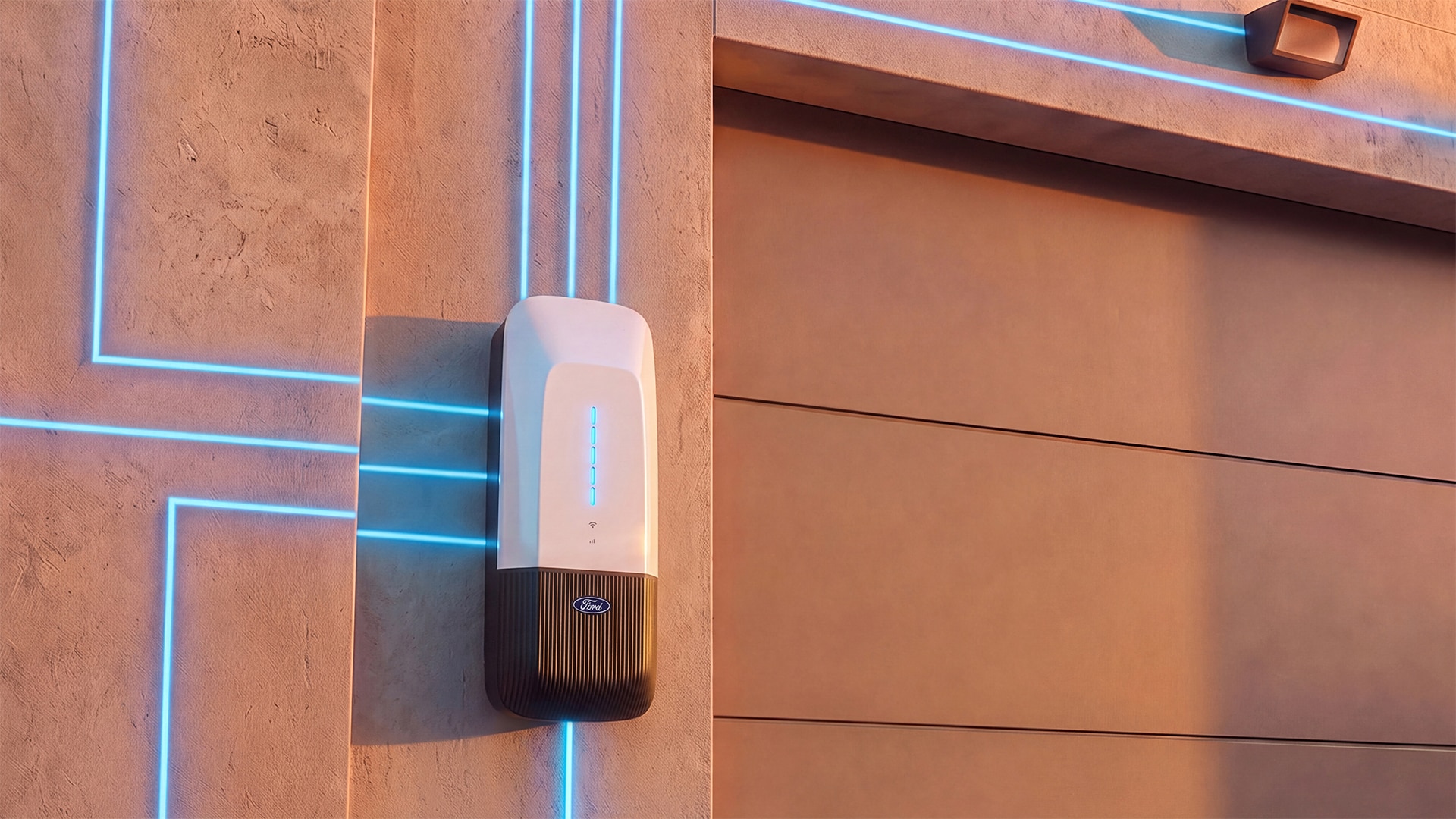

Energy needs are evolving as more energy-intensive technologies emerge and extreme weather events become more frequent.
Utilities are exploring additional resources to help meet demand and keep service reliable, and bidirectional power offers a real lifeline.
Bidirectional power is a technology that enables energy to flow both ways, turning an electric vehicle (EV) into mobile energy storage for customers and an additional energy source for the grid. But getting this technology to scale has not happened yet.
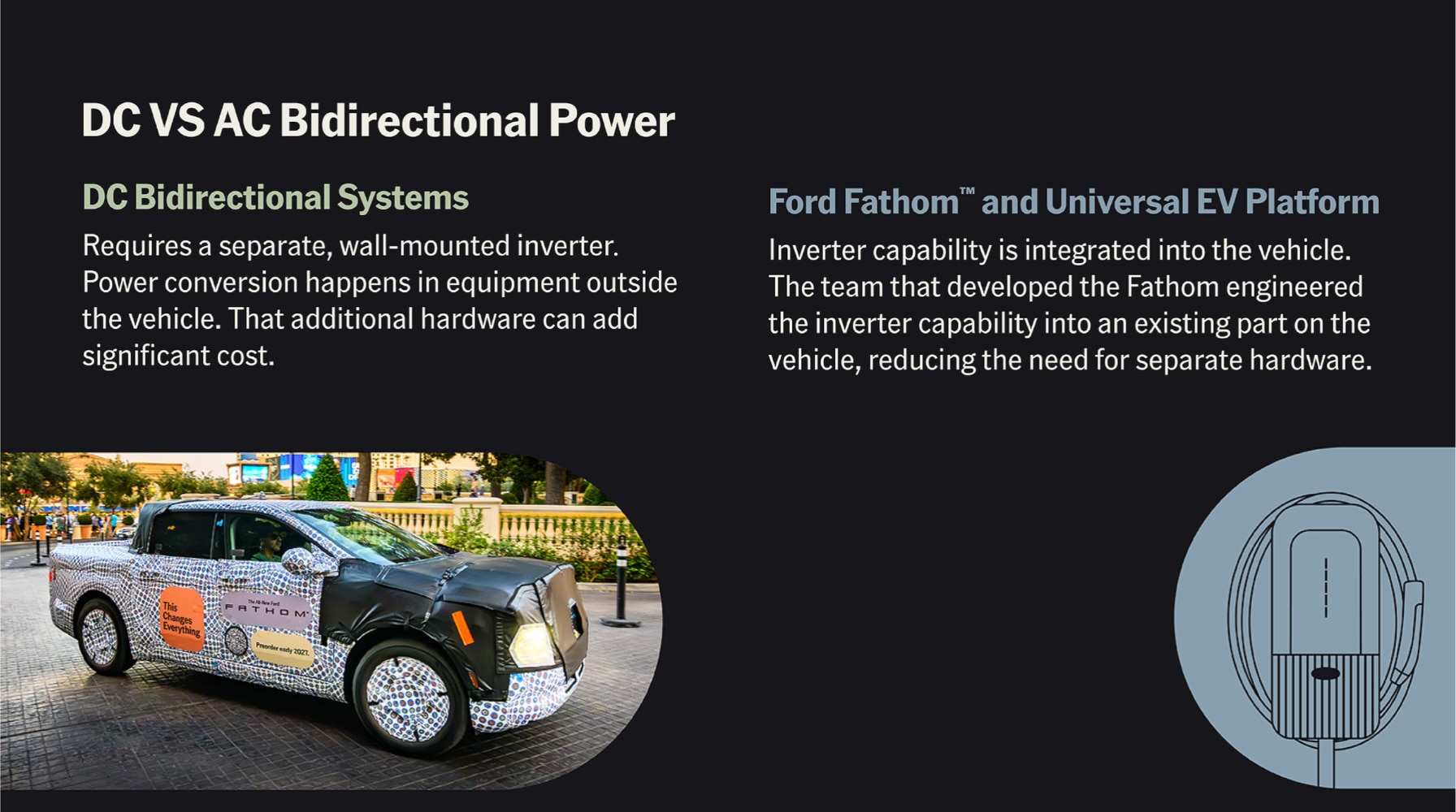
Cost has been the biggest obstacle. EV batteries store power as direct current (DC), but homes use alternating current (AC), and converting between the two has traditionally required costly external equipment like an inverter. That price tag has kept the technology in premium vehicles and the hands of early adopters.
Until now.
In 2027, the all-new Ford Fathom™ electric truck with a starting price below $40,000 (including the $4,000 federal EVAP Incentive)* will be capable of supplying more than a projected 10 kW of AC power to a home without requiring a separate wall-mounted inverter.
What Utilities Should Know About the Ford Fathom's System
After acquiring the startup Auto Motive Power in 2023, we started from a clean sheet on the Universal EV Platform's bidirectional hardware and software. Our goal wasn't just to add bidirectional power to our EVs, but to redesign the system to cost far less.
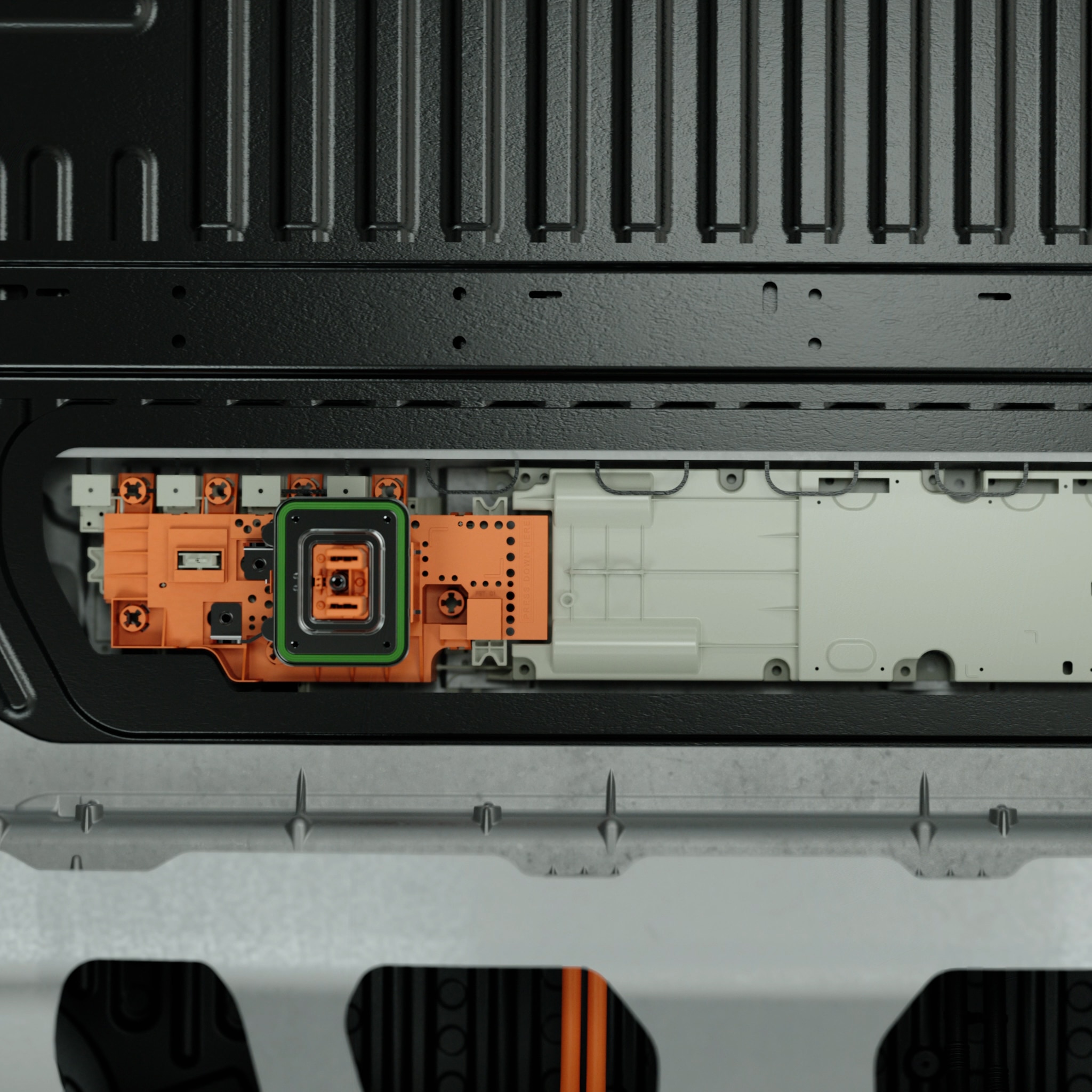
With fewer multifunctional parts and the inverter built right into the vehicle's E-box — one of the five main modules in the vehicle — the system is simpler and more affordable, so more EV customers can have bidirectional power.
Fathom's system is also designed to meet all applicable UL 1741 requirements and comply with IEEE 1547 interconnection standards to ensure the vehicle is safely connected to the grid.
It uses an existing communications technology standard called SAE J3068 (with LIN-CP), developed at the University of Delaware, which also helps reduce the cost of Fathom’s charger.
How Ford Fathom Customers Will Use Bidirectional Power
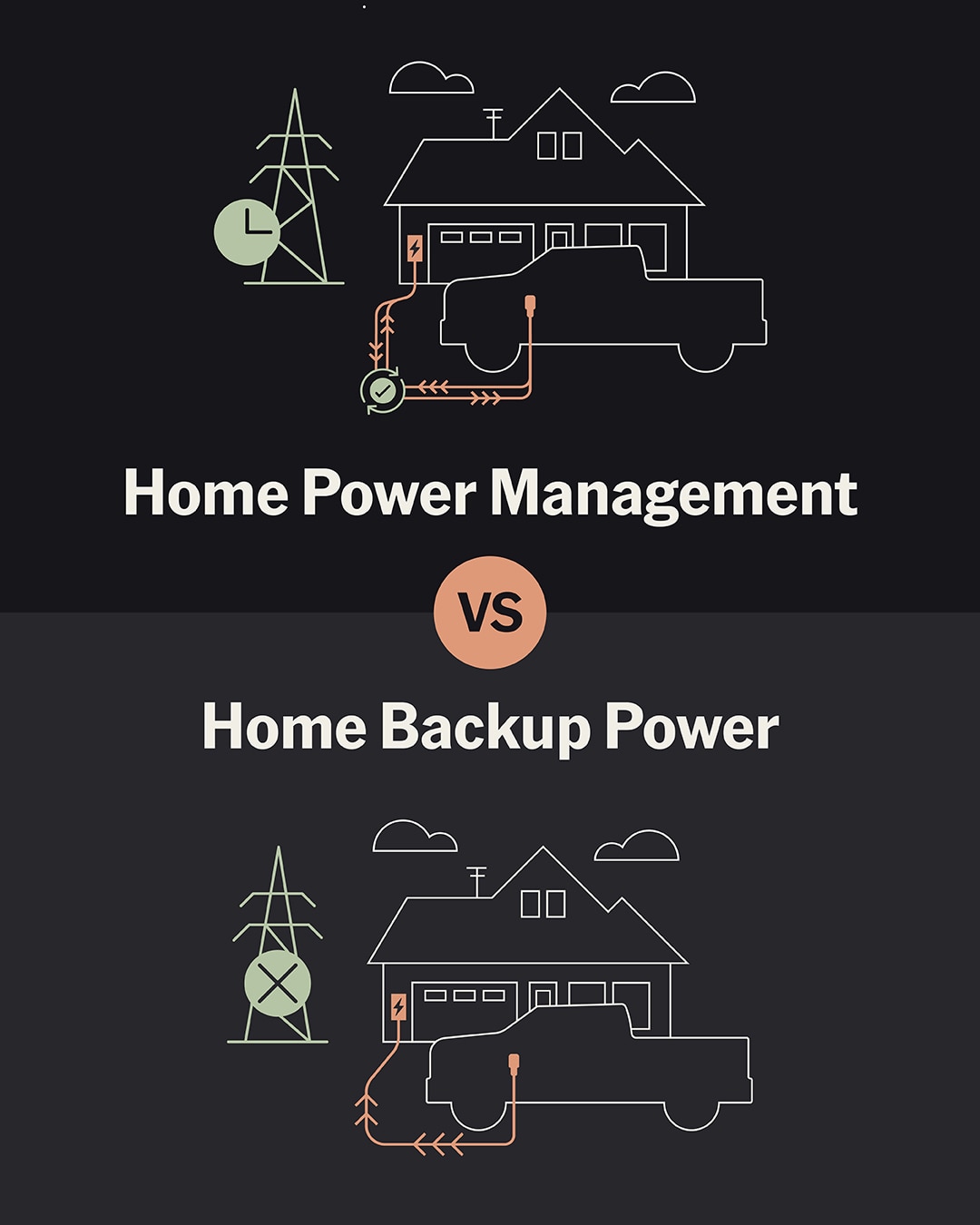
For Fathom customers, that two-way flow of electricity can work in two ways:
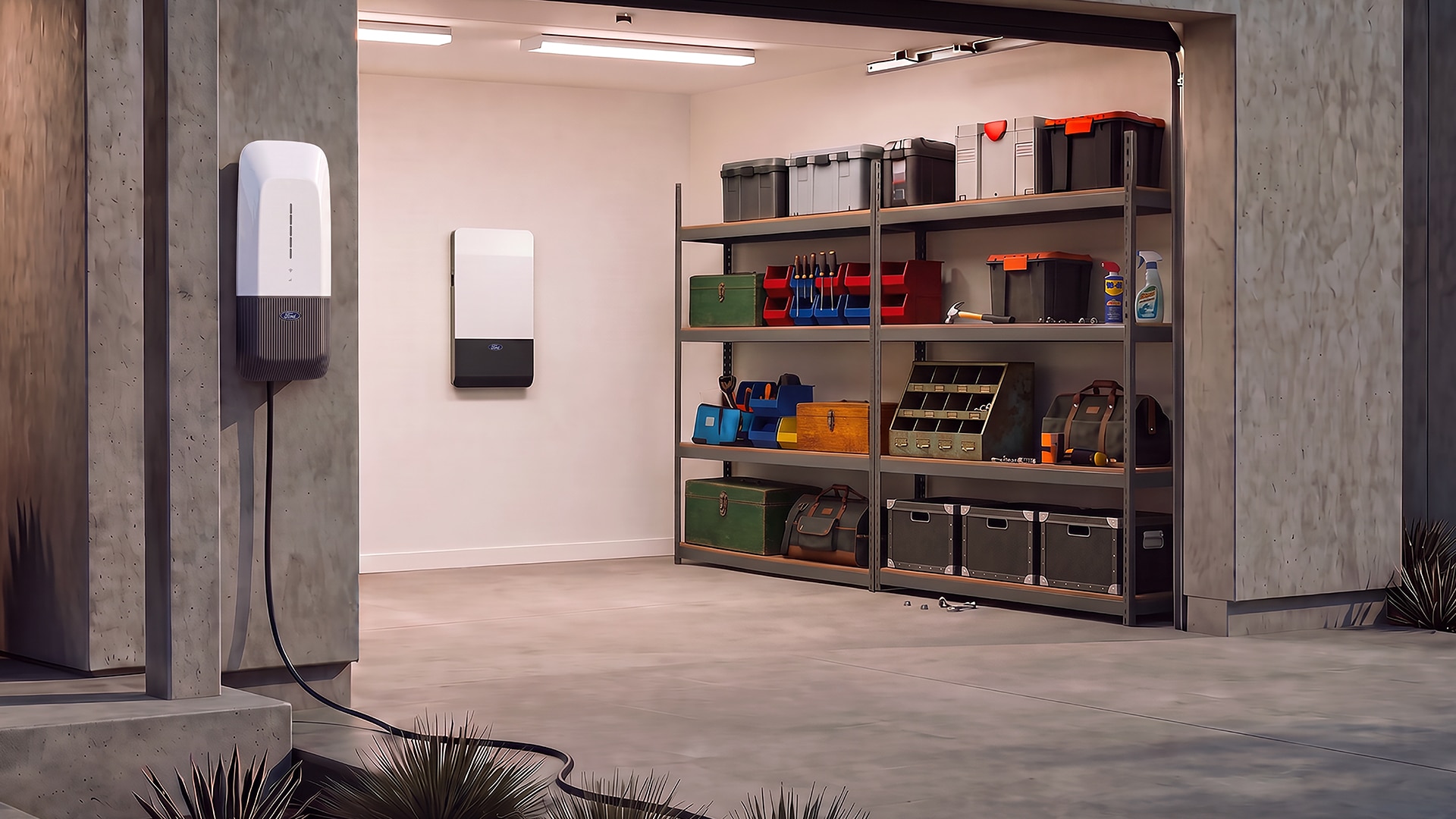
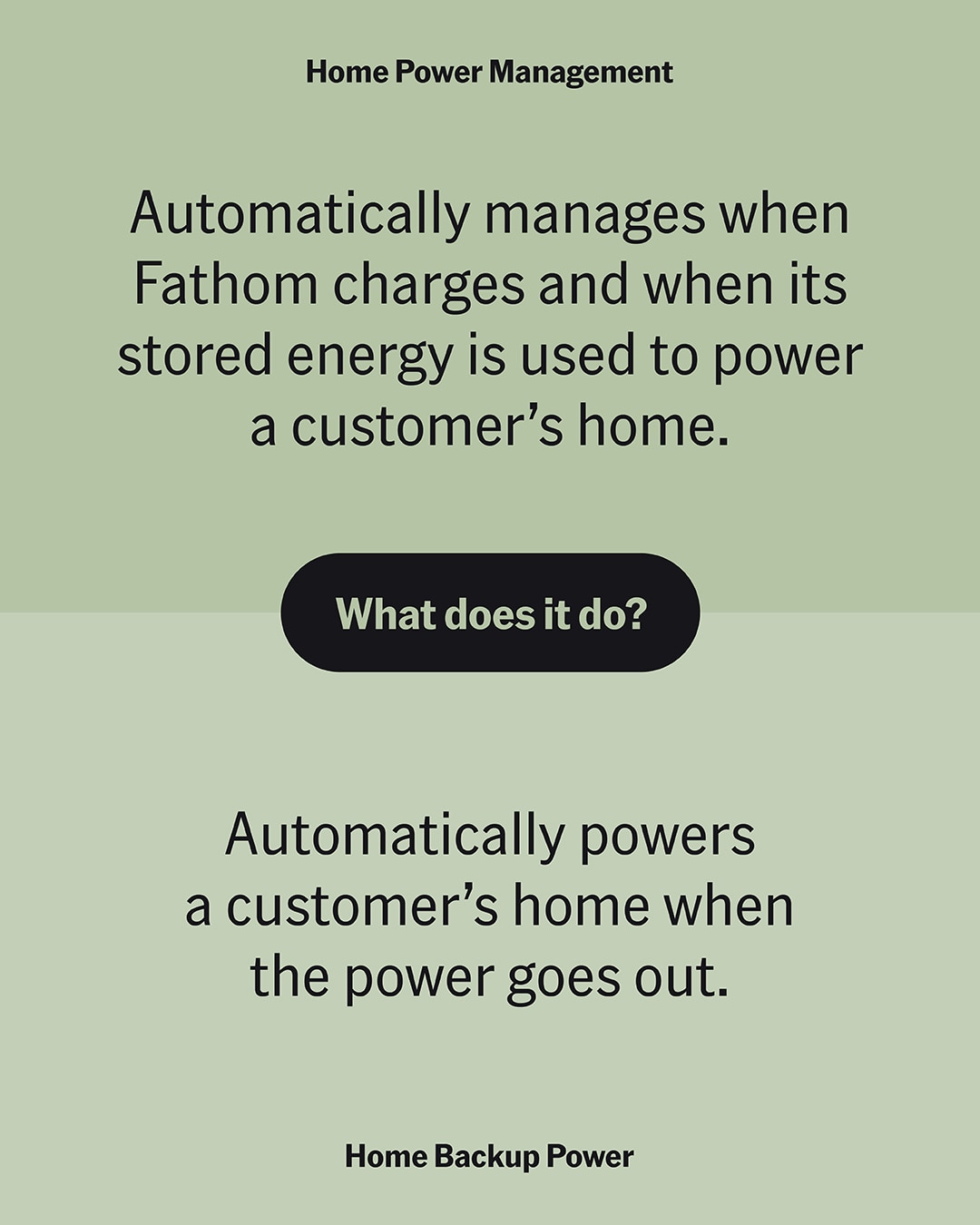
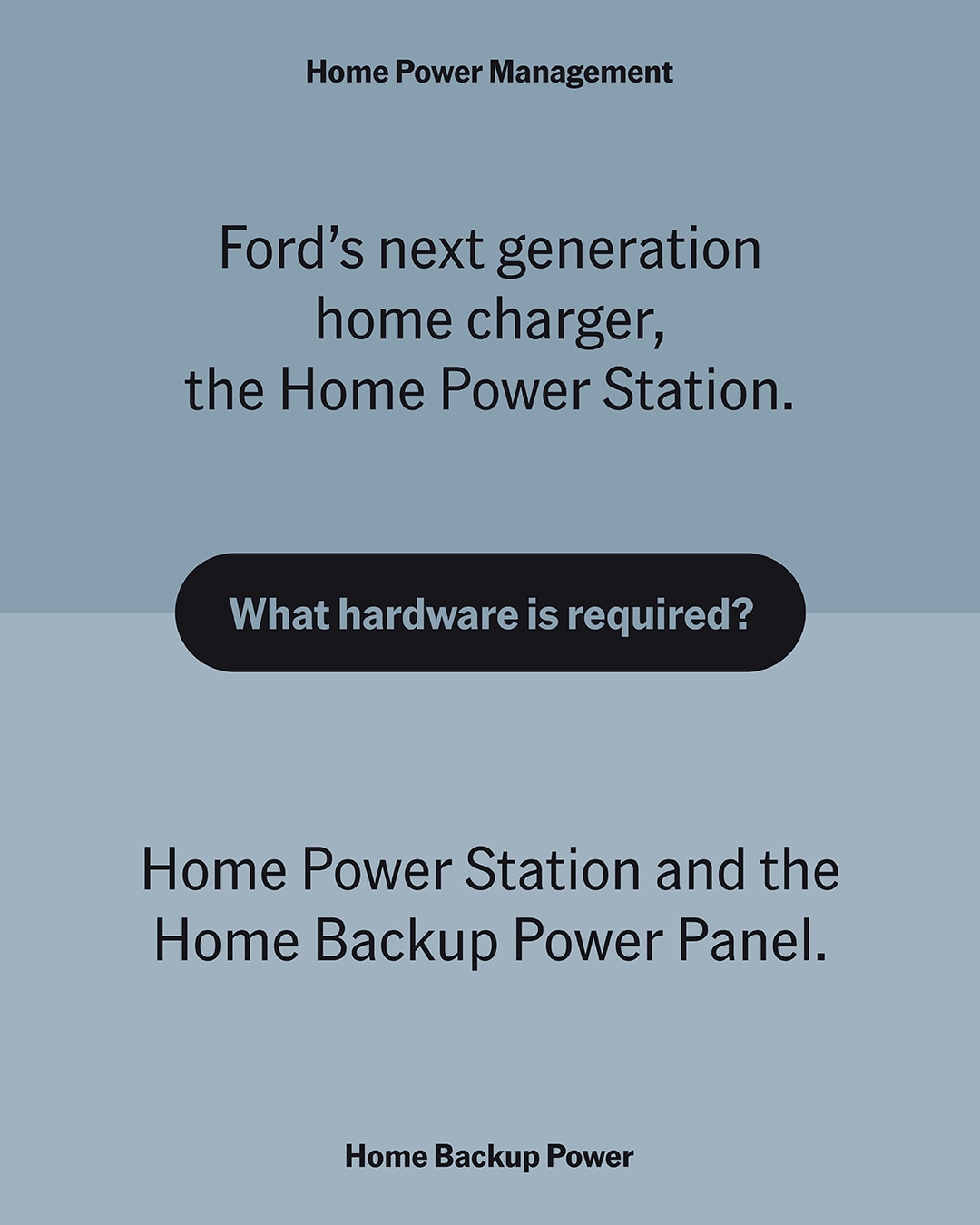
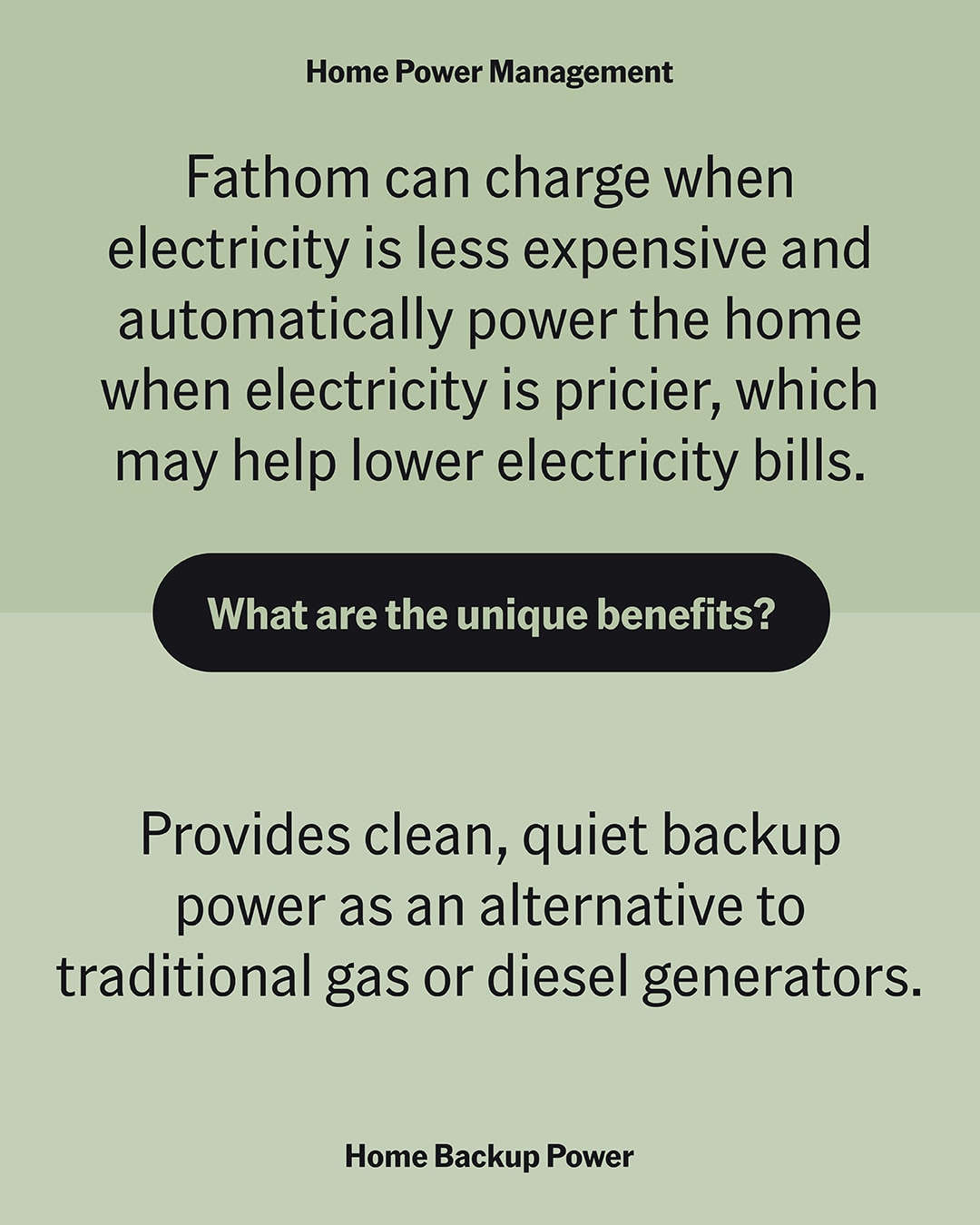
- Home Power Management when enabled lets Fathom customers charge the vehicle's battery when electricity is less expensive and use it to power their home when electricity is more expensive, which may help lower customers' electricity bills. The only hardware required is Ford's Home Power Station**.
- Home Backup Power when enabled lets Fathom send power to a customer's home when the power goes out. Customers will need the Ford Home Power Station and Ford Home Backup Panel***.
A New Opportunity at a New Scale
Affordable hardware is only part of the equation. Utilities and regulators also need processes that make it easier for customers to connect bidirectional EVs to the grid and participate in utility programs, such as virtual power plants (VPPs).


The opportunity is significant for utilities. But there are more than 3,000 utilities across the U.S. and Canada with largely unique interconnection processes.
Interconnection processes were primarily written for rooftop solar and stationary battery storage, which are fixed assets. Bidirectional EVs bring new considerations because they are vehicles first, not stationary equipment.
Bidirectional EVs at this volume are new territory for everyone. That's why we formed a utility working group in July 2026 with five major utilities — American Electric Power, BC Hydro, Consumers Energy, Exelon, and Pacific Gas and Electric Co. — to help define scalable interconnection processes well before Fathom hits the road.
Three Principles for Scalable Interconnection
The working group aligned on three key principles:
- Recognize differences: Make interconnection regulations and utility procedures clear when they apply to bidirectional EVs. Interconnection should not be required for EV customers who only use their EV for charging or isolated backup power. Interconnection should only be required for customers to operate their bidirectional EV in parallel with the grid.
- Anticipate change: Update interconnection procedures or, where necessary, interconnection regulations to incorporate the latest bidirectional EV charging standards, including bidirectional EV standards that apply to both DC- and AC-type systems.
- Solve together: Work collaboratively across utilities, regulators, and OEMs to update interconnection regulations and utility procedures to make the changes necessary to ensure bidirectional EVs can be adopted and easily interconnected. Ford and the utilities in this working group aim to continue collaborating, educating, and implementing new processes where needed.
Let's Get Plugged In
Fathom arrives in 2027. The breakthrough moment for bidirectional power is nearly here. With a more affordable EV and more affordable hardware, Fathom will bring this technology to more customers - and help unlock its potential for the grid - but we need your help. If you're a utility or regulator working on these opportunities or simply want to learn more, please reach out to vhome@ford.com. We'd love to collaborate with you.
*Starting price at $38,690 [$39,995 MSRP + $2,695 (D&D) - $4,000 (applicable EVAP)] after including $4,000 federal EVAP incentive. The Electric Vehicle Affordability Program (EVAP) incentive is provided by Transport Canada on the purchase or lease of eligible EV models with a final transaction value of $50,000 or less and is applied by the dealership at the point of sale after applicable taxes and fees. For leases, the incentive is available for eligible transactions of 12 months or longer, but the incentive amount will vary based on lease length. The incentive is subject to available program funding and may be modified or cancelled by Transport Canada at any time without prior notice. Ford Motor Company of Canada, Limited cannot be held responsible for changes related to the program and cannot guarantee eligibility. Certain conditions and limits apply. Visit Transport Canada’s website for more information about EVAP.