Transit 60th Anniversary Quiz

.jpg)
We’ve been making commercial vehicles at Ford since 1917.
That means when we first introduced our iconic Transit in 1965, we already had almost half a century of insight into how to make trucks and vans that work hard for our customers.
It showed. Transit was an instant hit – more versatile, more driveable and more productive than any van before.
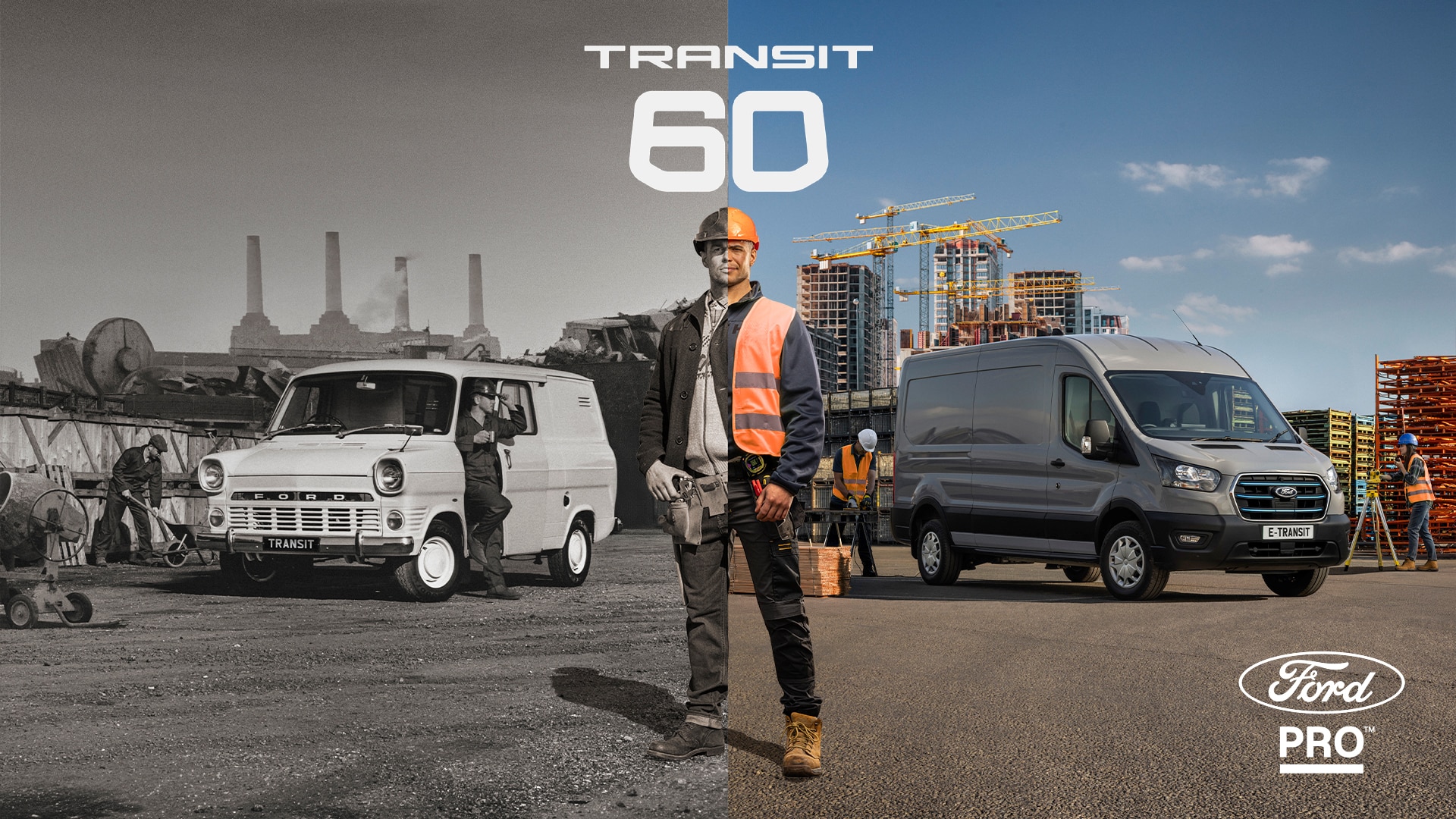
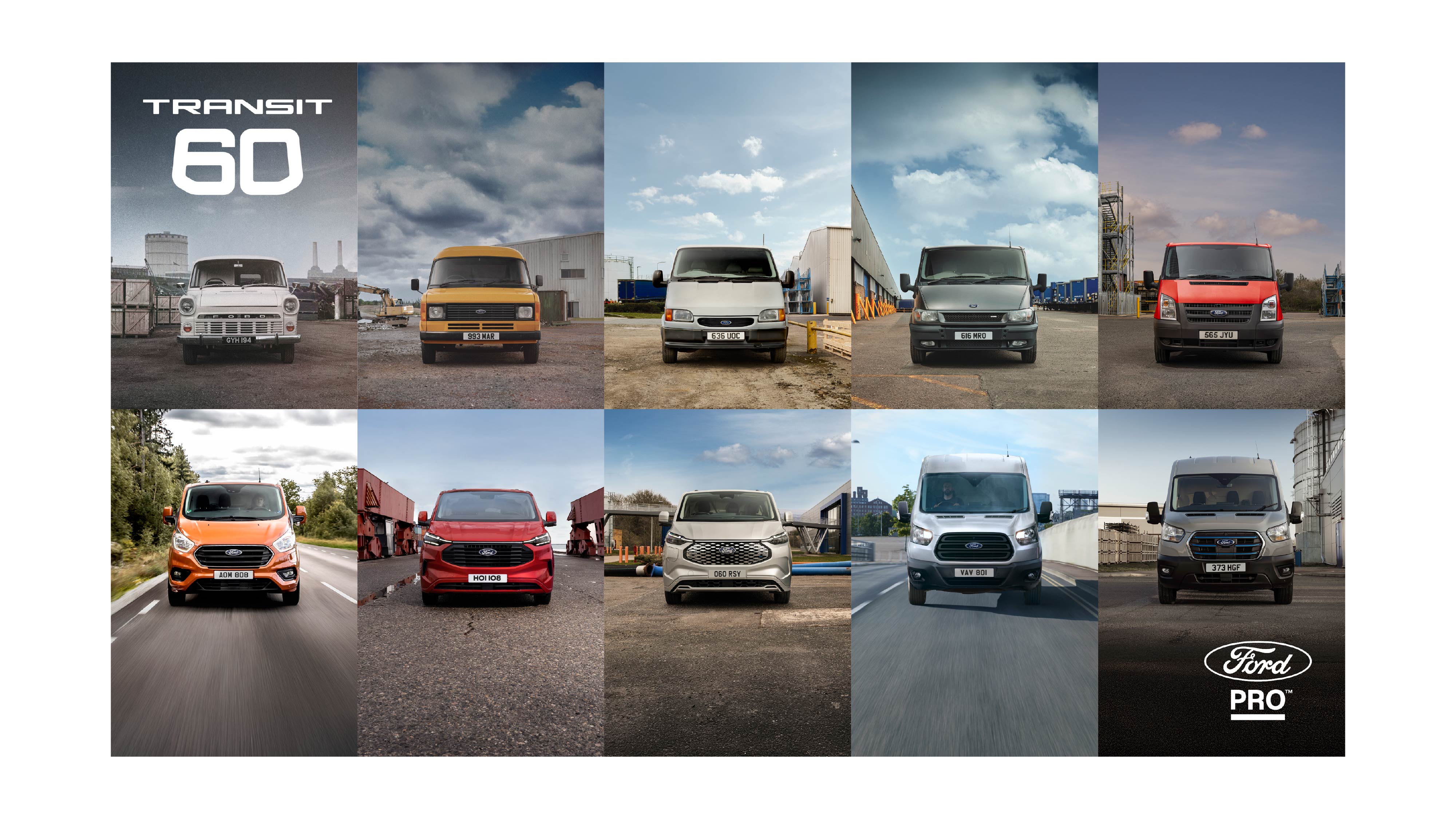
During Transit’s 60 years of serving business and communities – with more than 13 million produced globally – we’ve never stopped improving it.
Each new generation has built on the previous one, with new innovations to help owners get more done and solutions to new challenges faced by customers as their worlds and workplaces evolved too.
And just as each new Transit took inspiration from the last, developing Transit has also sometimes become a generational adventure for the people who work at Ford.
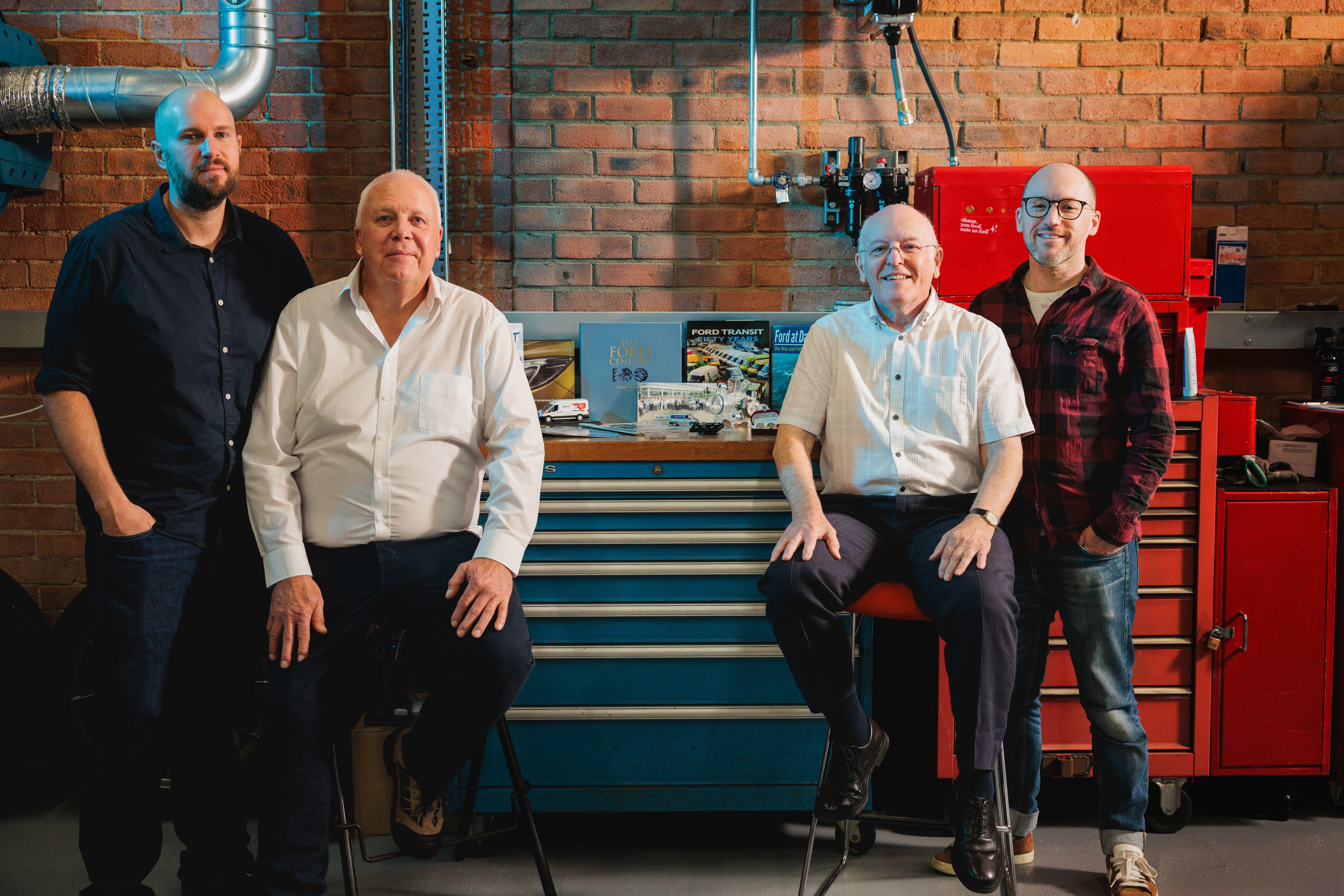
The Day and Routledge families are two examples of families that have kept the innovative spirit burning through the generations to find new ways to make the world’s best-selling cargo van even better.
“You don’t know what you just got into...”
Stephen Day’s career at Ford began almost half a century ago, in 1976.
Like many Essex locals, he wasn’t the first member of his immediate family to work for the company, which has roots in region dating back to the early 1900s.
His uncle also worked at Ford’s Dagenham plant.
“With the family connections, it seemed natural to explore what opportunities there were at Ford,” Stephen said.
His Ford career spanned four decades until he retired in 2019.
During that time, Stephen saw the Transit evolve from the revolutionary – but by today’s standards quite basic – Transit Mk1, to the sophisticated vans on the road today.
His work across the quality and electrical departments together with the talents of his colleagues and Ford’s close relationships with van operators helped deliver those advanced, refined and highly capable vehicles.
One example of such an “SDS” was finding a solution to an electrical complication in the Transit Mk6. It turned out customers were able to strain the wiring system by grabbing a particular part of the rear door to pull it shut.
Stephen’s solution: A clever bungee design to protect the components.
“I got a recognition award for that, which I gratefully received,” he said.
But as always, the real reward was helping build a better van.
Stephen worked on other innovative ideas inspired by how Transit drivers really use their vans when hard at work – concepts that are still part of the Transit experience today.
“I was involved in developing the first waterproof keys for Transit,” he said.
These new keys could stand up to a soaking in a builder’s pocket on a wet winter day. They also recharged automatically from the ignition, so drivers did not need to change batteries to use the programmable vehicle locking that Stephen also helped develop.
“I worked on Transit’s first trailer tow hitch monitoring system too. And we made sure there was room for A4 files in the glovebox. All designed to make life easier and safer for the driver.”Stephen Day
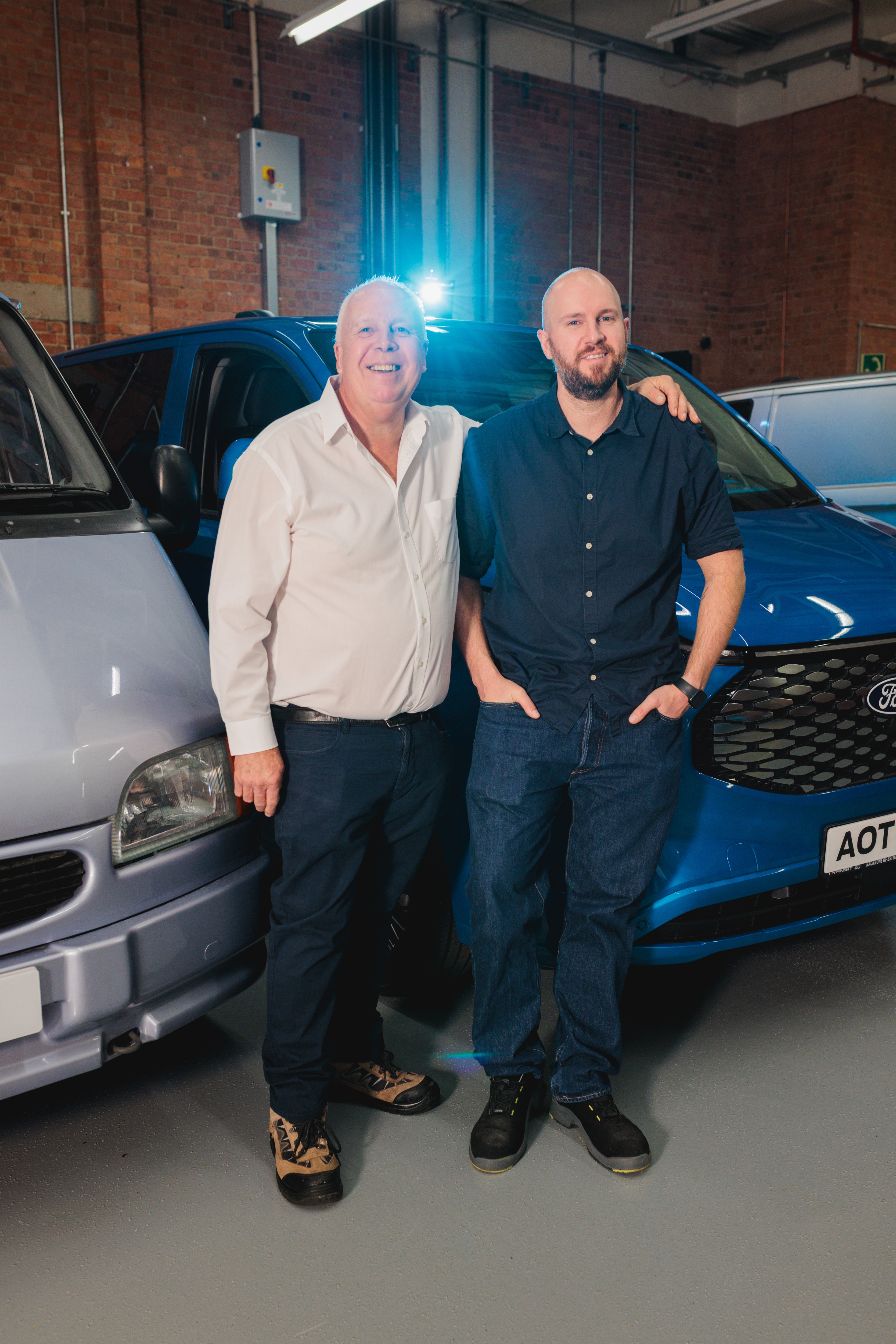
When Stephen’s son, Martin Day left college, his father suggested that he apply to join the apprentice scheme at Ford.
Twenty-three years later, Martin is a supervisor in the Vehicle Infotainment and Connectivity team that develops the systems drivers use to control the growing number of features in their Transits.
Stephen also previously worked in Transit Special Vehicle Engineering projects.
“I’m pleased that Martin continued the family tradition,” Stephen said. “In fact, since I joined, there’s been a Day at Ford for the last 39 years.”
Martin inherited not just a passion for Transits, but also a sense of pride in delivering exceptional products that help owners get the job done.
A Family Transit(ion)
Les Routledge joined Ford in 1978 – just as the Transit Mk2 was being introduced.
During a 38-year career at Ford he helped develop the engines that powered millions of Transit vans, from his first project – the 2.5-litre diesel engine introduced in 1980 – to Ford EcoBlue diesel engines powering Transits today.
The iconic van was already a huge success by the time Les joined the team, with more than 1 million vehicles produced in Europe, but an eagerness to continually improve Transit has been at the heart of its 60-year success story.
Les’s son, John Routledge, inherited his father’s passion for engineering and innovation, and jumped at the chance to do work experience at Ford while studying, aged just 16.
John studied both Fine Arts and Innovation and Design Engineering before beginning his career at Ford in 2011. Initially working in Engine Engineering, he also worked in the Innovation department.
His first projects were to improve the user experience for Transit drivers – although this time developing features that were the stuff of dreams when Les started his Ford career.
John’s appetite to continue his father’s legacy is clear.
“I immediately started working on a project that resulted in some new features for Transit Custom. Although my focus was on things like Advanced Driver Assistance Systems and Uptime, I'd also give the team working on the van’s new fold-flat steering wheel a few bits and bobs.”
An understanding of how drivers use their Transits in the real world has helped make the van an essential tool for 60 years and remains an important part of John’s job.
His experience on the road with The AA roadside recovery is a good example.
“I noticed that for safety the patrol driver had to shuffle across the cab to exit by the passenger door, rather than into traffic.
“Although he didn’t see an issue, I could see it was a struggle due to the uneven cab floor. Seeing things like this first hand can result in product improvements, like the flat cab floor in the latest Transit Custom.”
And with two sons of his own John is hopeful that they might carry on the family’s Transit tradition.
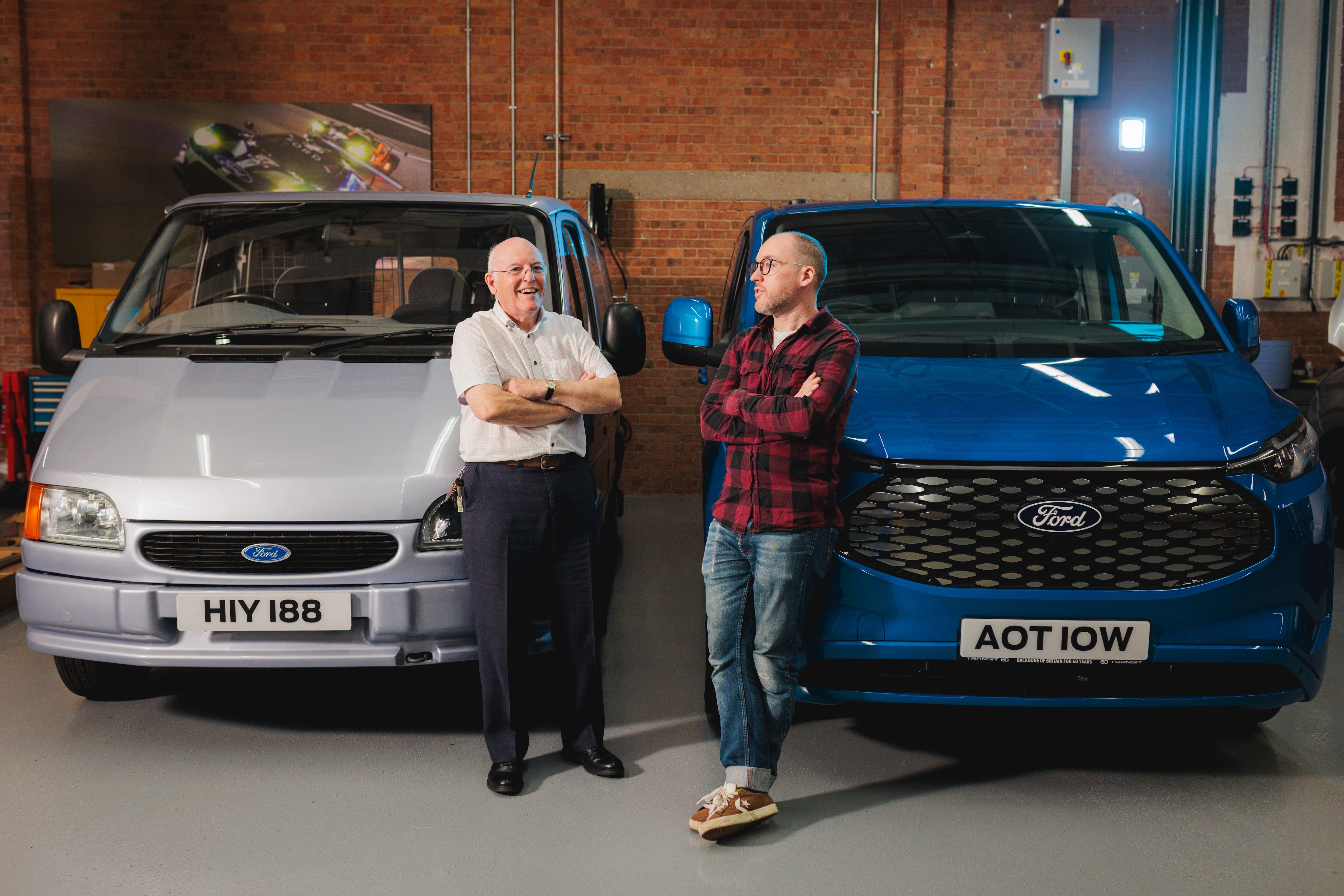
“My grandad also worked in automotive, so it would be pretty cool if there was a fourth generation working in this field.”John Routledge
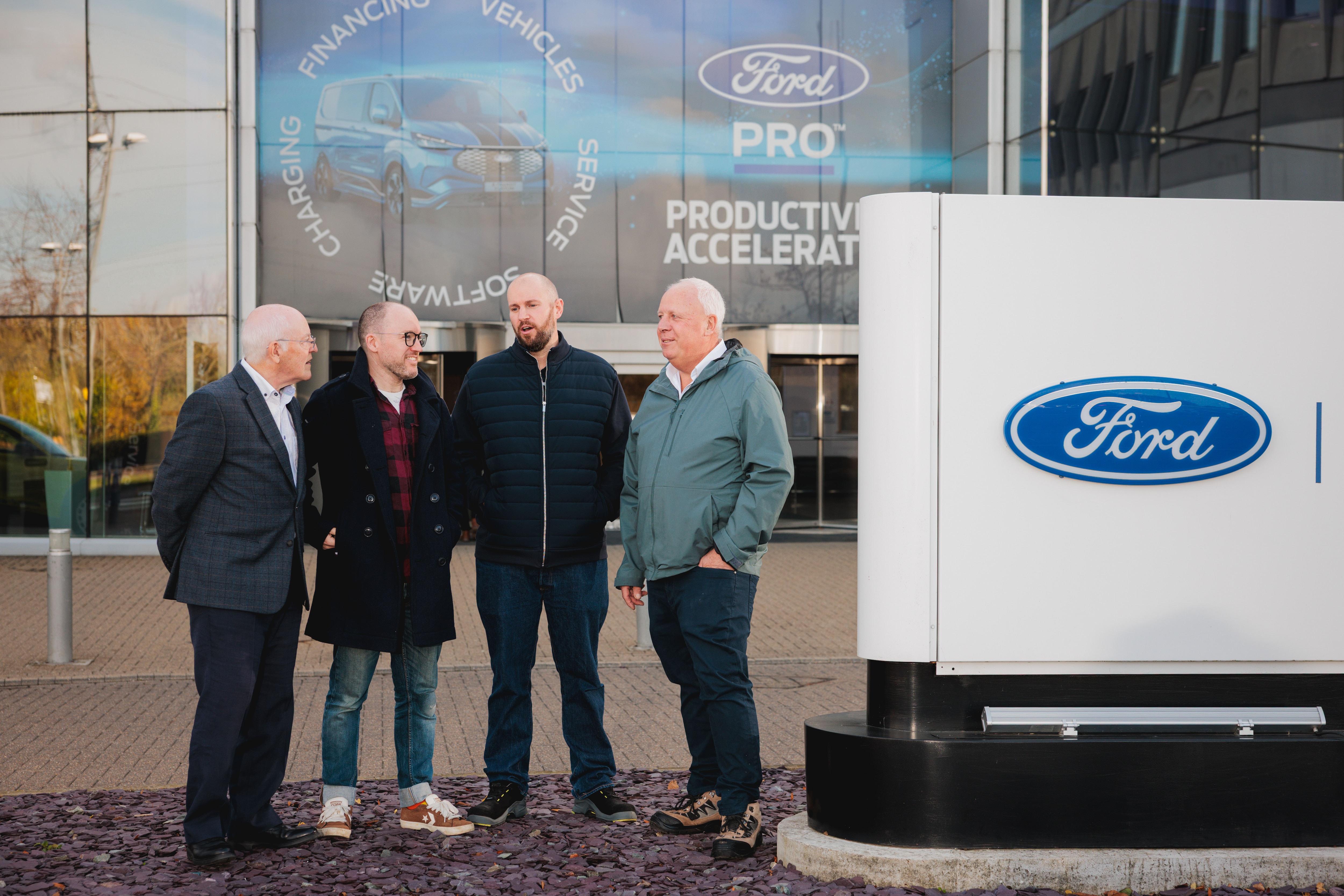
Stephen, Martin, Les and John are all proud to have played a part in the story of a vehicle that has touched so many lives, and their stories demonstrate how knowledge accumulated across the generations has been so central to Transit’s success.
“The fact is that you can say ‘Transit’, and everyone knows you mean ‘van’,” said Les. “That says it all for me.”
Anushka Mathew works on Ford Pro communications for Ford’s newsroom