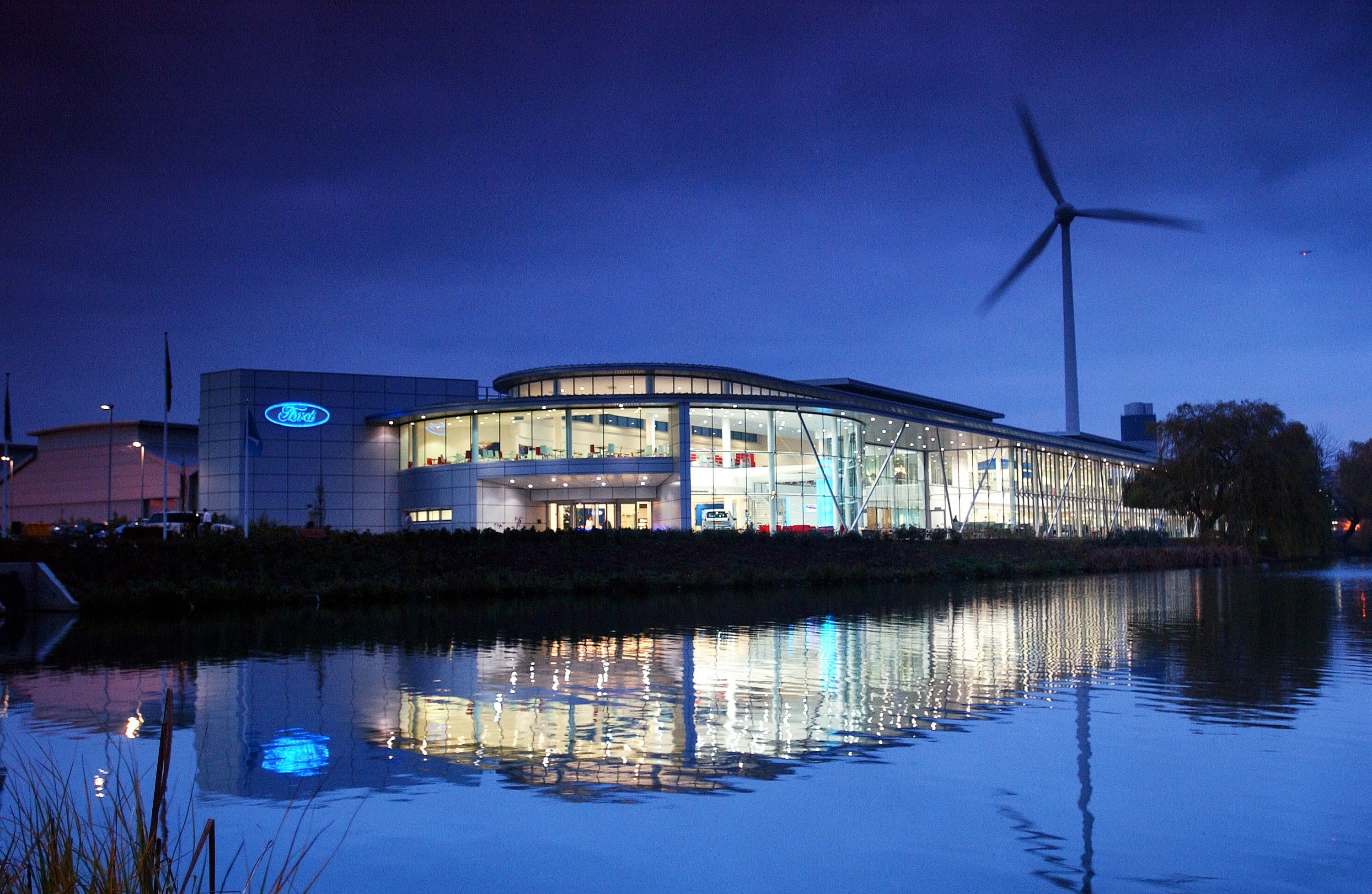

As we celebrate Dagenham’s 95th year, it seems fitting to highlight the huge variety of work that goes on in the shadow of its three huge wind turbines. 95 years on, Dagenham remains a hive of activity, keeping the business flowing and customers moving. I visited the site last week and spent a day getting under the bonnet of the site that keeps Ford and its customers on the move.
At 450 acres, the Dagenham estate is the largest manufacturing site in London. It is the size of more than 250 football pitches, and it seems like something different is happening on each one. The first Ford vehicle — a Ford AA truck — rolled off the production line on 1 October 1931, and 11 million vehicles duly followed.
As times have changed, so has the estate.
The site is home to engine manufacturing, vehicle logistics, vehicle preparation, specialist conversions and engineering work — to name but a few. It is where problems are solved, and efficiency is king.
What are Customer Conversions?
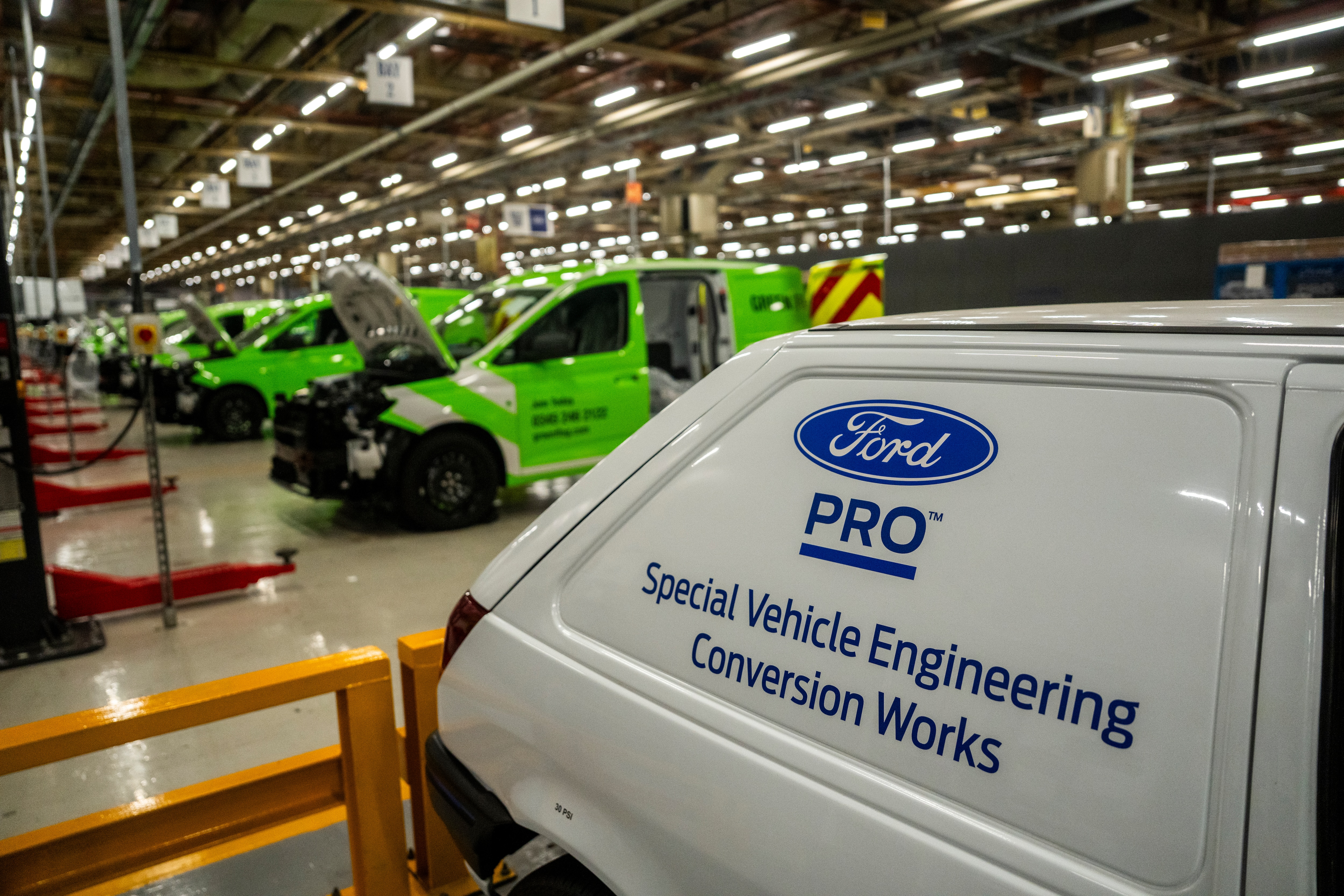
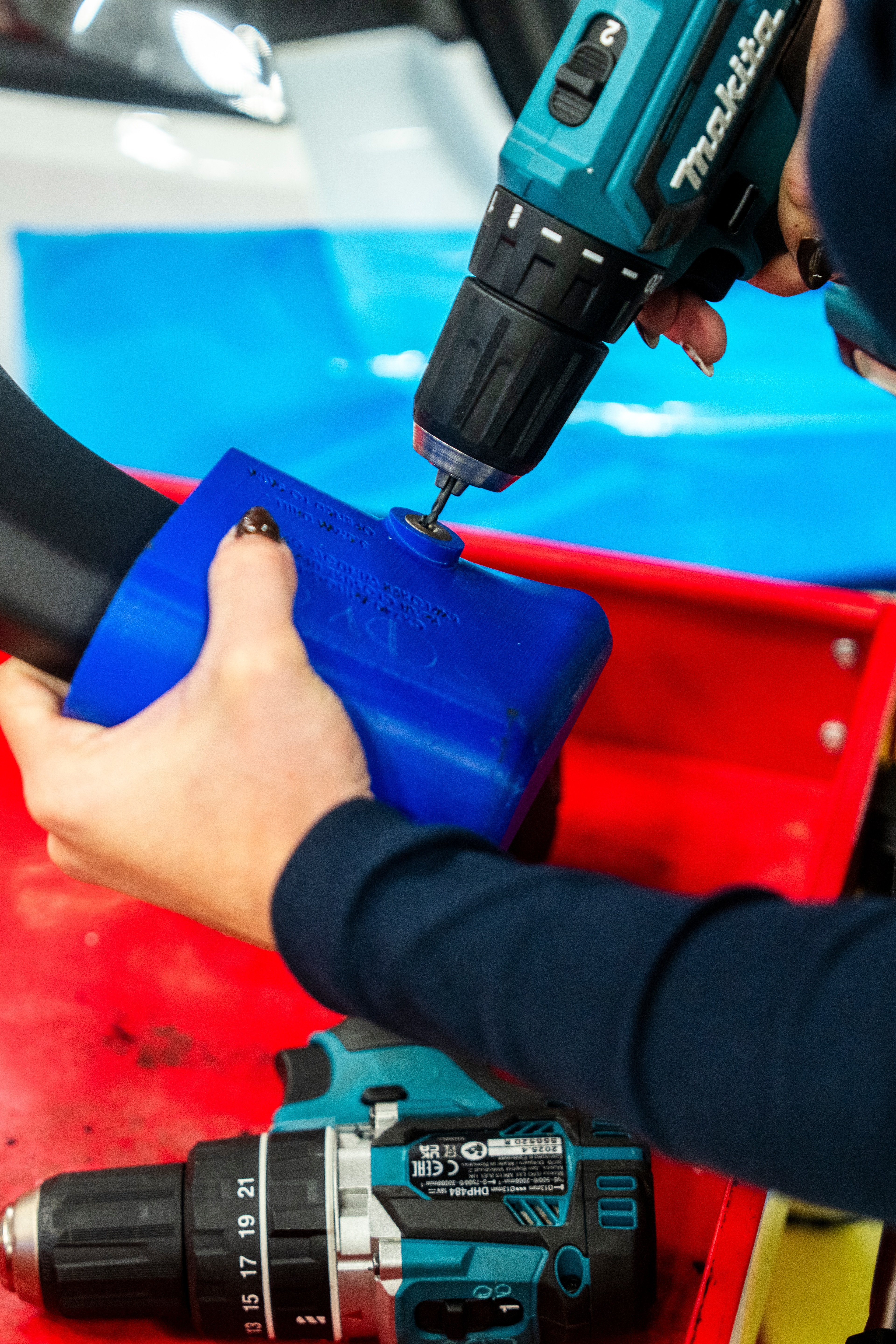
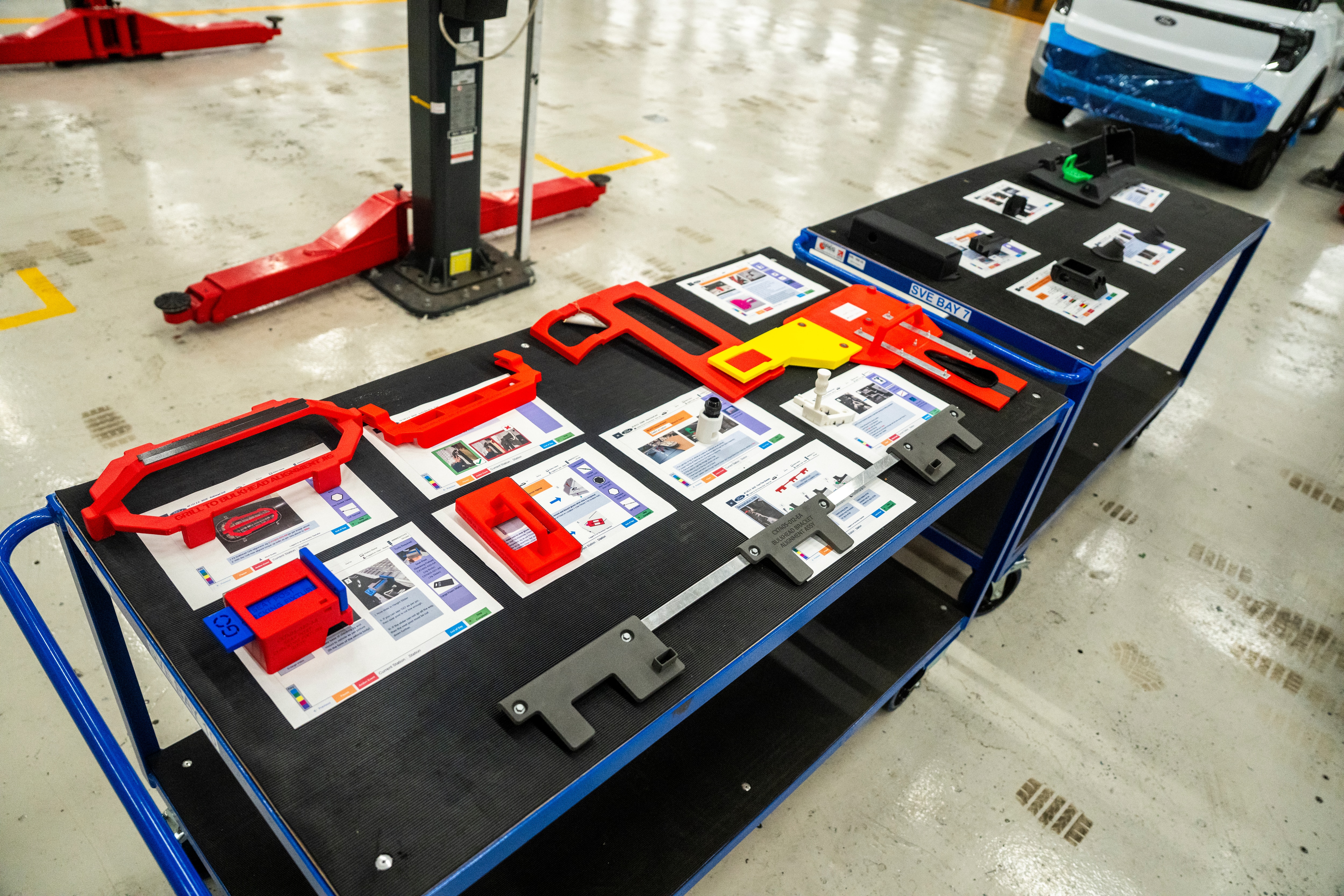
The vehicle conversions site is where we adapt and enhance vehicles for our customers’ specific needs. Conversion can mean several things — it might mean adding equipment, adapting a vehicle for its work, or creating a part that doesn’t exist off the shelf. The team can 3D-print custom parts on site, helping turn a specific customer ask into a practical, made-to-measure solution. It’s a great example of Dagenham’s work changing with the needs of customers — and of the people on site finding clever ways to make vehicles work harder.
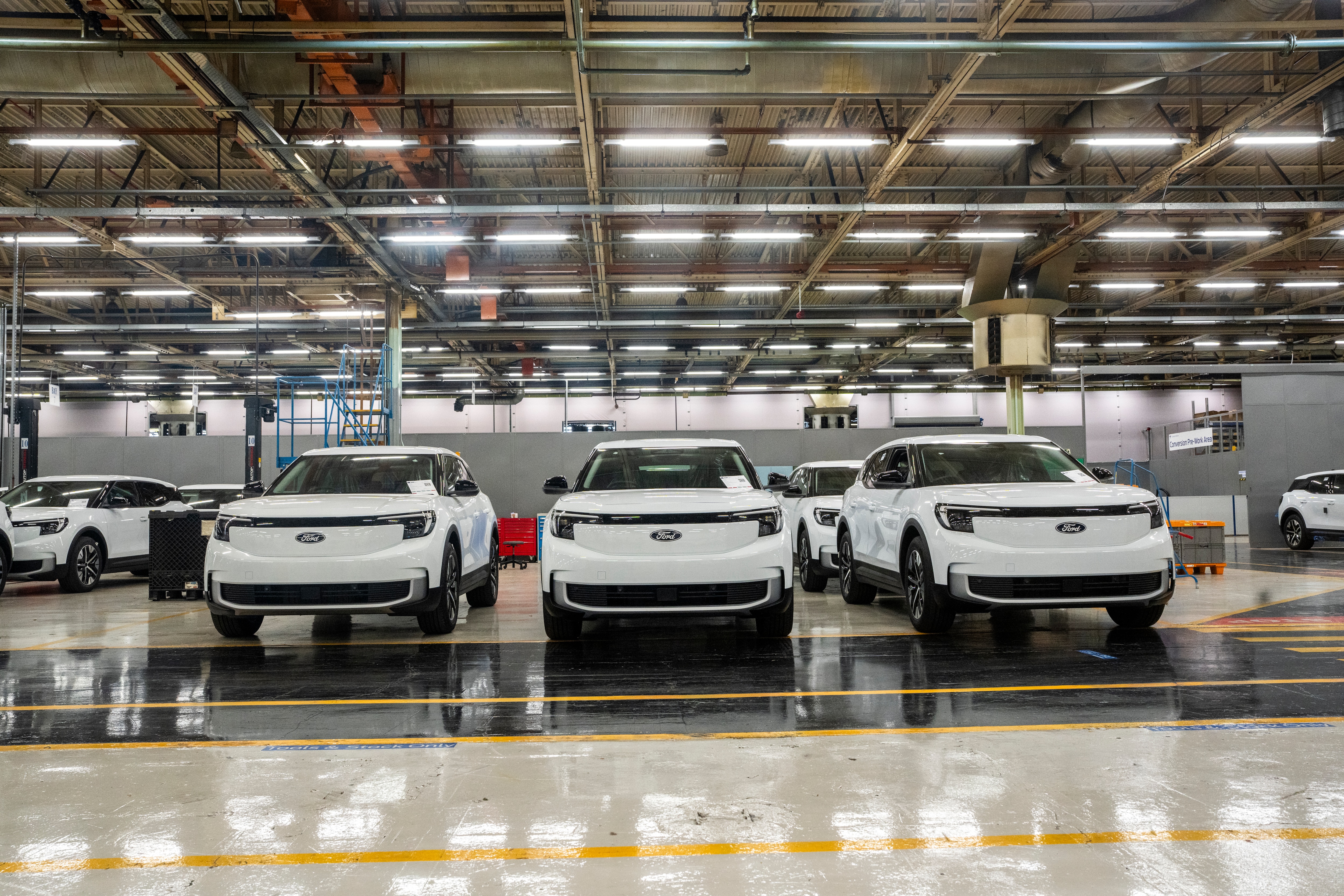
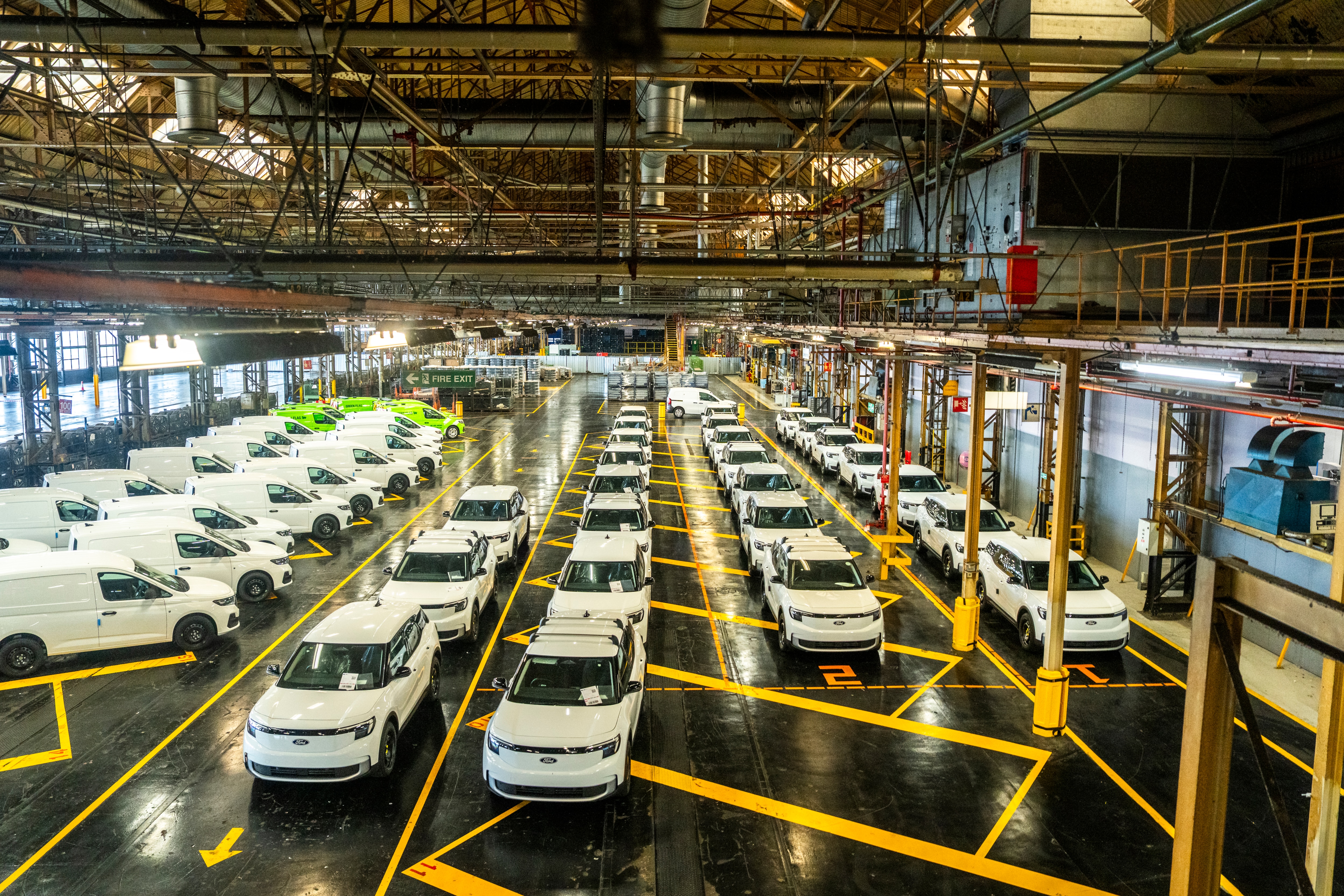
The conversions site is an essential hub for our Ford Pro business. This is where fleet vehicles — including rescue vehicles for companies such as Green Flag — come for specialist adaptations, built around the customer’s specifications. I saw dozens of Explorers lined up and ready to be converted into robust vans for businesses expanding their electric fleets. This area is expanding quickly — on the day I visited, a group of technicians were enjoying their very first day on the job.
How Does Ford Meet Specialist Needs?
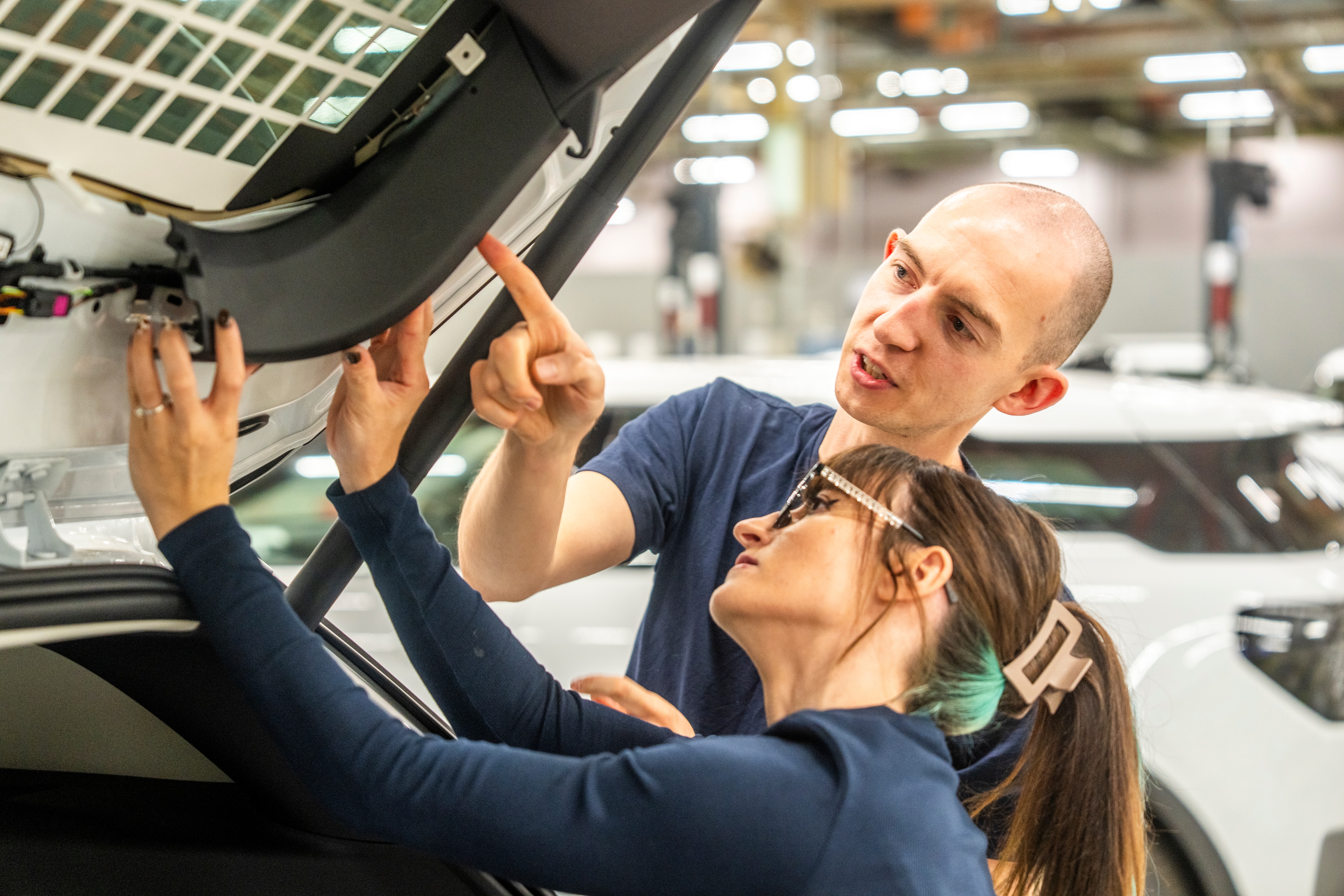
Another part of the site is known as “Autotech”, a section of the plant which serves a variety of purposes. For many, it is simply a place to collect their new Ford, but it is also a place where teams solve very practical problems for customers and get to the root of issues.
Here, specialist teams work on everything from fleet vans to emergency-services vehicles. They can reinforce vehicles for demanding work, add security upgrades and carry out specialist fit-outs. On the day I visited, DPD vans are being upgraded to withstand the rigours of the constant stop-start life of goods delivery. For our Ford PRO customers, we know that their vans and pick-ups are essential productivity tools. The teams at Dagenham are the ones who make sure that they are ready to hit the road and perform their job perfectly — every time.
Autotech also has expertise in electric-vehicle batteries, including the ability to strip battery packs down to their component parts to investigate any issues and provide repairs. And, for a wonderfully unexpected statistic, the team produces around 8,000 sets of number plates a year.
What Happens at the Vehicle Holding Centre?
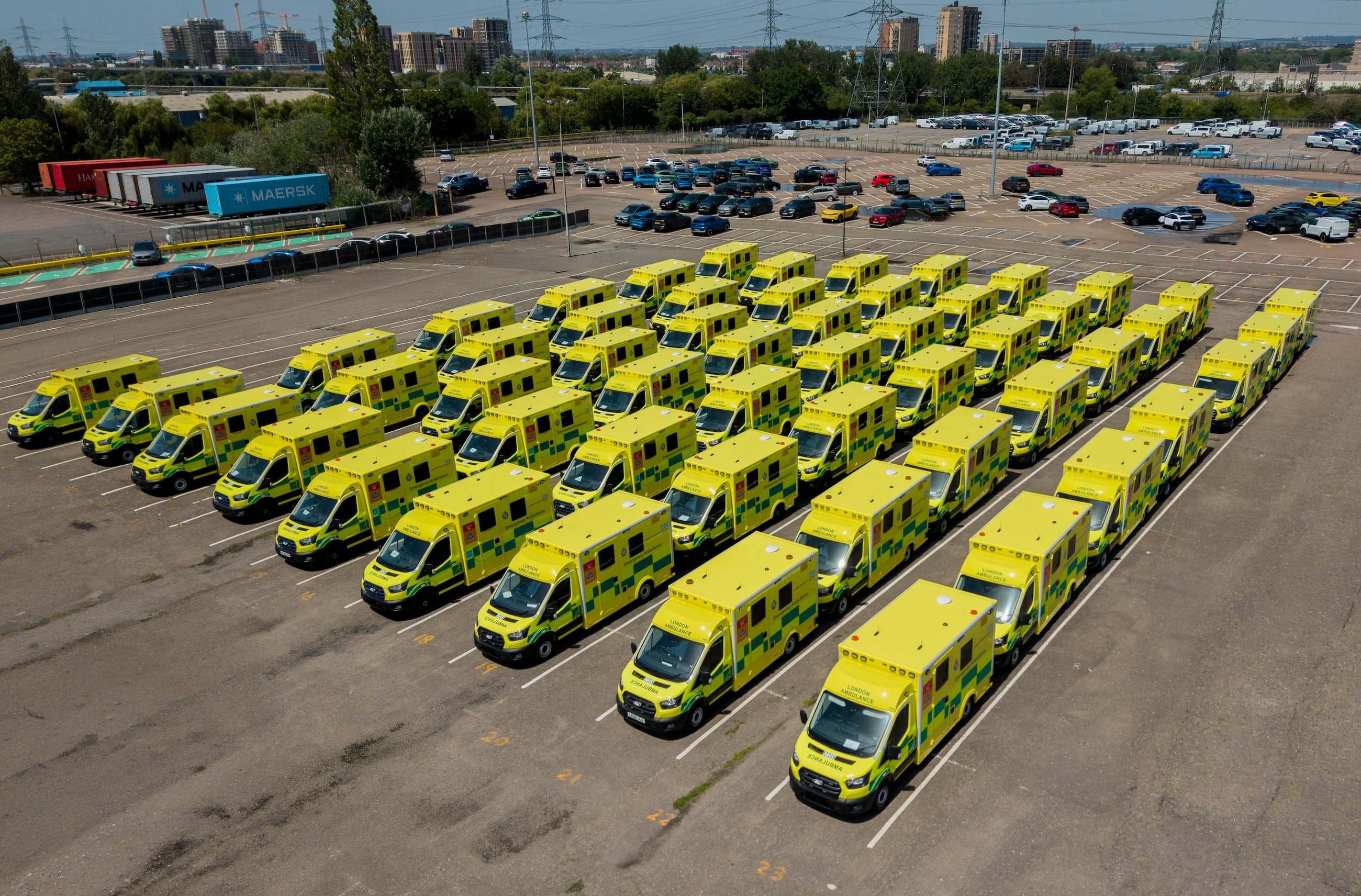
Autotech is surrounded by acres of parking spaces — the “Vehicle Holding Centre”. This is where vehicles are stored before making their way to customers across the country. It is vast, with more than 10,000 spaces and crossing two London boroughs — Barking and Dagenham and Havering. The record number of vehicles accommodated on the site was 18,000 at one time; all precisely arranged in a grid of numbered spaces. Even the way vehicles are parked is carefully managed, with a consistent direction intended to help protect them from the weather.
How Does the Thames Location Help?
“This is where vehicles are stored before making their way to customers across the country. It is vast, with more than 10,000 spaces and crossing two London boroughs – Barking and Dagenham and Havering. ”Poppy Mckenzie Smith, Ford of Britain
The Thames has long been vital to Ford’s Dagenham operations and was one reason Henry Ford chose the site. Built in the 1930s, the jetty is still going strong: ships arrive daily from Flushing in the Netherlands, each carrying up to 850 vehicles. Nearly 200 metres long and weighing more than 11,000 tonnes, their arrival is a striking reminder of the scale of the operation.
Then there’s the road transport. I was amazed at the immense skill and dexterity of transporter drivers after I was reversed up — at some speed — to the top of a lorry and stepping out on to the narrow ledge. Loading cars onto a vehicle transporter an extreme sport: drivers manoeuvre vehicles up steep ramps with tight margins, relying on training, practice and judgement rather than sensors or even mirrors. Dagenham trains its drivers on site, from HGV skills to the specialist work of loading transporters, which then deliver vehicles to dealers around the country.
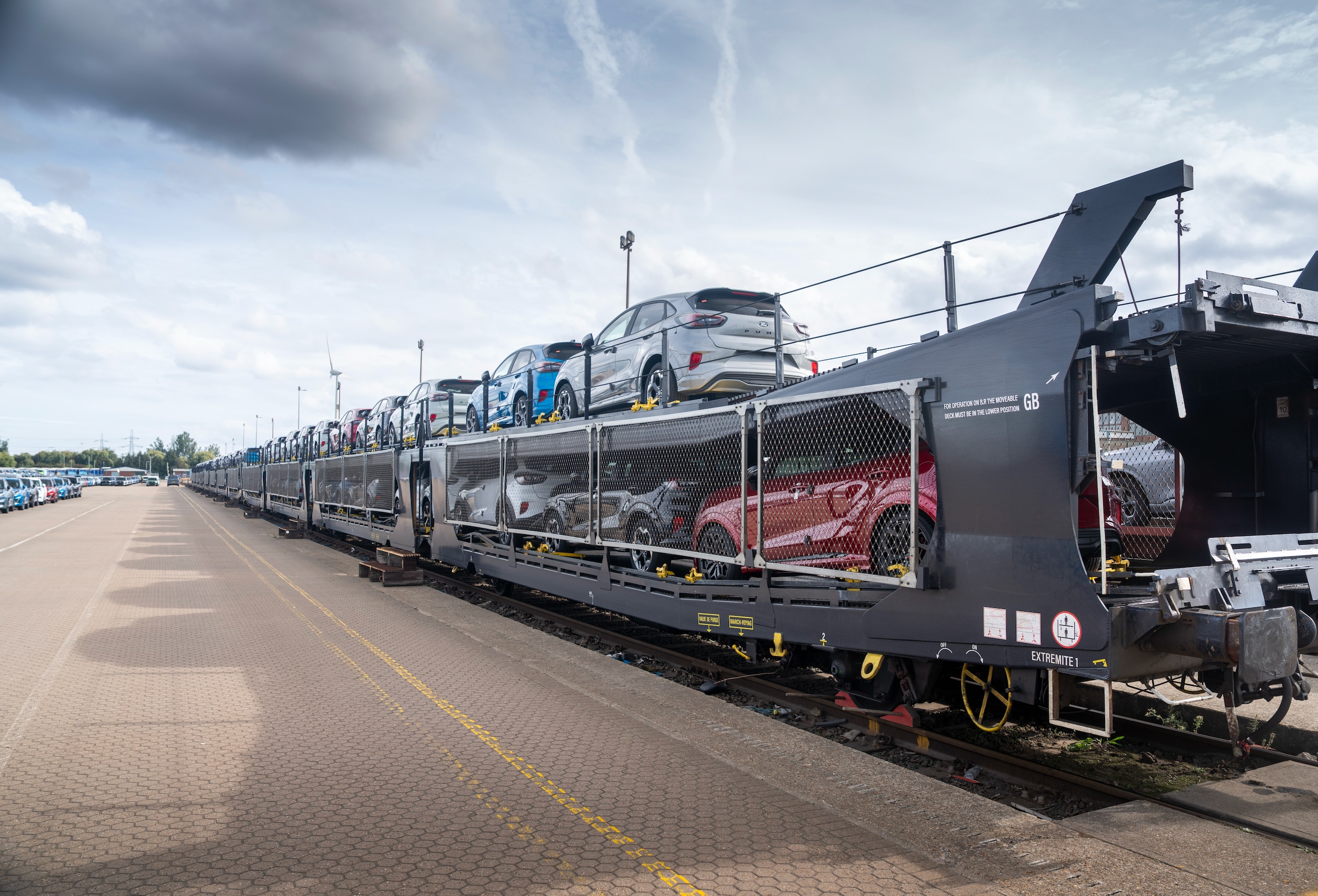
Rail provides another route for vehicles to reach customers, and anyone who has taken the Eurostar may not realise that the same line serves Dagenham’s rail transport. An 11km track runs around the site and connects into the wider rail network. Roughly 9 services leave the site each week, taking 1,300 vehicles either to Liverpool, or Scotland.
Does Dagenham Still Build Engines?
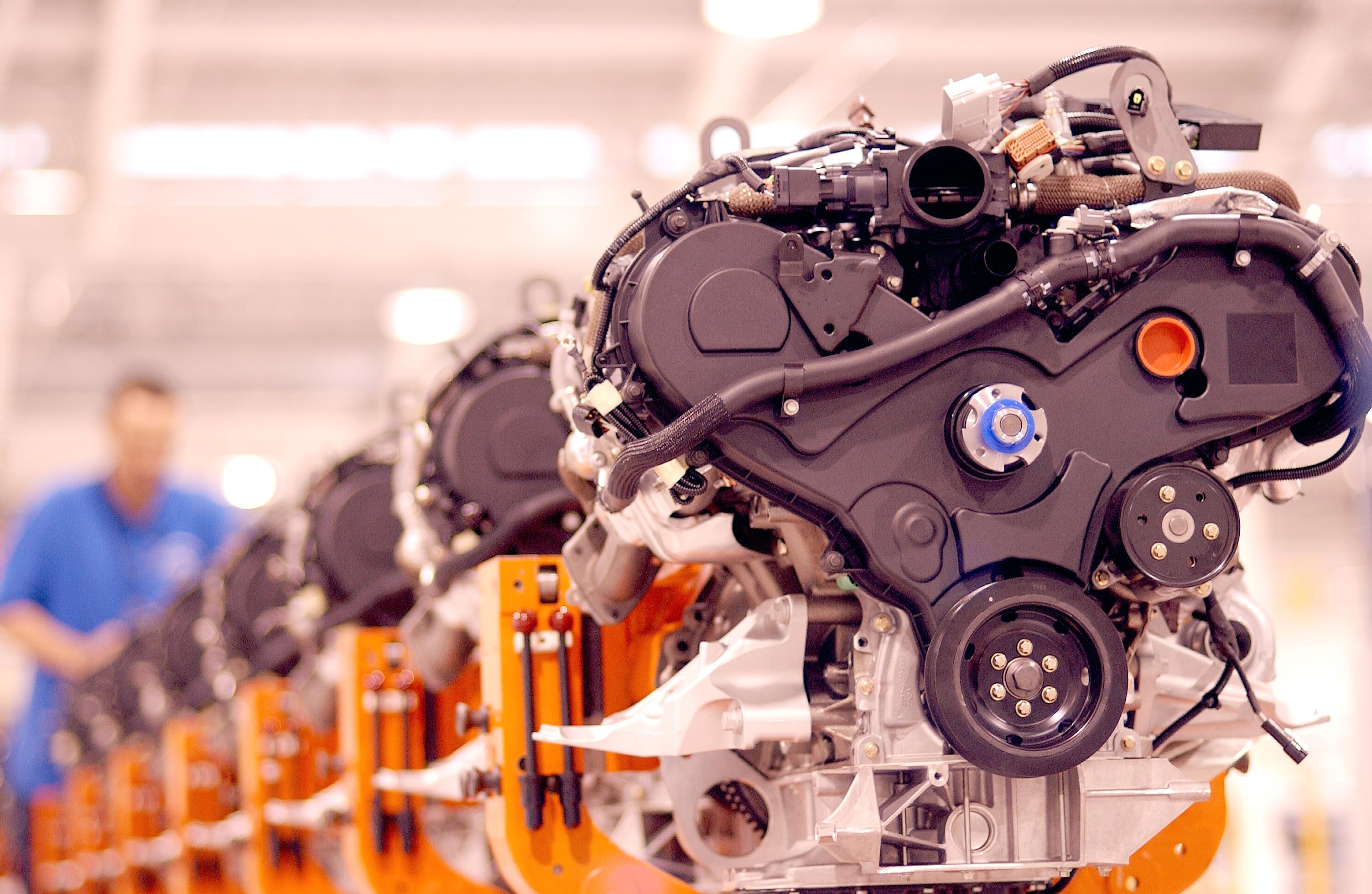
Of course, Dagenham also makes diesel engines — lots of them. Dagenham Engine Plant (DEP) and Dagenham Diesel Centre (DDC) have produced more than 50 million engines over their time and produce hundreds of thousands of engines for Ford vehicles such as Transit and Ranger each year. These engines are exported to customers across 6 continents.
Dagenham has always evolved with the times and continues to do so. It began producing vehicles in 1931 and, over the decades, became part of the lives of generations of Ford employees and their families. During the Second World War, the factory turned its production skills to the war effort, building military trucks and other vehicles, tracked carriers, tractors, engines and tools. Around 360,000 vehicles were produced there during the war, despite the obvious risks of operating a riverside factory under air-raid threat. Windows were blacked out, the roof was impressively camouflaged, and thousands of brave workers kept production moving. That fighting spirit lives on today.
By Ford’s 90th anniversary, Dagenham had built nearly 11 million vehicles and close to 50 million engines. More recently, the site adapted again: during the pandemic, it helped produce components for the UK’s Ventilator Challenge, contributing to the production of nearly 12,000 ventilators for Covid-19 patients.
That ability to take on different challenges is part of what makes the site so impressive. I’ve been there many times, and I’m still discovering new things. So next time you drive past the big blue oval — and those three huge wind turbines — remember there’s a lot more happening behind them than you can see from the road.
Happy 95th birthday, Dagenham. We’ve got a lot to be proud of.
Poppy McKenzie Smith is the corporate and brand communications lead at Ford of Britain. A lifelong car-lover, Poppy has spent her whole career in the auto industry. Growing up around classic cars sparked a love of motoring heritage that continues today, and her best Ford moment to date was learning to drive the Model T. Away from work, she enjoys driving her Mustang around the Scottish Highlands.
What to Read Next