

We’re not fans of downtime at Ford Pro.
Just like our customers, we spend every minute we can looking for ways to improve the things we do for those who rely on us.
Since 2023, I’ve been part of the small team that developed Ford Uptime Services.
The original proof of concept was developed by the Ford Pro Human-Centred Design team in London (special mention to James Murray and Jake Larsson.) They were experimenting with ways to tackle the pain point of downtime for our commercial customers, and found a way to turn data from connected vehicles into an intelligent system for fleet managers to maximise their productivity.
“One of the great things about a system like Ford Uptime Services is that it can be continually developed to get better over time.”Isaac Adeyeye, technical product owner, Ford Uptime Services
It sounds like a simple concept, but we knew the implementation would be complicated, because it had to be scalable… and on a very big scale. That’s where we came in.
The live feed of data we monitor includes over 3,000 unique alerts that could be triggered by each connected vehicle — and there are thousands upon thousands of our vehicles operating across Europe, with more being added to fleets every day.
Clearly, we needed some clever software to handle this much complexity and turn it into useful insights.
That’s where our team of three came into play. With our programming backgrounds, we were able to build a platform ready to trial in just a matter of months.

“The live feed of data we monitor includes over 3,000 unique alerts that could be triggered by each connected vehicle.”Isaac Adeyeye, technical product owner, Ford Uptime Services
So what exactly did we develop?
The world of software moves quickly, so this was the kind of fast and lean process that you need to put into action if you want to stay ahead of the game. It’s what Ford means when we aim to “think like a challenger” and “act like startup.”
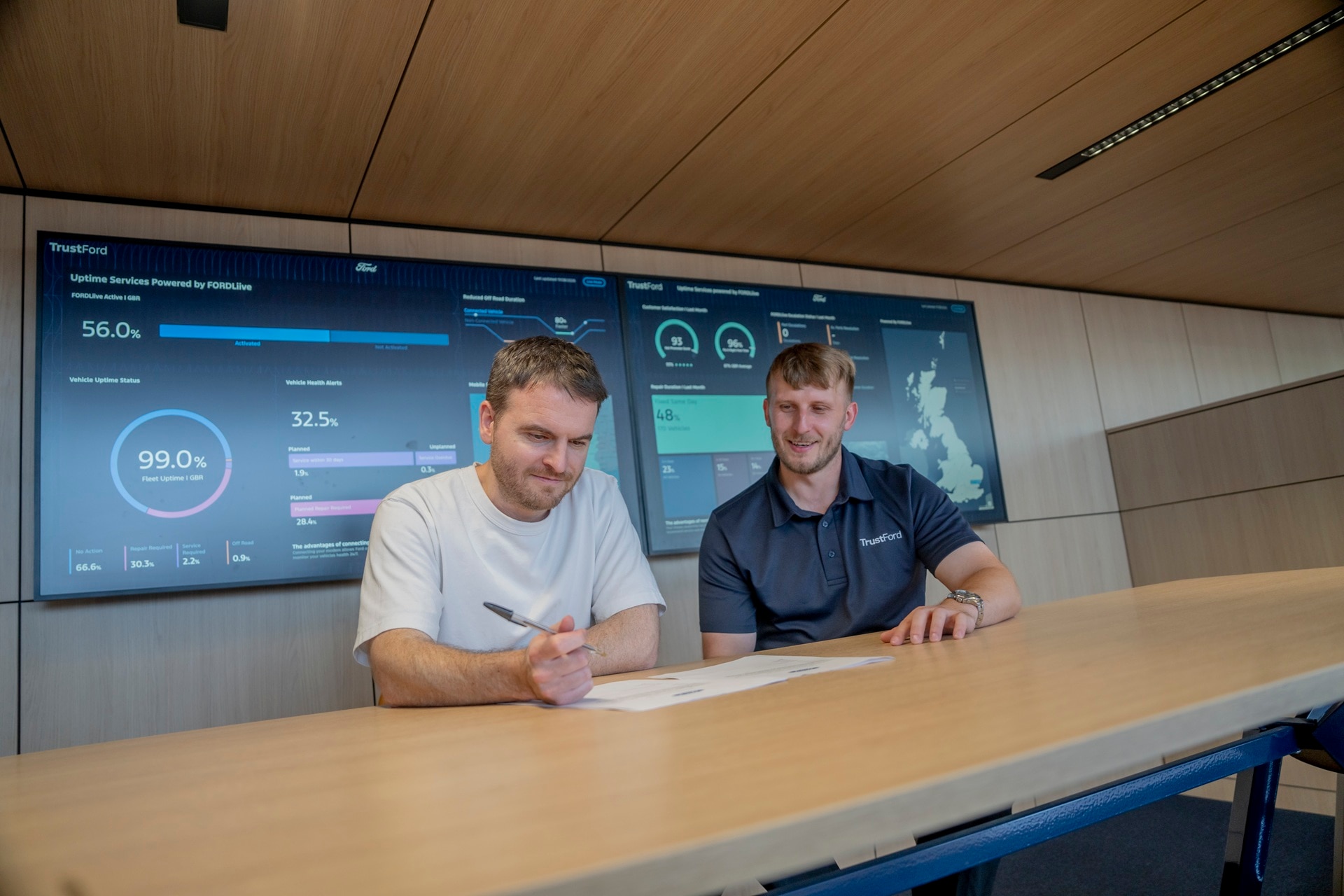
The data is automatically pushed from the vehicles to our platform, securely processed in the cloud, and then allows us to send out automated reports weekly or even daily, to give fleet managers a birds-eye view of their fleets’ health. FORDLiive agents then use this information as an input to run our proactive service.

This new functionality — which we’ve called Remote Diagnostics — is what makes Ford Uptime Services proactive, rather than reactive. The information from the sensors is like a digital crystal ball.
It allows us to get a head start on developing issues to book maintenance before these smaller issues escalate into larger ones, and repairs that are more costly in both time and money. A van off the road costs a business around €700 on average per day, according to research we commissioned. 1
What difference does Ford Uptime Services make?
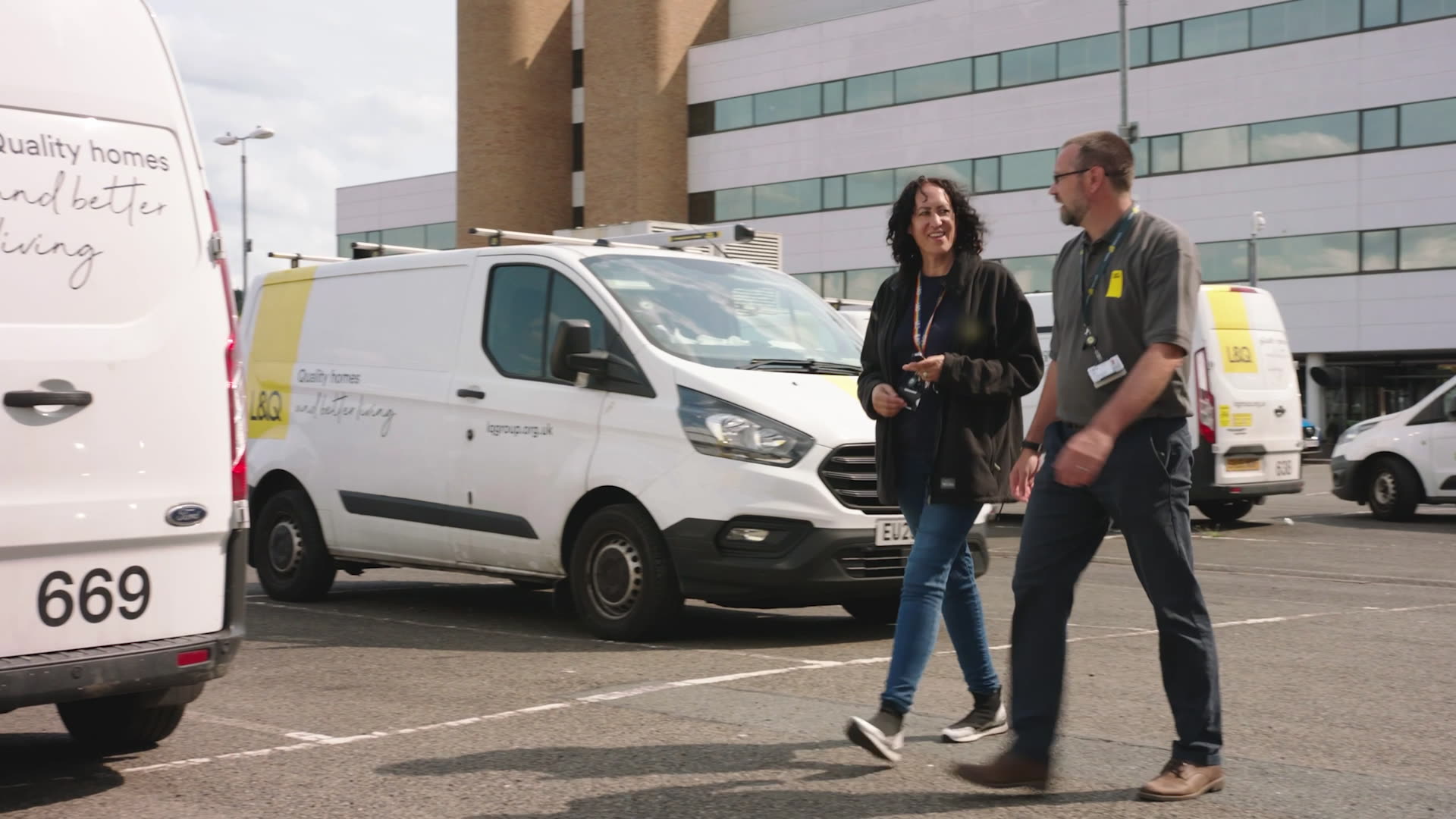
Ford Uptime Services works. We know this because we have trialled the new system with large fleet operators including L&Q — a leading residential developer and housing association that operates a fleet of 600 Ford vehicles in the UK.
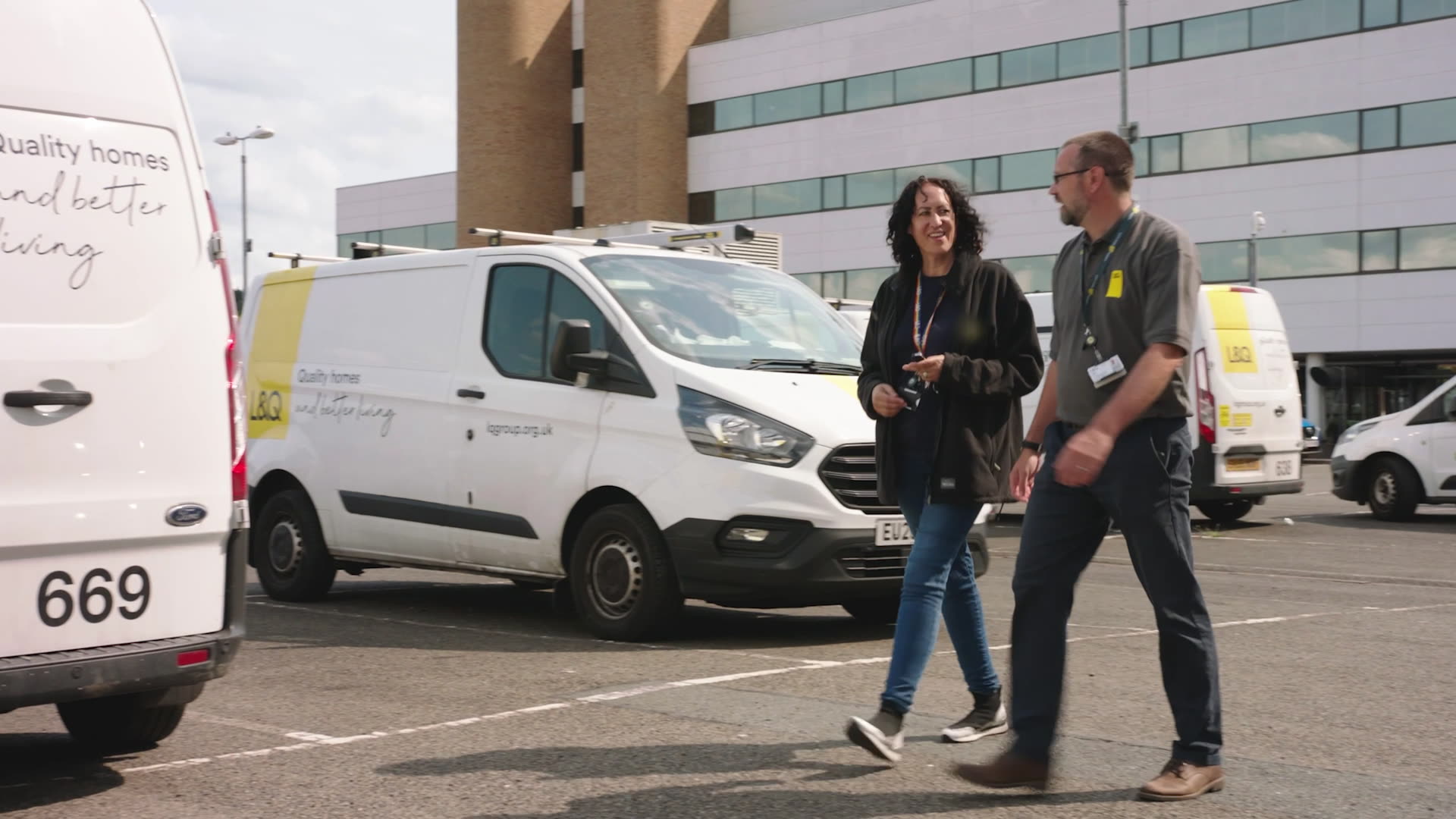
L&Q told us that before trialling Ford Uptime Services for 12 months, they were losing on average 58 days of operating uptime across the fleet each month with vehicles waiting for routine servicing and more urgent repairs.
Now, average monthly downtime is 23 days. That’s a 60 per cent reduction that saves them around £17,000 (around €19,700) per month.
How did customer trials refine our approach?
To get maximum benefit from the system, we had to really understand the issues our customers were facing when trying to use connectivity features in their vehicles. Our close relationships with customers were crucial for this.
For example, fleet managers told us drivers would sometimes accidentally turn off data sharing, so we’ve given fleet managers the tools to ensure it remains activated.
We’ve also introduced a new “heartbeat signal”, so we know when a vehicle is connected, even if it’s not being used. That helps us detect an interrupted data feed.
“We had to really understand the issues our customers were facing when trying to use connectivity features.”Isaac Adeyeye, technical product owner, Ford Uptime Services
What’s next for Ford Uptime Services?
This week, we’ve announced that Ford Uptime Services is now available for customers in Germany, which is the latest step in how we’re rolling our more productivity for fleets in Europe.
Beyond that, one of the great things about a system like Ford Uptime Services is that it can be continually developed to get better over time. We can improve the processing and software at our end, and we can send over-the-air updates to our customers’ vehicles to add improved functionality.
Our next generations of commercial vehicles are being designed with even more connectivity at their core. It’s exciting to think what we’ll be able to do to help customers get the most from these vehicles— and we’re already working on it.

Isaac Adeyeye is technical product owner for Ford Uptime Services
Uptime images
1 February 2026 research by the Centre for Economics and Business Research surveying 1000 businesses in France, Germany, Italy, Spain and the UK to understand the indirect costs of vehicle downtime. Commissioned by Burson and Ford Motor Company.