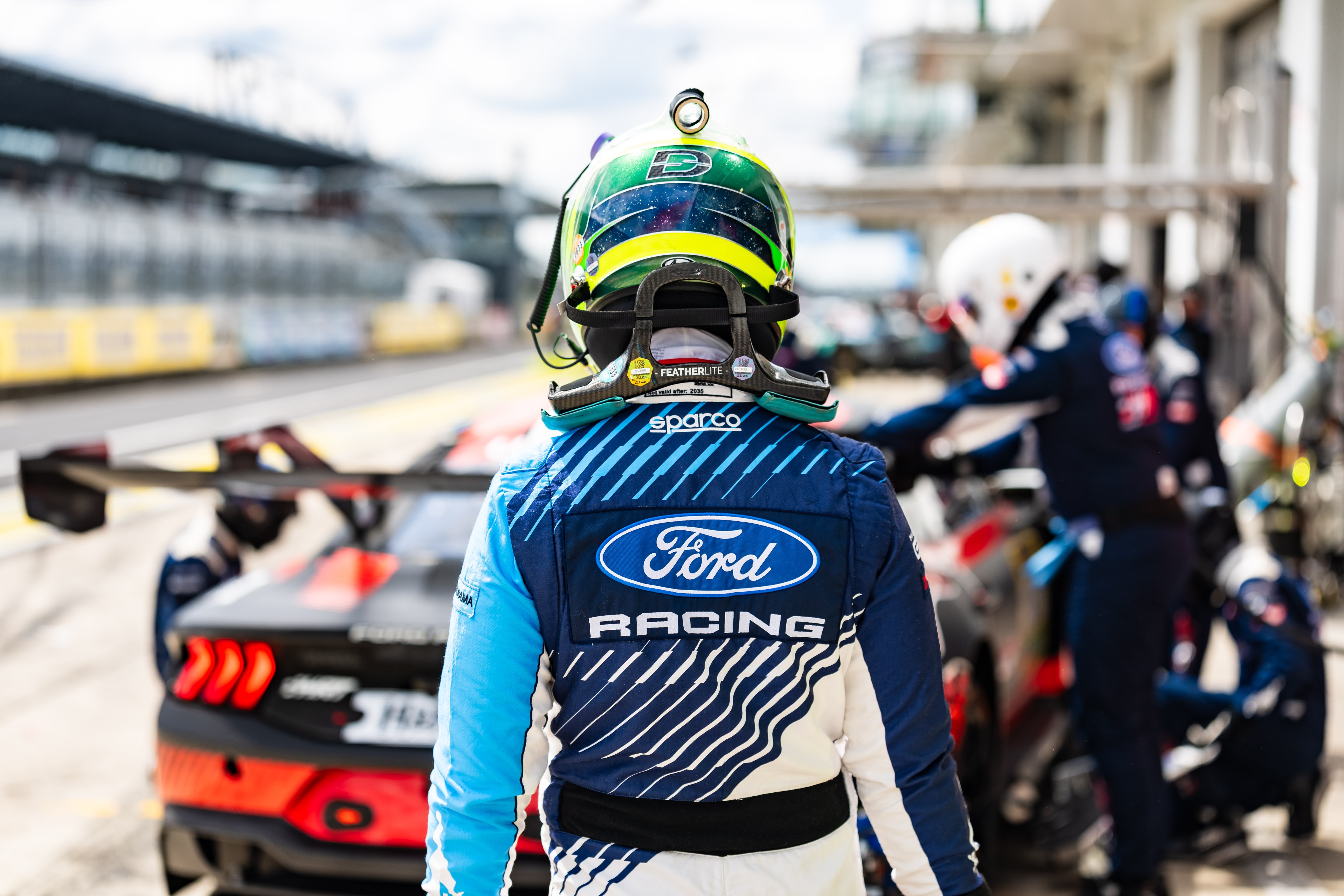

Ford will soon make its return to the circuits of F1 with Red Bull Ford Powertrains after a more than two-decade absence from the sport. The Blue Oval has already secured a place in the sport’s record books thanks to a dominant run with Cosworth that spanned the late 1960s to the early 1980s.
Ford was a part of 10 Constructors’ Championships as an engine manufacturer, including seven straight between 1968 and 1974. Much of the company’s success in the sport — which also includes 13 Drivers’ Championships and 174 race wins — is owed to that early partnership with Cosworth.
Built to Race
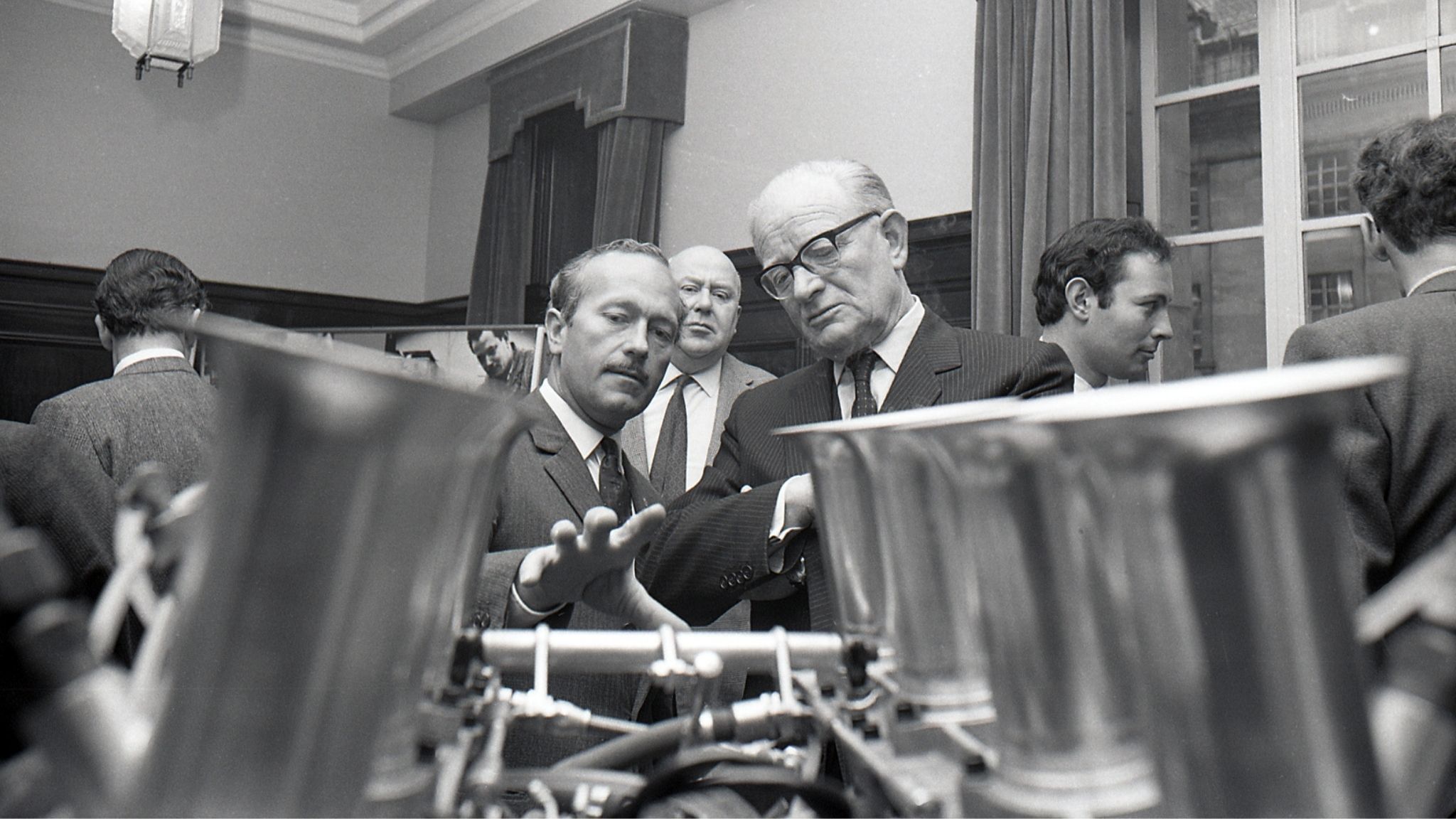
On March 1, 1966, Ford signed a contract with partner Cosworth for the development of a new F1 engine. The two sides had previously worked together in the early 1960s, when Cosworth provided consulting on designs of the camshaft and manifold for the original Ford Cortina GT model.
In addition to the F1 engine, which would become legendary, the companies collaborated on a Formula 2 engine.
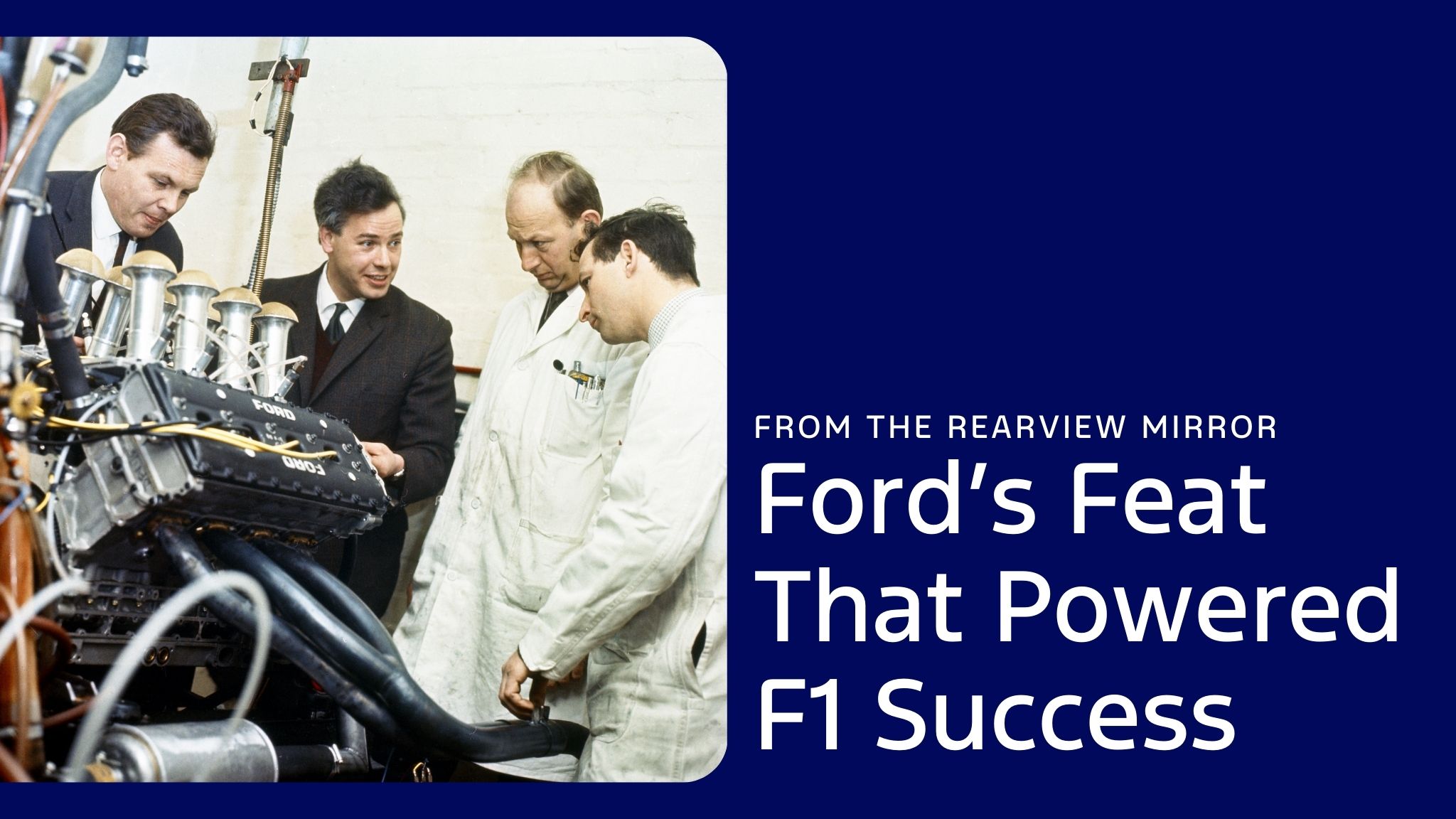
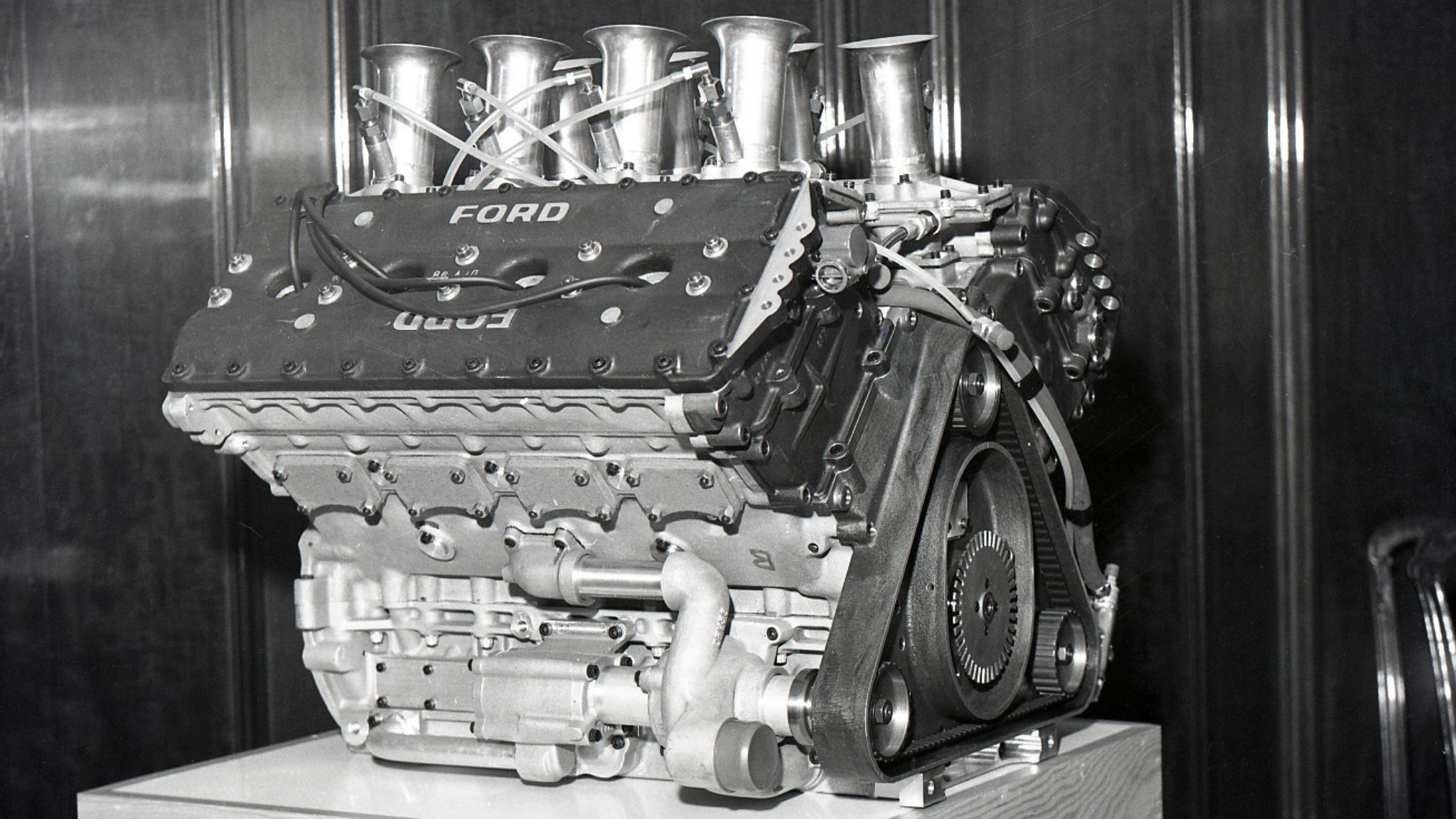
But it was the 3.0-liter Ford-Cosworth DFV engine that would bring Ford to fame in Formula 1.
The V8 engine, designed by Cosworth co-founder Keith Duckworth, was based on production engines built by Ford and developed in just six months. It was also notable for being an integral part of the cars’ chassis. The engine formed the main cross section of the car, with the body and rear suspension hung from it.
Having the engine serve as a structural part of the car was an entirely new concept for F1, and it also helped keep the cars close to the series’ minimum specified weight.
That weight savings combined with the engine’s integration into the chassis contributed to a competitive power-to-weight ratio that compensated for the engine’s lack of peak power relative to competitors.
First Time’s a Charm
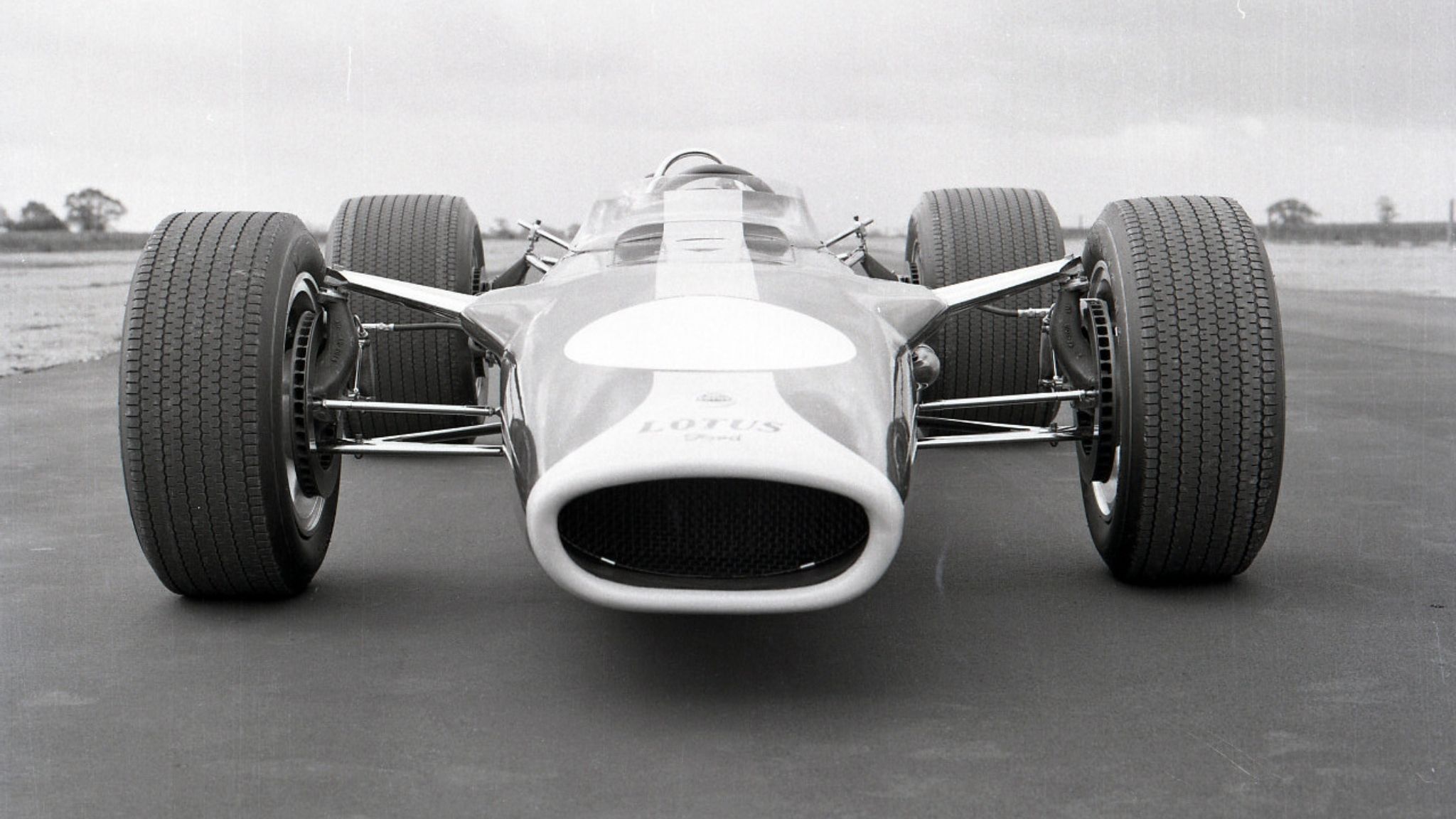
The engine was revealed in April 1967 before debuting two months later in a Dutch Grand Prix victory by legendary driver Jim Clark in a Lotus-Ford, the first of four wins for the Ford-Cosworth DFV that season.
Lotus-Ford took both the Drivers’ Championship (Graham Hill) and Constructors’ Championship the following season, as Ford-Cosworth DFV-powered cars won 11 of 12 races in 1968. A perfect season for Ford, Cosworth, and the Ford-Cosworth DFV followed during an 11-race season in 1969.
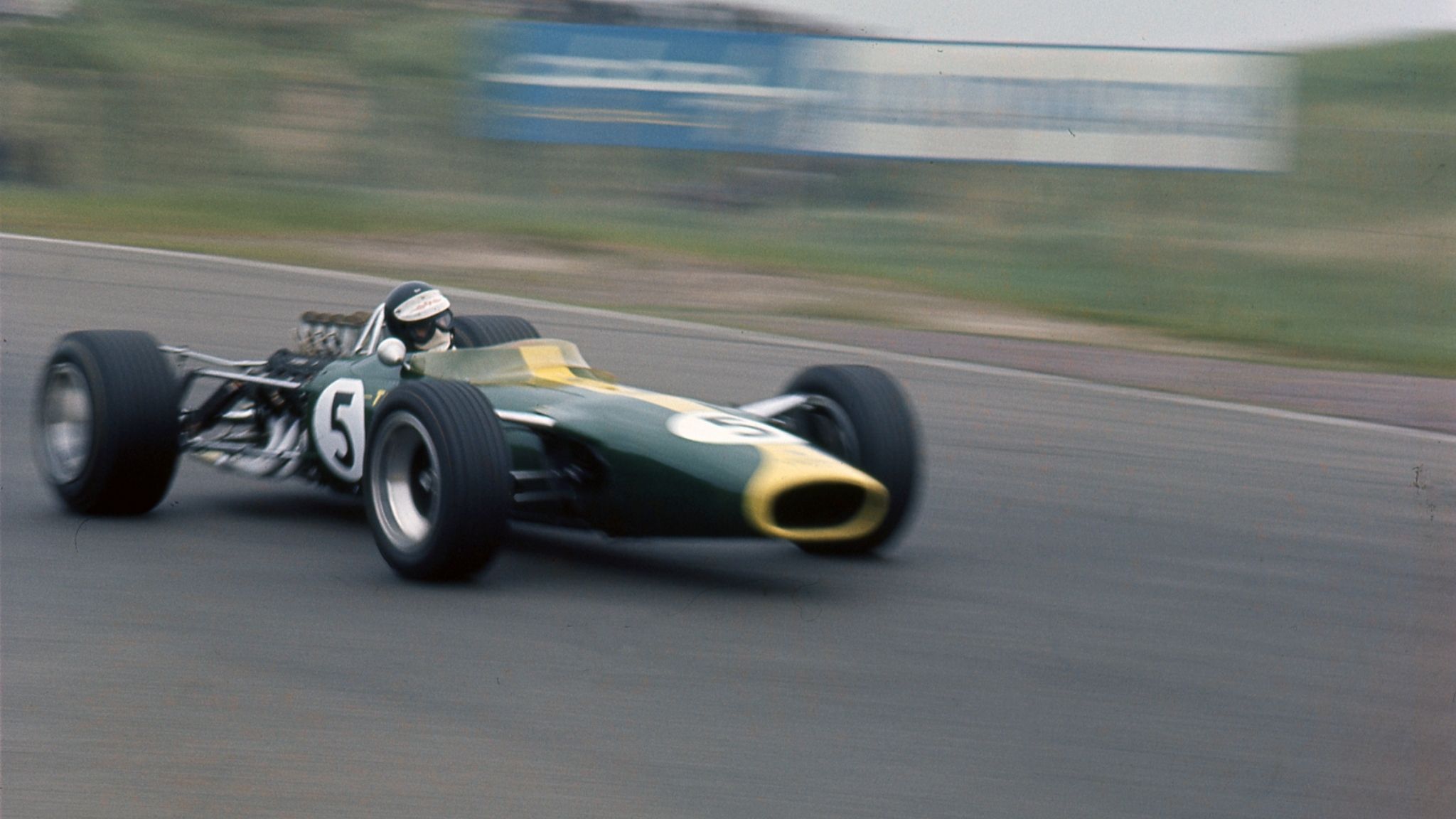
By 1973, all but three teams in F1 were running a Ford-Cosworth DFV engine, as Ford-powered cars won each of the season’s 15 races and finished Nos. 1-5 in the Constructors' Championship. In total, 56 F1 teams turned to the influential Ford-Cosworth engines at some point, and it powered legendary drivers, including Mario Andretti, Clark, Hill, and others to Drivers’ Championships.
According to official Formula 1 race records, the Ford-Cosworth DFV had already notched 155 wins by the end of the 1983 season, as the sport was turning to turbocharged engines, which was the most race wins by an engine maker in F1 history at the time. That figure accounts for nearly all of Ford’s Formula One wins to date. That, however, was not the end of the Ford-Cosworth relationship. The companies teamed up to create a series of turbocharged and naturally aspirated Grand Prix engines, which yielded the Ford Zetec-R V8, with which driver Michael Schumacher won the Formula 1 Driver’s Championship in 1994.
Ford and Cosworth joined World Champion driver and longtime Ford partner Jackie Stewart and his son, Paul, in 1996 to form the Stewart-Ford team. The new group’s focus was on developing a V10 engine and its successor, the Ford-Cosworth CR-1. In 1999, Ford acquired Cosworth’s racing division and bought out the Stewart Grand Prix team, renaming it Jaguar Racing in 2000.
Ford’s last F1 victory came in 2003, as Giancarlo Fisichella won the Brazilian Grand Prix for Jordan-Ford. The sale of the Jaguar racing team to Red Bull following the 2004 season marked Ford’s exit from the series.
The Foundation for a New Era
As the Blue Oval makes its return to the pinnacle of motorsports after a long absence, it carries with it several decades of success.
The same spirit and dedication of the various team members that helped create that legacy still lives on with our Ford employees today.
Paul Kampe writes for the Ford Communications team.