There are many differences between electric vehicles and those powered by a combustion engine. But the one that strikes many drivers and passengers first is how much quieter electric vehicles can be.
This comes with some upsides. Aesthetically, it can be a good thing that the world around us becomes a little less noisy.
But what happens to the audible cues that drivers have become accustomed to and that can provide reassuring feedback? The tick-tock of an activated indicator, and the chime that alerts when a seatbelt needs fastening, for example. Most of all, the rumble of the engine as it powers on, the whirring when the car accelerates, the hum when it’s idling.
Could all these sounds come from the same palette, so that driving becomes more intuitive?

This was the challenge we set ourselves with the Puma Gen-E 1 — to develop a distinct driving sound. We brainstormed ideas, ran focus tests, even replicated car sounds from our favourite cyberpunk movies and TV shows.
But whatever we tried, nothing felt quite right.
I told Dieter Leffers, the chief engineer for product development at Ford in Europe, the problem. He listened carefully and then made an unusual suggestion.
Could the answer be a trip to a theme park?
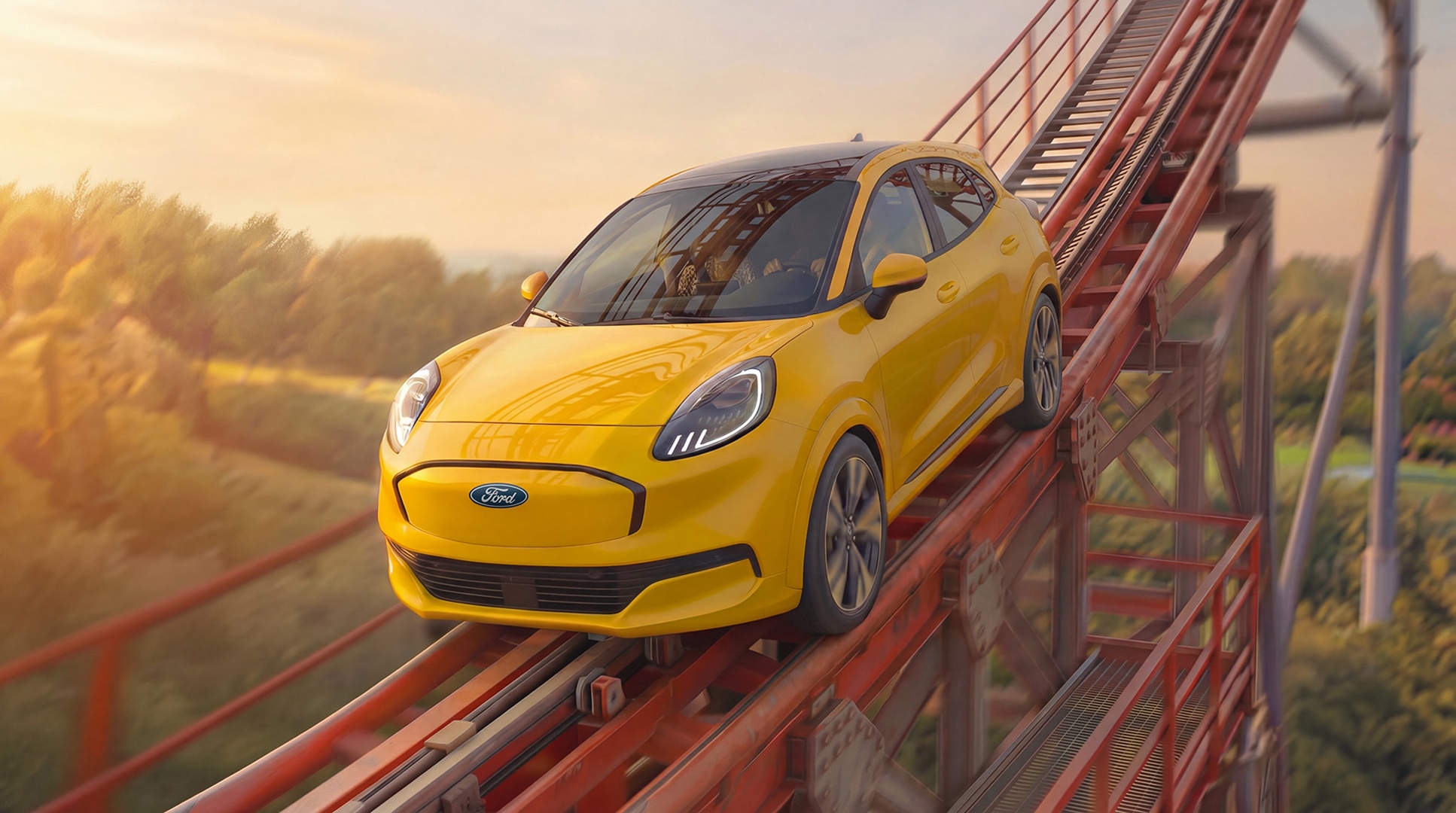
How could a rollercoaster be the perfect inspiration for car sounds?
Dieter’s suggestion was inspired.
Just like electric vehicles, theme park rides are not powered by combustion engines. But the overall experience is enhanced by an incredible soundtrack.

My mind was already racing towards the possibilities, as I told my family we were going on a day out with a difference. People love rollercoasters for all sorts of reasons. The thrills, the heart in mouth moment before the big drop, or maybe just getting off the ride at the end and knowing that you have done it, and maybe, will never have to do it again.
They are also absolutely brilliant at communicating power, speed — and safety through sound. And while my family was enjoying the ride, I pulled out my phone to capture the controlled whine of the electric motor hauling the cars up the incline — a perfect expression of acceleration.
The hiss and click of the pneumatic brakes and the deep, electromagnetic pulse of the wheels locking onto the tracks conveyed a sense of power and precision.
I recorded everything, from the ground and from the “driver’s seat”, so to speak.
How we created Puma Gen-E’s signature audio.
“It is precisely because of our unconventional origins that we could hear the rollercoaster and use it to synthesize the perfect Puma Gen-E sounds.”Christian Störig, sound quality development engineer, Ford of Europe


The moment I got back to the sound lab, I started replicating these sounds with our equipment. Surprisingly, everyone on the team was really enthused. We all liked the idea of taking inspiration from the rollercoaster, but the question became, “How do we incorporate this unique audio into the car that still feels familiar and seamless?”
Someone had the idea to mix the rollercoaster’s unique acoustics with some of the more traditional soundscapes associated with combustion engine vehicles. And it worked.
The two audio signatures needed to be balanced perfectly to have the desired effect, one of familiarity mixed with thrill. After running dozens of audio mixes through countless tests, we finally synthesised the best possible versions of the sounds.
Overall, it was a long and complicated process, but the results were remarkable.
We had finally found that signature sound for the Puma Gen-E we’d been looking for.
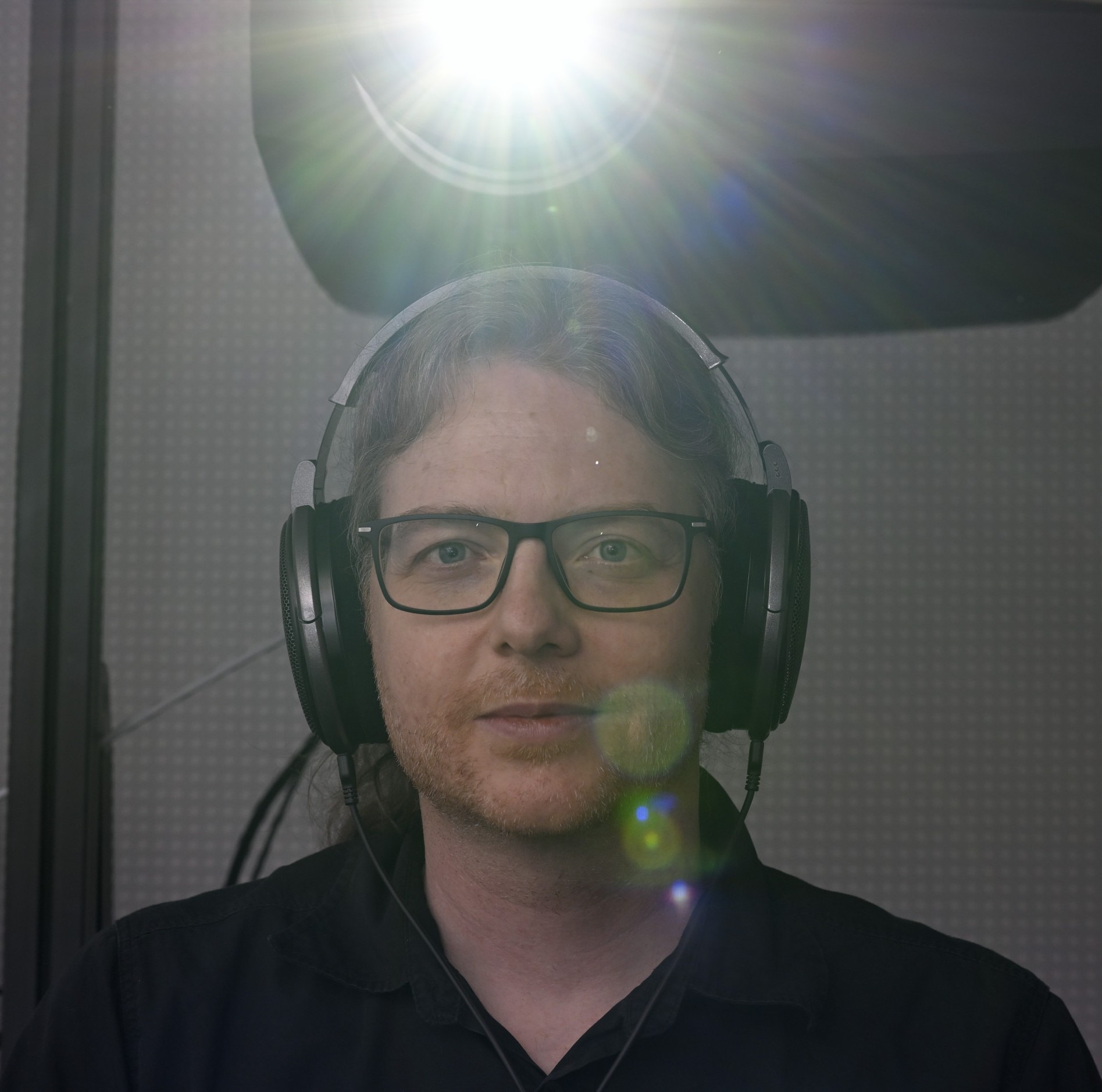
Above: Ford sound engineers test the Puma Gen-E in the Noise, Vibration, and Harshness (NVH) lab to find the car's auditory signature.
What does the future sound like?
My passion for audio began with music. When I started my engineering degree, specialising in sound engineering, I did it to learn more about the technical aspects of making music. Then I got a job working for Ford’s sound engineering team in 2008, and my love for audio expanded to those in the automotive sphere.


It’s a similar story for most on the team. We came from diverse professional backgrounds. We have musicians — specialising in all sorts of equipment from electric guitars to the DJ deck — and people with varied sound production experience. We all fell in love with automotive sound engineering.
It is precisely because of our unconventional origins that we could hear the rollercoaster and use it to synthesise the perfect Puma Gen-E sounds.
While the Puma Gen-E has found its distinct auditory signature, our mission is far from over. We will keep perfecting these elements — not just for one Ford electric vehicle but for the entire lineup. My personal mission is to find that signature Ford Rally sound that will help make our new portfolio of rally-bred passenger vehicles stand out from the noise and that our customers will resonate with and recognise immediately.
Christian Störig is a sound quality development engineer at Ford of Europe
1 Up to 417 km driving range based on full charge of Puma Gen-E. Estimated range using Worldwide Harmonised Light Vehicle Test Procedure (WLTP). Figures shown are for comparability purposes and should only be compared with other vehicles tested to the same technical procedures. Actual range varies due to factors such as temperature, driving behaviour, route profile, vehicle maintenance, lithium-ion battery age and condition.