
When you and a friend have something that’s been on your bucket list for over three decades, you should really do something about it. You should especially do it if, like us, you now have the ideal support to make that dream happen.
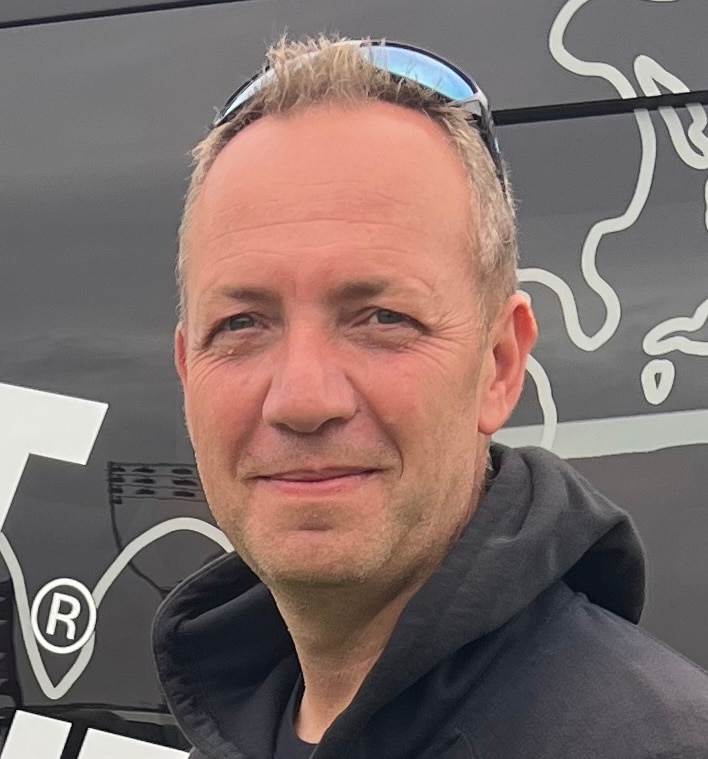
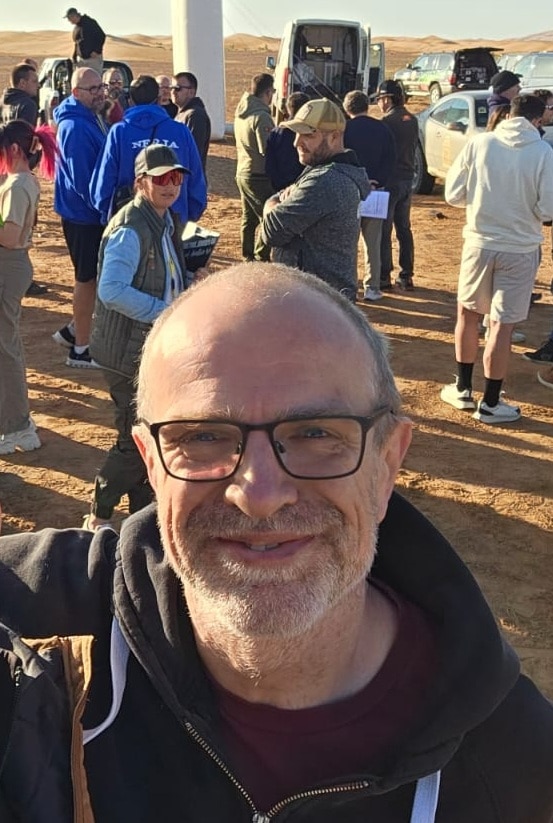
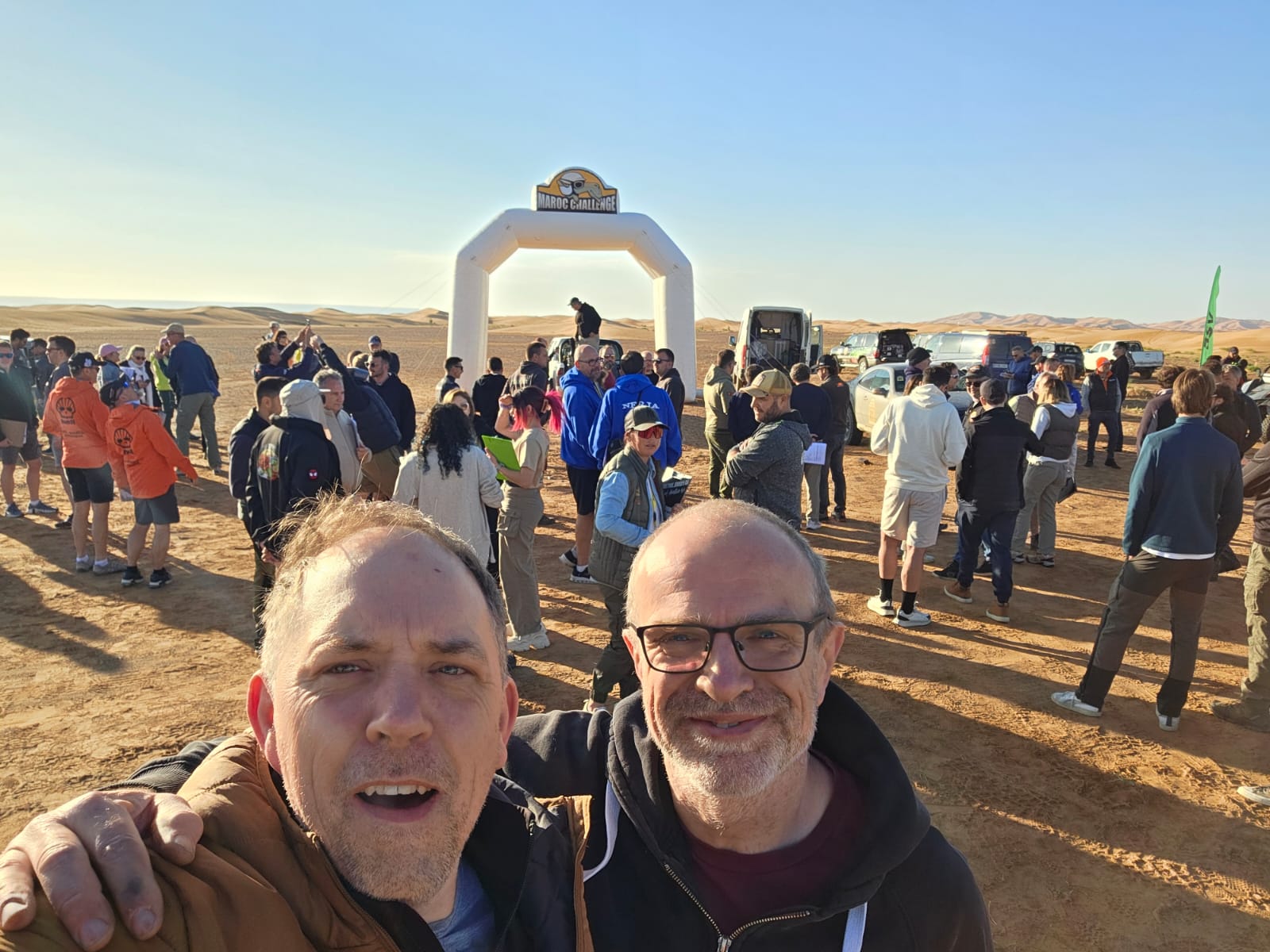
James and I met as engineering students and today we both work for Ford, in the Dunton campus where Transit vehicles are developed for customers around the world. We decided it was finally time to do the huge driving challenge we’d always wanted to do, and settled on the Maroc Challenge desert rally.
As we both work here, a Ford was the obvious choice and we thought a Kuga or Ranger would be ideal. However, once colleagues got in on the story, the project took an interesting turn.
“Why not use an all-wheel drive Transit?”
Some of the team had experience using these rugged vans as support vehicles for other rallies, where they’d surprised everyone with their level of off-road ability. When we found a Transit 1 used for testing that was due to be scrapped, we knew we had to save it from the crusher and take it to the desert instead.
What is the Maroc Challenge?
It’s an amateur off-road rally through the heart of Morocco that pushes vehicles and their drivers to the limit. Competitors navigate between set waypoints within a certain time limit, with driver and co-driver working together against the clock to beat the harsh course.
The Maroc Challenge appealed because it retraces the wheeltracks of legendary rallies like the Paris-Dakar. It’s designed for amateurs, meaning anyone can have a go if they pay the entry fee and have an eligible vehicle. Camaraderie between the enthusiastic participants is often essential to getting vehicles and drivers across the finish line.
Over thousands of gruelling kilometres, the Maroc Challenge tests endurance, navigation, and mechanical grit across some of North Africa’s most demanding terrain. As #201 Team Transit, we turned heads from the very beginning as the first team to ever try and complete the challenge in a Transit.
A Transit — Really? How Do You Desert-Proof a Van?
We knew we’d have to face sand dunes, rock crawls, stony dry riverbeds, fine desert dust and long days behind the wheel. 2 While the Transit AWD is very capable, a few modifications would help us survive the ordeal: that meant we’d need to raise the Transit to help get over obstacles, add shields underneath to protect important mechanical parts, and fit off-road wheels and tyres. A locking rear differential from Ranger Super Duty would help us in the soft stuff, and we also added a snorkel to keep sand and water out of the engine, as well as an off-road front bumper to carry a winch and extra lighting.
Beyond these bolt-on upgrades, we also replaced the rear seats with batteries as well as a fridge and a water boiler, plus an air heater to keep us warm in the Sahara at night. Spare wheels, jacks, tools and parts were strapped down behind the cabin.
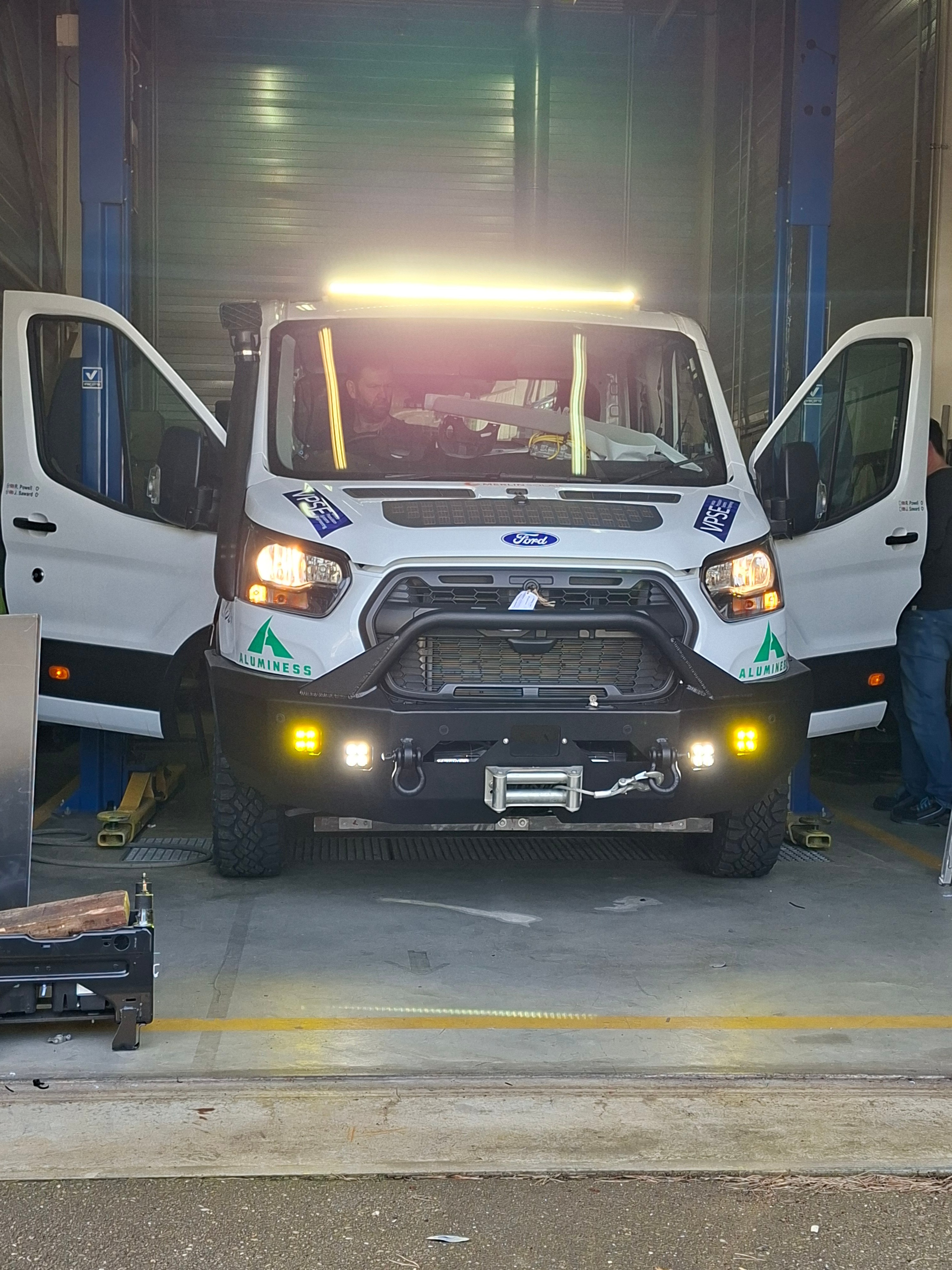
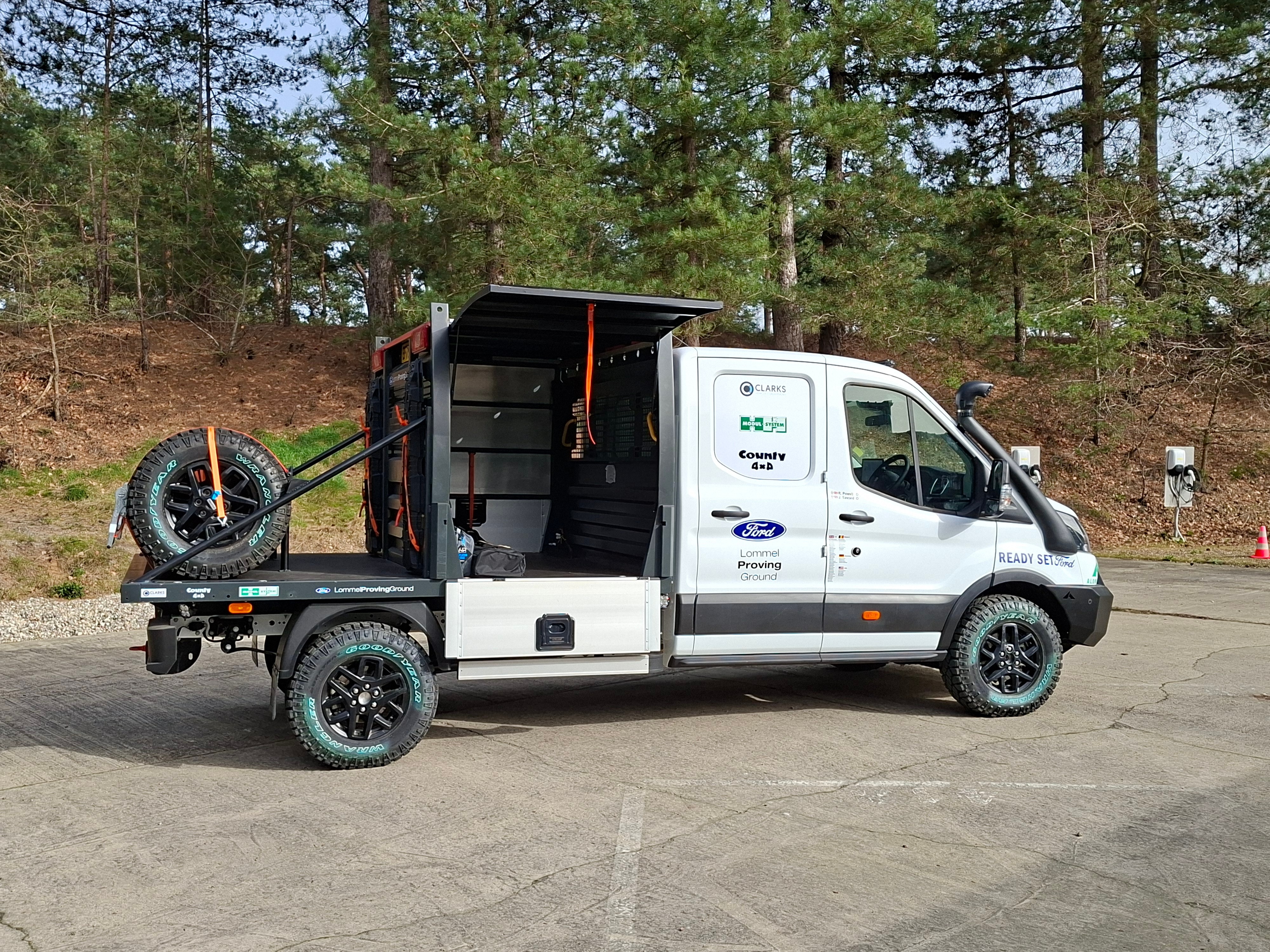
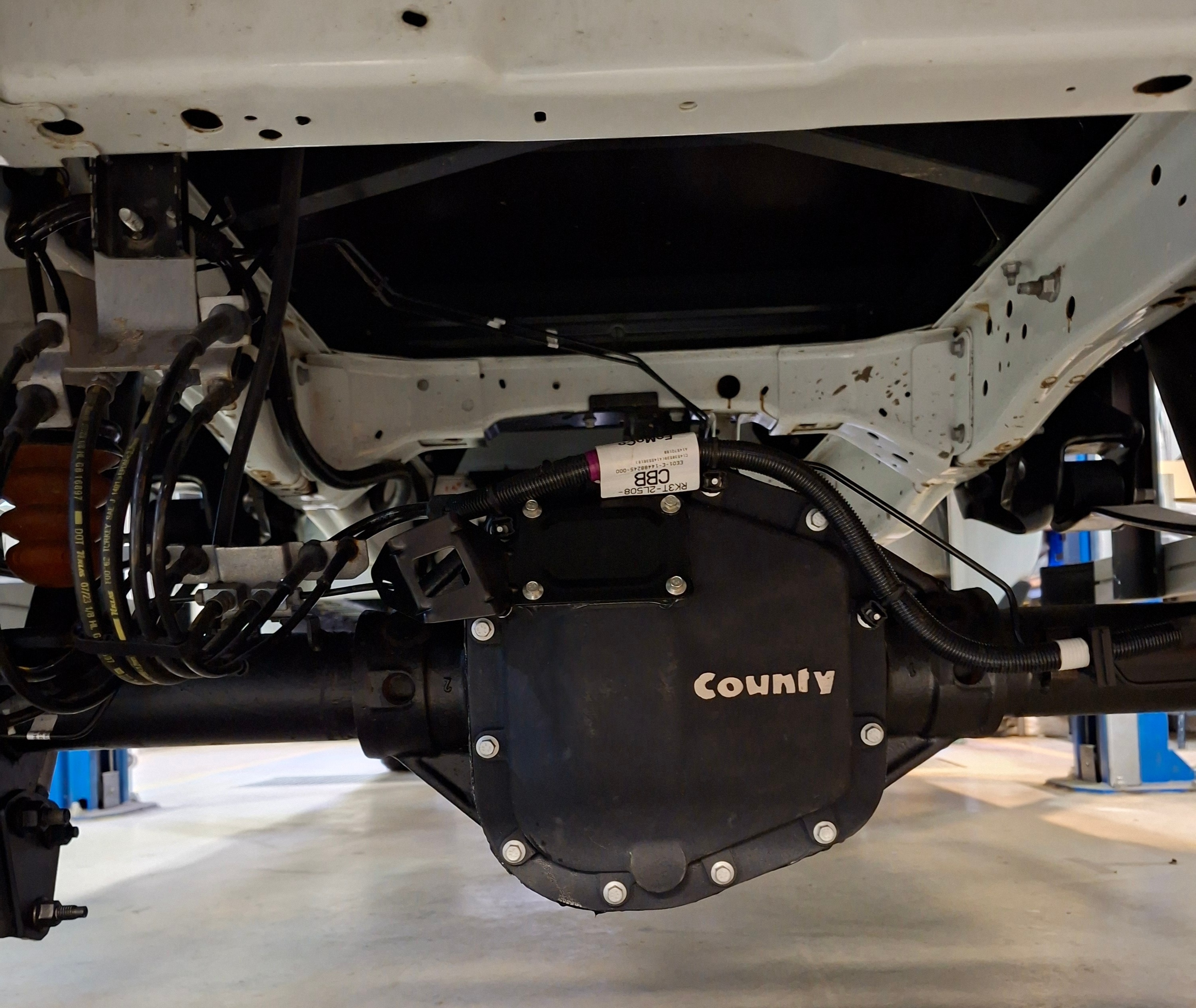
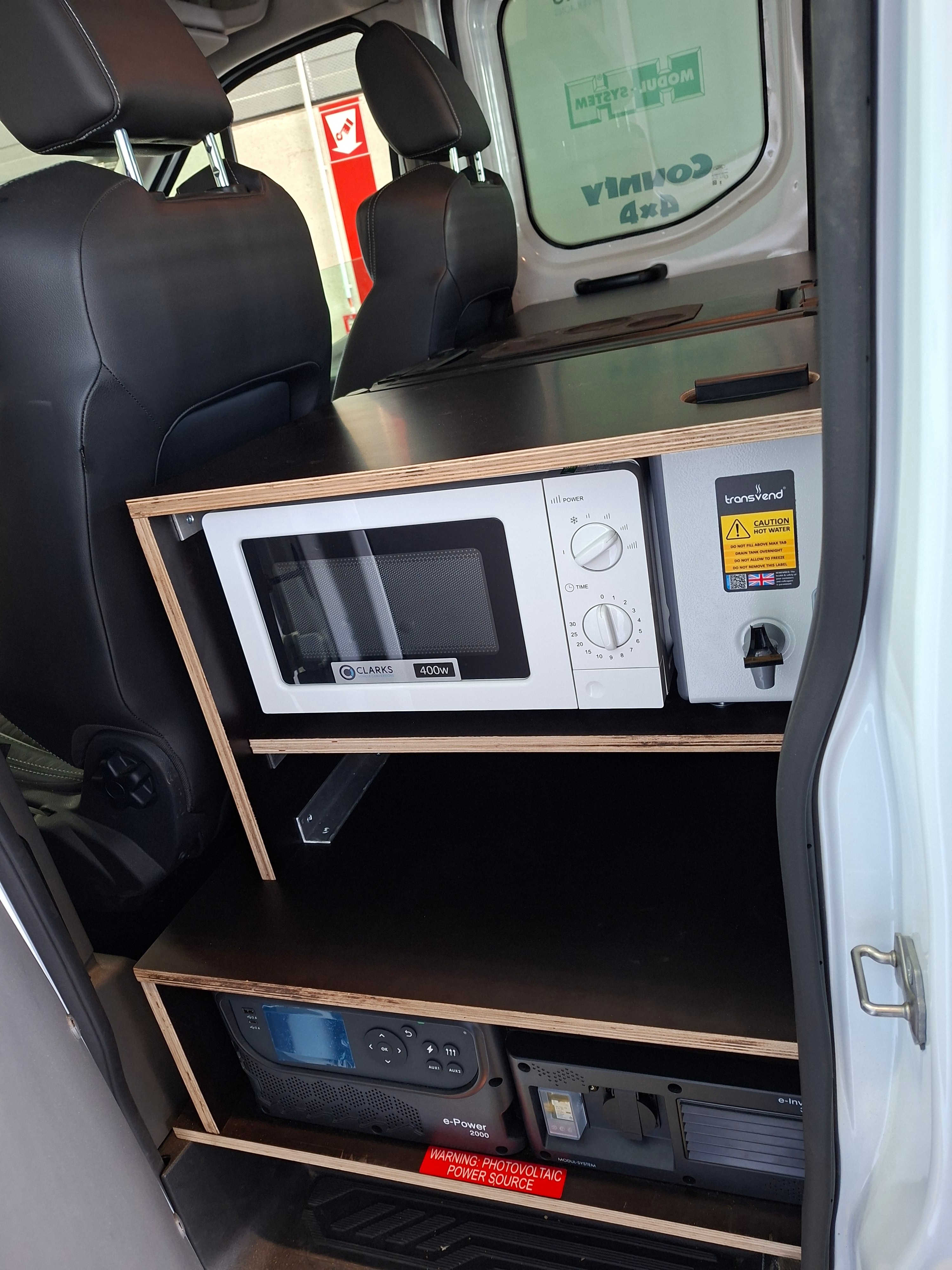
Preparing the Transit was a wonderful team effort. Colleagues mucked in and this became the kind of after-hours passion project we all love being part of. We couldn’t have done this without all the help from the Lommel test facility in Belgium, and from here in Dunton, including the Ford Pro Special Vehicles team who have huge experience in modifying Transits for our customers. We also owe a huge thanks to the converters and partners beyond Ford who were happy to join the project.

“Preparing the Transit was a wonderful team effort. Colleagues mucked in and this became the kind of after-hours passion project we love being part of.”Richard Powell, Ford engineer and Maroc Challenge finisher
How was the Journey Across Europe?
The journey from the UK to Morocco was an adventure in itself — including an early navigation test when we had to detour around a height restriction just outside Paris. The Transit was faultless through France, across the Pyrenees, down through Spain and over the Atlas Mountains.

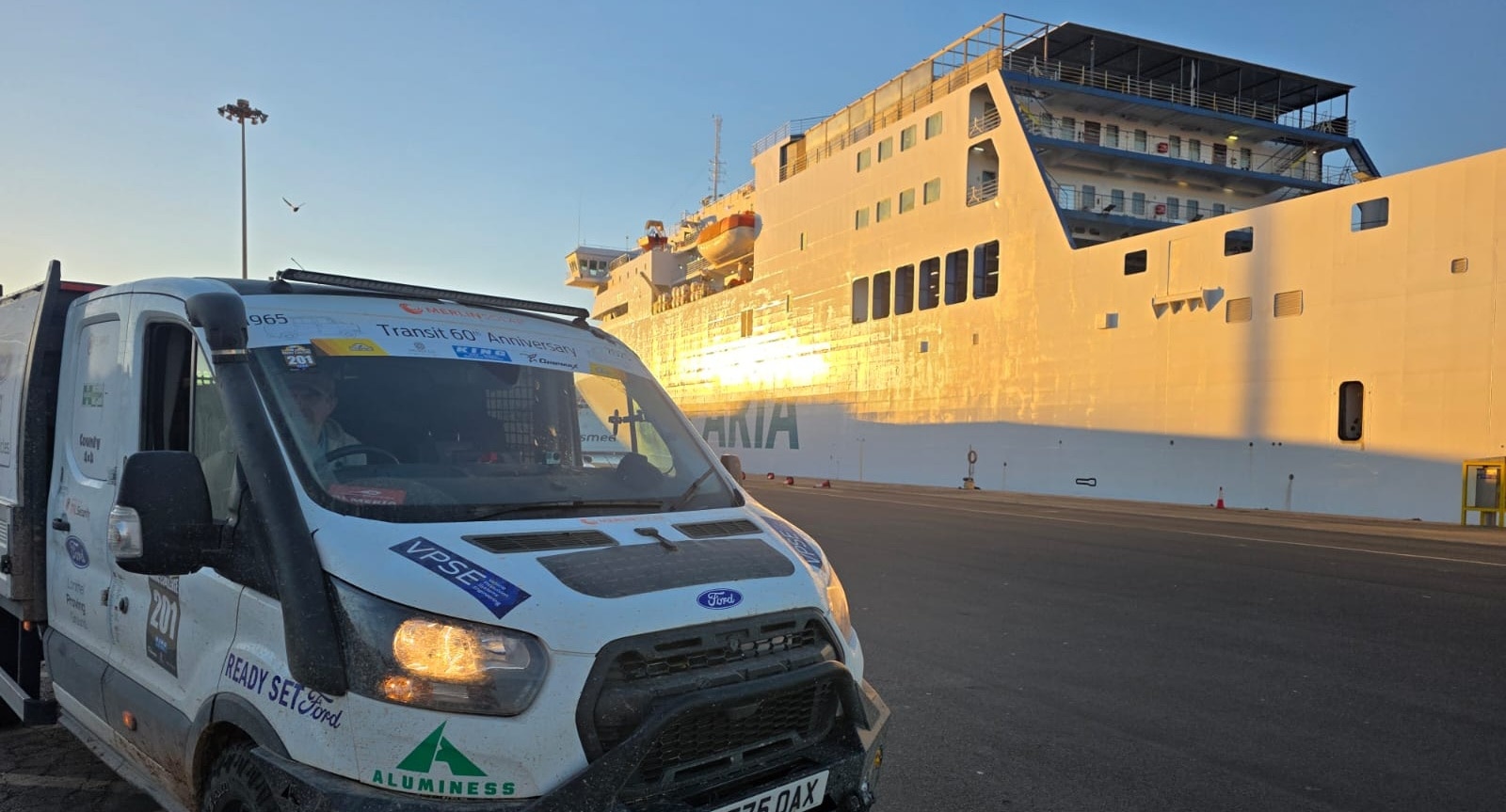

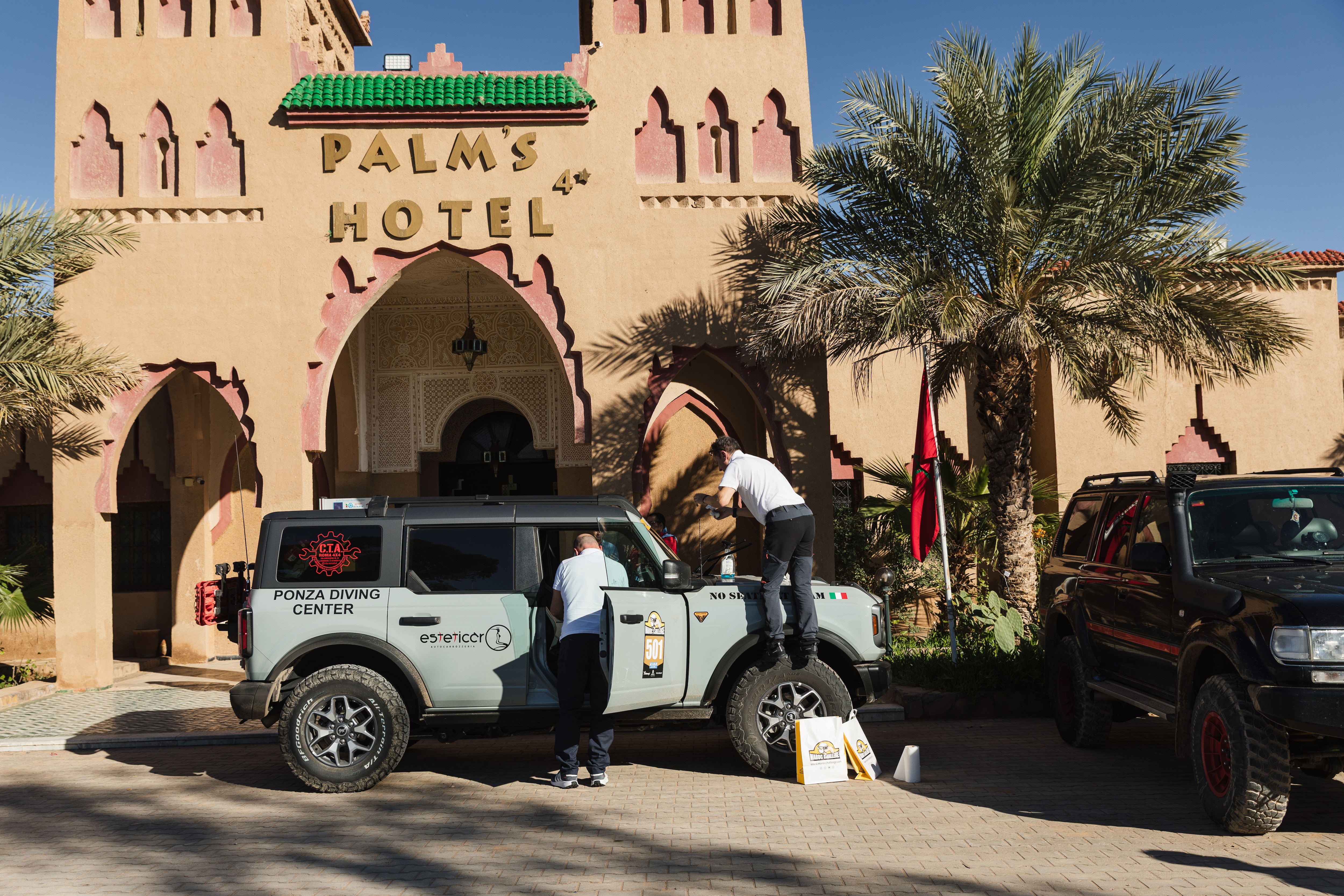
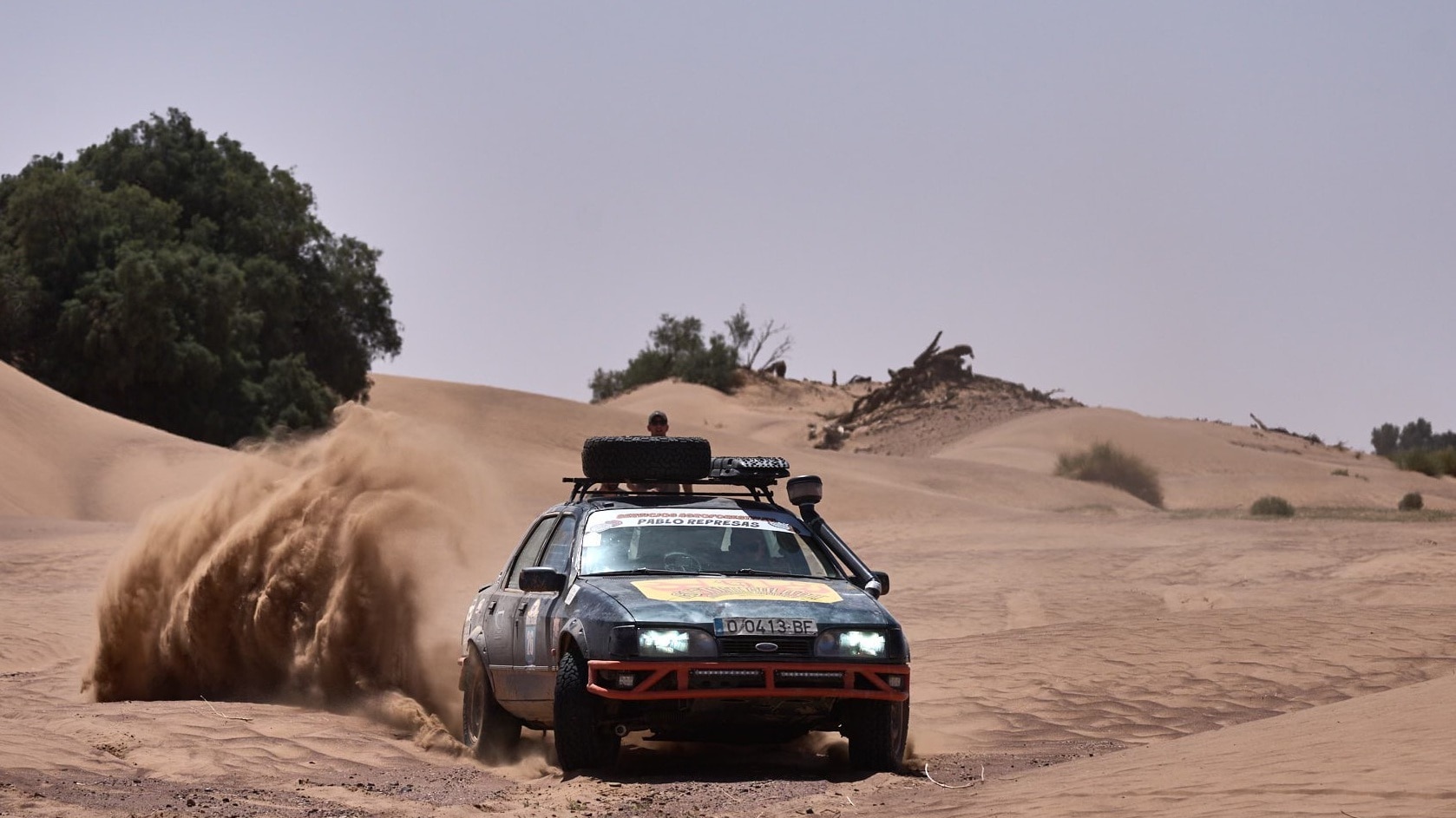
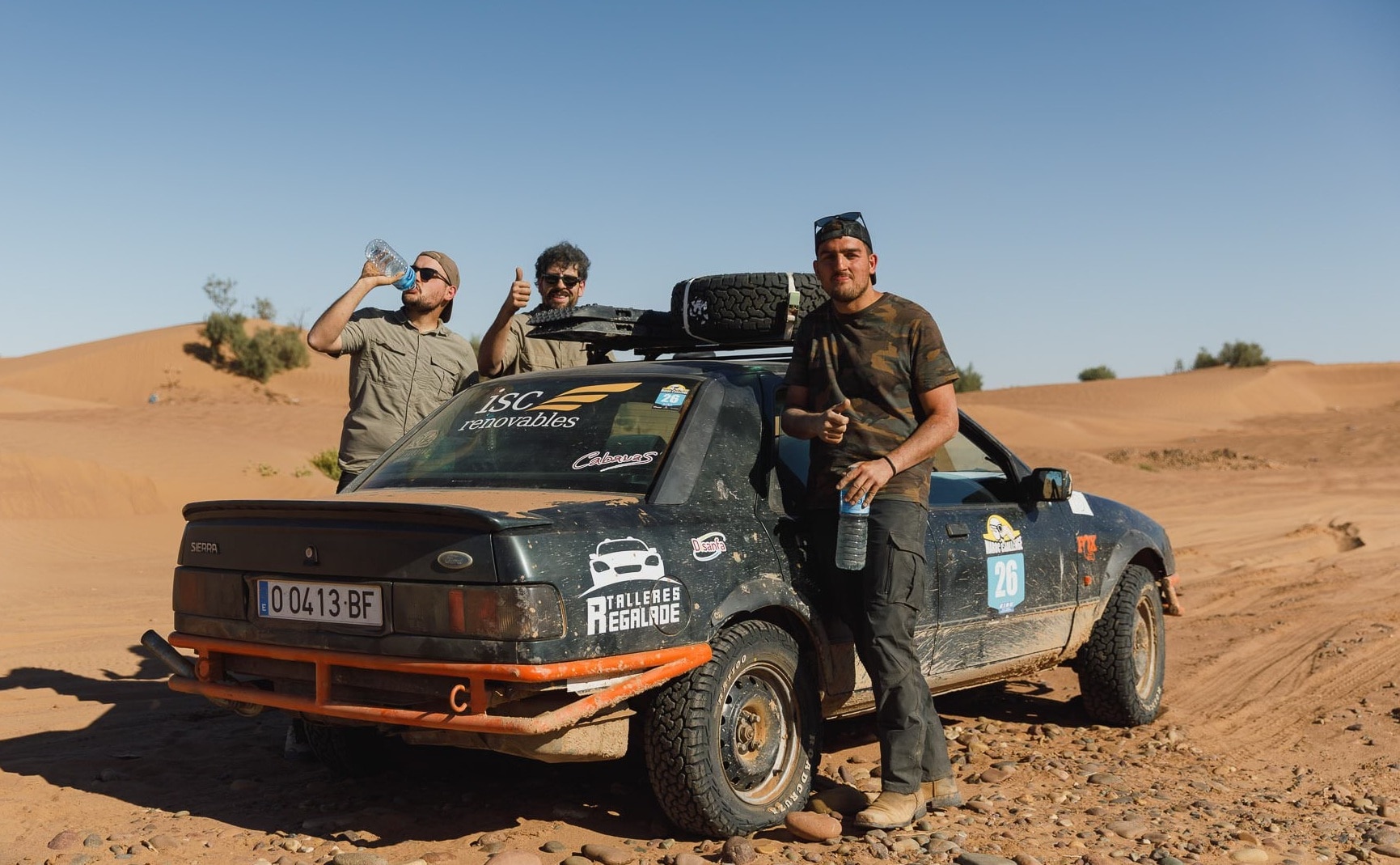
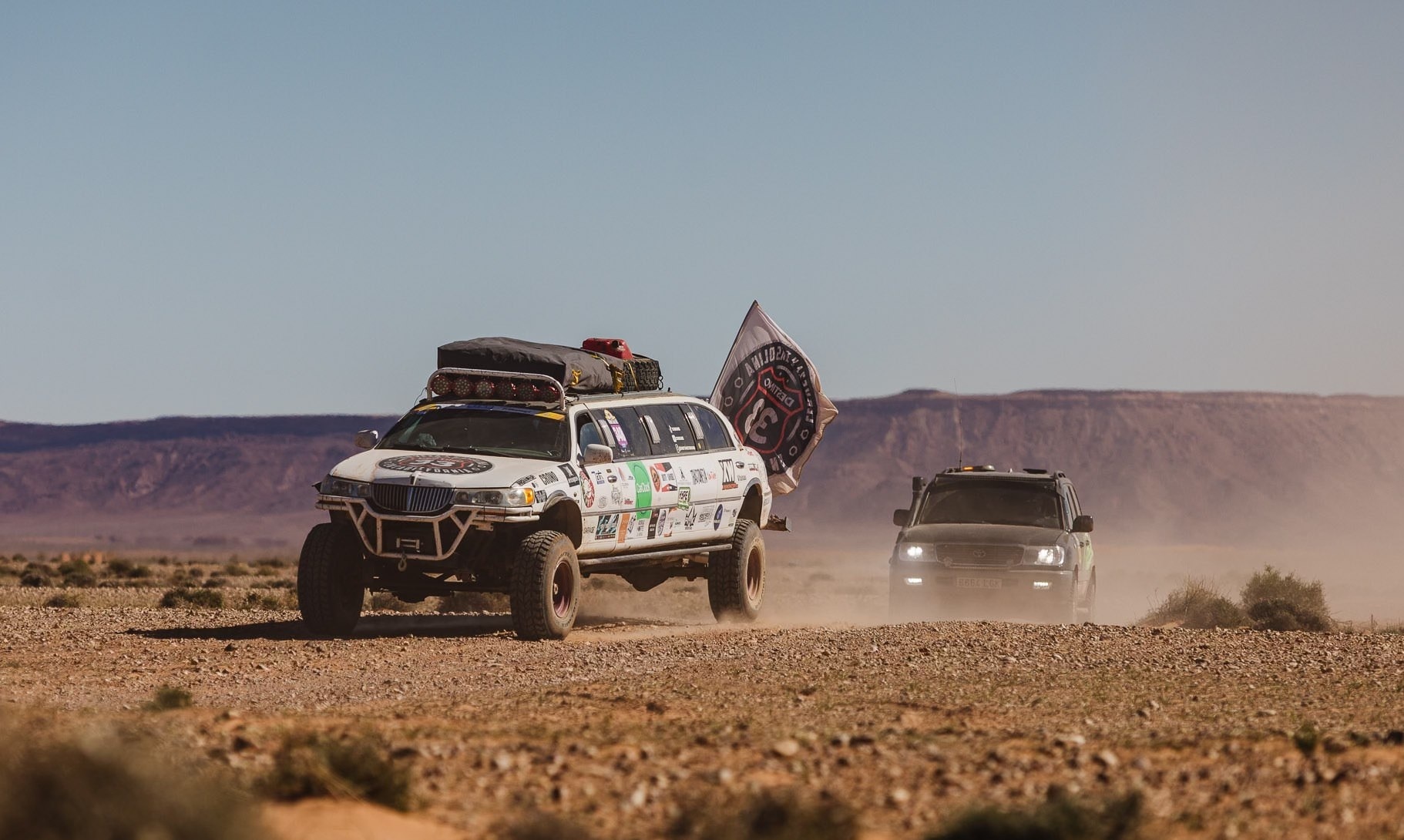
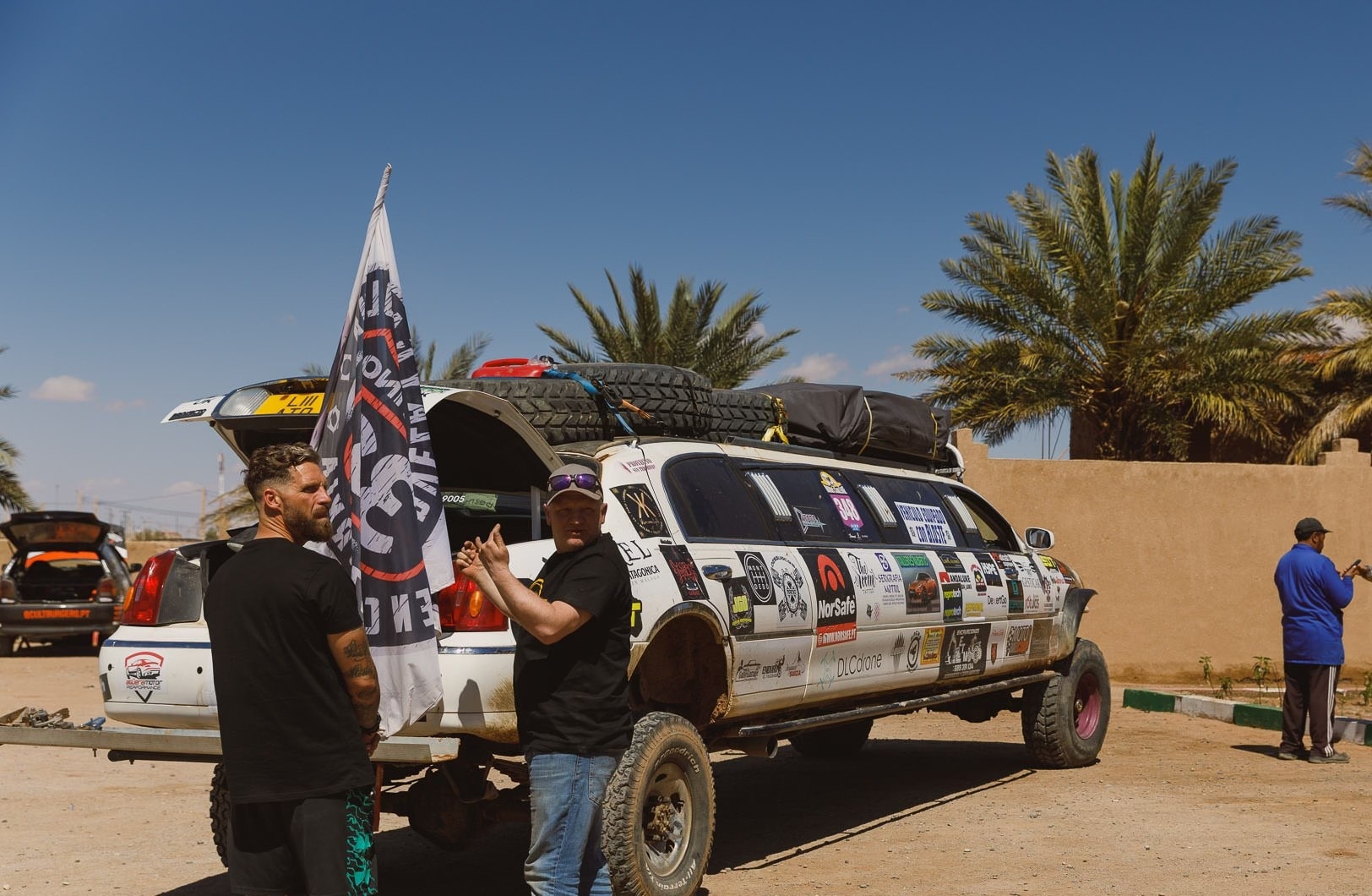
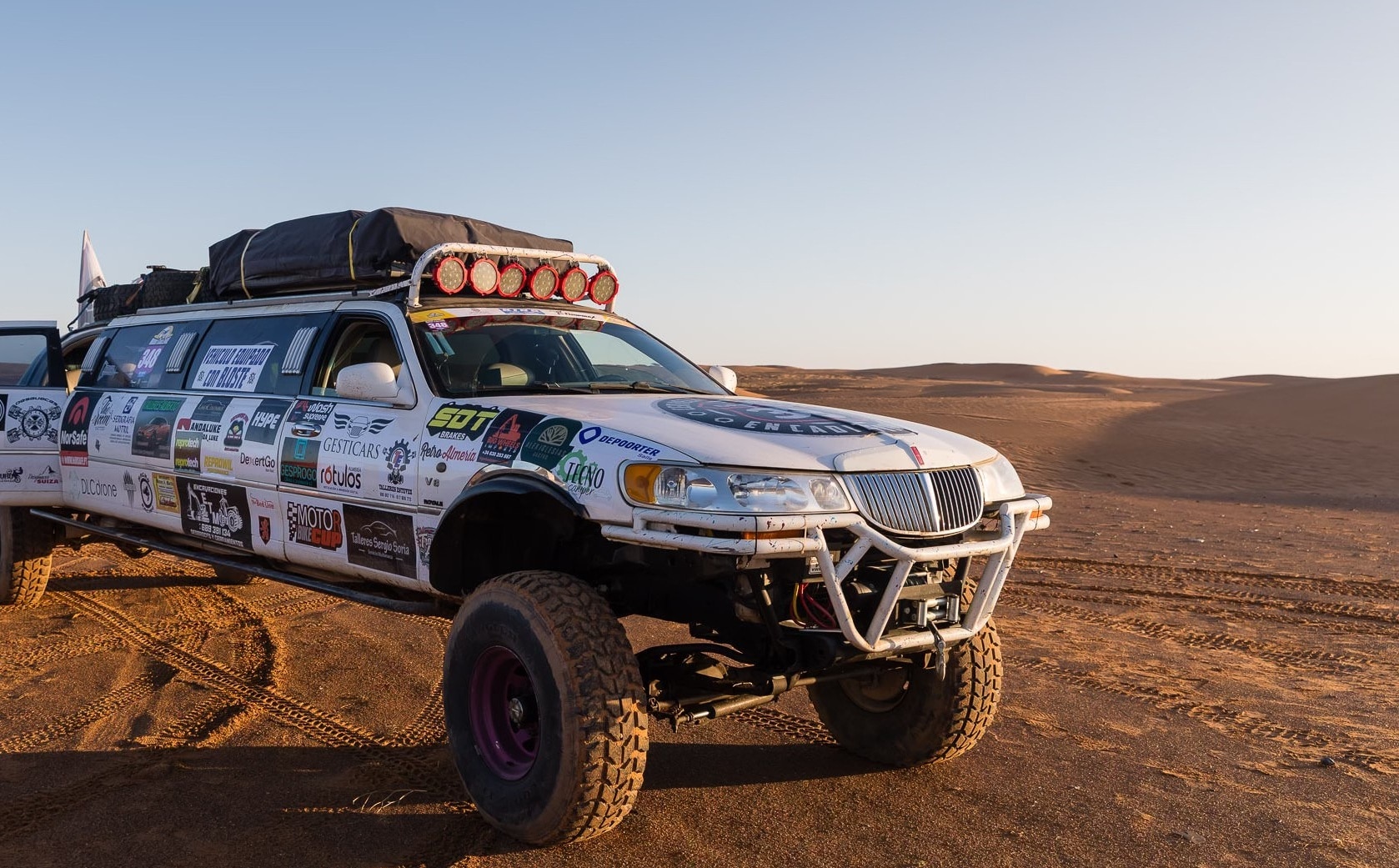
We were seeing more and more competitor cars as the excitement built and we neared the rally HQ. Parking up was incredible, with teams everywhere in so many different vehicles, from purpose-built rally buggies to tiny old hatchbacks bought online. There were plenty of Fords, from a 1990s Sierra to modern Broncos and Raptors, and even a 4x4 converted stretch limo. Just walking around the car park was like being at the most unusual car show you could imagine.


Were You Ready for Driving Across the Desert?
James and I had done one day in a local sand quarry to test the Transit and get our eye in. As the rally set off across Morocco, we knew this was going to be a totally different experience…
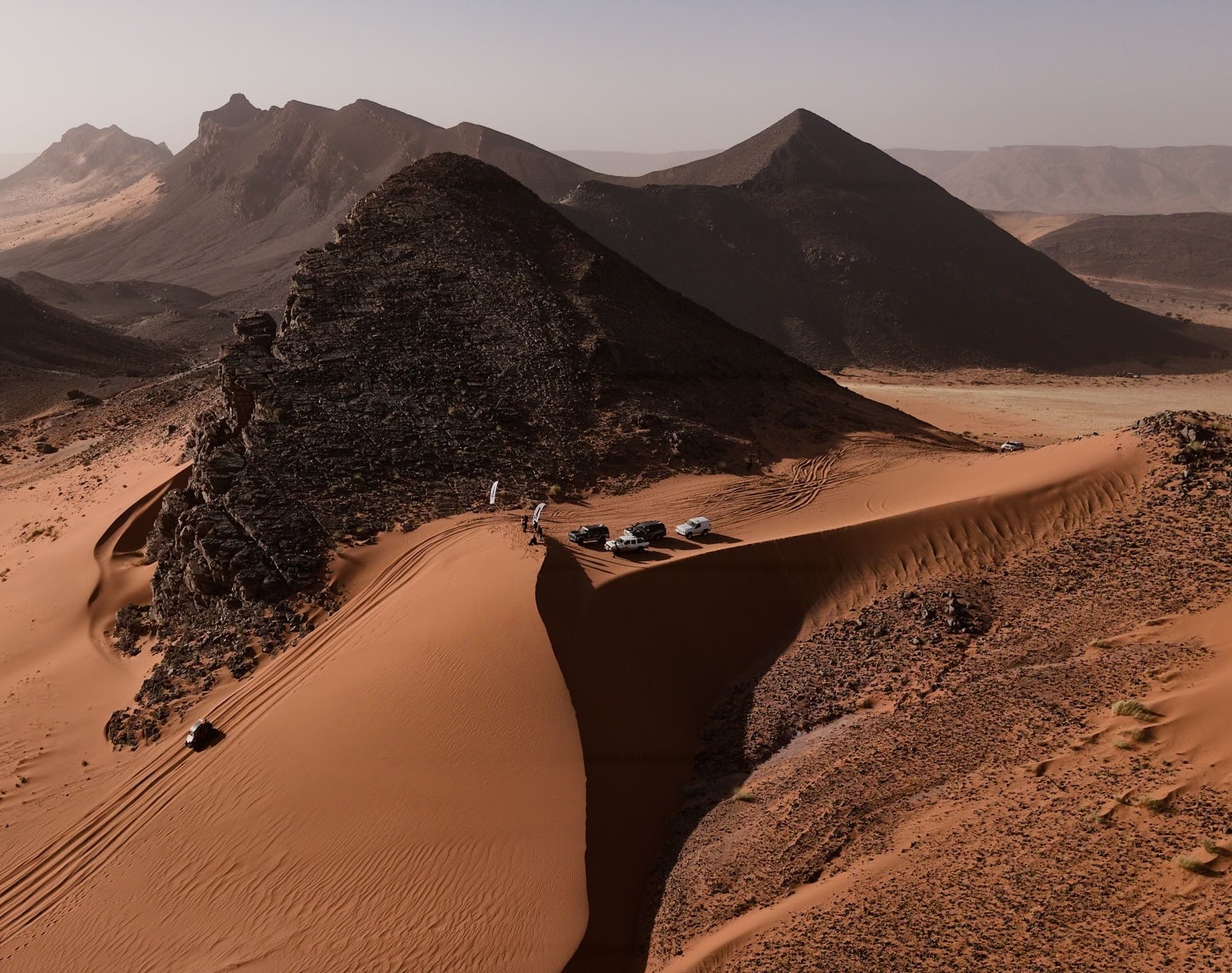
The real test began at the edge of the Sahara. The terrain threw everything it had at us, starting with the daunting sand dunes of Erg Chebbi. We locked the rear differential, lowered the tyre pressures for more grip, pointed the Transit at the sand and just went for it.
It felt incredible! Our converted van was powering through soft sand and passing several stuck 4x4s along the way.


What Were the Toughest Off-Road Challenges?
We soon faced other challenges, like the infamous "fech fech" — a sand as fine as talcum powder that offers zero traction. We got stuck, but after some digging and use of our sand plates, we were moving again with valuable lessons learned about how to deal with it.
Other stages consisted of miles of punishing, rock-strewn tracks that tested our under-shielding to its limits. At times, we were crawling in first gear over fist-sized rocks, even hanging a wheel in the air as we scaled ledges over 30 cm tall.
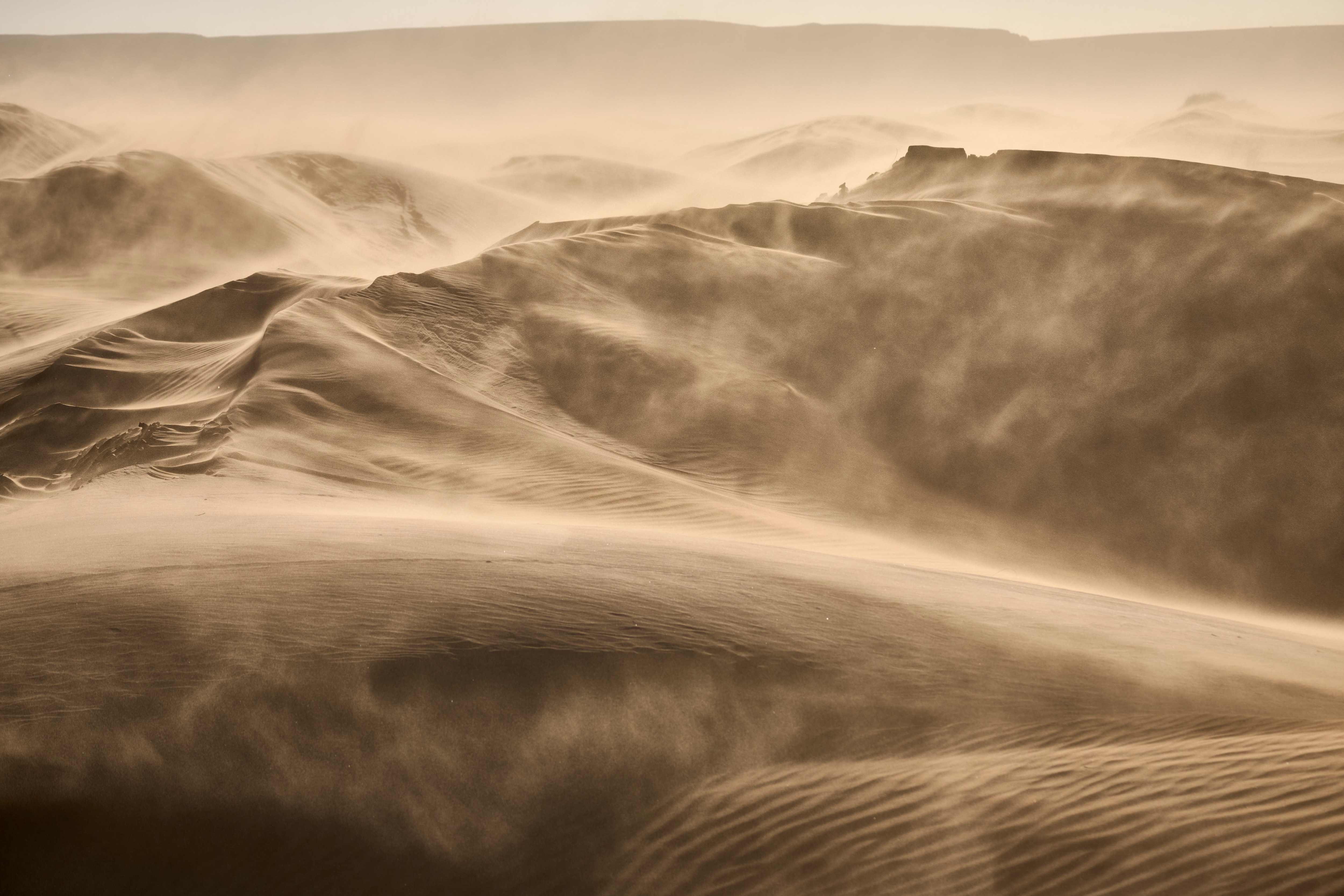
As if that wasn't enough, one night our camp was hit by a Force 6 sandstorm, literally sandblasting us during the morning briefing before we headed out into a stage with near-zero visibility.
How Did the AWD Transit Perform?
Frankly, it was sensational.
The Transit’s AWD system provided fantastic grip, the chassis absorbed unbelievable punishment, and the powertrain never missed a beat. We even overtook two competitors on one particularly brutal stage.

“A 3.5-tonne Transit van has no right to be able to do what this thing has done! I cannot express enough the torture we have put this vehicle through.”James Saward, Ford powertrain engineer and Maroc Challenge finisher
The teamwork was a highlight. In some places we had no choice but to work with other teams to help each other out. One sand bowl we reached had five stuck cars in it, but we thought we could see a clear path. Almost three hours, 20 sand plates and lots of winching later, we all finally managed to rescue each other and escape the deep sand.


By the end of the rally, the organisers and other competitors were visibly won over by the Transit's sheer capability. We were getting better too, and only just missed out on a class podium for the final stage, coming fourth on that day and seventh of 12 entries in the SUV class for the rally overall. Given around a third of vehicles that entered didn't make the finish, we were delighted with our performance and with how many people realised the Transit's off-road ability. In fact, one of the organisers asked us what our plans were with the Transit once we'd finished as they wanted to add it to the Maroc Challenge support vehicle fleet.
Was it Good to Return Home Again?
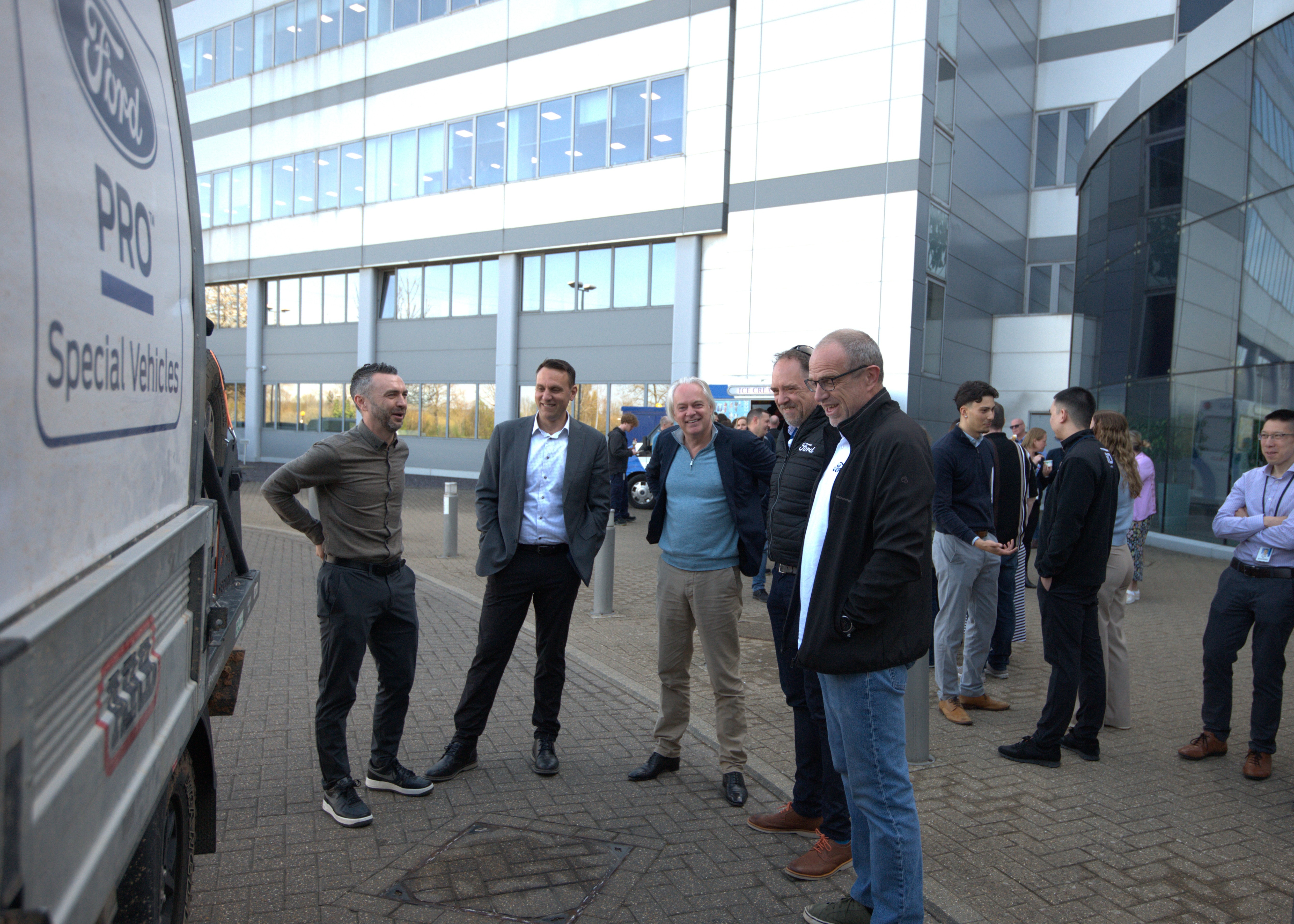
The drive down had felt long but at this point in the adventure, the return leg flew past. Our journey ended with a surprise hero's welcome back at the office. We’d been asked to come back into Dunton with the van, but neither of us expected over 100 colleagues to be there cheering us there when we arrived.
James and I showed everyone around the van and explained how their work helped us through the harsh conditions we had encountered. I won’t forget sitting in the cab, still full of Saharan dust, and telling stories from the rally to Jim Baumbick, the President of Ford in Europe. It was a fitting, emotional end to an epic experience that proved the passion of our team and the incredible versatility of a Transit.
Richard Powell is a product development engineer at Ford Pro in Dunton, UK.

1 Ford Transit AWD homologated CO2 emissions 212-360 g/km WLTP, homologated fuel efficiency 8.1-13.7 l/100 km WLTP. The declared WLTP fuel/energy consumptions and CO2-emissions are determined according to the technical requirements and specifications of the European Regulations (EC) 715/2007 and (EU) 2017/1151 as last amended. The applied standard test procedures enable comparison between different vehicle types and different manufacturers.
2 Always consult the Owner’s Manual before off-road driving, know your terrain and trail difficulty, and use appropriate safety gear.