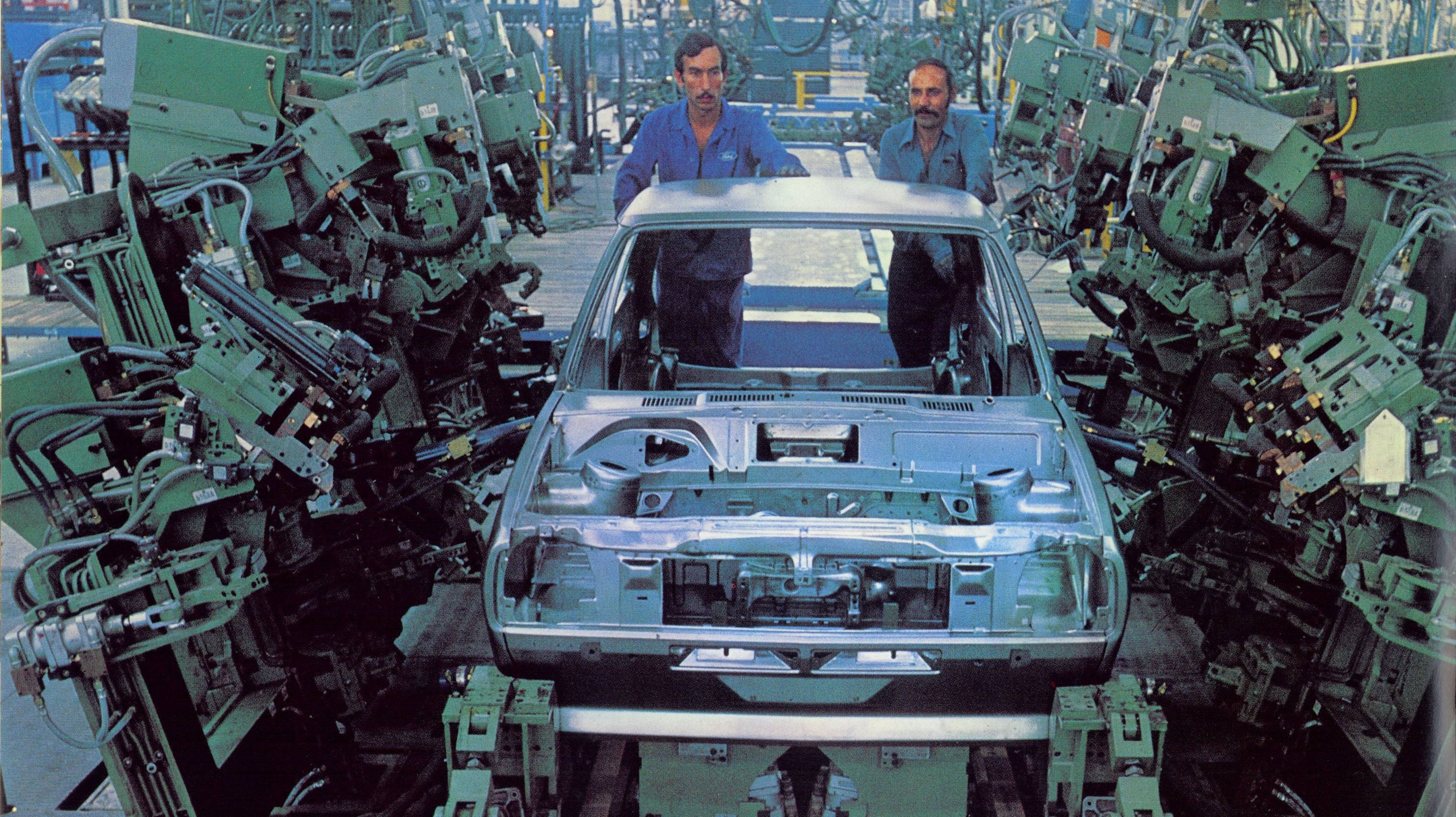
On October 18, 1976, a Ford Fiesta rolled off the assembly line of a brand-new factory in Almussafes, in Valencia. It was a compact, practical, modern car designed for a changing Europe.
Fifty years on, that first Fiesta represents far more than the birth of an iconic nameplate. It symbolises five decades of innovation, employment, technological transformation, and deep commitment to a region that has grown side by side with Ford — a milestone that belongs first and foremost to the people who made it possible.
The skill, pride, and adaptability of Valencia’s employees, past and present, and their families have shaped the plant’s legacy. Their capabilities and resilience have positioned the plant to embrace its next chapter with confidence.
In addition, Valencia’s achievements are shared with its community. The plant has made an enduring contribution to the region’s industrial, economic and civic life, strengthened by lasting relationships with suppliers and partners.

The 1970s: A Fiesta for an Awakening Spain
A week after production began, King Juan Carlos I attended the official inauguration.
Spain was taking its first steps toward democracy during the Transition, colour television was coming to households, and a new generation yearned to travel, work, and live with greater freedom.


The 1980s: Millions of Cars and a European Spain
On January 2, 1981, the plant assembled its one-millionth Ford Fiesta. That same year marked the start of Ford Escort production, expanding the plant’s capability to adapt to multiple vehicle lines.
At the same time, Spain was experiencing historic shifts. In 1986, the nation joined the European Economic Community, ushering in a new era of economic integration. A year later, Barcelona was selected to host the 1992 Olympic Games.

The 1990s: A Factory Connected to the World
1996 saw the launch of the Ford Ka, a groundbreaking city car with bold styling.
Spain was also making its mark globally. The 1992 Barcelona Olympic Games and the Seville Expo had projected a dynamic, updated image of the country to the world.

The 2000s: Ten Million Vehicles and a New Technological Era
In 2000, the site reached the milestone of ten million engines manufactured, and nine years later the ten-millionth vehicle rolled off its assembly lines.
Spain had adopted the euro, mobile communications had become part of everyday life, and digitalisation was beginning to reshape daily routines.

The 2010s: Flexibility, Innovation, and New Horizons
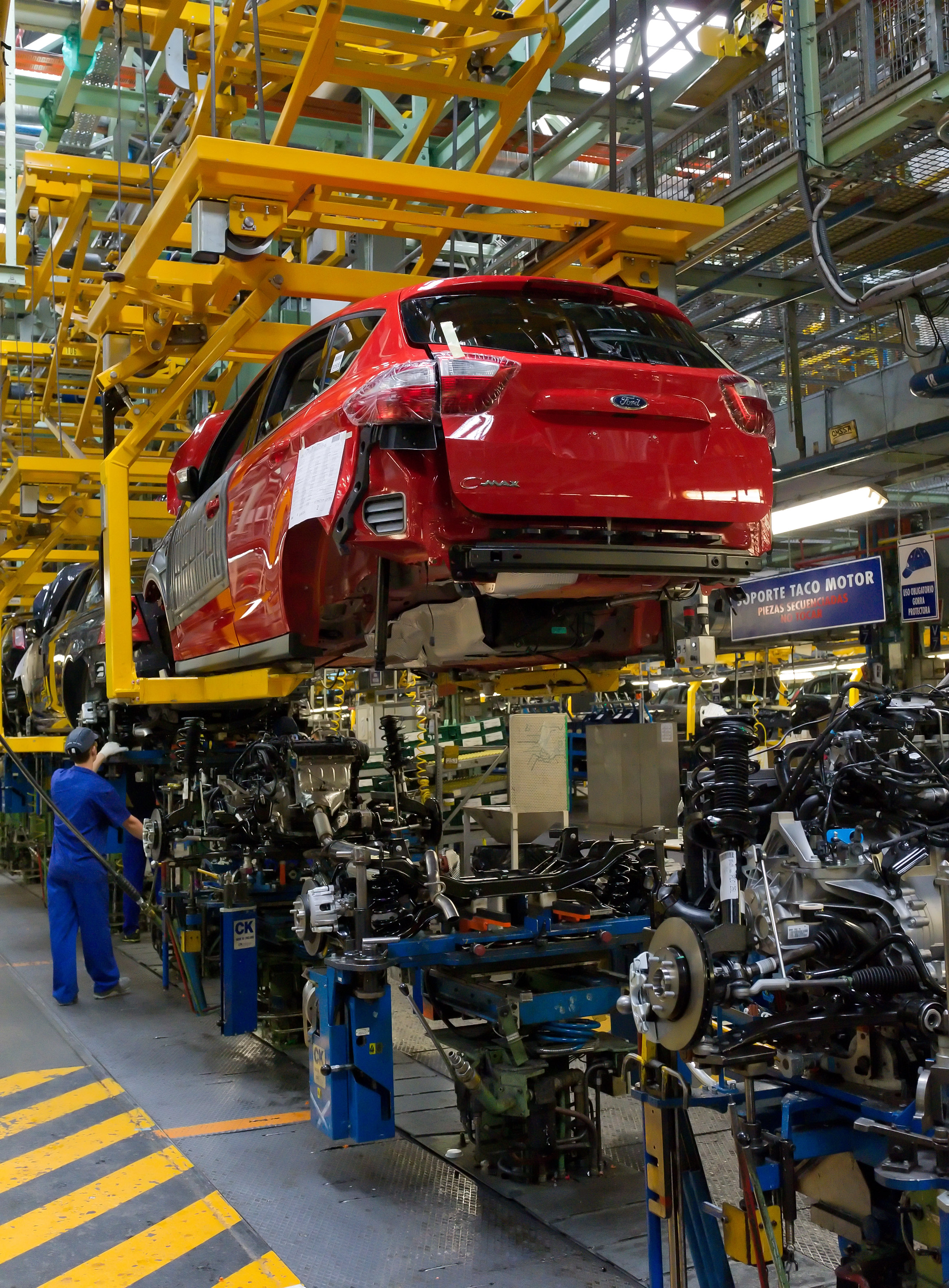
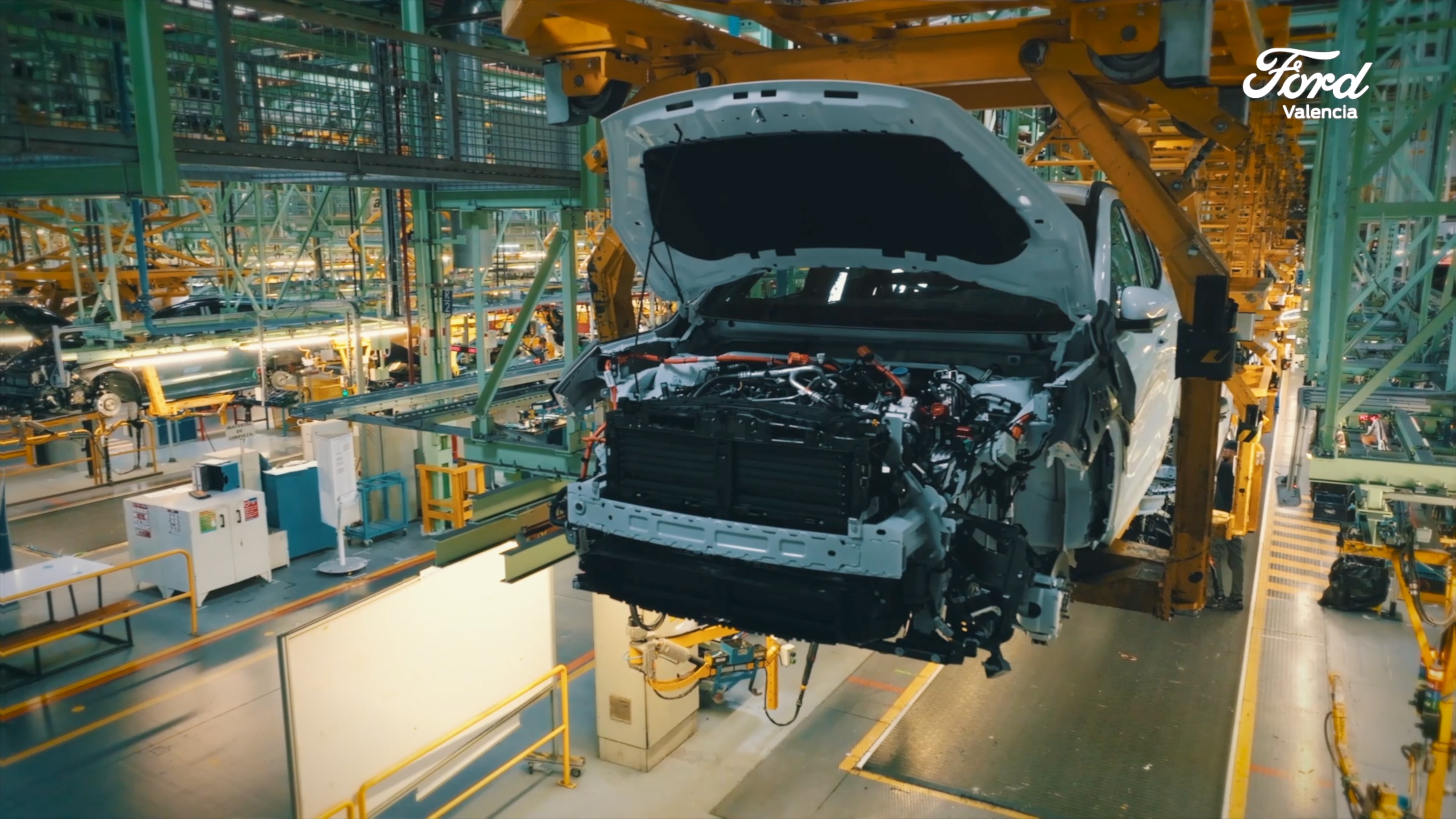
In December 2012, production of the Kuga began. Two years later the Ford Mondeo joined the lineup, followed by the hybrid version — marking a significant step toward electrification.
As Spain regained its economic footing following the financial downturn, the digital revolution accelerated shifts across industry and society. Smartphones, social media, and new mobility models became everyday fixtures.
The 2020s: an Eye on the Future
In July 2026, Ford and Geely Auto announced a plan to form a manufacturing joint venture in Almussafes, starting in 2028, to secure the future of the plant, provide long-term stability and create the potential for future high-tech manufacturing job growth. The joint venture is expected to produce an all-new multi-energy crossover for Ford, in addition to a new member of the Bronco family, plus two electric Geely SUVs, with Kuga production continuing uninterrupted.
Fifty years on, Almussafes still has a story to tell. And, above all, an exciting future to build.