
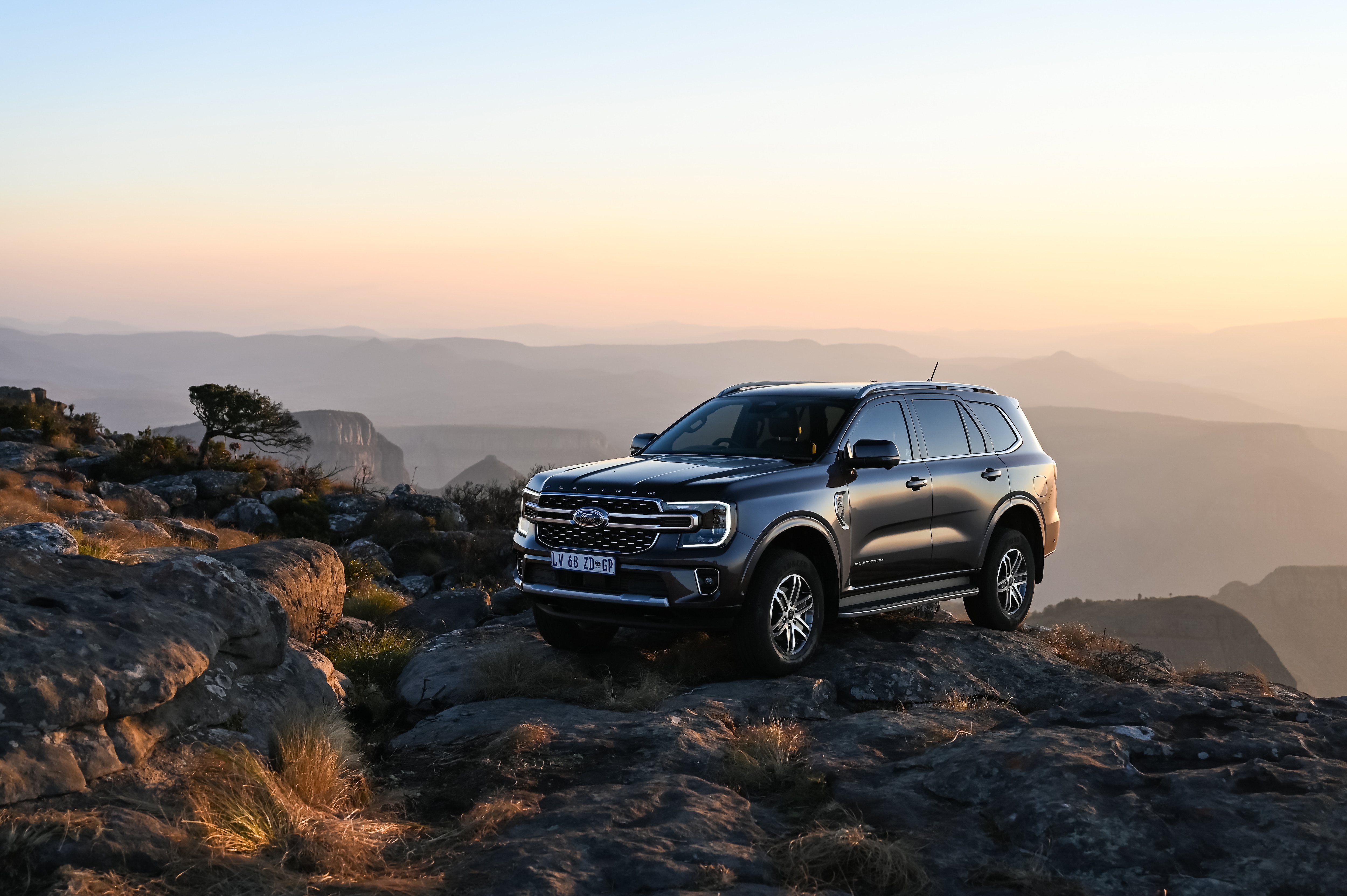

I've been working on vehicle dynamics at Ford for years now, and honestly, I never get tired of talking about how cars feel on the road. When we were developing the Ford Everest, we faced this big decision early on. Do you build a large SUV like a tall car, or do you give it the soul of a pickup truck? This choice would define the Everest's ride quality and handling characteristics.
Ford Everest's engineering philosophy centres on controlled, connected suspension tuning that reduces body roll, minimizes brake dive, and provides direct steering feedback, design choices that prioritize driver control and passenger comfort over a disconnected, floaty feel.
For us, there was only one answer. We knew this thing had to handle everything, and I mean everything, a modern family could throw at it. School runs, weekend adventures, towing the boat, tackling those brutal corrugated tracks out the back of beyond. So, we made a choice: we'd build it on a proper truck foundation, that tough ladder-frame setup. It's just in our DNA to make vehicles people genuinely love to drive.
But here's what I find fascinating, what does that Ford Everest engineering decision feel like when you're behind the wheel?
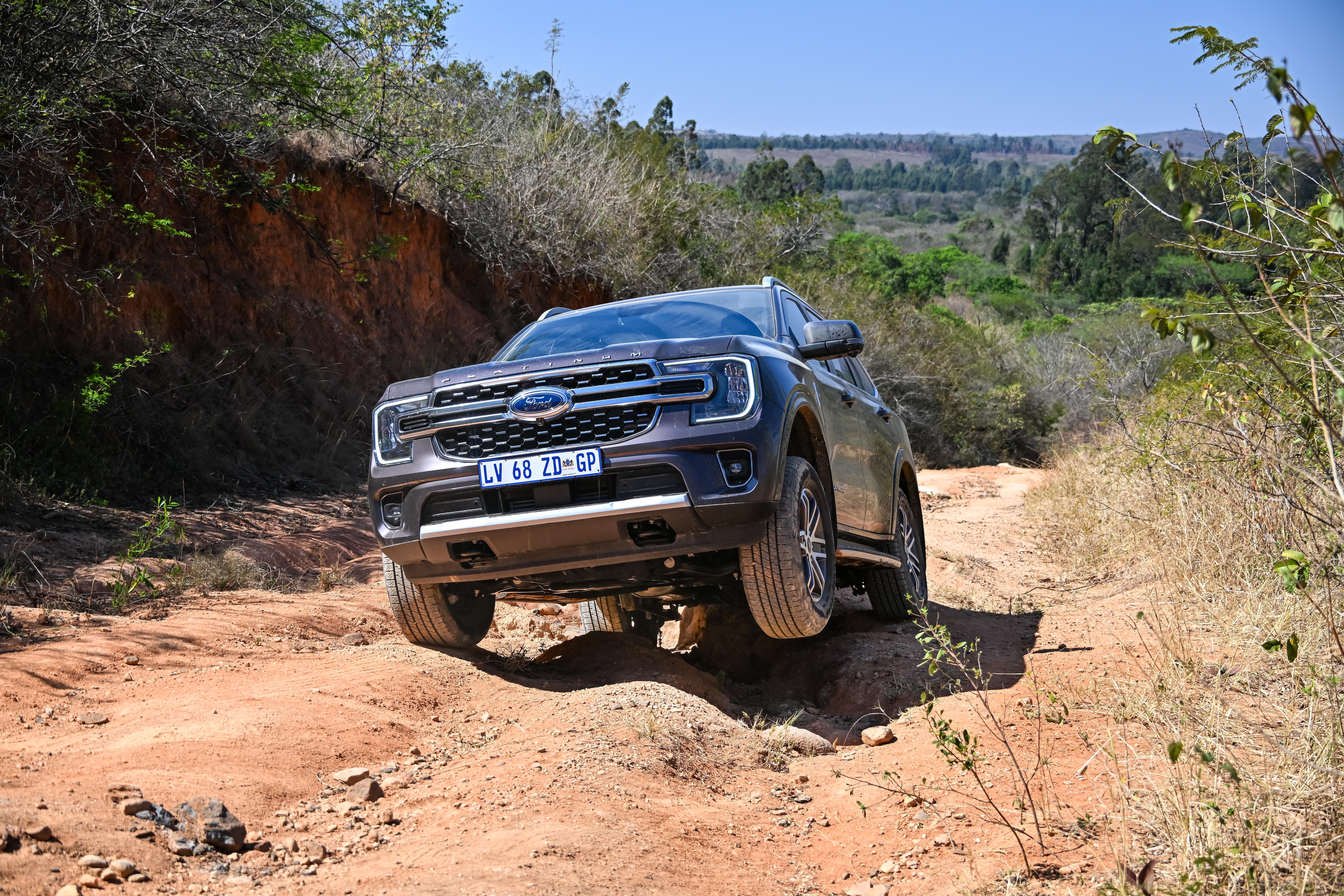
How we engineered control into Ford Everest's ride
I love reading reviews of the Ford Everest, especially when someone describes the Everest's ride as having that connected, controlled feeling. As an engineer, that tells me the Everest suspension is doing exactly what we spent years perfecting. It's communicating with the driver.
Here's the thing about our engineering philosophy: in many large SUVs, a soft ride creates this "floaty" feeling, you know that wobbling sensation over bumps where you feel disconnected from what's happening under you? Plus, it can make passengers in the back feel queasy.
We tuned the Ford Everest handling for control instead. What that means is you feel way less body roll when you're taking corners, less nose-dive when you hit the brakes, and you get this direct feedback from the tires. It gives you the confidence to place the vehicle exactly where you want it. For something this big and capable, it's engaging and fun to drive, which still amazes me every time I get behind the wheel.
Building cabin serenity from truck-tough foundations
Using that pickup truck ladder frame wasn't just about being tough, though the Ford Everest is tough. It was about creating this protective cocoon for you and your family. This truck-based SUV design offers significant advantages over car-based alternatives.
Picture this: you're driving on a rough, corrugated gravel track. In a typical car-based SUV, the whole vehicle acts like a drum, transmitting every bump and vibration straight into the cabin. But here's how we solved that in the Everest: that high-strength steel frame takes all the punishment from the terrain, so you don't have to.
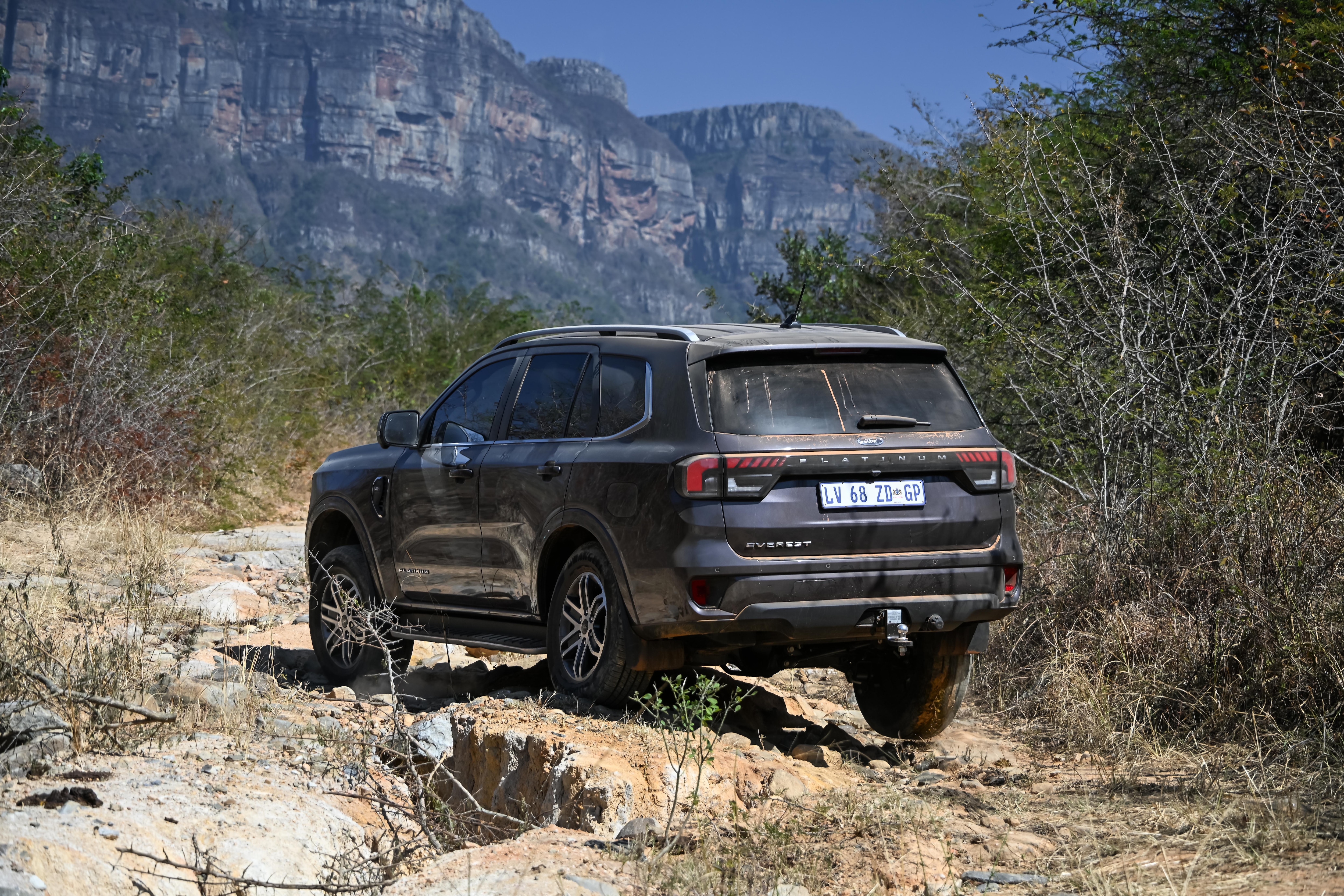
Your cabin sits on top of this frame, separated by these specially designed cushioning mounts that filter out vibrations and road noise. The result is this surprisingly serene interior, even when the road is anything but peaceful. It's one of those Ford SUV ride quality advantages you don't fully appreciate until you've experienced both approaches.
The Watt's Link: borrowing racing tech for family comfort
Here's where Ford Everest's engineering gets interesting. You know how some vehicles feel unsettled over bumps, like the rear end has a mind of its own? To turn that raw pickup truck capability into something you and your family would enjoy no matter where the road took you, we installed a Watt's Link rear suspension.
While most pickups use leaf springs, which are brilliant for carrying bricks but not so great for comfort, the Ford Everest suspension uses a more sophisticated coil-spring setup. The Watt's Link is the secret to keeping everything composed. It's aningenious system of pivots and arms that physically prevents the rear axle from sliding side-to-side over bumps.
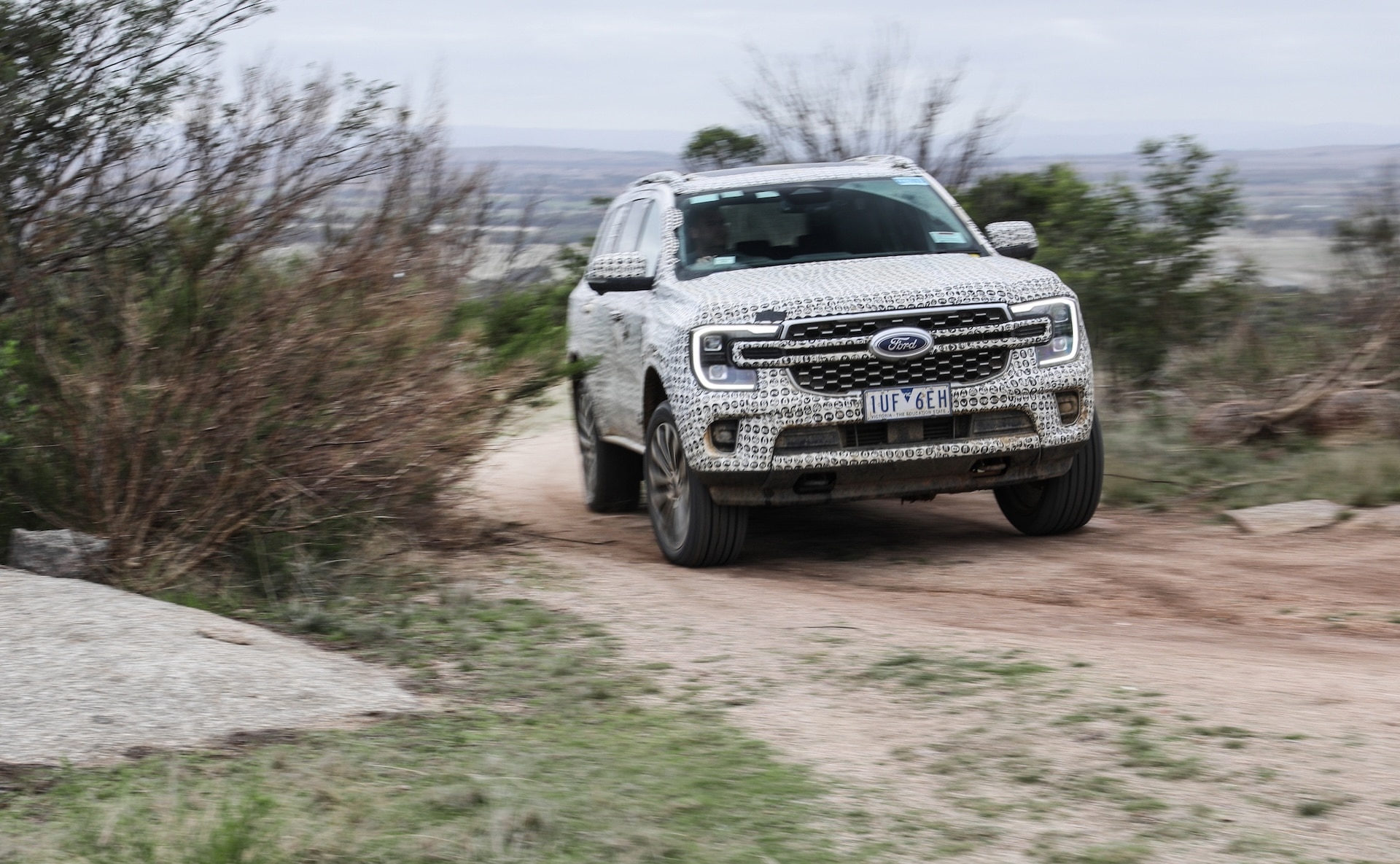
What does that mean for you? Your passengers don't get tossed around, and you can hold a straight line with way less effort. It's one of those engineering solutions that works invisibly, until you drive something without it. This is why Everest handling feels so much more controlled than many competitors.
Engineering confidence into every towing experience
The pickup truck soul of the Ford Everest really shows its worth when you hitch up a caravan, boat, or horse float. Ford Everest towing capability was engineered from the ground up. Here's the thing: in the Everest, that tow hitch bolts directly to the ladder frame. You've got this solid backbone that just laughs at the bending and twisting forces a heavy trailer can dish out.
Combine that with our Everest suspension's natural stability and Ford's trailer sway control system², and you get predictable, confident handling. You never get that feeling like the trailer is pushing the car around, which anyone who's towed something heavy will tell you is priceless.
The engineering goal: composed confidence in every drive
The Ford Everest wasn't designed to float vaguely down the highway. It was engineered to work. Whether you're navigating a chaotic school pickup in the rain or confidently pulling your caravan across the country, there's one feeling I hope every owner experiences...
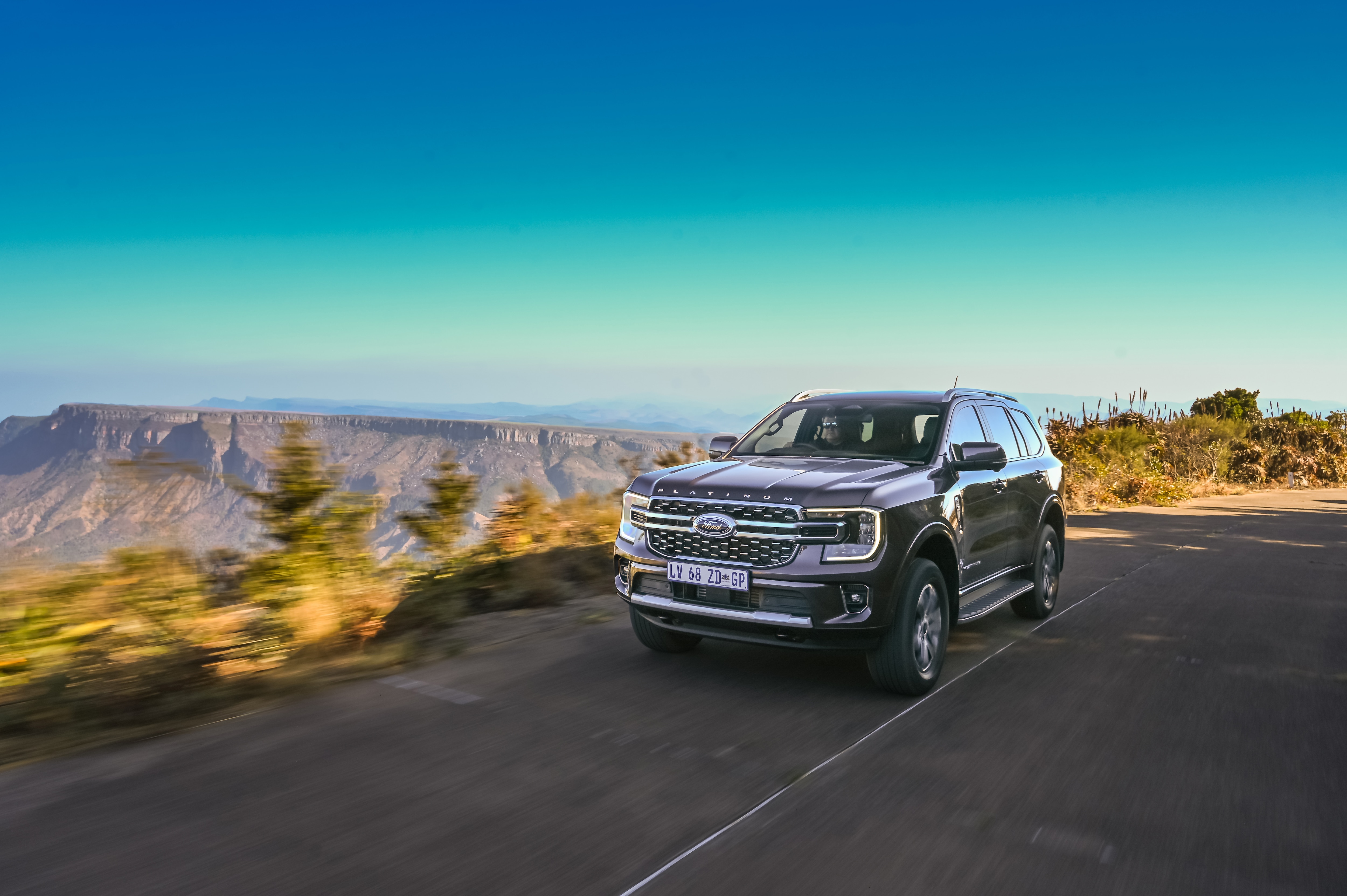
It's this profound sense that your Everest is completely at ease with whatever task you're asking it to perform. That confidence filters right through to the family inside, letting everyone just relax and enjoy the adventure ahead.
Every time I drive an Everest, there's this moment, when I’m navigating traffic with the trailer hitched up, or when the kids in the back haven't complained once during a long drive on rough roads, where I think, "Yeah, we built this right."
That's what Ford Everest engineering is about: not just comfort, but confidence. Not just capability, but composure. It's all the truck-based SUV advantages working together to create something genuinely special for families who refuse to compromise.
Chris O'Shannassy is a vehicle dynamics engineer for the Ford Everest

Disclaimers
1 Driver-assist features are supplemental and do not replace the driver's attention, judgment and need to control the vehicle. May not operate at certain speeds, or in certain driving, road or weather conditions. See Owner's Manual for details and limitations.
