Over the past three years, I've spent more time at Khau Pha Pass than in my own home in the city. Most people know Khau Pha as one of the Northwest's "four great mountain passes," a place where visitors stop to admire golden rice terraces, watch the clouds and take photographs. For me, Khau Pha is also about the villages nestled at the foot of the pass, and the people who continue to farm, build homes, raise children and preserve their way of life amid change.
What I never expected was that a building we'd dreamed about for years would one day shelter those same people from a storm.
How it started: a simple question
I still remember my first visits to It Thai village in 2018. Khau Pha Friends started with a simple question: how could local people build better lives in their own village, drawing on its landscape, culture and what they already had, rather than having to leave to make a living elsewhere?
Together with the community, we piloted tourism activities, improved the village landscape, built small structures, supported livelihoods and found ways to develop tourism without losing the village's inherent values.
It hasn't been the smoothest journey. But along the way, many individuals and organisations offered to help, sharing our desire to contribute something meaningful.
An important turning point came when Ford Philanthropy joined the effort to improve infrastructure in It Thai village.
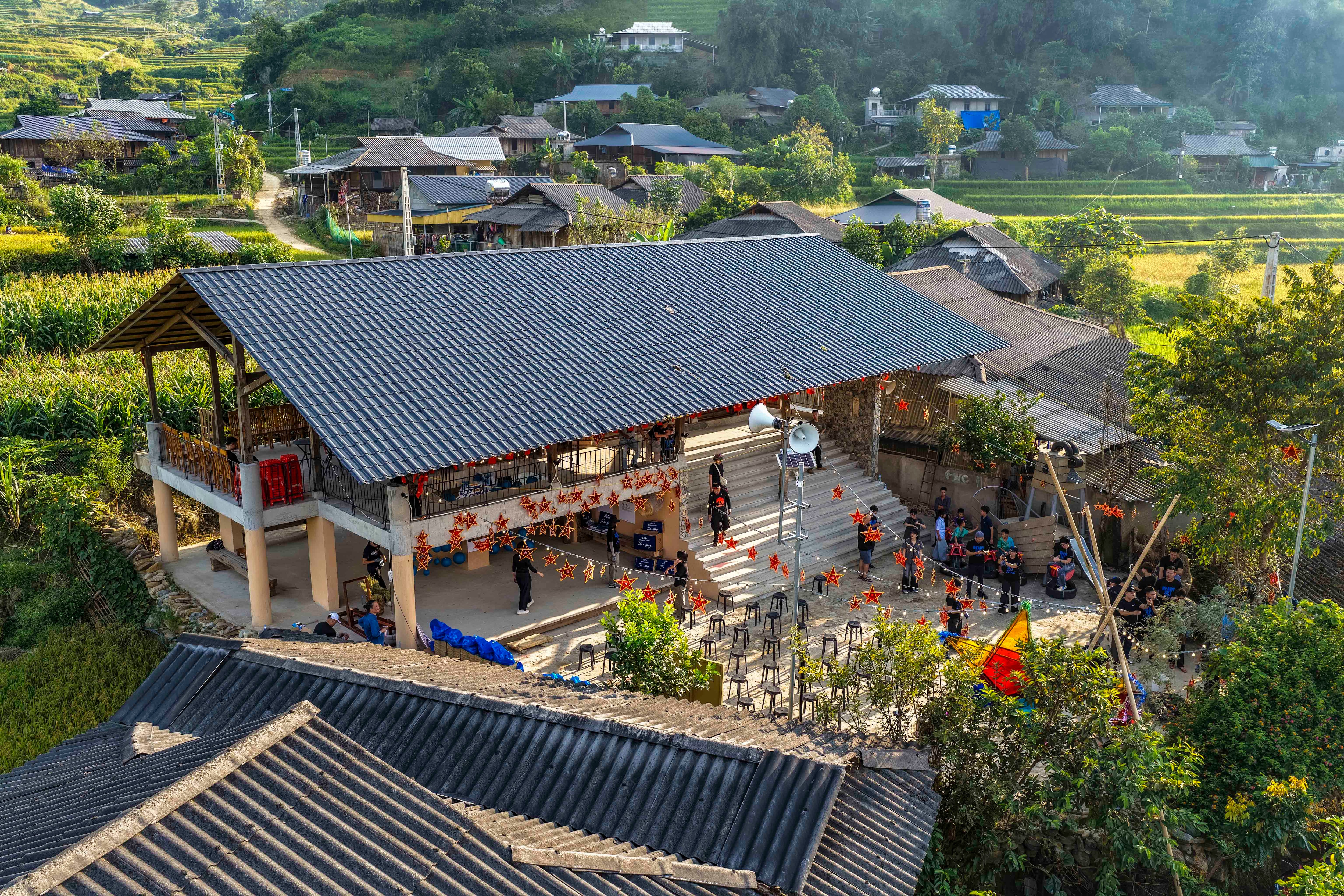
The improvements ranged from wayfinding signs and reinforcement along the stream bank to help prevent erosion, to a gateway by the bridge to welcome visitors. Most meaningful to us was the Community House, a gathering place for villagers we'd envisioned for years.
Turning that idea into a real building required substantial resources and a partner willing to trust the community-led approach. Ford's support helped make this happen.
What Ford really helped us create wasn't just a building. It was a place where the village could gather, hold celebrations and cultural activities, welcome visitors and simply be together.
Meanwhile, tourism has kept growing, led by the community itself. Some families have begun operating homestays, welcoming guests and showcasing local cuisine and products. New ways to earn a living emerged, while villagers continued to farm, make cốm (young sticky rice flakes) and weave cloth as part of the village's familiar rhythm of life.
For me, the greatest value of Ford's support is not in the funding for a single building. It's in the trust placed in a community development process that has been nurtured over many years.
When the storm came, the house became something more
In October 2025, Storm No. 10 (Bualoi) swept across the mountainous northern provinces. Khau Pha, situated in an area of steep terrain and high landslide risk, was severely affected. Tens of thousands of households were cut off by flooding and landslides, without electricity or contact with the outside world for days.
In villages like It Thai, nestled deep in the Khau Pha mountains, I have come to understand that the threat of storms and floods is not merely a seasonal issue. It is the unease that returns whenever dark clouds gather, and the worried look on a mother's face as she glances up at the roof on a rainy night. When roads are severed and homes aren't sturdy enough to withstand landslides, the local people understand the value of a safe shelter better than anyone.
In those circumstances, the Community House took on another role, one that both we and Ford had envisioned from the very design stage: a structure robust enough for residents to gather, take shelter and support one another during emergencies.
A building designed for everyday community life proved it could protect lives too. That kind of resilience is something you can't plan for on paper alone. It comes from building with care, and building with purpose.
Timber, paint and dozens of willing hands
After the storm season passed, we joined the locals in completing the final stages of work on the Community House.
What stands out most in my memory of the construction process isn't the blueprints or the figures. It's the way everyone pitched in.
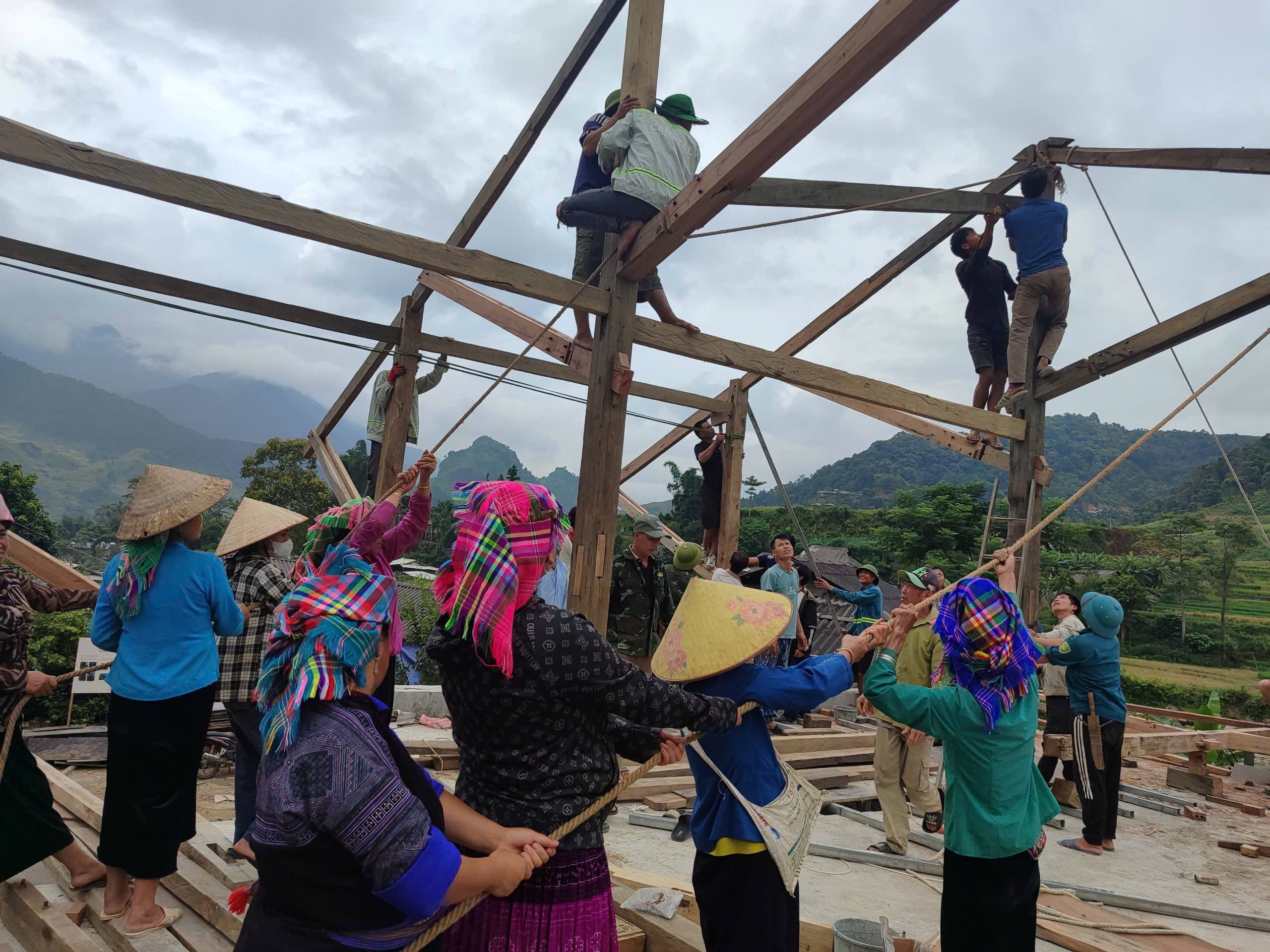
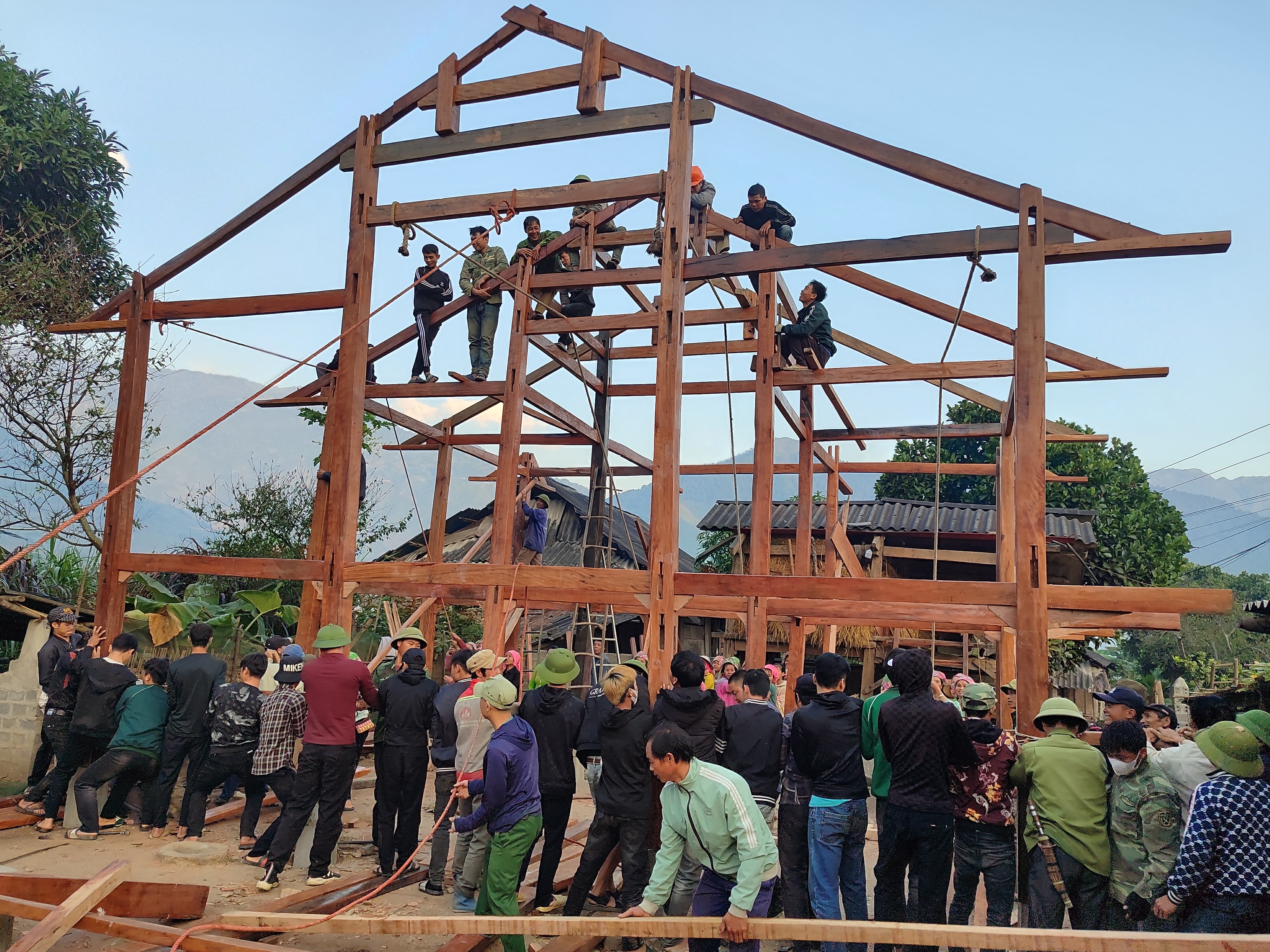
The locals contributed their labor to dismantle the old cultural house, transport materials, erect the wooden frame, paint the pillars, finish the staircase, install fixtures and tidy up the grounds. Local builders carried out the construction, while a community oversight team monitored every phase. Everyone played a part, mirroring the way this community has come together for generations to build homes or help one another in the fields.
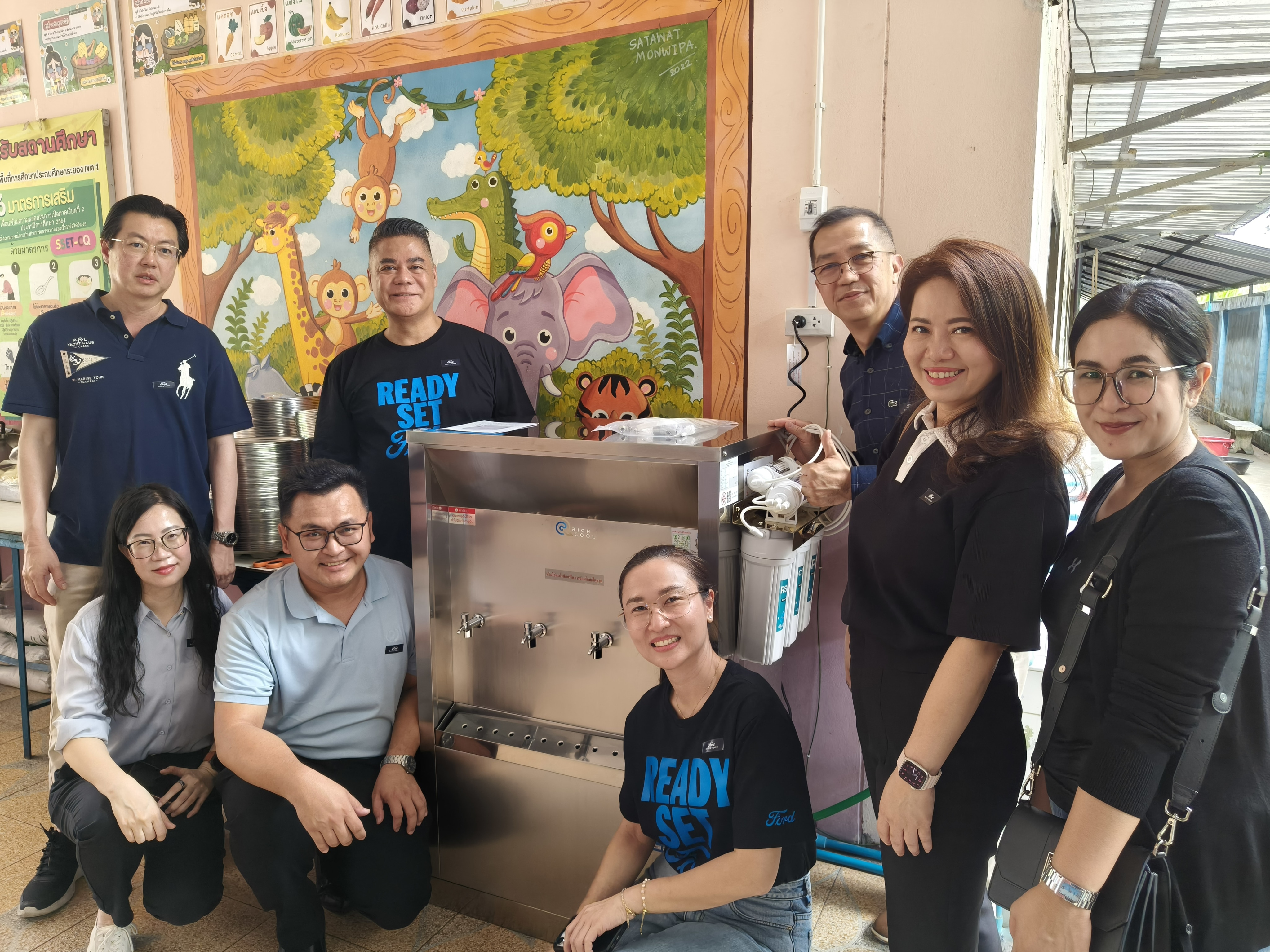
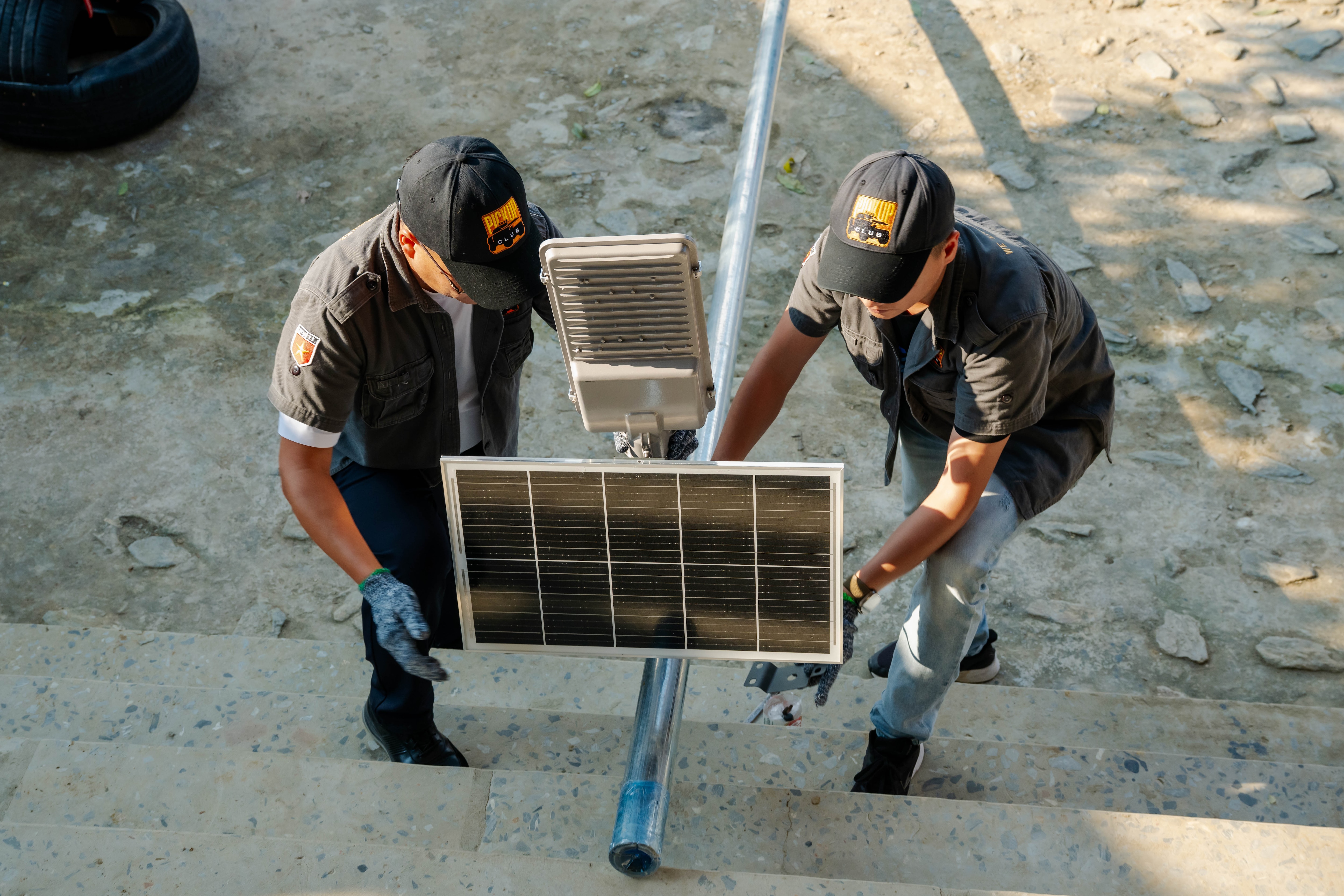
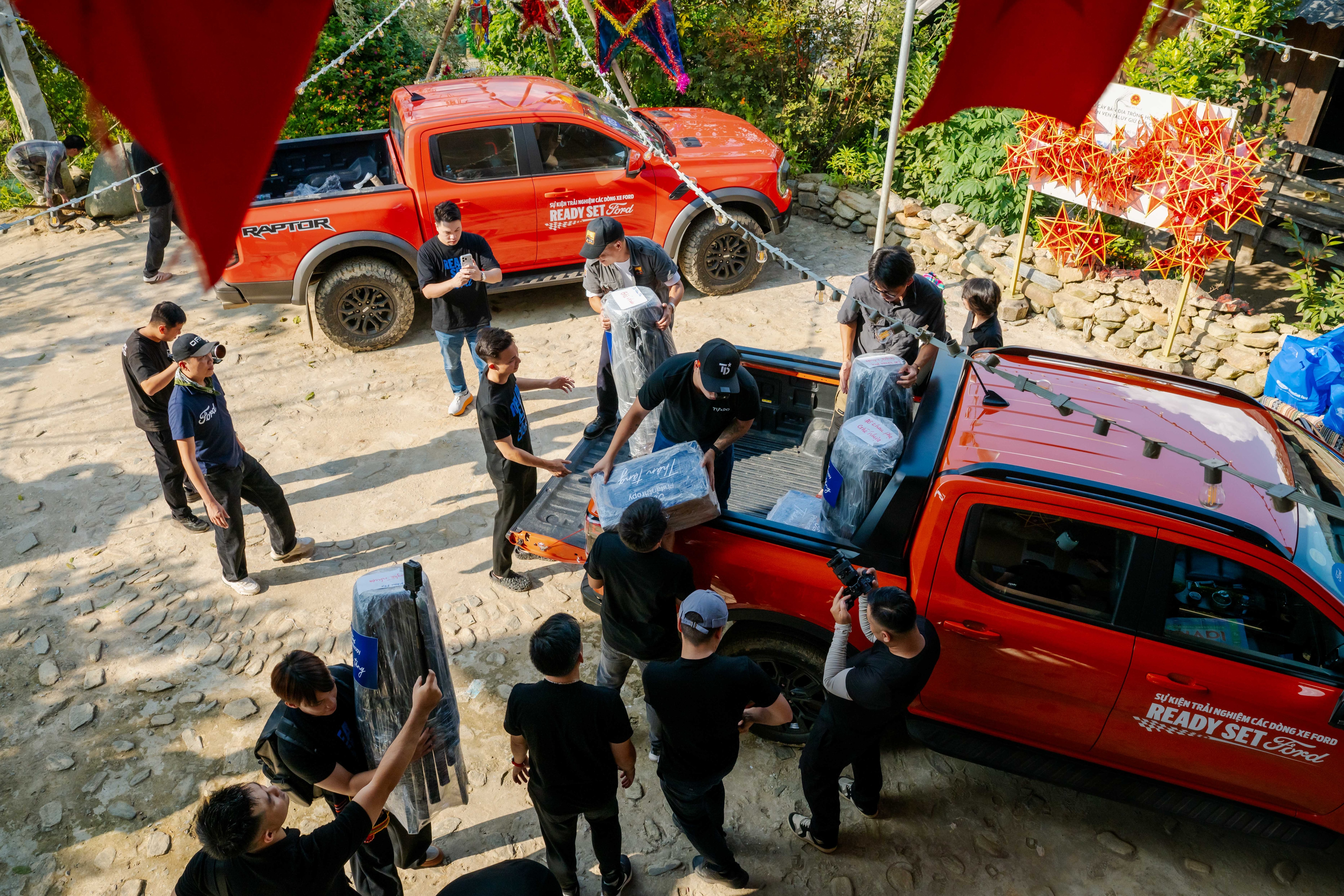
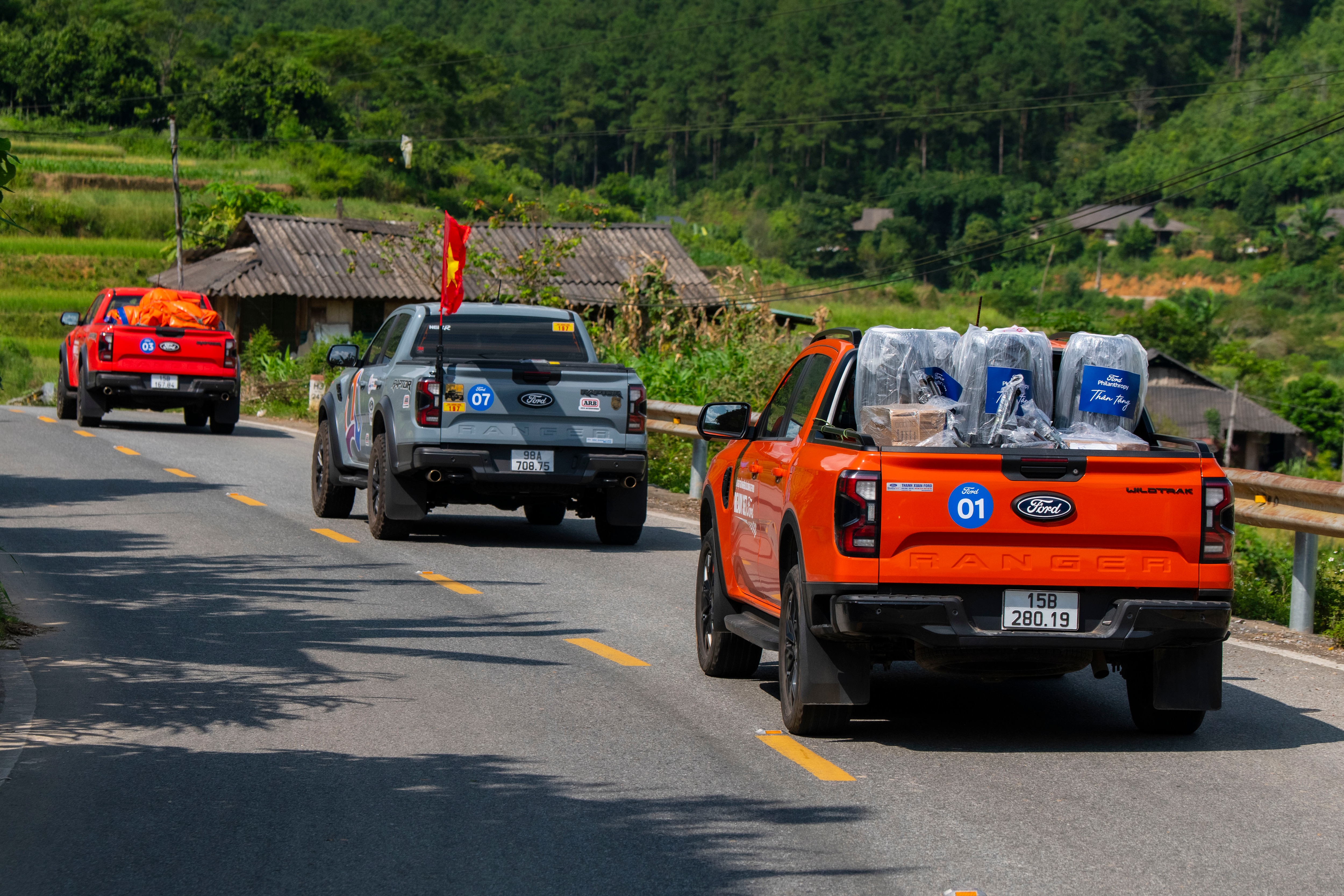
Beyond being the main sponsor of the Community House, Ford helped bring further support to the village through partners, including clubs, dealerships and volunteers. Journeys across the mountain pass brought fire extinguishers, first-aid kits, furniture for the Community House, materials for passing bays and solar-powered lights along the road into It Thai village.
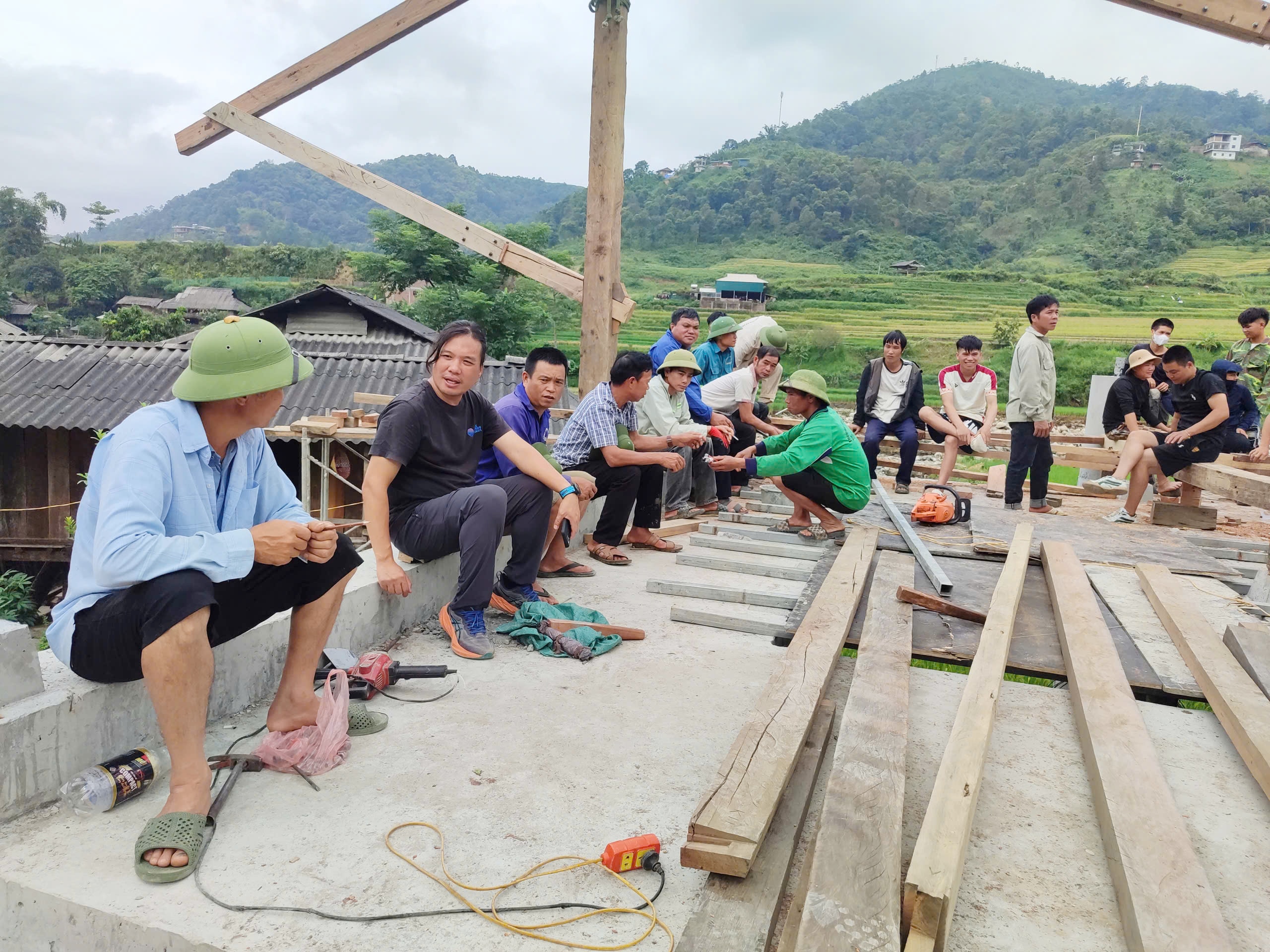
At the handover ceremony, they stood quietly in the background, looking at the completed building with satisfied smiles. To me, that is the most beautiful image of kindness: quiet and unpretentious, where each contribution is simply one link in a chain of collective effort. Perhaps this best captures the spirit of "Building Together." Not one group building for another, but many people pooling their resources so the community could build what it needed for itself.
200 children, one courtyard, one unforgettable night
In keeping with the spirit of Mid-Autumn Festival, a time for reunion, the handover ceremony concluded with a moment I believe I will cherish forever: a celebration for the children.
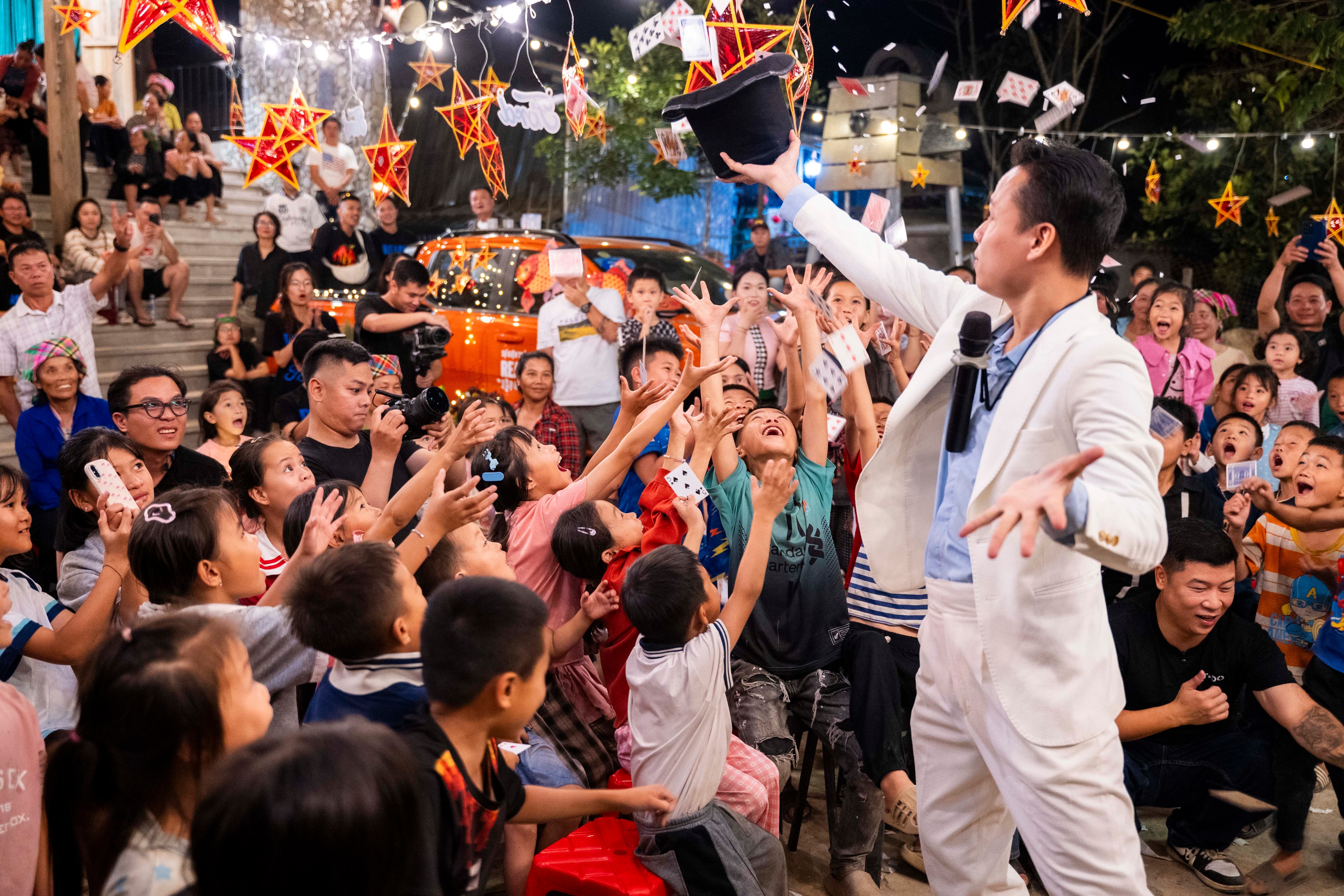
Nearly 200 students from Cao Pha School gathered in the Community House courtyard, their bright laughter echoing throughout the village. I stood quietly watching them, knowing that many had been forced to leave school and temporarily relocate just weeks earlier due to floods. For these children, this was likely one of their most memorable Mid-Autumn nights. Not merely for the joy of receiving gifts, but because they were standing beneath a roof built by so many loving hands.
Eight years ago, when we began working in Khau Pha, we could not have envisioned exactly where things would lead. What we have today is not the work of any single individual or organisation, but the result of a collaborative effort involving locals, project team members and friends from outside the community.
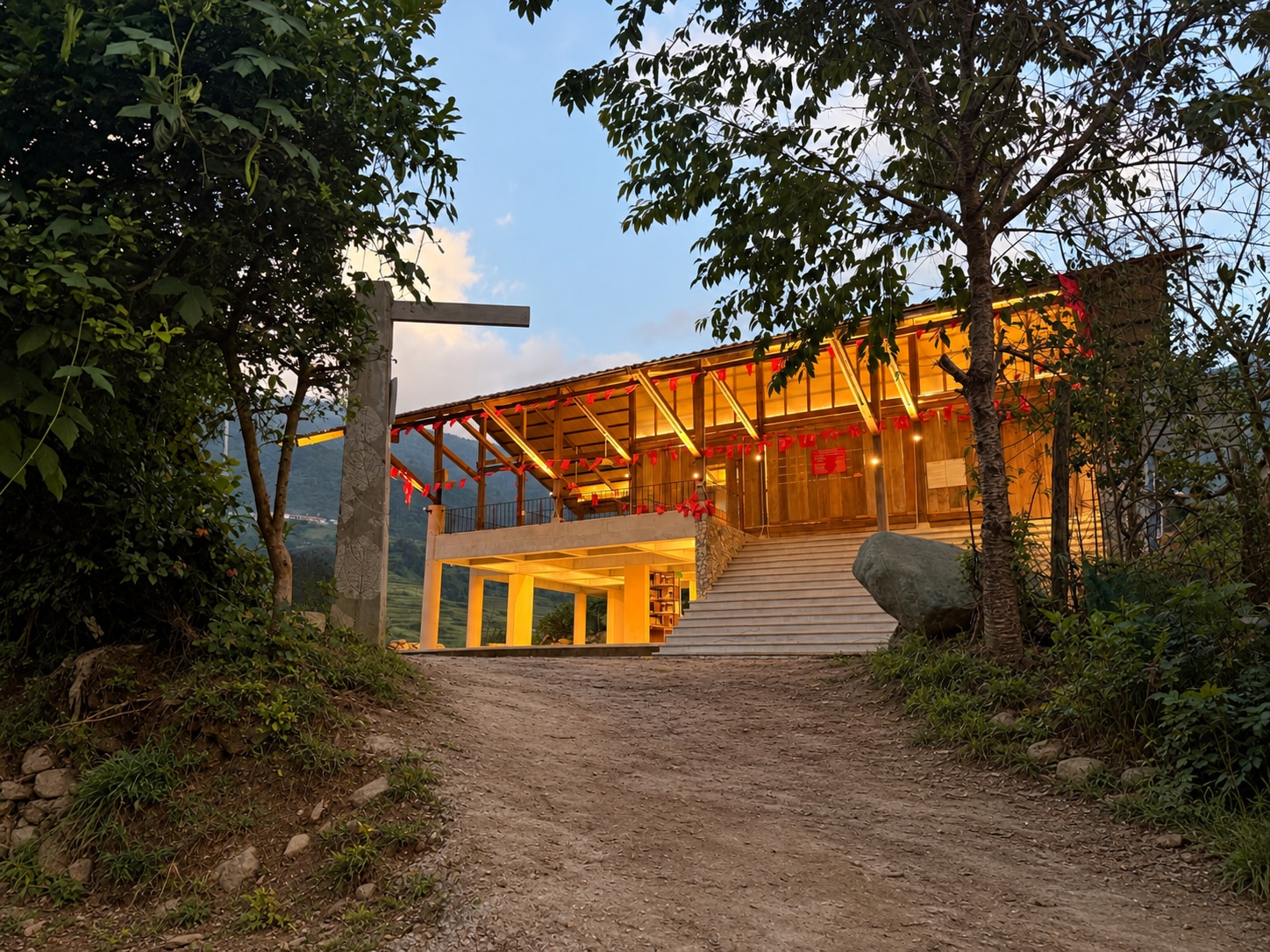
Ford played a pivotal role in this journey. They didn't just provide resources to build the Community House. They believed in this shared effort and brought people together to participate.
For me, an architect's greatest wish is not merely to see a beautiful structure upon its completion, but to return years later and find it still in use, carefully maintained and embraced by the locals as part of their village. Only then does the structure truly belong to the community. And only then do our collective efforts in Khau Pha truly matter.
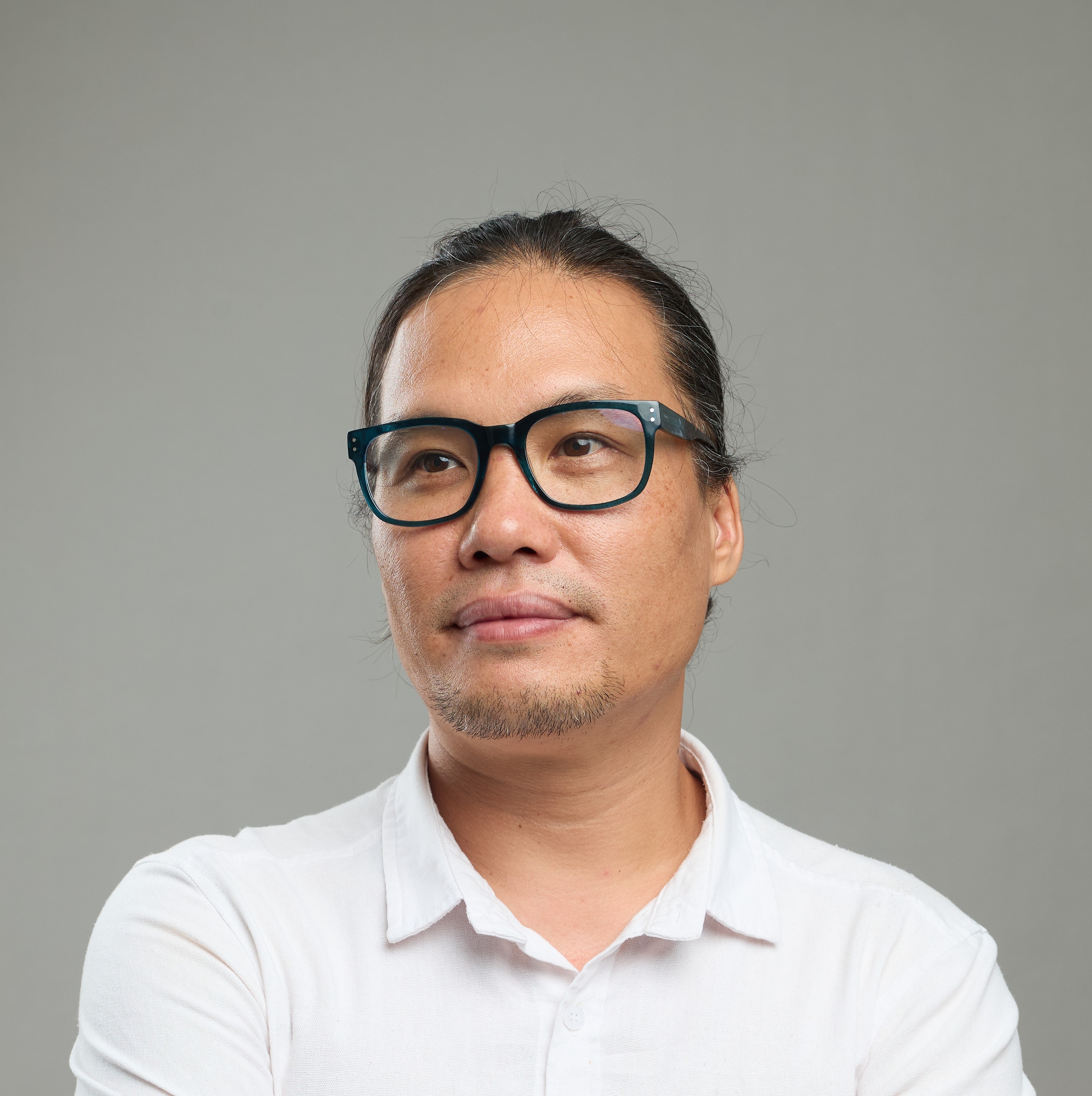
Nguyen Tran Hieu is an architect with Khau Pha Friends
.jpg)