
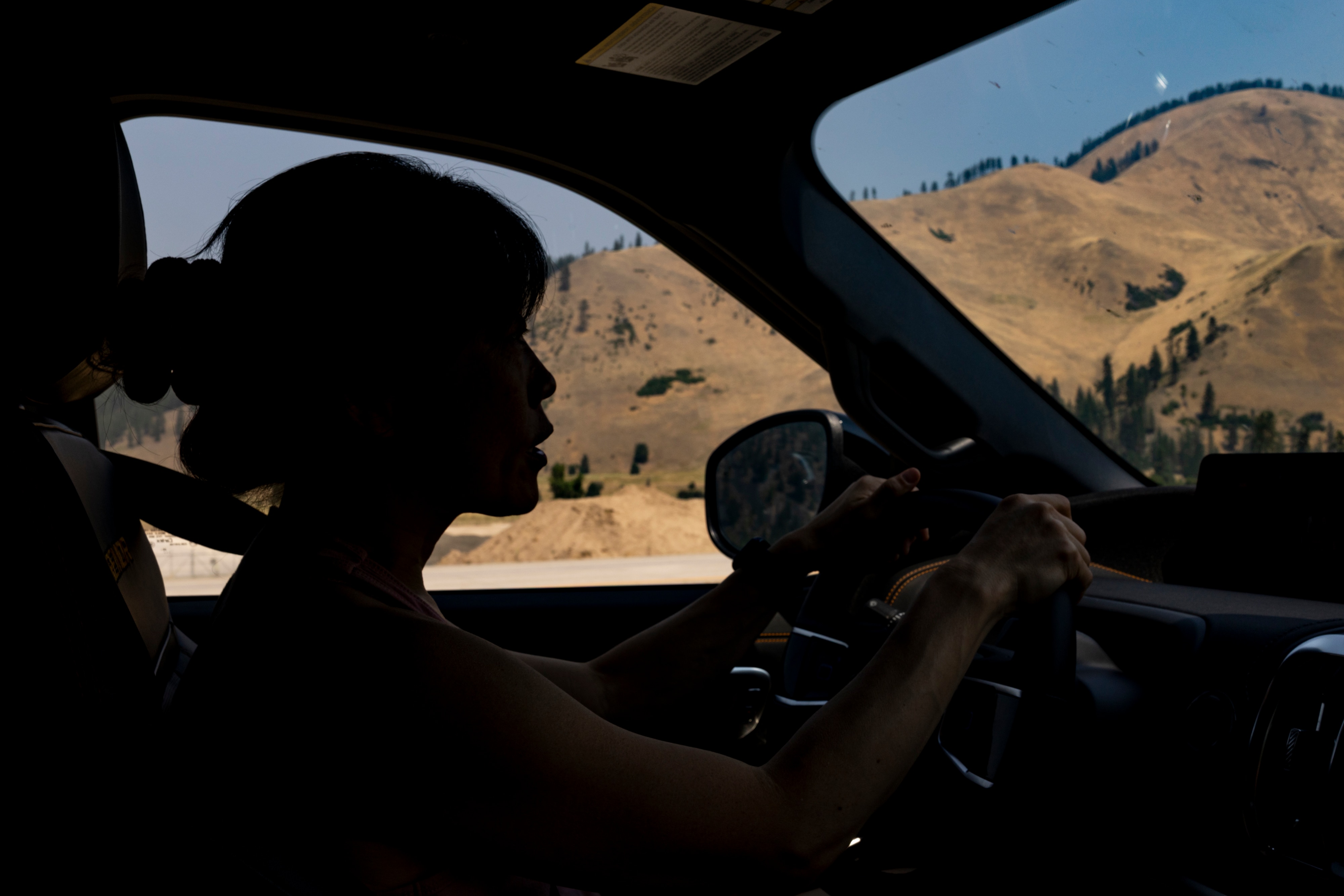
Call time for the van is 10 a.m.
Not 10:15, not 10-ish. Ten, because there are 550 miles between the Spokane hotel parking lot and the load-in door at the Pub Station in Billings, Montana, and every one of them has to be driven by a very small group of two people standing in this foggy parking lot.
BettySoo, who is carefully attired and a beguiling mix of cheerful and sharp — easy with a laugh and always one step ahead — has been awake since somewhere between 7 a.m. and 8 a.m., which is not when her alarm goes off. Her alarm is set for 9 a.m. She wants seven hours and gets closer to six, and the hour she steals in between comprises the most cherished moments in her day.
The first thing she does with it is read a dream.
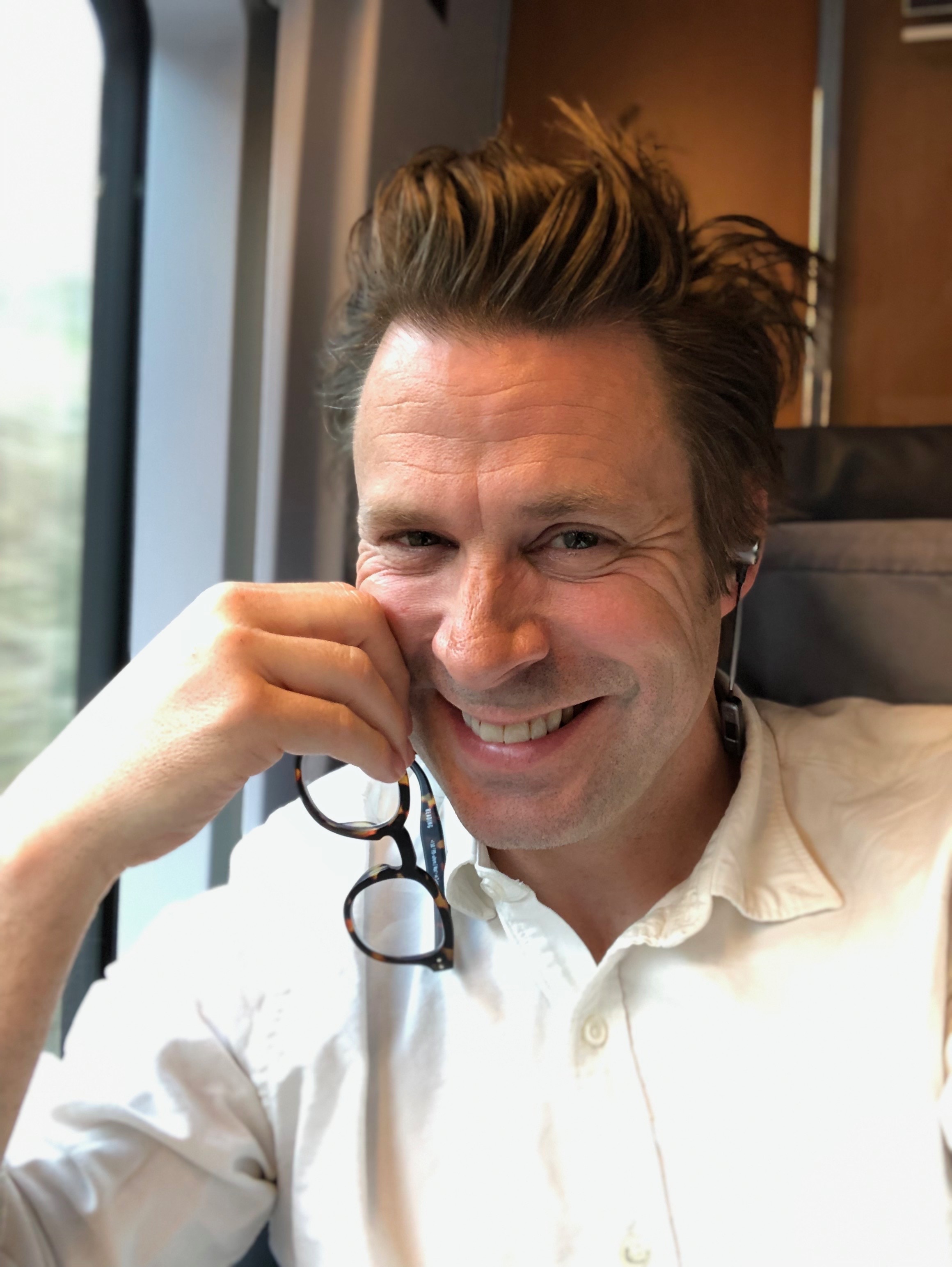
Her boyfriend of almost 10 years is a painter in Vermont — a fine art painter, she'll clarify before you ask, because everybody asks.
He has the wackiest dreams of any human being alive, and when he remembers one, the first thing he does when he wakes up is transcribe and send it to BettySoo, wherever she is. Spokane. Wichita. The most amazing Motel 8 in Driggs, Idaho.
"I could write some Roky Erickson shit with his dreams,” she said, referring to the frontman of the seminal ‘60s psychedelic band, 13th Floor Elevators. “It would be so amazing."
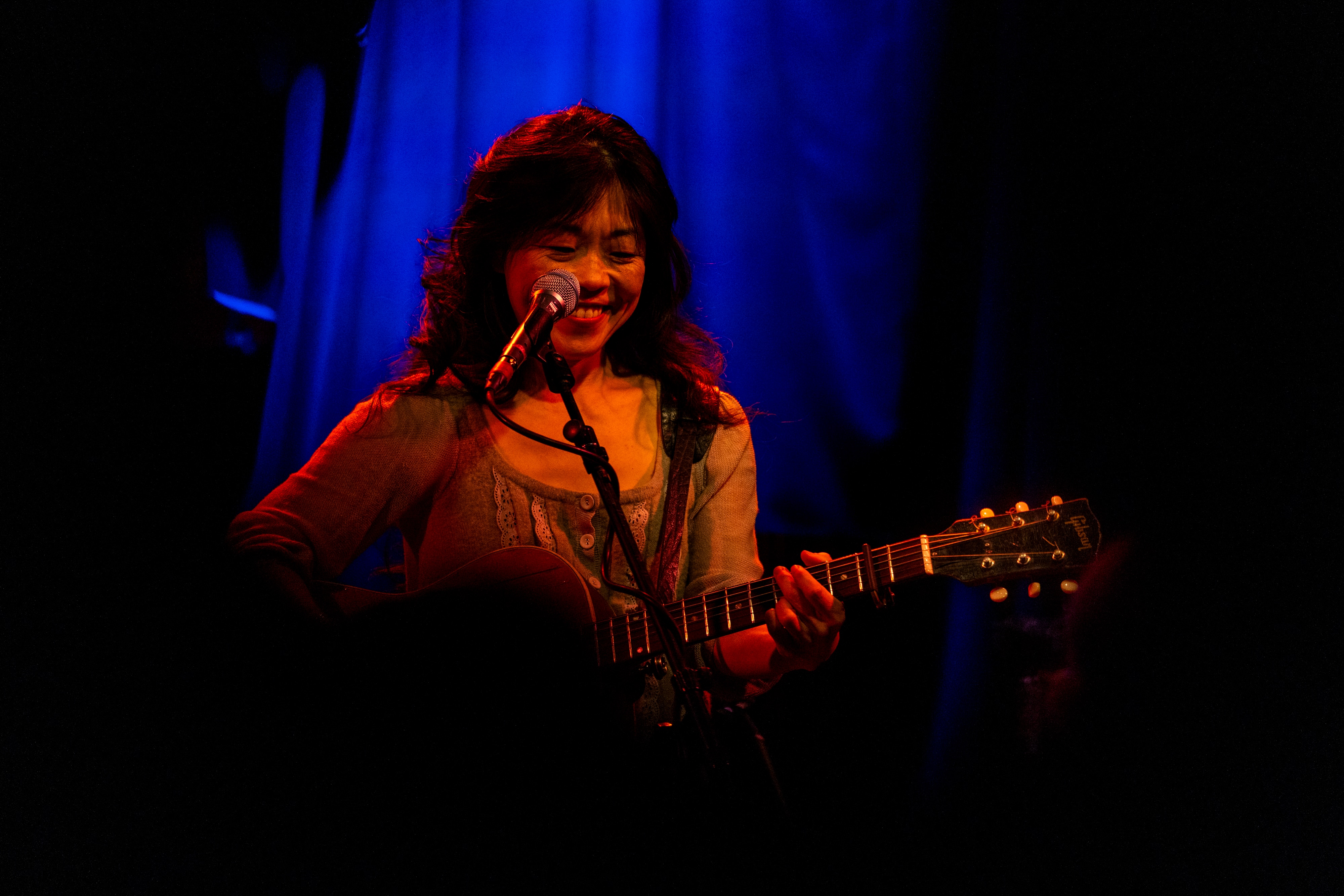
She hasn't wandered the psychedelic dream path yet. But this Texan native with a brilliant wit and a worldliness is many times over a rarity: Raised by staunchly conservative Christian Korean immigrants near Houston, she came to songwriting late in life and has become one of the most dazzling acts in the Americana-folk-country world, recording or touring with James McMurtry, Chris Smither, and countless others.
Her voice is pure, powerful, brittle, protean, and utterly distinct at the same time — qualities she shares with Emmylou Harris and Patty Griffin.
She also spends over half the year on the road. That means about 200 mornings a year, she wakes up in a motel room, opens her laptop, and spends two hours putting out fires.
A venue asking why its date isn't listed. A tour only half-uploaded to her own website. Emails from the agent she always answers — "always listen to your agent," she said, and means it, which distinguishes her from most people in this business, myself included.
Then the motel room. The room is a ritual. She packs the same way every night, in the same order, not out of tidiness but out of fear. "Only because I'm afraid of leaving stuff behind."
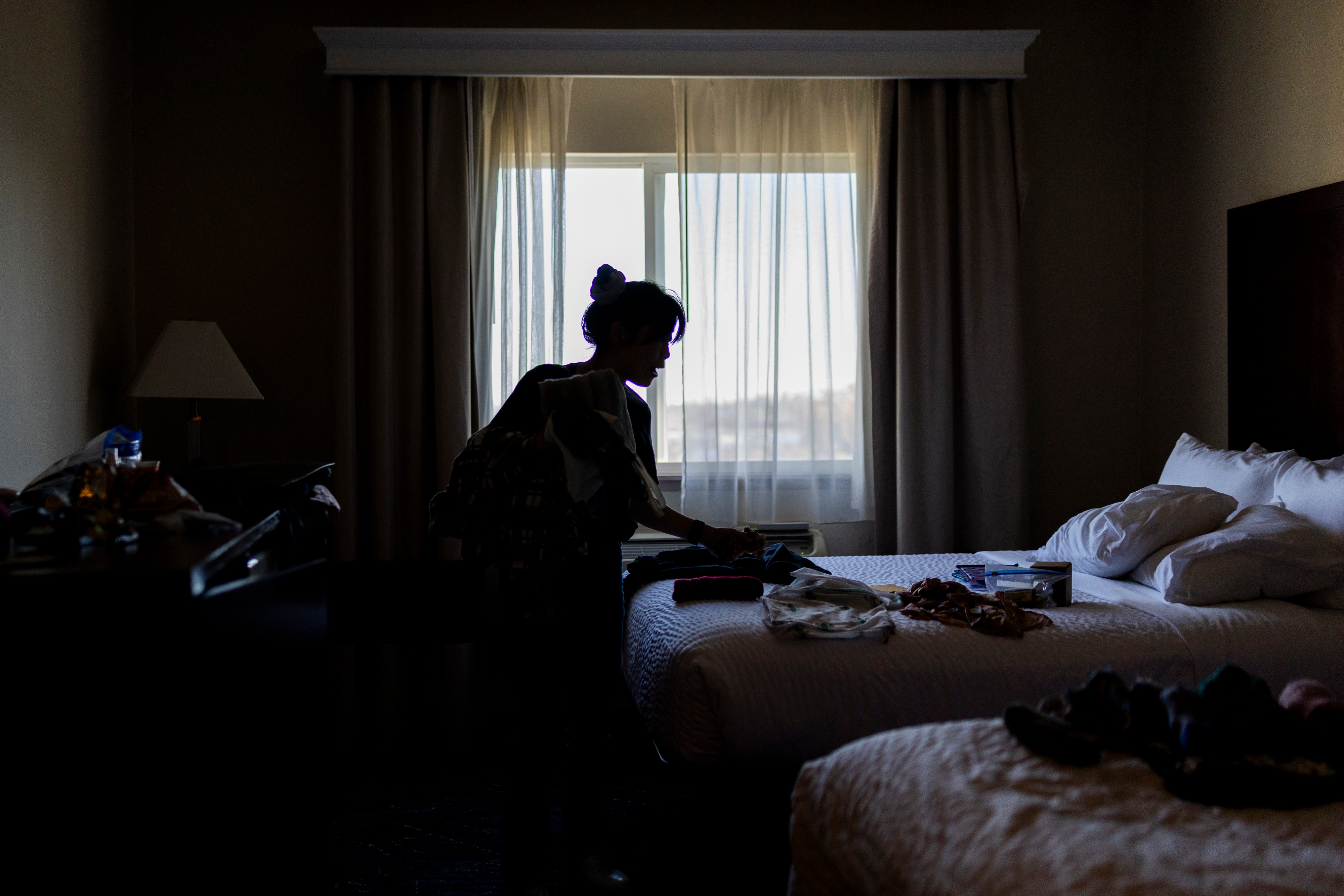
Two nights in one room and the discipline collapses completely — "it's an explosion" — but on a one-nighter, she moves through it like a preflight check.
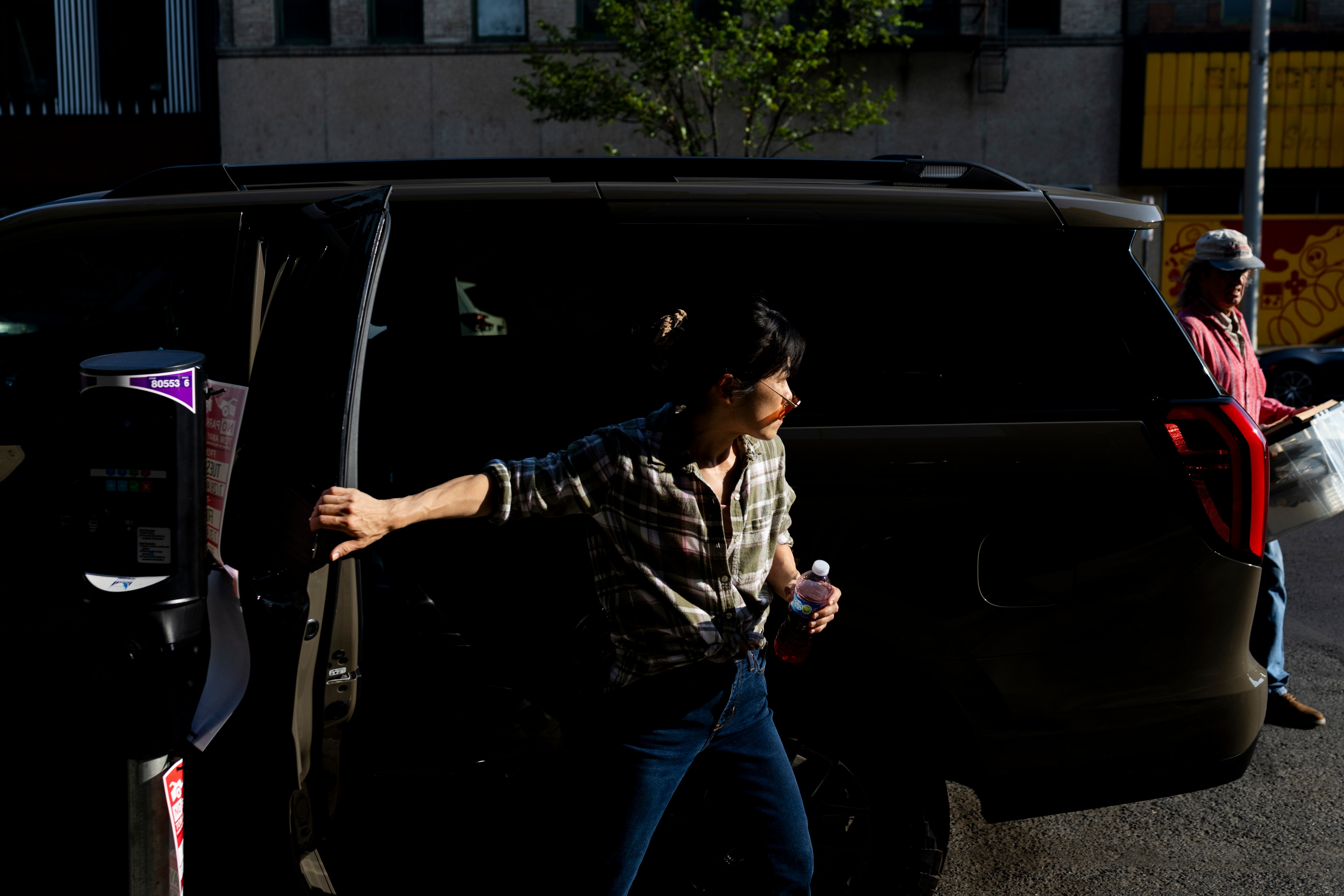
What goes in the bag almost never changes. Two complete stage outfits, chosen not by aesthetics but by thermodynamics: one for a hot stage, one for a cold stage. Two road outfits, and at least one of those has to clear a specific bar — if something goes catastrophically wrong and she has to run from the car to the stage, she can't hate herself for performing in it. Jeans and a flannel shirt qualify.
And nine pairs of socks. Not eight. Not 10.
"It's almost always nine, and it's because I can generally do laundry once a week. But there are some days that you need more than one pair of socks, or sometimes you get to the hotel on the two-night stay and the laundry doesn't work."
Four outfits and nine pairs of socks, and it does not matter whether the tour is five days or six weeks. Everything else packed into the Ford Expedition is gear or merch.
James McMurtry likes to drive the morning shift, so he steers through Spokane’s light morning traffic to I-90’s eastbound lane. Taciturn and somehow gentle all at once, McMurtry is an Austin luminary, the songwriter that every songwriter in this songwriter’s town looks to as a guiding light of artistry, edge, and integrity.
If you don’t know about him, you know his father, Larry McMurtry, whose Lonesome Dove series introduced the American west to generations of readers.
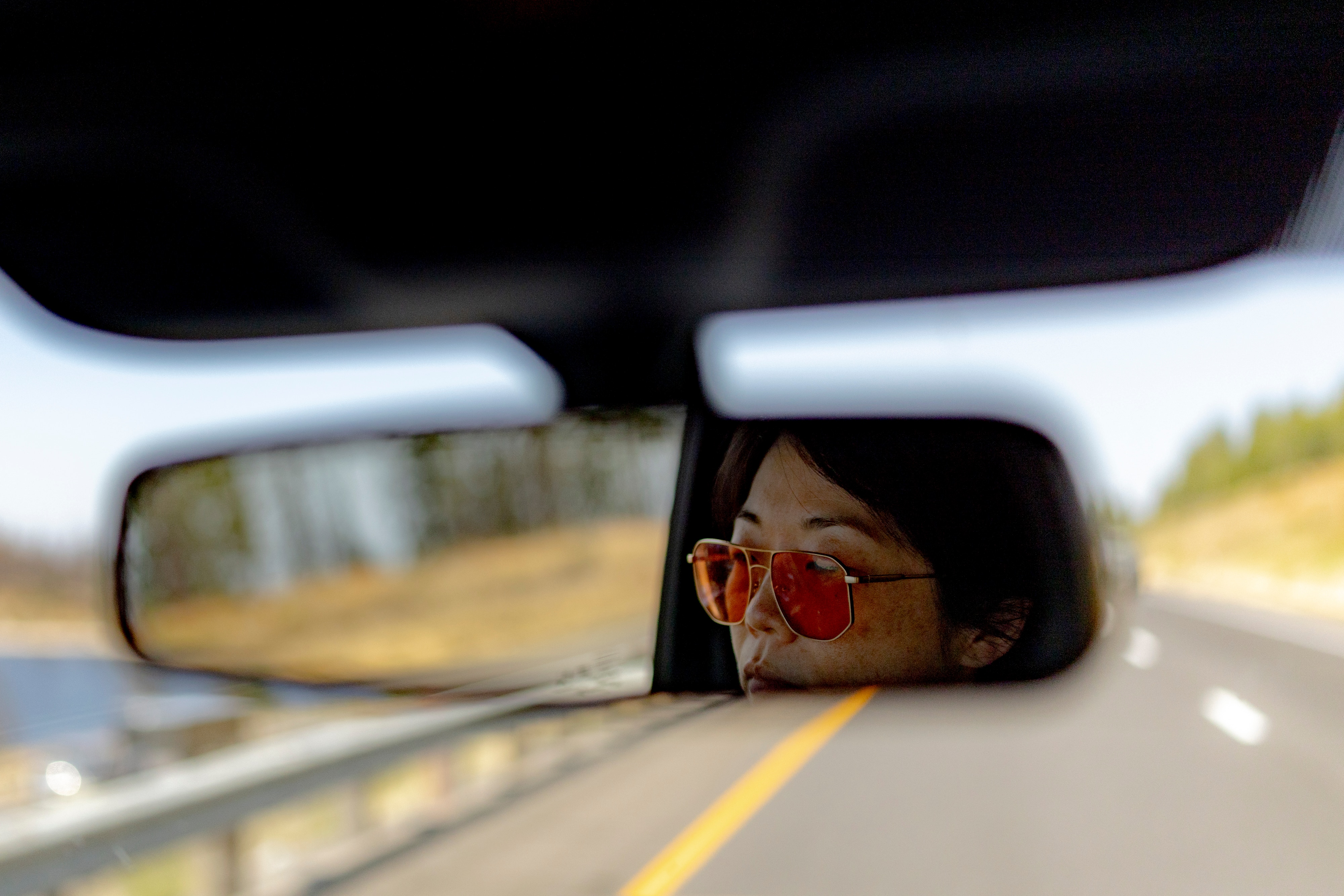
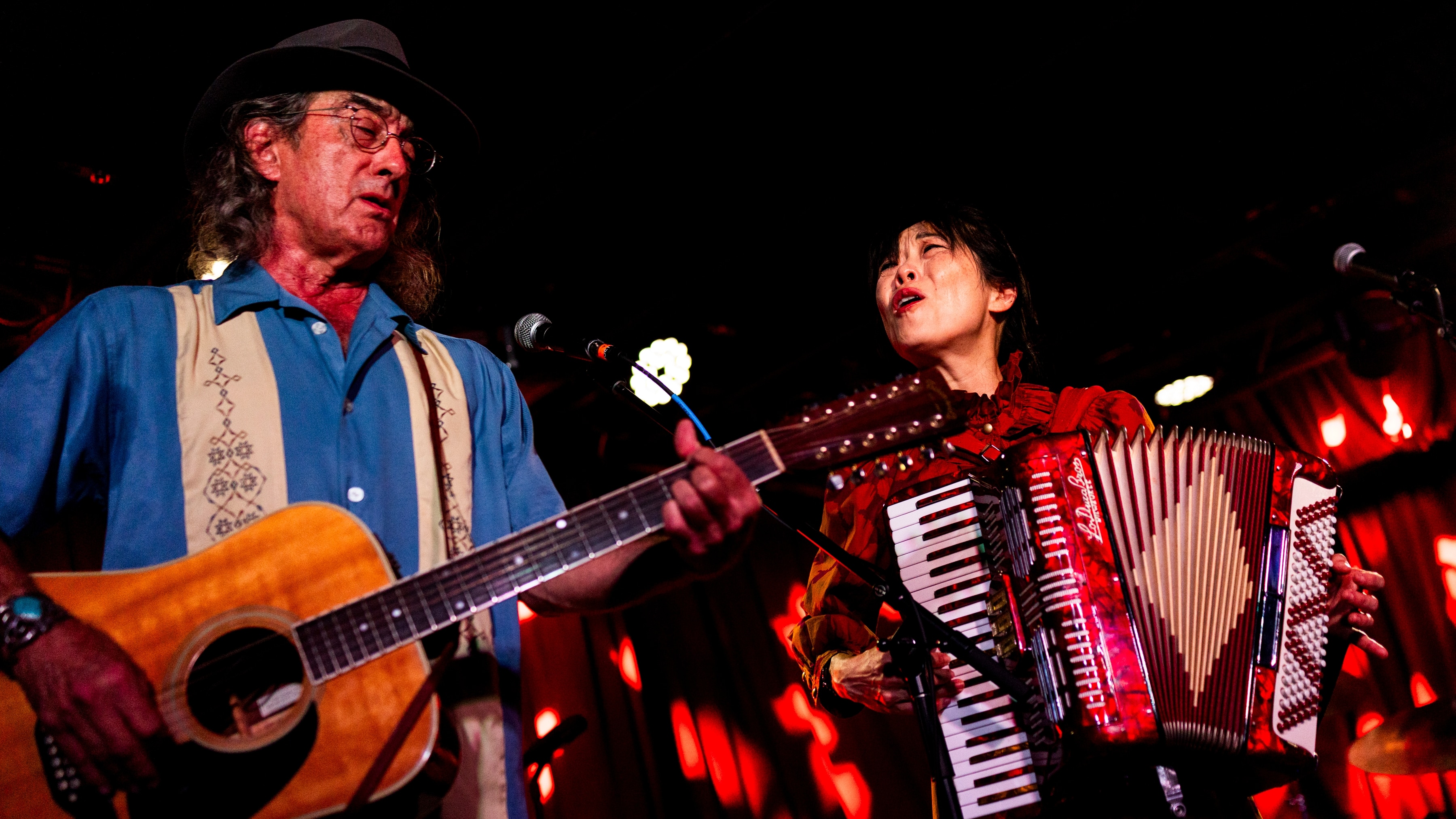
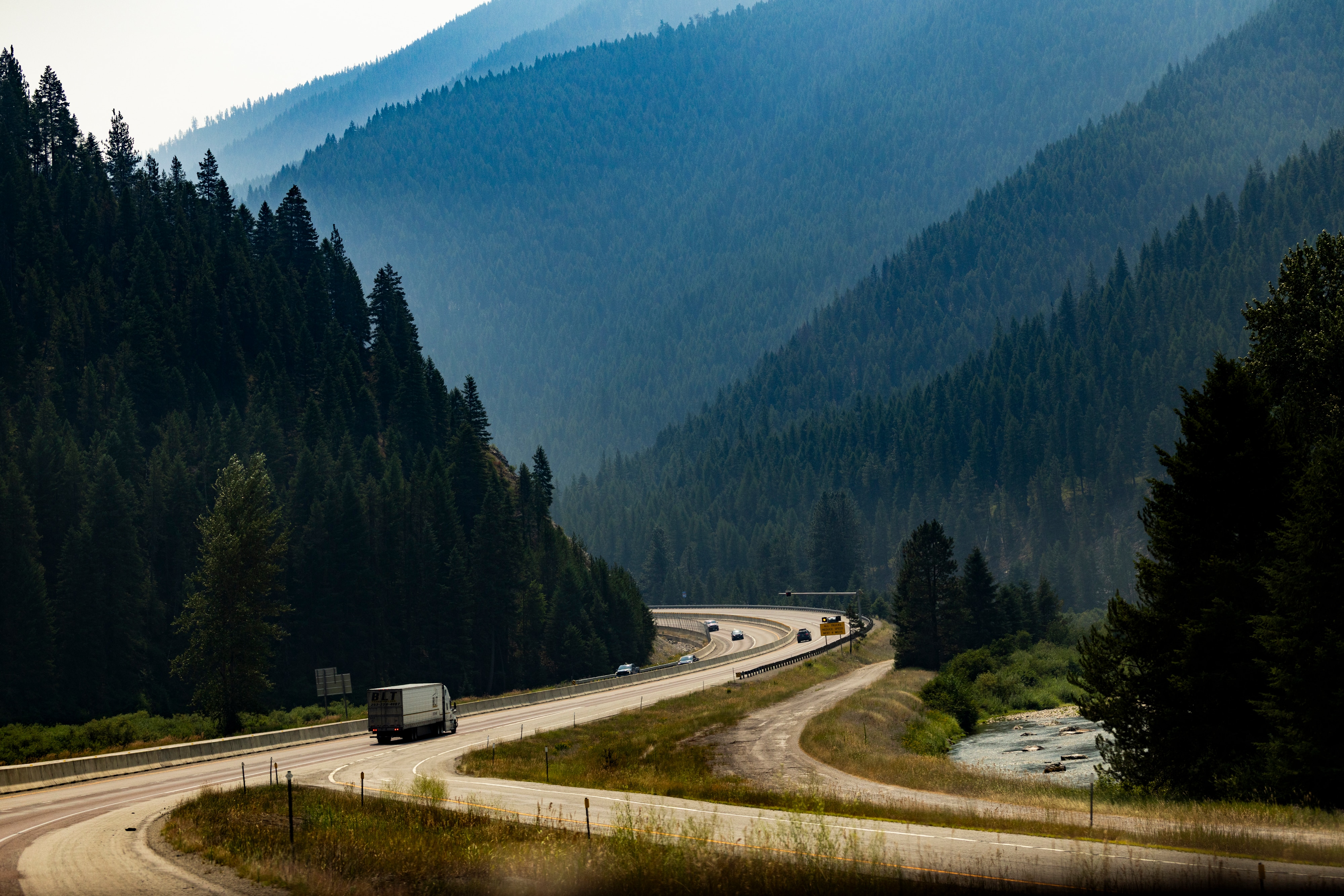

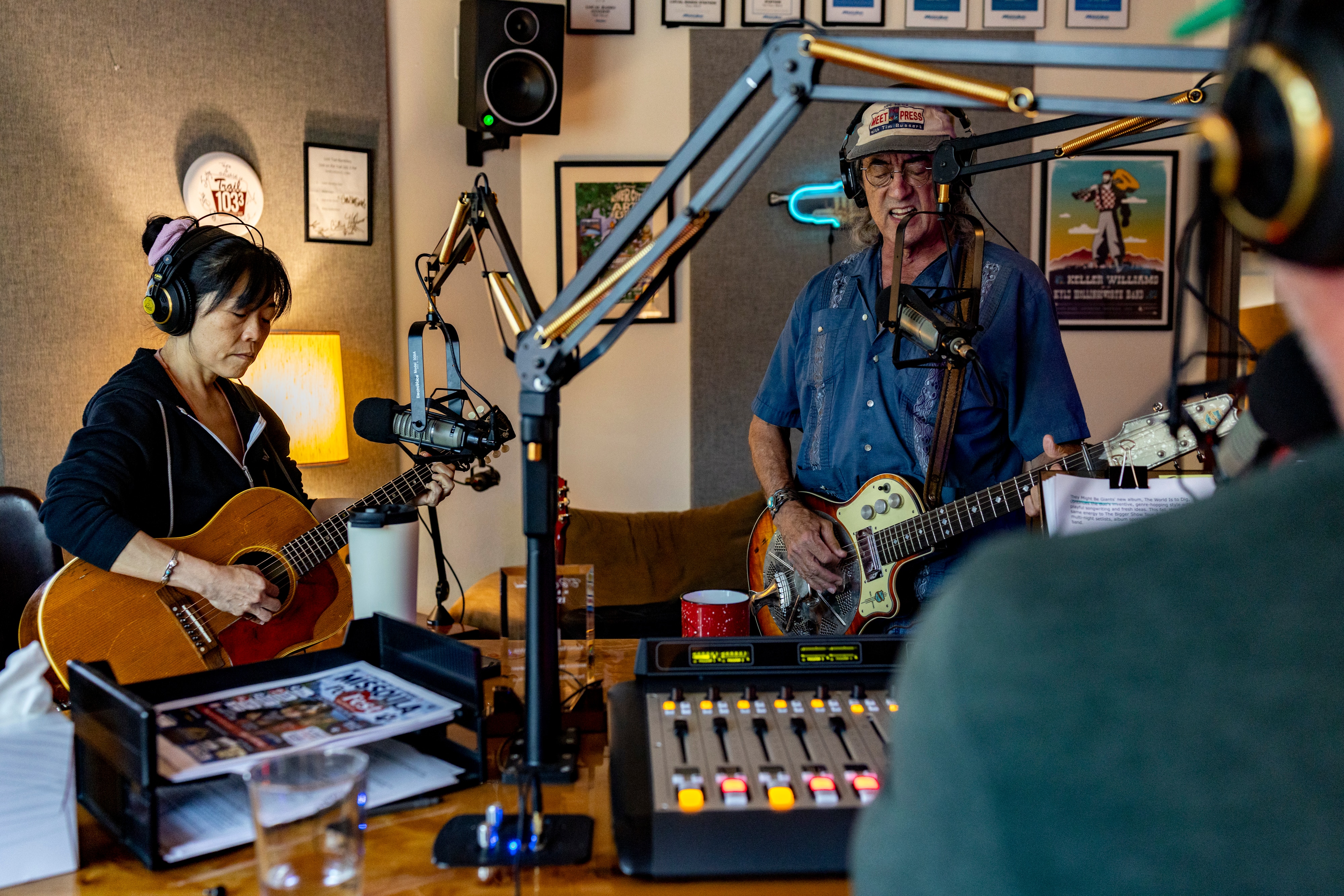
As the pandemic lifted and the music business hit the road again, James brought BettySoo. He doesn’t need an opener to fill seats, but he is old school. He has a small circle of trusted performers, and BettySoo is one of them. She is a member of his full band and will play half the show with him during acoustic sets.
Two hours outside of Spokane, she takes the wheel. They trade every two or three hours each day, the band charging ahead in a rental van.
And they do it in silence.
This is the thing about touring musicians, and a key to BettySoo’s personality, though it presents as a small logistical preference. The car is quiet. Not we couldn't agree on a playlist quiet. Deliberately, protectively quiet.
"Many touring musicians prefer a quiet car," she said. "Even if they're alone. They want silence."
The reasoning has little to do with music, but with noise. Touring is when the noise is worst — venues want social posts or a cousin who's lost her number is DMing about the guest list.
All of it hits her while in motion, and all of it requires a response.
"There are all of those voices coming at you just through your eyes, and so these few hours in the car every day are like the only time you have to really process anything. And I like it. I need it. I need it."
She’s not much of a listener back home in Austin, either. A trusted friend tells her an album is essential; she listens to it once, agrees that it's amazing, and goes back to work. She doesn't rush out for a new record by an artist she loves. When the new Lucinda Williams album drops, she waits.
”It usually takes a couple months for everybody to say whether it's great or not,” she says. “It's funny — with movies or books I don't like spoilers. With music, I love a spoiler. Please tell me if it's terrible, so I don't listen, because I don't want to associate that terribleness with that person."
She asks if I’ve listened to the new Rolling Stones record. I have, and I didn’t care for it. It sounds Nashville-clean, overproduced for earbuds. She lit up — not because she agreed, but because I was the first person to say that.
"Like half a dozen musicians I really trust told me how much they love this record."
Then, immediately, with none of the deference I expected: "Nobody's wrong. Liking is not a right or wrong thing."
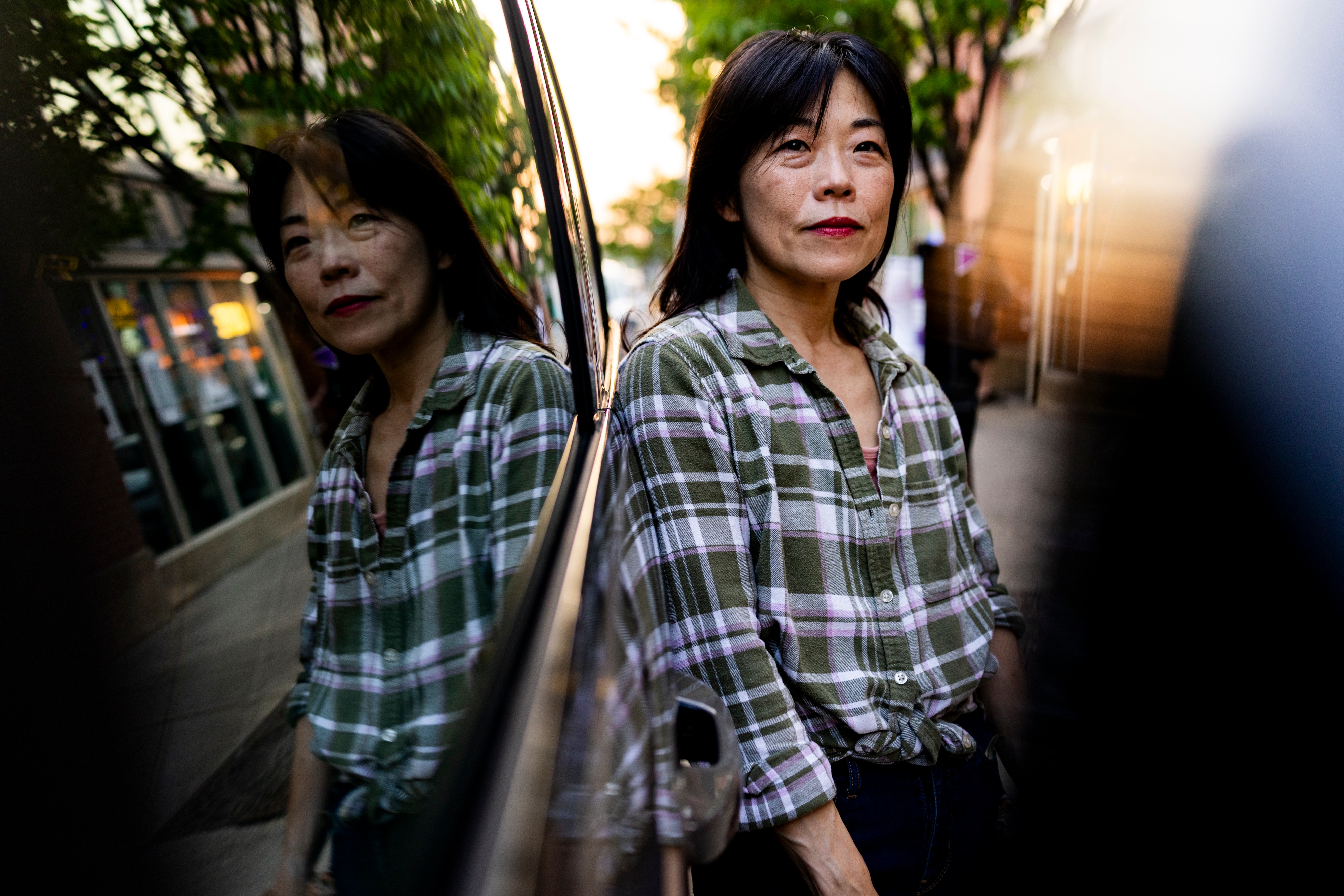
She is working on this. Actively, as a discipline, with a benchmark and a number attached.
Years ago at the Woody Guthrie Festival in Okemah, Oklahoma, she sat beside David Amram, the legendary composer who came up under Leonard Bernstein, scored The Manchurian Candidate, and ran with Jack Kerouac.
At ninety-something, Amram would be the last man jamming at 4:30 a.m. and the first one up at seven, playing in the parking lot to draw people out of their tents. Two tin whistles in his mouth at once, blowing in harmony.
They were watching a singer-songwriter neither of them will ever place. Amram leaned over and whispered about one unexpected upward turn in the melody. He was delighted by it.
So she asked him: Do you like more music than you dislike? Because most musicians she knows have a dislike pile that towers over the like pile.
Of course, he said. If you hang around long enough, you will too.
Do you like every piece of music you hear? Easily. Easily.
She's been measuring herself against that ever since — not as a nice sentiment but as a literal percentage, a running tally of her own capacity for generosity.
"I think I'm still remedially way back at, like, maybe 30 or 40%."
There is exactly one unstructured hour in the day, and it comes after the drive.
Get to town, check in, drop the personal bags. McMurtry takes a power nap. She runs her errand — guitar strings, a shop that can do a quick setup on one of her acoustics, a form faxed urgently to a doctor's office.
That hour is the whole margin. If the guitar has a real problem, that hour or the one travel day a week is when it gets fixed, because there is no guitar tech, and there has never been a tech.
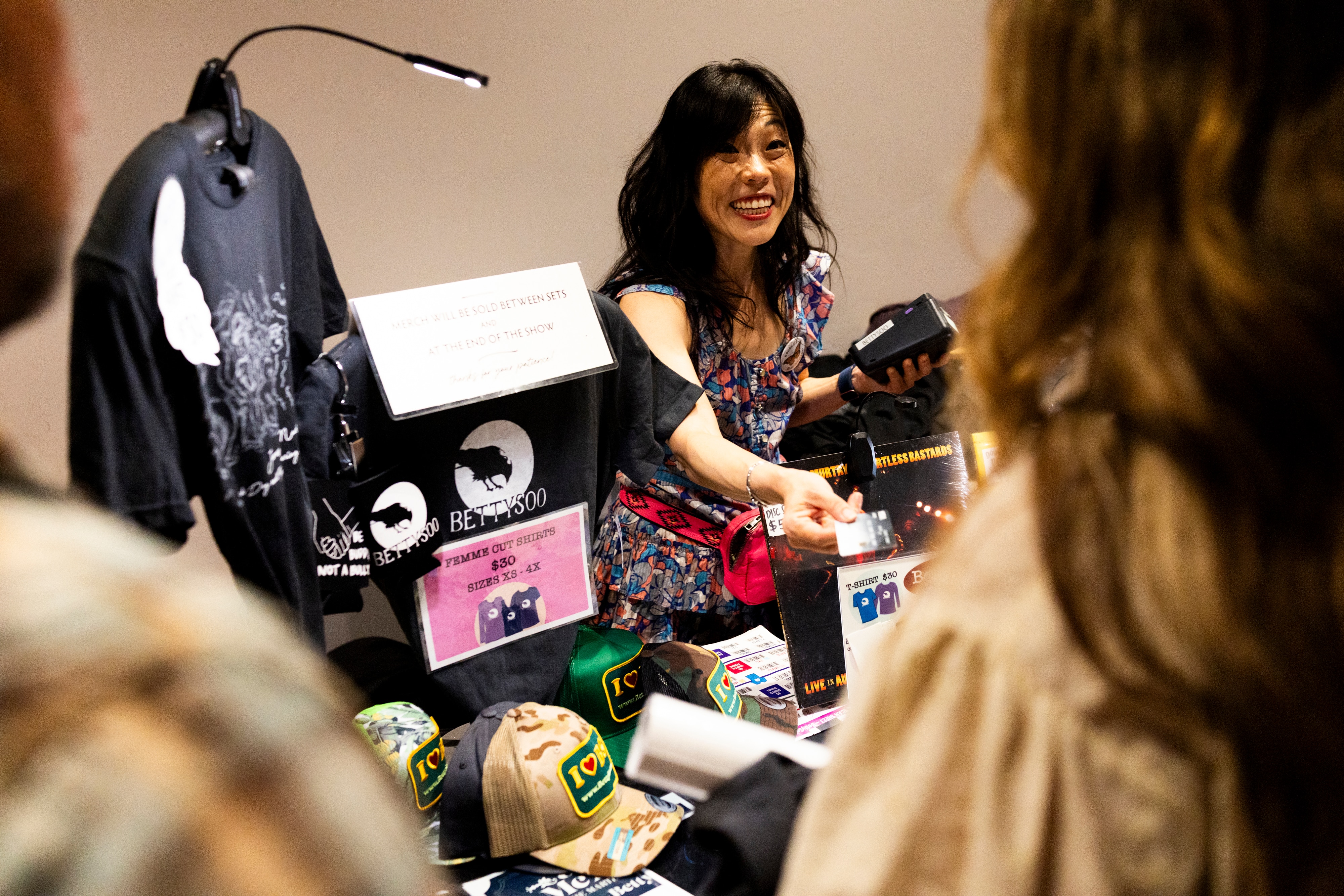
Then load-in, and at load-in she becomes three people. She sets her own stage gear off to the side and arranges the merch table — James's merch, hers, all of it.
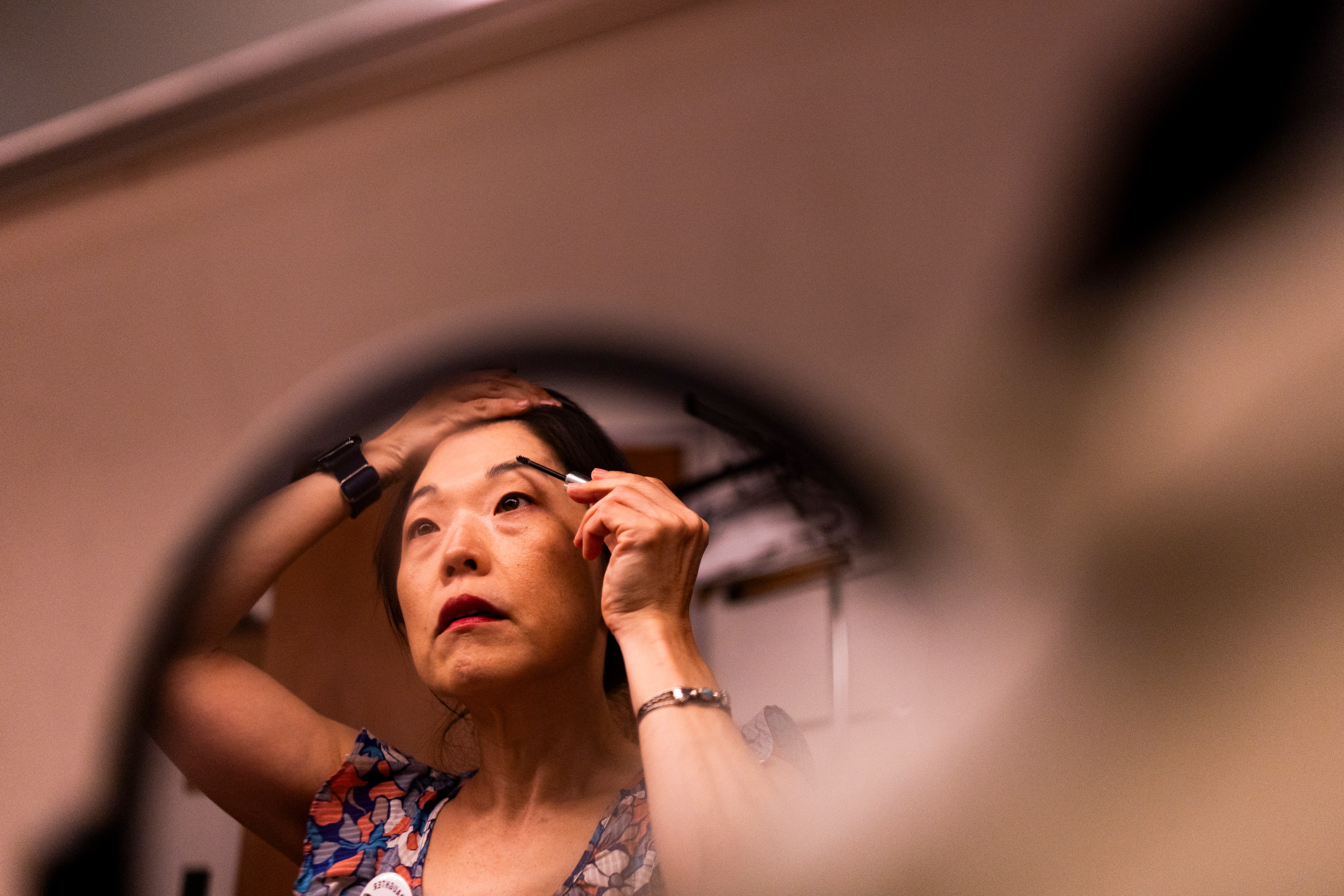
About two-thirds through, they call her up for a band soundcheck. Then her own opener soundcheck. Then back to finish merch. Then green room, makeup, clothes. Then stage.
"I used to just open the show and run merch," she says. "And now I open the show, run merch, and play the band's set."
A pause. "We're talking about getting a merch person, because it's becoming a little too much."
She has never taken a band out on a full run. Not once, in 19 years.
The arithmetic doesn't clear — hotel rooms, meals, per diems, and a night's pay for every person, every night. She won't double sidemen up in rooms. So she goes out alone, or with McMurtry.
Everything she carries reflects that. There is no long, indulgent rider full of backline needs, no endorsement pipeline, no one sending her free anything. What she has, she chose because it works.
She travels with two acoustic guitars. A Gibson is a B-25 — the classic J-45 silhouette shrunk by a fraction, someone once told her it's fifteen-sixteenths scale and she's never bothered to verify it.
The other is a Taylor, with a shallower body and an active pickup system Taylor built during a brief window in the early aughts. There are several transducers glued around the inside that look, she says, exactly like sewing bobbins.
It isn’t quite bulletproof, but it sounds better than anything she could replace it with.
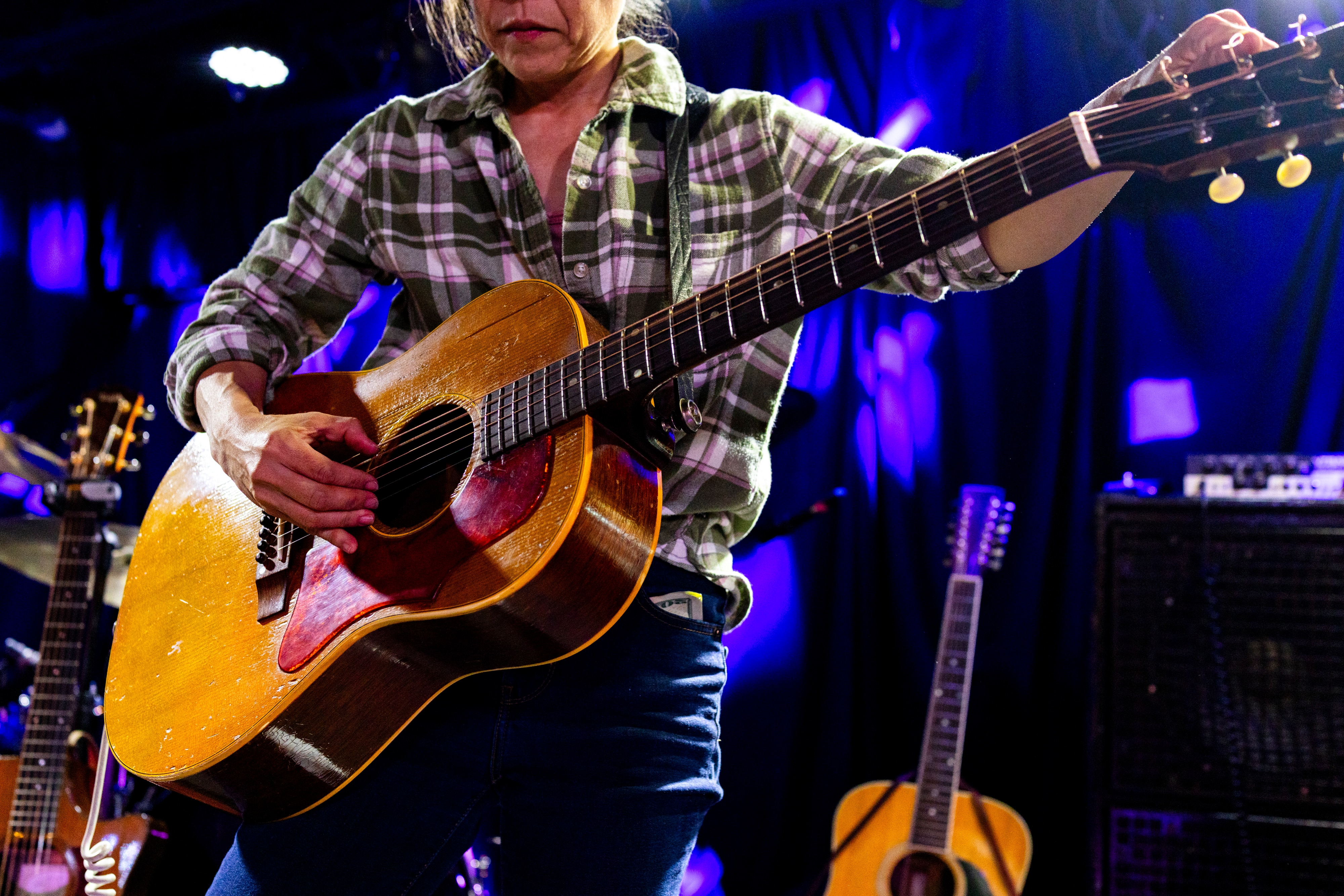
She doesn’t tour with in-ear monitors. She wants the wedge at her feet, blasting at her from the front of the stage.
"I love a big old monitor wedge. When I die, you know what I want? I want my ashes put in an urn in the shape of a wedge monitor."
She'd been making the touring nerd inside joke for years before the punchline found her: "That's perfect, because then finally it's just me in the monitor."
The BettySoo touring machine has broken down exactly once.
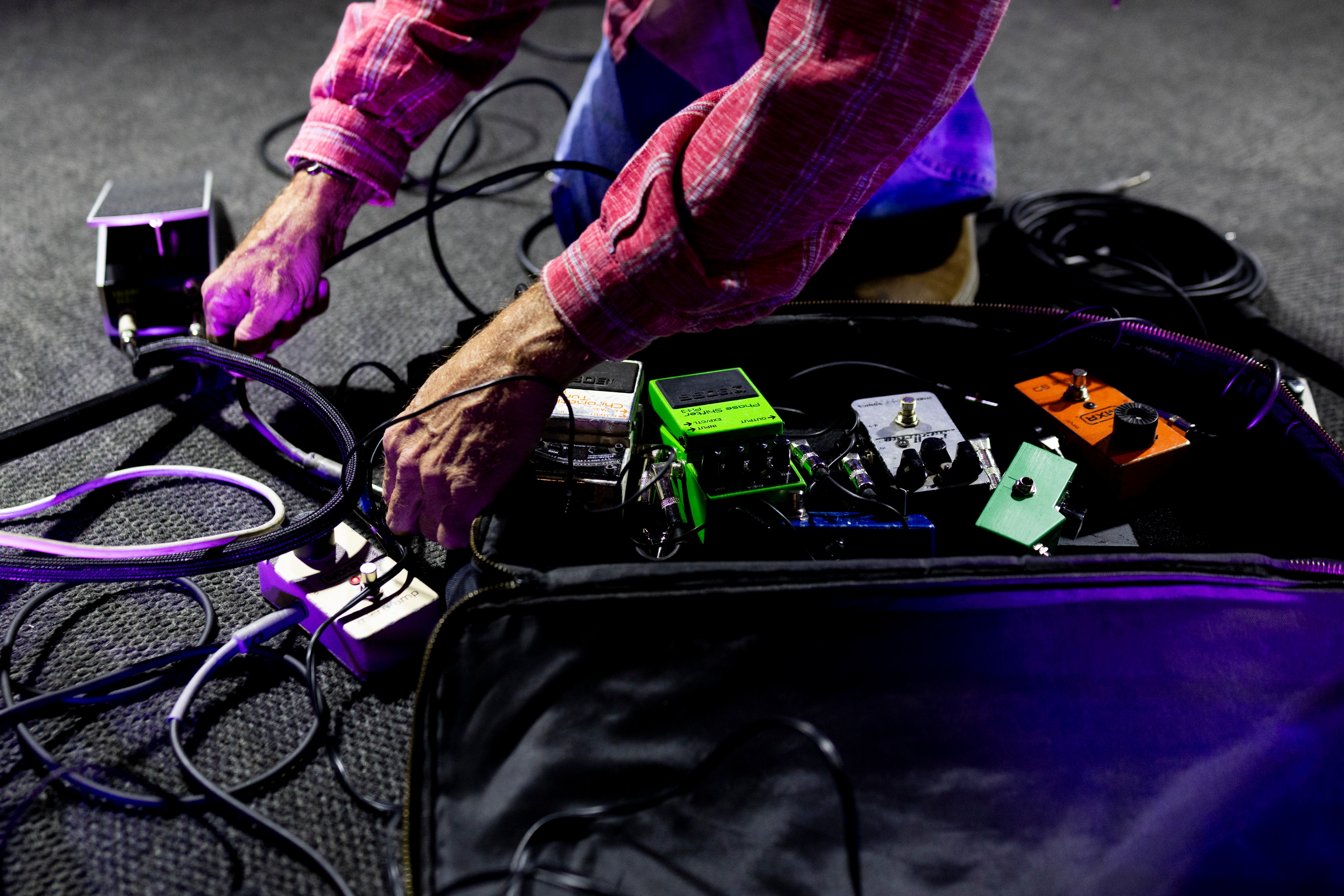
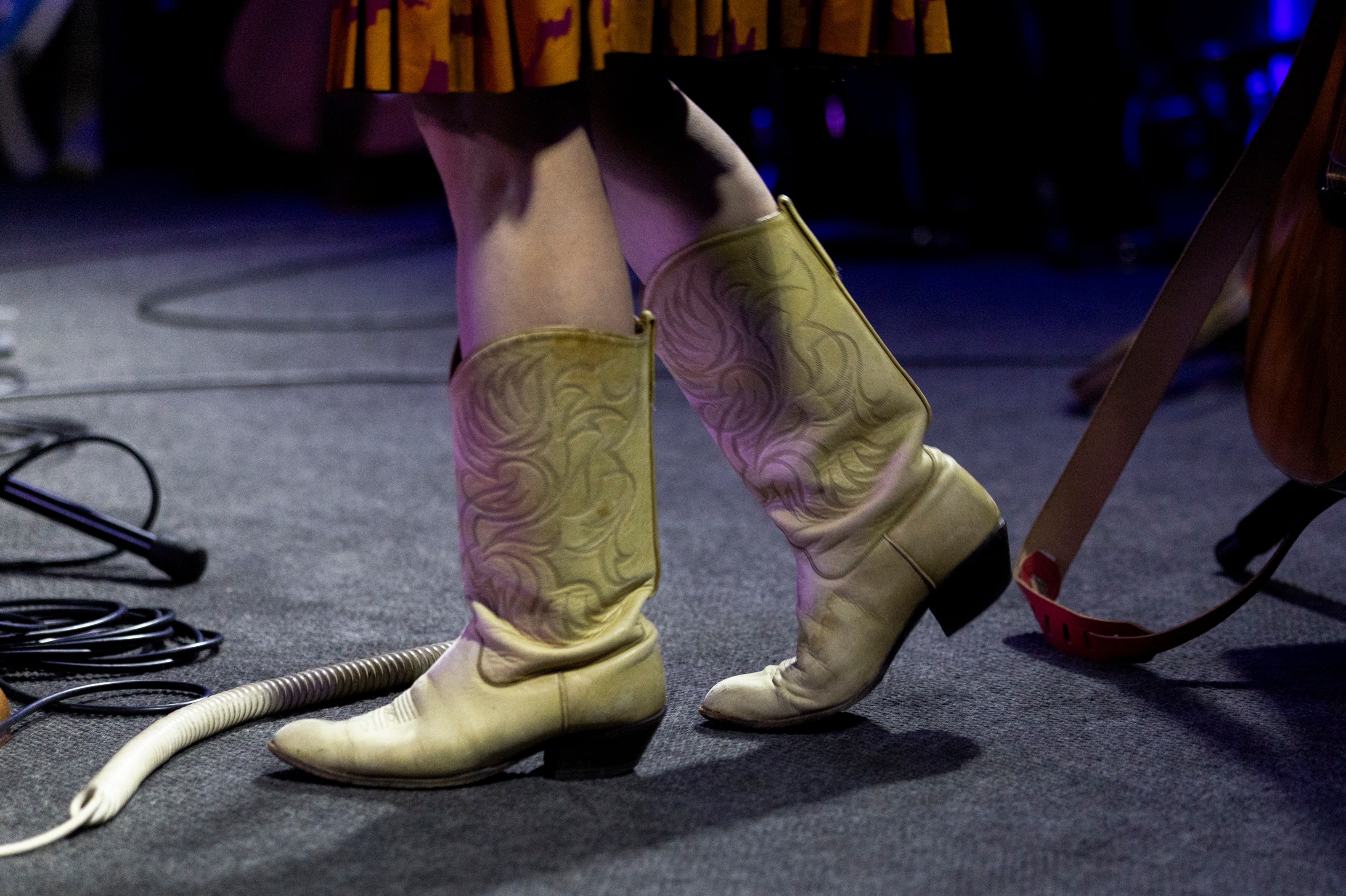
I’d asked her if she ever gets any rest. She's a busybody on the road — her mother's daughter, the Protestant work ethic mixed with guilt. She insists that guilt is an indispensable motivator.
Why not just the work ethic? Why throw guilt in there?
"Because even when you're working, you feel guilty about what you're not finishing."
I mention a study I half-read on a plane suggesting that lying in bed all Sunday is actually good for you.
"Oh, I believe it a hundred percent. But I can't do it." The only time she can is when she's genuinely sick, because then it converts into a task. "I know the only way I'll get better is to stay in bed."
What if you get sick on the road and it isn't the day off?
"Then I'm just sick until the day off."
And you perform.
"I mean, unless I really can't. Unless I really, really can't."
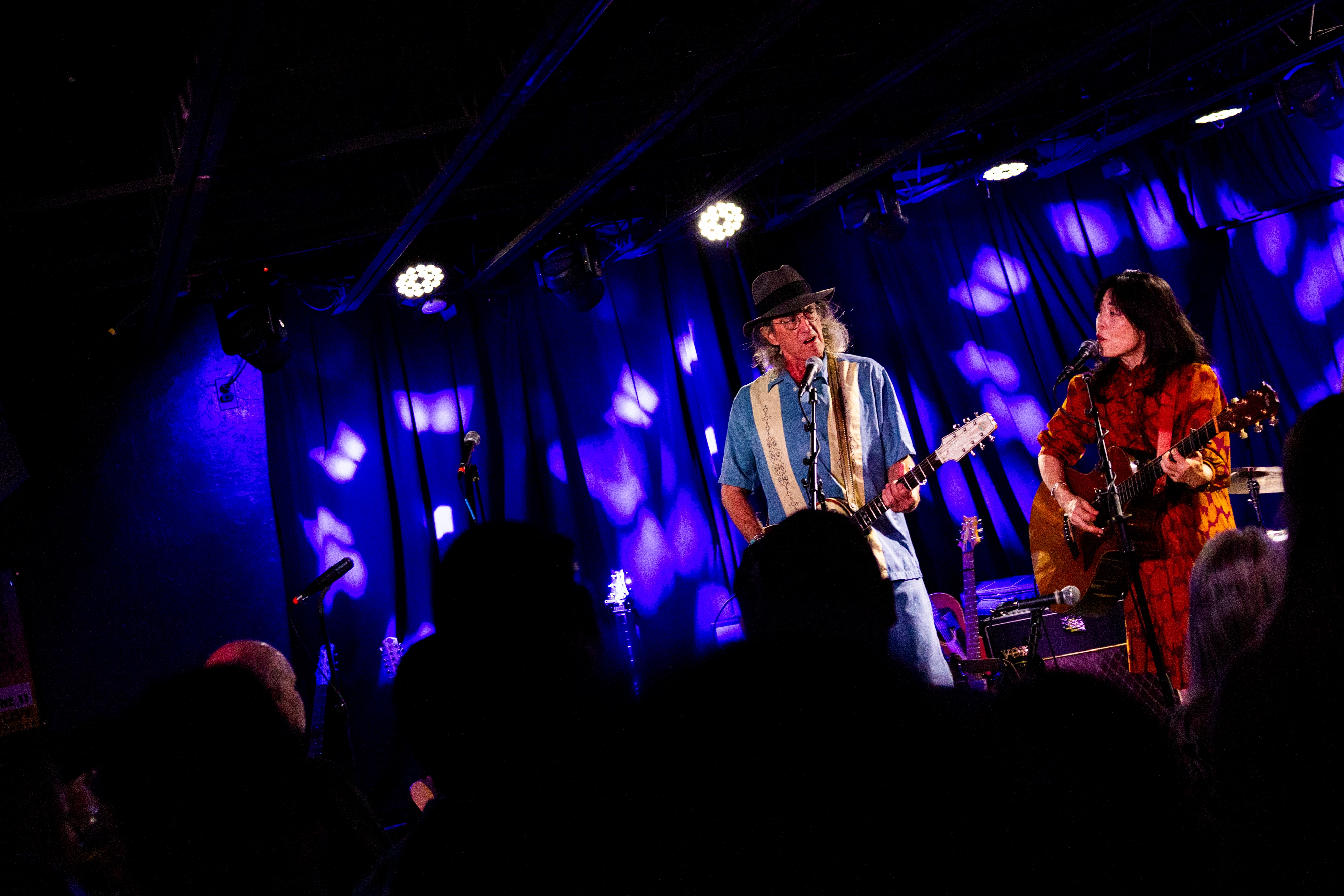
That happened once. Salt Lake City, second of two nights, which meant no drive and no load-in — the closest thing to a free day.
She got heat sickness very quickly earlier that day: nausea, migraine, chills, the whole cascade of symptoms. Every time she stood up, she was ill. So she skipped her errands and rested the entire afternoon, which she flags as the strangest part of the story.
By showtime she felt like she’d evened out. She played her opening set. She got about halfway through McMurtry's set before she understood what was coming, and walked over to him while he was changing guitars and told him she had to go. Okay, he said. He already knew she'd been sick all day.
"I was about to barf on stage. I was like, I'm not gonna barf on stage… again. I gotta leave."
She left. She did not sell merch that night. In 19 years on the road, she has never walked off a stage. The thing that still bugs her the most about it isn’t how she felt or leaving the stage mid-set because she was sick: It's that she didn’t finish the job.
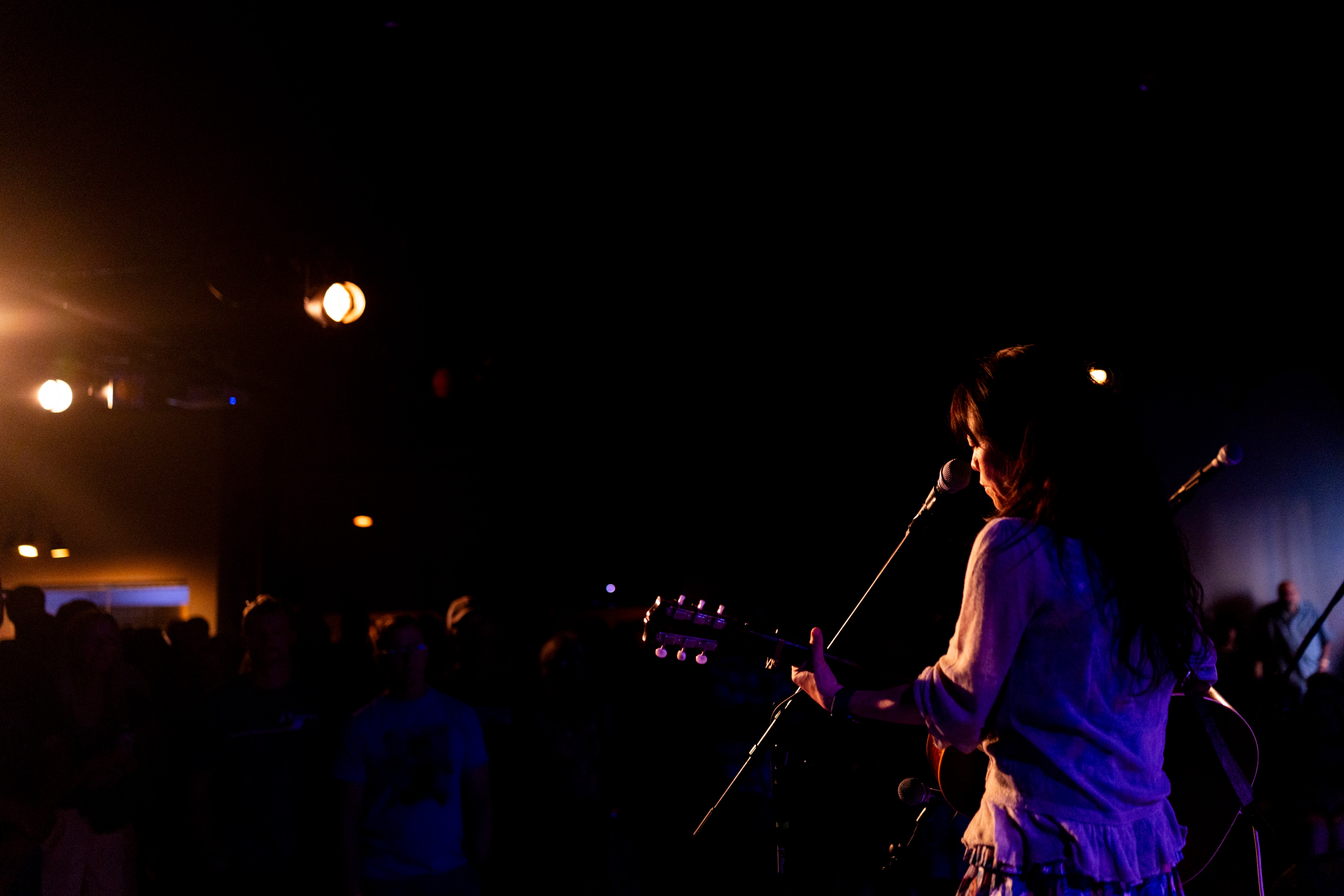
There are 11 years between her fourth album, 2014’s When We’re Gone and last year’s If You Never Go Away. The gap isn’t because she stopped writing or recording. She records constantly. What happened, she says, is that she would get a project near the finish line and freeze.
"The part of making the music and recording it is so exciting and fun to me,” she said. “But prepping a project for release, entering the business world, and having to market it and talk to people and tell people to buy it — that depresses the shit out of me. And I get frozen."
She traces it to two conservatisms that multiplied on each other: the household of Korean immigrants that was also hardline Christian. You do not boast. You do not draw attention to yourself. Any ability you happen to have was given to you, and using it for other people isn't an achievement — it's the least you can do with something you didn't earn.
"I know it sounds extreme. But when it's really drilled into you from day one, it's hard to overcome."
It shows up as a promotional post sitting for weeks in her draft folder. It shows up onstage, in the half-second after McMurtry says her name, when she executes a fake curtsy or pulls a goofy face — anything to defuse the applause before it lands.
She watches other members of McMurtry’s band take off their hats and soak up the applause and knows that’s probably the healthy response to praise.
"I can see that's a good way to interact with people. But I can't do it yet."
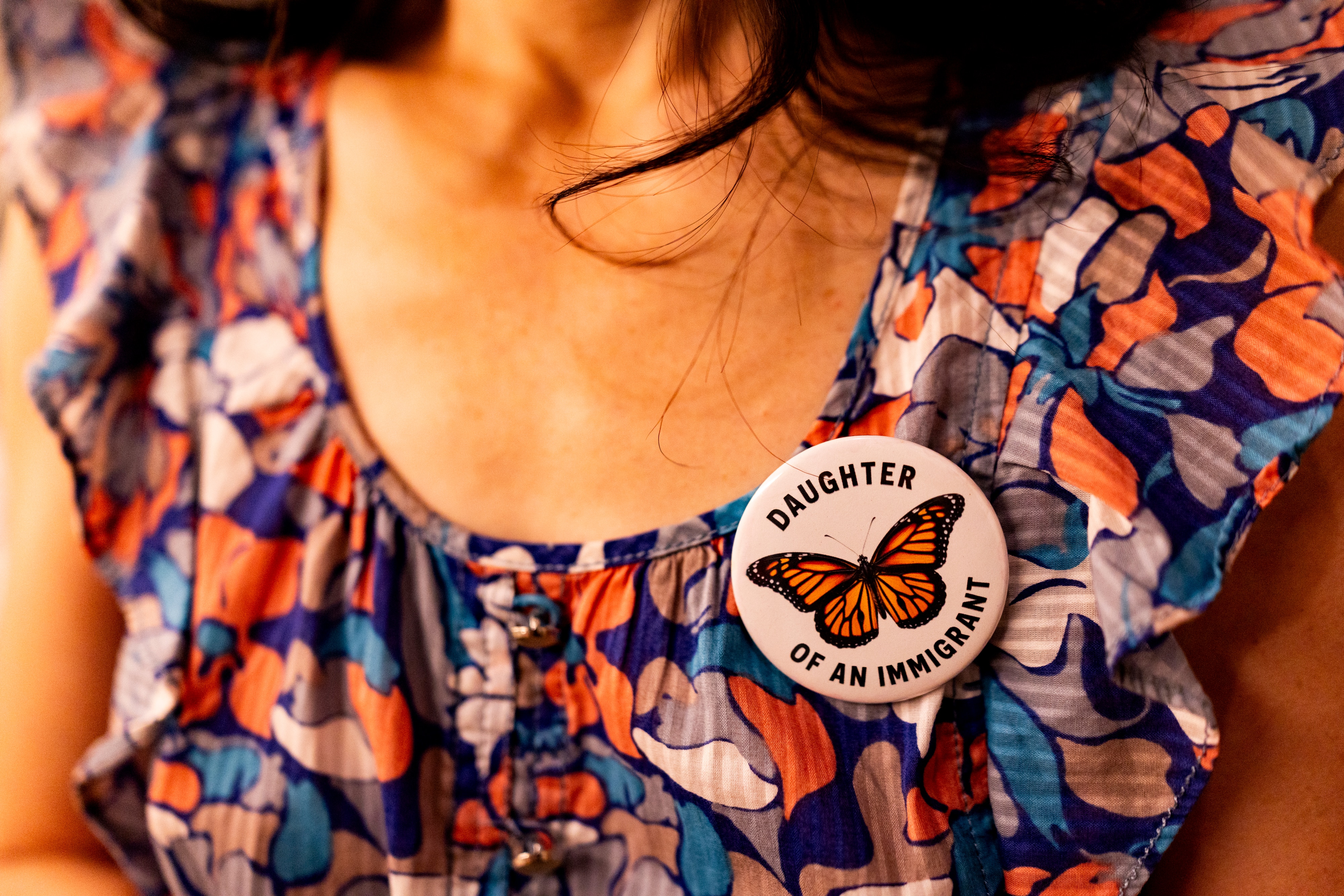
She knows she can sing, knows exactly what her skills are. She can give, but she can’t receive. Maybe that’s why her vocal harmonies are so powerful. Her singing with James on "Gulf Road," the last track on If You Never Go Away, is stunning. I can hear exactly why she earns the Emmylou comparisons.
"That isn’t possible," she said. "But thank you."
She loves Emmylou, and she’s a Gram Parsons fanatic. Their voices together are legendary.
There's a note near the end of one of their duets — one that swoops upwards in the last line — that she thinks is questionable. She can hear it clearly. She can also imagine somebody in that studio in 1973 saying go for the high note, and a very young woman trying to make it in the business saying okay, and she extends her total, unhesitating grace to that.
"We all make weird choices when we're young. Musical and otherwise."
She cannot offer the same grace to herself. She doesn't listen to her own records at all. Any curiosity about how the early ones hold up is, in her words, dwarfed by mortification. She hears the weird high note, the line she should have rewritten, and nothing else. And she knows the asymmetry is ridiculous.
“It’s like, you know how you'd forgive a friend instantly for whoever they slept with at 24, but that friend, reliving it, forgives nothing. That’s how I feel about my earlier work.”
Like many artists, she doesn’t trust her own judgment about which of her own songs will land. The song she thinks has the special thing in it goes unnoticed; the one she overlooks ends up being the one everybody wants at their wedding.
She usually trusts her producer — Gurf Morlix, Brian Standefer, Will Sexton — and lets them choose.
There were no Beatles in the house growing up, no Stones, no Dizzy, no Ella. Her parents allowed Classical and religious music. She has three sisters who also play piano, all more naturally gifted than her — the eldest a prodigy type with perfect pitch who walked into a high school jazz band having never dabbled in jazz in her life and intuited the theory on the spot. She is now a dentist.
Every summer, their father, a physician, would take BettySoo to a Korean community math competition so she could win her age bracket and go home with a hundred dollars of pocket money. She always won. Flawless in math until precalculus, at which point curves entered the picture.
“Nobody could show me where the formulas came from,” she said. “The whole thing went off a cliff.”
She bought her first Beatles tape at 12, with her own money, because she'd never really heard them and was tired of not knowing what her friends were talking about. She was an English major and married in her early 20s like a good Houstonian. She entered a master's program in counseling; she was going to be a therapist.
Then a woman who mentored her took her out for coffee and said, more or less: Everyone in your life knows what you want to do except you.
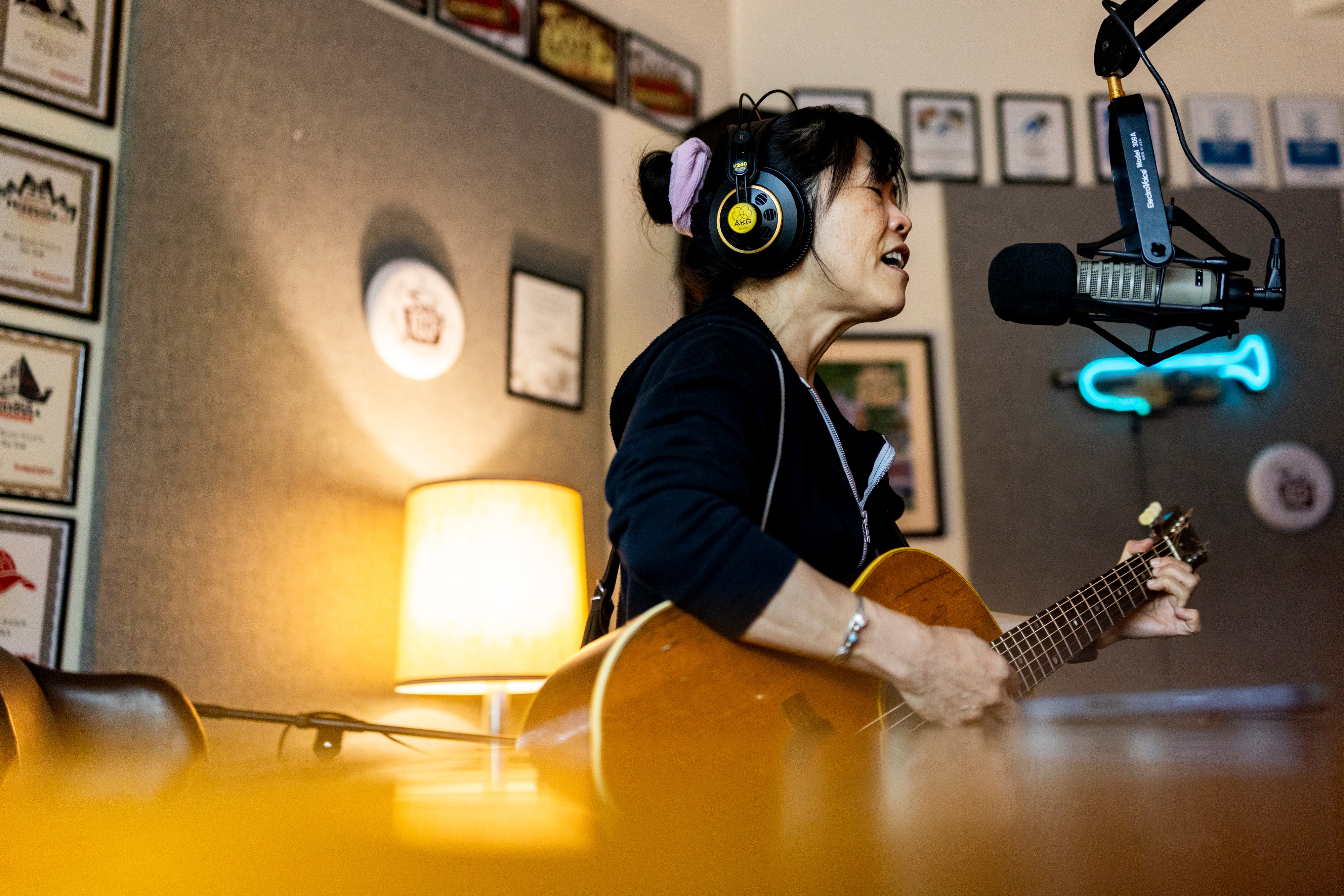
She was furious for days.
Then she told her husband, expecting outrage on her behalf, and he said the woman was right — which is the moment the door actually opened.
A four-Saturday songwriting workshop taught by Sandy Knox, who'd written hits for Reba McIntyre, including a mainstream '90s country single about AIDS that BettySoo still thinks is one of the braver things to come out of that format.
Her first album was released in 2004, made for $5,000 all in — players, producer, studio — consisting of the first 10 songs she ever wrote. She first hit the road in 2007.
Nineteen later, she's due at a merch table in 90 minutes, and is on her ninth pair of socks.
"The lifestyle is awful," she says. "You work 16 hours a day."
Then, without hesitation: "I love touring."
Mike Guy, the former editor-in-chief of Road & Track, is the editorial director of the Ford From the Road travelogue series.