


Every sport has its version of a championship. Baseball has the World Series. NASCAR has the Cup Series Championship. For competitive birders, the World Series of Birding is the marquee event where participants dash around the state of New Jersey to see or hear as many species as possible from midnight to midnight.
At this year’s awards ceremony, recent Cornell graduate David Benvent stepped up to accept a silver cup in a T-shirt printed with a jaunty red cardinal, a sunflower seed clutched in its beak like a prize. Blue and brown birds hopped around it through a spray of millet.
The design was “Birdfeeders,” by Charley Harper, the midcentury painter and illustrator whose birds are more famous than his name. And his career took off, improbably, with a call from a Ford magazine editor.
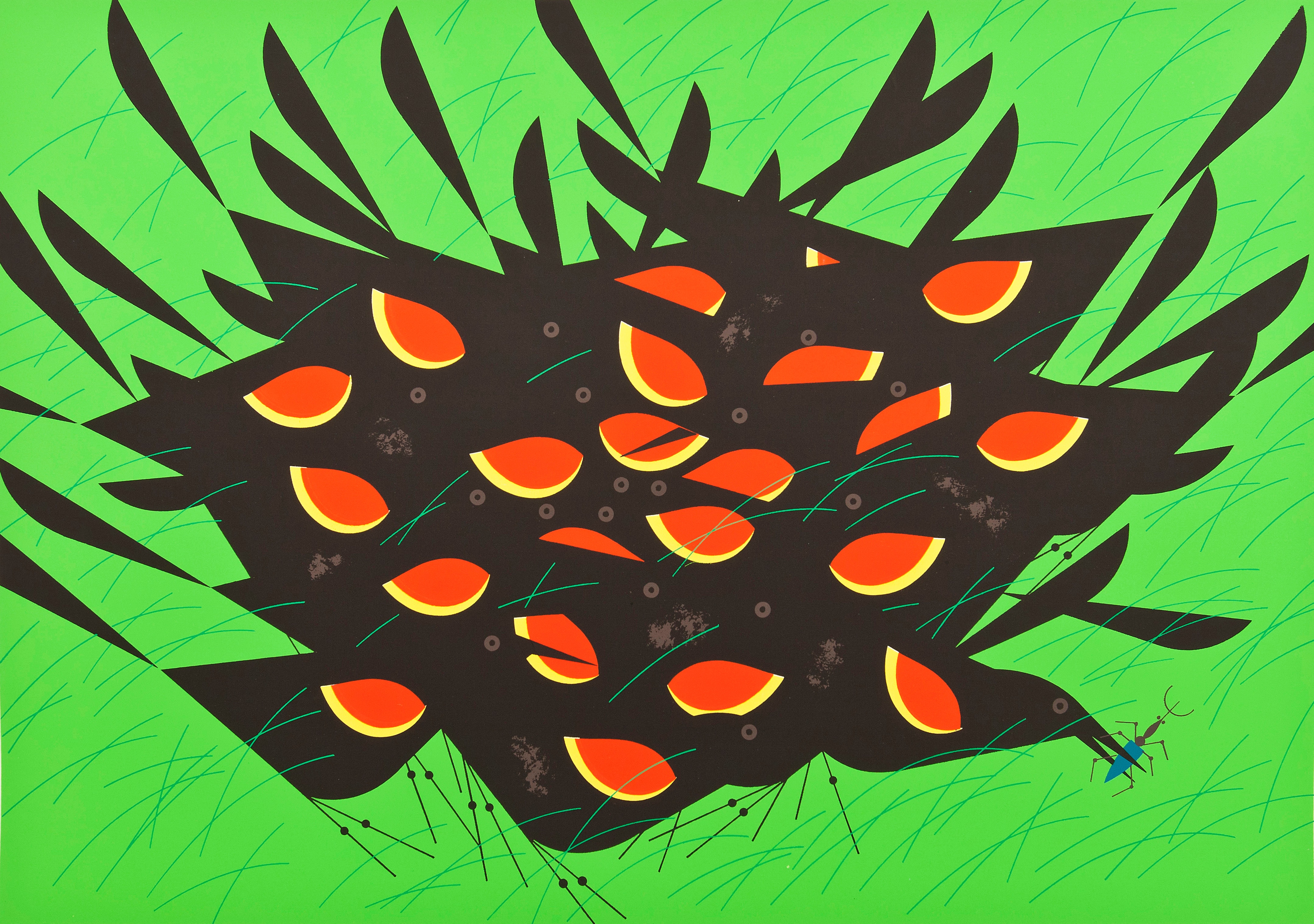
Harper spent his life reducing birds to their essential elements, rendering the natural world with equal parts empathy and whimsy. Worn by a young champion, that cardinal made one thing plain: Birding is booming in America, and so is Harper.
“All the Cool Kids Are Birding,” The Atlantic recently declared in a story that followed Benvent’s team, “***mega” (pronounced star-star-star-mega), through the World Series. The magazine credits the pandemic and accessible bird-ID technology with spreading the hobby beyond its gray-haired reputation. More than 80 teams participated in the World Series of Birding this year, a sixfold increase since the event began 42 years ago.
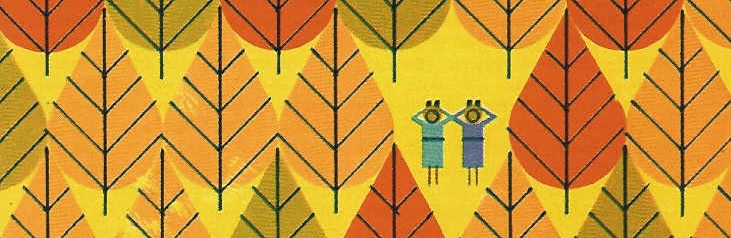
Meanwhile, Harper’s delightful illustrations are seemingly everywhere – on jigsaw puzzles, mugs, blankets, and hoodies. This fall, they’ll hang on the walls of the Cincinnati Art Museum in the first major retrospective of his work, a nod to his standing as a fine artist.
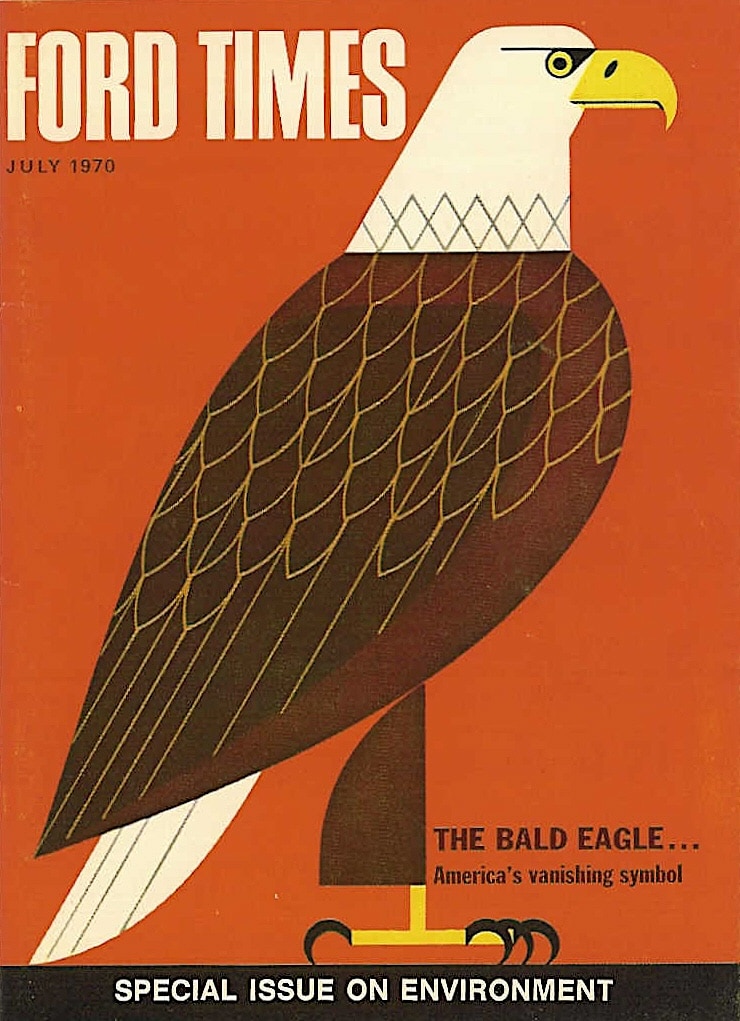
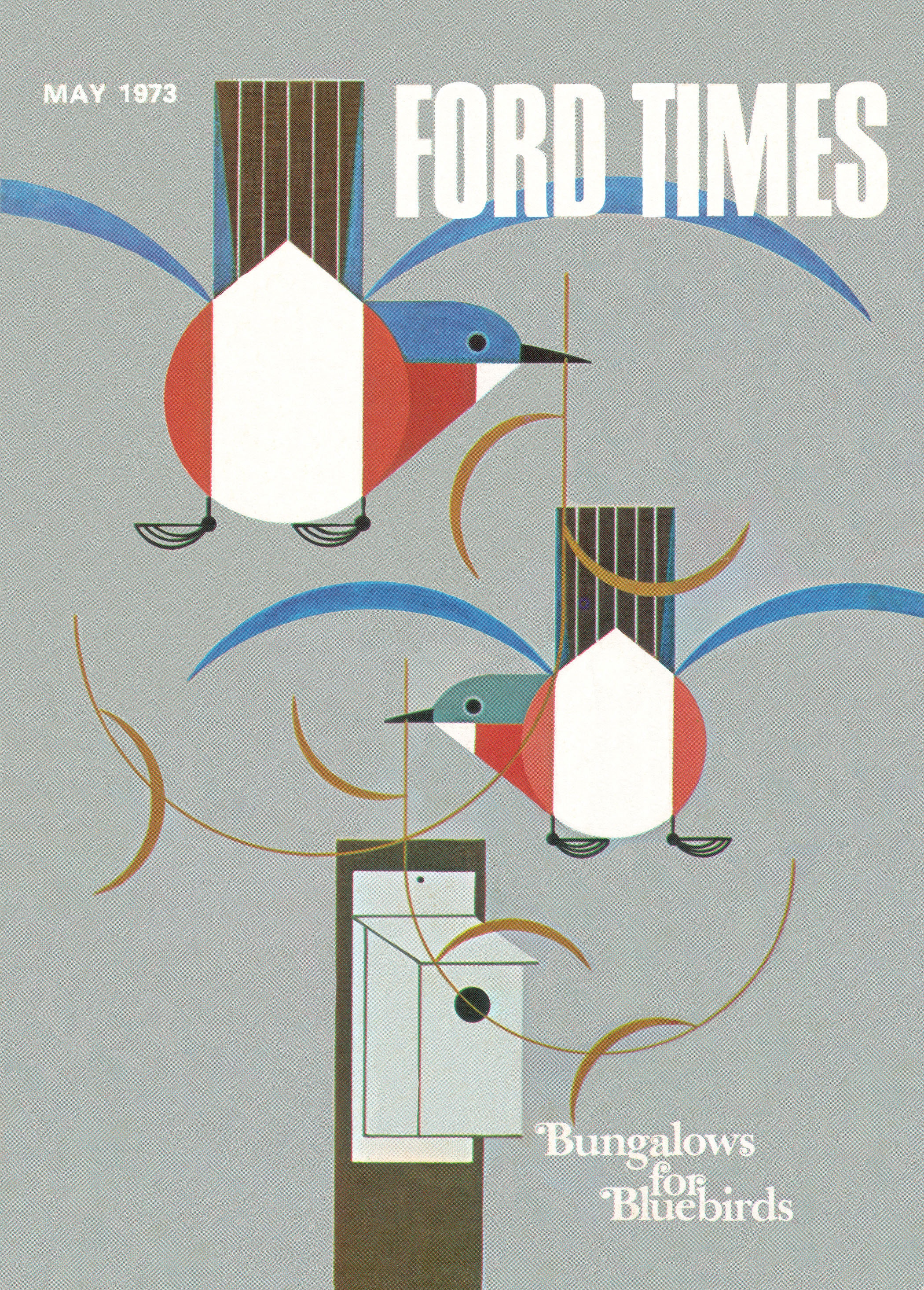
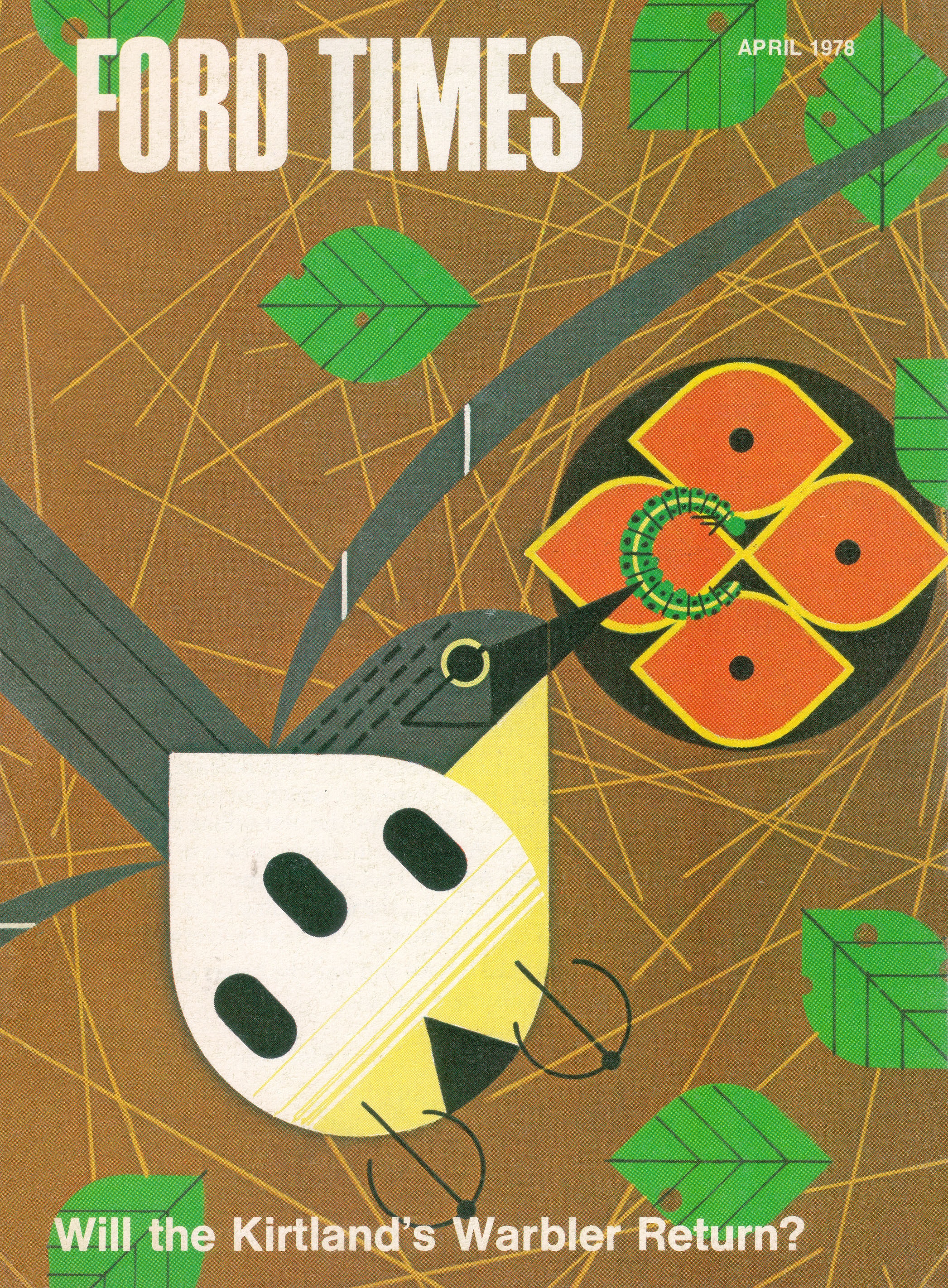
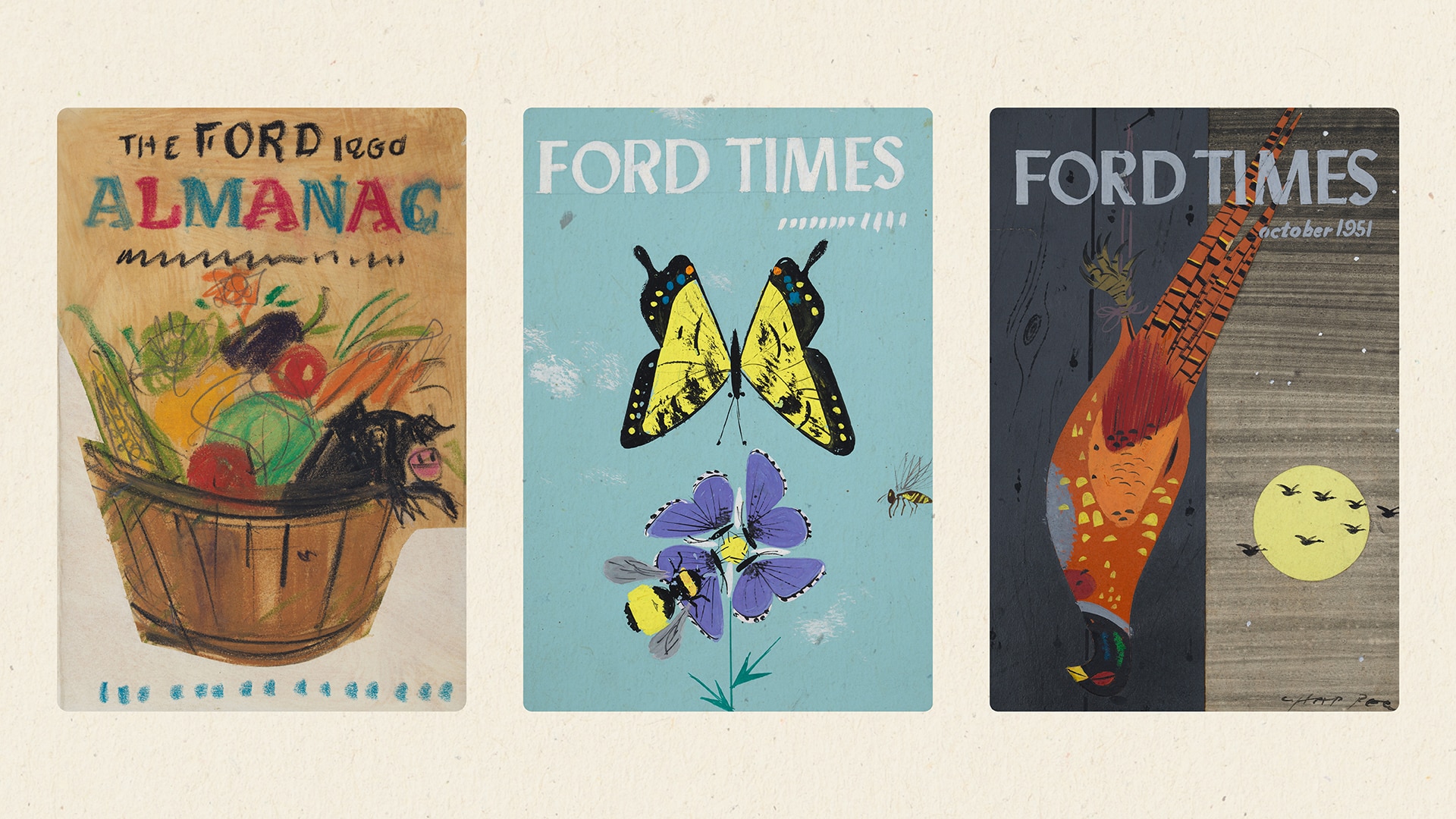
Harper, whose drawings became synonymous with conservation, didn’t always see himself as a wildlife artist. The Cincinnati-based commercial artist entered the world of ornithological art only after an assignment from the Ford Times, the company’s once-upon-a-time pocket-sized lifestyle magazine that came with the purchase of a car.
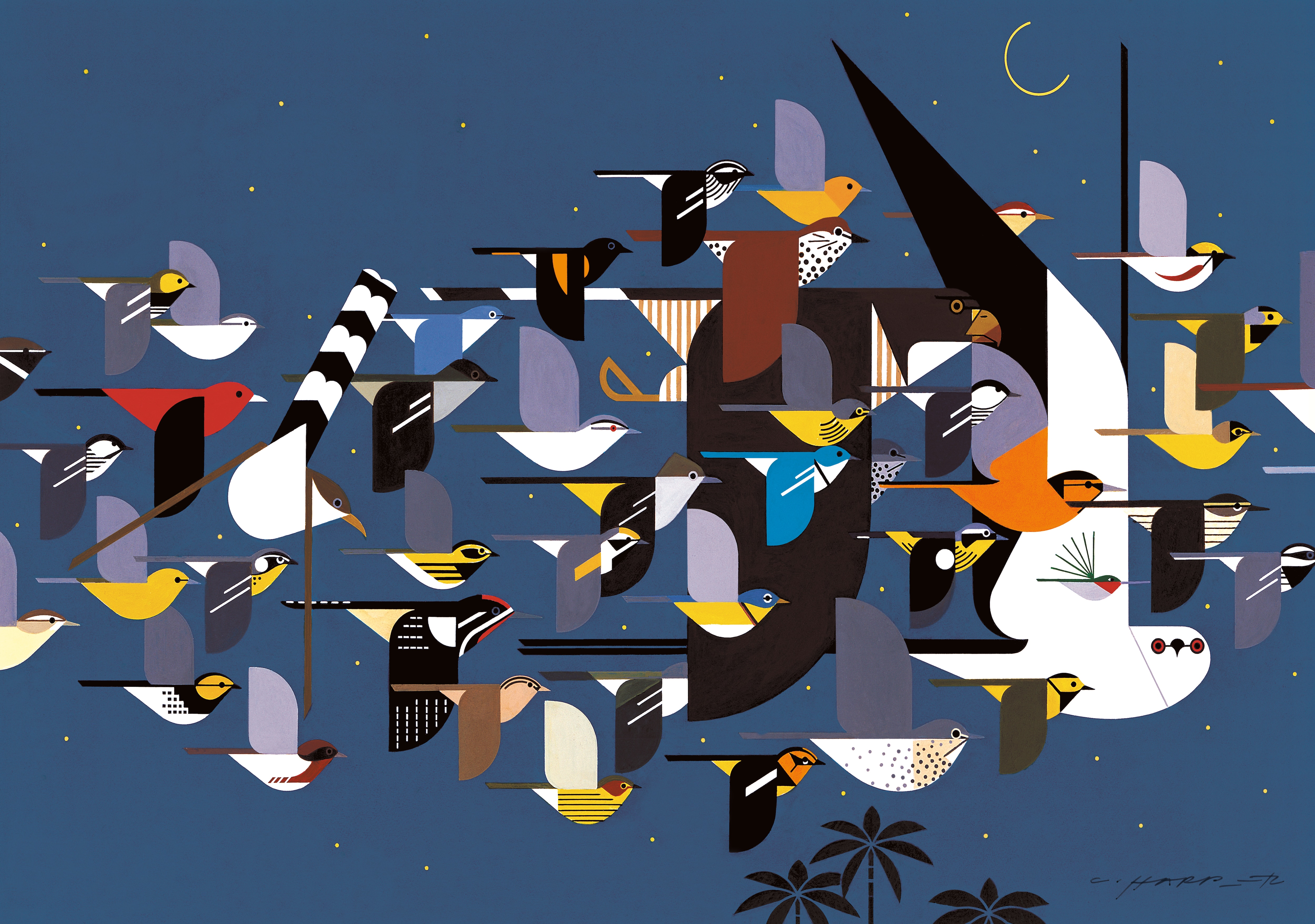
Traditionalists dismissed his bright, geometric birds. But mainstream audiences readily embraced them, catapulting Harper’s designs into the midcentury zeitgeist and, eventually, the visual language of the conservation movement.
Today, 96 million Americans watch birds, according to the U.S. Fish and Wildlife Service’s latest count. You’re more likely to have a birder in your family than an angler.
As millions of eyes turn toward the tree line this fall to witness the migration south, it feels like the moment to revisit Harper where his bird work began: in the pages of the Ford Times.
'I just Count the Wings'
Harper almost gave up on the assignment that he later called “the best break of my life.”
In the early 1950s, the Cincinnati transplant was grudgingly drawing cysts for a medical booklet and salt mines for Morton’s when Arthur Lougee called. Lougee, the longtime art director of the Ford Times and a birder himself, had already put Harper’s unconventional view of the Grand Canyon on the cover and given him other assignments. This time, he wanted a series of birds you’d find at a feeder.
“I’m the world’s worst birdwatcher,” Harper admitted. He didn’t even know what a feeder was, so Lougee sent him one. The birds that showed up in his backyard were too jumpy for him to get a good look. “By the time I had aimed and focused my binoculars, the bird was long gone,” he said.
The solution came from a field guide illustrated by the prolific wildlife artist Don Eckelberry.
“The birds didn’t move,” Harper said, “and so I was in business as a bird artist.”
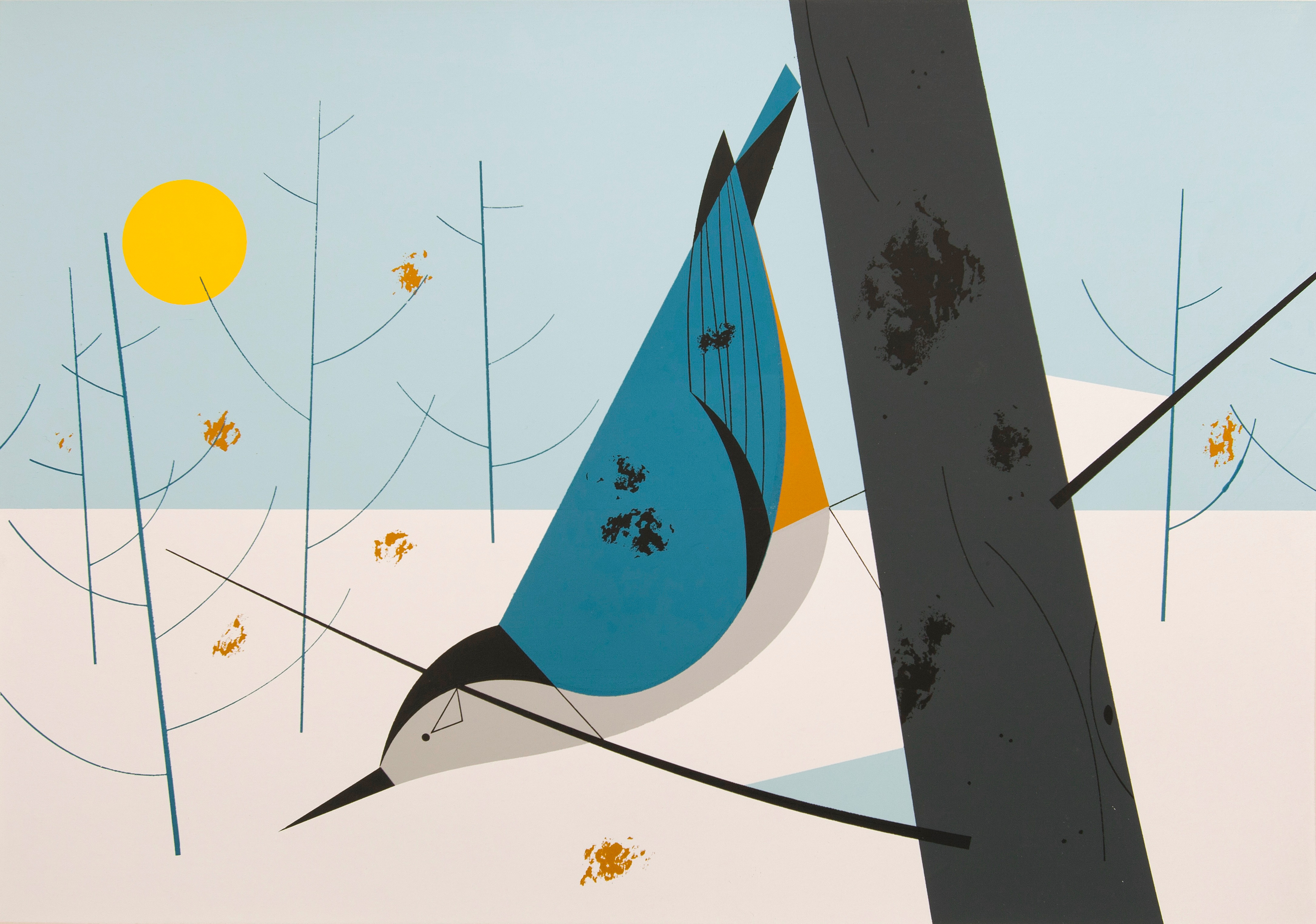
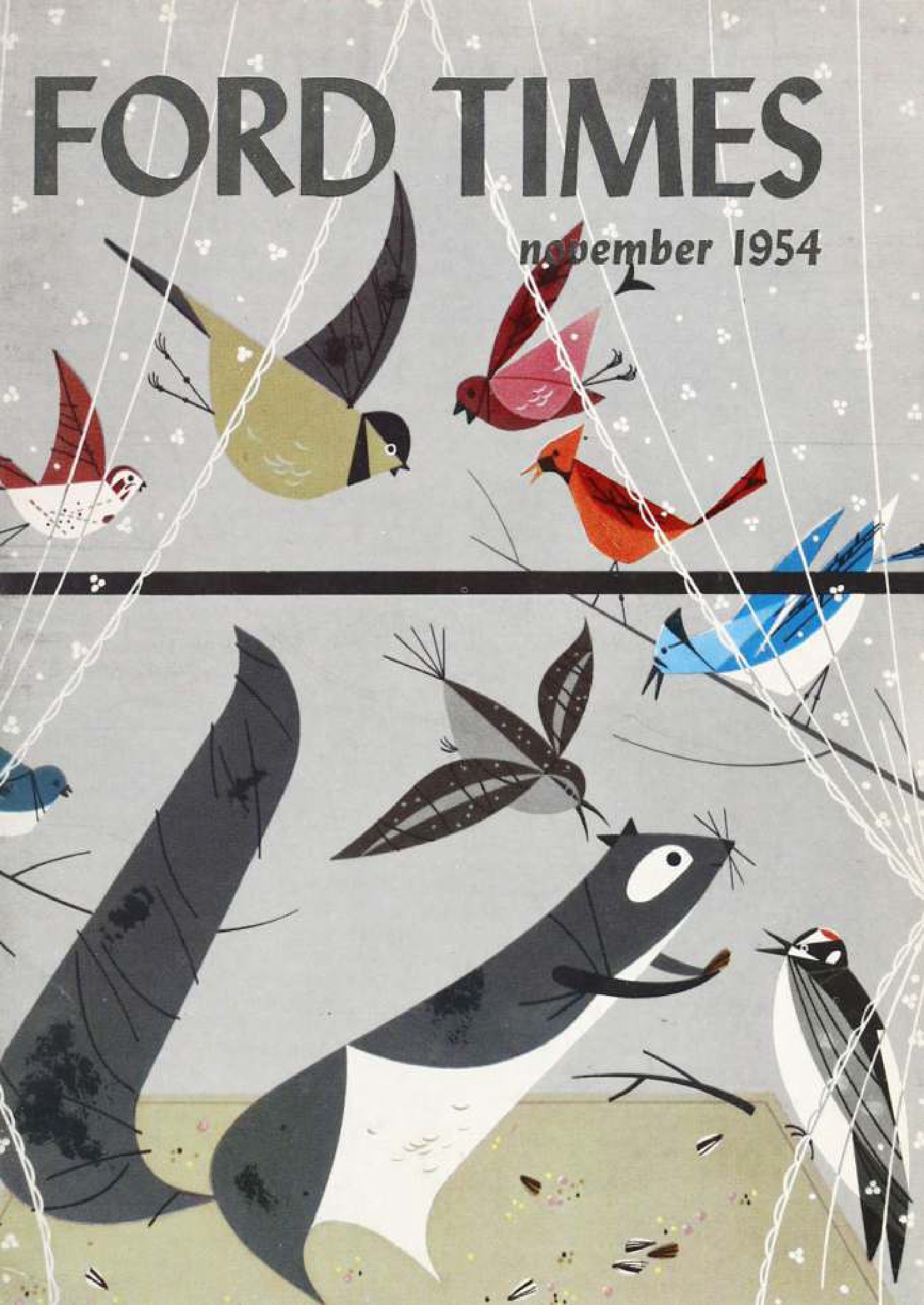
What he created for the November 1954 issue – paired with captions by New Yorker writer and Charlotte’s Web author E.B. White – looked nothing like the dutifully detailed renderings by the likes of Eckelberry or Roger Tory Peterson, whose guides lined American bookshelves at the time.
Instead, Harper reached for T-squares, French curves, and compasses to make wings, beaks, and eyes out of pieces of painted paper.
He then shuffled the components around the canvas like a puzzle until the bird he wanted took shape.
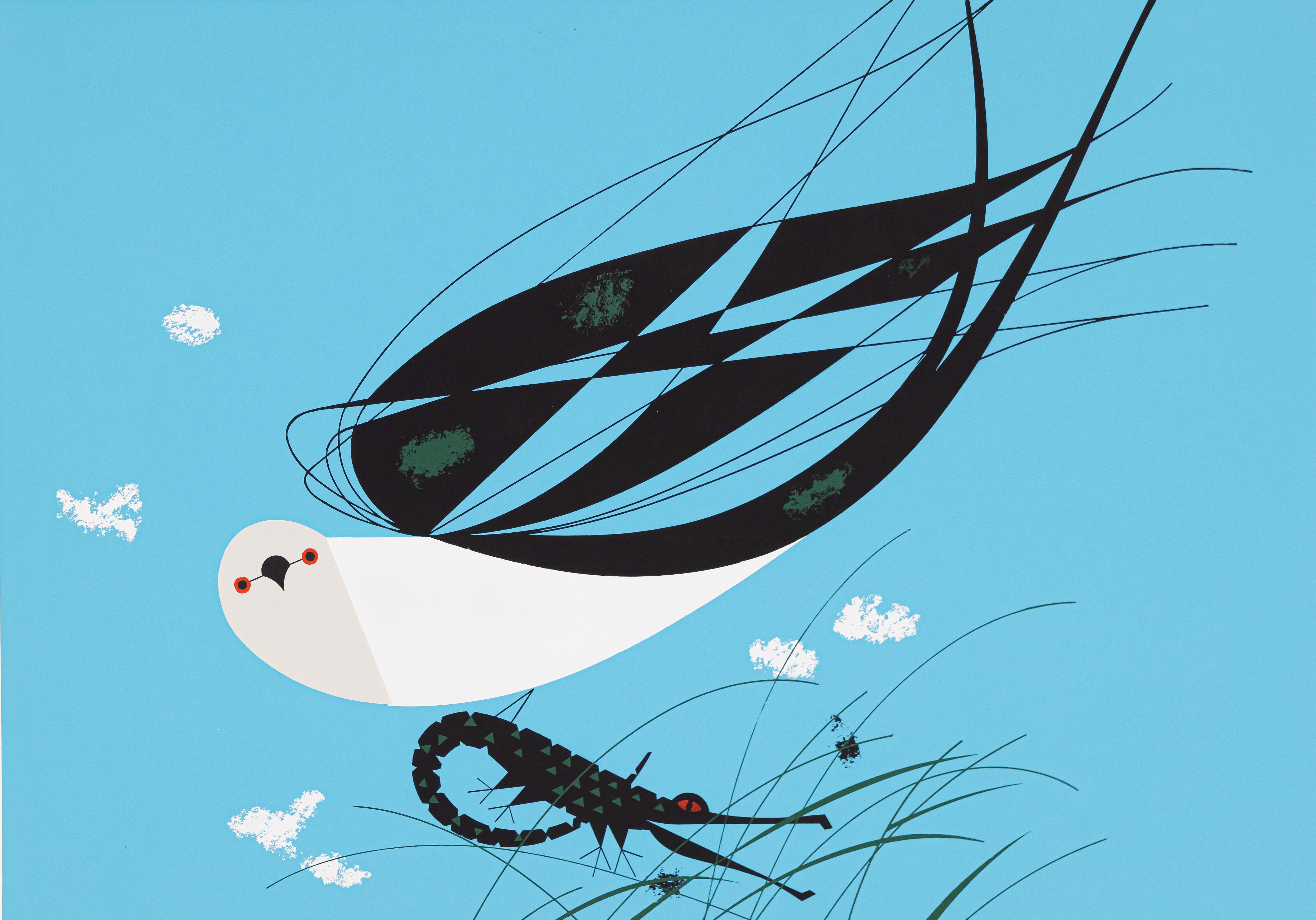
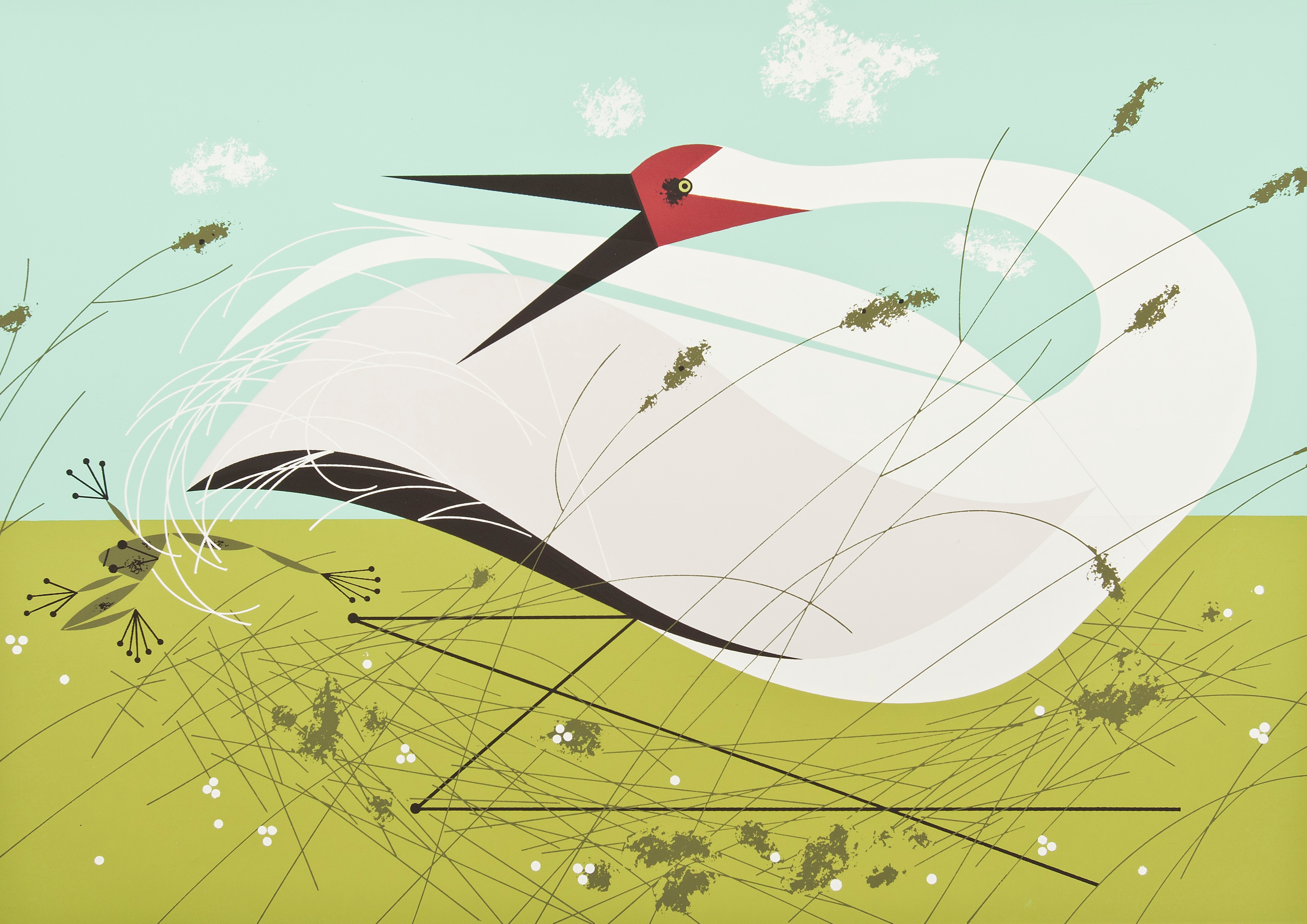
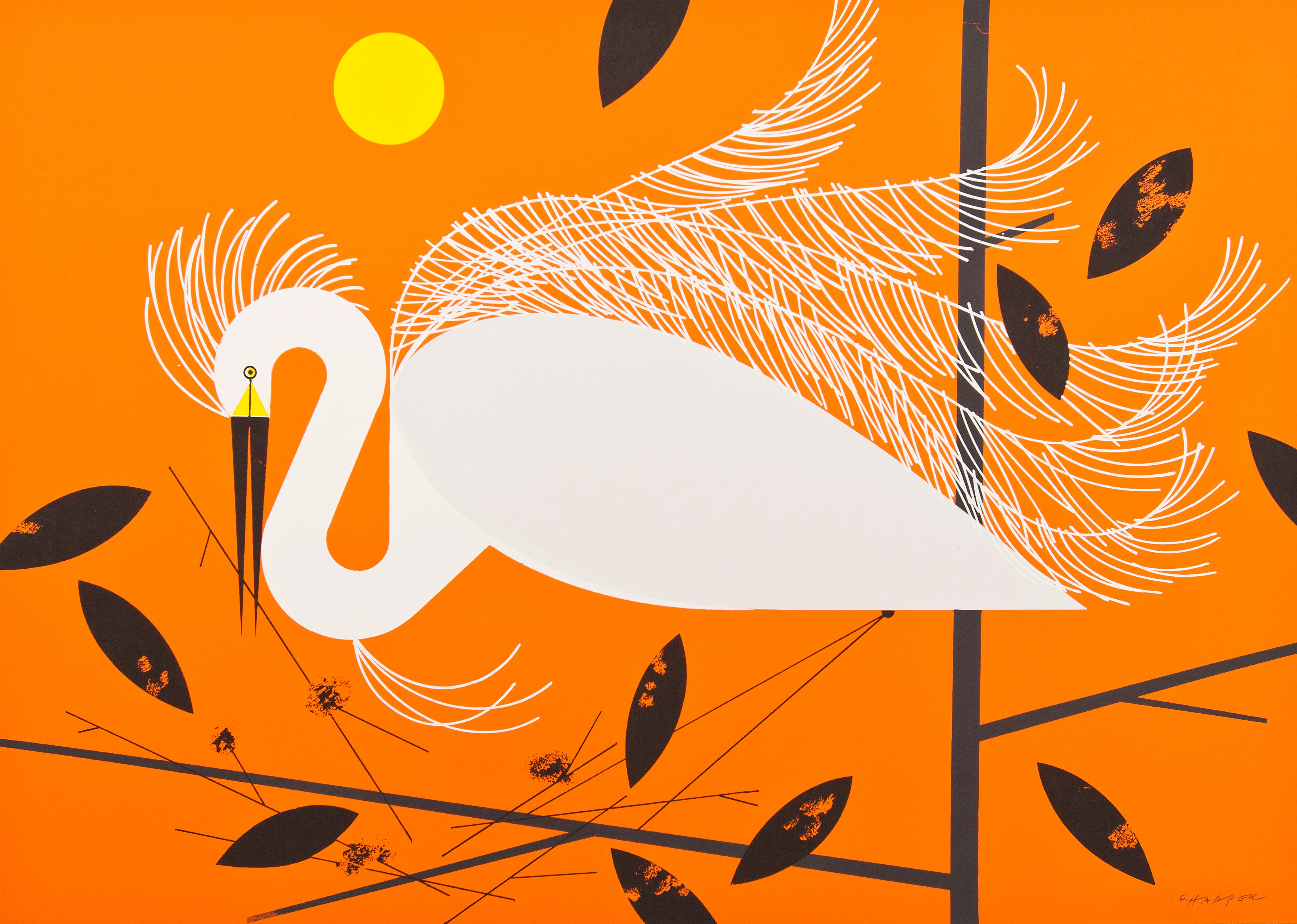
The result was a wholly new style – flat, geometric, and hard-edged – he called “minimal realism.”
“I didn’t see scapulars, auriculars, primaries, tail coverts, tarsi – none of that,” Harper said.
“I saw exciting shapes, color combinations, patterns, textures, fascinating behavior, and endless possibilities for making interesting pictures,” he added. And so I have never counted the feathers in the wings for that is not what my pictures are about.”
“I just count the wings.”
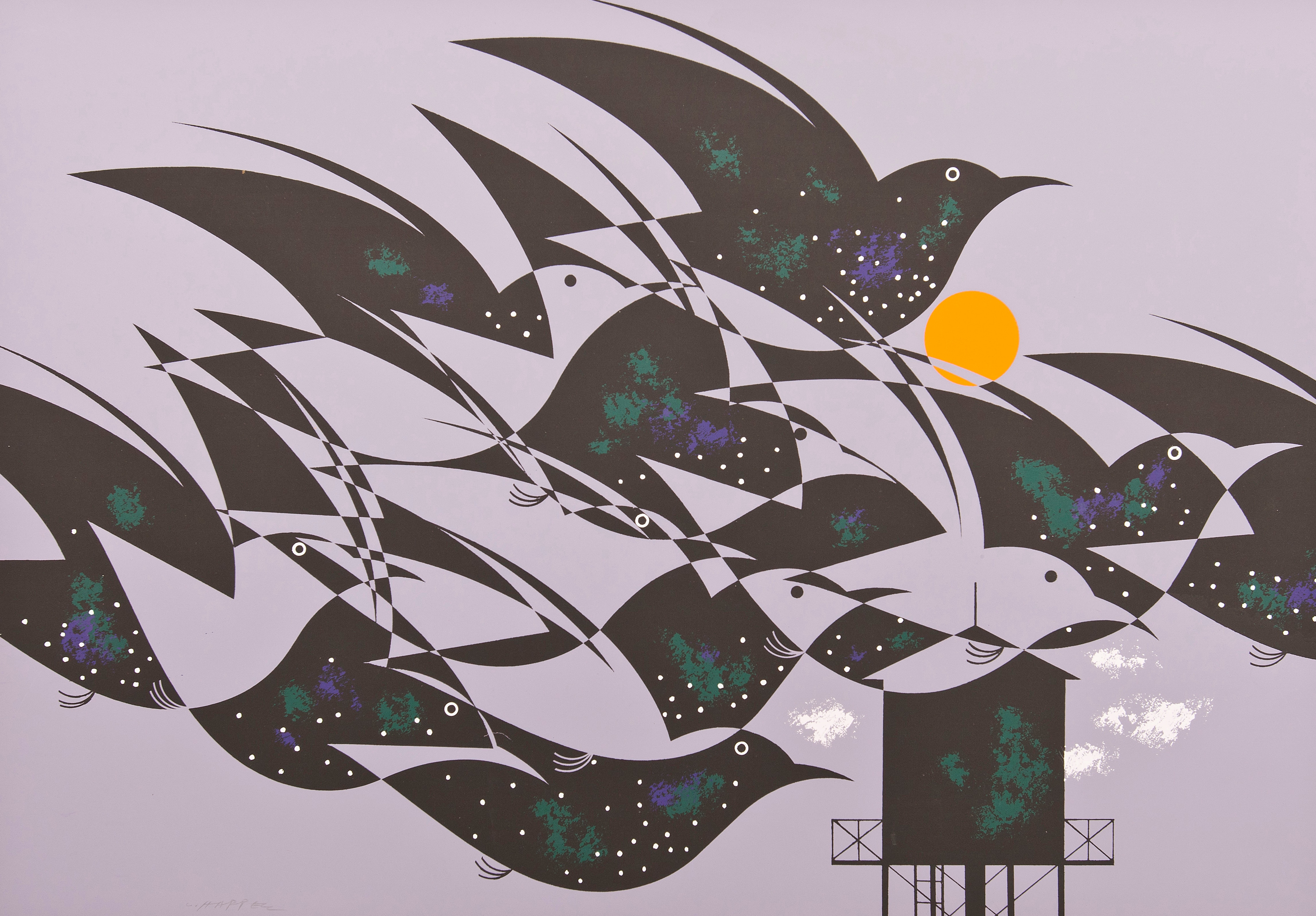
With drafting tools, Harper worked hard to erase the signs of his hand, said Julie Aronson, curator of American paintings at the Cincinnati Art Museum, whose exhibit will include maquettes and drawings showing his process.
“I think people may look at the paintings and not realize they're handmade,” she said.
Harper’s pictures may look playful, even childlike, Aronson said, but they are deeply rooted in art history, inspired by modernists like Paul Klee and Joan Miró, as well as by the painter and color theorist Josef Albers, who taught at the Art Academy of Cincinnati when Harper and his future wife, Edie, were students there.
Beneath the simplicity lay serious bird research, too. In his home studio, Harper pored over guidebooks to understand the traits and habitats that set each one apart before lifting a pencil. But he was careful not to anthropomorphize them, said his son, Brett Harper.
“He didn't want to show them like a Walt Disney bird.”
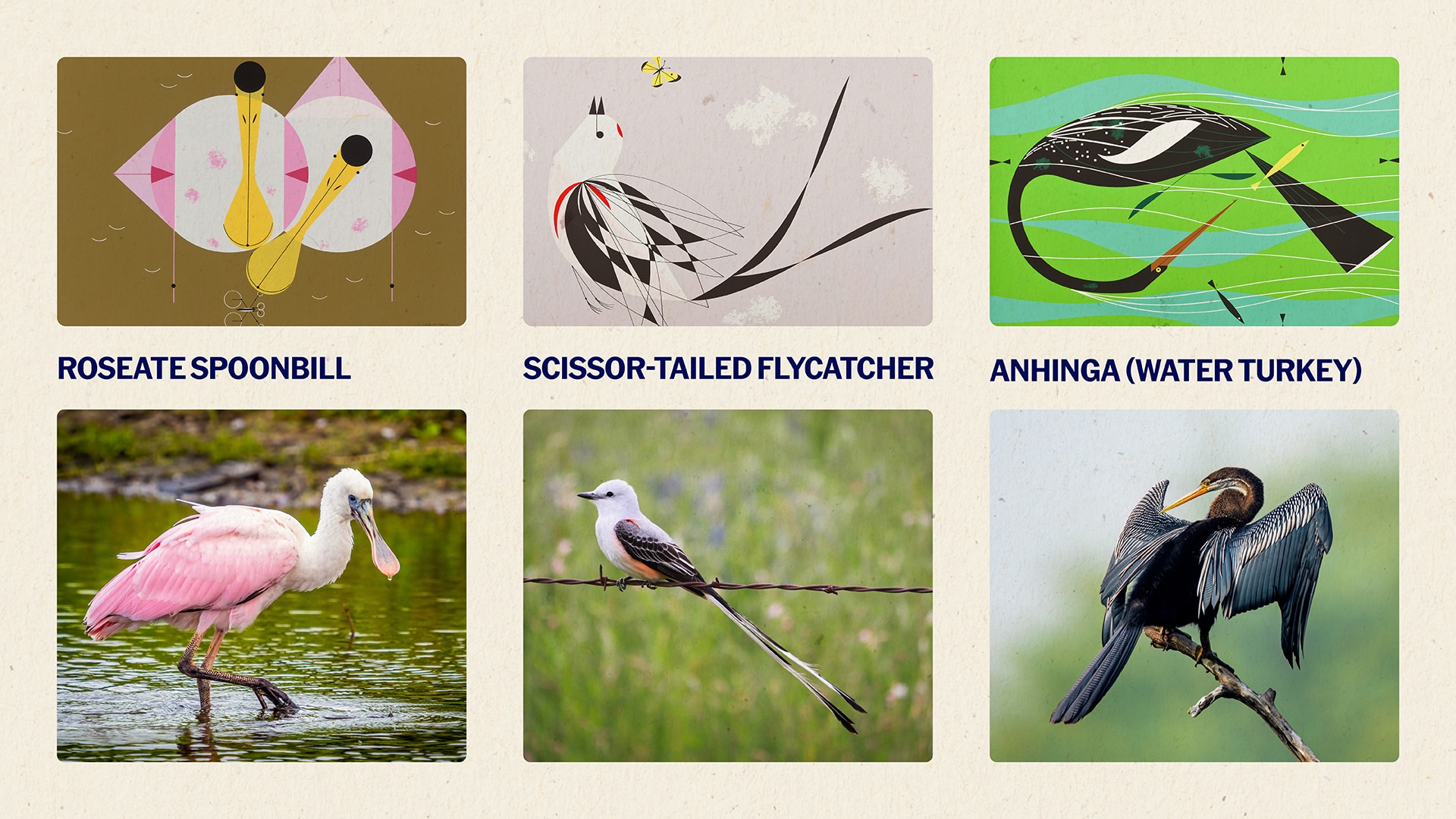
Neither the fine art world nor ornithologists embraced Harper’s work right away. But his angular, bright birds perfectly accented the midcentury homes furnished with Eames chairs and Saarinen tables.
Those homes were “ready-made canvases for his prints,” Brett added.
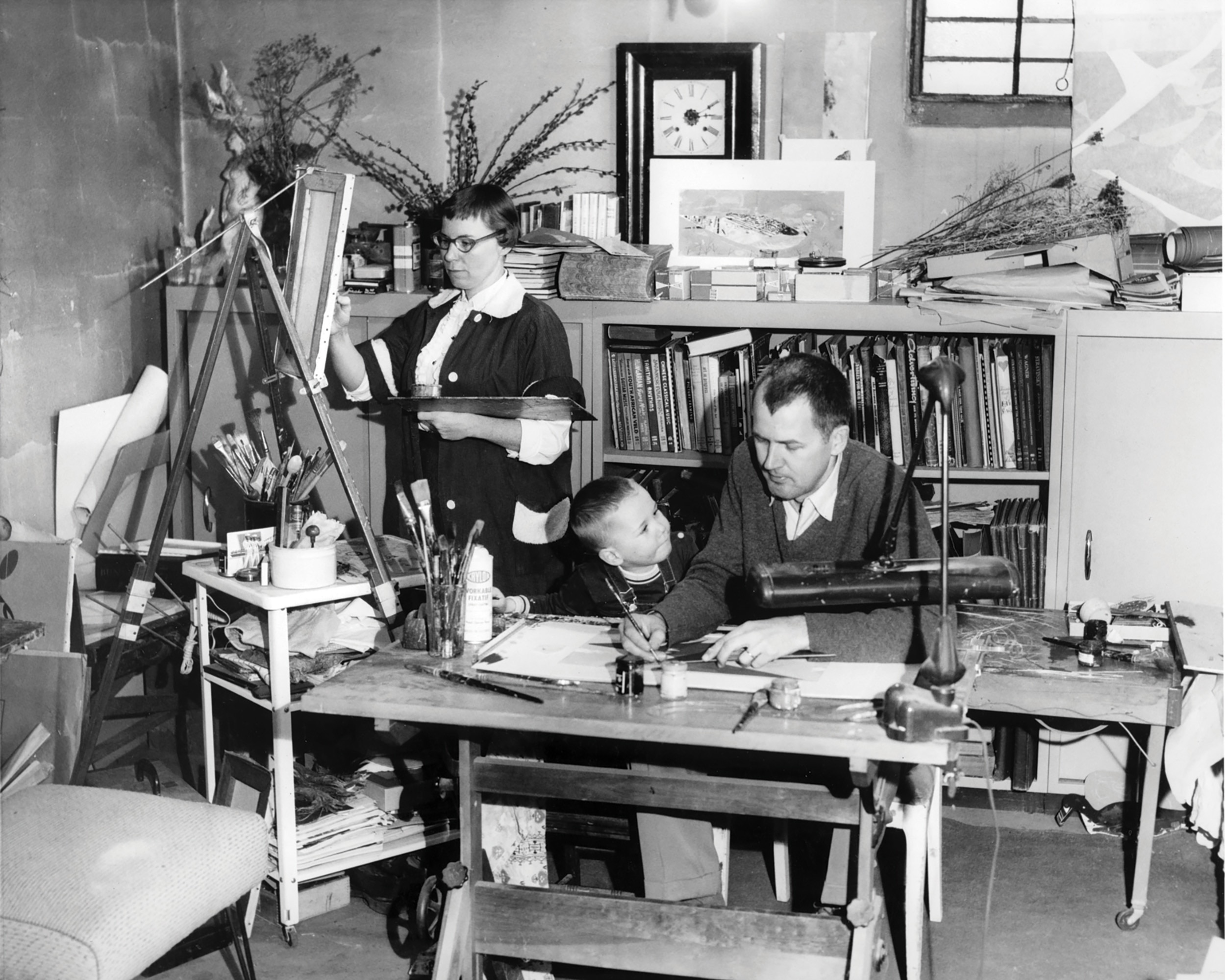
Letters from readers flooded the Ford Times, requesting copies of Harper’s art. To meet demand, Lougee ran an order form that allowed readers to send a check (initially for $4.95) for a print. Harper and Edie, also an artist and photographer, set up a makeshift workshop in her parents’ basement where they churned out hundreds of silkscreen prints, propelling Harper into yet another category of creator: graphic artist.
Getting A Mountain to Fit on Paper
Charles Burton Harper grew up on a farm in Frenchton, West Virginia, where he did more daydreaming than chores. He met Edie at the Art Academy of Cincinnati, but the war soon interrupted his studies. Deployed to Europe as an army reconnaissance scout, Harper crouched in fields to sketch bombed-out landscapes and his fellow servicemen, who teased him because he never drank or swore.
“Even though he was a West Virginia boy, he really had a pretty expansive view of the world,” Brett said about his father.
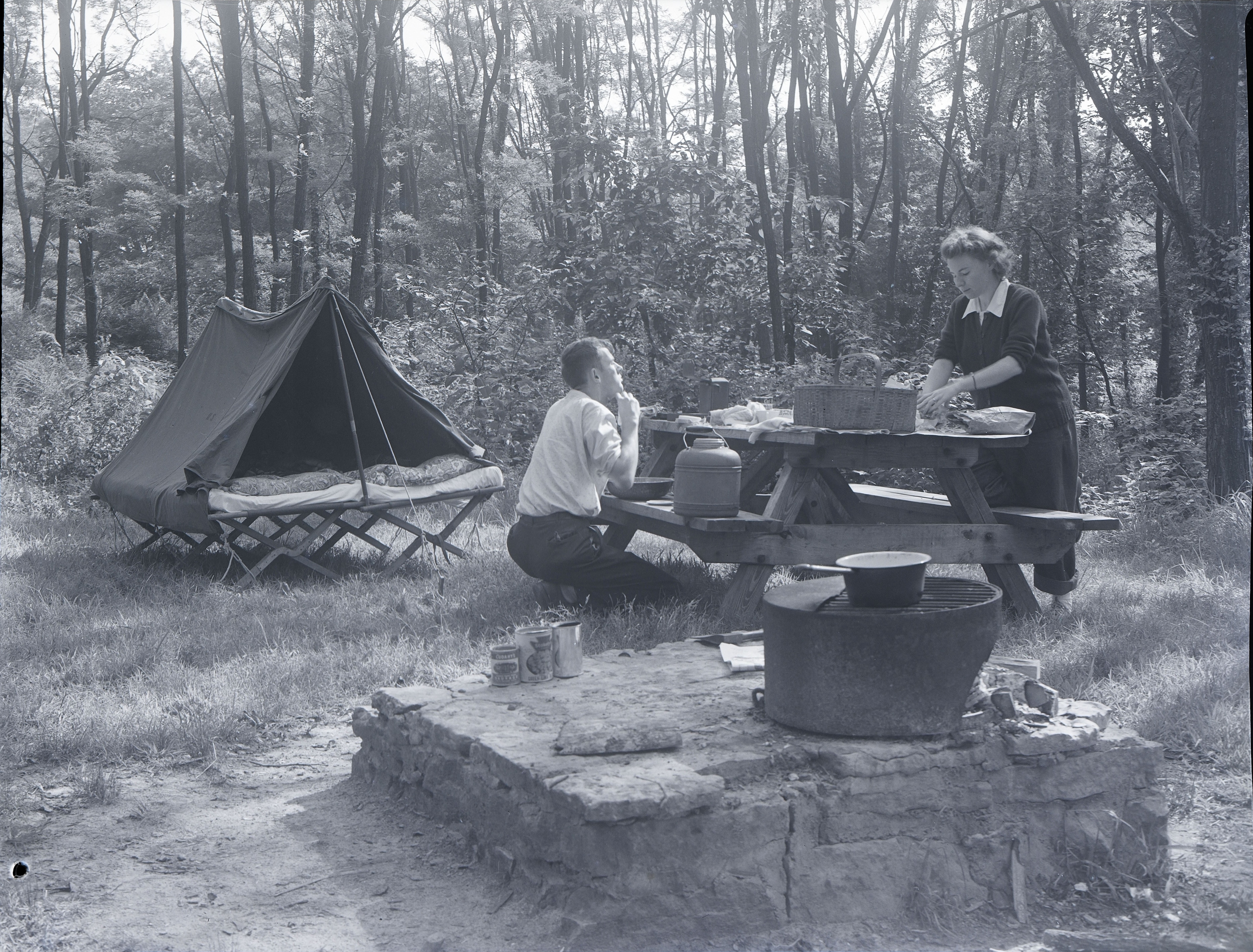
In 1947, Harper and his new bride set off on a monthslong honeymoon road trip (driving his in-laws’ Chevy station wagon, alas), camping, painting, and photographing their way across the American West.
Confronted with the vastness of the Rocky Mountains, Harper felt constrained by the traditional techniques he’d learned for painting details like “highlights on hairs,” as he put it.
“You have to simplify a Rocky Mountain to get it on a piece of paper,” he later said in an interview with the designer Todd Oldham.

Oldham had stumbled on an old copy of the Ford Times at a thrift shop. Only later did he realize the artist had also illustrated “The Giant Golden Book of Biology,” a favorite of his childhood. The find inspired his 2007 monograph, “Charley Harper: An Illustrated Life.”
On that 1947 trip, Harper walked away from the mountains and set to work, “eliminating perspective and shading, and recording only what I felt to be their essence.”
“It was the most exciting painting I had ever done,” he wrote in “Birds & Words,” one of many collections of his work. “I have never turned back.”
While traveling, Harper sent samples to Lougee, who recognized his talent and gave him the creative latitude other clients didn’t.
Over the next four decades, Lougee became a mentor and father figure to Harper, Brett said, adding, “He was always treated with respect.”
“It was a fun ride for Charley,” Brett said about his father’s work for Ford. “It helped him make a living that helped him raise a family.”
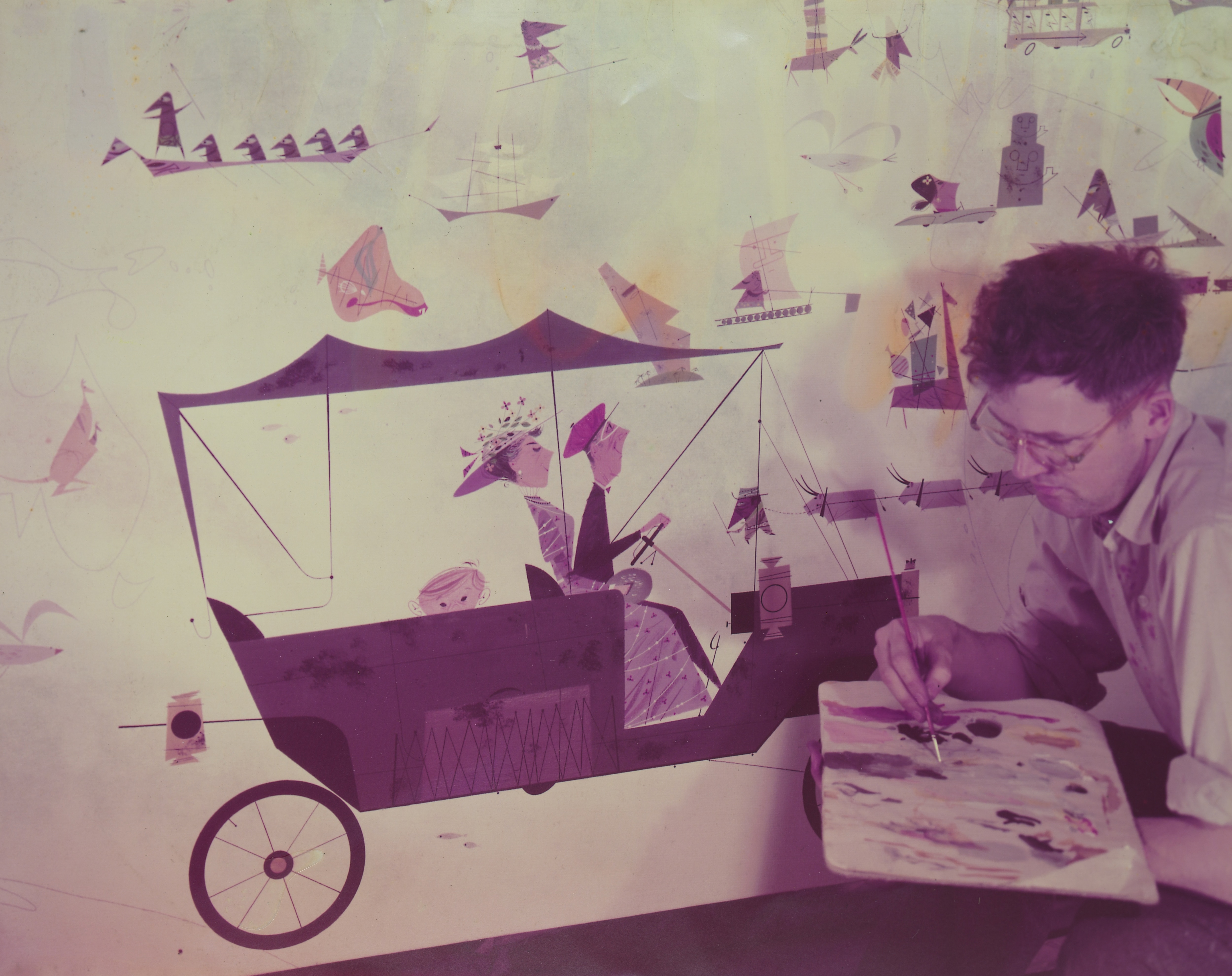
Harper’s pictures also became a fixture inside the company.
In 1952, Ford commissioned Harper to paint “Transportation Around the World,” a mural honoring the Model T, inside the Ford Rotunda in Dearborn.
More than 80 original paintings decorated Ford’s then-world headquarters in Dearborn, including a series of three-dimensional paintings of Michigan wildlife and foliage for the cafeteria.
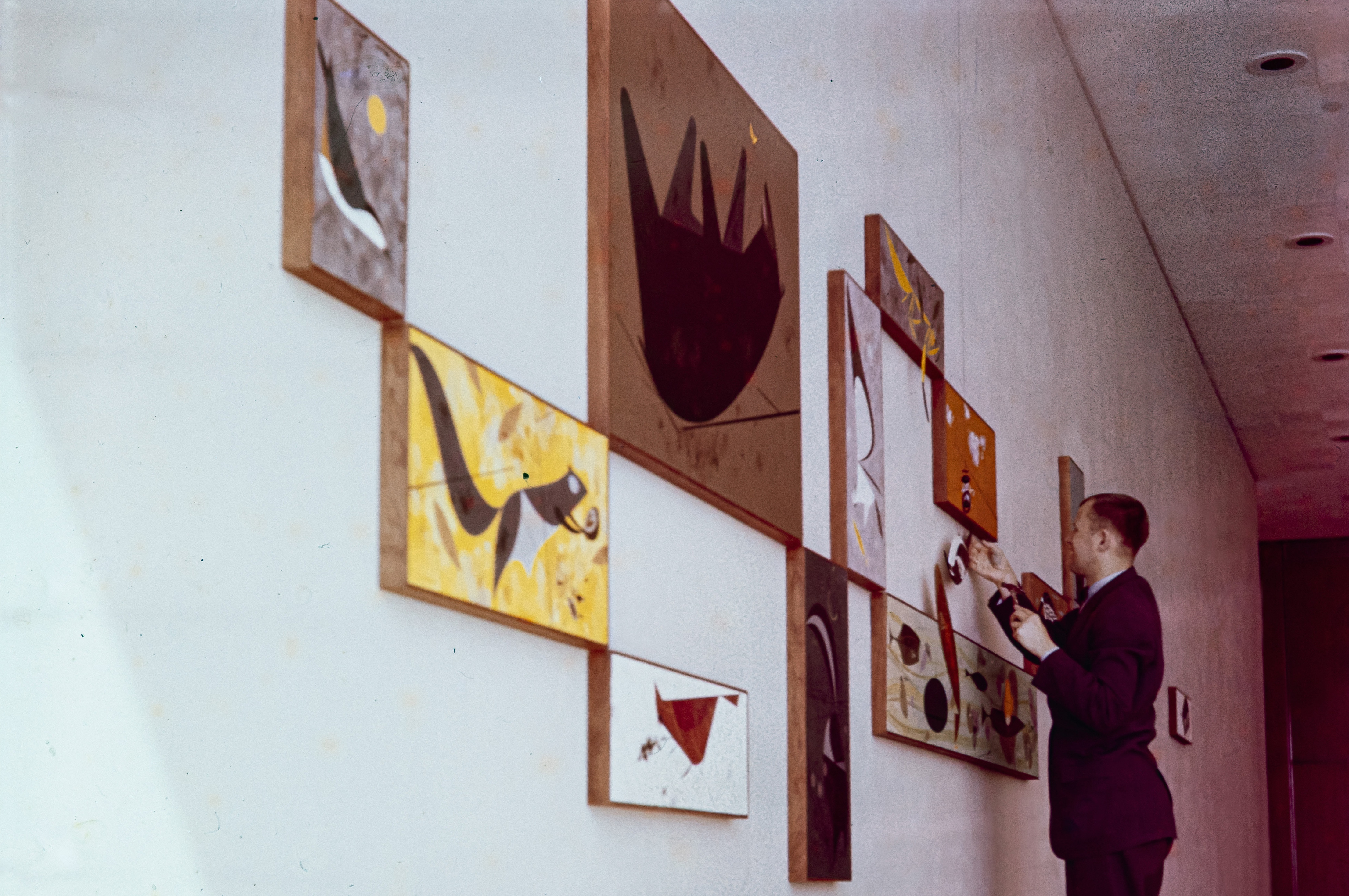
Today, six framed Harper prints hang near the company’s executive offices.
His Ford Times work led to higher-profile commissions, including a series of posters for the National Park Service in the 1970s and ’80s that helped shape the agency’s graphic identity.
If he hadn’t been an artist, Harper wrote in 1966, he would have been a conservationist. But he knew his commercial output sat uneasily with those convictions.
“Where does one draw the line between preservation of nature and preservation of self?” he mused. “Can a nature lover ever find true happiness at the top of the food chain? Maybe all of this is why my pictures are usually humorous – I'm laughing to keep from screaming.”
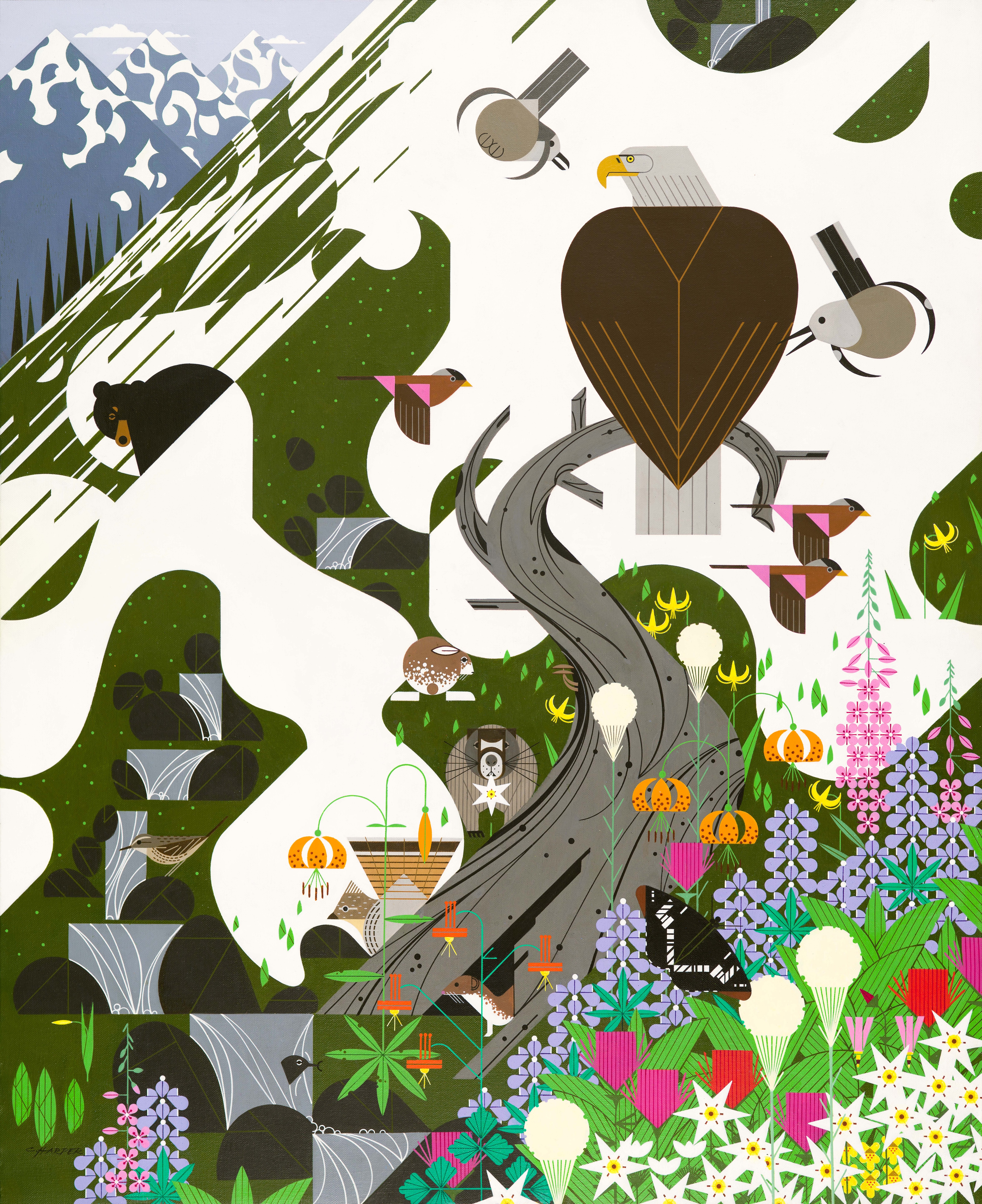
Over time, he found a way to square the two. In his later decades, Harper took commissions mainly from schools, nonprofits, and conservation groups such as the Cornell Lab of Ornithology and the Cincinnati Zoo. He made art for New Jersey Audubon’s Cape May Bird Observatory, which helps organize the World Series of Birding. He also created a poster of Costa Rica’s Monteverde Cloud Forest, where local children had guided him and Edie, with sales benefiting their school.
A Cincinnati Homecoming
When Benvent wore Harper’s “Birdfeeders” onstage at the World Series of Birding trophy presentation, someone spotted the design and flagged it on one of the Harper studio’s social media accounts.
Annette Navarro, who helps run the accounts, said fans often tag them whenever they see Harper’s birds in the wild. On Instagram and Facebook, they also share stories about the print that sparked their love affair with his work, the trip to see his originals, or even a tattoo of his cardinal.
Harper, who died in 2007, never courted that kind of devotion, and neither did Edie.
“These people did not seek the limelight,” said Navarro, a former advertising photographer who is part of a small team now doing the promoting for them.
Thousands of their sketches, lithographs, sculptures, paintings, and prints, many once kept in trunks and candy tins around the Harpers’ home, now fill a nine-story fireproof building at an undisclosed address in Cincinnati.
There, on a recent Thursday, an intern from the College of Design, Architecture, Art and Planning at the University of Cincinnati carefully packaged prints while Navarro led a visitor past rows of flat file cabinets.
Chip Doyle was there, too. The curator of Harper Originals for nearly two decades, he archives and authenticates the family’s work, and he still feeds the birds at the Harpers’ old house. They are “descendants,” he said, of the ones Harper painted for the Ford Times. Doyle was in his 20s when he befriended the couple, and he saw how exacting the artist could be.
“He would count the feathers,” he said, “just not paint them.”
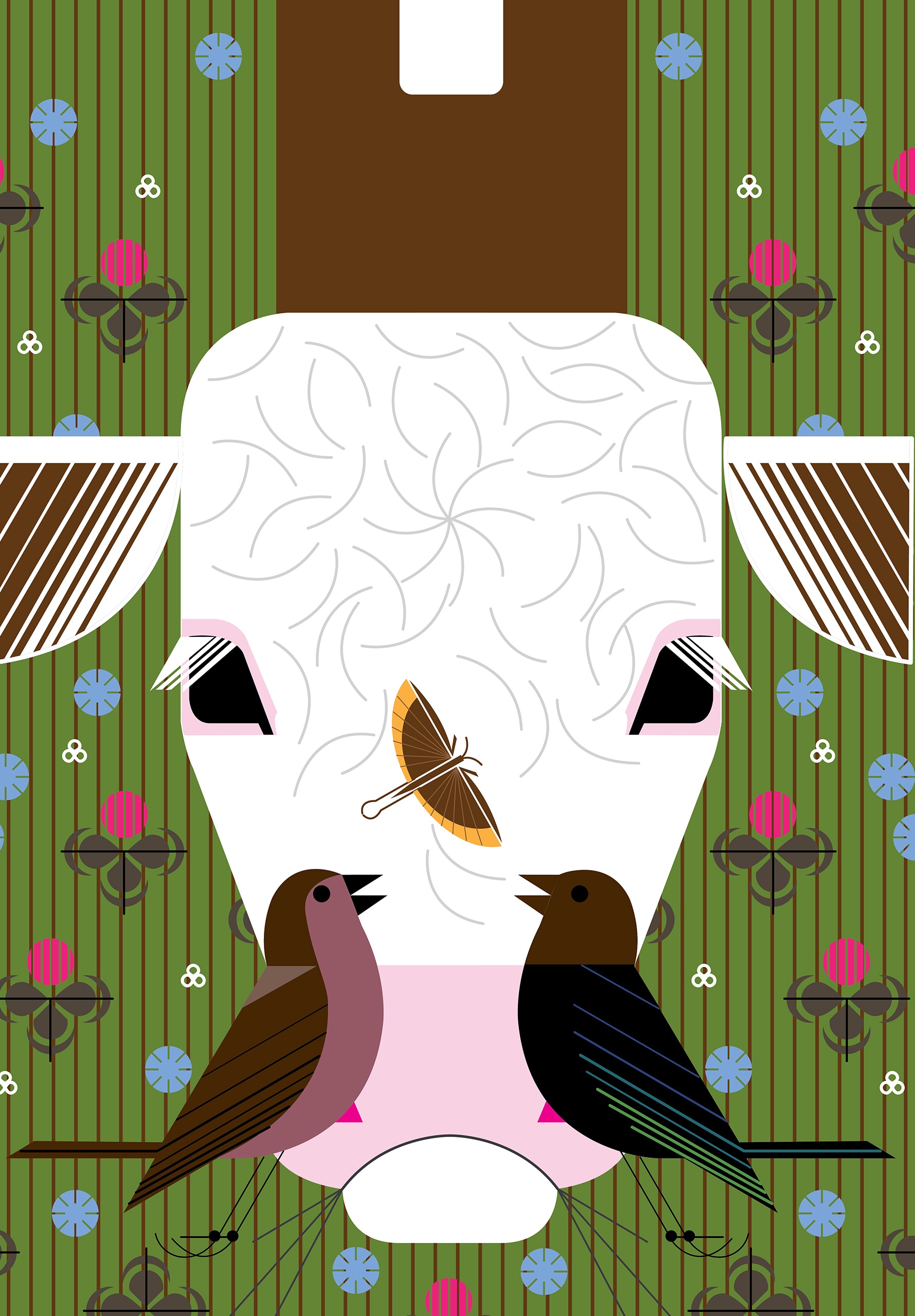
Together with Brett, the team is bringing Harper’s art out of storage and onto screens, gallery walls, and even ice cream cartons.
This month, during BLINK, Cincinnati’s biennial festival of art and light, Harper’s bouncing birds and Model Ts will blanket the walls from floor to ceiling in a 360-degree sight and sound experience at Mercantile Immersive. His “minimal realism” belongs there, said Navarro.
“The flat, high-contrast forms read as native on LED rather than like a painting stretched onto a screen.”
On Oct. 16, the Cincinnati Art Museum will open its retrospective featuring “Mystery of the Missing Migrants,” Harper’s 1990 painting about the decline of neotropical bird species from habitat loss, now owned by Mass Audubon. It will hang alongside dozens of other works, including 10 acrylic-on-canvas paintings commissioned by the National Park Service that have sat in a vault for decades.
The next day, the Taft Museum of Art opens “Edie McKee Harper: Modernist at Play,” the first museum exhibition devoted solely to Charley’s lifelong creative partner, featuring more than 100 of her photographs, paintings, enamels, weavings, and prints from a six-decade career.
In Florida, families can visit “I Am Wild,” a hands-on traveling exhibit for children, at the Museum of Discovery and Science in Fort Lauderdale.
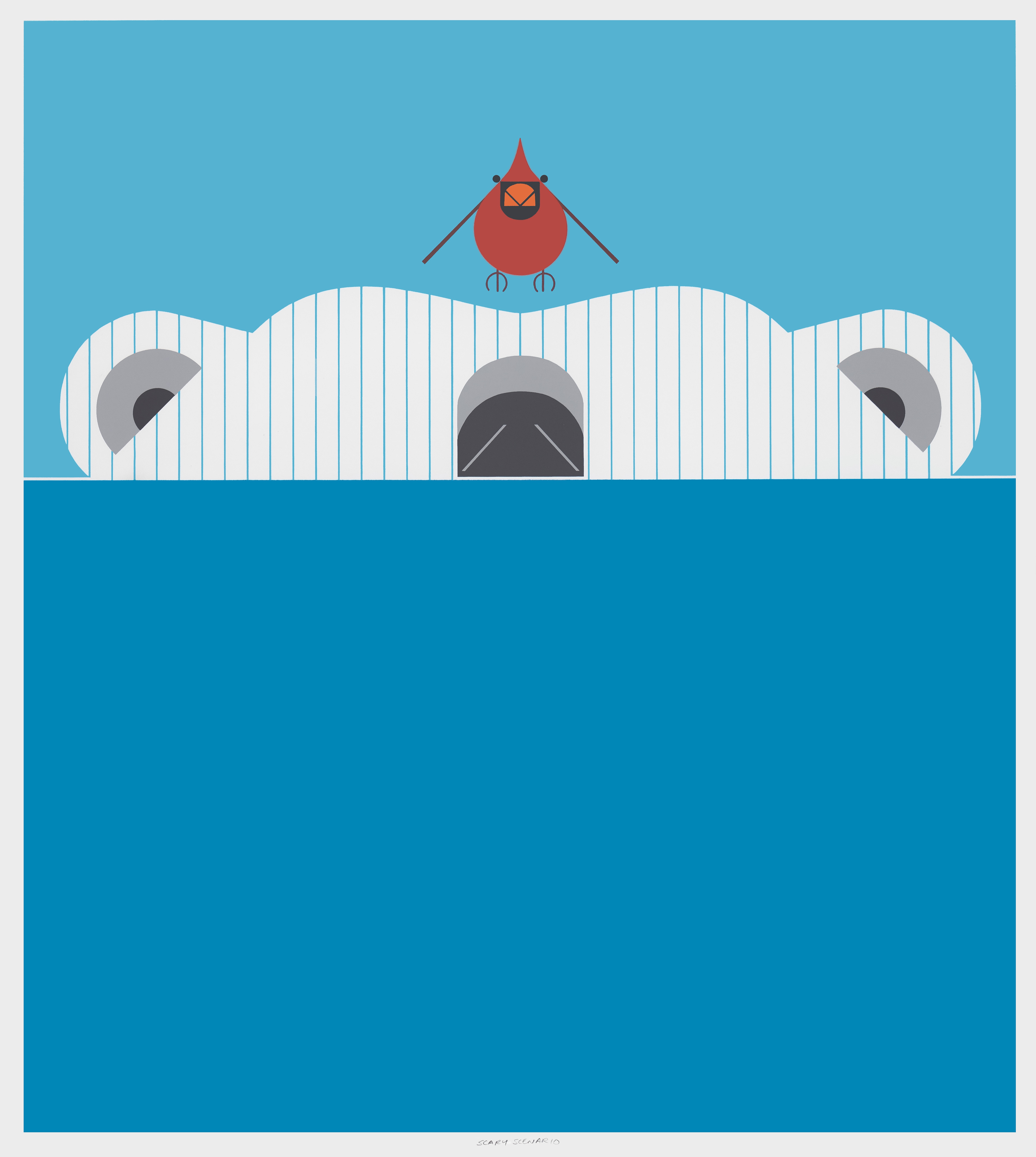
Graeter’s Ice Cream also has plans to release a Harper flavor. Harper used the company’s pint lids for drafts of several works, including “Scary Scenario,” his final painting.
Harper’s original studio sits among the birch trees that fill the backgrounds of several of his illustrations. Doyle remembers Harper there, nearly panicking over a presentation Doyle assumed was for executives.
It was for elementary school students.
Their thank-you notes are still inside Harper’s desk, stashed among other “important business matters,” said Brett. On top rests the Graeter’s lid where he sketched “Scary Scenario.” The desk hasn’t been touched since his father’s last day of work.
“No one has gone through all of those files,” Brett said. “So there’s probably still things to be found.”
Emily S. Rueb is a freelance writer and former reporter for The New York Times.
