
It's 5 a.m., and a Team Rubicon Greyshirt volunteer is digging through a rented cargo van, looking for a shovel that shifted loose somewhere during the drive. Losing precious time sorting through tools when an immediate response is critical is not uncommon. It can also be exhausting for volunteers already tired from the business of saving lives.
Disaster response doesn't come with lead time.A flood hits, the call goes out, and Team Rubicon volunteers are moving within hours. They do what the moment requires: load gear onto flatbed trucks or other rental vehicles and get on the road to help.
That speed comes with tradeoffs. Tools and generators ride exposed on flatbeds, and equipment can get stolen. In rentals, everything shifts loose in the cargo bay, and long-handled tools never have a good place to go. Staging before a deployment takes at least an hour, and breaking it down and loading back up takes another.
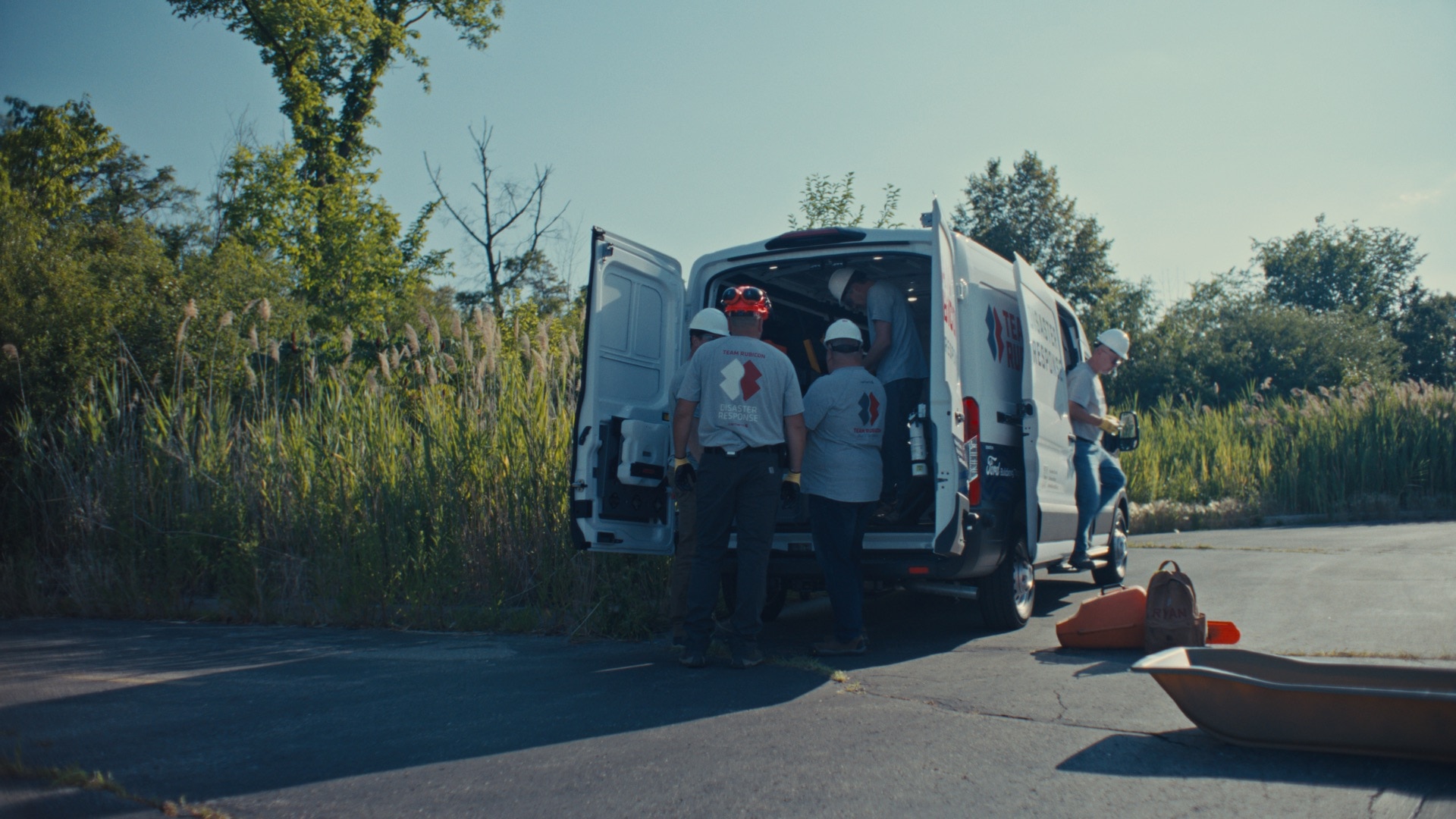
Finding ways to save volunteers time and energy so they can focus their efforts on what really matters during a disaster is what Ford Philanthropy, Team Rubicon, and GRIDRACK™ set out to solve together. The result of the collaboration was a custom Ford Transit designed around howTeam Rubicon Greyshirts actually work.
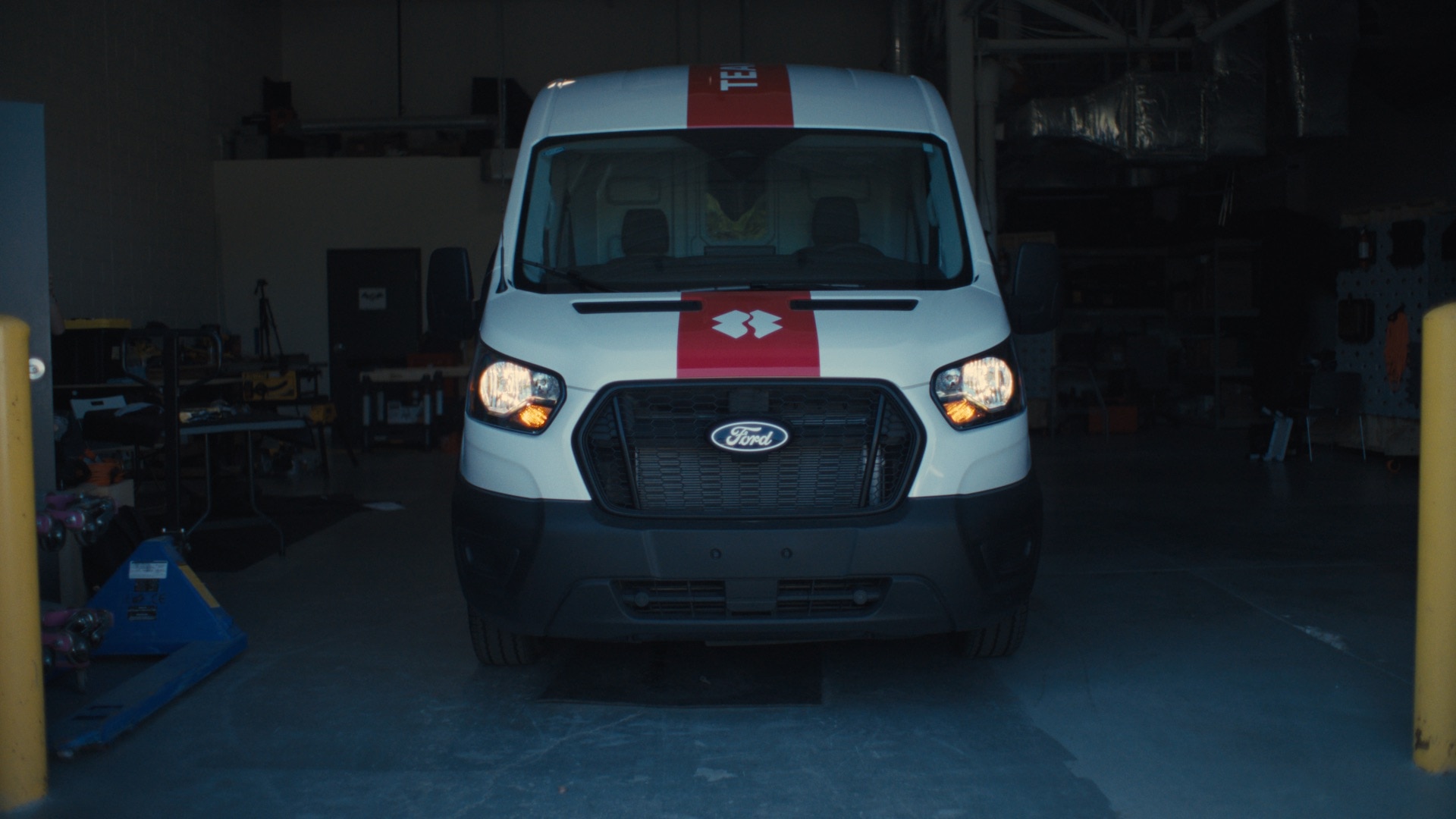
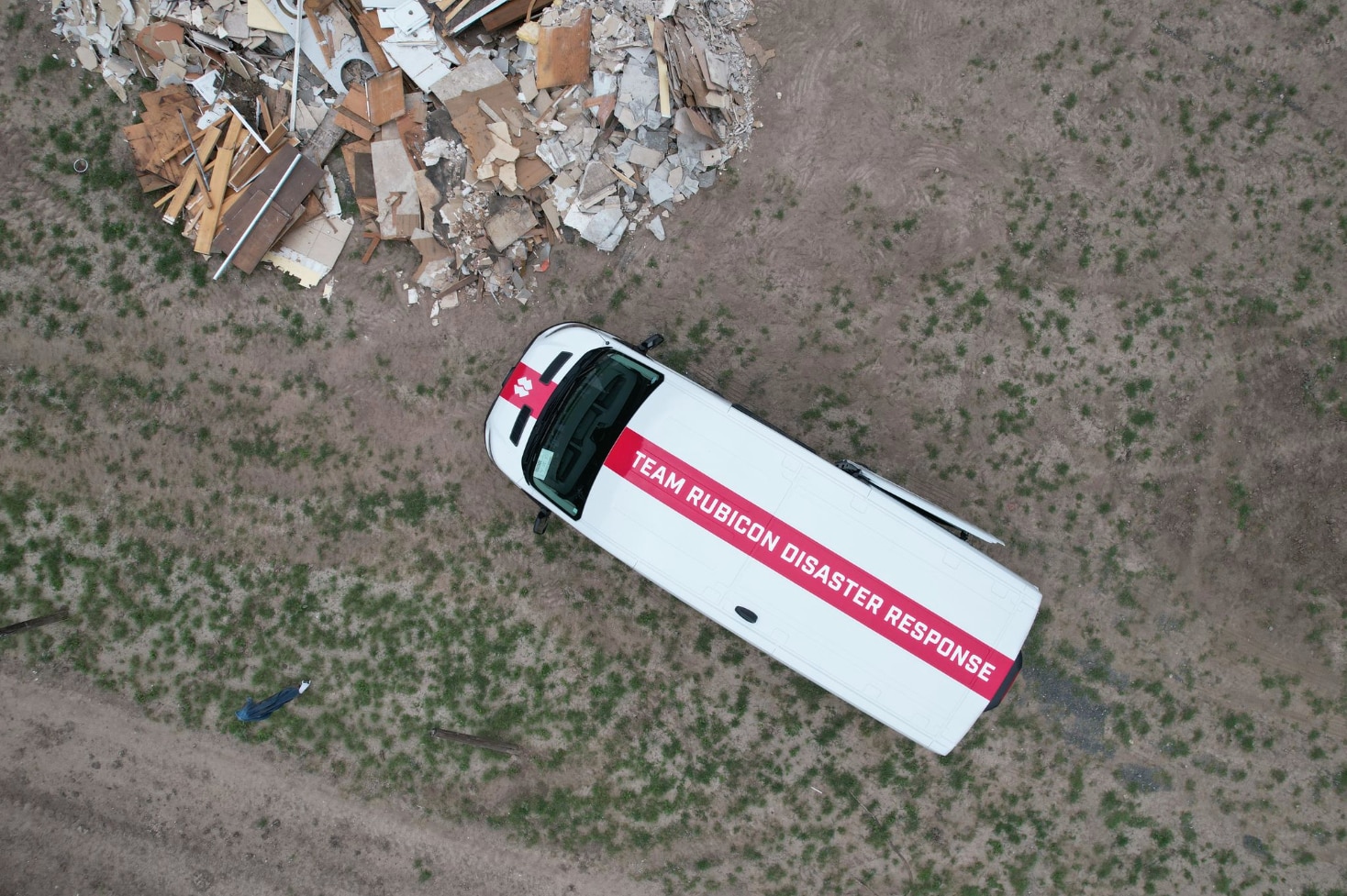
Team Rubicon worked with GRIDRACK™ for five months to design a solution based on what volunteers need most in the field. Their efforts culminated in an upfit at GRIDRACK’s Dearborn facility that resulted in a more organized, flexible cargo bay designed tohelp Greyshirts stay deployment-ready and respond more efficiently in the field. Interior wall panels feature a proprietary attachment system with dedicated storage for long-handled tools and bins that keep essential gear easy to find and secure — and ready to go when disaster strikes.
Team Rubicon expects it to save about two hours at the start and end of each day in the field. On a deployment that runs a week or more, those hours add up fast, especially when volunteers are already exhausted.
Then came the call.
Following recent flooding in the Texas Hill Country, Team Rubicon mobilized volunteers to support recovery efforts in affected communities. Less than 48 hours after the build was complete, the Transit was on its way.
Volunteers are using the van in the Hill Country now, doing the work it was designed for.
“When the vehicle is designed around how our teams actually work, that's less time spent on equipment and more time spent with the people we're there to help.”Mike Watkins, Team Rubicon's Vice President of Operations
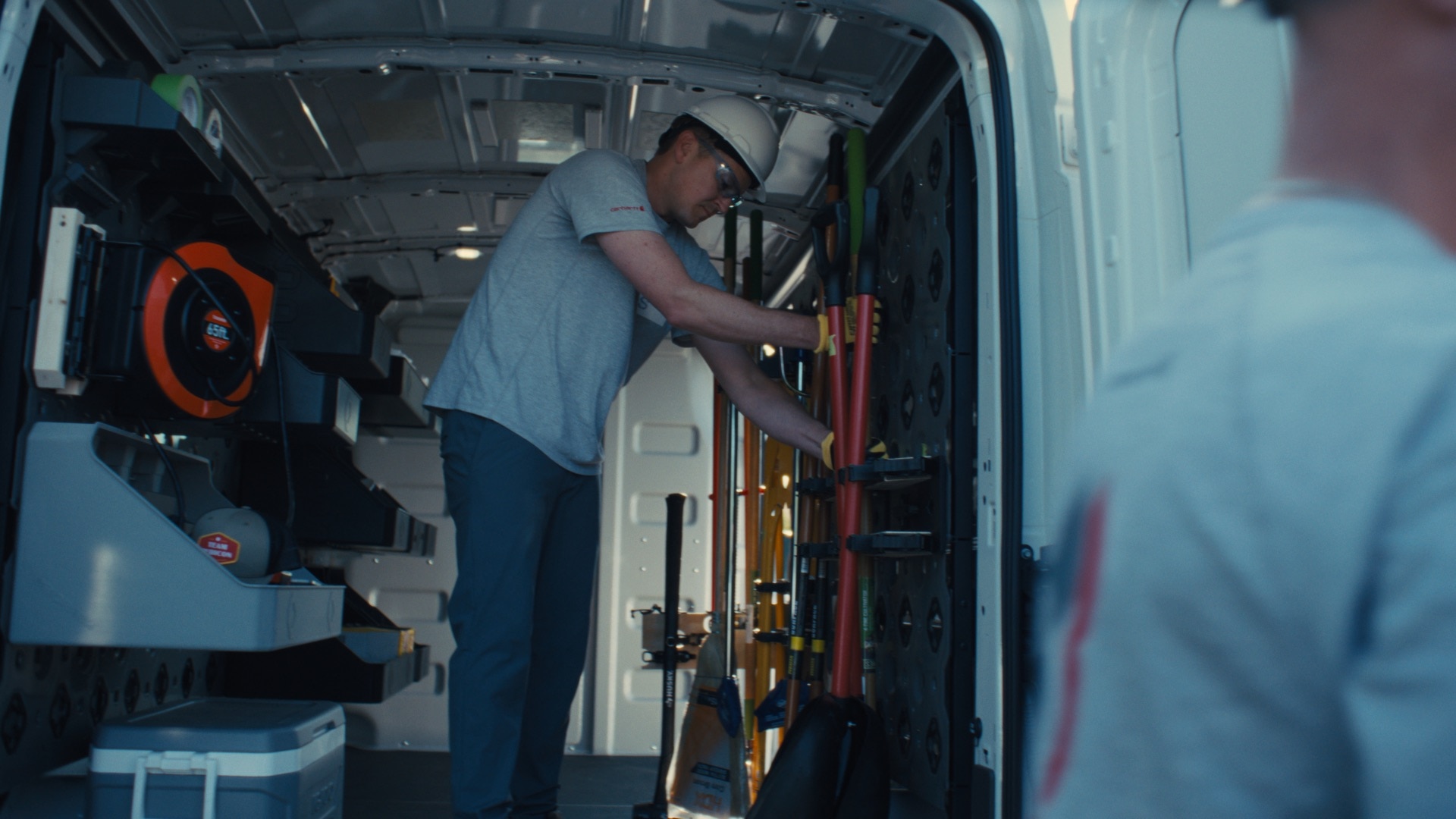
“Every minute matters on a deployment,” said Team Rubicon's Vice President of Operations Mike Watkins. “When the vehicle is designed around how our teams actually work, that's less time spent on equipment and more time spent with the people we're there to help.”
This is Ford Building Together in action — bringing Ford's engineers, dealers, and employees together with nonprofit partners to increase their capabilities so they can do more to serve their communities. In this case, that meant designing a cargo system around the volunteers who use it every day so they could work as efficiently as possible.
“The best measure of a project like this isn't the day it's completed, it’s the day it begins serving the people it was built to help,” said Joe Provenzano, director of mobility and volunteer engagement at Ford Philanthropy.
Team Rubicon mobilizes military veterans and first responders to help communities recover from disasters across the country. You can learn more or sign up at teamrubiconusa.org.
Francesca Hobson is a member of the Ford Philanthropy Communications team.