2026 marks the 75th anniversary of the creation of the Ford Motor Company Archives. To celebrate, we're taking a look back at our long and winding road…
Like a lot of corporate archives, our story began with an anniversary. Ford's 50th Anniversary Committee was organized in 1950 and worked to identify files on the history of the company and gather them from scattered locations. The committee recognized the value of the historical record, to both the company and the public, and considered creating a permanent repository, tentatively called the Henry Ford Archives.
A.K. Mills of Public and Employee Relations realized that the first step to achieving the goals of the committee was to hire an archivist and establish an archives. Mills explored Clara and Henry Ford's home and discovered cartons filled with papers, which ranged from receipts and Christmas cards to business files, as well as Henry Ford's personal correspondence with world leaders. These files created the foundation of the Ford Motor Company Archives.
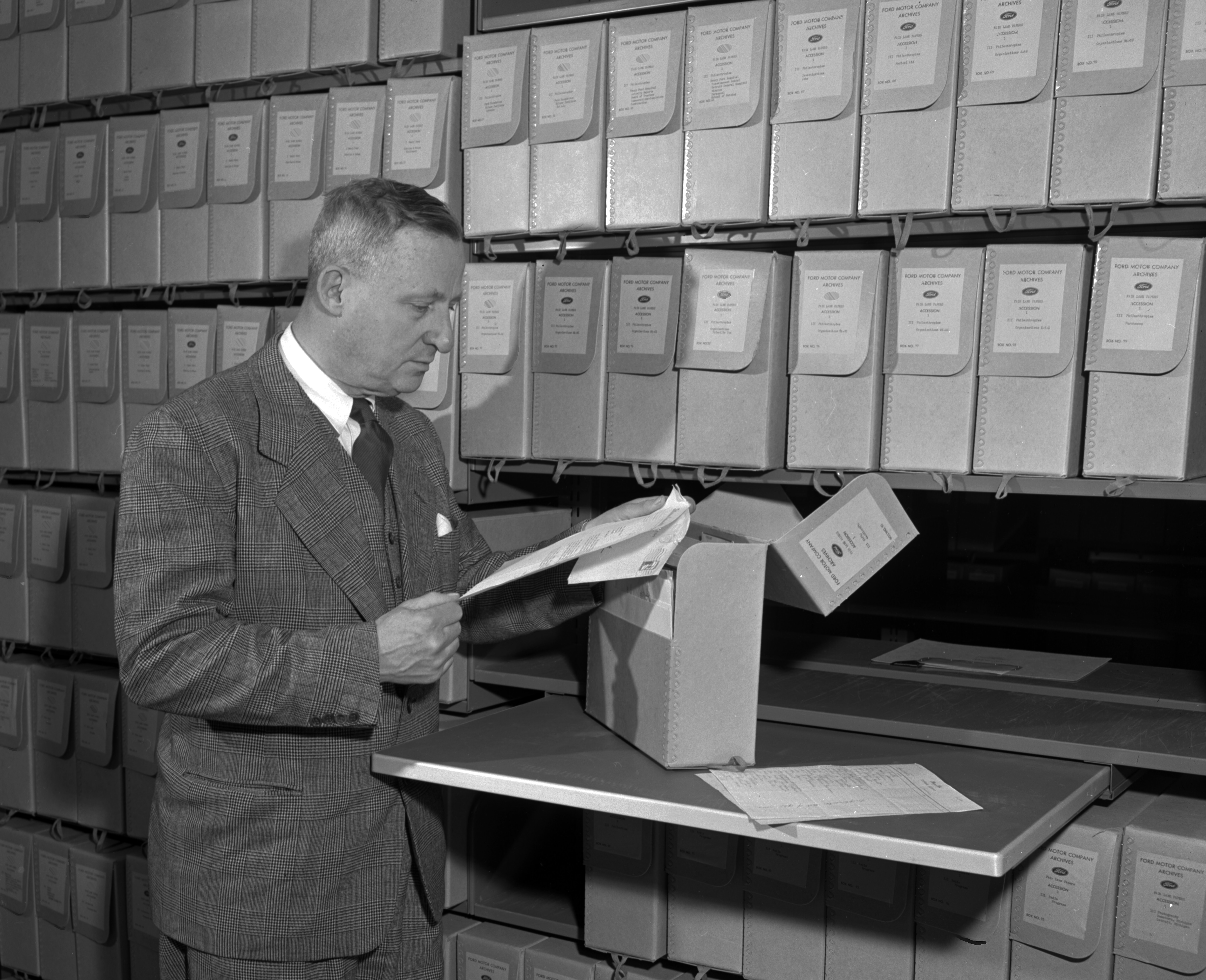
Organization of the Archives accelerated when the company hired Henry Edmunds as chief archivist in 1951. In September 1952, the Archives’ staff moved from its original space in the Ford Engineering Laboratory to Fair Lane Estate. The home had been remodeled to accommodate the Archives, with the swimming pool filled and converted to records storage. Formally dedicated in May 1953, the early effort of the Archives went into celebrating the 50th anniversary.
In February 1957, the Archives moved to the Rotunda, and the volume of Archives' holdings had to be reduced — from 11,000 cubic feet to a more manageable 4,200 cubic feet — to accommodate the smaller space. This was achieved by eliminating duplicates and secondary sources, as well as transferring less frequently accessed material to offsite storage. The Archives staff shifted its focus from collecting, organizing, and providing access to historical records to responding to inquiries for information of all types. Edmunds and his staff distributed copies of speeches, provided educational materials to students, and prepared summaries on issues of the day.
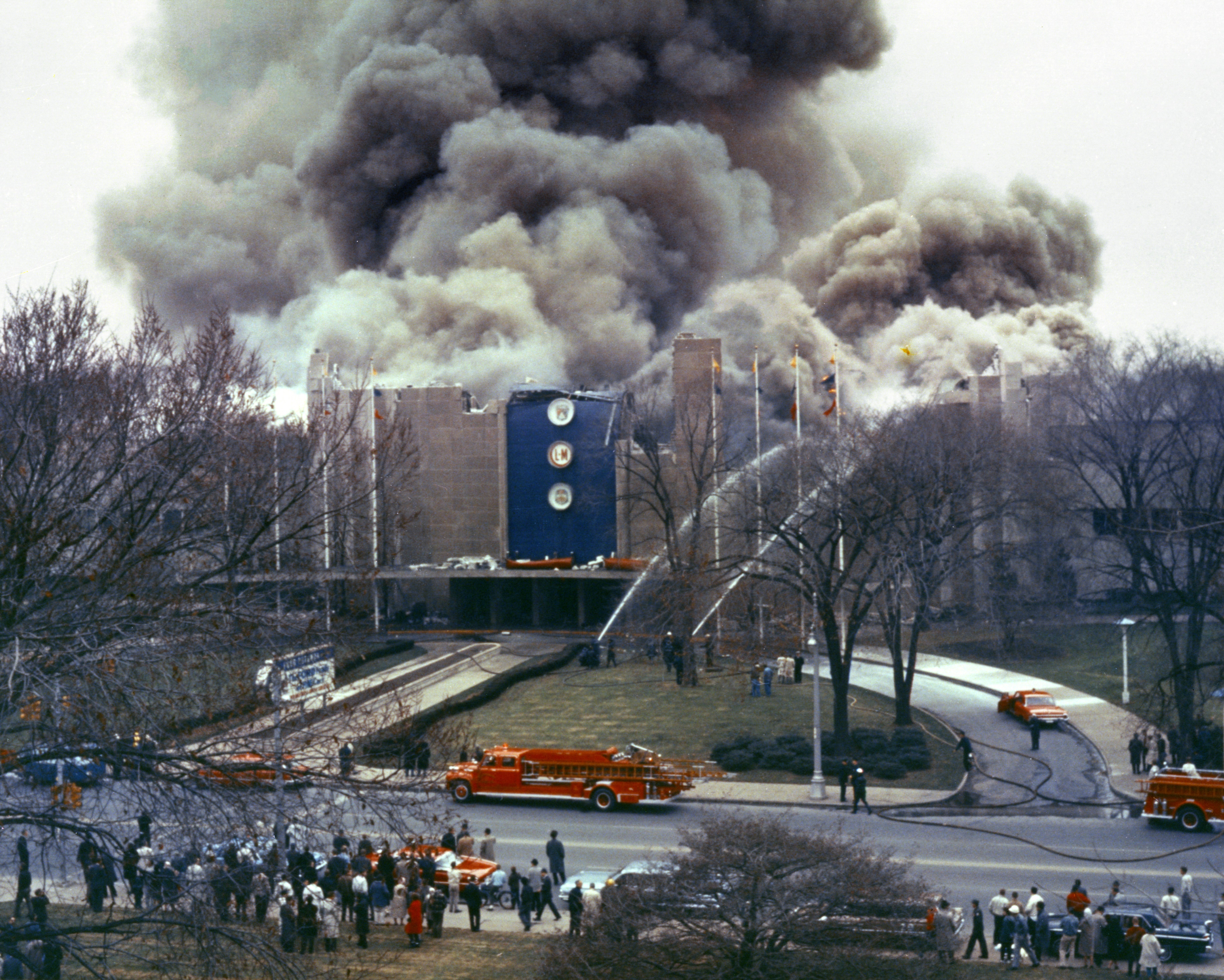
In November 1962, Ford suffered a major setback when the Rotunda was destroyed by fire. The Archives was in a wing of the building that escaped the worst damage, but the event prompted a reexamination of the archival program. It was determined that the company should no longer store all archival records in a single space, and the holdings were dispersed to multiple locations, which made it difficult for the Archives staff to access the records and conduct research.
In addition, the Archives' parent department, public relations (PR), was undergoing a change in focus from generating a sense of public goodwill about the company to activities that directly supported publicity for new vehicles. Much of the PR benefit that the Archives had been able to demonstrate in the past was deemed no longer relevant or important.
At this point, finance made the decision to donate the holdings of the Ford Motor Company Archives to Henry Ford Museum & Greenfield Village. The donation was made in December 1964, and although the original idea had been to donate all but the most recent records to the museum, a small subset of records was held back due to legal concerns. One archivist, Alice Benn, remained at Ford, where she did her best to service the internal research requests previously handled by a much larger staff.
Benn and the lone archivists who succeeded her did an admirable job of servicing the company's needs with virtually no support. The Ford Industrial Archives, as it was called from 1964 to the mid-1990s, became an orphan function that was transferred between departments. During this time, Ford Motor Company expanded and was generating records at an increasing rate, not just in North America, but increasingly around the world. The archivists could not keep up with the influx of records, let alone do anything to make the information in them accessible.

After decades of languishing, the collections at both the museum and the company once again became a focus as the company began to plan its 2003 centennial. Ford started planning for the centennial in 1995, with public affairs taking the lead. Once again, the company realized that a well-run archives was essential to anniversary preparations.
The company needed professional help in assessing the state of the company Archives and preparing a plan for cooperating with the museum, so Ford hired The Winthrop Group, a business archives consulting firm, to conduct that analysis. For the first time in more than 30 years, executives at the company and the museum began discussing how the archival records should be managed.
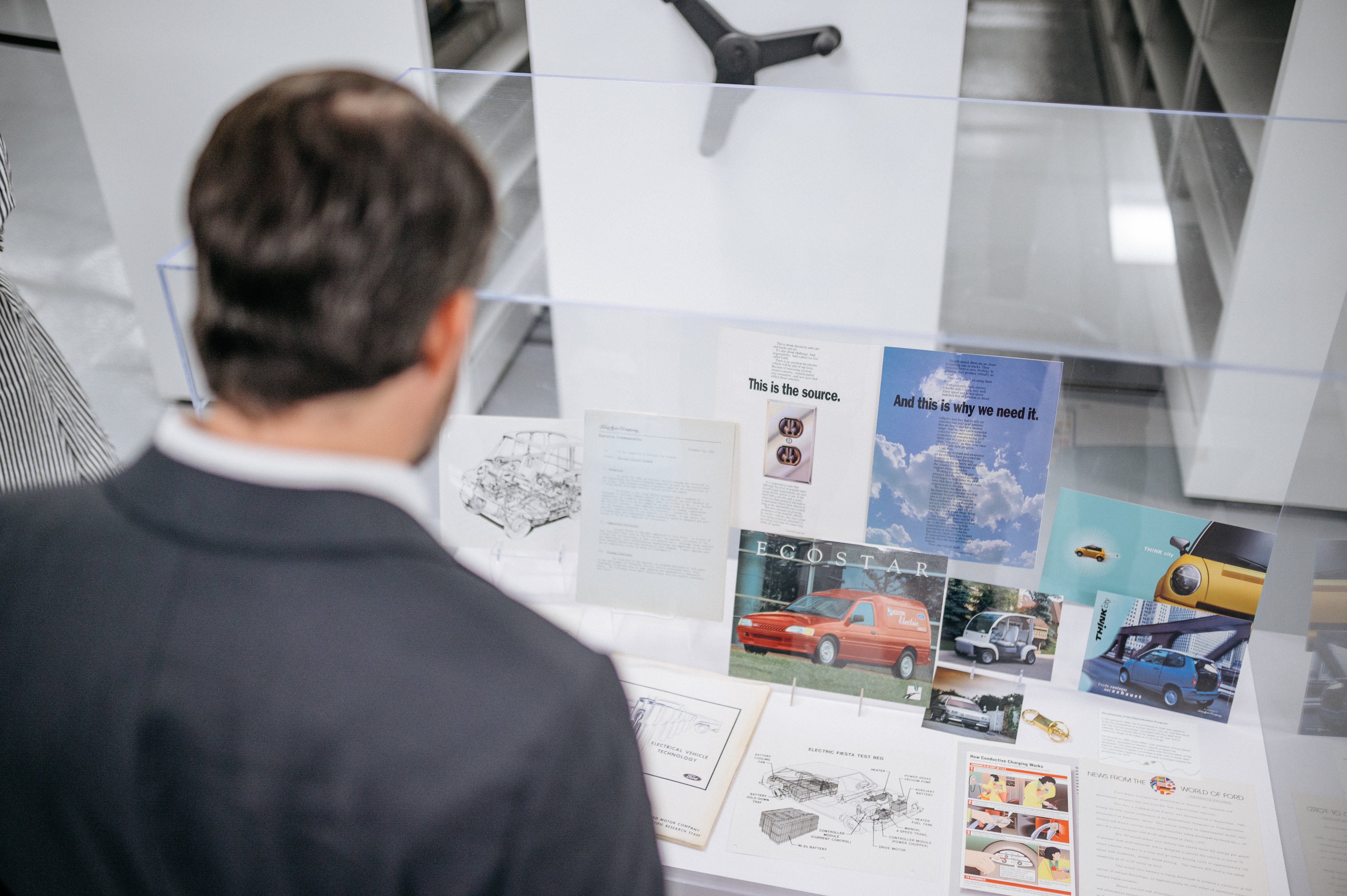
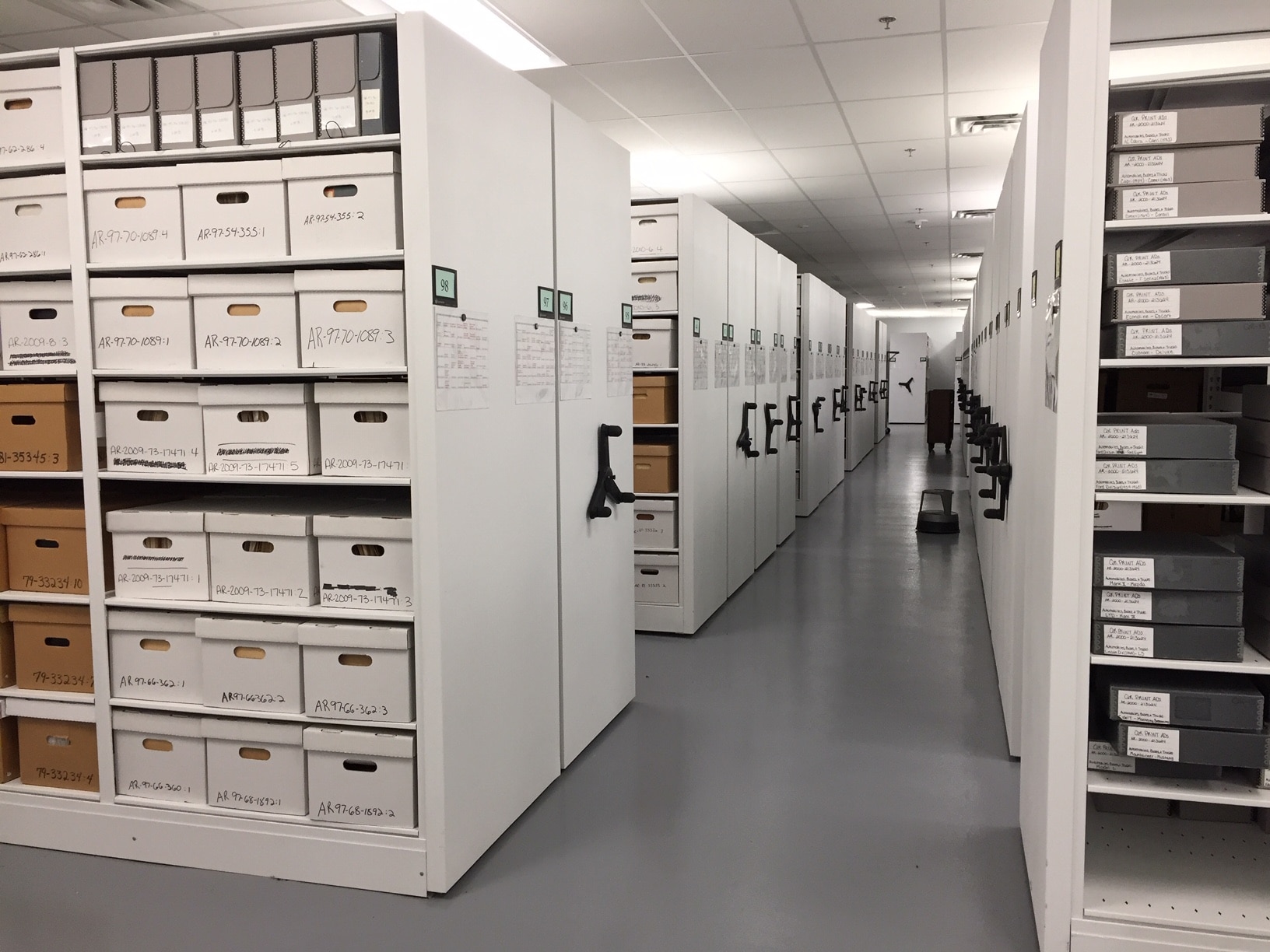
In 2015, the Archives team returned to its original corporate home, the Ford Engineering Laboratory, and moved into its first purpose-built space. The state-of-the-art current home of the Archives includes a flexible event/exhibit space; a research library; and a 20,000-square-foot, climate-controlled storage facility, with three walk-in coolers for film collections. Three years later, our current heritage brand manager, Ted Ryan, was hired, and the Archives program was once again reinvigorated.
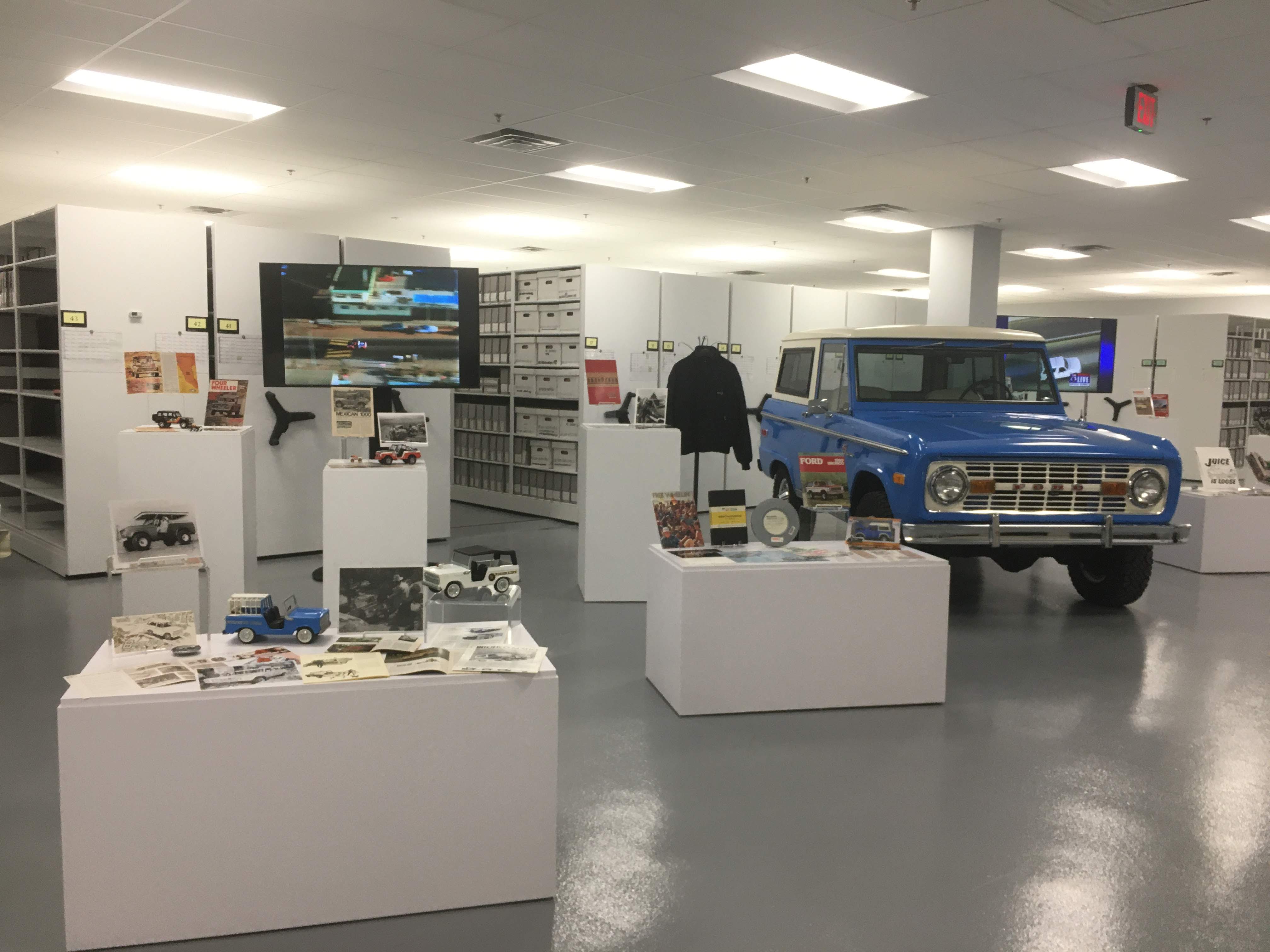
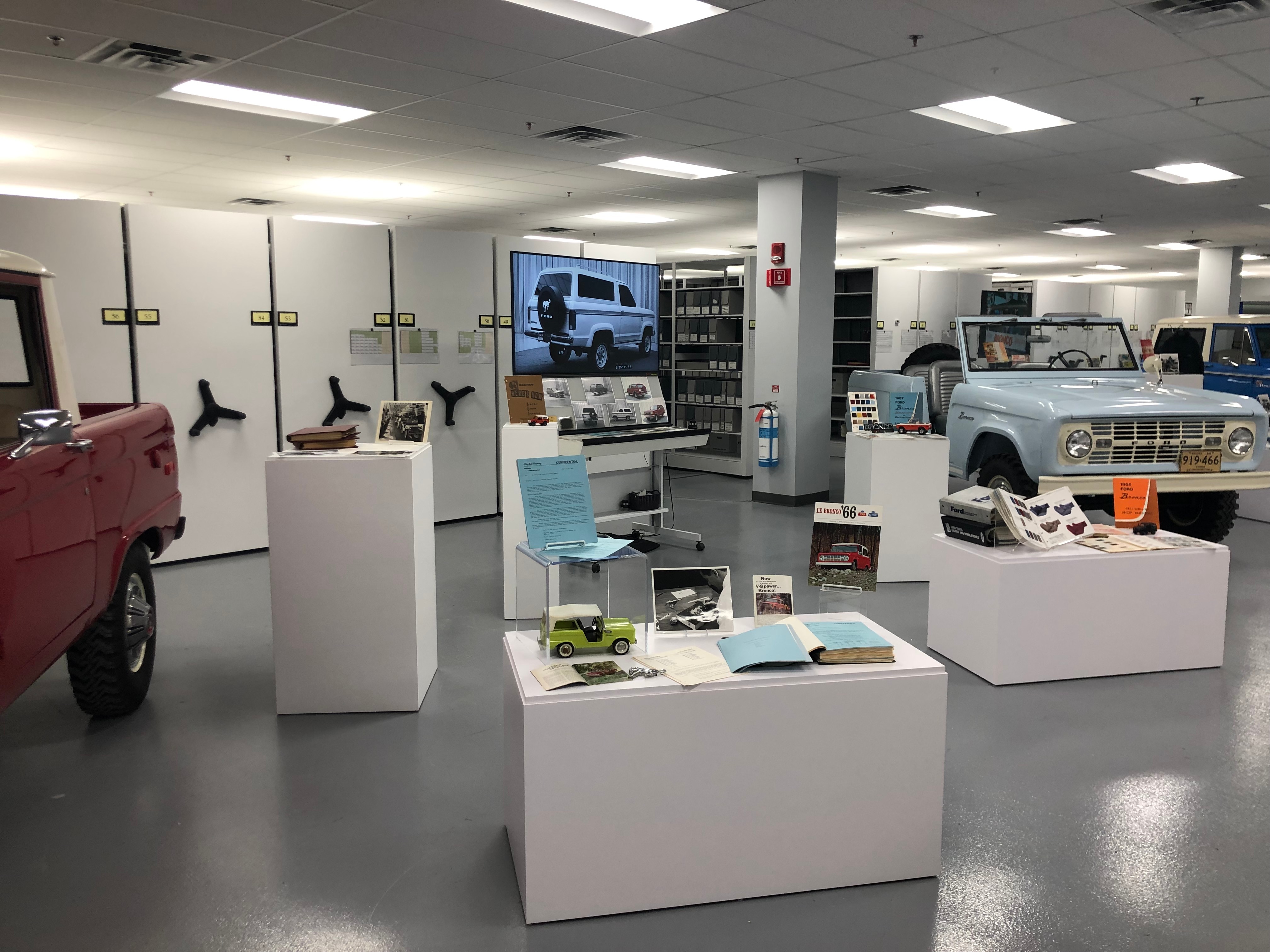
The Archives team launched the Ford Heritage Vault website in 2022, which has grown to over 20,000 assets available by download for free personal use to Ford enthusiasts around the world. More recently, our history roared to life when the Archives team partnered with Ford Racing, Design, OGC, and others to launch the Ford Heritage Fleet — a global collection of nearly 500 vehicles, offering outreach and educational opportunities to both employees and enthusiasts.
Join our celebration, visit the Ford Heritage Vault online, and explore the archives yourself.
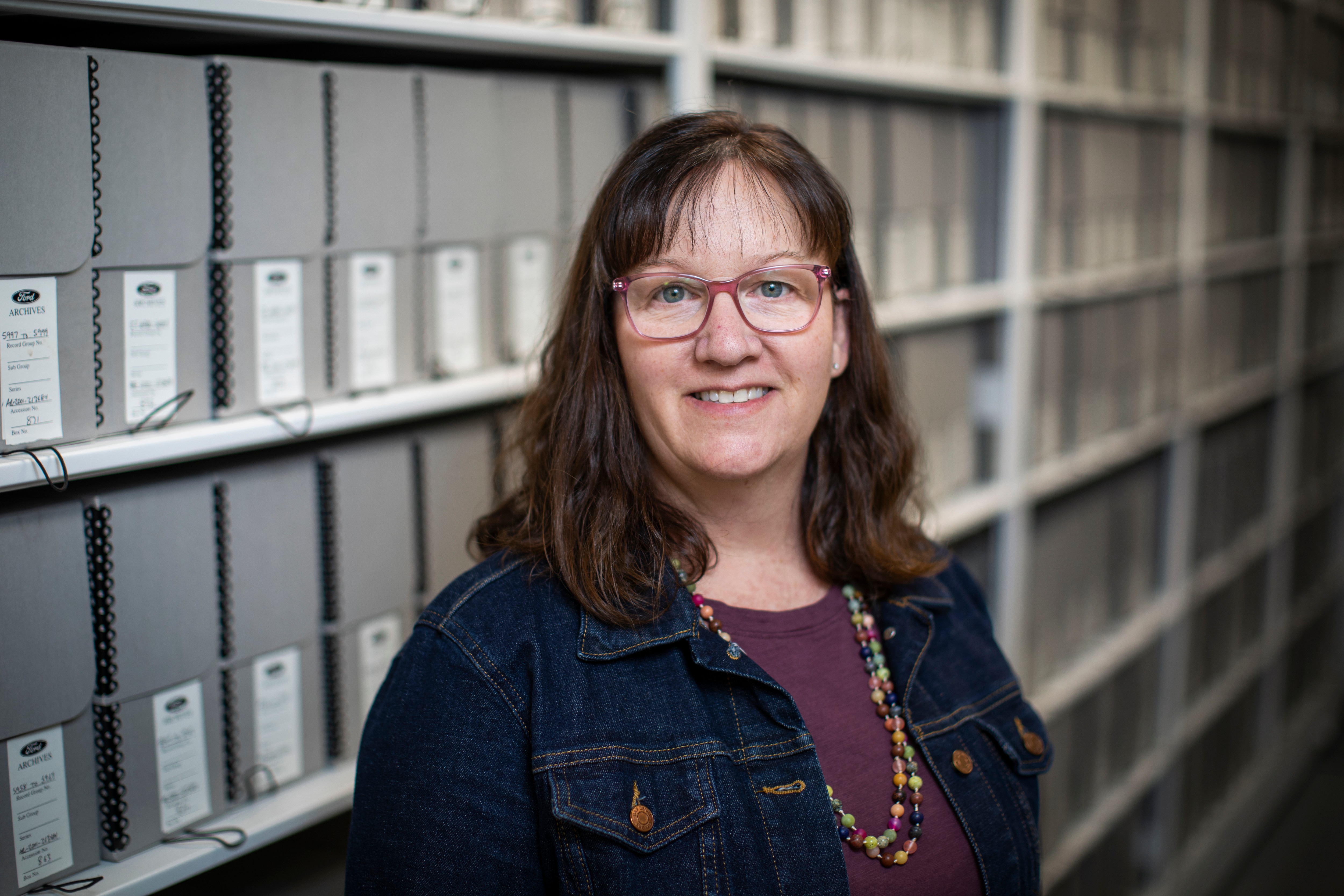
Leslie Armbruster is an Archives manager at Ford.