Ford has produced more than 5,000 large aluminum unicastings at Shelbyville Technical Center as it refines the manufacturing process for the Fathom midsize electric truck.
The castings support process testing and prototype assembly at Louisville Assembly Plant ahead of the affordable truck’s 2027 launch.
Fathom will feature a pair of large unicastings, structures that reduce mass and improve overall energy efficiency. This radical parts simplification reduces 146 structural parts to just two.
The unicastings have enabled an innovative new way of assembling vehicles on Ford's new Universal Production System by splitting a traditional assembly line into three main branches. This allows vehicle sections to be built in parallel simultaneously before they’re then assembled into a vehicle.
The team is obsessively reducing cycle time of the unicastings for efficiency. Each unicasting goes through rigorous quality checks before leaving for Louisville Assembly Plant as it moves towards the launch next year. Ford’s unicastings have been specifically engineered for modular repairability.
Check out this video and the carousel below for more details.
The Making of Giant Unicastings
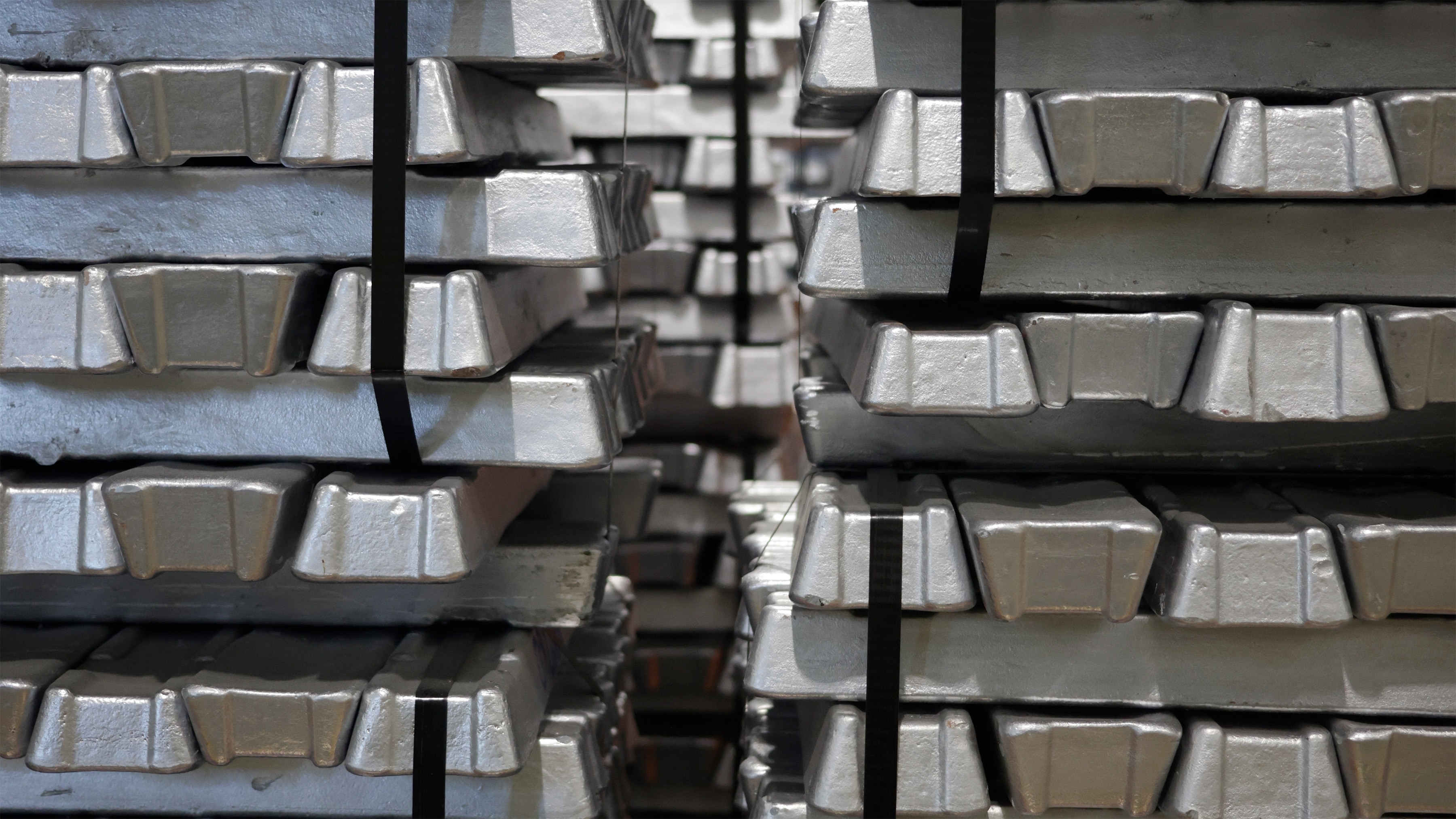
The process starts with aluminum ingots.
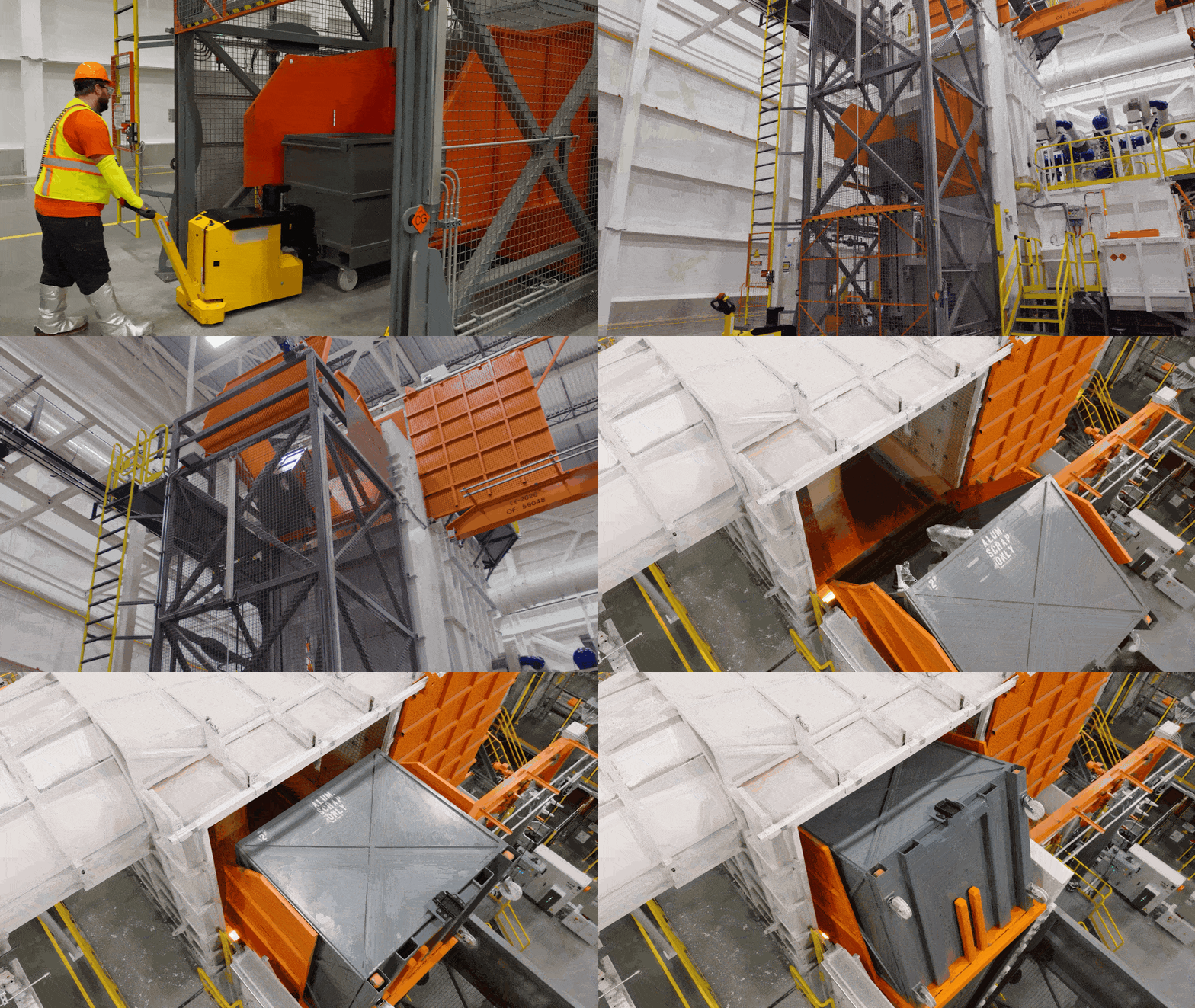
An elevator feeds the ingots into a furnace, where they melt at about 1,300 degrees Fahrenheit, or 700 degrees Celsius.
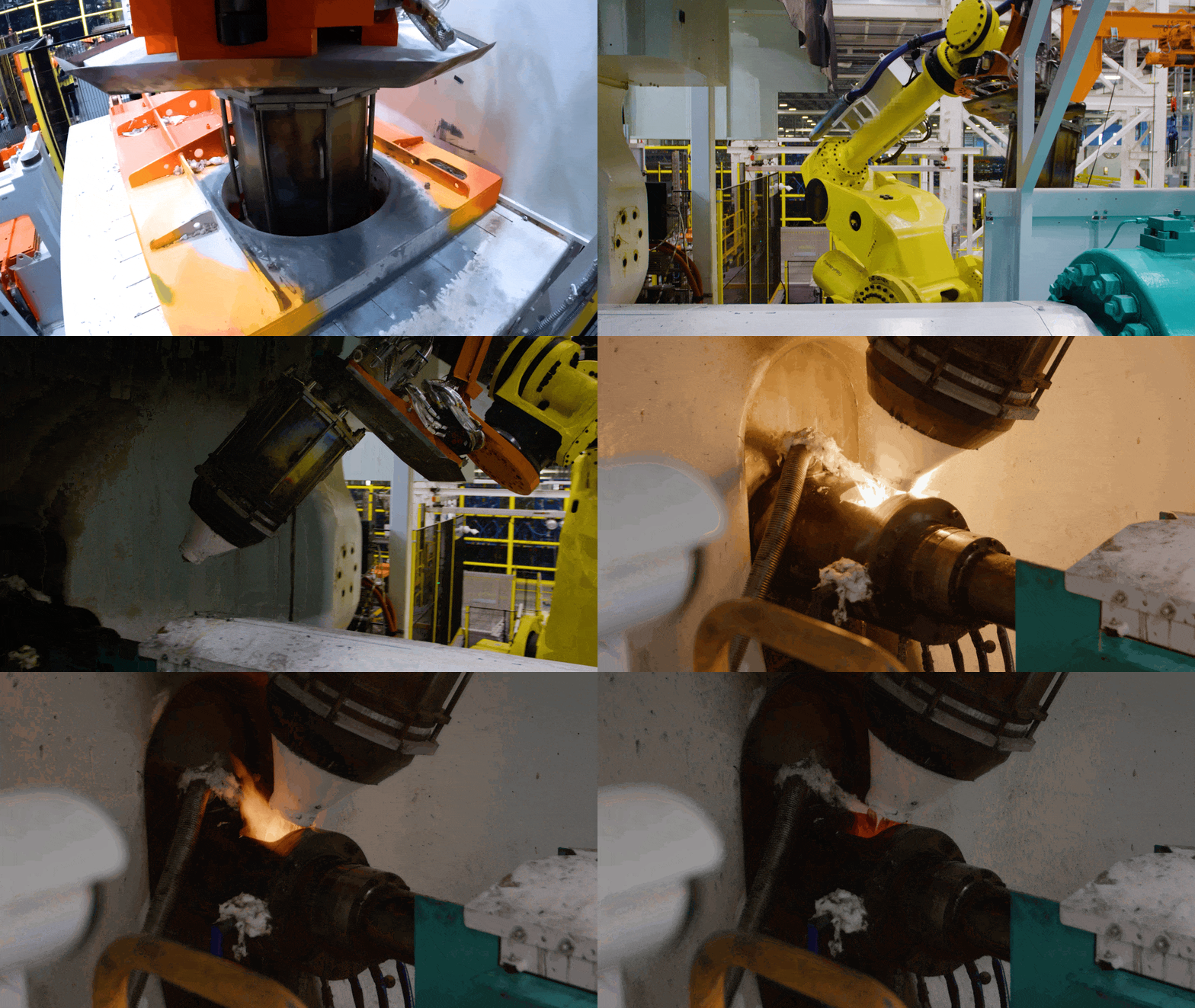
Molten aluminum moves to a holding furnace, then into the casting machine, which injects it into a mold for the front or rear structure.
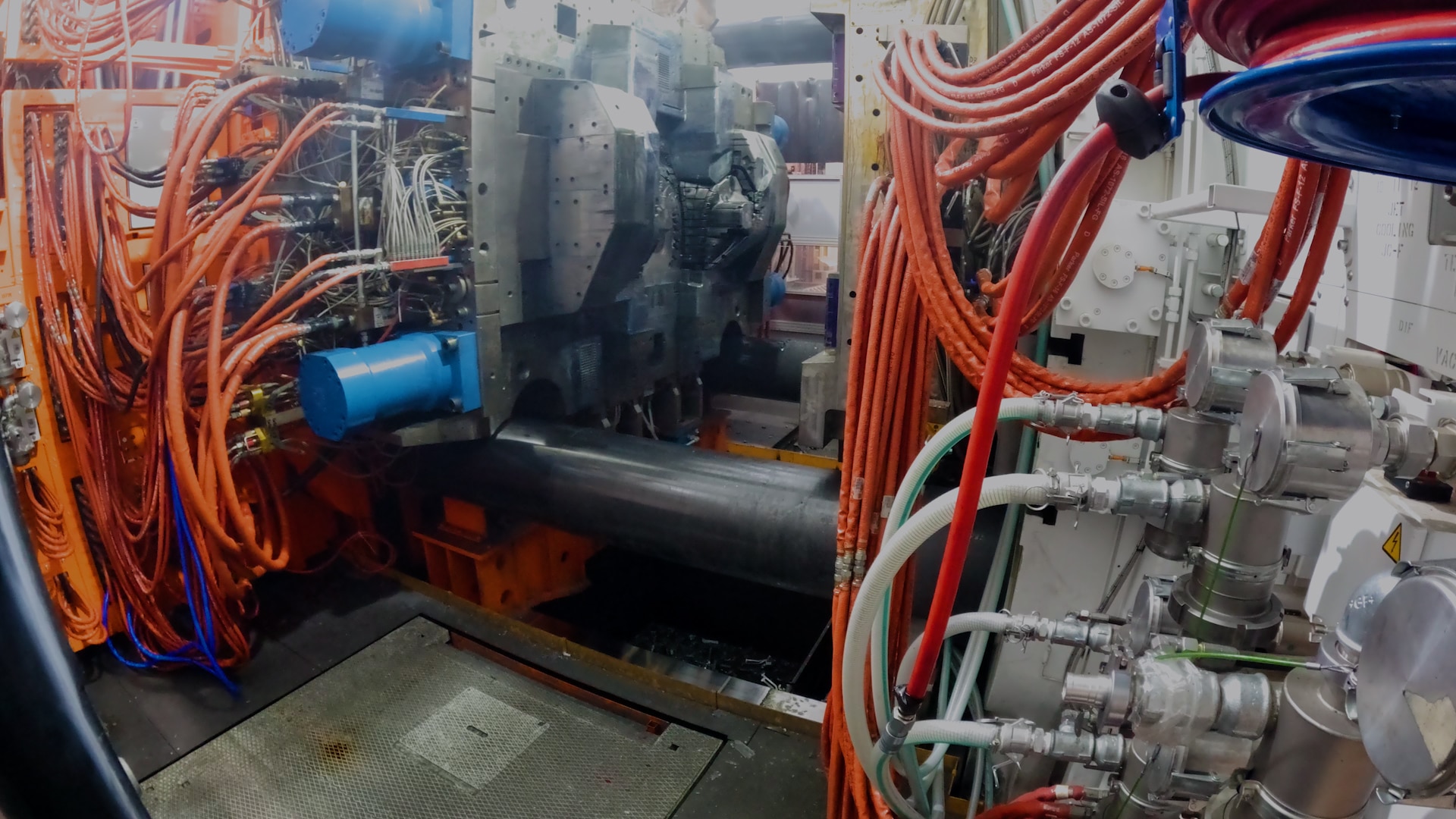
The mold has two halves: a fixed cover side and a movable ejector side that opens to release the casting.
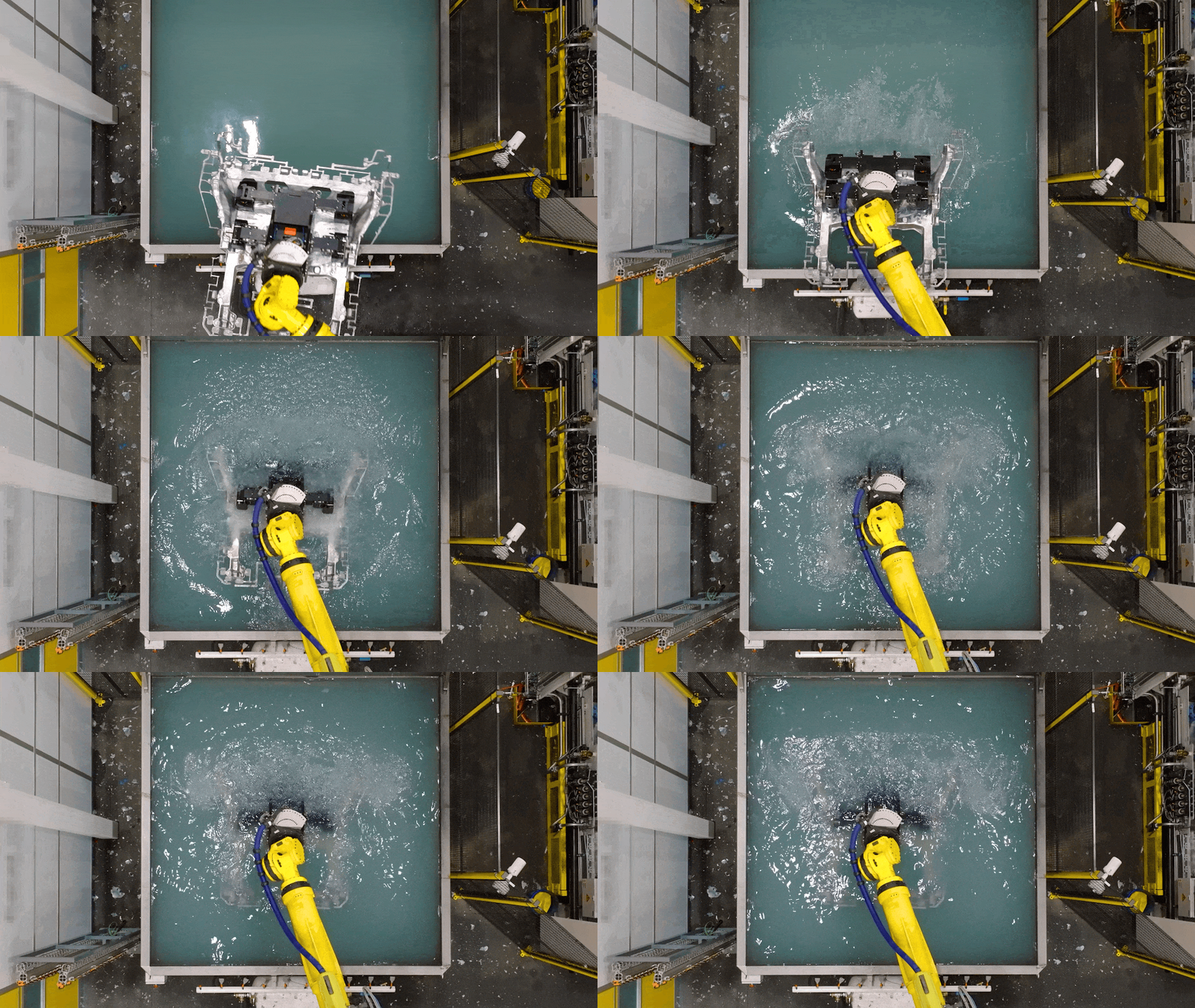
A robot removes the casting and transfers it to a quench tank to cool.
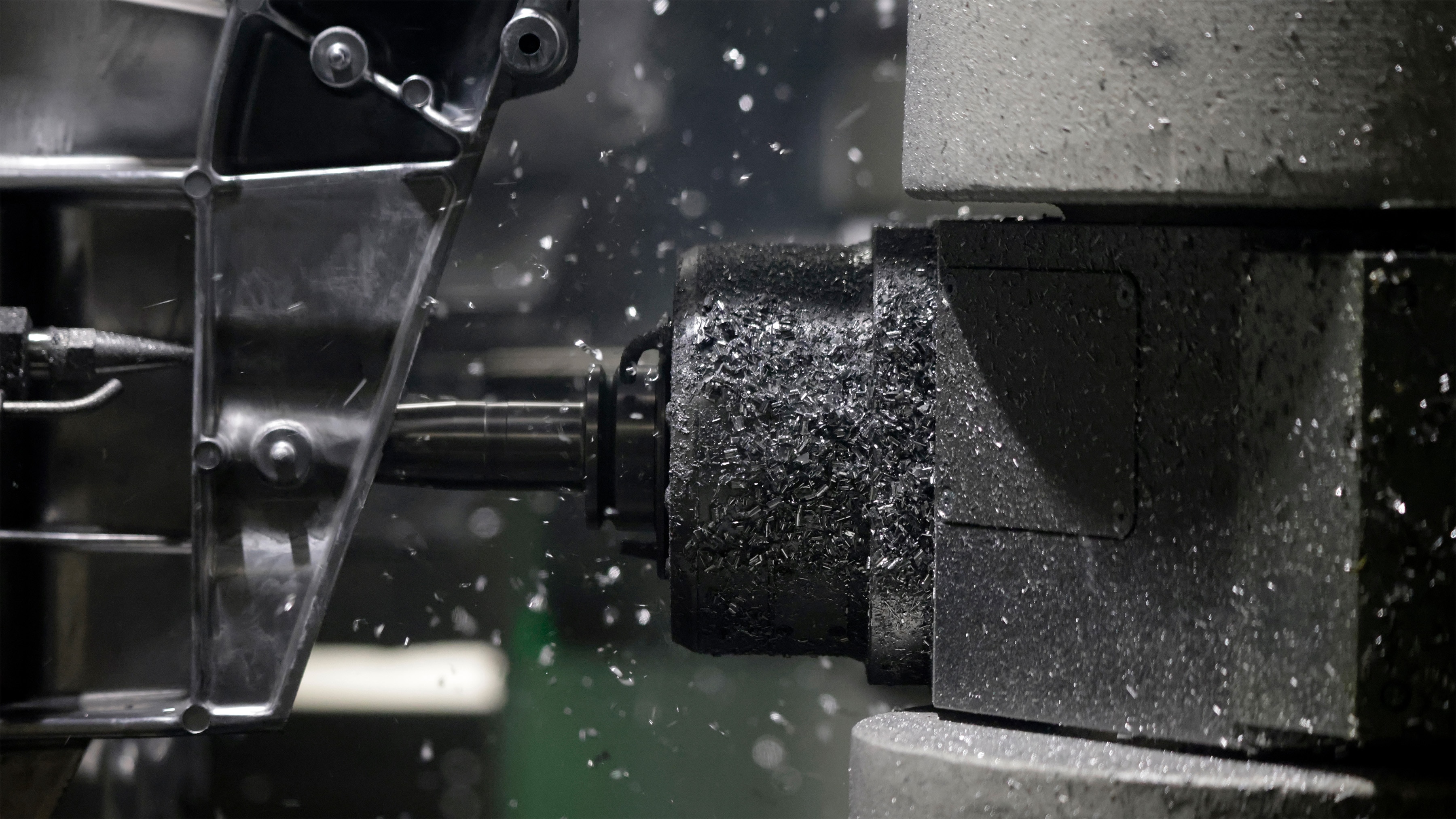
Excess material is trimmed from the casting.
The part then moves into a fixture which is used for visual inspection, where an operator inspects it for quality.
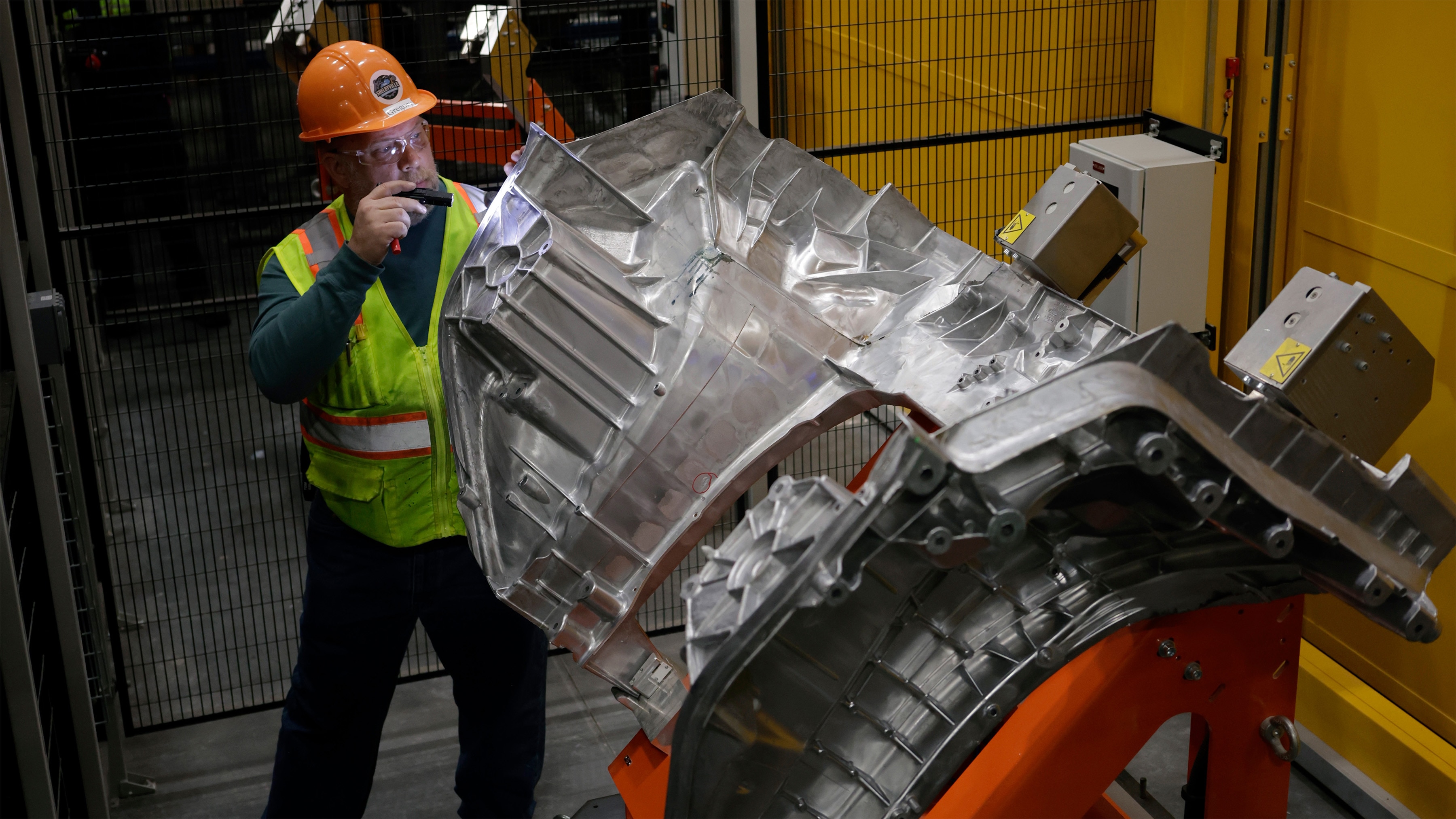
After the DCM, parts from each batch go through different stages of machining, and then a series of additional quality checks.
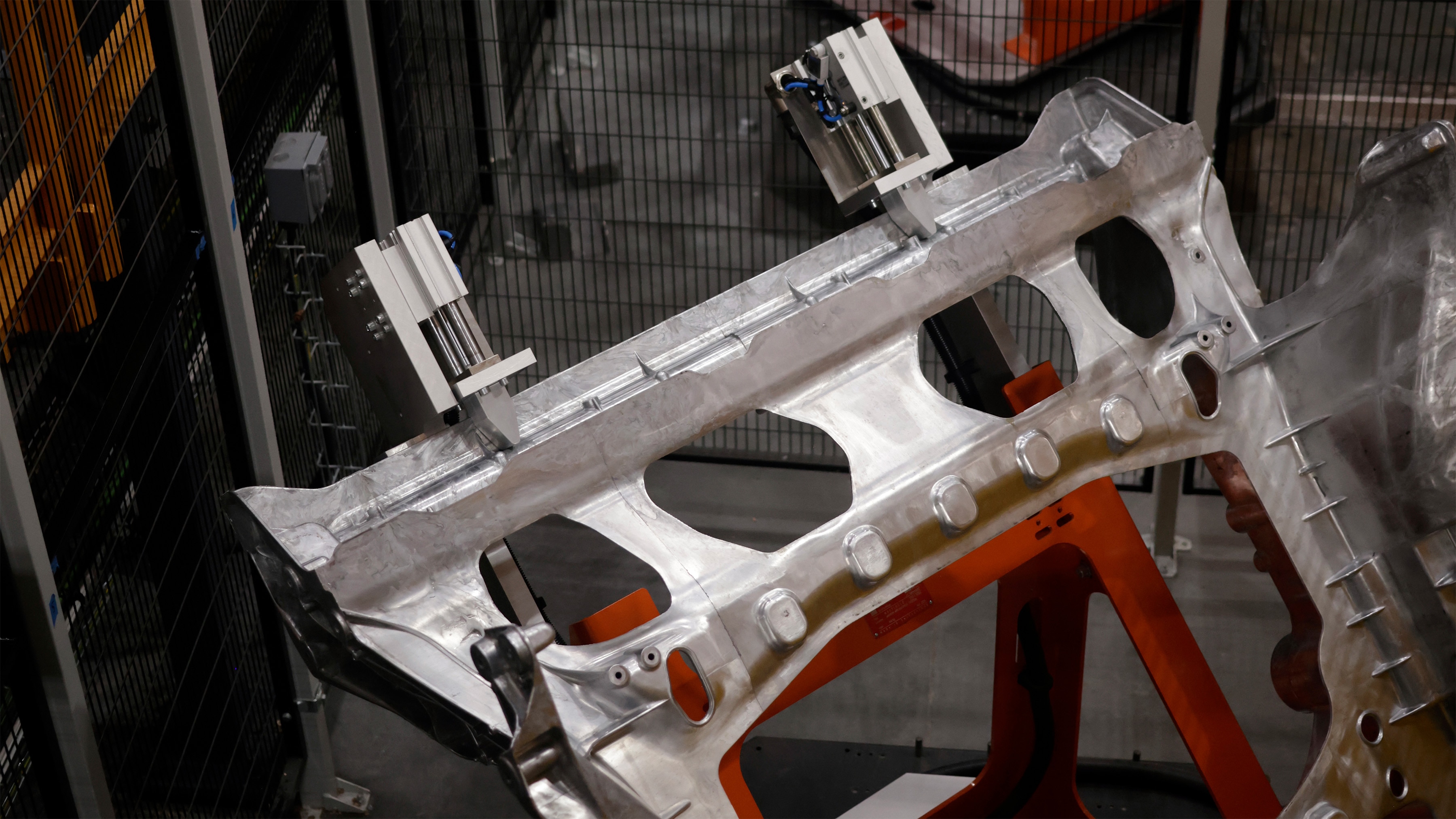
In a climate-controlled room, a coordinate measuring machine checks dimensions, hole locations and alignment.
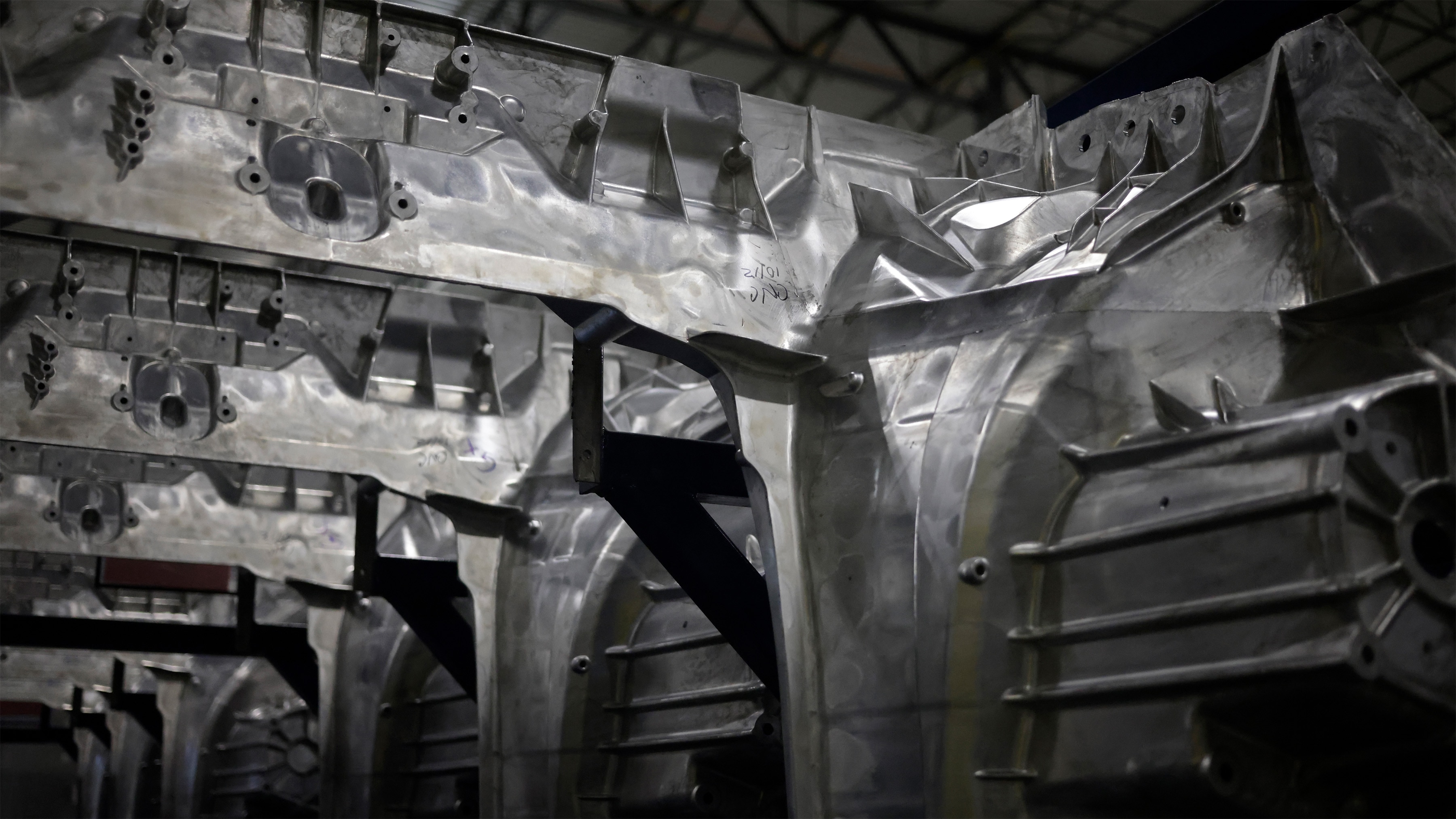
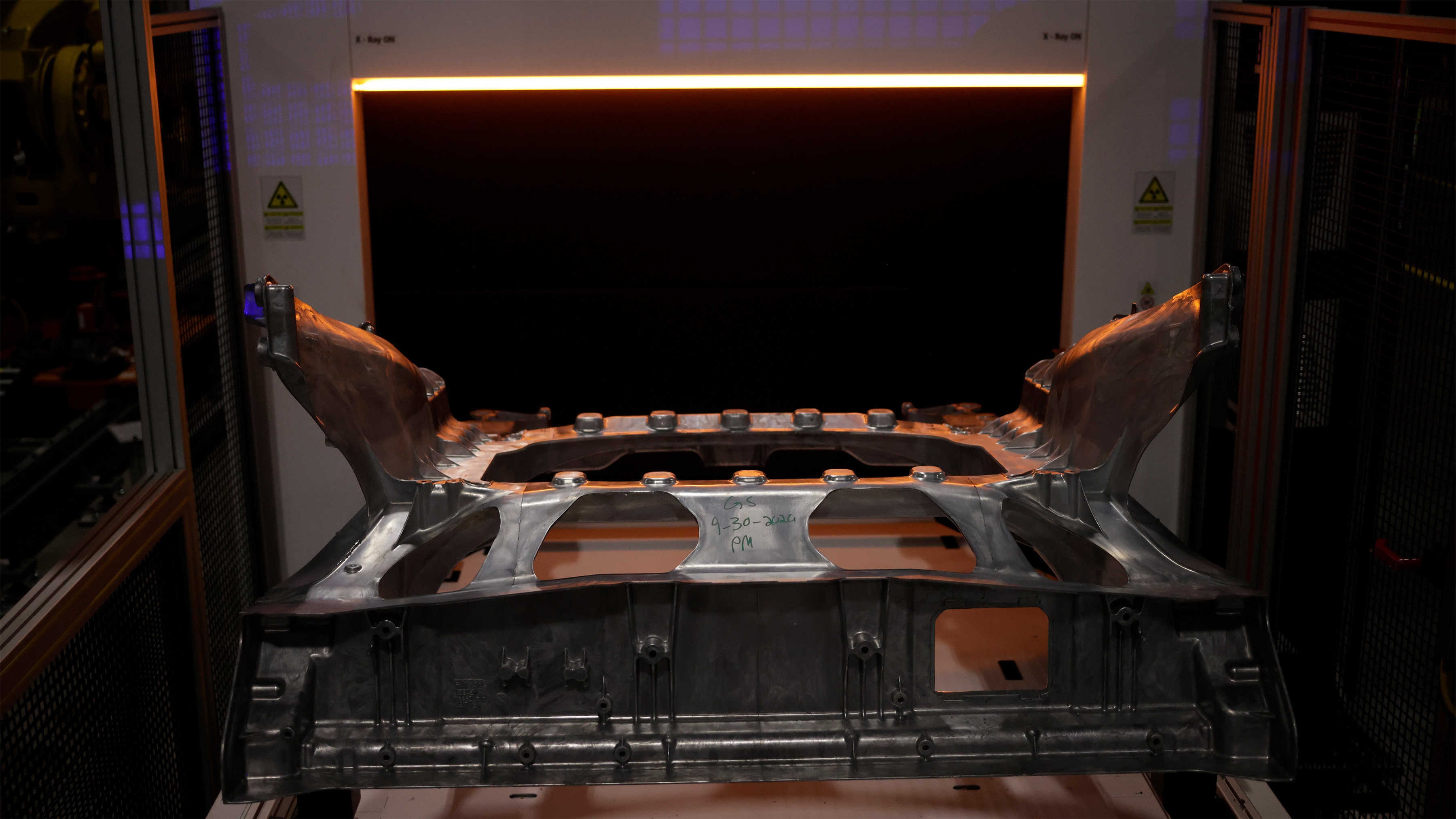
An industrial X-ray system checks inside the casting for defects such as pores and voids.
Optical scanner maps the casting’s surface to check its dimensions.
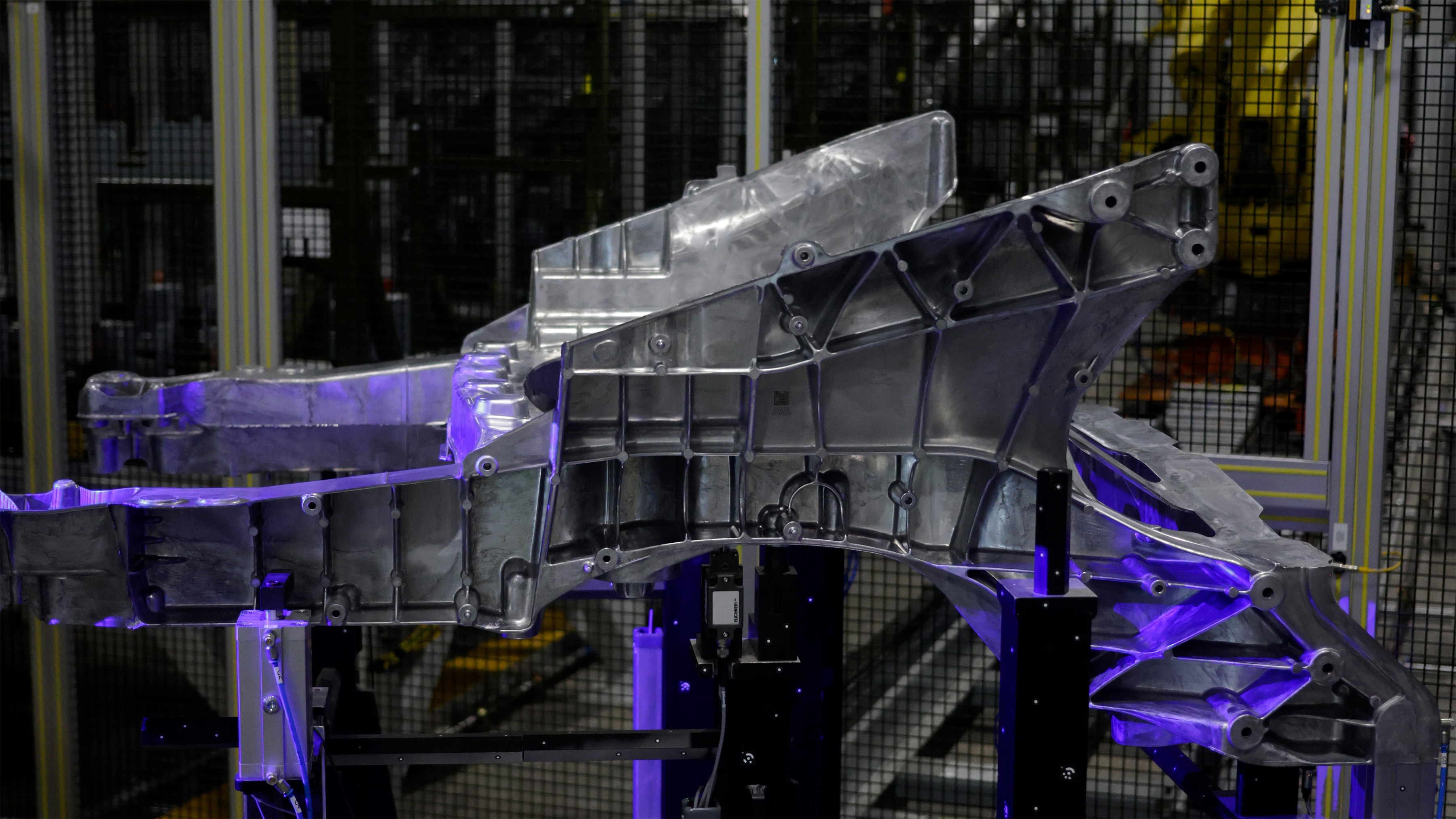
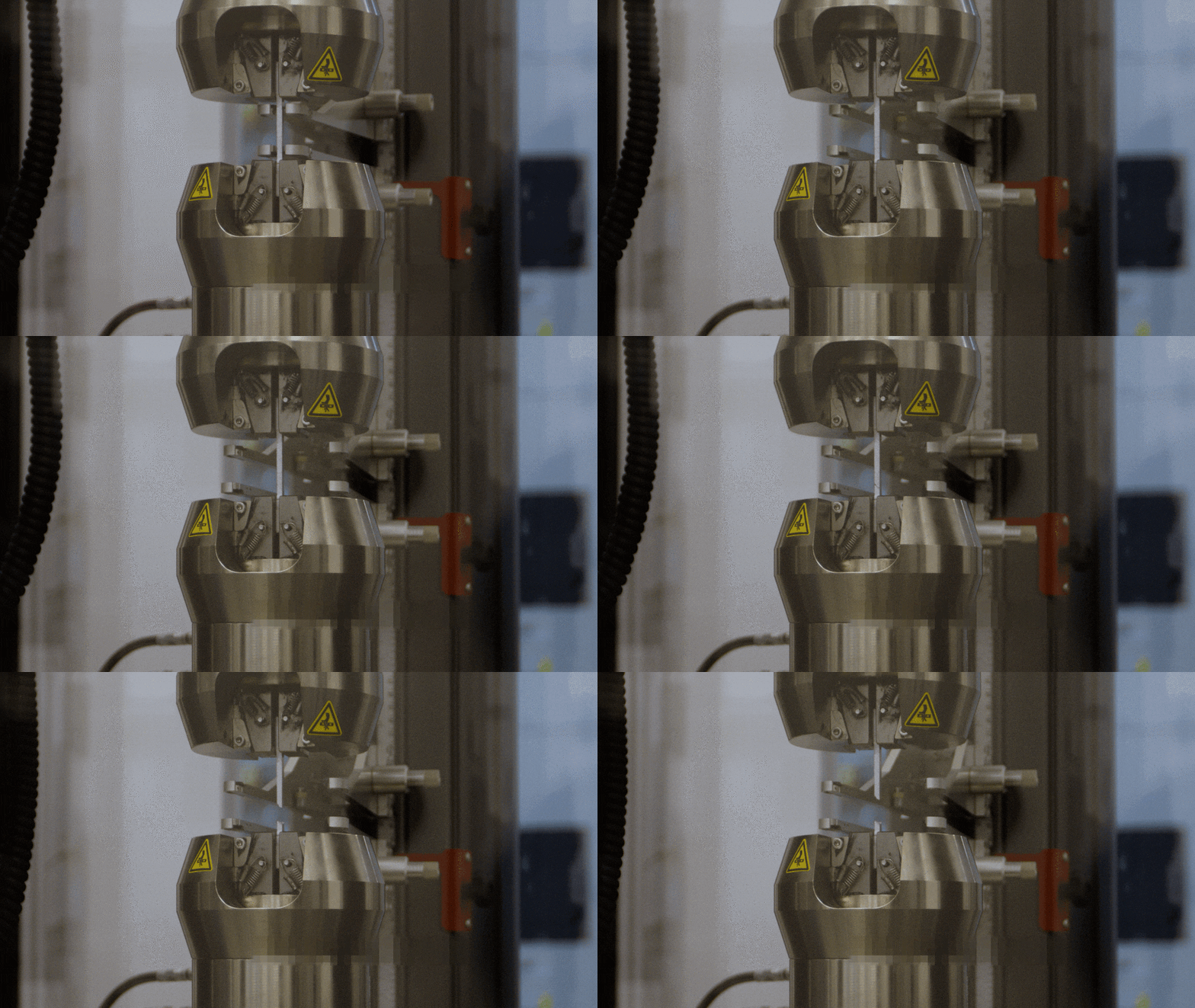
In the materials lab, samples undergo tensile testing to measure strength. Separate tests check the alloy’s chemical composition.
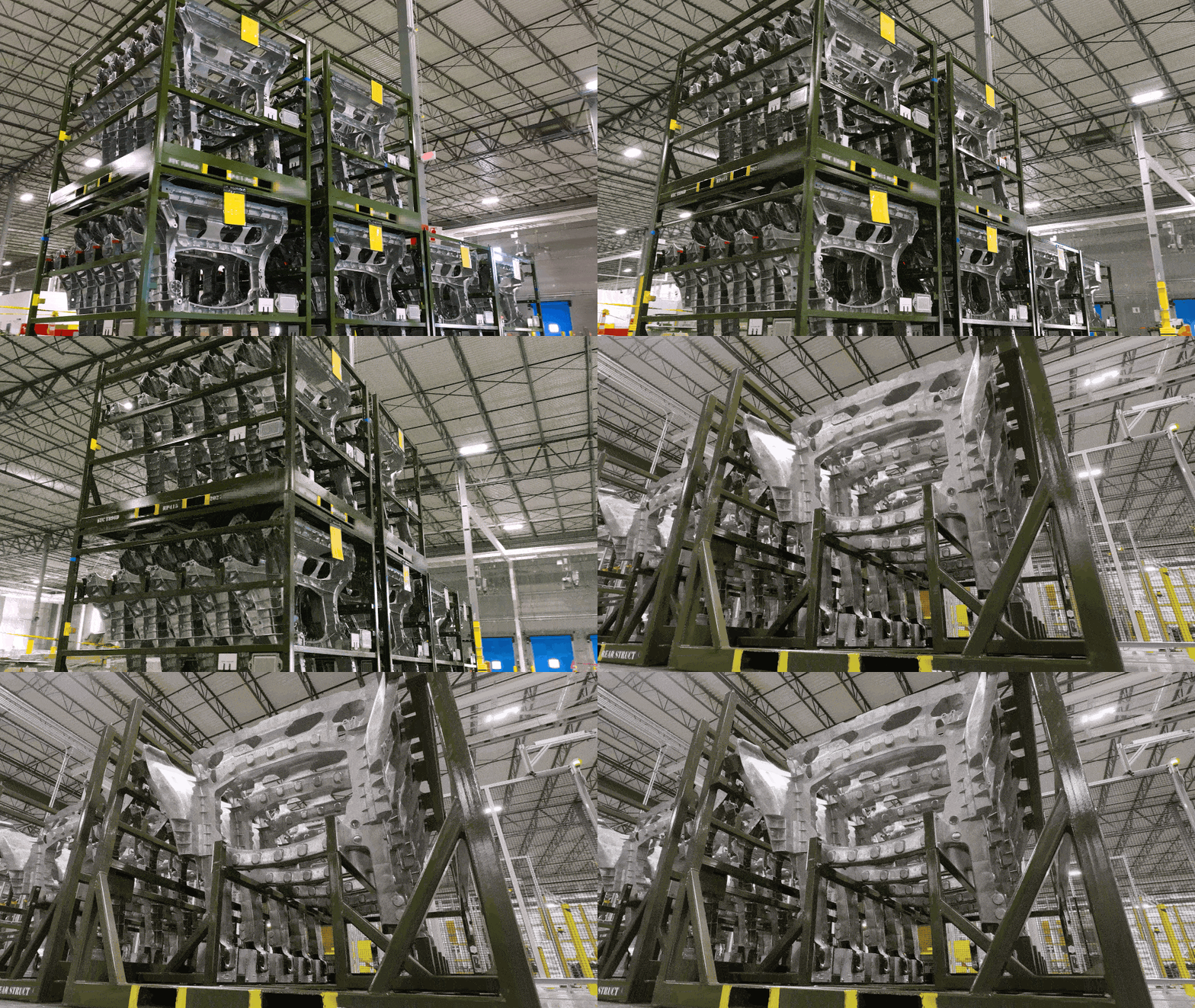
Production batches remain on hold until required inspections and tests are complete and the castings are approved for shipment to Louisville.
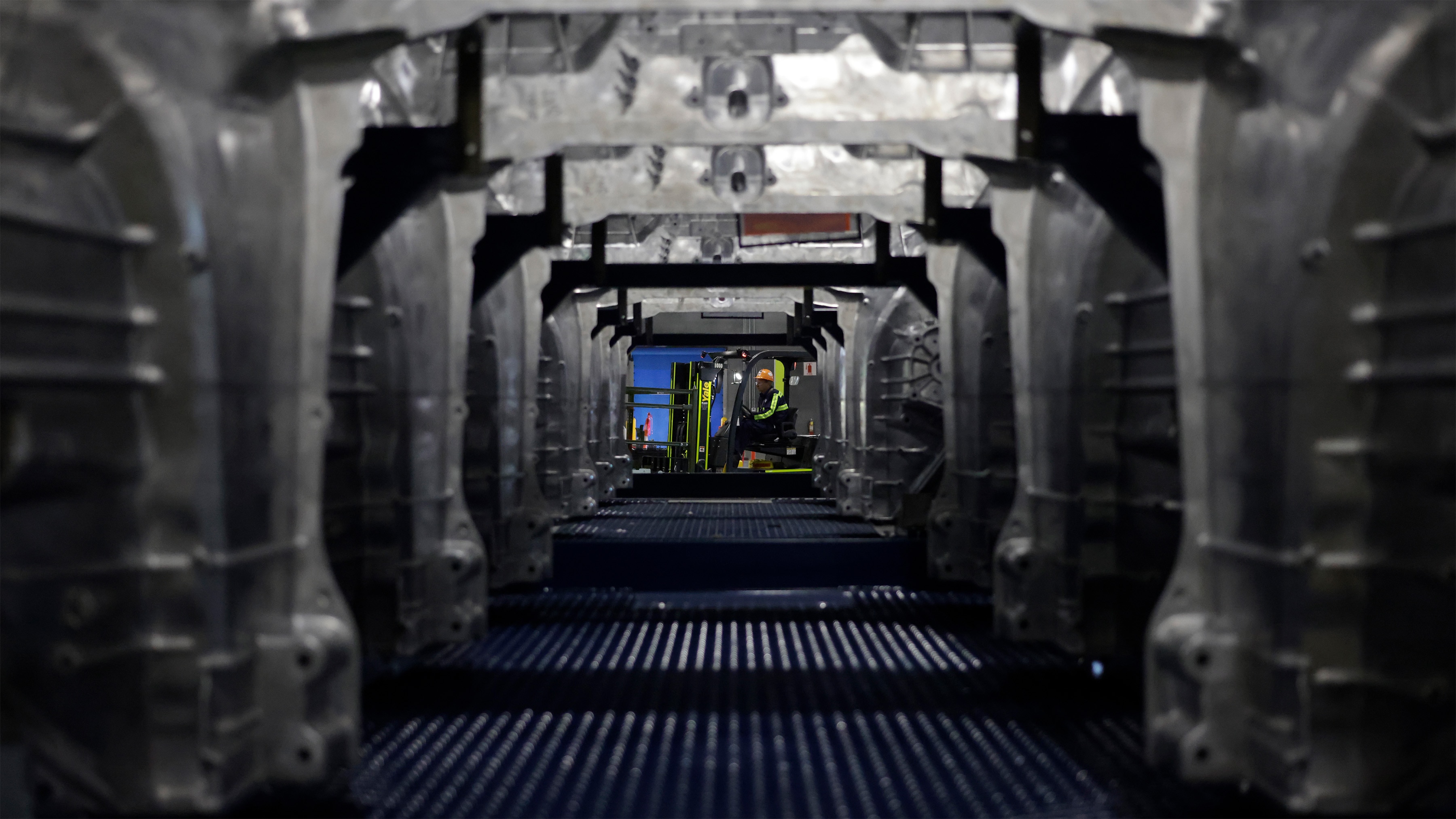
To date, over 5,000 giant unicastings have been cast at Shelbyville Technical Center, and are being used in the Louisville Assembly Plant to assemble Ford Fathom prototypes.
Vladimir Bogachuk is chief engineer for advanced vehicle structure architecture, safety, durability and NVH at Ford Motor Company.