In 1922, Henry Ford envisioned a motor car for the great multitude, one "so low in price that no man making a good salary will be unable to own one." The idea that great technology should not be reserved for the few who can afford it is still the whole point of Ford's Research & Advanced Engineering, or R&A, team, 75 years later.
But long before any of this was formalized, Ford's curiosity was his compass.
- Decades before Ford opened a single lab, engineers had found a stronger, lighter metal for the Model T in vanadium steel. It was so advanced that producing it required outside metallurgists.
- In 1924, Ford opened a chemical plant in Kingsford, Michigan, powered by his own hydroelectric plant and fed by scrap from his own sawmill. A self-contained ecosystem that turned leftover wood scraps into charcoal and eventually became Kingsford Charcoal, still on shelves today.
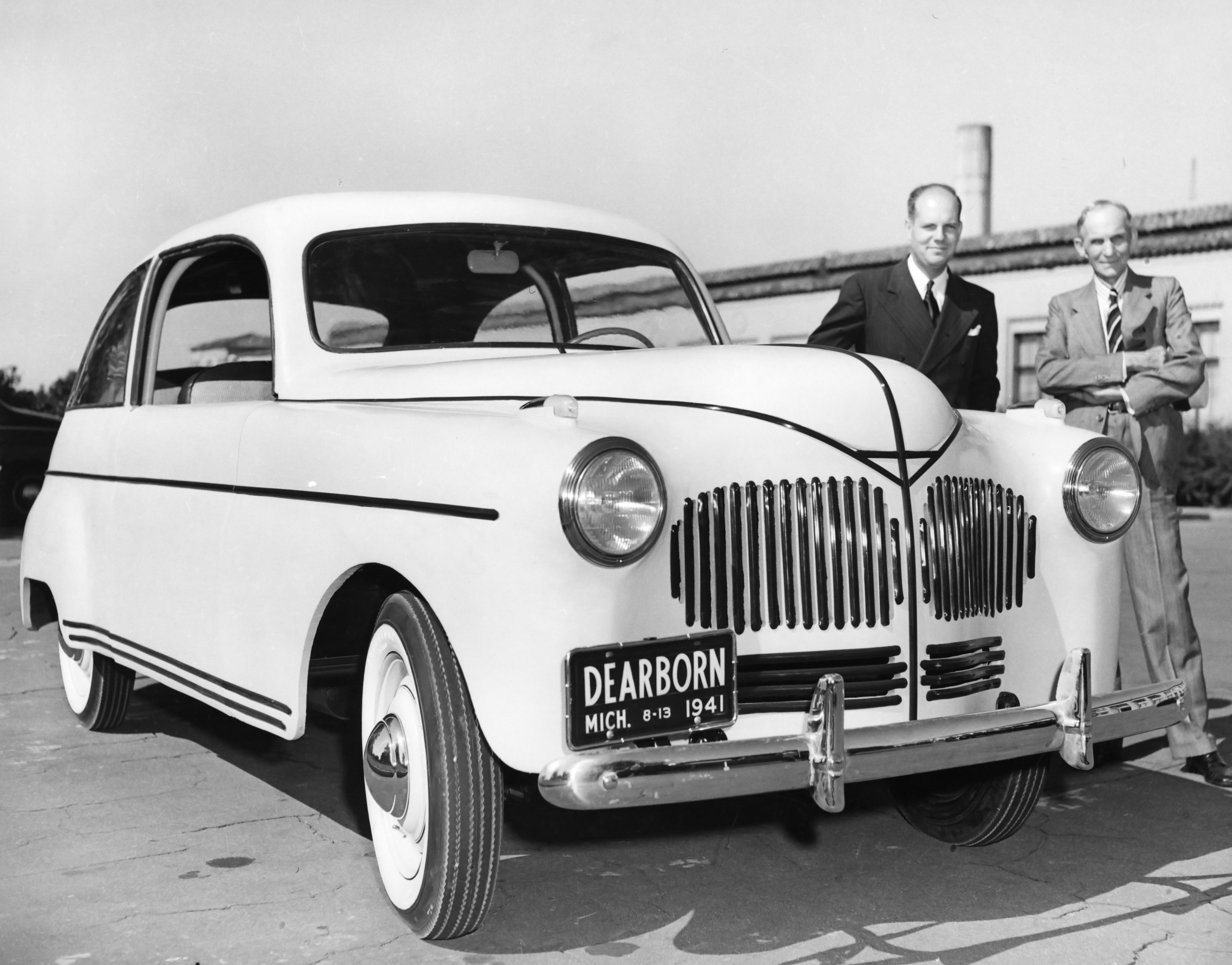
- In the 1930s, his soybean experiments grew into a full processing plant at the River Rouge manufacturing plant, turning soy oil and fiber into car enamel paint, switches, buttons, and trim parts.
None of this happened in a formal lab. It happened because Ford's founder never stopped asking what else a material, or a car, could be. That restlessness is exactly why Ford opened its Scientific Research Laboratory in 1951, the organization that became today's R&A.
Different Minds, Same Problem
Inside R&A, chemists sit next to physicists, software engineers, mechanical engineers, and even artists, all pointed at the same problem. That collision of different ways of thinking is where a lot of Ford's best ideas come from.
Soy foam is proof that a good idea can survive a bad first try. Decades after Ford's own soybean experiments, a supplier proposed replacing petroleum in seat foam with soy. The first test failed completely. Instead of walking away, the team kept refining it until it worked.

That soy-based foam debuted in the 2008 Mustang and is now used in nearly every North American-assembled Ford, cutting petroleum dependence without customers noticing any difference in comfort. That willingness to fail and keep going is baked into how R&A operates: Every canceled project still leaves behind a lesson, tool, or idea that seeds something else down the road.
A Remarkable String of Breakthroughs, Not All on the Same Road
Not every project reached a showroom, but that didn't make them dead ends. The Ford Levacar, a concept car hovercraft developed by Ford in the 1950s, never became a real car, but it captured the same restless spirit that has always defined R&A: What if a car didn't need wheels at all?

A decade later, that same appetite for reinventing how people move showed up again in the Automatically Controlled Transportation Research Vehicle, or ACT, a magnetic-levitation research vehicle that could top 300 mph on a test track. Ford physicist John R. Reitz saw it as the seed of "an advanced transportation system" for the future.
Years later, engineers took an even bigger swing, building a 1979 prototype entirely from graphite-composite instead of steel. In doing so, they chased light-weighting decades before it became an industry buzzword and long before that obsession resurfaced in a full-size pickup.
Other projects ended up somewhere no one expected. The SQUID, or Superconducting Quantum Interference Device, started as an ultra-sensitive magnetic-field detector for automotive research but proved far more valuable in medicine, eventually shaping biomedical imaging instead of anything with wheels.
Some innovations quietly became the backbone of every car on the road. The honeycomb catalytic converter, developed by Ford in 1975, became the foundation for the three-way catalytic converter still used today. That same decade, Ford's EEC-I, its first digital engine control computer, gave Lincoln its first digital engine computer, the ancestor of the onboard computers found in nearly every car today.
Ford's electric vehicle curiosity stretches back further than most people realize, from Henry Ford's own experiments with Edison storage batteries in the Model T era to Ford Britain's Comuta city car in the 1960s.
That lineage continued with the ETX-1, built with GE and the U.S. Department of Energy, years before EVs were mainstream. That same curiosity is alive today in the Universal Electric Vehicle platform and new manufacturing system, which Ford CEO Jim Farley has called the biggest change in how the company designs and builds vehicles since the Model T.


From the Lab to Your Driveway
The lightweight F-150 is one of R&A's proudest achievements, and proof that the graphite composite bet from 1979 wasn't as far-fetched as it seemed.
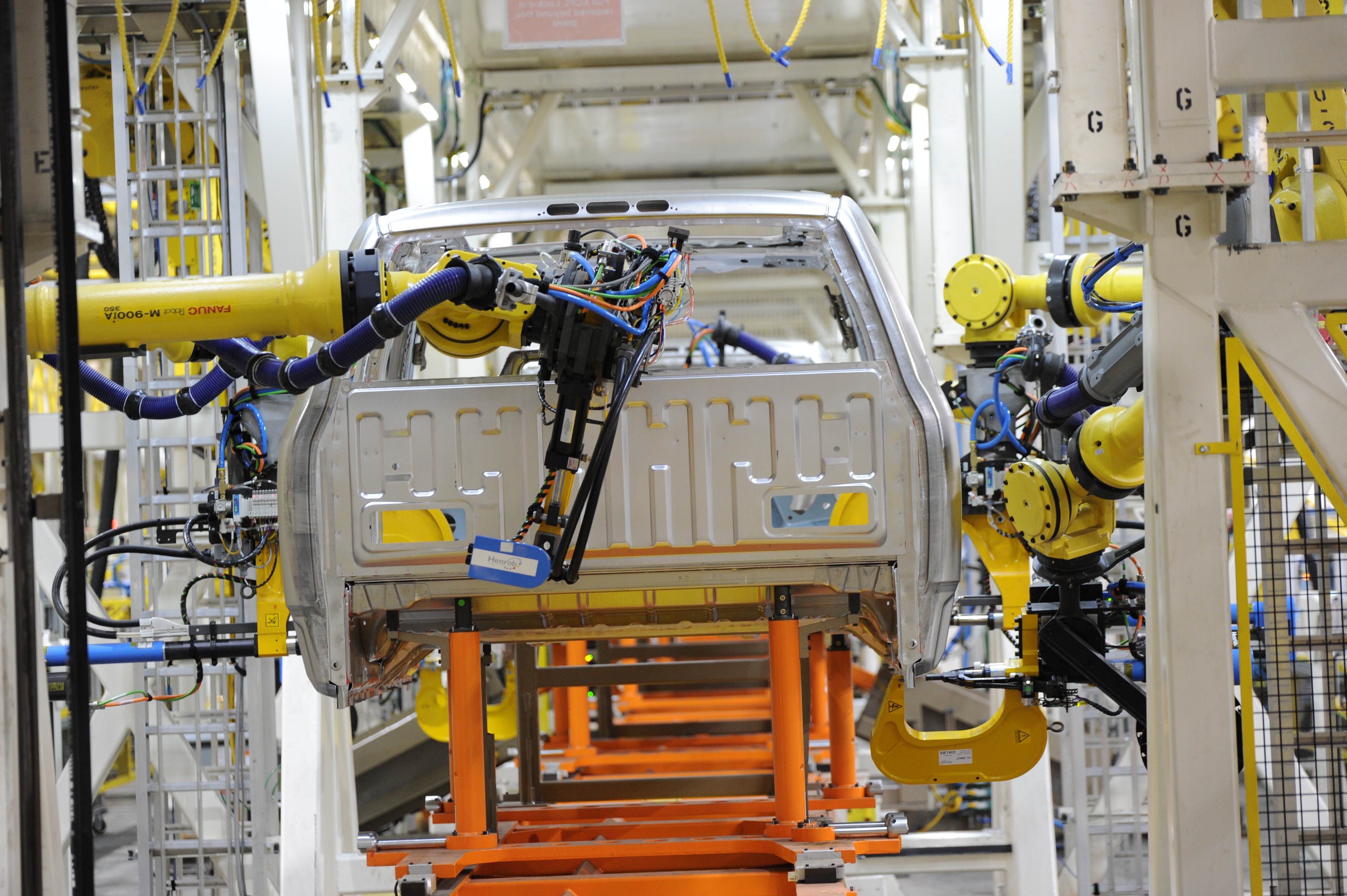
In 2010, the team faced an unprecedented challenge: proving a genuinely lightweight, full-size truck was possible. They bet on an all-aluminum body over a steel frame, and it worked: a truck up to 700 pounds lighter than its predecessor with a five-star crash safety rating, still in production and delivering results more than a decade later.
The team's newest bet on lightweighting is unicasting, developed for the Universal EV Platform and launching on the Ford Fathom: massive, single aluminum castings that replace hundreds of parts, cut two-thirds of the welds, and eliminate nearly half the fasteners of a traditional pickup body, simplifying assembly and reducing cost.
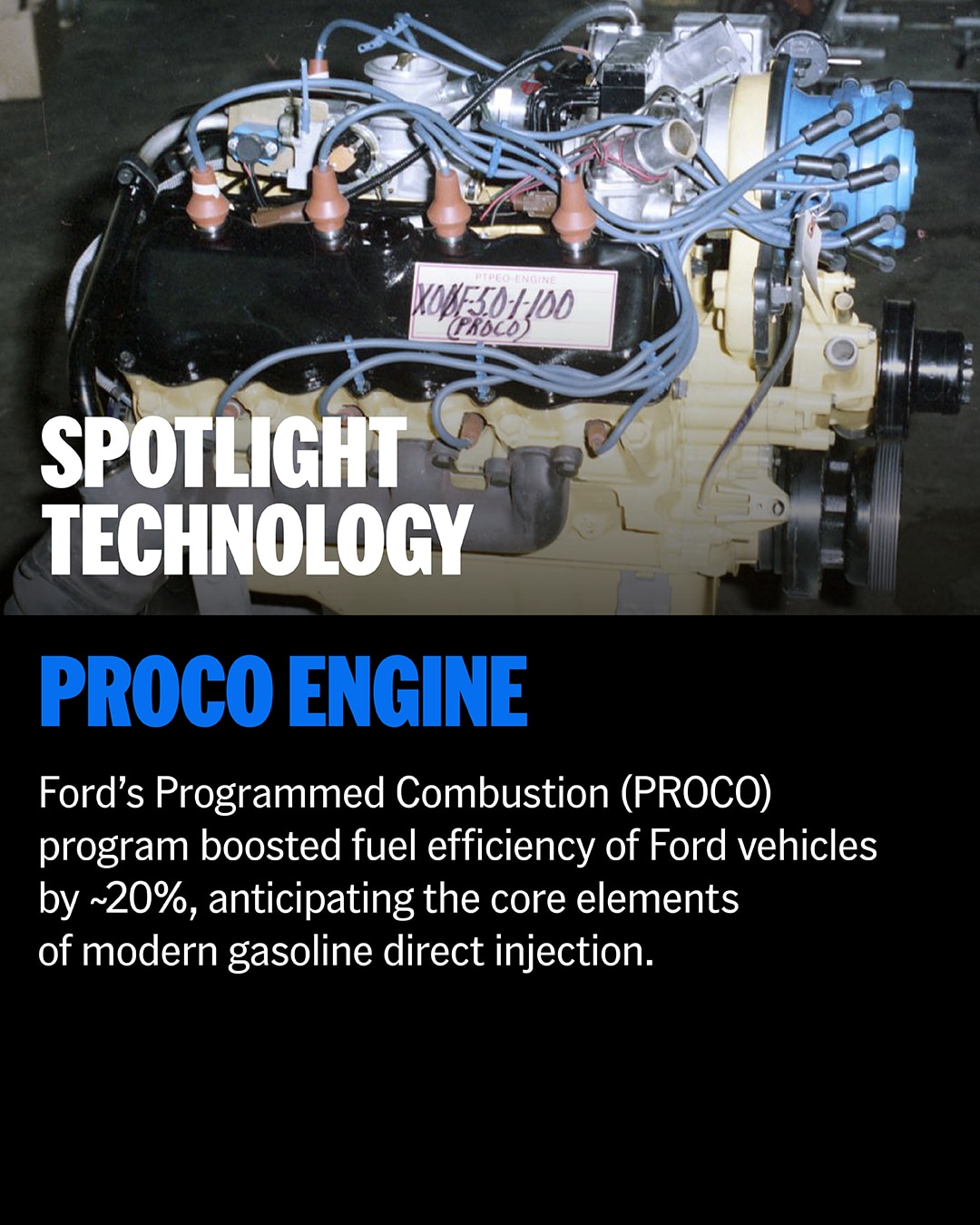
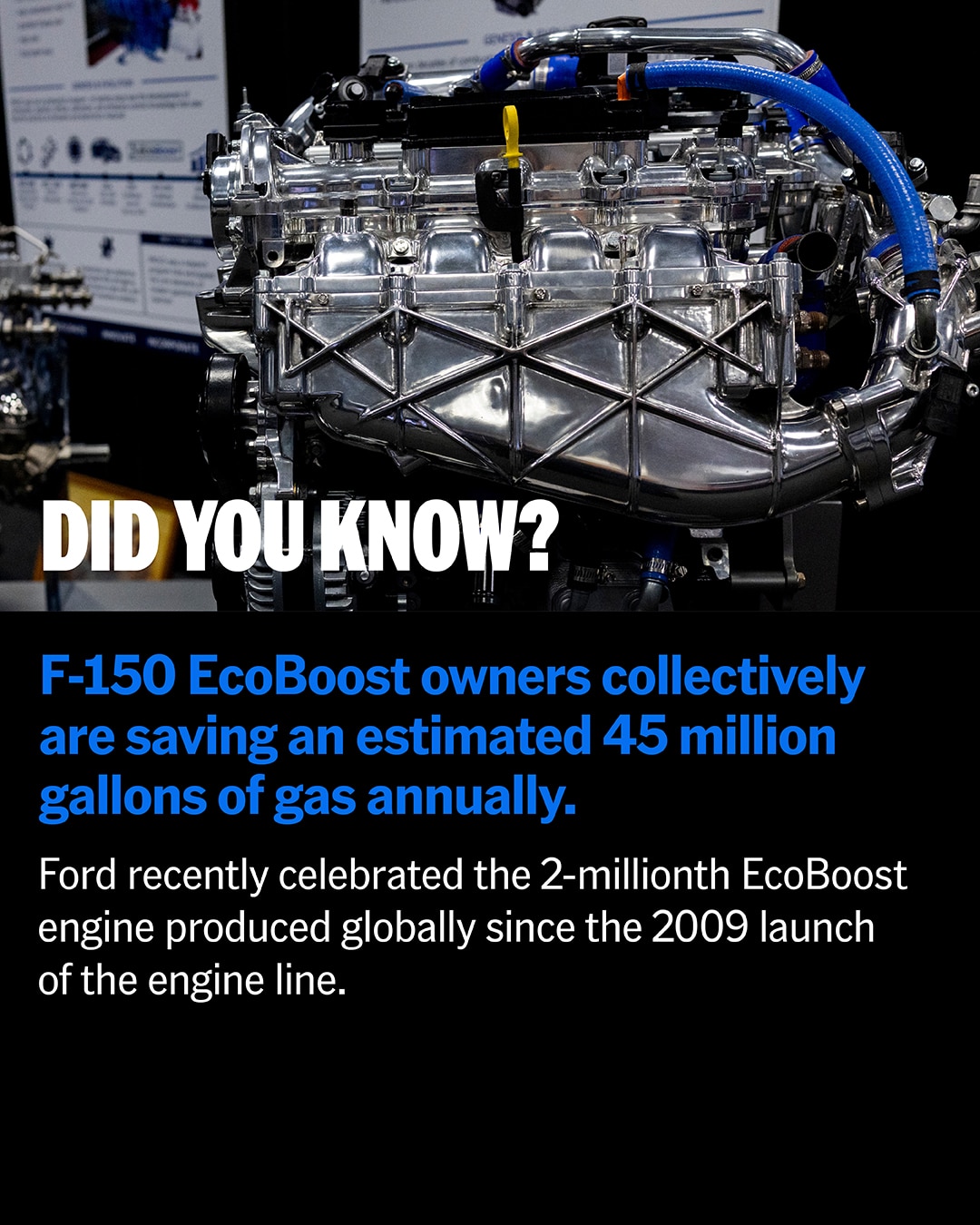
Other research quietly kept people safer in ways customers rarely think about. In 2011, Ford introduced rear inflatable seat belts, an industry first designed to reduce injury for children and older passengers. In 2010, EcoBoost engines entered full production, delivering V8-like power from smaller, more efficient engines. Today, EcoBoost is one of the most recognizable names in Ford's lineup.
Building the Future, and Celebrating the People Doing It
Every year, Ford hosts two signature events that celebrate this culture of innovation: the Tech Showcase, where teams show off ideas still taking shape, and the Henry Ford Technology Awards, one of Ford's most prestigious internal honors for work that's already made a real difference.
Bill Ford stopped by this year's Tech Showcase himself, offering a few inspiring words about where the company is headed next, with a nod to the very legacy that got it here. Much of what's next is already visible in software-defined vehicles, in-house AI capabilities, and zonal electrical architecture. Ford is building more of this technology itself to keep full control over the customer experience, bridging Detroit's industrial scale with real software agility that will keep it leading this industry into its next era.
But really, what's being celebrated is bigger than any single technology. It's 75 years of passion and energy from tens of thousands of people, past, present, and future.
Here's to 75 years of curiosity and to whatever gets invented next.
Matt Jones is the executive director of global technology platforms at Ford.