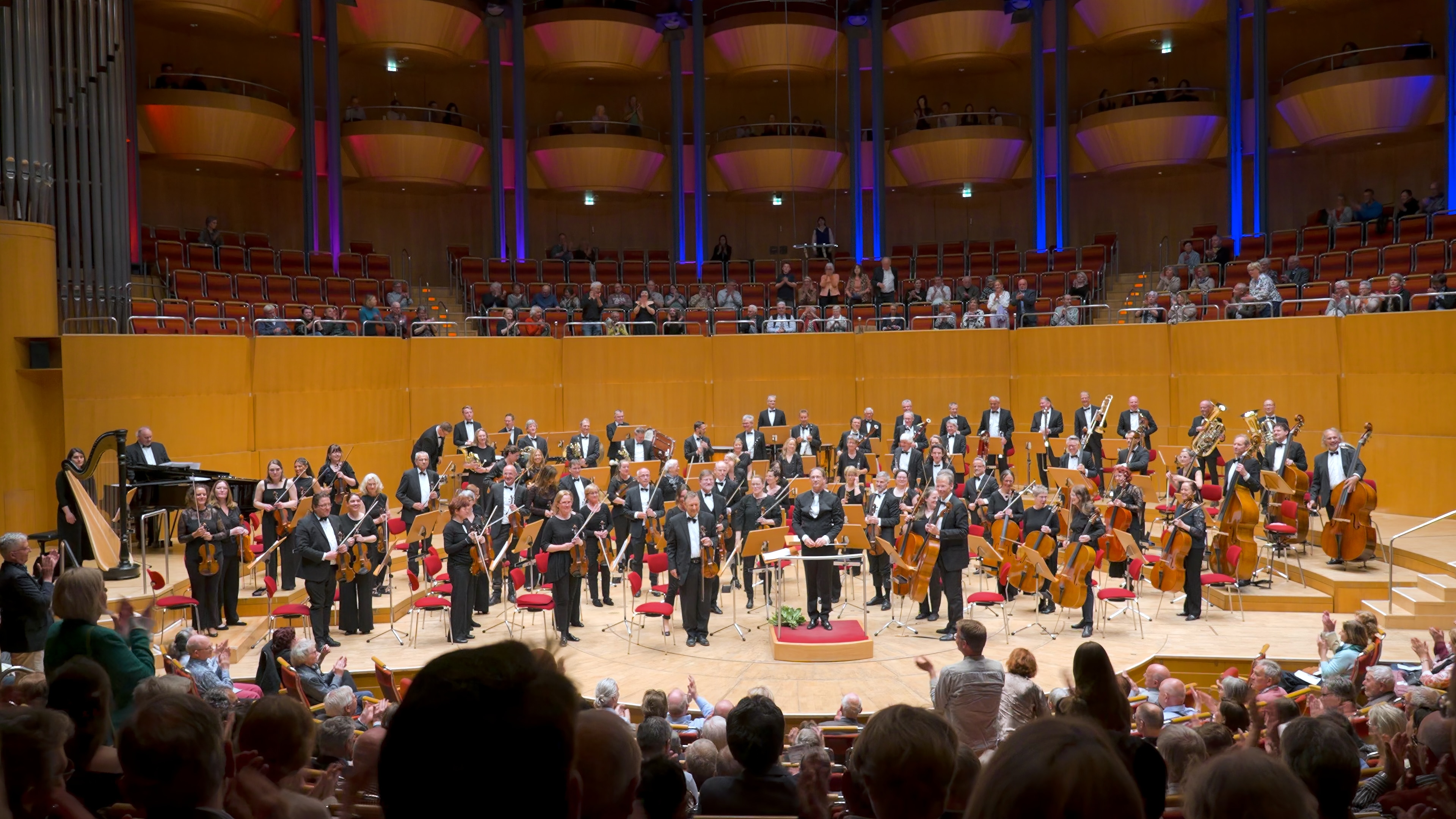
For 90 years the Ford Symphony Orchestra has been a remarkable outlet for Ford employees and their musical talents.
Since joining the orchestra in 2008, I’ve participated in several concerts, each leaving me with memorable experiences. A true highlight though was our recent concert celebrating this 90-year milestone at the incredible Cologne Philharmonic Hall.
I feel really proud that such a venue still considers us on their calendar, as even for professional musicians it’s a privilege to play there.
We’re a group of current and former Ford employees and music enthusiasts, who are simply driven by the joy we have playing music together, so having the experience of playing there in front of 2,000 people is always exhilarating.
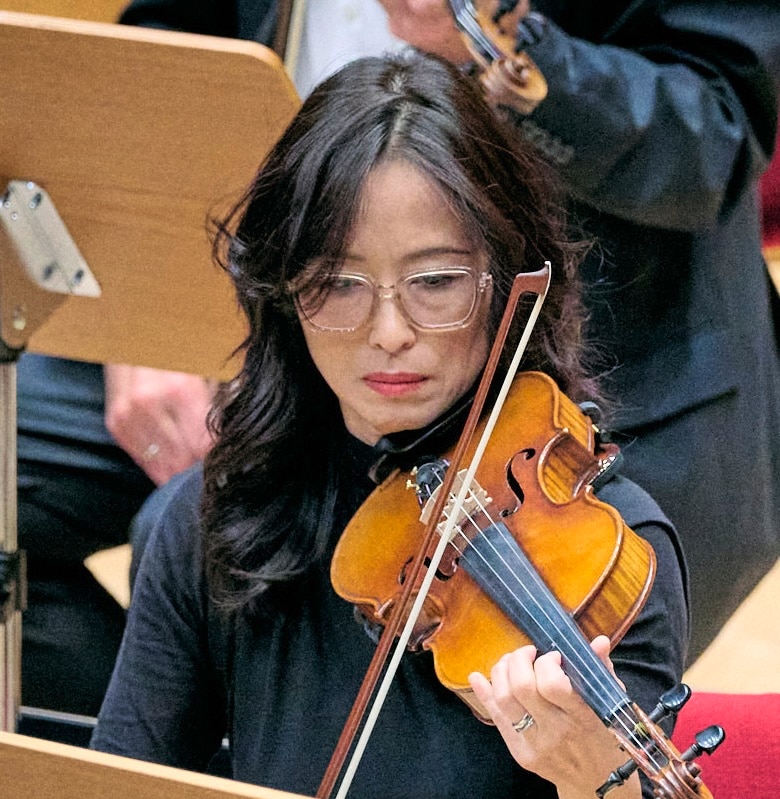
We approach it, much like our work at Ford, as a team. Personally, as a member of the second violin section, my role is usually to provide harmonic support. As second violins, we accompany the first violins, as well as other sections whenever they carry the melody.
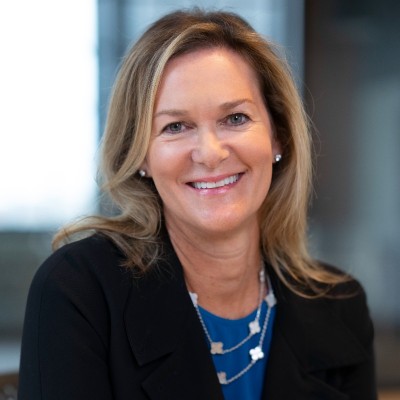
“What really makes the orchestra so special though is that everyone who joins us loves music and loves to play. You can see the enjoyment on their faces when they come.”Erika Tsubaki, design manager, Ford Europe and second violinist
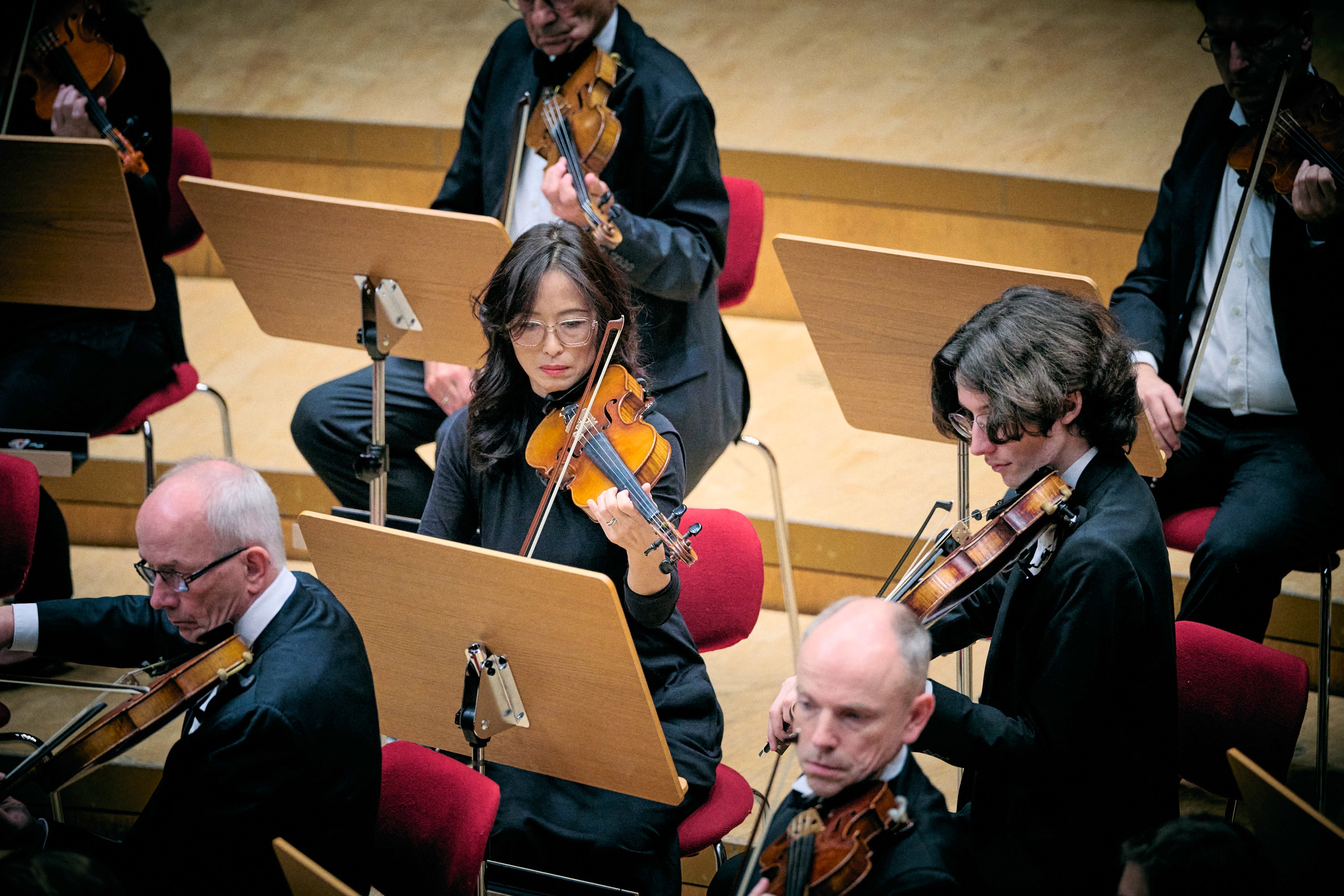
What really makes the orchestra so special though is that everyone who joins us loves music and loves to play. You can see the enjoyment on their faces when they come. I think some of the elderly musicians live for the practice sessions. In fact, one of my fellow violinists has been in the orchestra for 65 years, which is remarkable.
Beyond playing the violin, I also serve as General Manager of the Ford Symphony Orchestra. In this role, I oversee operational matters ranging from budgeting, bookkeeping, and concert planning with the Cologne Philharmonic, to coordinating our rehearsal spaces.
Typically, our rehearsals take place in Ford canteens, cafeterias, or training rooms. The main challenge in these areas isn't necessarily potential noise from the plant or outside, but rather the general acoustics. These spaces aren't designed or equipped with acoustic treatments for music, so we sometimes struggle to hear ourselves and each other well. High notes can sound quite sharp and lack resonance, or even sound out of tune. Plus, the restricted space compromises our seating arrangements and limits our view of the conductor, so it's not always easy.
But I see the work that goes into it, first hand. And for me, it’s a role I have a lot of respect for. I’m very grateful too that people had the trust to nominate and then elect me to it. I really feel the responsibility to keep the orchestra going. Hopefully I’ll help to see it to its centenary.
This year, we’re actually heading back to the Cologne Philharmonic Hall in October with a concert taking the audience through a timeline of the last 90 years. Every time we play there it’s overwhelming, not just because of the venue but because every time the music and challenges are different. Yet we grow through it and it’s always a great experience. We just want to make sure we have a full house again.
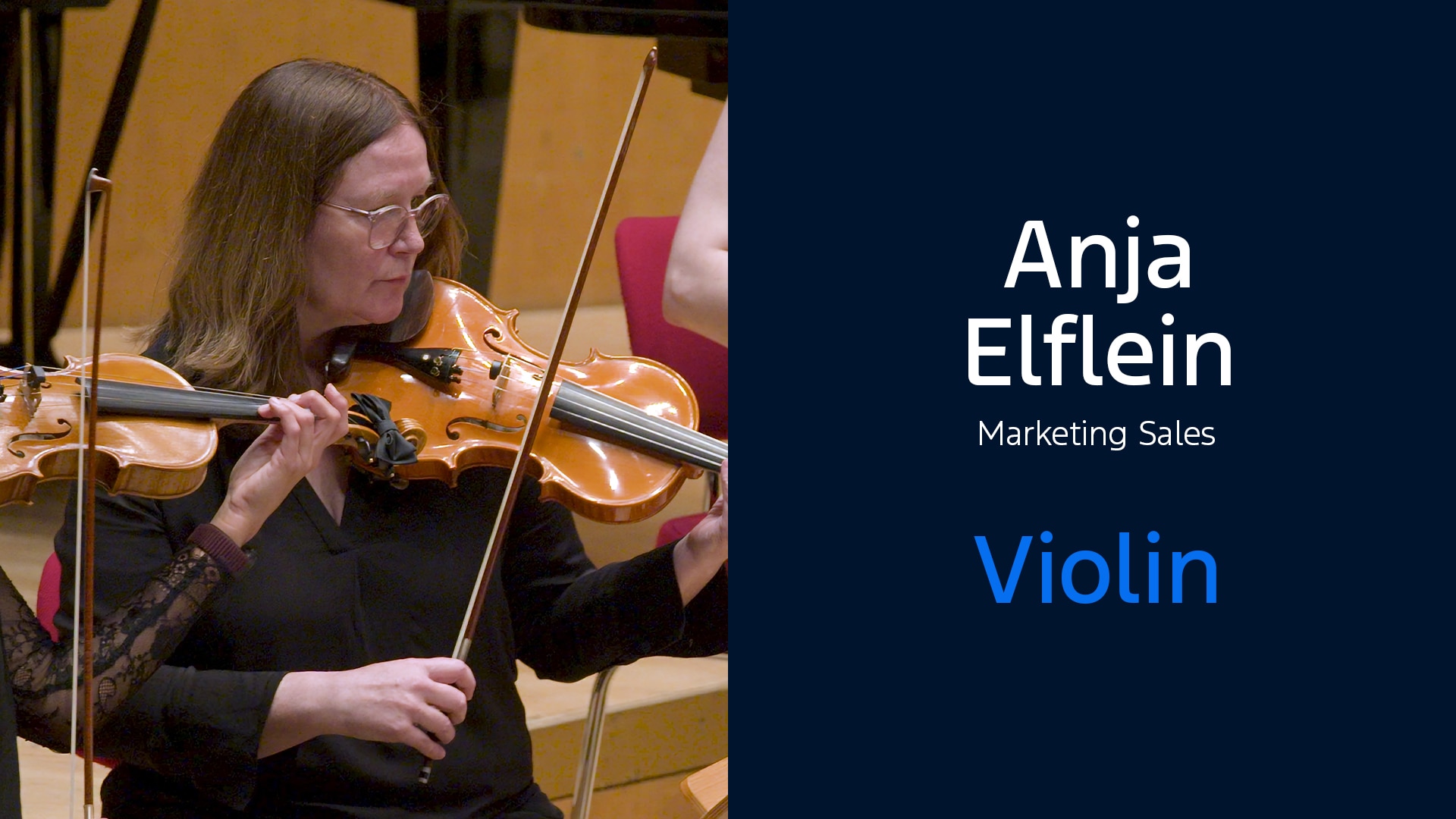
"Music has always been my first love and I am a music enthusiast in all directions. I didn’t start playing until my early twenties, my parents couldn’t afford lessons or instruments for me, so my journey began after I started working and saved money for lessons, and finally my first violin."
"I’ve worked at Ford for the last 26 years and it wasn’t until two or three years after starting that I found out about the Ford Symphony Orchestra. I’ve been a part of it ever since.
"We practice every Wednesday from 6pm until 8pm, and I’m often the last one there as many times I’m on a call with my colleagues in the US, who are just starting their days. But once I’m there it’s like entering a different world. Even if you’re stressed, you just leave that all behind.
"For me, it’s always a pleasure. Around twice a year we try to have weekend rehearsal, and we’re playing for 12 hours, yet even at the end I feel amazing, really relaxed. I believe music is about waves, and they soothe me. That I can experience that as part of such an amazing symphonic orchestra is perfect for me."
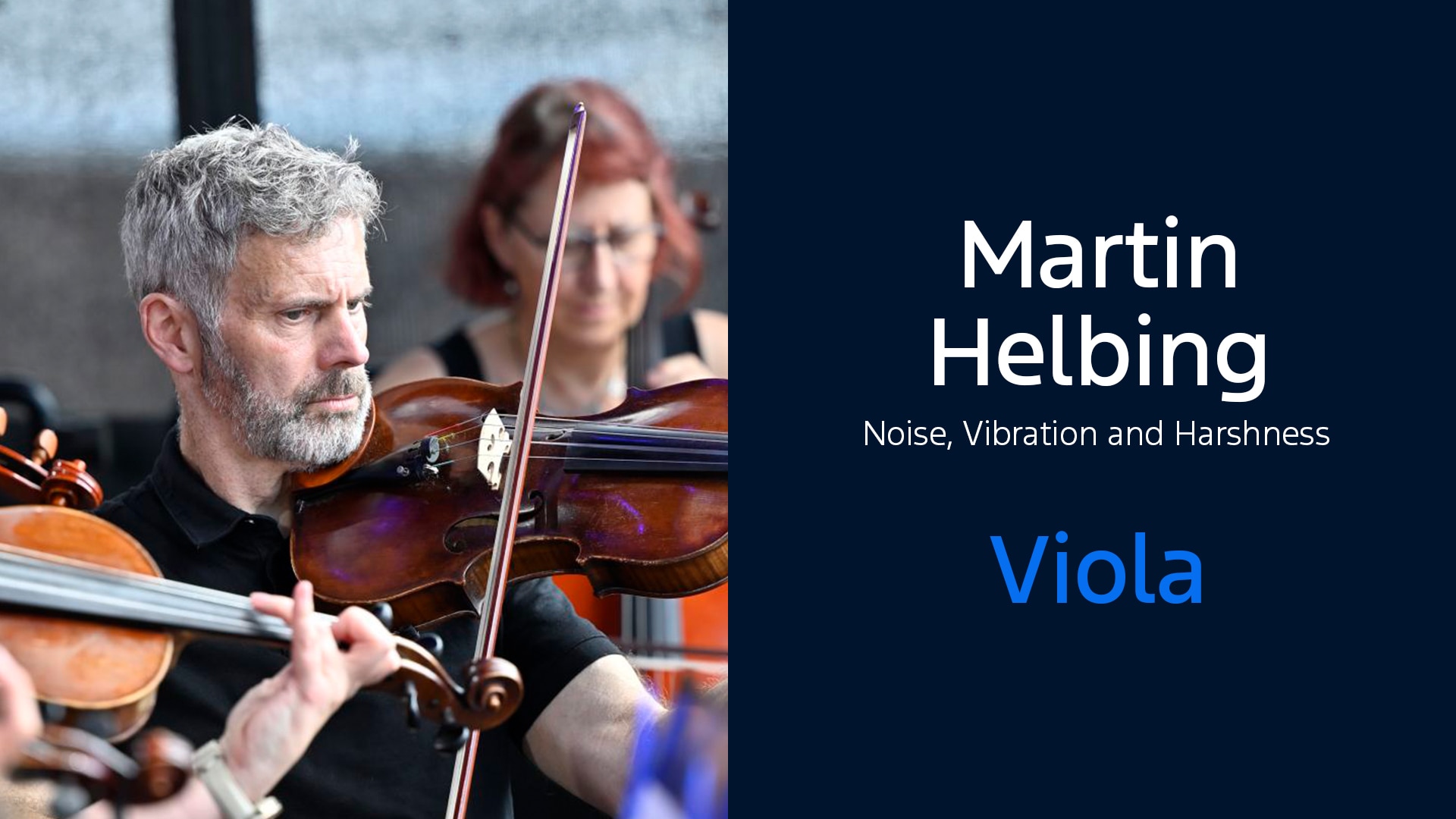
"One of my first roles was a position in the acoustics department at Aachen University. Part of that involved meeting with car makers, including Ford. I remember walking past a poster for a Ford Symphony Orchestra concert during one of those meetings, so I knew about it before I started working there."
"I was a keen violinist since the age of six, switching to the viola during national service. And for years I’d been playing in orchestras, so when I joined Ford 28 years ago I became part of this one immediately.
"My whole career here has been in the noise, vibration and harshness (NVH) area. I guess there are similarities; that you’re always trying to get rid of the bad notes and find the good ones. For me, the process with the orchestra is what’s really fascinating though. You start a new piece together and it might not sound too good, but you practice together, and end up evolving it into something that, hopefully, sounds great. You might say it’s similar with developing the sounds in a vehicle.
"As a viola player, you’re also playing with five others and so listening is really important. You have to know how the others play and find a way to make sure you’re all in sync, so when you get to the concert you’re playing as one.
"For me the concerts are the culmination of those efforts. One of my favourites was a two-hour concert based on the music of Wagner. It was quite difficult for listeners, and the hall wasn’t full, but afterwards everyone said how much they loved it. I think you can learn about any music and end up liking it."
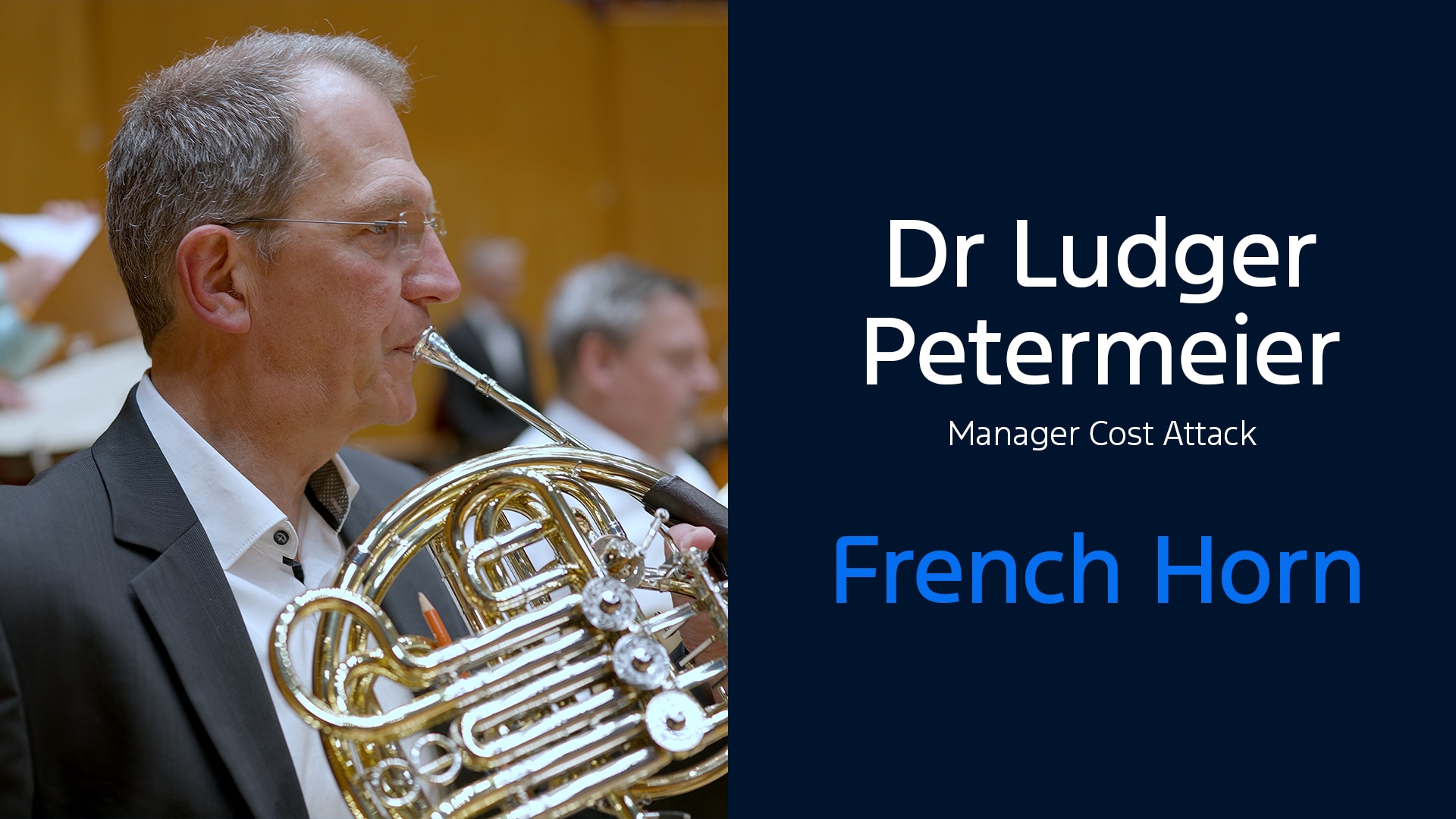
"As a nine-year-old my parents wanted me to play the piano after starting with the recorder, but I wanted to play a brass instrument. They were glossy, golden and loud. As it happened, my father knew the conductor of a marching band who he talked to about getting an instrument, but they didn’t have a trumpet or trombone, ‘only’ a French horn."
"It suited me fine, because it was glossy, golden and loud enough. Now I am verry happy that I was ‘tricked’ into the French horn. It’s an important instrument in an orchestra, especially in late classical and romantic music.
"There are usually four French horns and only two trumpets and three trombones. And there are less French horn players, so the opportunities to play are high.
"It was only a few years after starting at Ford that I realised there was an orchestra. I reached out but ironically, they already had four French horn players, so that was that. However, I saw one of their next concerts was with Gustav Mahler, one of my favourite composers and one whose music often uses more than four French horns. So, I reached out again and I’ve been in the orchestra ever since.
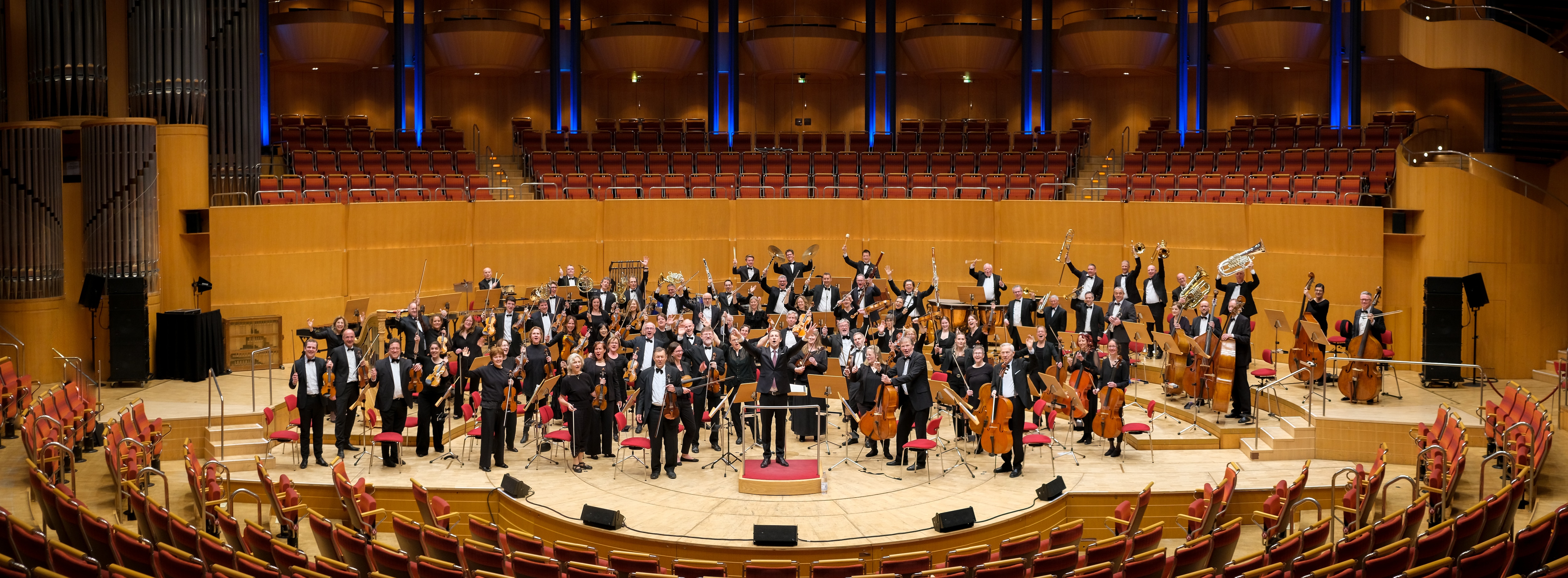
"In the subsequent 25 years that was still one of my favourite concerts. I was so excited about playing in this wonderful Cologne Concert Hall with 2,000 people listening. Now, I’m also chairman of the orchestra, so lead a board who deal with the whole running of things, from the finances to what music we’ll play.
"My role as a manager for Ford passenger electric vehicles helps me strike a balance between different opinions and wishes of about 80 musicians and the conductor and two thousand people in the audience twice a year. An audience who, by the way, are fantastic."
Erika Tsubaki is a design manager at Ford Europe