


Earlier today, we reported our third-quarter 2026 financial results. There are a few points I want to highlight about our results, our expectations for the end of 2026 and what’s ahead in 2027.
First, our Q3 results reflect the immense progress we’ve made with our Ford+ plan. We’ve strengthened our core vehicle franchises. We’ve grown software, services and other earnings beyond the sale of a vehicle. And we’re investing with discipline in the opportunities that can deliver attractive returns.
Moving forward, our strategy is clear: profitably grow our core automotive business, scale our auto adjacencies (parts, software, financial services) and further diversify our business, starting with Ford Energy.
For the quarter, we generated $49.5 billion in revenue – down 2% year-over-year – and $2.7 billion in adjusted EBIT, up 3%. The increasing profits on a lower revenue base reflect our stronger product mix comprised of higher-margin products, like Tremor and other off-road trims. The work we’ve done to control our costs is also flowing to our bottom line. Additionally, we generated $4.7 billion in adjusted free cash flow, which brought our total liquidity to over $46 billion.
Ultimately, we’re confident in our full-year trajectory. We strengthened our underlying businesses throughout the year and as a result, for the third time this year, we improved our full-year guidance.
Here are the key points I want you to understand about our quarter, and what’s ahead:
1. We have a winning auto business that’s getting stronger
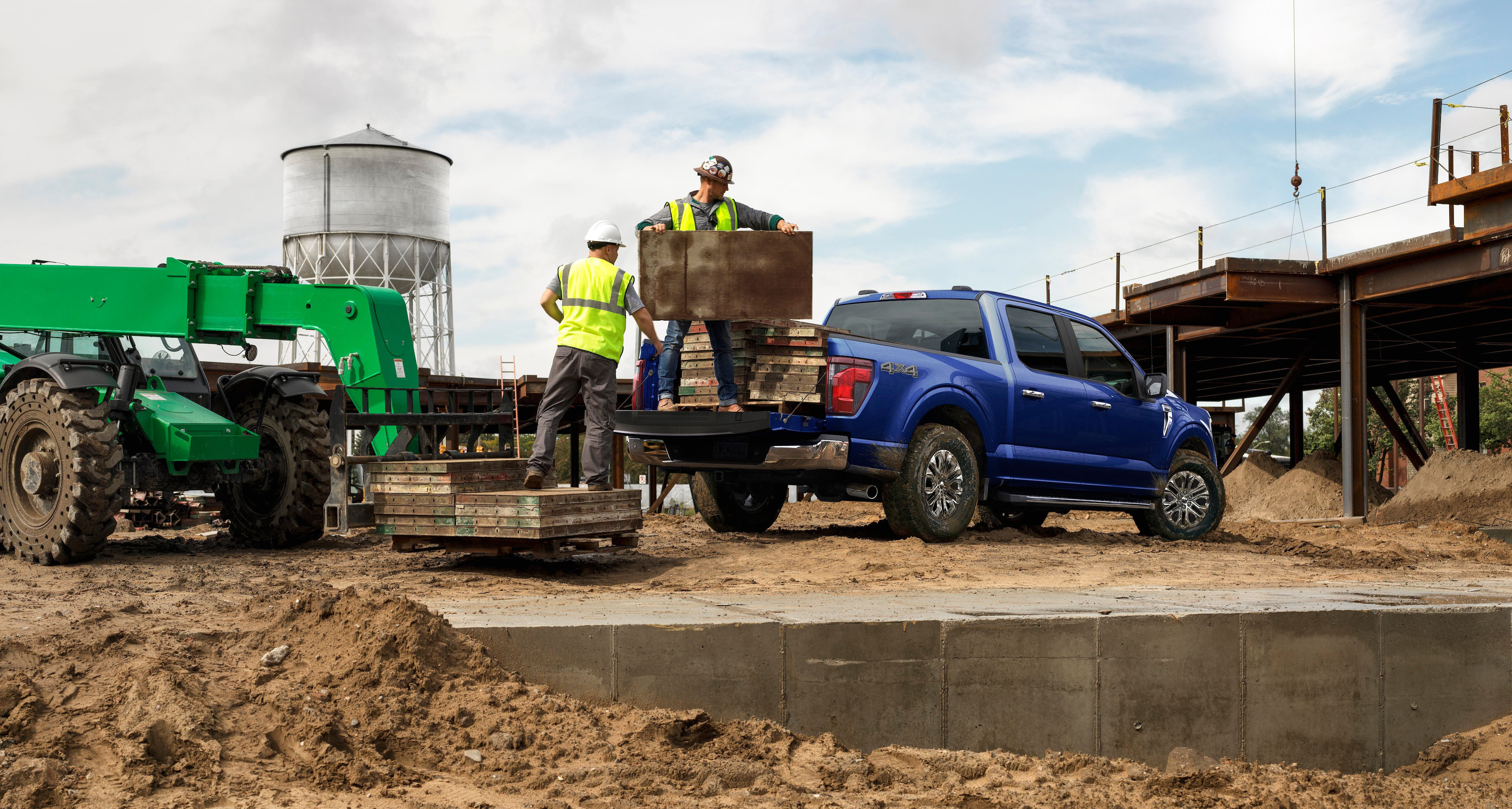
Our core auto business is a force. F-Series captured the highest retail share among full-line trucks brands in the quarter, extending its lead as America’s best-selling truck. Maverick is America’s best-selling pickup and Ranger is a global standout among pickups.
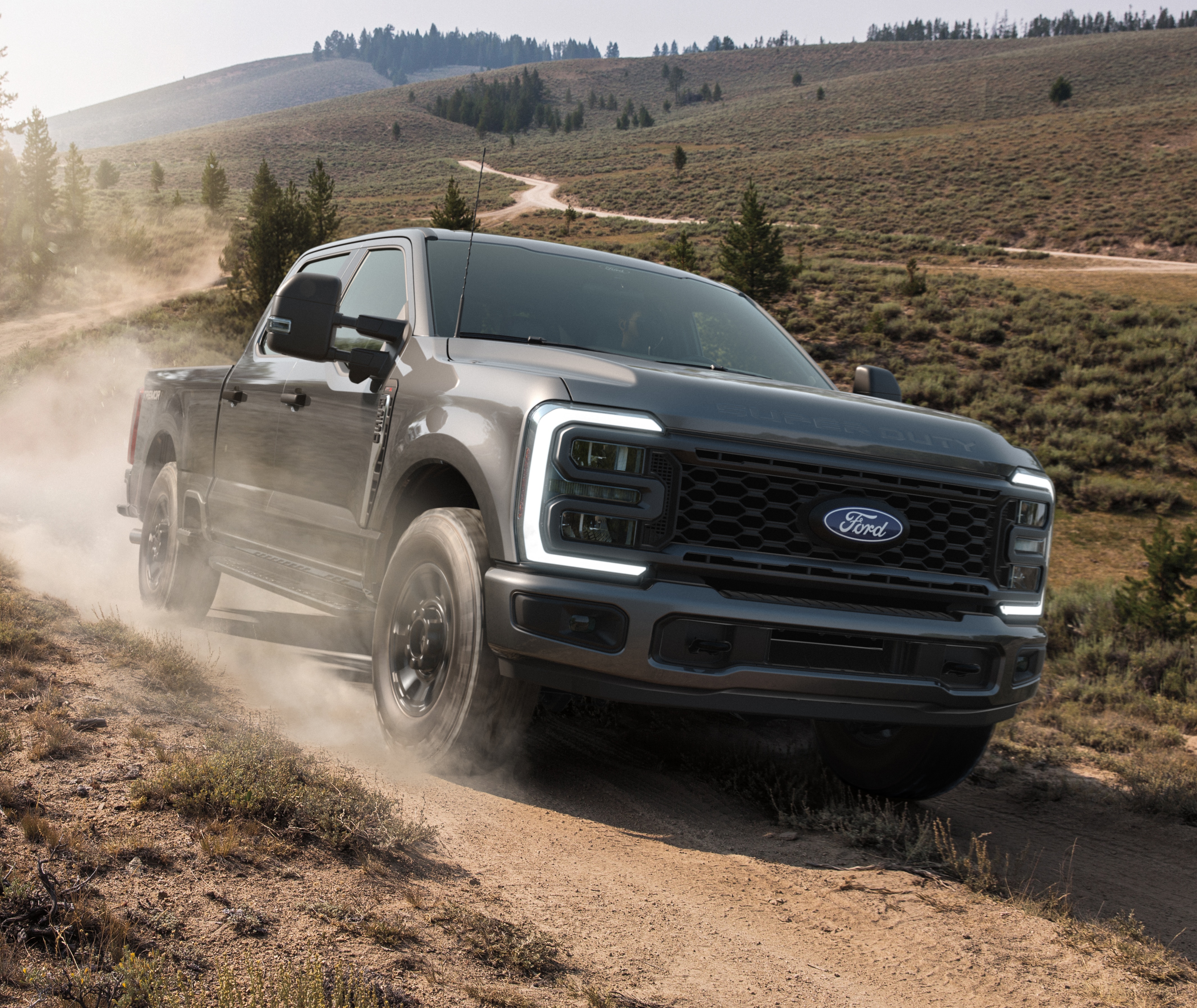
Higher-margin off-road vehicles make up about a quarter of our U.S. sales. The scope of our off-road and upscale offerings in Explorer and Expedition combined made Ford the No. 1 brand for large three-row SUVs in the U.S.
Perhaps most importantly, our quality is rapidly improving – and our launch performance has been consistent.
Early indications at the Oakville Assembly Complex – where we now have new capacity to build Super Duty pickups – are that the plant is already performing at quality levels comparable to Kentucky Truck Plant. We will apply the same focus and discipline to the Fathom at the Louisville Assembly Plant as we prepare to launch in the fourth quarter of 2027.

2. Our growth engines go beyond vehicles
Every vehicle we create generates value through a lifelong relationship with our customers. We now offer services, software, parts, repairs and financing that all make owning a Ford easier – and better over time.
Both software services and our parts business achieved record revenue in the third quarter. The largest contributors to this were BlueCruise and Connectivity. Customers who use our app buy more Ford vehicles and bring our dealers more paid repair orders.
Our software services also help our customers by anticipating maintenance needs, connecting customers with our dealer network and delivering industry-leading uptime to our fleet customers.
3. We are moving into new industries and solving new problems by leveraging advantages we already developed through our automotive and auto adjacent business lines
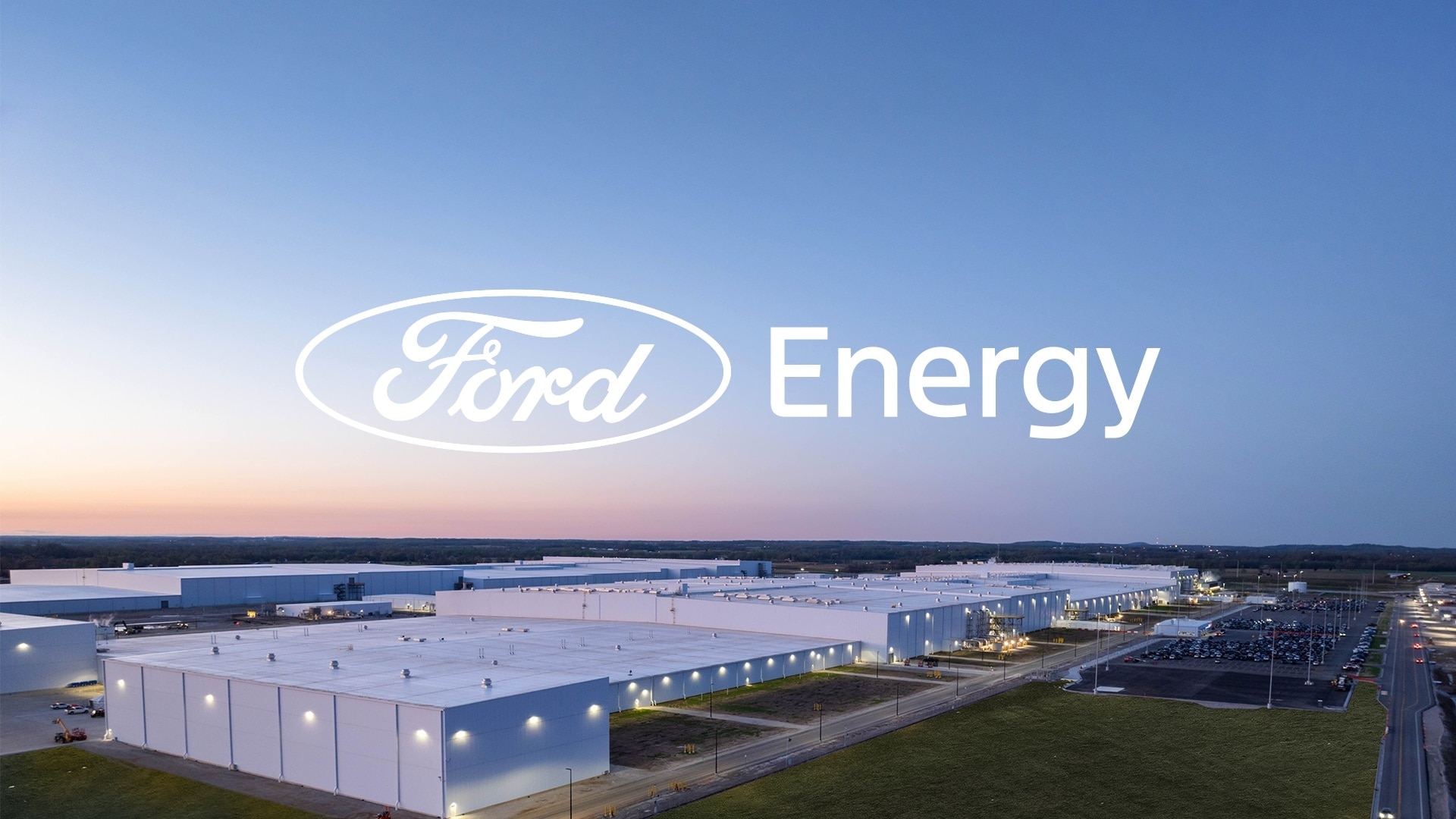
Ford Energy illustrates a strategic move to broaden how we grow. We’re investing in a business where we have a competitive advantage. We have met every operational milestone thus far as we work to bring 20 gigawatt hours of annual capacity online by the end of 2027, and reach full capacity run-rate by the third quarter of 2028.
4. We have confidence in our full-year trajectory – and expect solid performance in 2027
We’ve narrowed our adjusted EBIT guidance for 2026 to $10.5 billion to $11 billion, which reflects confidence in our full-year trajectory and planned investment cadence. Our team is focused on delivering a solid Q4 and finishing the year with the discipline and drive that has helped land solid performance through nine months of 2026.
Everything we are doing – from expanding our adjacent businesses to closing our competitive cost gap – is pushing toward delivering an 8% adjusted EBIT margin by 2029.
Our results are showing that we have the right strategy, the right portfolio and the right team to win. Our business is becoming far more resilient. This year, we are proving that we can deliver the performance and cost discipline necessary to lead and grow.
Next year, we need to continue that work to set up future growth.
Thank you to everyone who helped deliver another solid quarter.
Read the full 3Q press release
Sherry House is Chief Financial Officer at Ford Motor Company.
What to Read Next





- See our Q3 2026 Earnings Presentation available at shareholder.ford.com for definitions and reconciliations of the non-GAAP financial measures designated as “adjusted” to the most comparable financial measures calculated in accordance with U.S. generally accepted accounting principles (“GAAP”).
- When we provide guidance for adjusted EBIT, we do not provide guidance for the most comparable GAAP measure because, as described in more detail in our Q3 2026 Earnings Presentation available at shareholder.ford.com, they include items that are difficult to predict with reasonable certainty.
- This article includes forward-looking statements that are based on expectations, forecasts, and assumptions by our management and involve a number of risks, uncertainties, and other factors that could cause actual results to differ materially from those stated. For a discussion of these risks, uncertainties, and other factors, please see “Item 1A. Risk Factors” in our Annual Report on Form 10-K for the year ended December 31, 2025, as updated by subsequent Quarterly Reports on Form 10-Q and Current Reports on Form 8-K. Our guidance is based on our expectations and best estimates as of October 28, 2026, and assumes no material change to our current assumptions for inflation, logistics issues, production, or macroeconomic conditions. Our guidance does not include potential impacts of a significant escalation in the Middle East or a material downturn in the U.S. economy, either or both of which could have a substantial impact on industry demand. Moreover, our guidance has not factored in any new policy changes by the administration in the United States, including future or revised tariffs or related offsets, that have not been announced or tariffs or other policy changes that may be announced by other governments after October 28, 2026.
