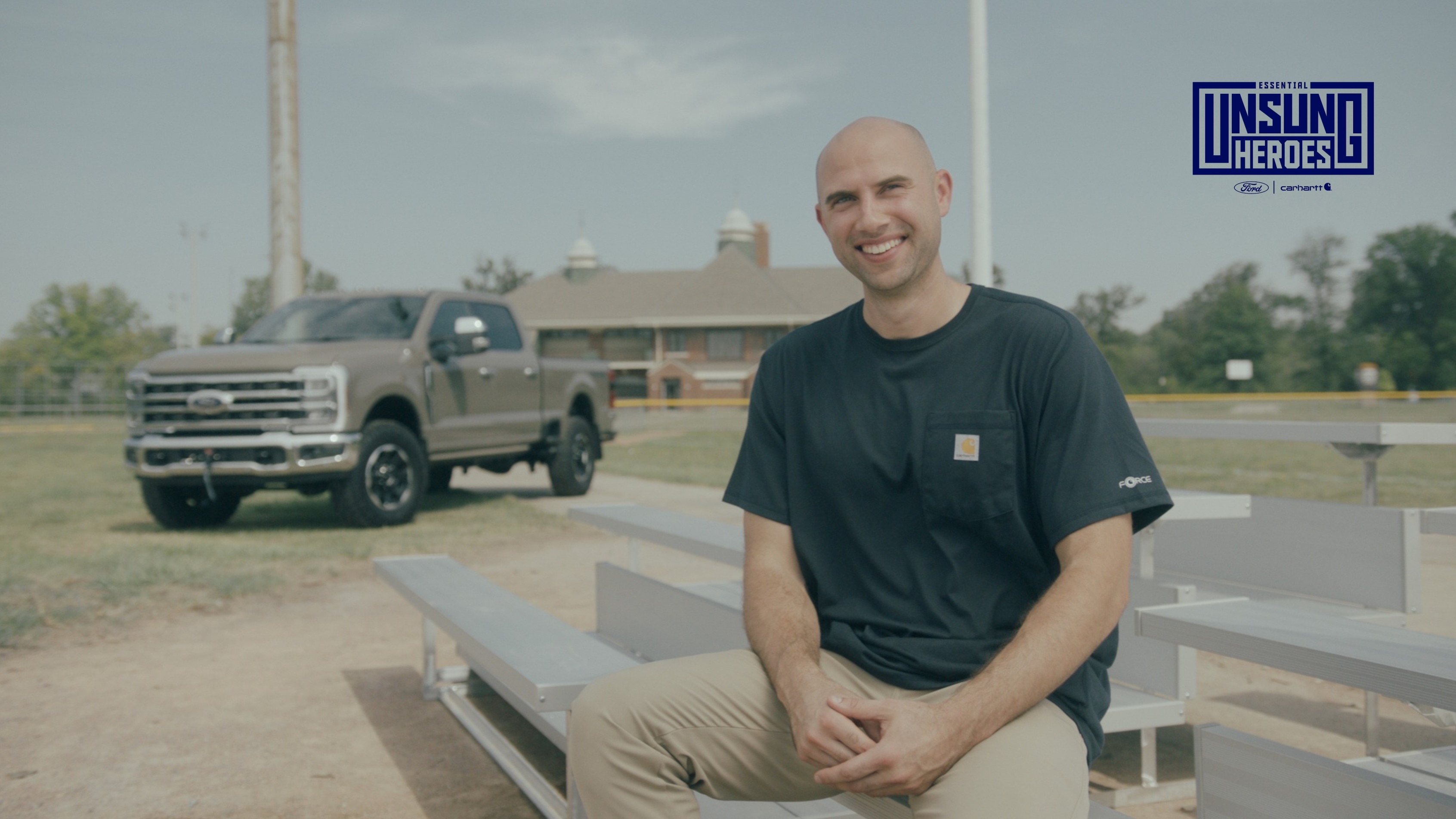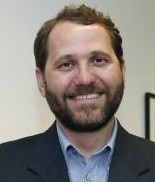
After years in professional kitchens, Chef Mike Lund told himself he would never sell food again. He only wanted to give it away.
Today he is one of six culinary managers at World Central Kitchen (WCK), the nonprofit that serves meals in response to humanitarian, climate, and community crises. When disaster hits, his team is among the first on the ground.

This fall, they drove to the Gulf Coast ahead of Hurricane Isaias, towing an amphibious vehicle behind a Ford F-350 and carrying enough supplies to make 2,000 meals a day. They wanted to be ready to cook the moment the storm passed.
Ford has helped power that readiness since 2025 when it donated three F-150s and a Super Duty F-350 to WCK.
A year later, the partnership has grown to include Ford's trucks, philanthropy, dealers, and nonprofit partners — all part of Ford Building Together. This year alone, they have:
- Reached families cut off by floods in Spain with Ford 4x4s delivering meals and supplies to Valencia and Alicante.
- Brought hot meals to communities hit by winter storms in Texas, Tennessee, and Virginia, including soup from Chef Corps member Markos Panas's Bread & Water Company.
- Hosted the first-ever kitchen takeover at Ford World Headquarters, serving dishes from the World Central Kitchen cookbook to celebrate Ford's nonprofit partners.
- Turned Ford dealerships in Philadelphia and Miami into hubs for Venezuela earthquake relief, with Chef Corps member Sofia Deleon of El Merkury and the Cuban Guys food truck helping rally support.
A year into the partnership, and during a season when access to fresh food is especially important, we asked Mike what it takes to feed a community on its worst day and how the rest of us can help.
How did you find your way from restaurant kitchens to disaster relief?
I ran restaurants and a catering business, then became a culinary program director at a community college, and that's where my outlook on food started to change.
When the war in Ukraine began, I volunteered with WCK in Poland. I still remember one particular family in a train station. We didn't share a language, but we shared eye contact and what it meant, and the father put his hand on my shoulder. It changed my life.
I went back, volunteered in Eastern Kentucky, and eventually joined WCK full time. It's my dream job.
What does it take to be ready before a storm hits?
Most of it happens before anything goes wrong, with standardized recipes, playbooks, and training, so that when something happens, we go.
Ahead of Hurricane Isaias, we pre-positioned in Pensacola, Florida, with a mobile kitchen and a support truck stocked for 2,000 meals a day. Our F-350 towed the Sherp, our amphibious vehicle, which can carry several hundred meals across a river or a swamp.
The truck also has a fuel tank that can refuel our mobile kitchen. When cell service went down, I plugged a satellite hotspot into the dashboard and stayed connected from the road.
In the end, the need was in rural Alabama, so I cooked there for three days out of the truck.
Is there a moment that stays with you?
After devastating earthquakes in Morocco, I visited a village in the Atlas Mountains that had been leveled. People had lost their homes and even their mosque. We were setting up community kitchens so they could cook for themselves.
Everyone I visited invited us in for tea and shared whatever they had. One man’s was basically a kid's applesauce packet and some crackers.
It didn't matter where else I had to be. In that moment, that was what I needed to do.


What do you wish more people understood about a response and about food this time of year?
Cooking is the easy part. I can make 1,000 portions of chicken chili verde, but someone still has to find the right location, secure fuel and electricity, pack the boxes, and get meals to a homebound person without power. That's what makes it complex.
At home, respect food. Someone grew it, someone packaged it, and fuel went into moving it. Don't waste it.
If you want to help, volunteer with your local food bank, which is building holiday boxes right now, or sign up for WCK's newsletter. And if we show up in your town, we're always looking for volunteers.
Learn more about World Central Kitchen, its impact on communities across the globe, and how you can support its mission at wck.org.
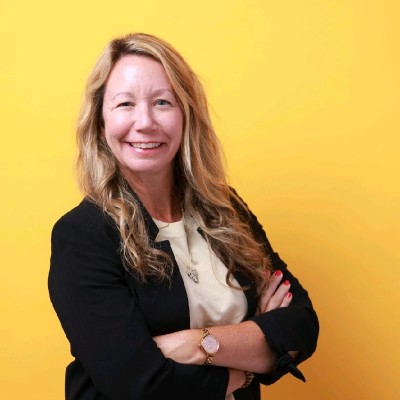
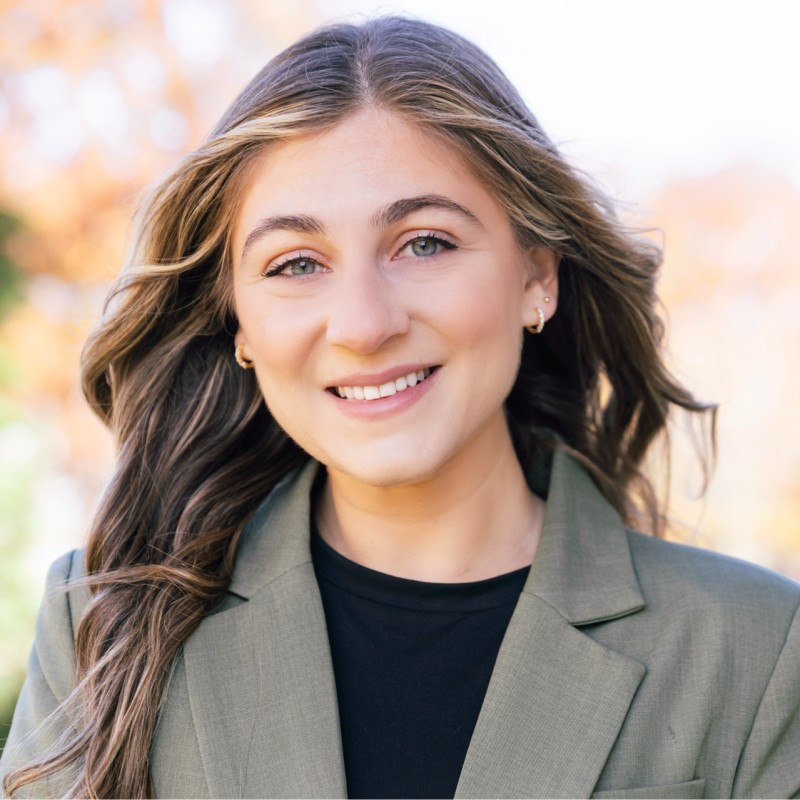
Anna Carbone shares stories as part of the Ford Philanthropy communications team.
What to Read Next