
There’s a massive difference between "possible" and "probable."
When BecomingX CEO Paul Gurney asked if I would join an attempt to break the record for the World’s Highest Marathon, I knew there was only one answer: “Yes.”
But as we touched down in Chile’s Atacama Desert to prepare, it became clear we were operating at the absolute edge of the possible. We weren't just running 42.2 kilometres; we were doing it at 6,893 meters, from the summit of Ojos del Salado, the highest volcano on Earth.
At that height, the air isn’t just thin. It’s nearly non-existent. You’re operating on 44% of the oxygen you have at sea level. Every breath feels like you’re inhaling through a wet sponge. Every step is a calculated battle against a body that is screaming at you to stop.
In this volatile, uncertain and complex environment I learned to not just survive, but to thrive. As a proud Ford ambassador, I was thrilled to be able to combine two of my lifelong passions: mountaineering and off-road driving. This mission required a strong pair of lungs and legs, but also a lifeline, a backbone.
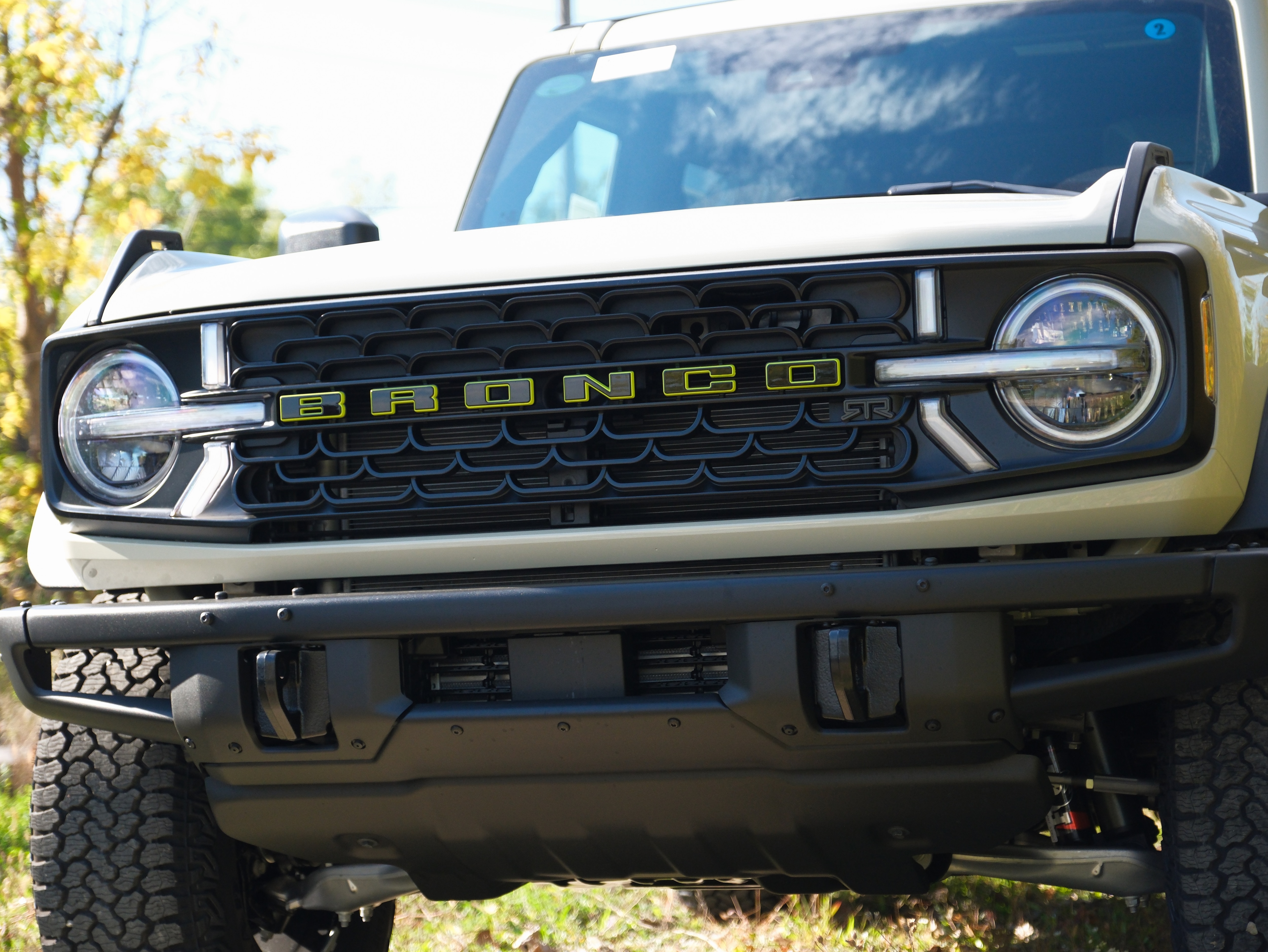
For us, that backbone was a fleet of Fords.
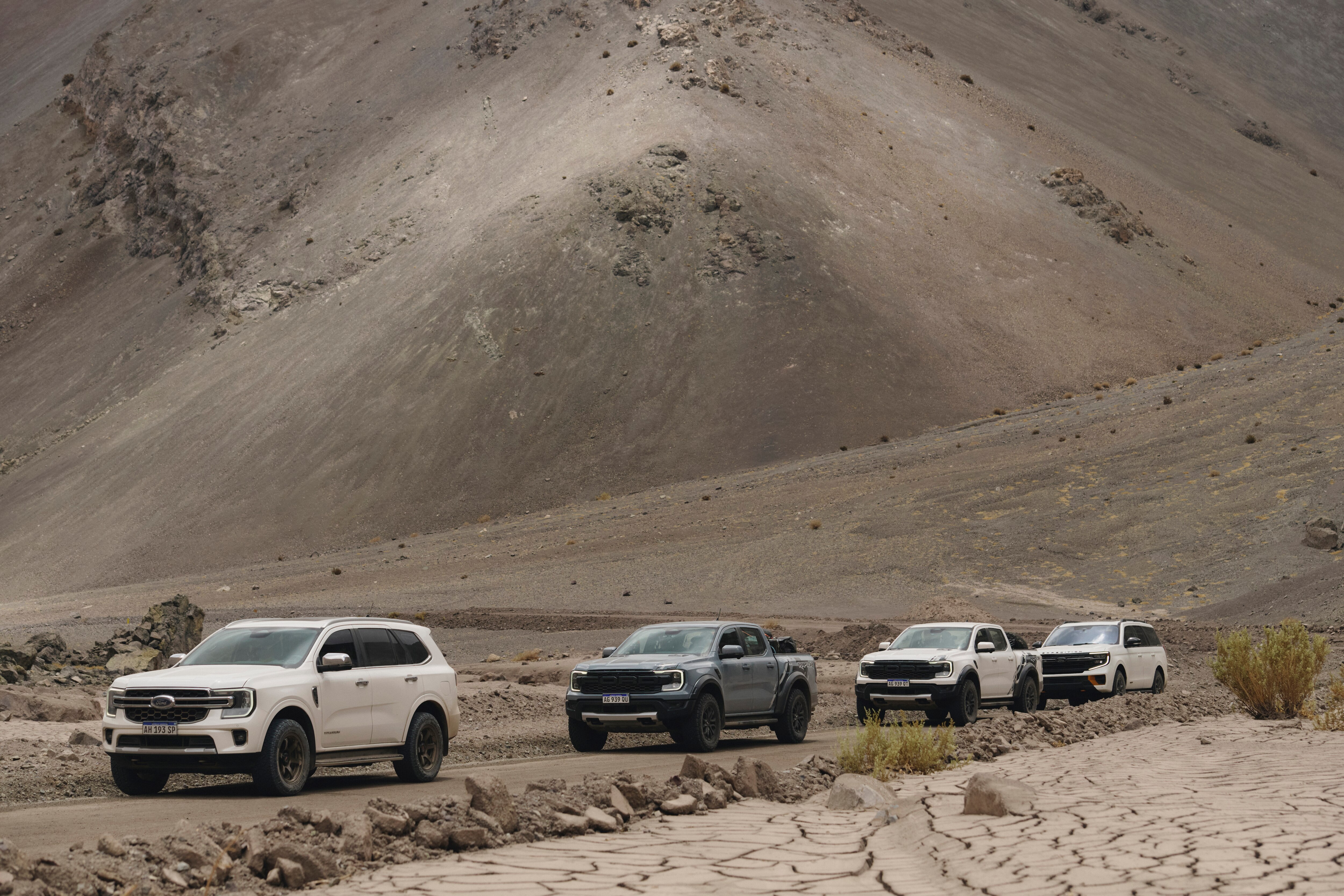
The Machine vs. The Mountain
We started this journey at sea level, dipping our toes in the Pacific before beginning the long, dusty crawl into the sky. Paul Gurney and I hopped into "Raptor 1," our lead Ford Ranger Raptor, and pointed it inland.
Now, Ojos del Salado is a brutal piece of geology. It’s a moonscape of volcanic sand, loose gravel, and scree slopes that would swallow a lesser vehicle whole.

We pushed upwards and onwards through some of the toughest tracks I have ever driven on, using all the off-road features on the Ranger Raptor during our ascent up the volcano. The truck crept confidently all the way up to 5,900 meters, stopping only because we literally ran out of drivable terrain.
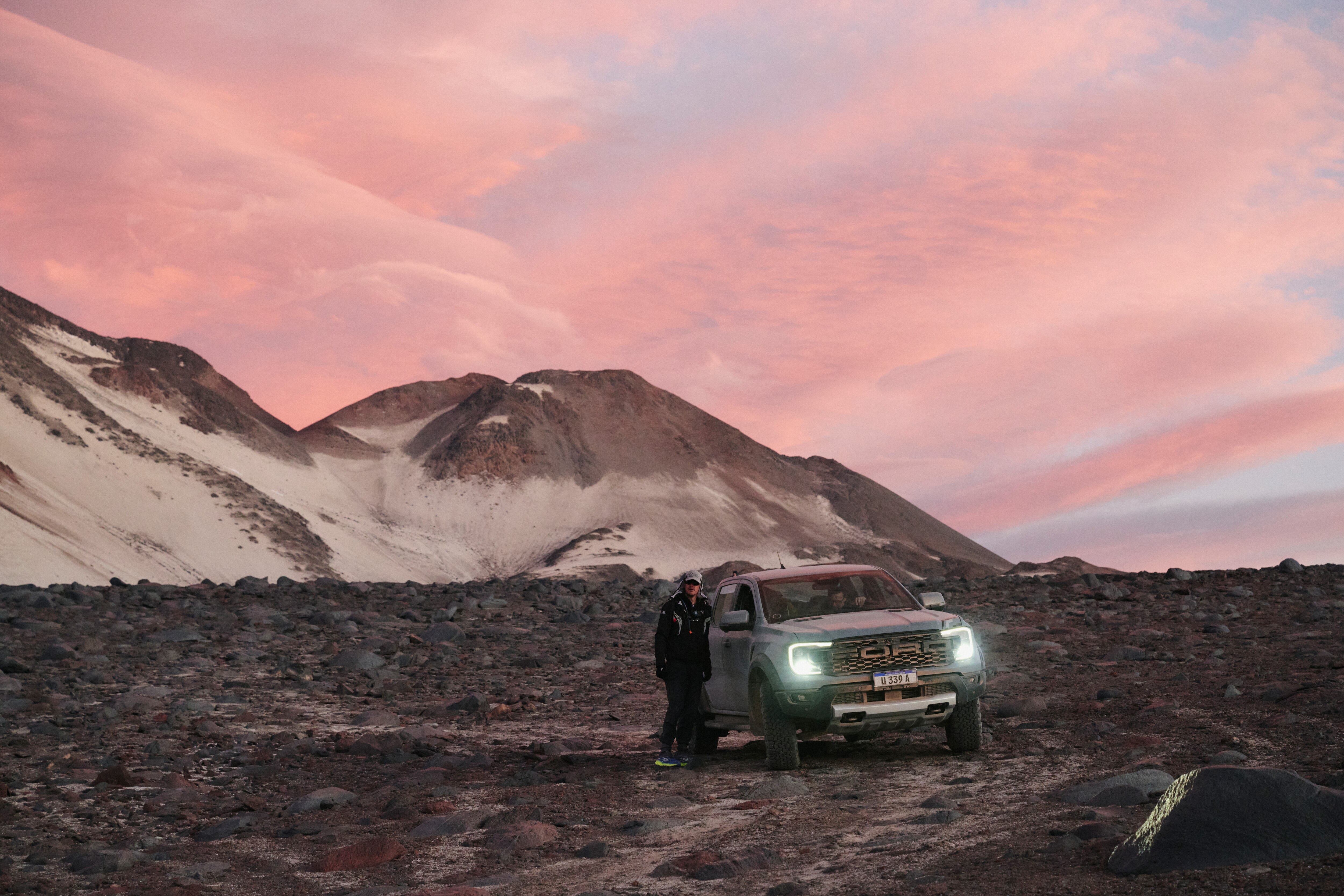
From sea level to nearly 6,000 meters in less than a week, phase one was complete, and we now needed to concentrate on acclimatisation and the marathon ahead.
Living on the Edge
For two weeks, we lived out of these vehicles. They doubled as transport and mobile base camps.
The Atacama Desert is a land of extremes. During the day, the sun beats down with a ferocity that burns your skin. At night, the temperature plummets to -15°C (5°F), and the wind is relentless, with 96 kph gales that try to tear your tent from the ground. In those moments, when you’re shivering and questioning your life choices, our Ford fleet became our sanctuary.
There is a certain irony in being a "hardened adventurer" and then feeling genuine, deep gratitude for a heated seat and a Bang & Olufsen sound system in the Raptor 1. We’d spend the day acclimatising, pushing our bodies to the limit, and then retreat into the cabin of the Ranger Raptor to charge our gear, check our vitals, and just... breathe. The trucks provided the power, the shelter, and the reliability we needed to focus on the one thing that mattered: the summit.
“This was a testament to what happens when you combine human grit with world-class engineering. ”Aldo Kane, Ford ambassador and a finisher of the World’s Highest Marathon
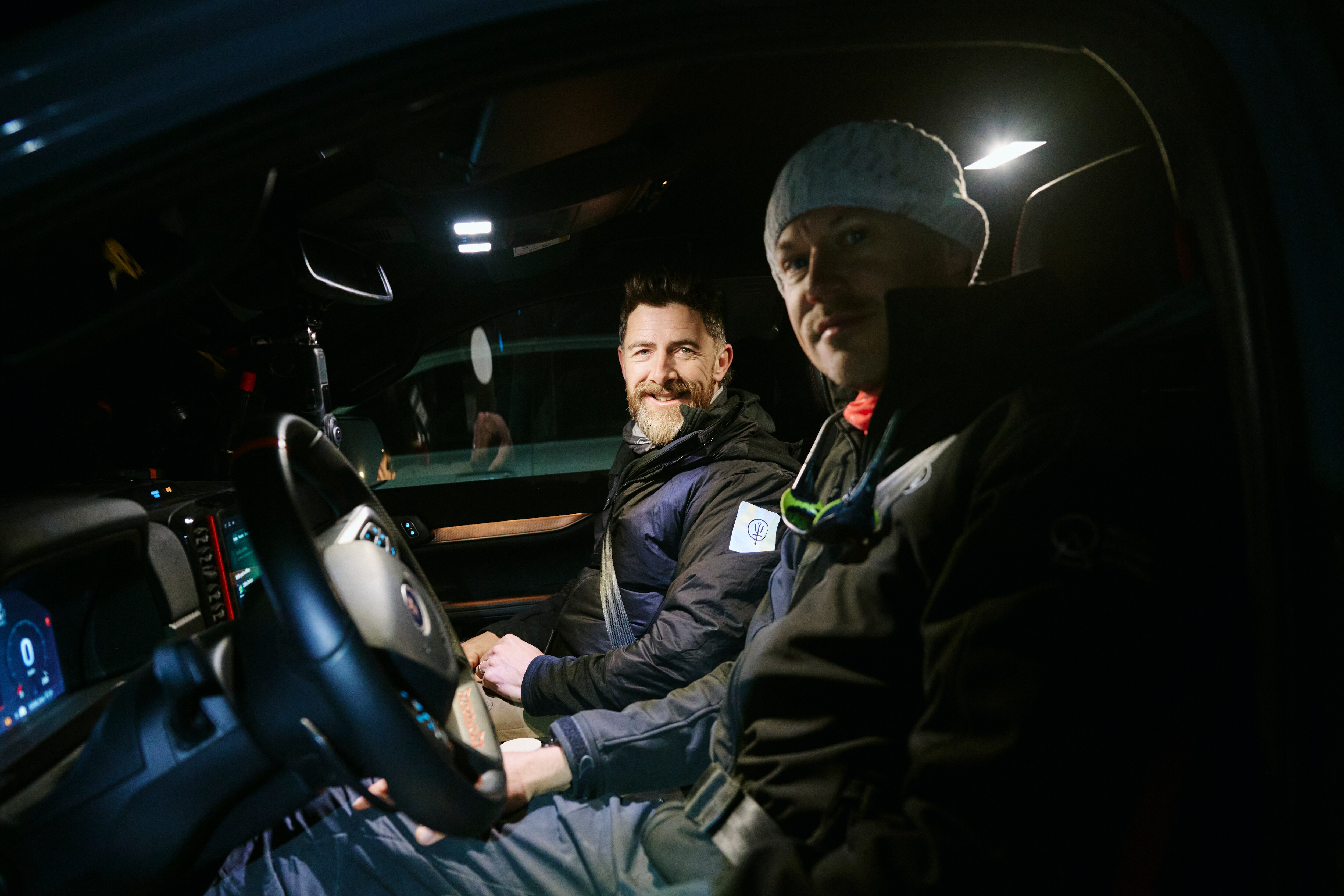
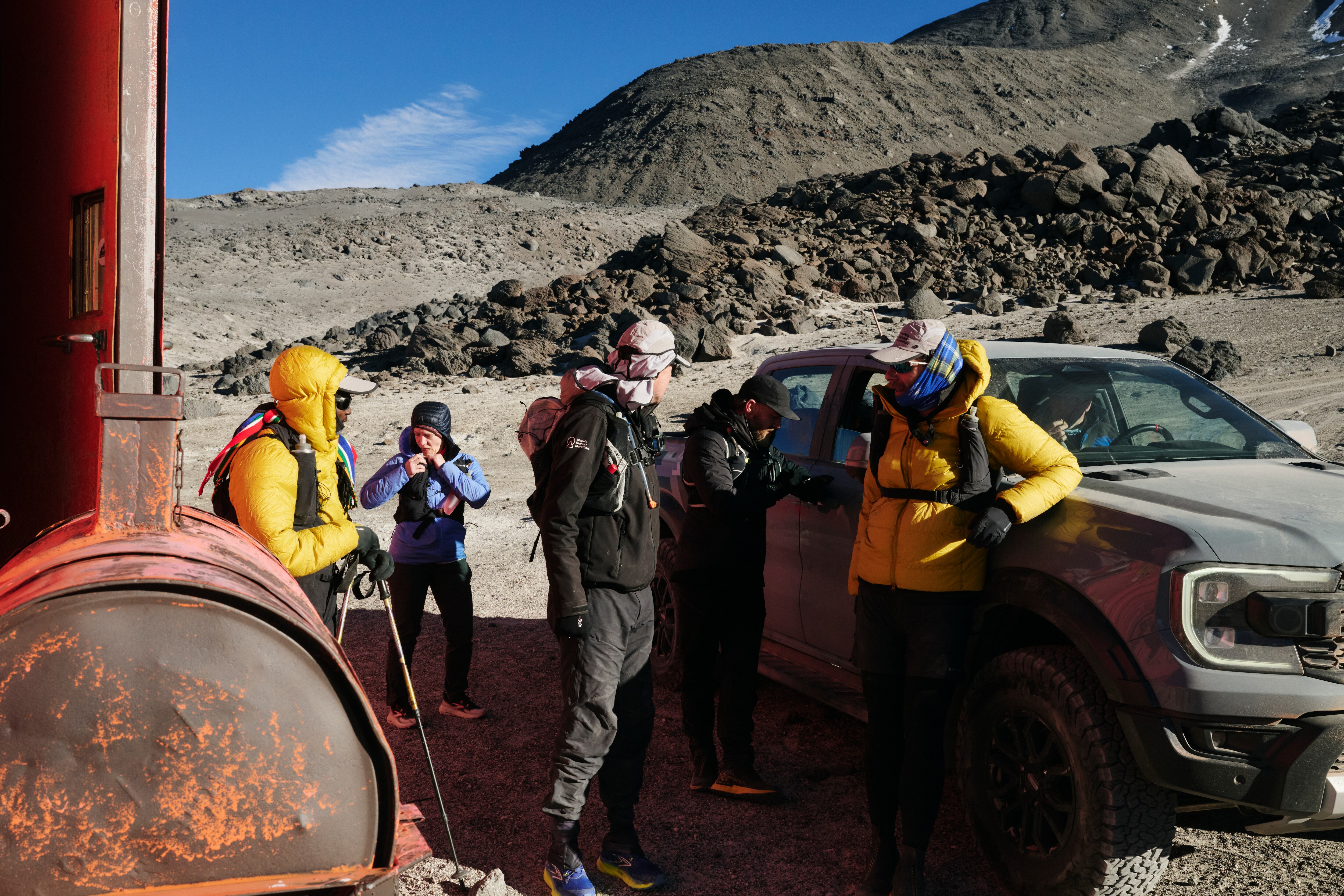
The Starting Line at 22,614 Feet
The morning of the record attempt, we’d spent over 11 hours climbing on foot through the night just to reach the start line, battling winds of approximately 100 kph (with windchill dropping to about -30°C, or -22°F).
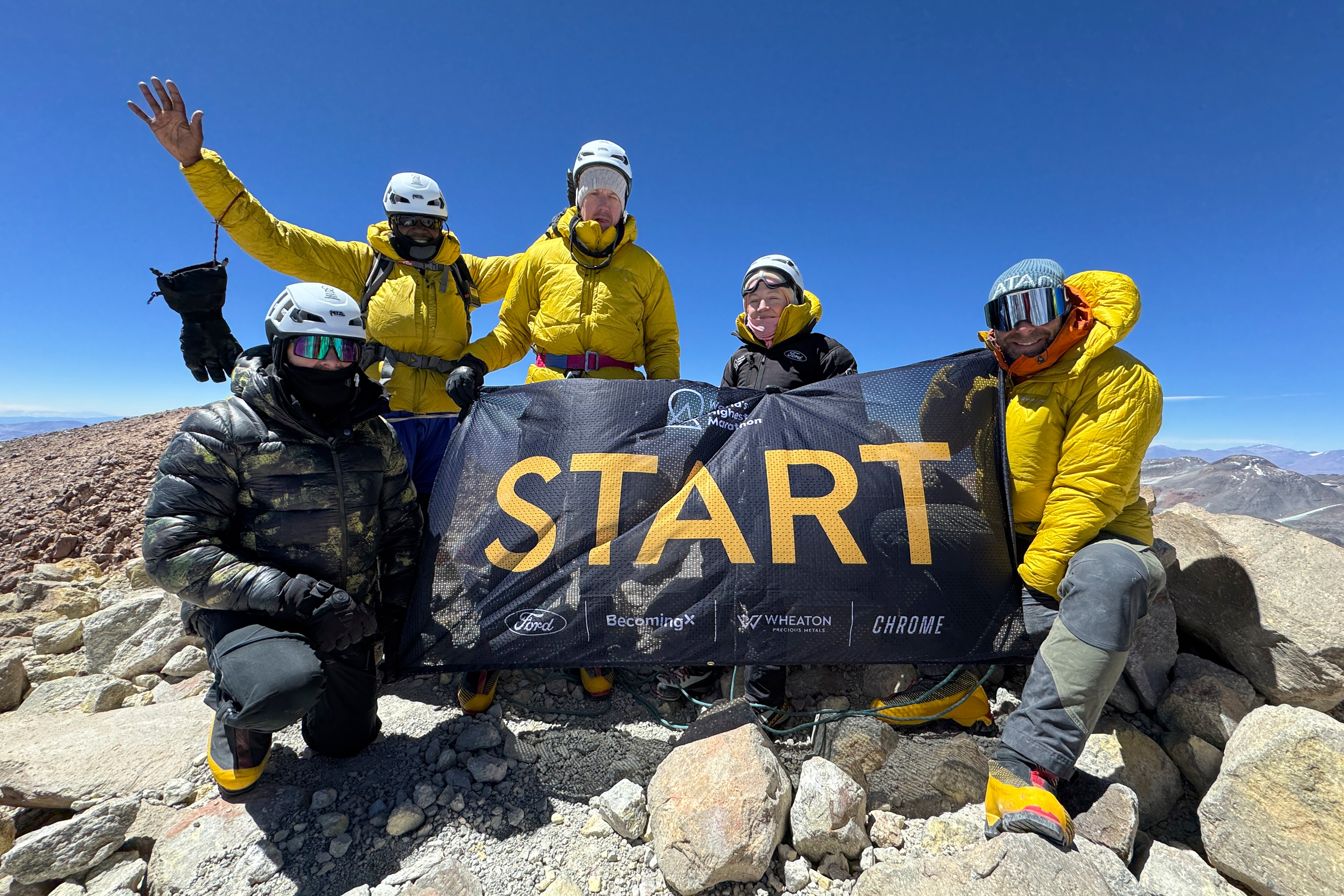
Standing on the summit of Ojos del Salado at 12:00 PM, looking out over the volcanic landscape, was a moment of pure clarity. But some weren’t able to see it.
Only 5 of the runners who attempted this run even reached the start line. The other 11 had to be evacuated. We had already been awake now for over 24 hours, we had been battered with gale-force, freezing winds and yet, our challenge had not yet even begun.
The descent was a blur of pain, grit, and determination. Running a marathon is hard. Running one on the highest volcano on Earth, where the ground is shifting under your feet and your brain is starved of oxygen is a different level of suffering altogether.
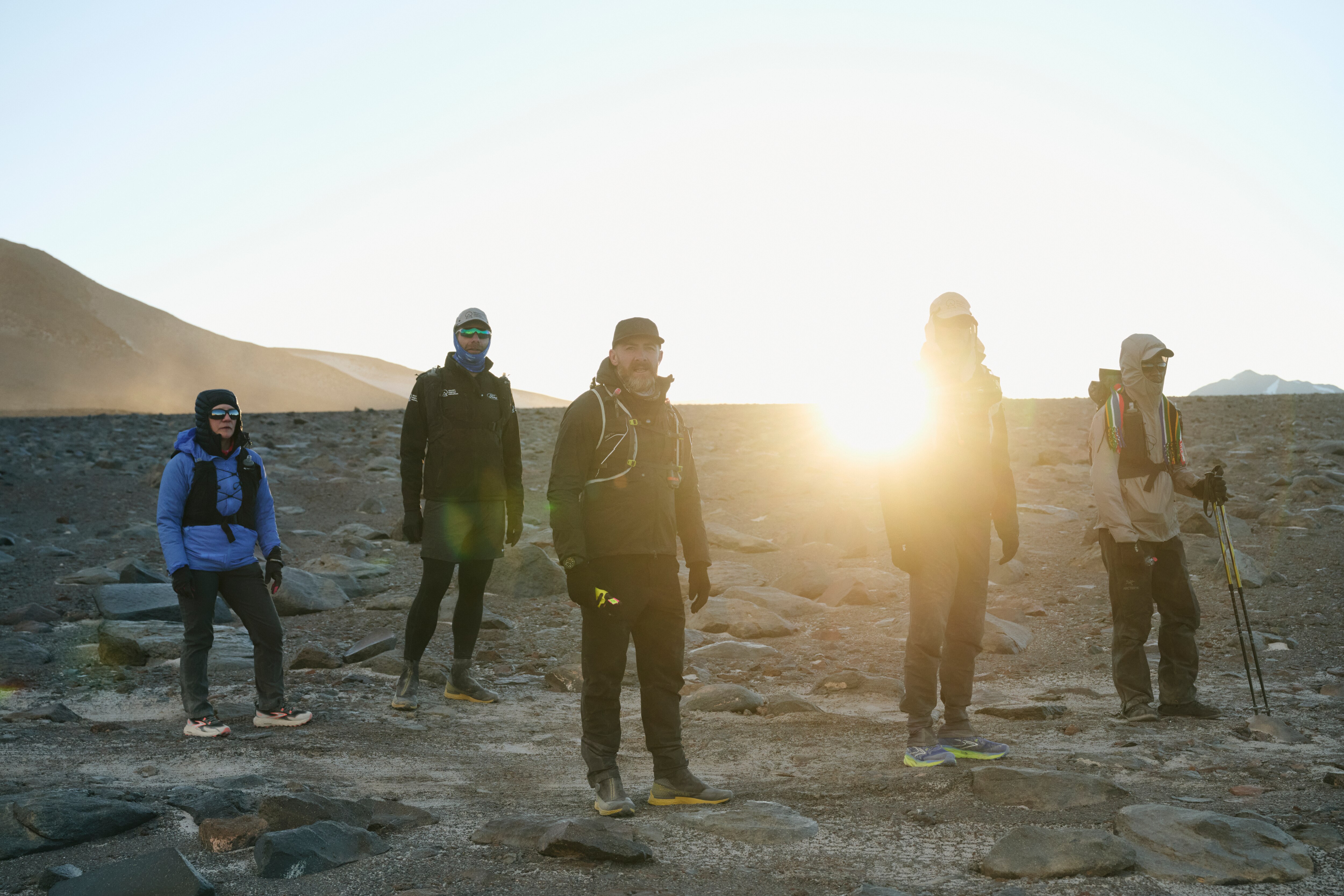
But every time I turned around and saw the dust trail of ‘Raptor 1,’ I knew we were okay. It provided medical support, water, food, and, most importantly, the confidence that we could get back to base camp if things went sideways. It was the psychological edge we needed.
Mission Accomplished
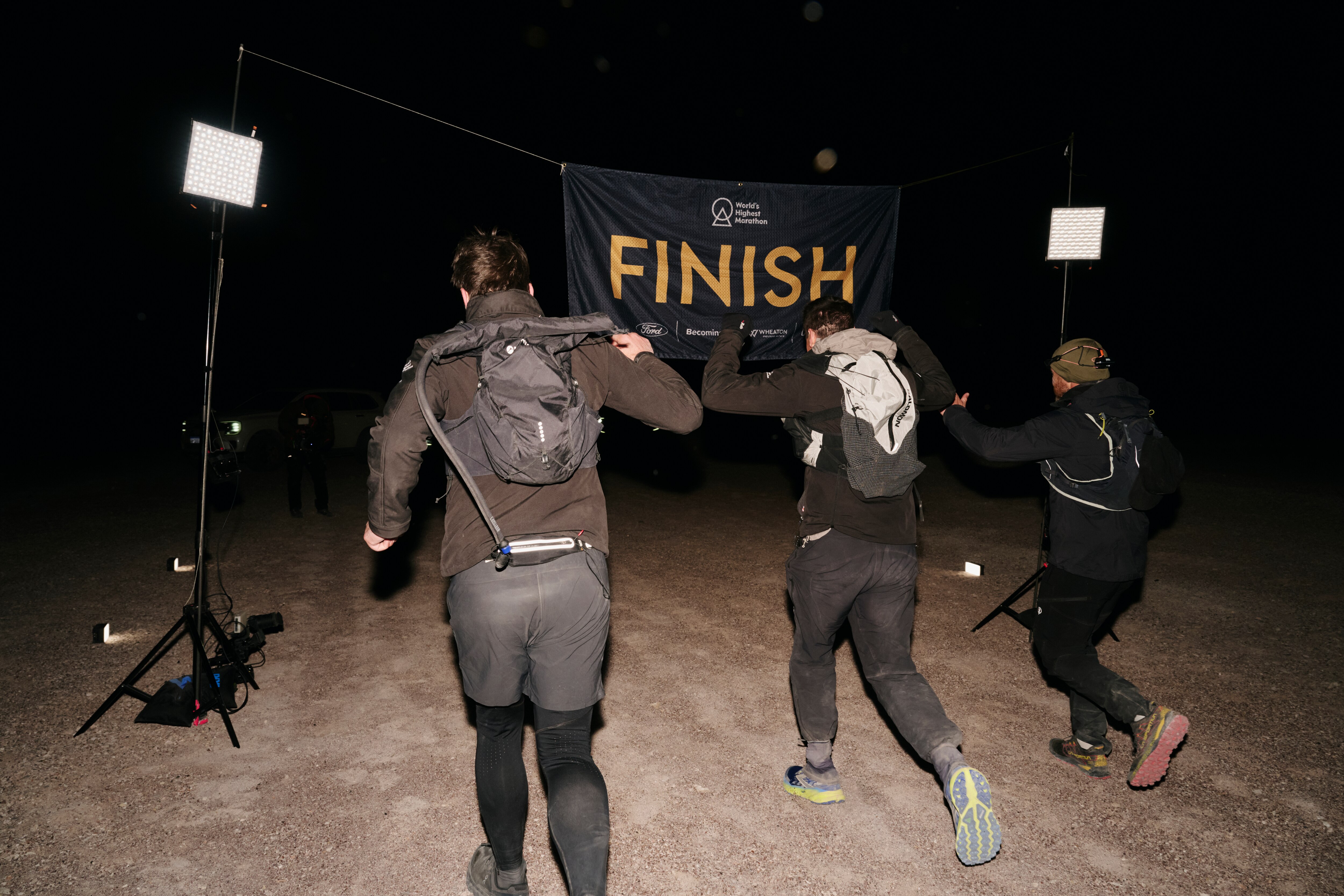
Somehow, we did it. We ran the highest marathon in history. Through two days, of no sleep and pure slog, we pushed the boundaries of human potential, and we took Ford vehicles higher than most people thought possible.
People often ask me why I do this stuff. It’s not because I have a death wish, far from it. It’s because I want to know where the limit is. To find that limit, you must remove as many "objective dangers" as possible, and you must have kit you can trust.
In the military, we talk about "Cheerfulness in the face of adversity." It’s a lot easier to be cheerful when you have confidence in such a capable vehicle.
This wasn't just a record for the history books; it was a testament to what happens when you combine human grit with world-class engineering.
To the team at Ford: Thanks for the lift. It was one hell of a ride.
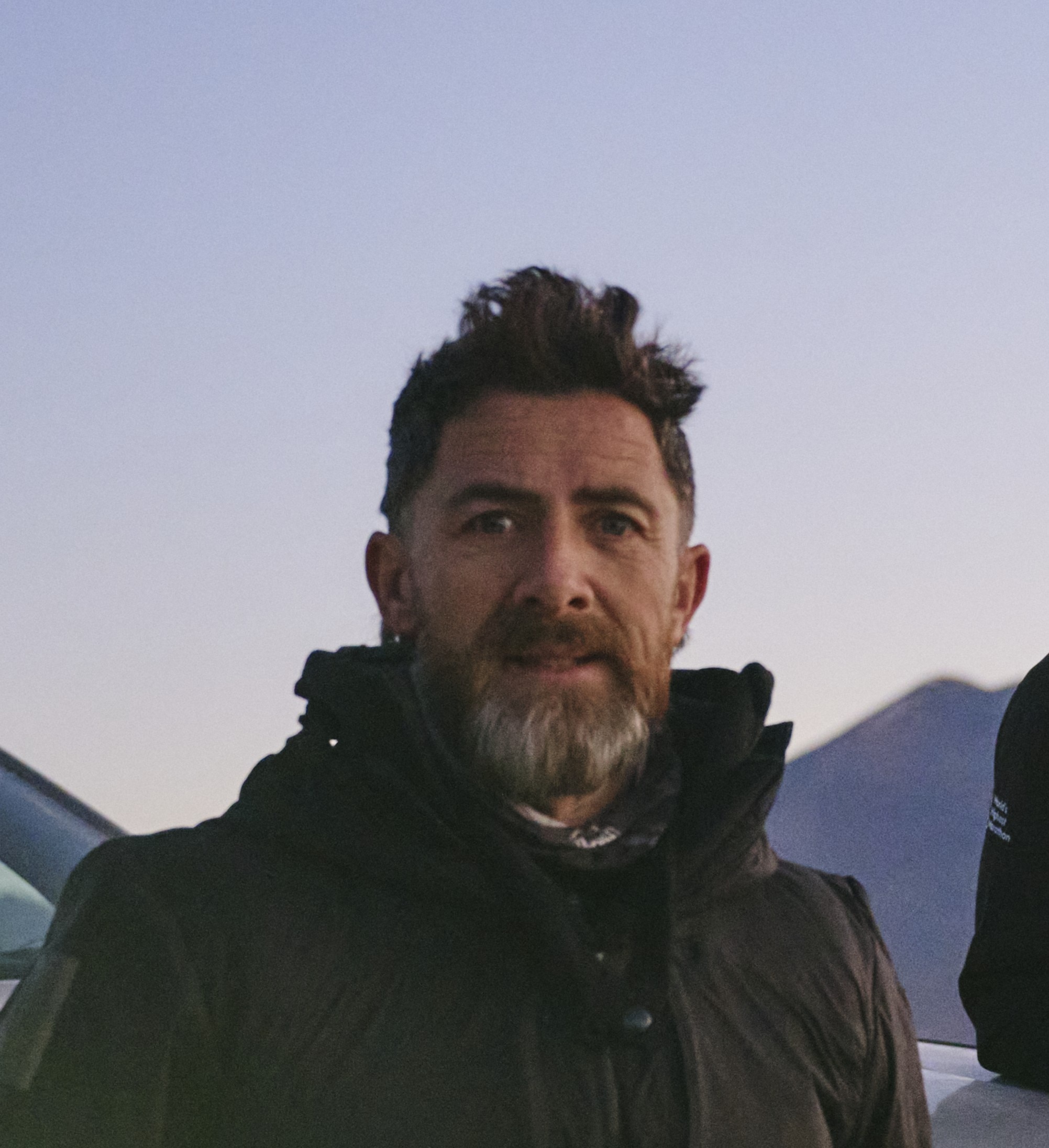
Aldo Kane is a Ford ambassador and a finisher of the World’s Highest Marathon.