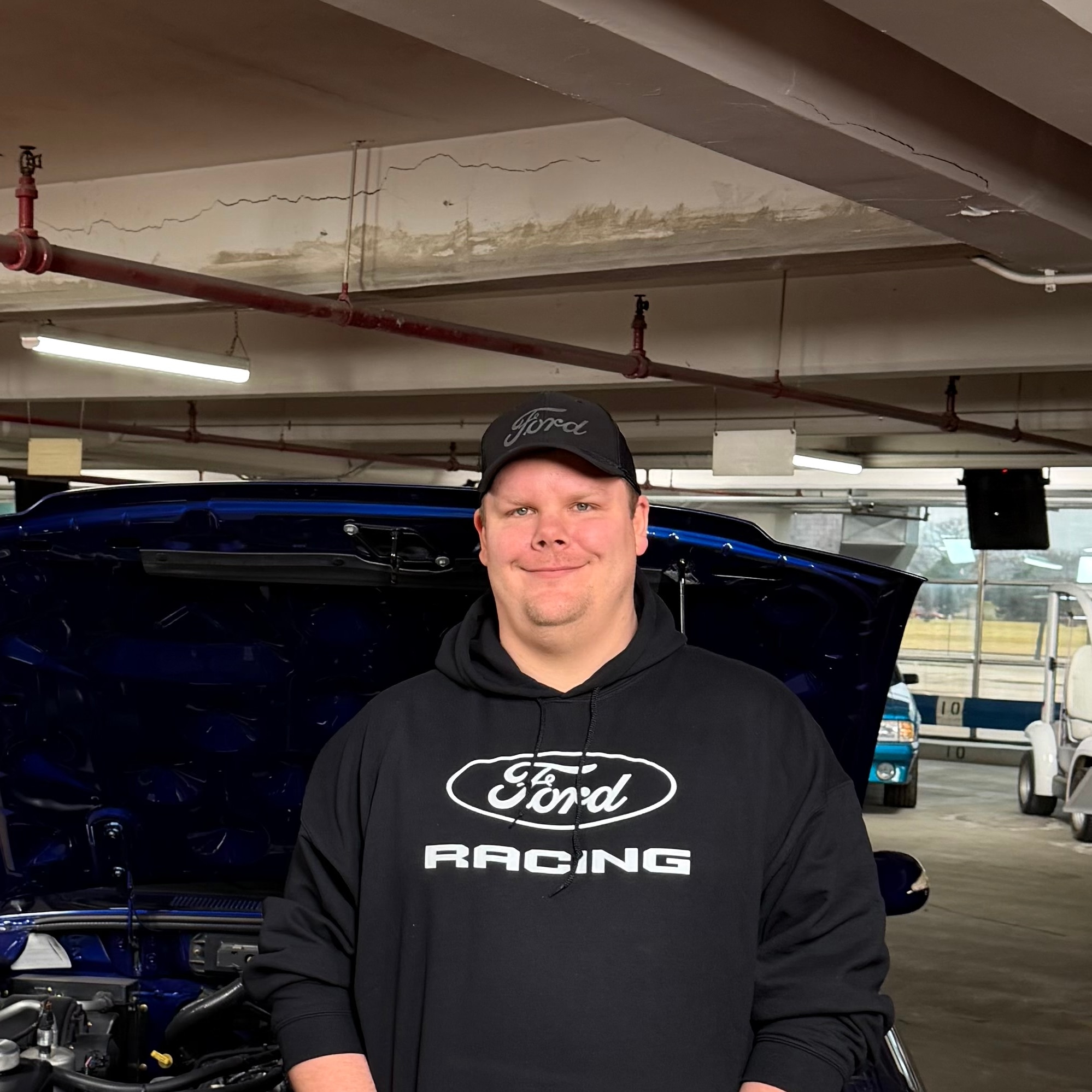
Growing up in Metro Detroit, I'd heard about this Mustang forever before I ever saw it.
It was one of those cars that almost felt mythical. Every car guy seemed to know about it. Somebody had seen it years ago. Somebody had a photo. Somebody knew a guy who knew one of the engineers.
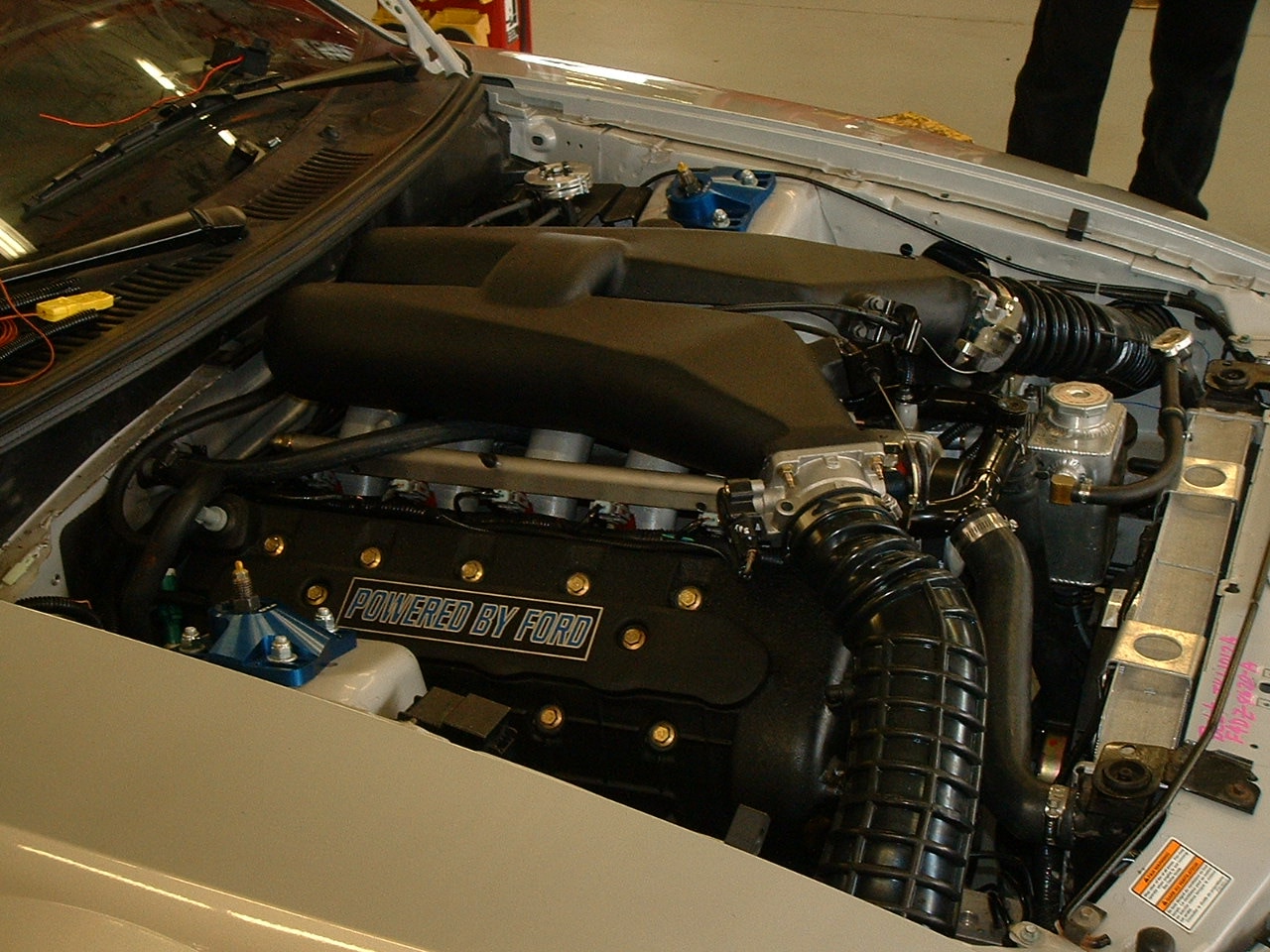
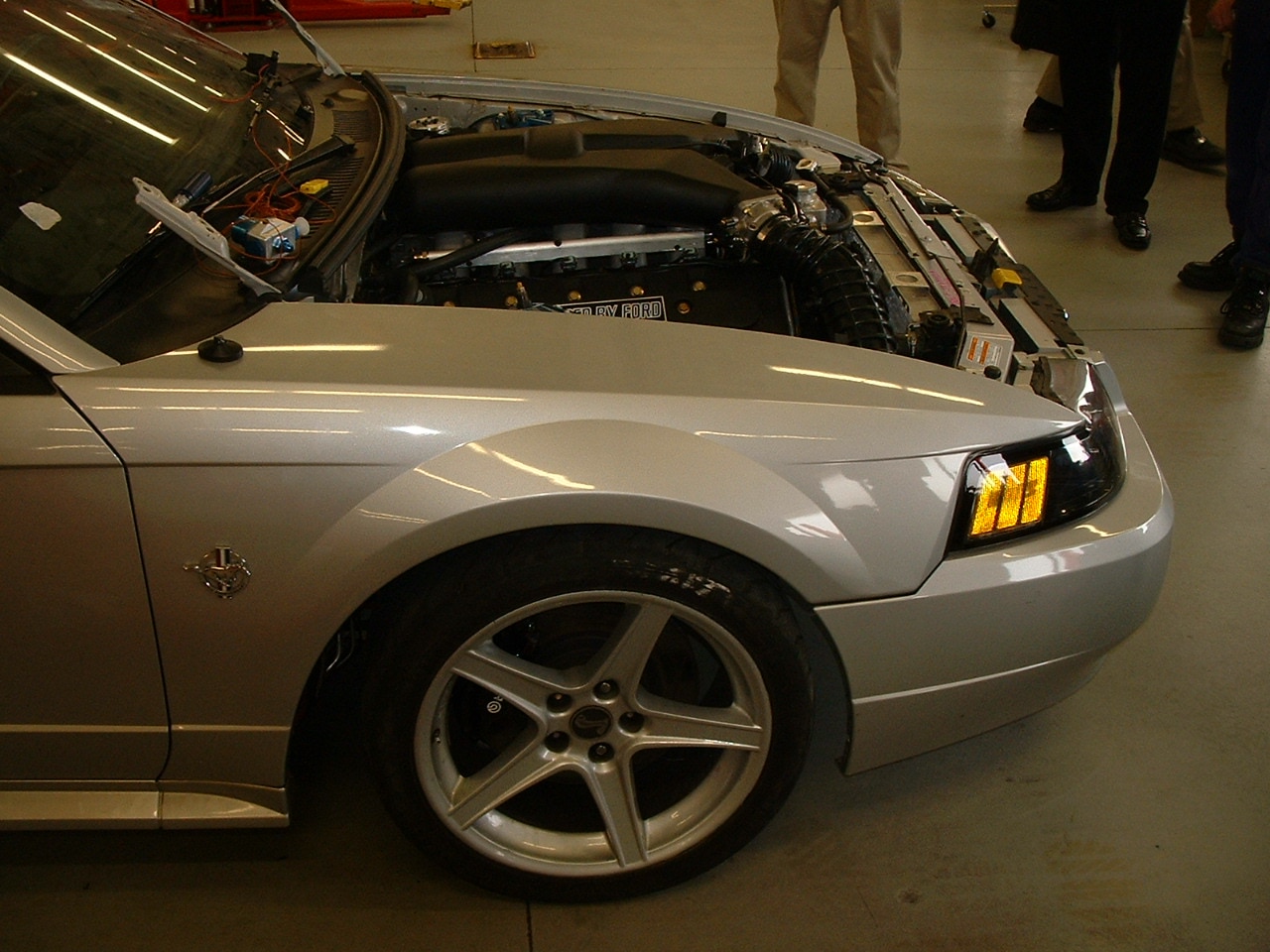
A V10 Mustang coupe. Built in secret. One of one.
The kind of story you hope is true. Then one day, I found myself standing next to it.
Now, I'm one of the people responsible for taking care of it, which is still a little crazy for me to think about.
As a kid, I was hearing stories about this car. Today, I get to drive it, maintain it, and help tell its story.
“It was one of those cars that almost felt mythical.”Matt Korczyk, Ford Heritage fleet manager
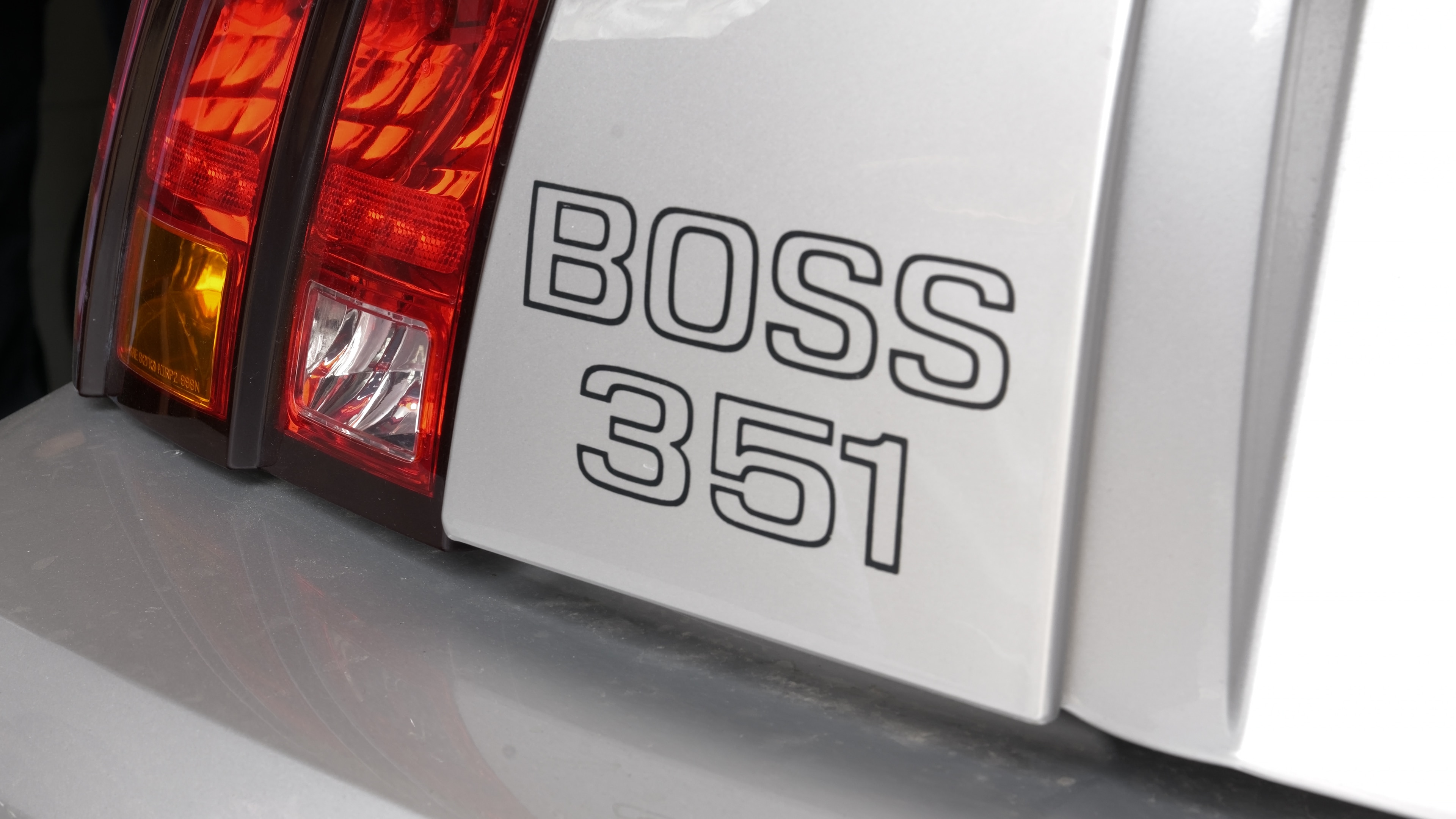
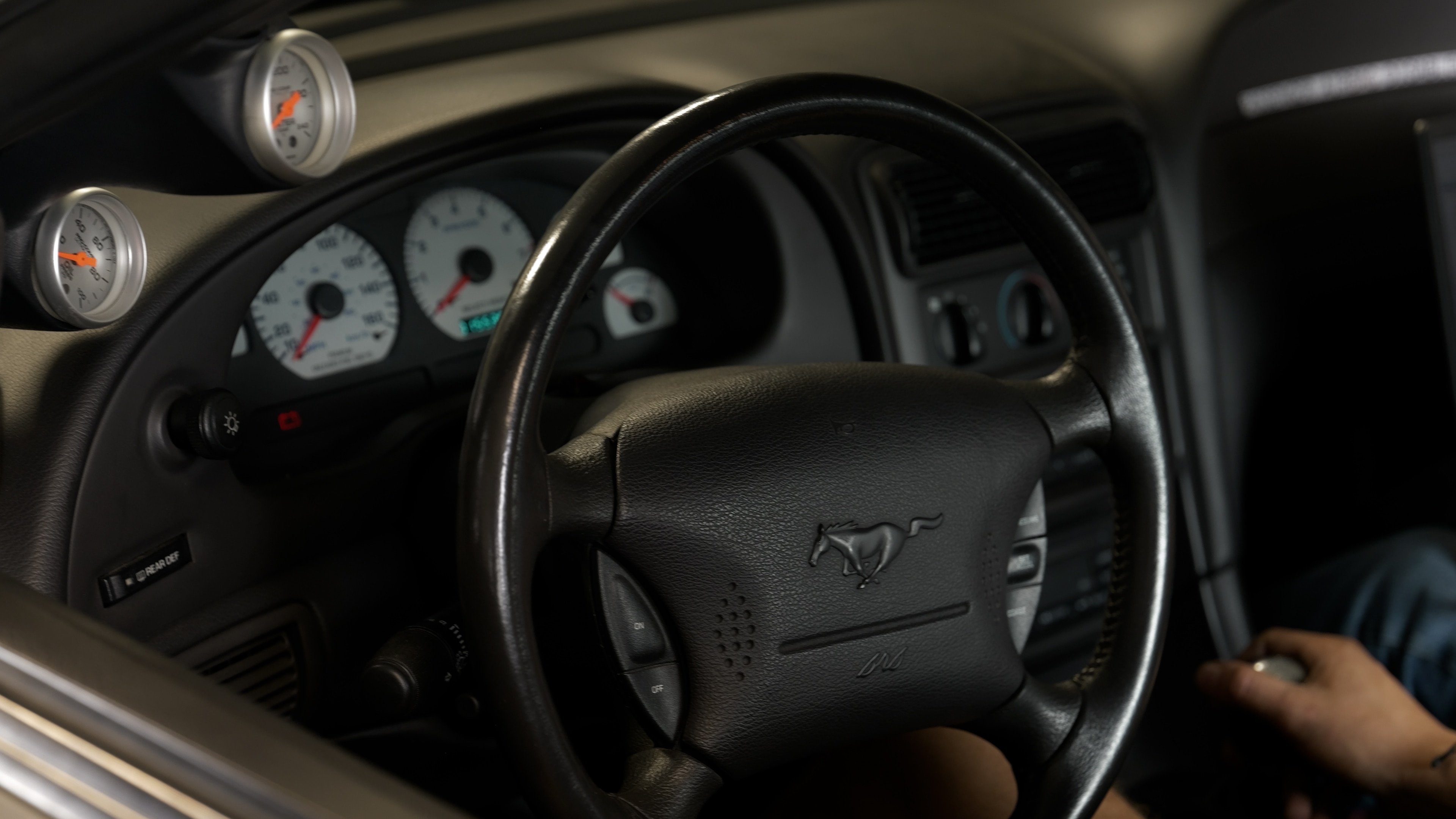
That's not a bad gig.
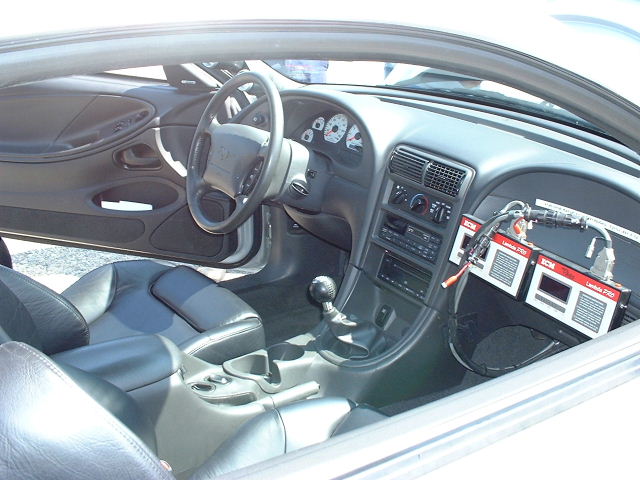
A few months ago, we started working with members of the original team to bring the car fully back to life. After years of sitting, it needed attention. New electronics. A fresh look at systems that hadn't been touched in decades. The goal wasn't to make the car faster. It was to make sure future generations could see it, hear it, and experience it the way its creators intended.
The dyno run was really our report card.
The best part of this whole experience wasn't the dyno run. Well... maybe it was for a minute.
When we fired the car up and rolled into the pull, everybody in the room stopped talking. The V10 has a sound all its own. It's raw. Mechanical. It doesn't sound like anything we'd build today. It sounds like a group of engineers got together and decided to do something completely unreasonable just because they could.
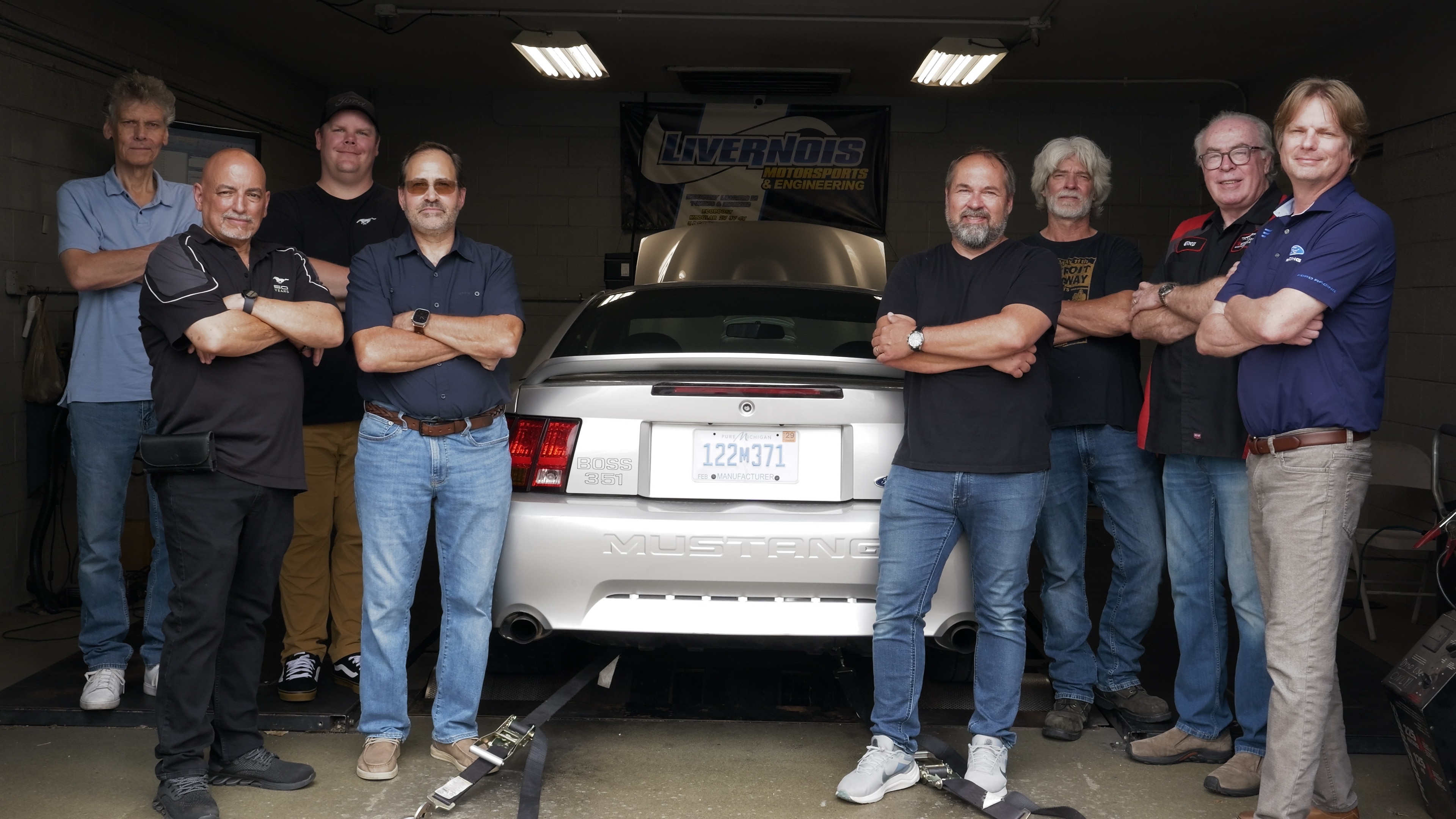
Then the number popped up. More than 510 horsepower at the wheels.
What I will remember most wasn't the horsepower figure, though. It was looking around the room afterward.
Standing there were the people who built this thing: Greg Coleman, Jim O'Neill, Paul Vella, Don Masch, Mike Shelby, and their supervisor, John Brune.
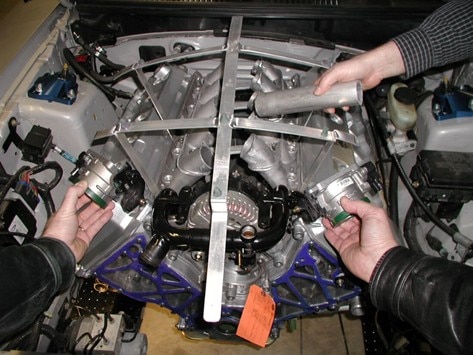
Twenty-five years earlier, they had spent countless nights and weekends turning an audacious idea into reality, machining parts, solving problems and proving that a V10-powered Mustang could work. Seeing the car come to life again, they couldn't stop smiling.
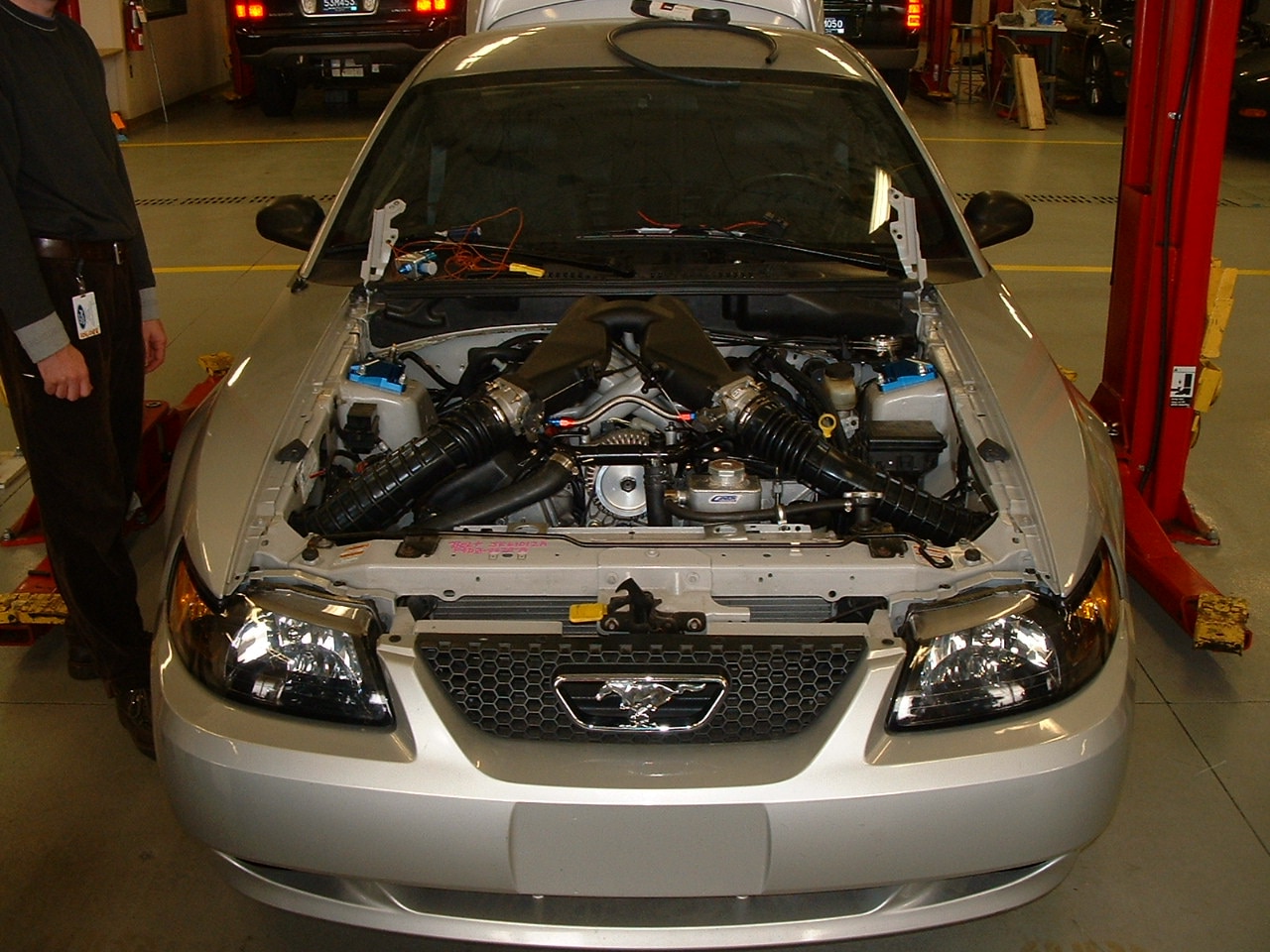
Not because of a number on a screen. Because their old friend was still alive. That's what makes this car special.
A lot of people see a one-off prototype. I see the people behind it. The engineers who took a chance on an idea. The machinists who built parts that didn't exist. The team that kept the car around long enough for the next generation to appreciate it.
Cars like this don't survive by accident.
For years, this Mustang lived a pretty quiet life. It sat. It moved around. At times, it came dangerously close to disappearing altogether. But there were always people who cared enough to keep it around. People who understood what it represented.
One thing I've learned working for the Heritage Fleet is that preserving a vehicle isn't really about the vehicle. The car is just the vessel. What you're really preserving are the stories. The people. The ideas. The late nights. The "hey, what if we tried this?" moments.

After the dyno run, nobody was talking about horsepower anyway. They were trading stories. Remembering old projects. Laughing about engineering debates from two decades ago. For a little while, it was like no time had passed at all.
That's the magic of a car like this.
Sure, it's a one-of-one V10 Mustang.
But more than that, it's proof that a handful of passionate people can build something special enough that 25 years later, we're all still standing around talking about it.
Matt Korczyk is the Ford Heritage fleet manager.