
From camper vans to emergency ambulances, even the occasional mobile sauna van, I’ve spent the last decade of my career with Ford Pro Special Vehicles engineering all sorts of specialist commercial vehicles to fit customers’ specific needs.
This proved to be the perfect background for my current role as chief programme engineer for Transit City, 1 our new one-tonne, city-focused electric van — and in particular, its versatile conversion-ready chassis cab model.
And it’s the Transit City chassis cab that customers can see for the first time at IAA Transportation 2026 in Hannover, Germany. It’s tailor-made for urban firms who need a compact, agile base for everything from high-capacity delivery work to grounds and maintenance vehicles for municipal fleets.
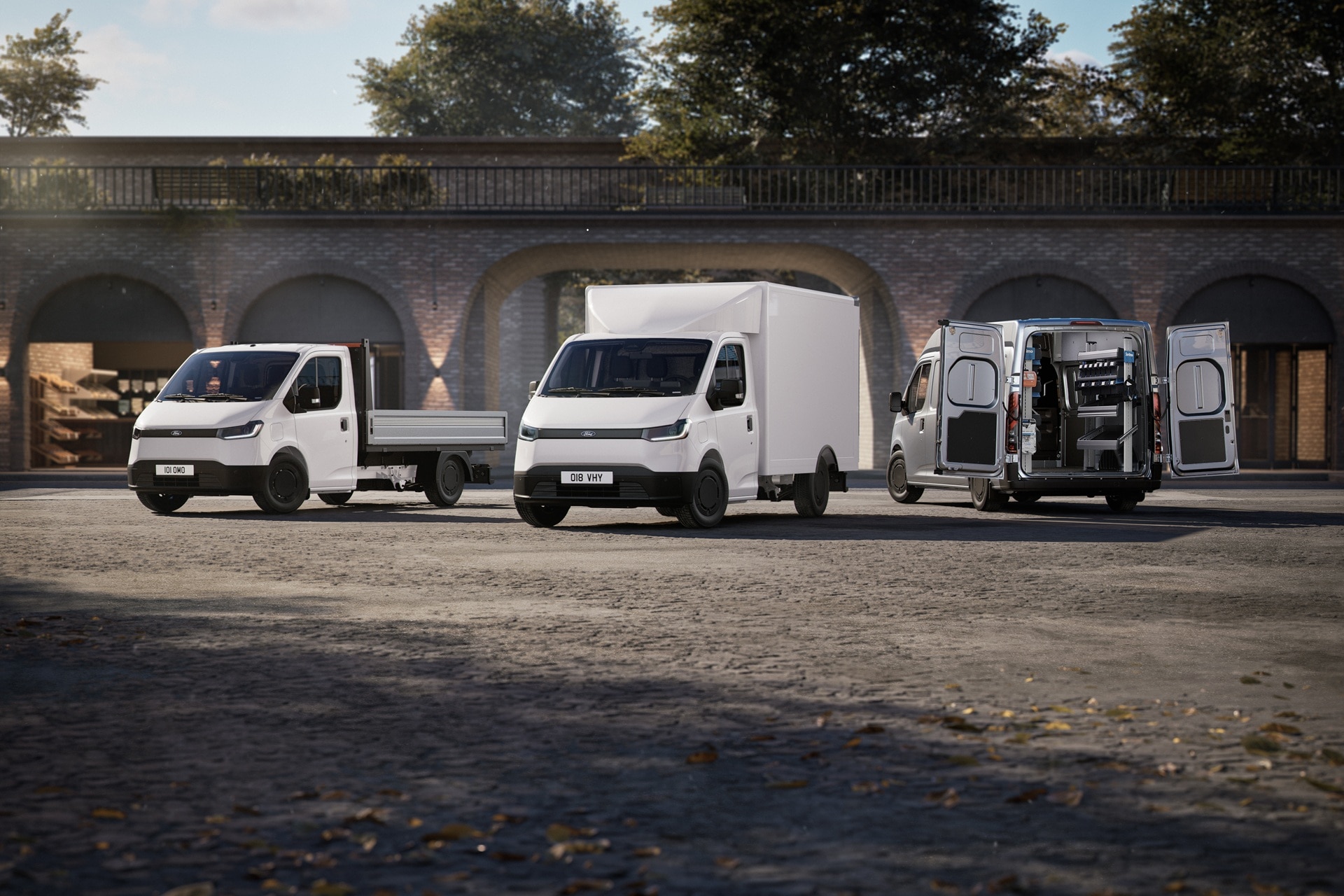
In keeping with Transit City’s ethos of simplicity and cost-effectiveness, we’re launching it in the most common conversion types — box body and dropside, plus a racked panel van — as part of Ford Pro’s One-Stop Shop range so customers can order a vehicle ready for work directly from their Transit Centre.
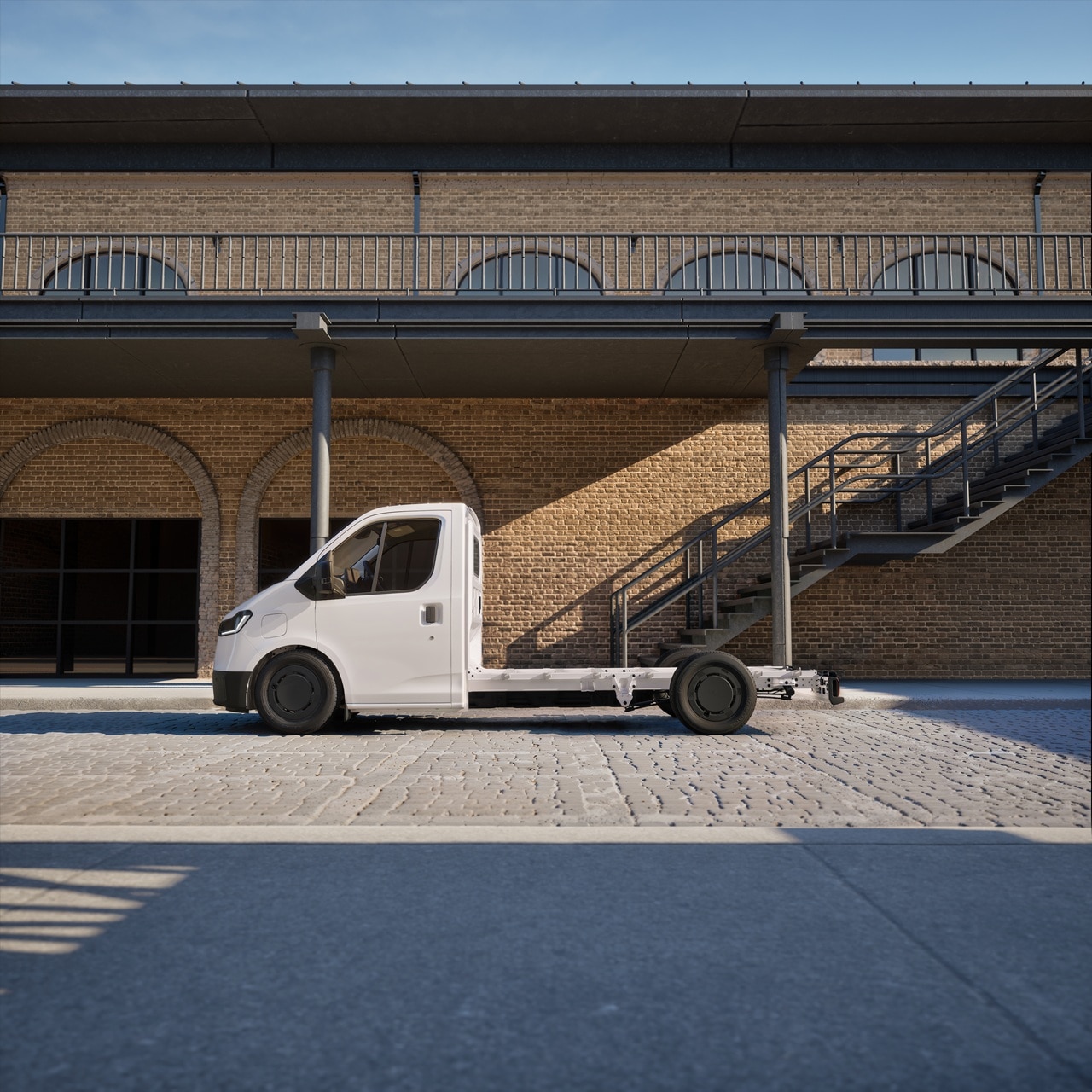
Chassis cab
Businesses with more specialist requirements can work with Ford Pro Special Vehicles and our 200-strong converter network in Europe to develop the ideal tool for their job. As Transit City is Ford Pro’s first entry in the one-tonne chassis cab segment, we drew directly on our Ford Pro Convertors’ expertise to make it an ideal base vehicle and help make their jobs easier.
The chassis cab was refined using lessons from larger Transits and features optimised chassis rails, standardised bolt patterns and clear no-drill zones to simplify conversion and result in cost-effective, reliable and capable finished vehicles for customers.
“As Transit City is Ford Pro’s first entry in the one-tonne chassis cab segment, we drew directly on our Ford Pro Convertors’ expertise to make it an ideal base vehicle.”Simon Robinson, chief programme engineer, Transit City
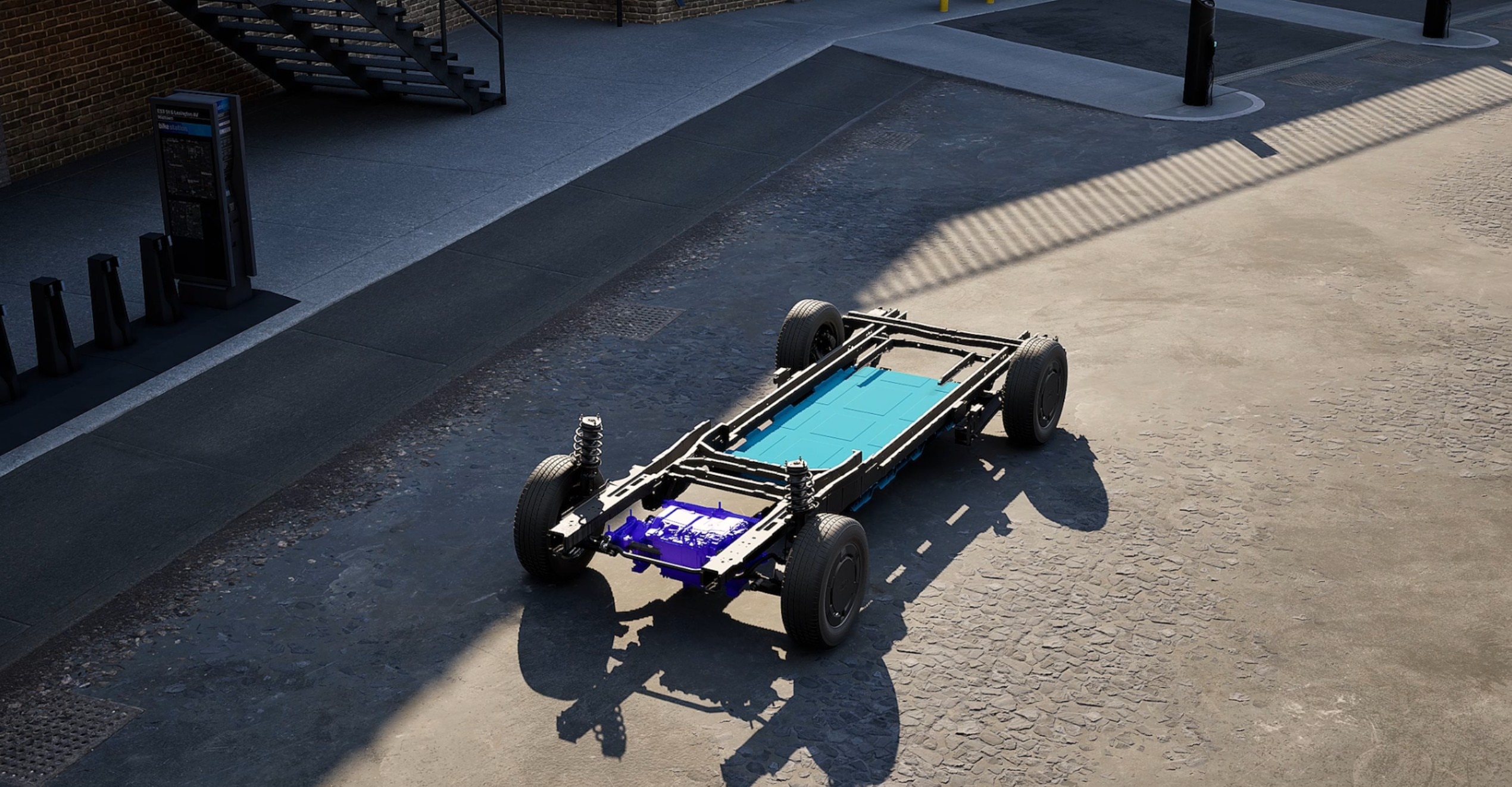
To support conversions that require power from the battery, the Transit City chassis cab will also provide an electrical power take off (ePTO) feature later in 2027, and this is previewed by a refrigerated vehicle at the show.
What is the Ford Pro One-Stop Shop?
One-Stop Shop is Ford Pro’s way of streamlining the purchase and operation for more popular conversion types, such as box vans or flatbeds. By partnering with converters who meet our exacting standards, we can deliver a vehicle for customers more quickly and with a minimum of administration.
Ford Pro One-Stop Shop benefits:
- Single invoice — base vehicle and conversion in one bill
- Delivered to dealer — Ford Pro logistics to your local Transit Centre
- Matched warranty — conversion warranty equals the base vehicle
- Ford Pro ecosystem — full support with servicing, vehicle management, charging and financing options
Transit City Box Van
The first of our One-Stop Shop solutions is converted by leading body builder Scattolini, combining the generous cargo volume of a traditional box van with a low floor, removing the need for a tail lift. It’s the ideal van for companies moving bulky items or wheeled cargo like flight cases or cages.
“We call this a 'box van', but there's actually a lot of engineering detail here to increase efficiency as much as possible.”Simon Robinson, chief programme engineer, Transit City
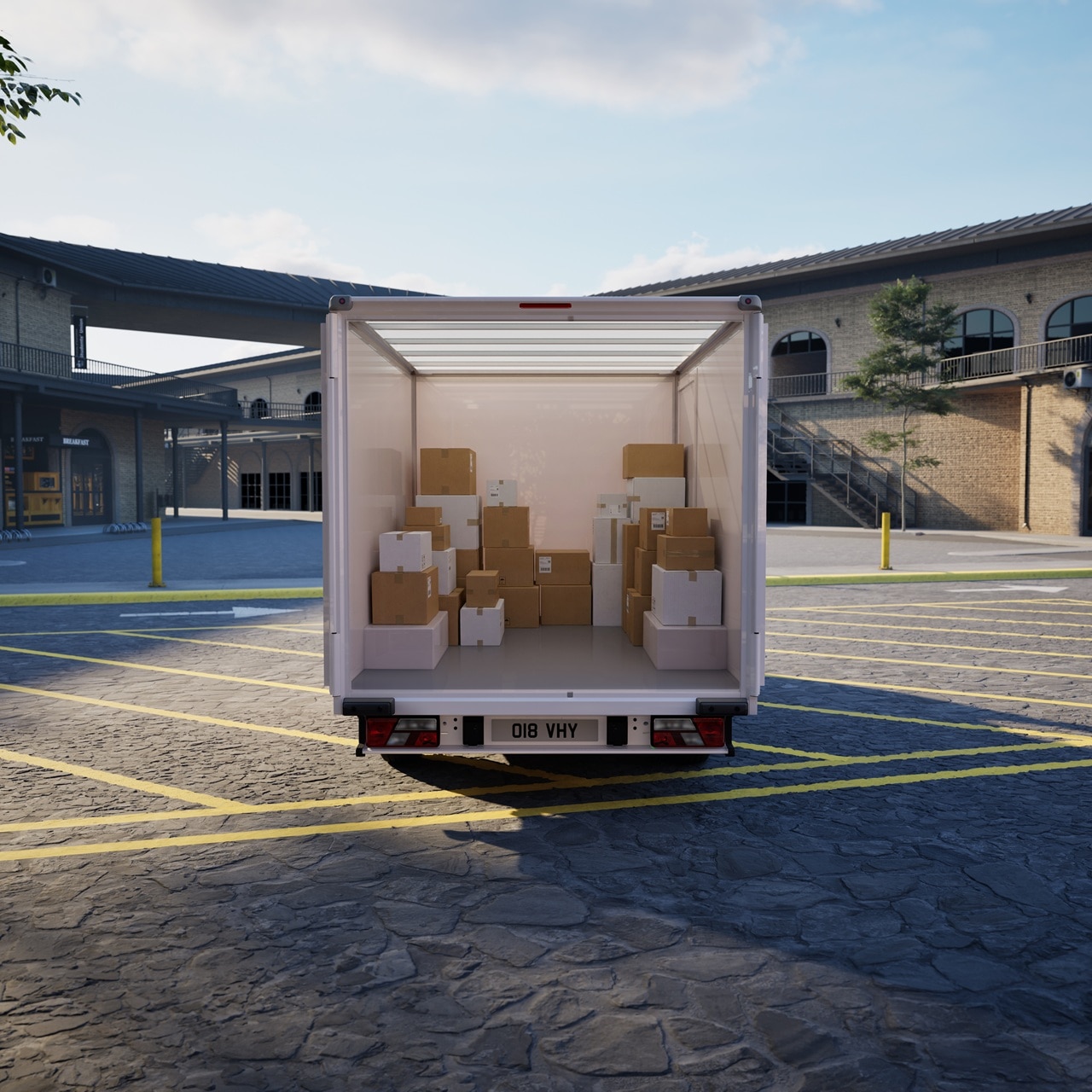
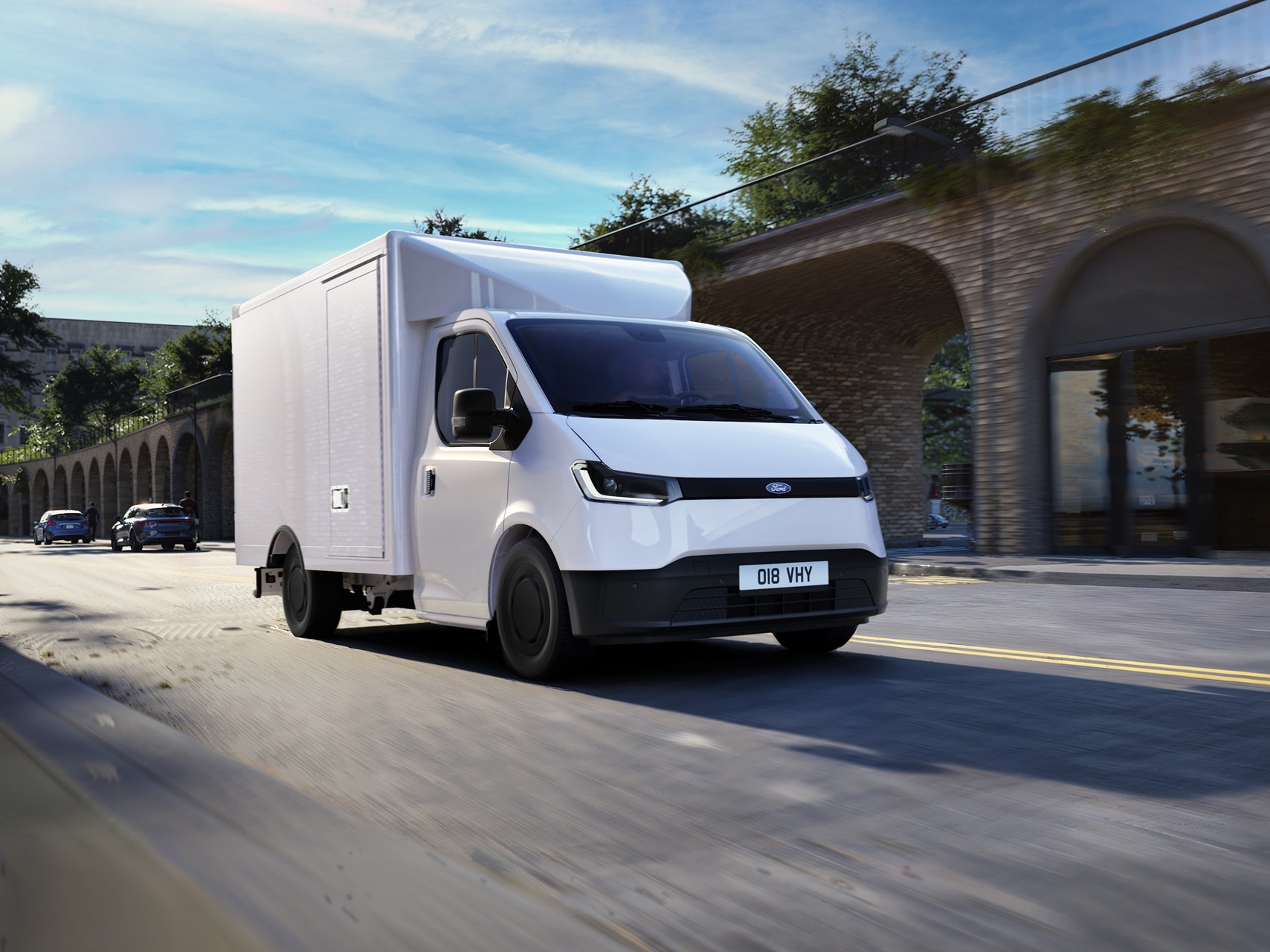
- How is it built? We worked with Scattolini to design a lightweight, low-floor box body. The box is built from panels sandwiching insulating foam between smooth glass-reinforced plastic, meaning the inside is easy to keep sanitised and the outside is a flat, simple surface to take a customer’s livery with decals or a full wrap. A plywood floor with anti-slip surface completes the box.
- How much can it carry? Up to 1,120 kg. 2 Customers can specify load rails along the front and side walls to take nets or strap hooks when restraining loose cargo.
- How big is the load box? Maximum load length is 3,010 mm, width is 1,930 mm and height is 1,800 mm. Total load volume is 10.4 cu. m. 3
- What’s the access like? Twin rear doors with recessed lock and interior grab handle make access simple. These open through 270 degrees to support loading with a forklift or from a loading bay. There’s also a side door to help when loading and unloading from the kerb.
- That’s a big box — what’s the impact on range? We call this a “box van”, but there’s actually a lot of engineering detail here to help increase efficiency as much as possible. We used advanced simulation to shape the fairing above the roof, smoothing airflow to reduce drag and increase range. We’ve also used lightweight but durable materials for the box construction and based it on aluminium crossbeams to further reduce weight. Even the load box roof is translucent to reduce the demand for lighting — and when you do need to see more, we’ve used energy-efficient LEDs.
Transit City Dropside
Think of a building or utilities company, local council or tool hire firm and it’s likely they have a fleet of dropsides. The durable Scattolini One-Stop Shop conversion here is suited to carrying scaffolding, being loaded with pallets of building materials by forklifts, or transporting lawnmowers, road signs, generators and wood chippers for a municipal fleet.
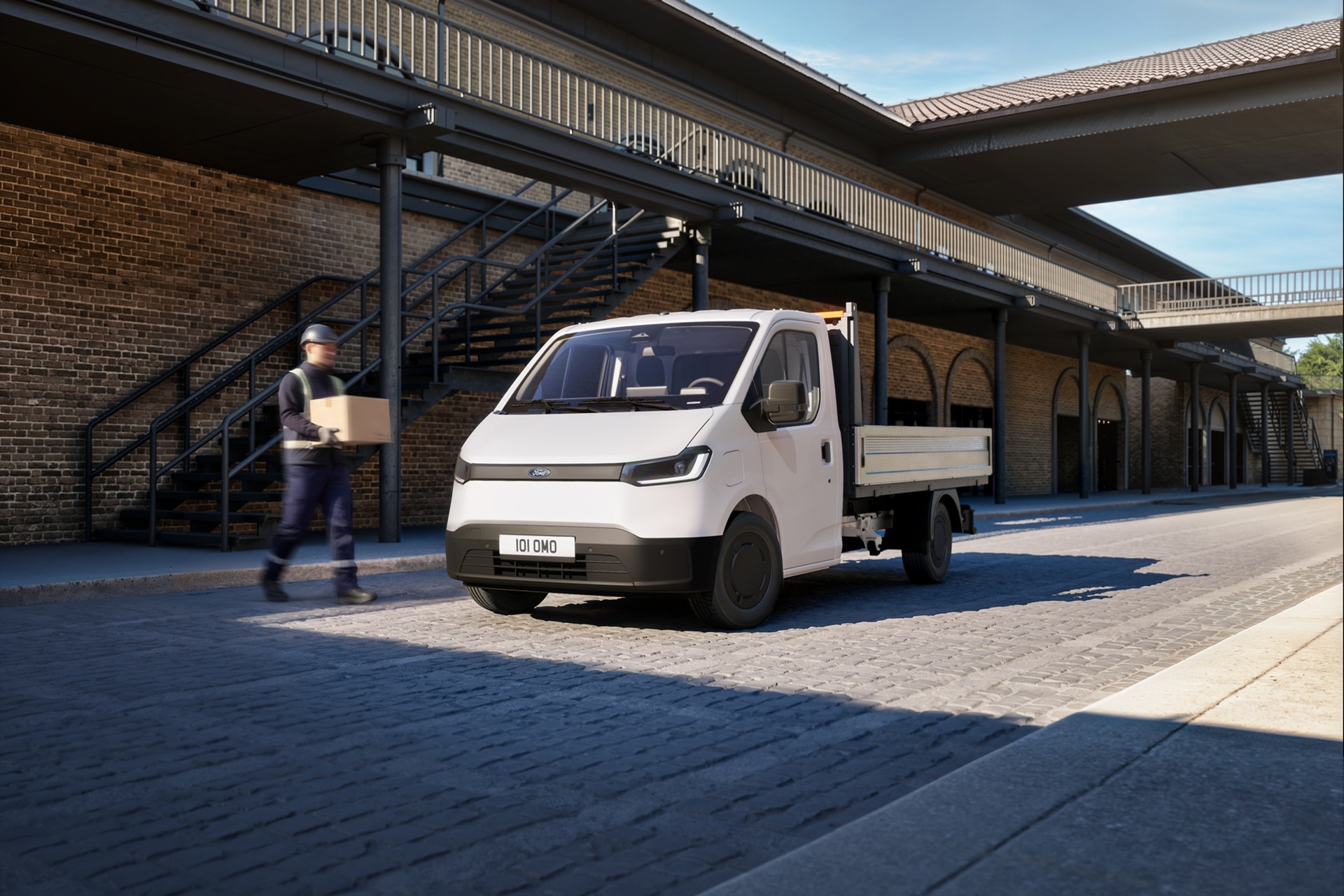
“Think of a building or utilities company, local council or tool hire firm and it's likely they have a fleet of dropsides.”Simon Robinson, chief programme engineer, Transit City
- What’s it built from? The body features a steel subframe with aluminium side and tailboards, and a 15 mm thick ply load bed with a durable anti-slip, scratch-resistant resin finish. The cab protector is steel and offers a handy lashing point to restrain longer loads.
- How much can it carry? Maximum payload is up to 1,300 kg 2
- How big is the load area? The body offers a maximum load length of 3,130 mm, load width of 2,000 mm and height of 1,504 mm from load bed to the top of the cab protector. The sideboards and tailboards are 400 mm high. Unladen, the loading height is 939 mm. 3
Transit City Refrigerated Box Concept
This one-off concept conversion showcases Transit City’s electric power take-off (ePTO) feature which will be available in 2027. Built in partnership with Ford Pro Convertor refrigeration experts Lecapitaine, this concept is a near-production example of the refrigerated vans that power the last mile of the cold chain in supermarket home delivery or pharmaceutical transport. The ePTO feature uses energy from Transit City’s 56 kWh battery to power the chiller unit.
- What is ePTO? Electric power take-off, where energy from the vehicle battery can be used to power elements such as chillers, motors or pumps on a converted vehicle.
- When will ePTO be available? The feature will be added to Transit City Chassis Cab models during 2027.
- How much power does ePTO deliver? The ePTO system can provide up to 3 kW of DC power to conversion features.
- What kinds of conversion could ePTO power? Ford Pro expects ePTO to be particularly attractive for customers and converters developing refrigerated units, powered tippers, tail lift units, or high-pressure pumps for cleaning and drainage businesses.
Transit City Racked Van
Also on show in Hannover is a van model with our One-Stop Shop solution for customers needing racking in their vehicles. From the outside, this is a standard Transit City L2. Once you open the cargo doors, it’s immediately obvious that this is a van designed by a customer to suit their own specific purpose. Sortimo SRS flexible racking options enable customers to configure convenient, secure storage to meet their needs.
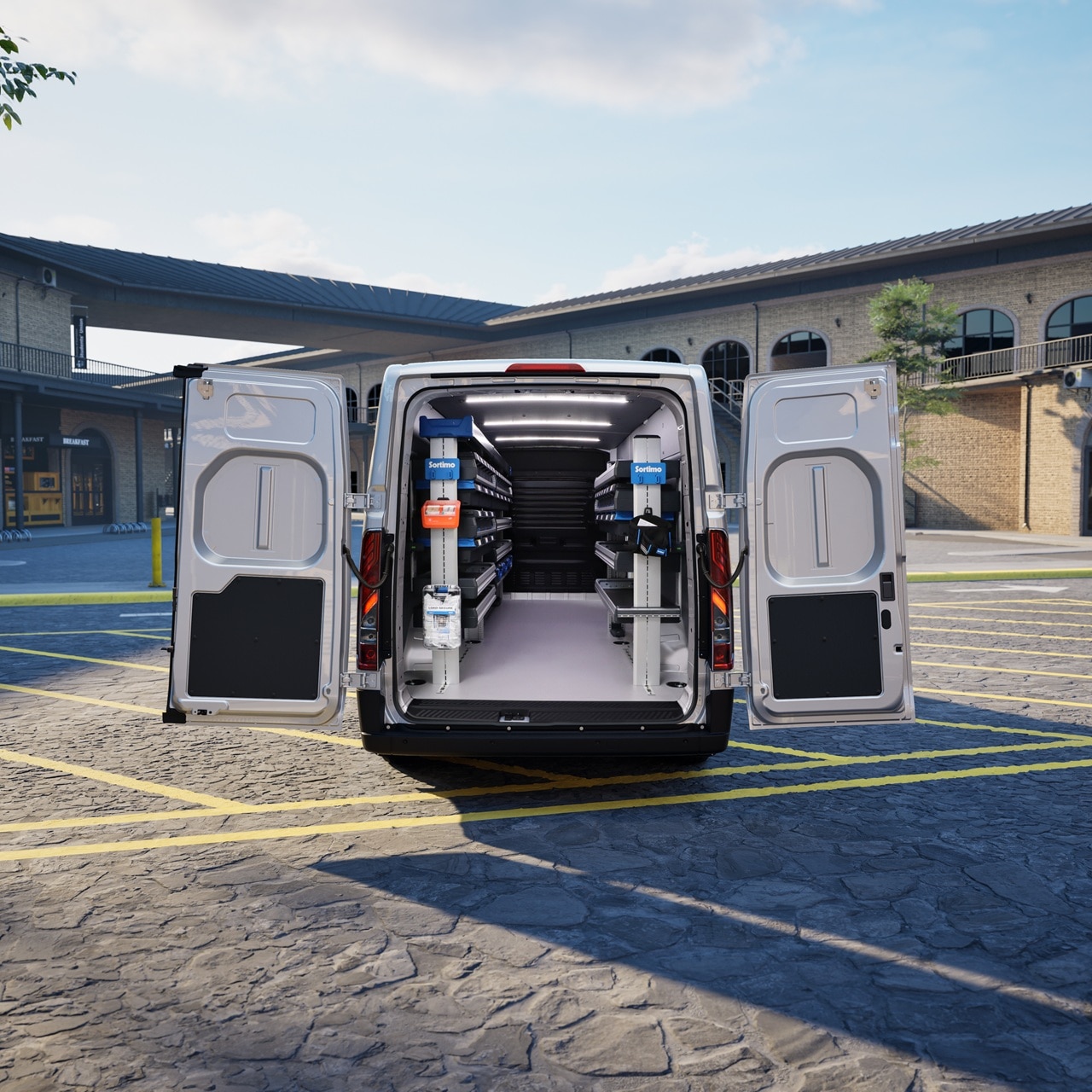
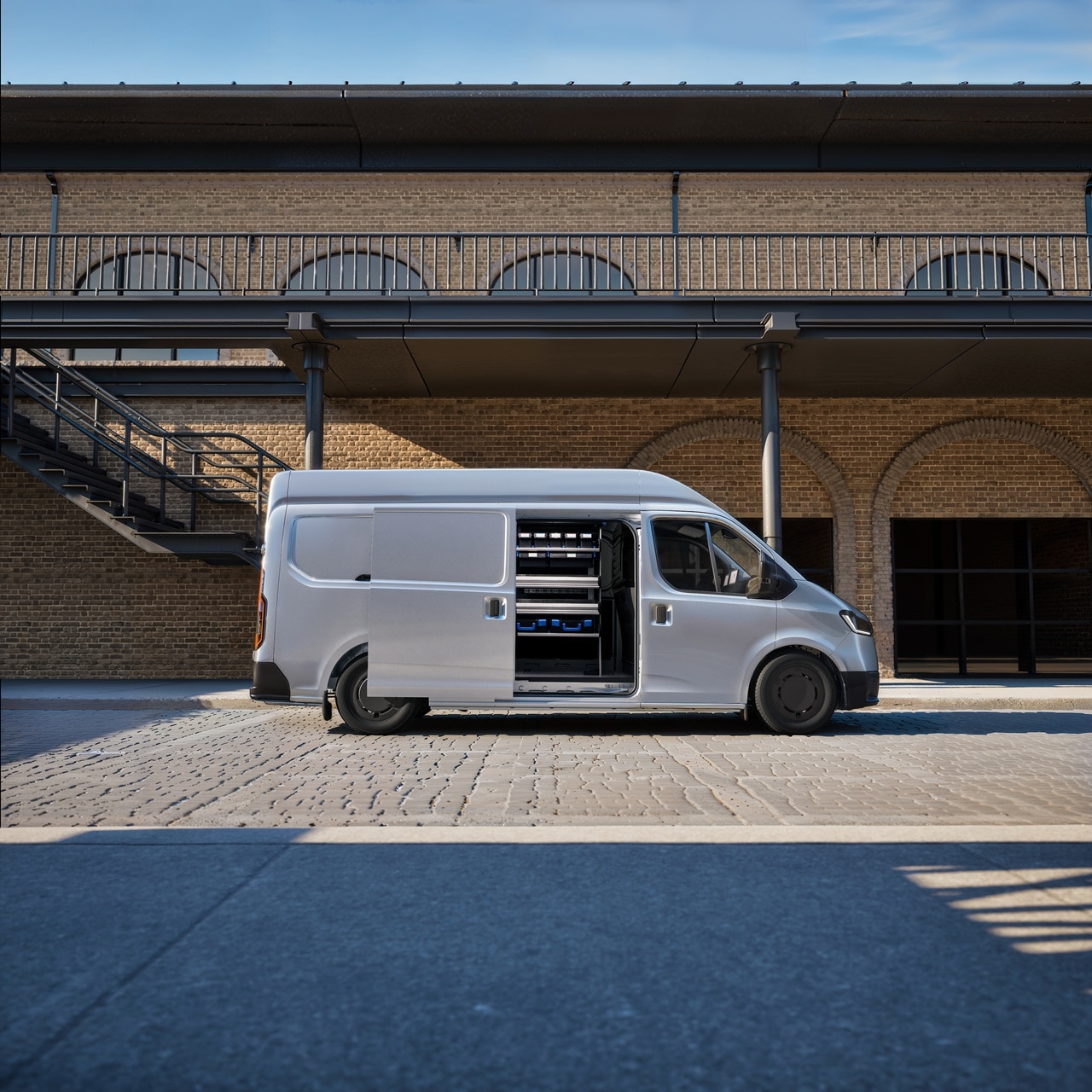
- What is racking and who is it for? The One-Stop Shop racking in Transit City is from specialist firm Sortimo. It can be fitted to the L1 or L2 panel vans and uses a modular system of aluminium uprights and adjustable shelving to hold tools, drawers, containers and Sortimo’s other storage solutions. This means there’s a racking option to suit many different uses.
- What kind of businesses would use this? Some of the most common customer types are maintenance workers who use their van as a rolling toolbox, or utilities workers who need a simple way to organise lots of loose fittings and hoses.
- How much does racking eat into payload? The exact weight of the racking will depend on the features chosen by the customer. However, the aluminium construction combines strength and light weight to minimise the impact on payload, and with up to 1,275 kg available in the standard Transit City van, 2 customers will still have a very competitive and capable payload even with Sortimo racking fitted.
Transit City – things you need to know
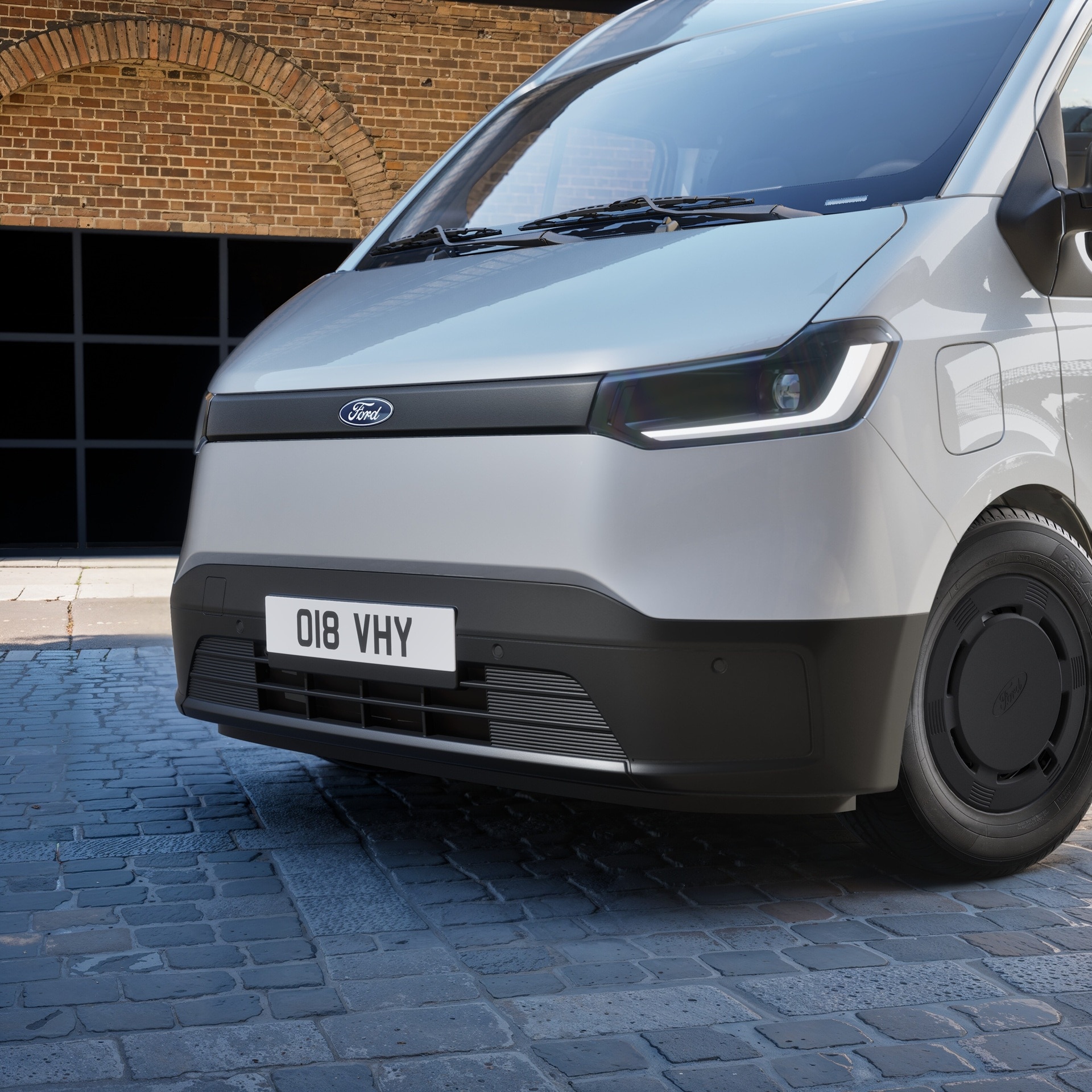
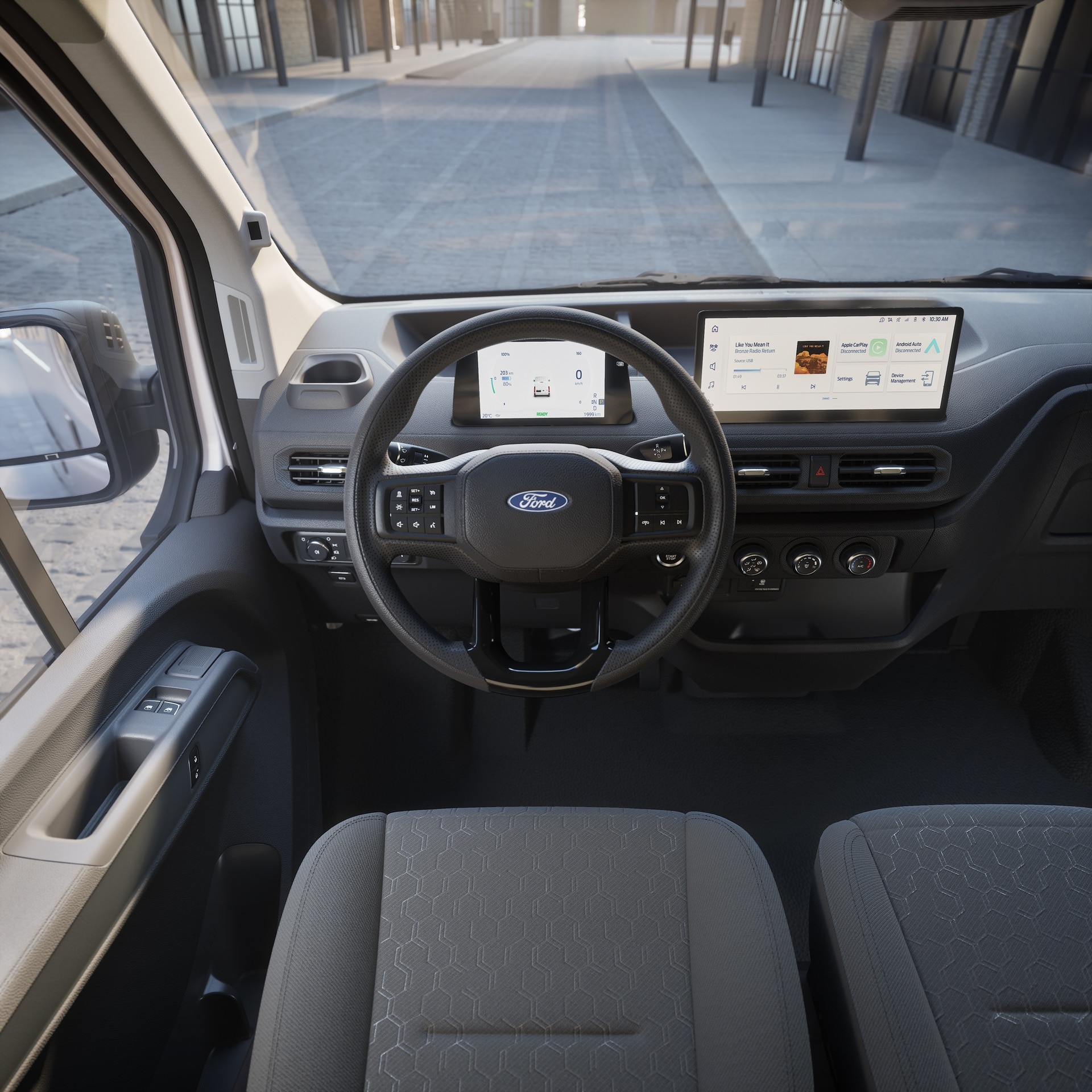
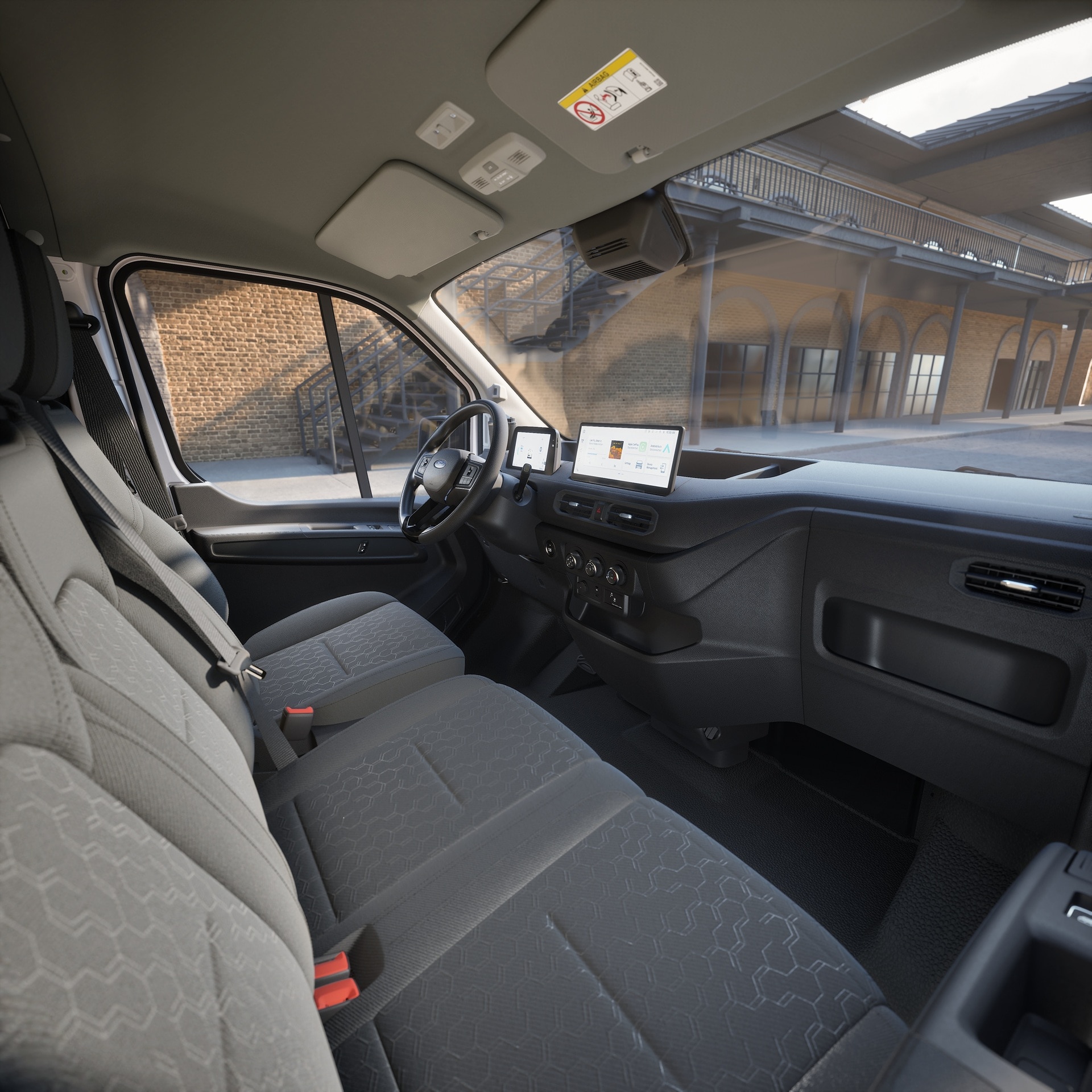
- We developed Transit City as a cost-effective, right-sized electric van specifically for urban companies who need to futureproof their business against rising costs, clean air zones and other increased operating restrictions.
- The 56 kWh lithium iron phosphate (LFP) battery and 110 kW electric motor deliver a targeted driving range up to 254 km 1 — over twice the daily average of electric vans in Europe’s cities.
- A typical 10-80 per cent charge takes 4.5 hours with an 11 kW AC charger at home or in the depot. 4 Fast charging at up to 87 kW can add around 50 km of range in 10 minutes, or recharge the battery from 10-80 per cent in just over 30 minutes. 4
- Transit City comes in a single, well-equipped series, including a 12-inch dashboard touchscreen, 5 Apple Carplay and Android Auto compatibility, 6 keyless start and a heated driver’s seat.
- Ford Pro expects significantly reduced servicing costs: customers could save around 40 per cent compared with an equivalent diesel van, supported by two-year/unlimited distance service interval and our extensive European network of over 800 Transit Centres and around 500 Mobile Service vans.

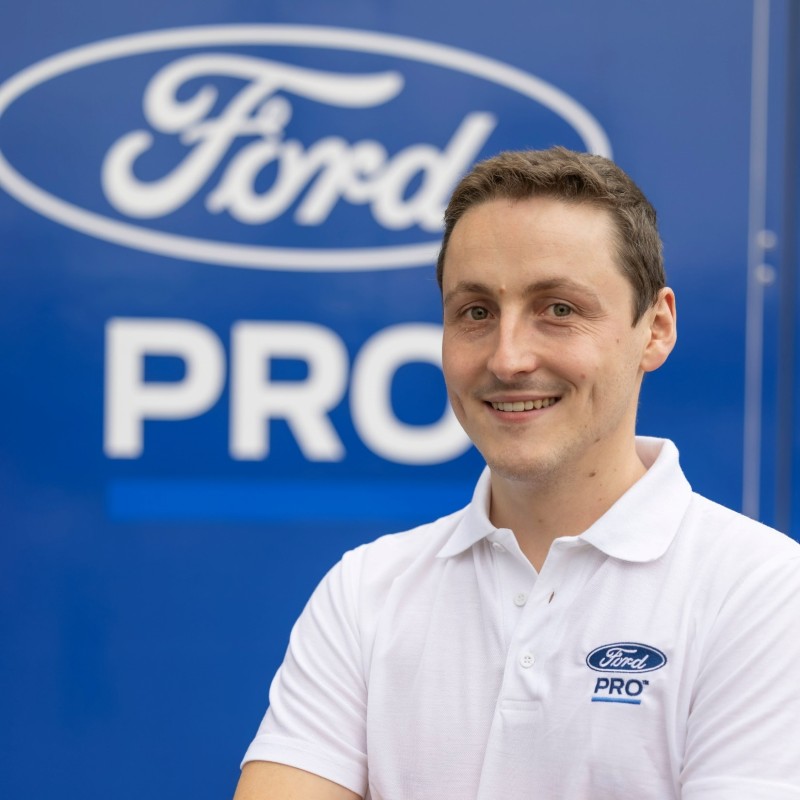
Simon Robinson is chief programme engineer for the all-new Transit City
Transit City images
1 Up to 254 km driving range based on full charge of Transit City. Estimated range using Worldwide Harmonised Light Vehicle Test Procedure (WLTP). Figures shown are for comparability purposes and should only be compared with other vehicles tested to the same technical procedures. Actual range varies due to factors such as temperature, driving behaviour, route profile, vehicle maintenance, lithium-ion battery age and condition.
2 Max payload varies and is based on accessories and vehicle configuration. See label on doorjamb for carrying capacity of a specific vehicle.
3 Always properly secure cargo. Cargo and load capacity limited by weight and weight distribution.
4 Figures given are based on Transit City. Actual charge times and charging speeds will vary according to the type of home or public charging station used, as well as other factors (including weather, ambient temperature, driving behaviour, driving profile, vehicle condition, lithium-ion battery age, condition, and temperature).
5 Don’t drive while distracted or while using handheld devices. Use voice-operated systems when possible. Some features may be locked out while the vehicle is in gear. Not all features are compatible with all phones.
6 Requires phone with active data service and compatible software. SYNC does not control 3rd party products while in use. 3rd Parties are solely responsible for their respective functionality. Android Auto is a trademark of Google LLC. Apple CarPlay is a trademark of Apple Inc., registered in the U.S.
Computer-generated graphics may include AI elements. Vehicles shown may not be representative of final production specification.