
Gold-rush towns are famous for booming fast and disappearing just as quickly. But Lead, South Dakota, had a different problem: The gold mine that kept the town alive was slowly swallowing part of the town itself.
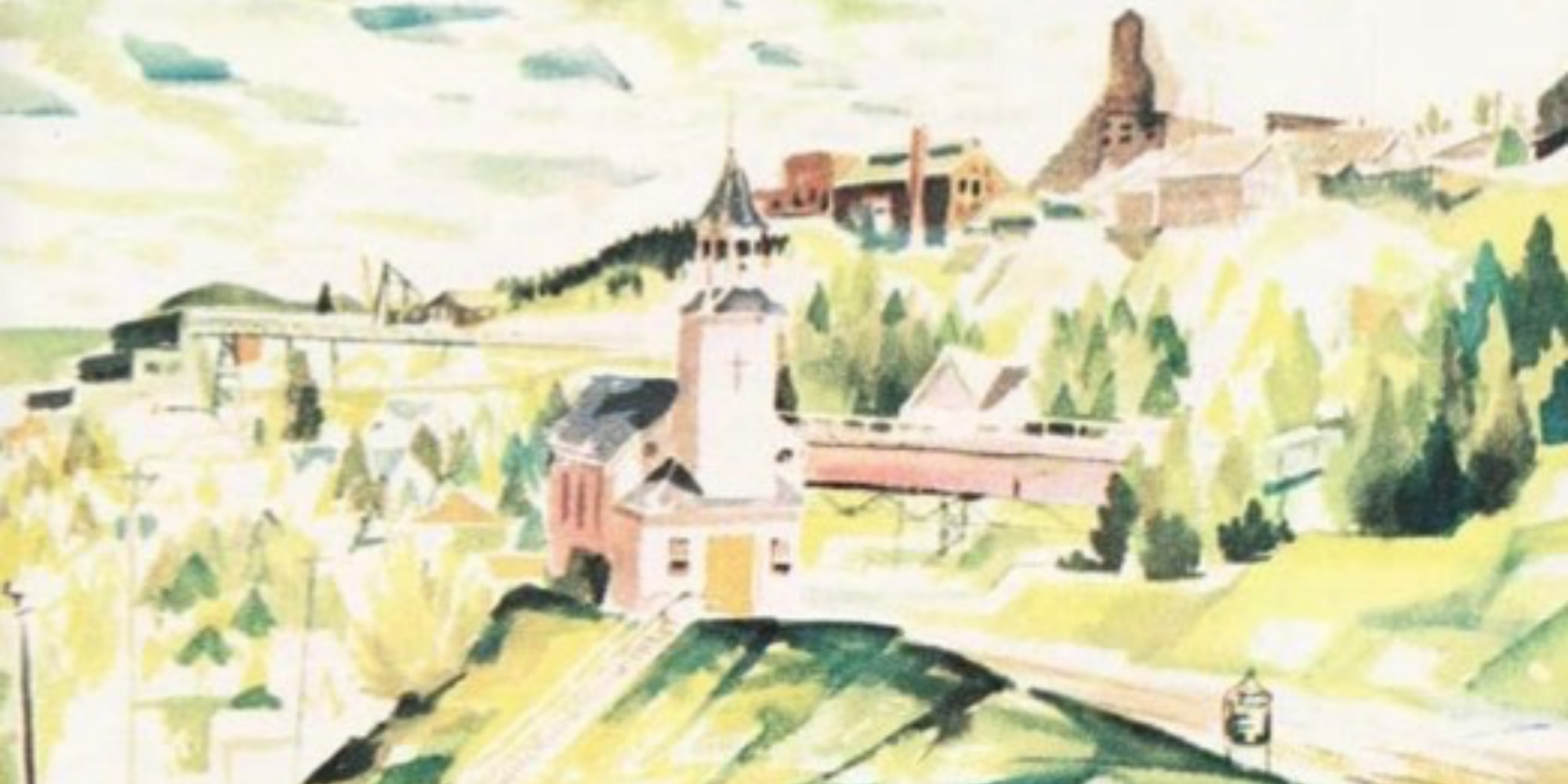
Gold seekers descended on the area in 1876, and the mine grew into a remarkably productive operation. When an October 1958 issue of Ford Times visited Lead, mining had continued for more than 80 years, but tucked within the thriving community was what the magazine called a “ghost camp.”
As miners carved deeper beneath the town, the effects eventually reached the streets above. Following a mine fire, walls cracked, plaster fell, and unstable ground forced residents and businesses out of certain parts of the old town. Homes and businesses ended up in the enormous Open Cut, sunken underground, leading to warning signs being erected for visitors, “DANGER: GROUND CAVING.”
By 1958, Ford Times reported that a billion dollars in gold had come from the area. Today, the Open Cut remains a visible reminder of Lead’s mining history.
The story puts an unusual spin on the classic ghost town: Small town disappears not because the gold ran out, but because it didn’t.
Read the story via the Ford Times archive, October 1958. Browse more at FordHeritageVault.com.