

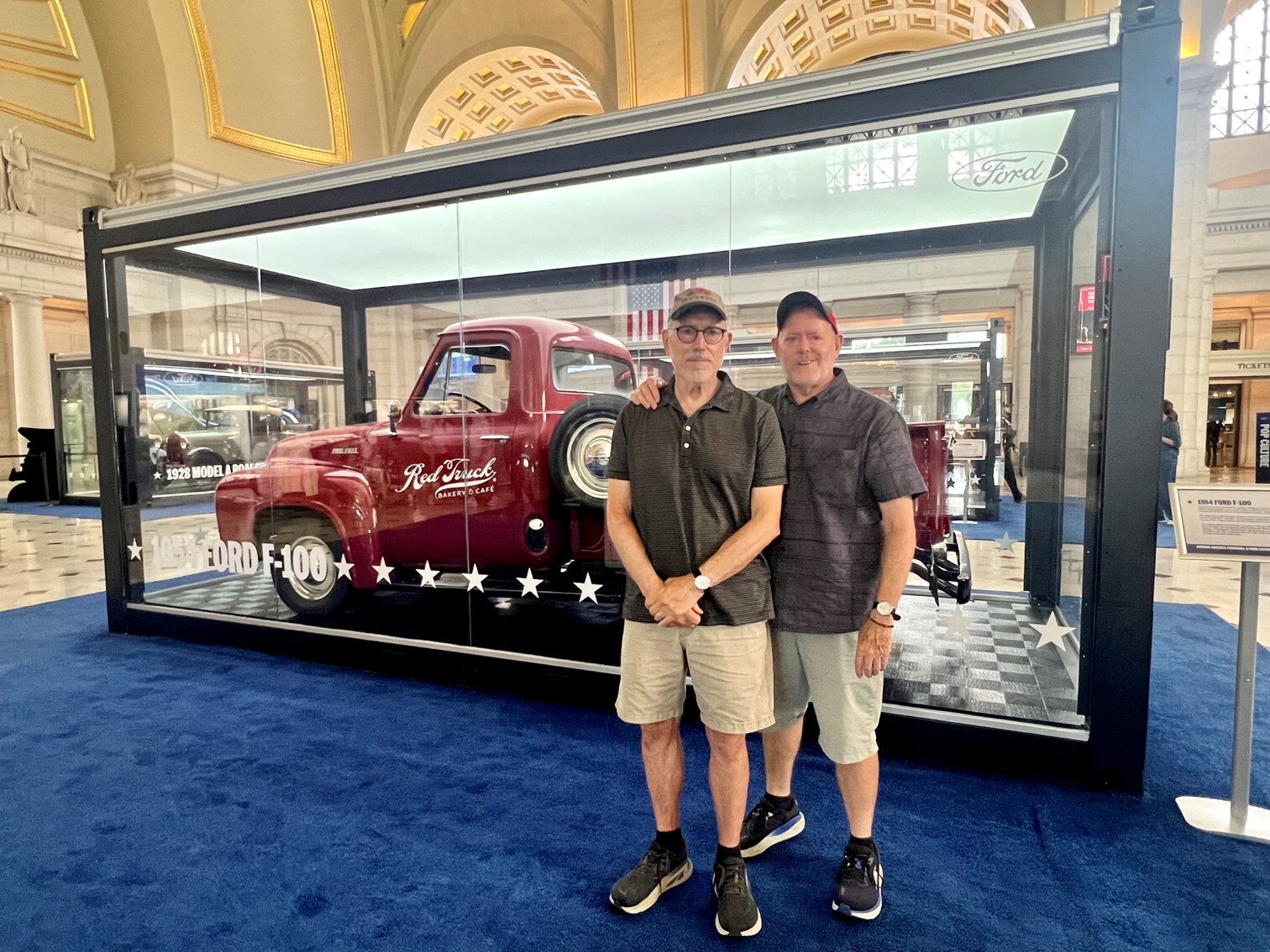
Nearly two decades ago, a 1954 Ford F-100 changed the course of Brian Noyes' life.
The cherry-red truck hauled his first pies down rural Virginia driveways, lent its name to a fledgling bakery, and became one of the most recognizable vehicles in American food lore.
Now, as Noyes opens a new chapter nearby, another vintage Ford is doing the honors: a canary-yellow 1930 Model A, soon to be parked out front of Hayfields, his upcoming market and café in the tiny village of Little Washington, Virginia.
"I couldn't have done it without Ford," Noyes said. "If that yellow truck at the auction hadn't been a Ford, I probably wouldn't have gone for it."
Chapter 1: The Red F-100 & Red Truck Bakery
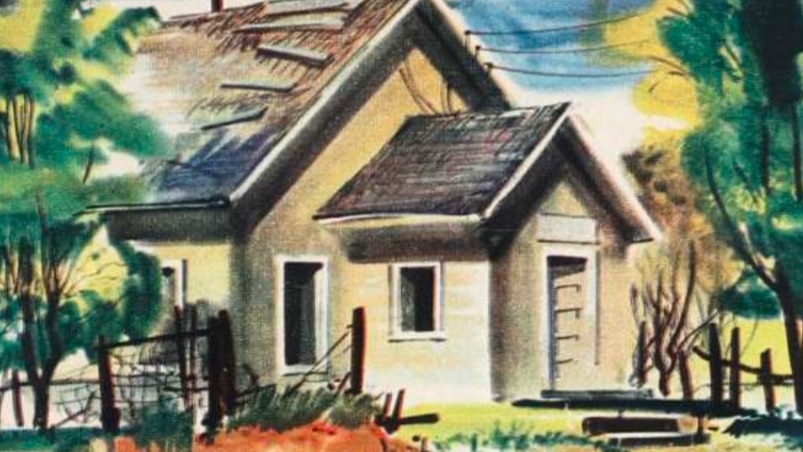
Before red trucks and blue-ribbon pies, Noyes spent three decades as a magazine art director, recruited by editor Ben Bradlee to help launch The Washington Post's Sunday magazine. Weekends were reserved for the farmhouse he owned about an hour outside of Washington, D.C., where he escaped from the hustle and bustle of busy city. Noyes decided the farmhouse needed an old red pickup out front.
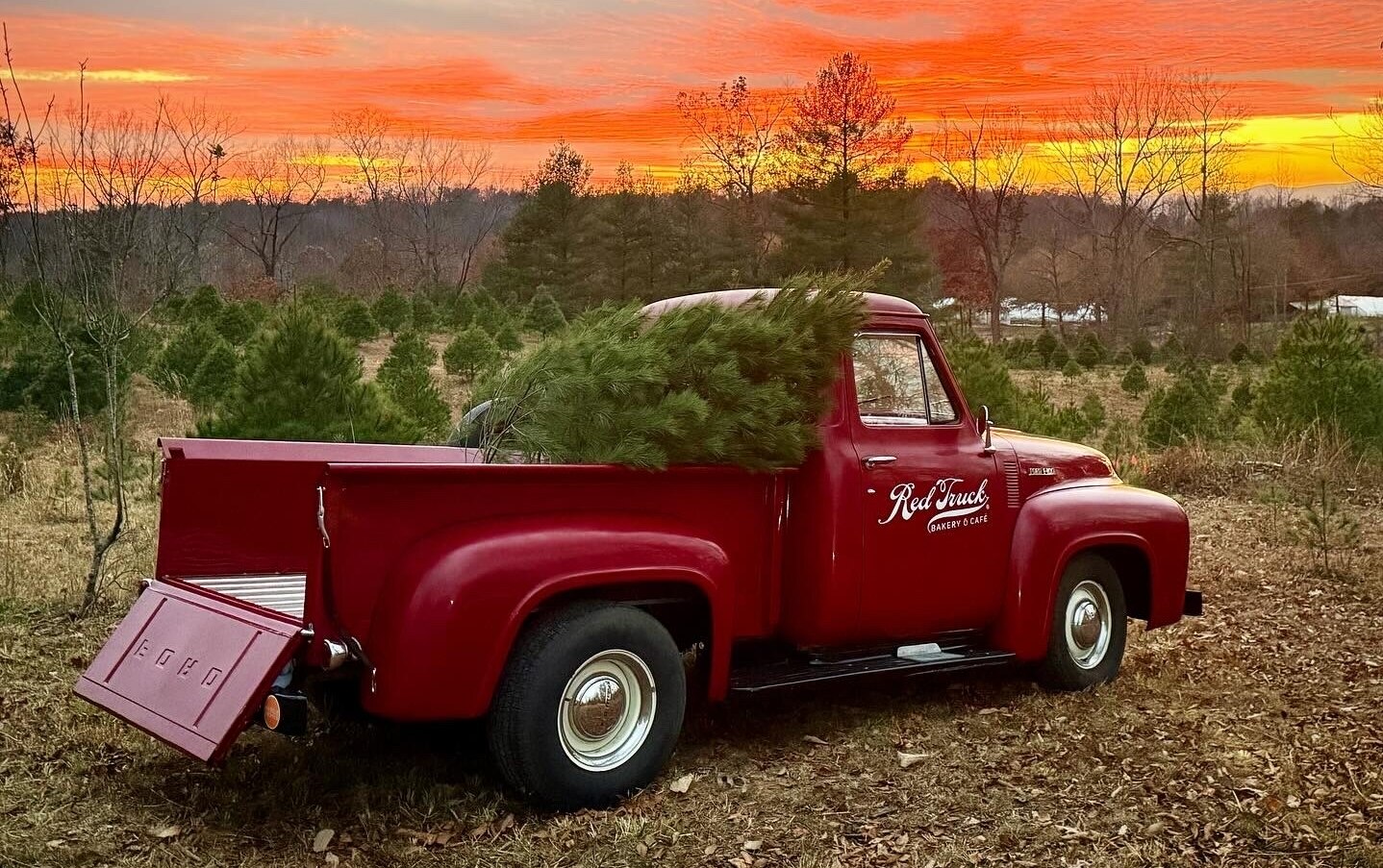
He landed on a sharp 1954 F-100, listed anonymously through a New York dealer. Only after his offer was accepted did he learn the seller was fashion designer Tommy Hilfiger, who said the truck had simply sat on his farm unused, not even used as a prop in one of his famous photo shoots. The truck would later grace both of Noyes' cookbook covers.
Noyes began driving the F-100 down neighbors' long, dog-guarded driveways, delivering pies and cakes he'd started baking on weekends.
A local store owner started selling his pastries, friends nudged him toward a name, and Red Truck Bakery was born. The F-100 posed in a friend's hayfield for signage and became a catering fixture at events like Garden & Gun magazine's Winter Jubilee.
Noyes eventually opened the first Red Truck Bakery storefront in a restored 1921 Esso filling station in Warrenton, Virginia, pouring coffee blends cheekily dubbed Regular, Premium, and Unleaded. The business grew to two locations, 60 employees, and a nationwide shipping operation that carried it through the COVID-19 pandemic.
Chapter Two: The Yellow Model A & Hayfields Rural Kitchen and Market
After 15 years, Noyes sold the bakery and moved to Little Washington, pop. 84, planning to hike and garden.
The town in the eastern foothills of the Blue Ridge Mountains near Shenandoah National Park, which had welcomed him warmly before, had other plans. With its only café long shuttered and the nearest grocery store 30 miles away, residents urged Noyes to open something new.

With plans to open in the spring 2027, Hayfields will be part bakery, part coffeehouse, part market, anchored by a monthly Sunday supper around a long communal table.
Its design honors the Depression-era farmers still working the land nearby: its logo borrows from a 1934 English woodcut of a farmer with a scythe, and its walls will be lined with public-domain Work Projects Administration (WPA) photographs of local farmers.
Hayfields, just like its mascot Model A Ford truck, evokes the long agricultural history of Little Washington.
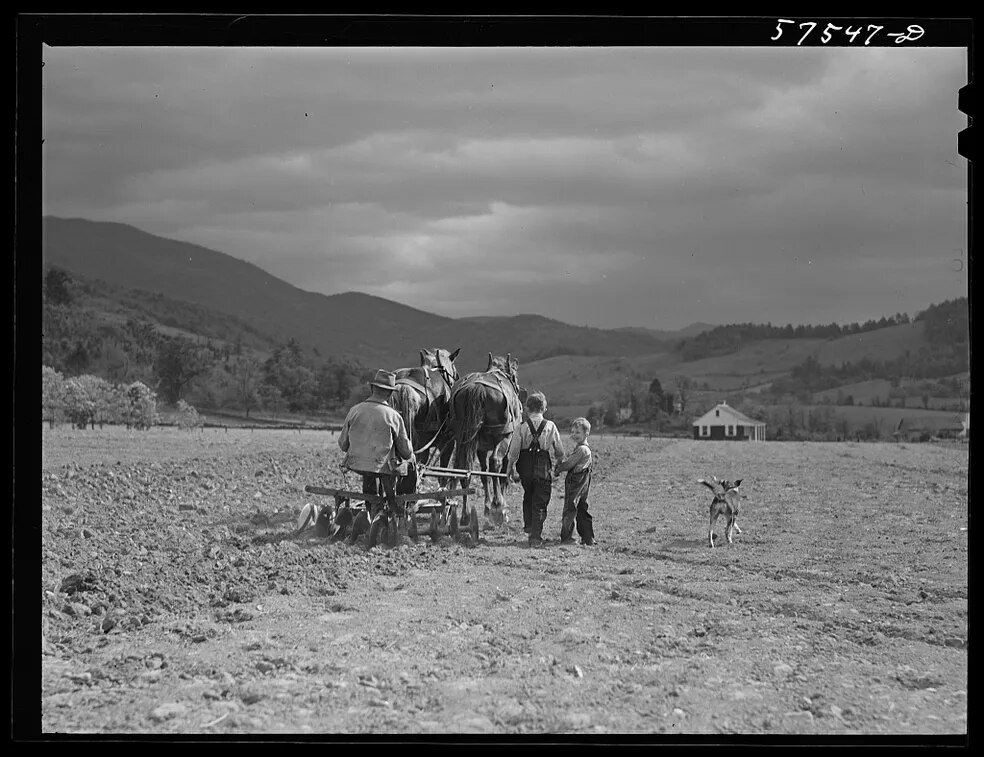
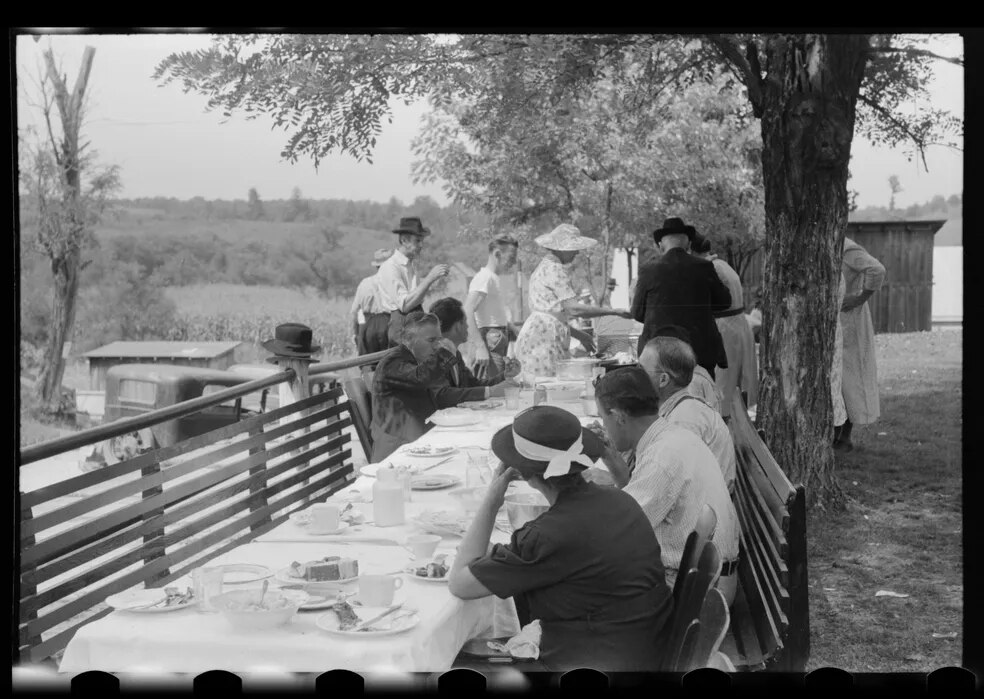
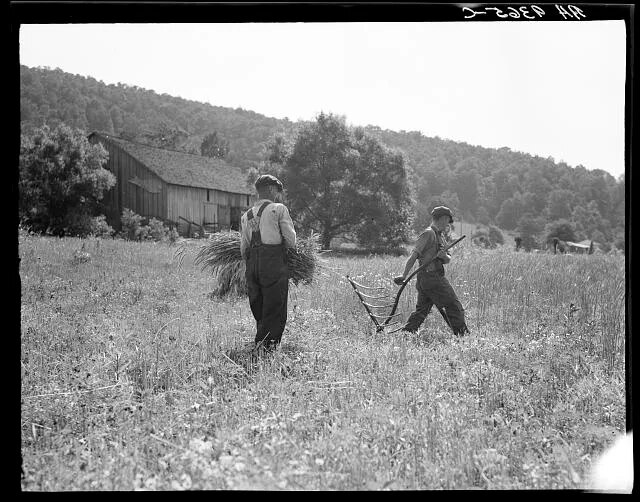
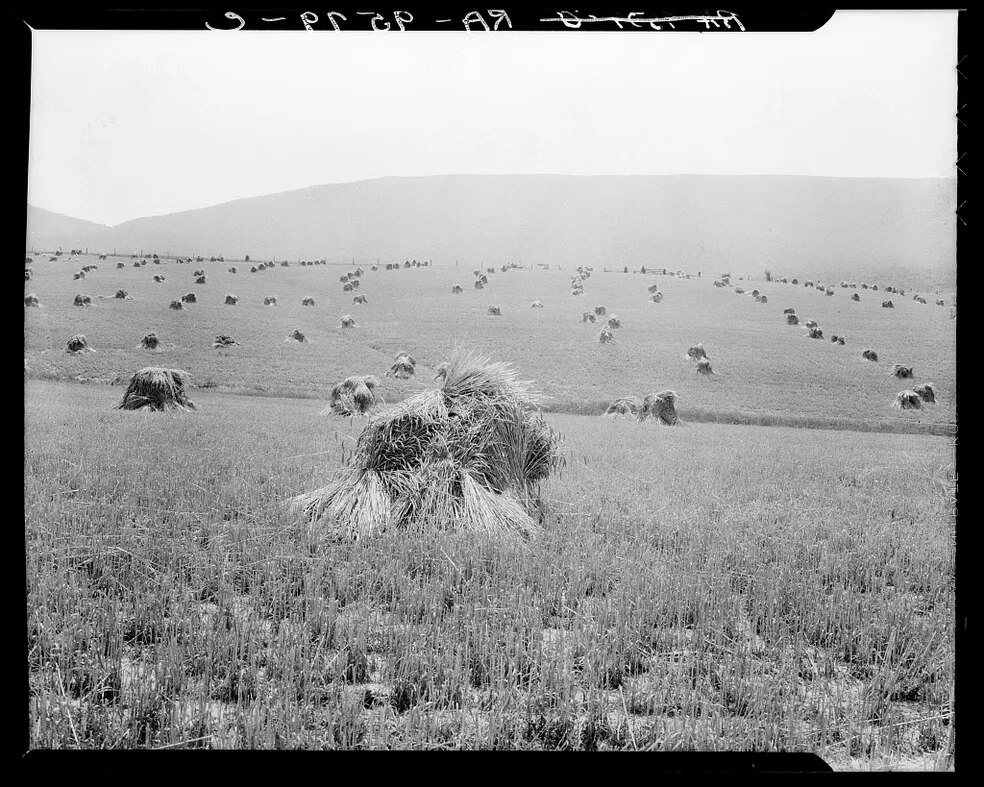
“The general store, in our case the old Washington Cash Store, was a mainstay of the community,” said Mayor Joe Whited. “On any given afternoon in the first half of the century, you might find a Model A or even an old Model T or two pulled up out front as local businessmen, farmers, schoolteachers, and homemakers stopped in to discuss local goings on while getting a bite to eat or some groceries, hardware, or a variety of other sundries for the farm or the office. It is our hope that Hayfields will pull our modern community a little closer together in a very similar way.”
Former mayor John Sullivan spent many years trying to get Noyes and his Red Truck Bakery to come to town. “We are all thrilled that a decade later we will have Hayfields here; it’s worth the wait. And the beautiful 1930 yellow Ford Model A truck is the cherry on top of the cake.”
The yellow truck came together almost by accident. With signage tightly limited by the town's architectural review board, Noyes needed a way to catch drivers speeding past to the famed Inn at Little Washington. A friend, a local painter, called him on New Year's Eve about an auction the next day in Orange, Virginia, an hour south.
There sat a 1930 Ford Model A painted, in her words, "Hayfields yellow" — the exact shade he needed. He drove it home that day.


Noyes’ truck, Ford archivist Ted Ryan notes, is from the first full year of Model A production.
"The Model A is a story of rebirth," Ryan said. "The Model T had gone stale, and competitors were passing Ford by. The company was struggling financially. The Model A was an entirely new design and offered a modern ride compared to the T. It sold millions and saved the company."
Nearly a century later, a bright yellow one is helping replace a shuttered village cafe.
Fitted with wooden slats that read "Coffee, Breakfast, Biscuits" and "Lunch, Market, Blue-Ribbon Pies," the Model A will sit out front, announcing the gathering place to come.
For Noyes, the thread connecting both trucks is simple.
"I'm a Ford guy, obviously," he said.
Jay Moye is an Asheville, North Carolina-based writer, editor, and musician.