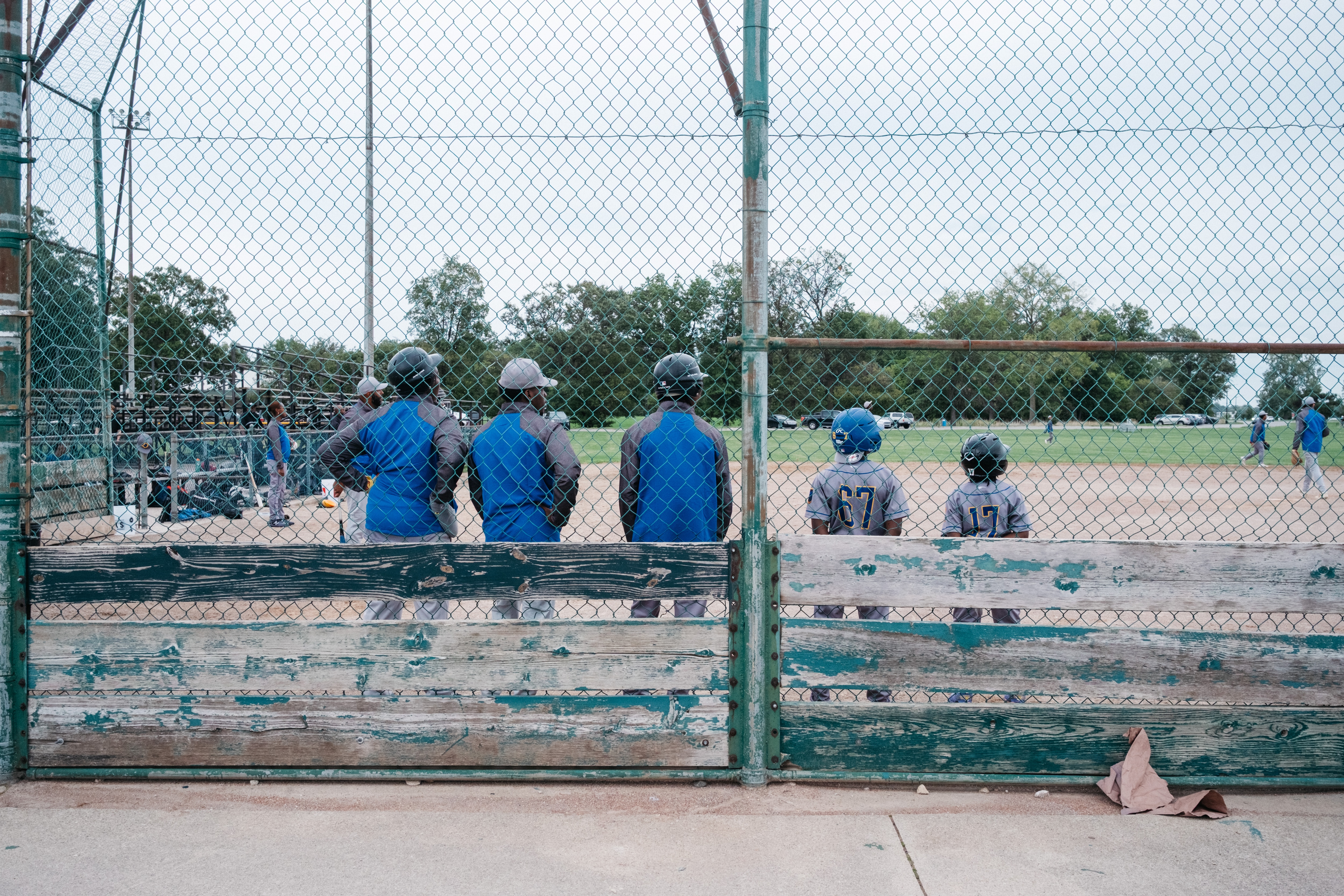

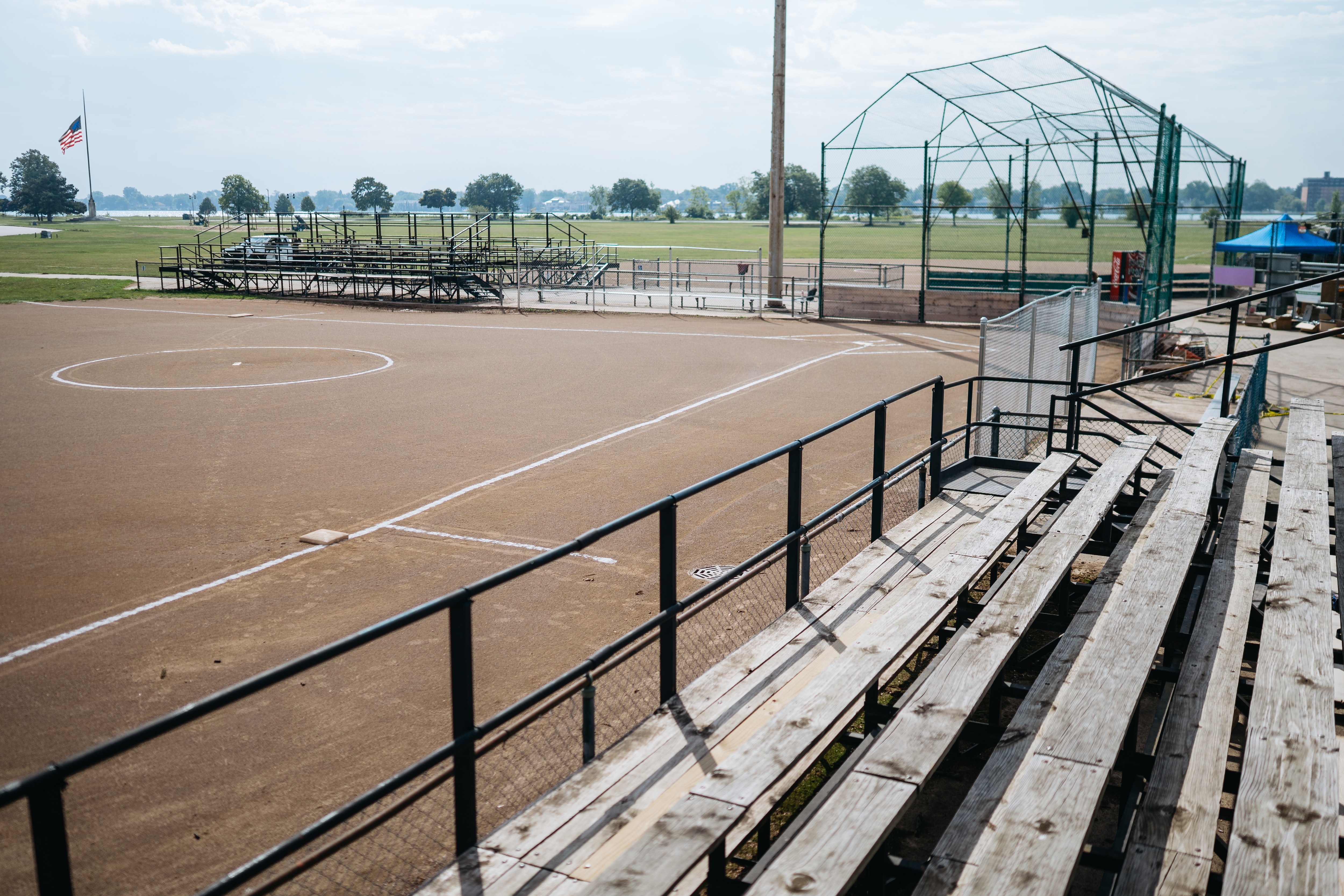
Coach Shaun Rivers stood at home plate on a field that had seen better decades.
The dirt was rutted, the fencing sagged, and the bleachers looked ready to buckle under the weight of one more proud grandmother.
He was on Belle Isle on a diamond tucked into a 982-acre island park in the Detroit River, where Detroit kids have been learning to swing a bat for more than a century. And it was falling apart.
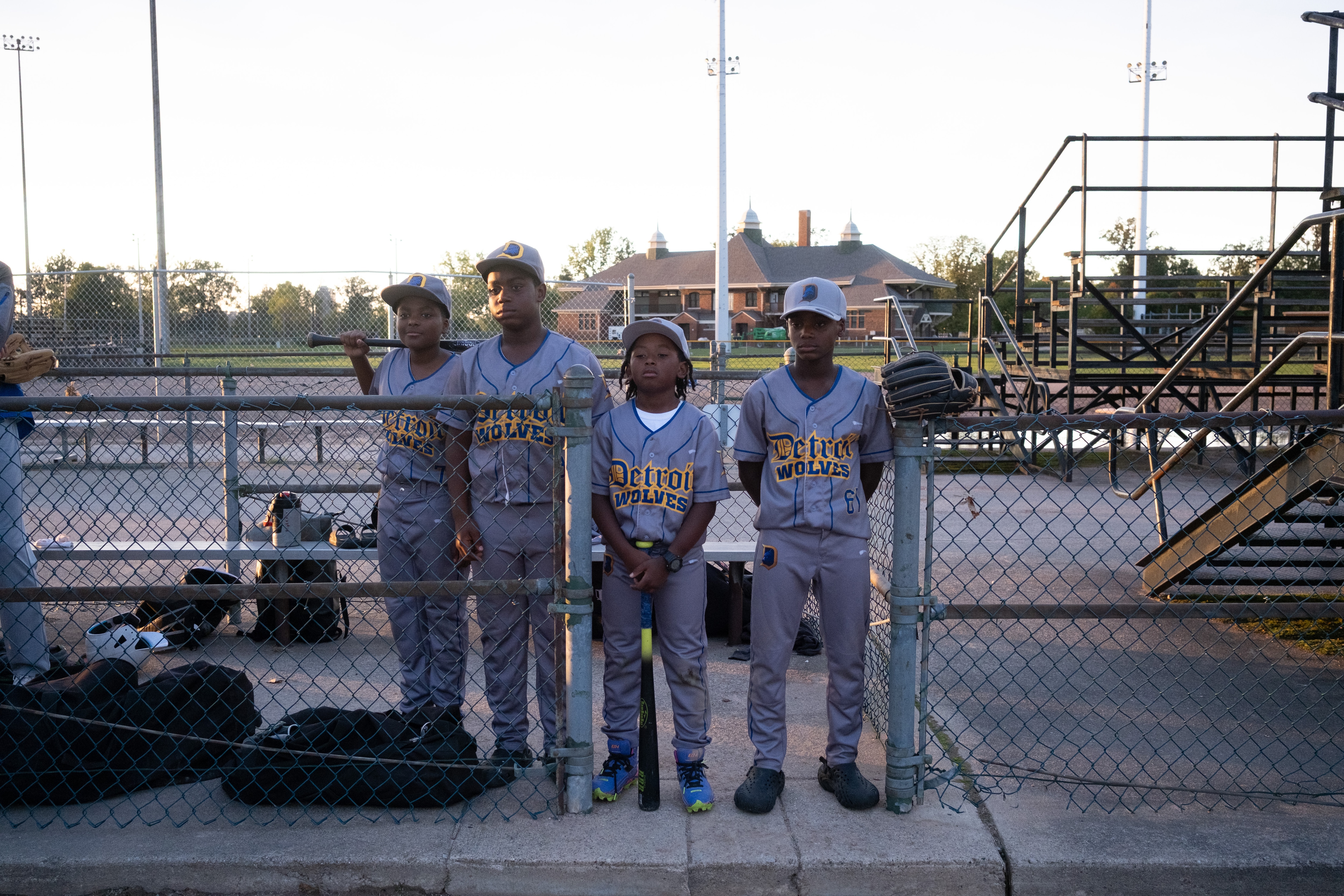
Rivers isn’t trying to find the next five-tool phenom for his youth baseball squad. He wants to recruit the kids around him, the ones who need the lessons learned from a caring mentor and the experience of being part of a team.
But that mission is getting tougher by the season.
There is a particular American irony sitting in that infield dirt.
The game endures. Kids still love it the way kids have always loved it, but the places built for it, the humble town diamonds where baseball actually lives, are crumbling by the thousands.
The National Recreation and Park Association puts the nationwide deferred-maintenance backlog for parks and rec facilities in the millions.
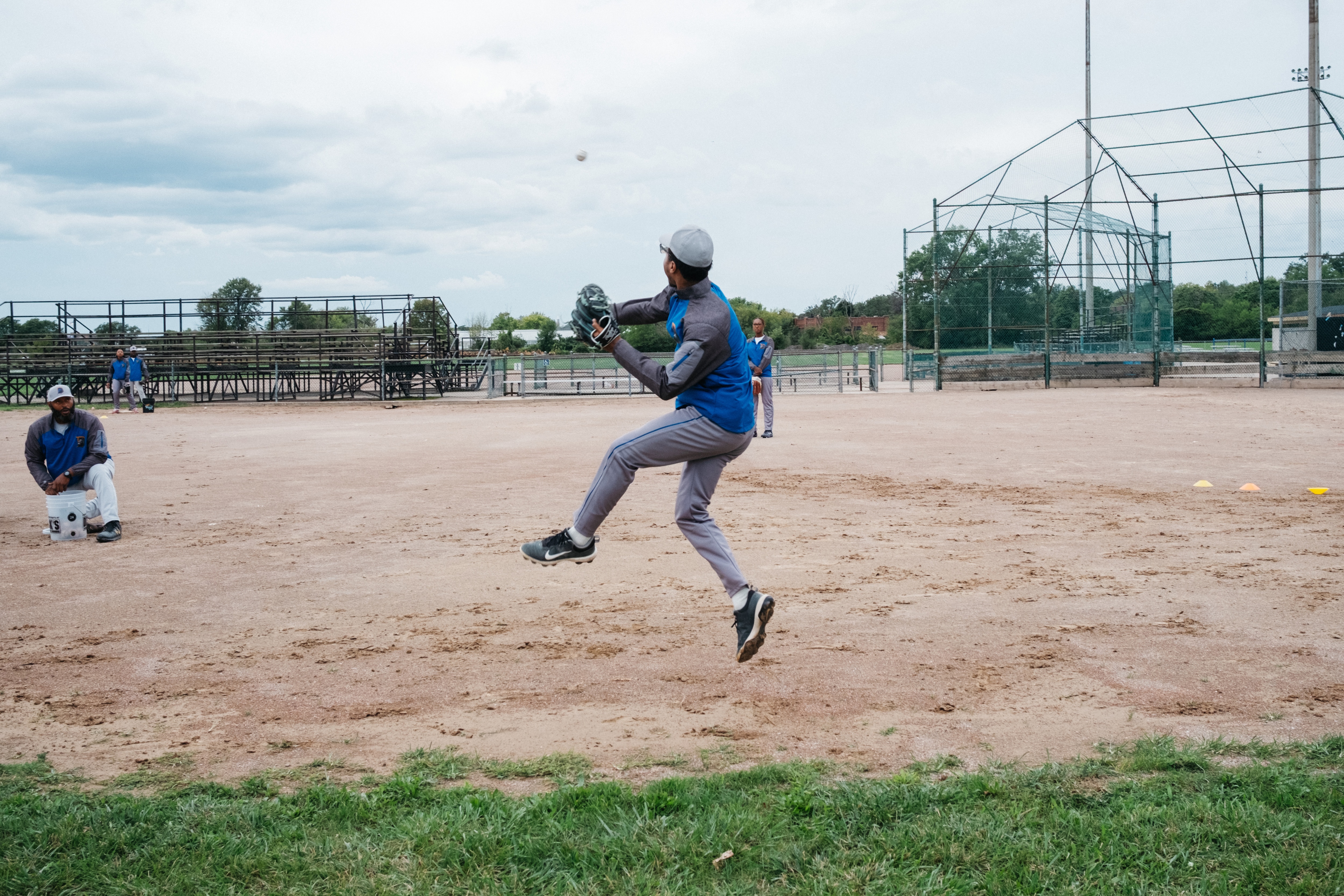
At the same time, travel ball — glossy, expensive, built for scouts and Instagram highlight reels — has been sucking the oxygen, and the money, out of the local leagues that used to be baseball's heartbeat.
These tournaments are beloved by many and generate many millions of dollars but often come with hefty fees and heftier expectations.
Parents can easily spend thousands on weekends traveling to elite baseball complexes, with the hopes that their kid will end up on a college or pro team.
Rivers is not against travel ball, and in fact participates in tournaments as a coach, but he also recognizes that it has changed access to the game.
“Rec ball allows kids to have the opportunity to learn the game without the pressures that travel ball carries,” Rivers said.
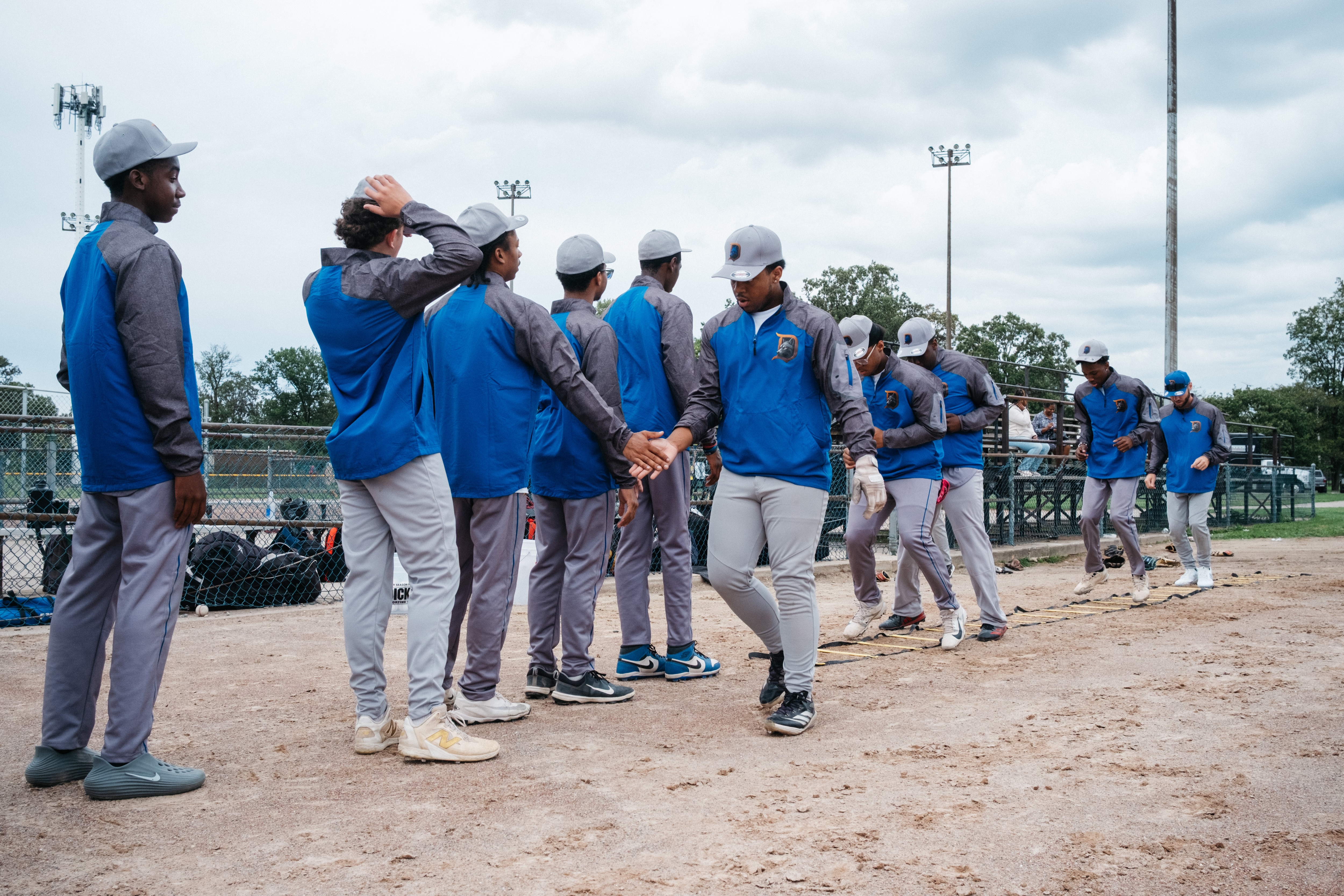
Many families can’t afford tournament ball or don’t have the time to travel, but Rivers knows that sports can save some kids from a bleak future by building bonds and instilling confidence. It’s part of the reason he volunteers with the Detroit Police Athletic League, or Detroit PAL, which aims to make youth sports accessible and affordable for everyone.
David Greenwood, Detroit PAL's director of community engagement who grew up playing on the island, calls it “helping youth find their greatness” — a mission Rivers has taken to heart on Belle Isle.
“Sports is literally the lessons of life. I preach this all the time. I teach life skills through baseball,” Rivers said.
The Belle Isle field hadn't been touched since the 1990s, since before some of these kids' parents were born. More than a dozen community organizations depend on it.
So when Ford and Carhartt, two Detroit companies with a combined heritage stretching back more than 250 years, went looking for a field with a real need and a real reach into the community, Belle Isle found them as much as they found it.
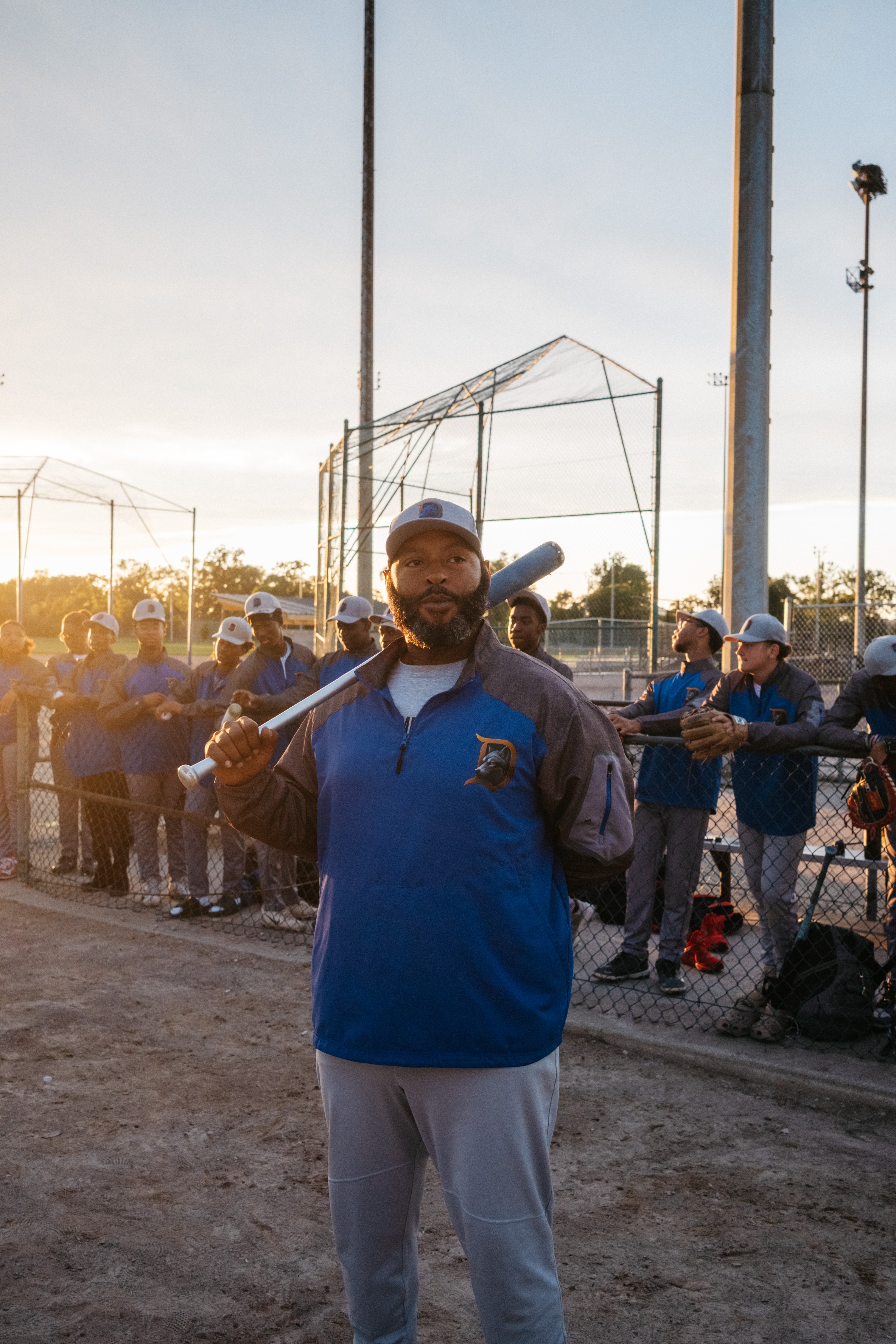
“I teach life skills through baseball. ”Coach Shaun Rivers
The renovation arrived alongside the debut of the new 2027 Ford F-150 and F-150 Carhartt. A major corporate product launch for sure, but the field didn’t care what timing brought the help.
The field is named Ford Community Field.
In late August and early September, dozens of volunteers from Ford Motor Company and Carhartt came ready to work alongside a construction crew refurbishing the field.
“It is awesome to see that they care,” Rivers said.
‘Uplift The Community’
Belle Isle has been a cherished destination for generations of families with millions of visitors drawn annually to its amenities: a beach with a view of the city skyline, an aquarium and conservatory dating back to the early twentieth century, and, of course, sports.
Todd Eckert, senior director of Ford Blue Truck consumer marketing, spent his hours out there sanding boards, painting fence poles, and building new bleachers.
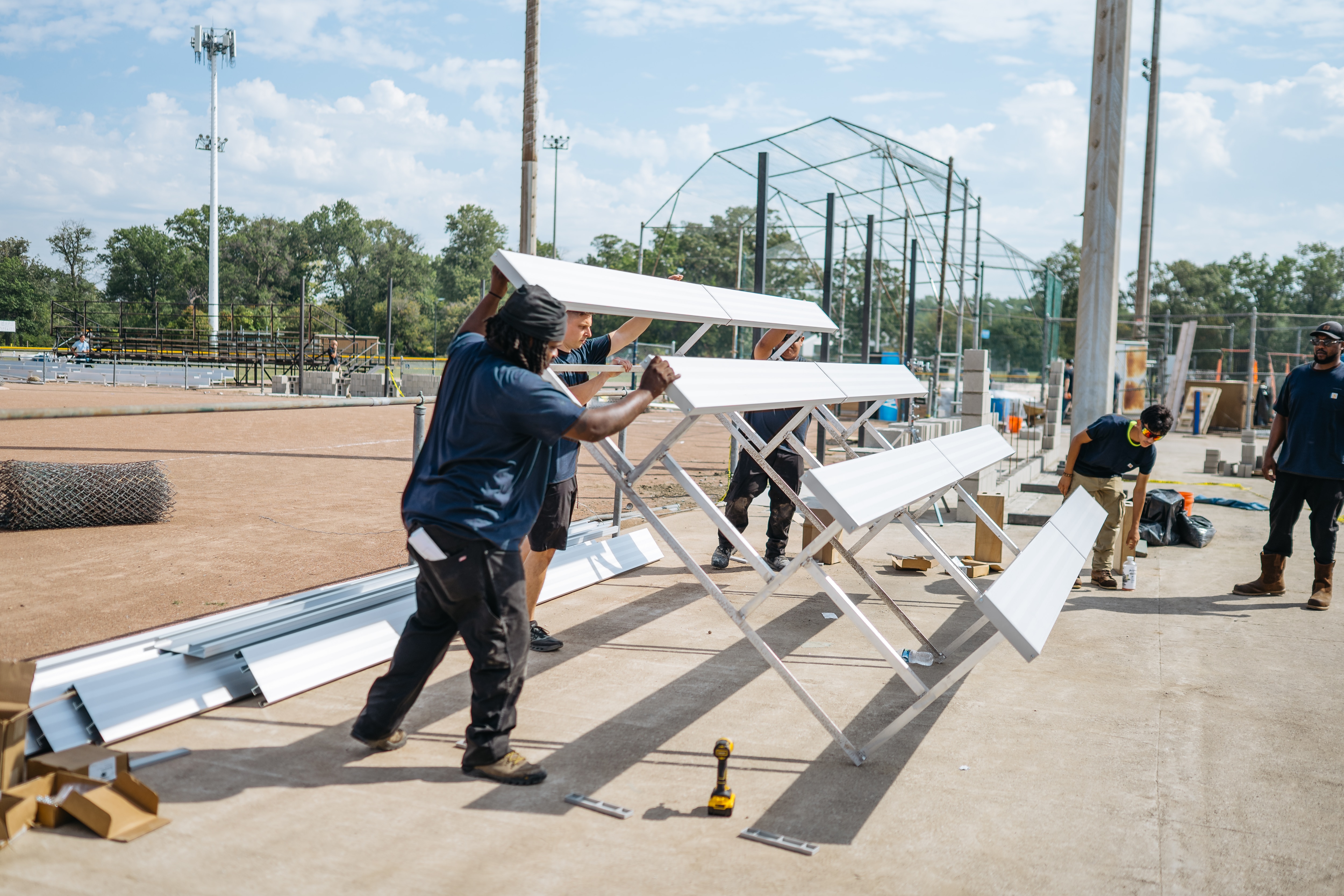
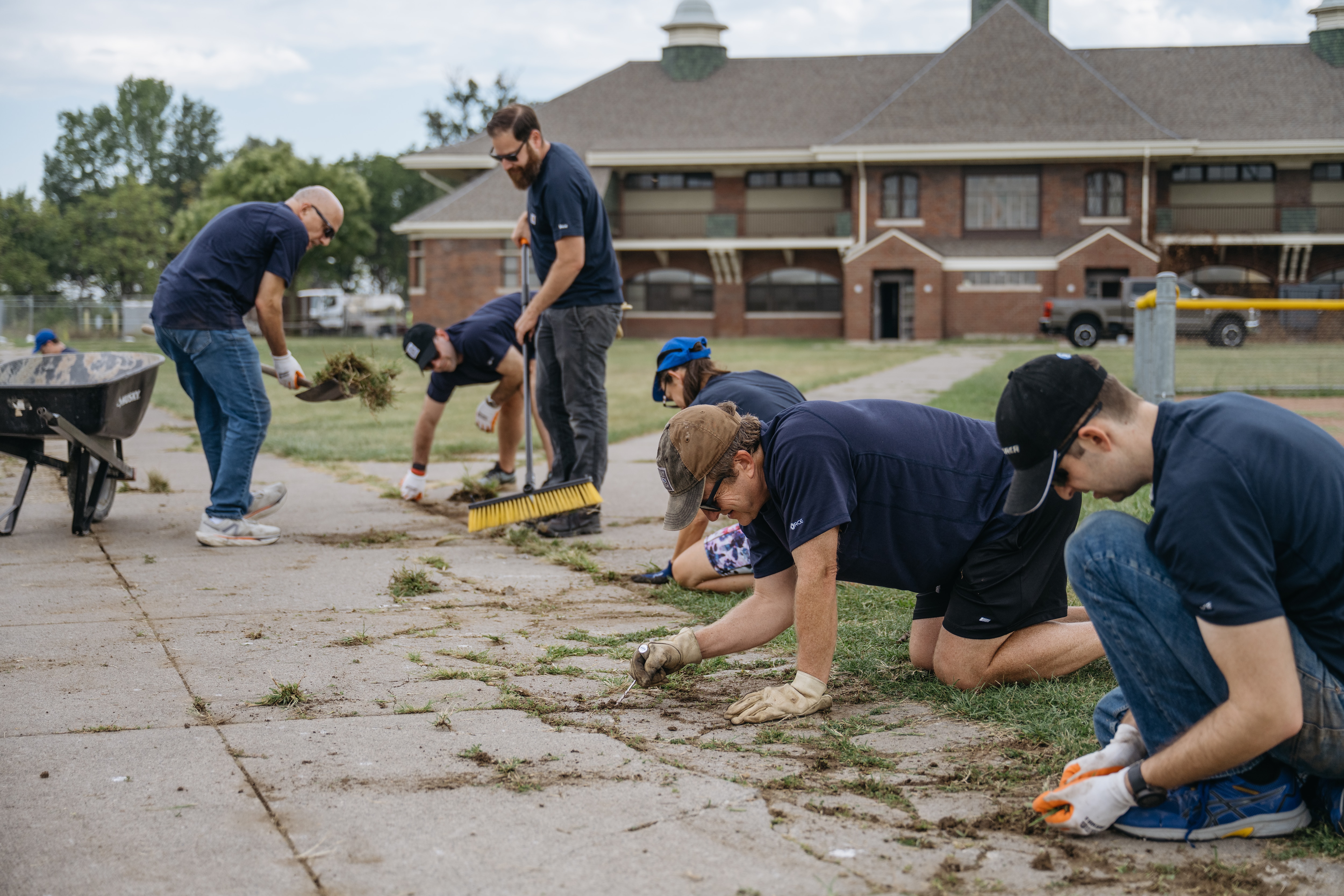
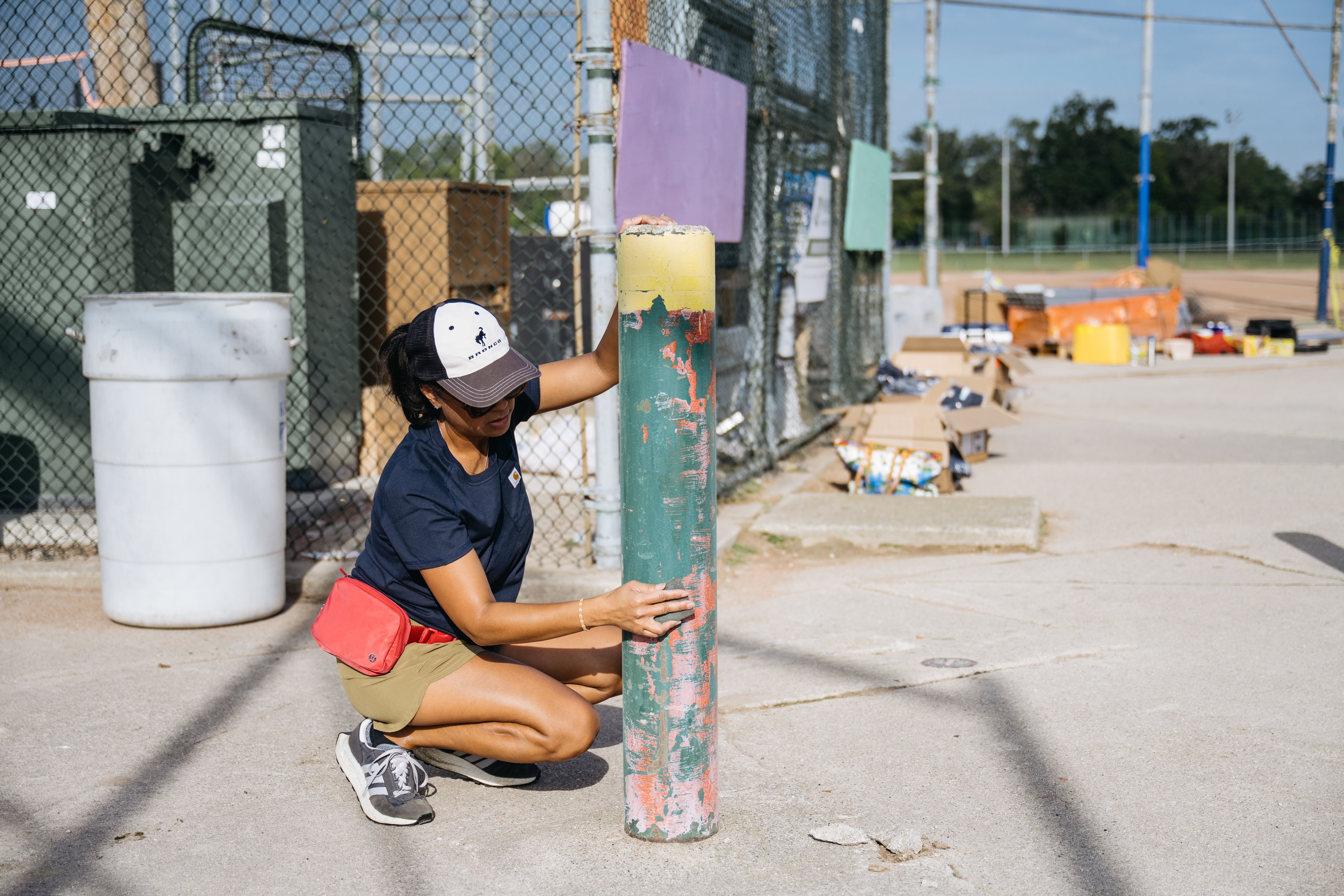
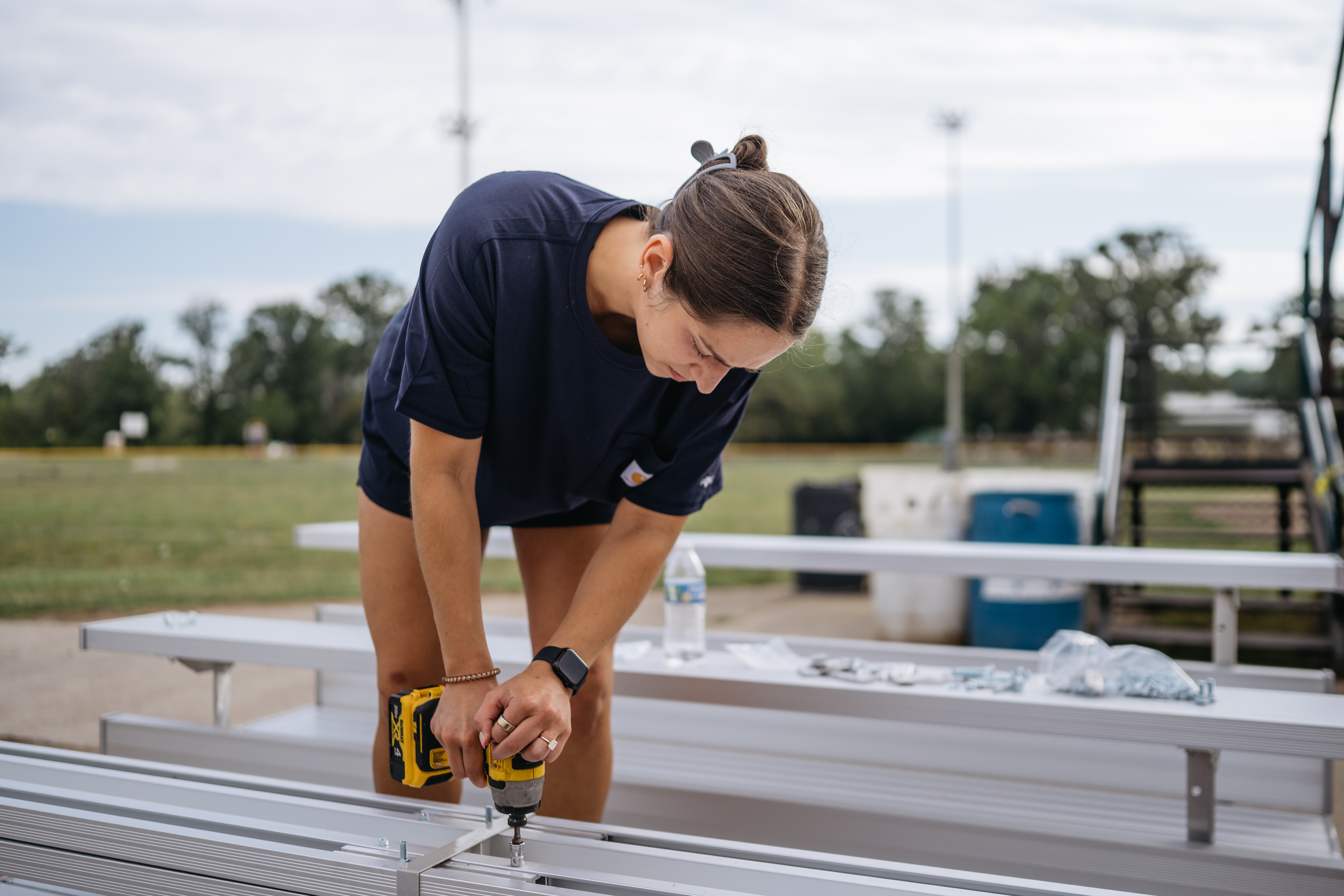
It’s the unglamorous, backbreaking work that a ballfield needs and rarely gets.
“One of the best parts of this whole project is to be able to come out here and work, to do something to uplift the community, to build a place that will be here after we leave that future generations can utilize,” Eckert said.
“There’s something very powerful in that.”
More than a dozen community organizations use the field for games and practices, including Detroit’s Cass Tech High School, the Salvation Army, the Michigan Urban Youth Alliance, and the Detroit Police Athletic League.
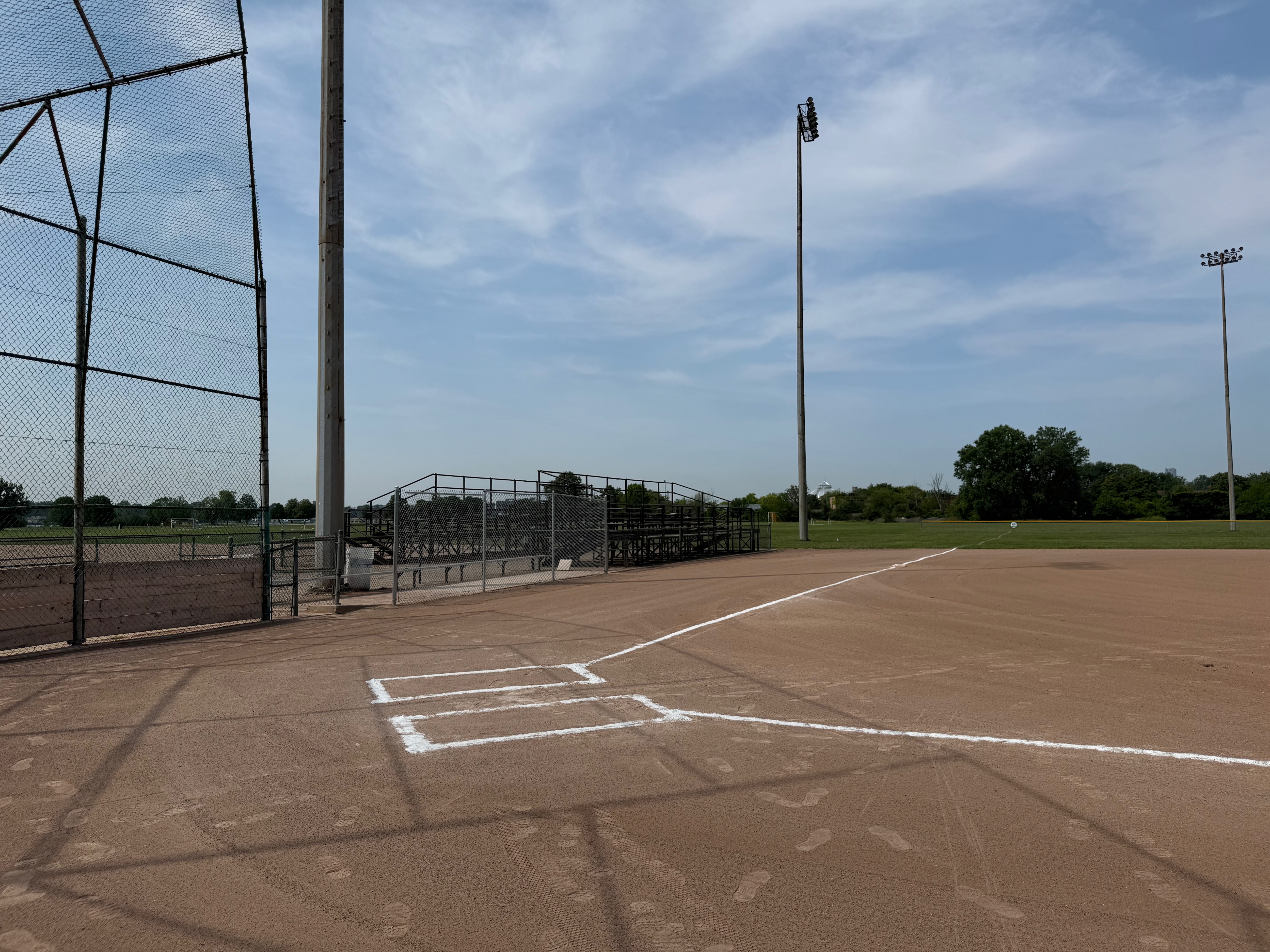
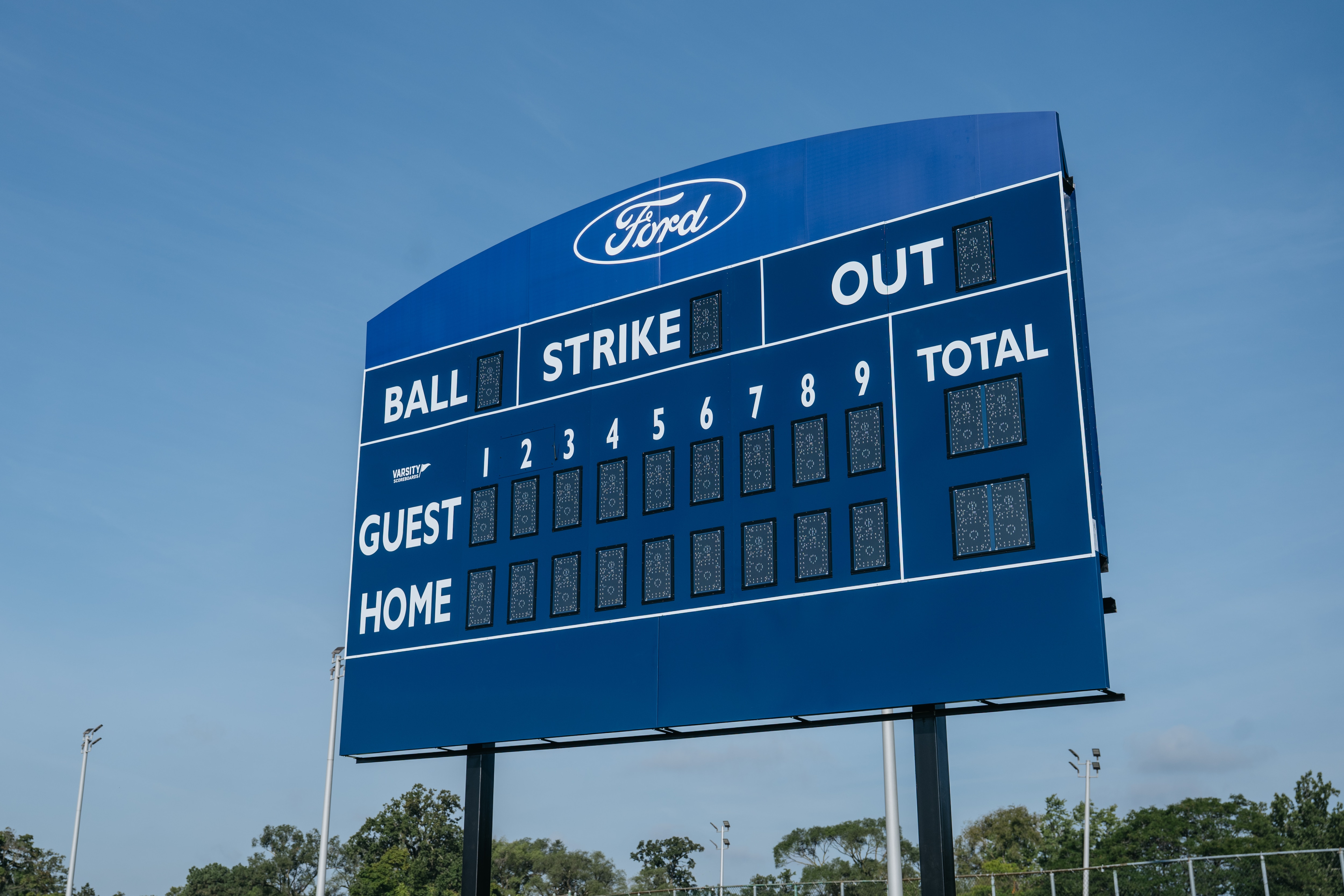
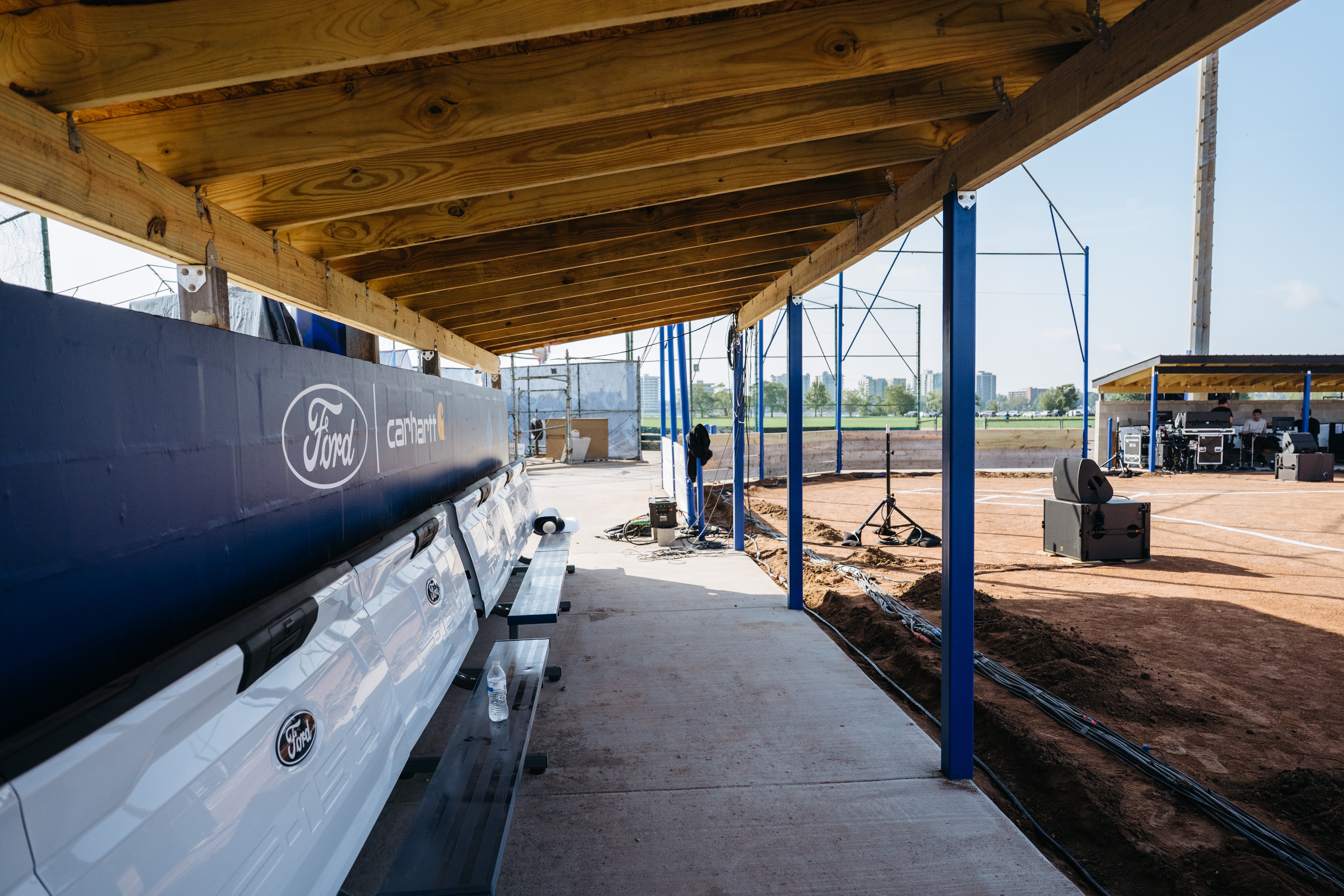
With the constant foot traffic on the basepaths, the goal was to improve the ball field in meaningful ways, like new backstop and outfield fencing and new bleachers. The addition of a new scoreboard and new custom dugouts with benches that feature F-150 tailgates help make it a destination for local ball players.
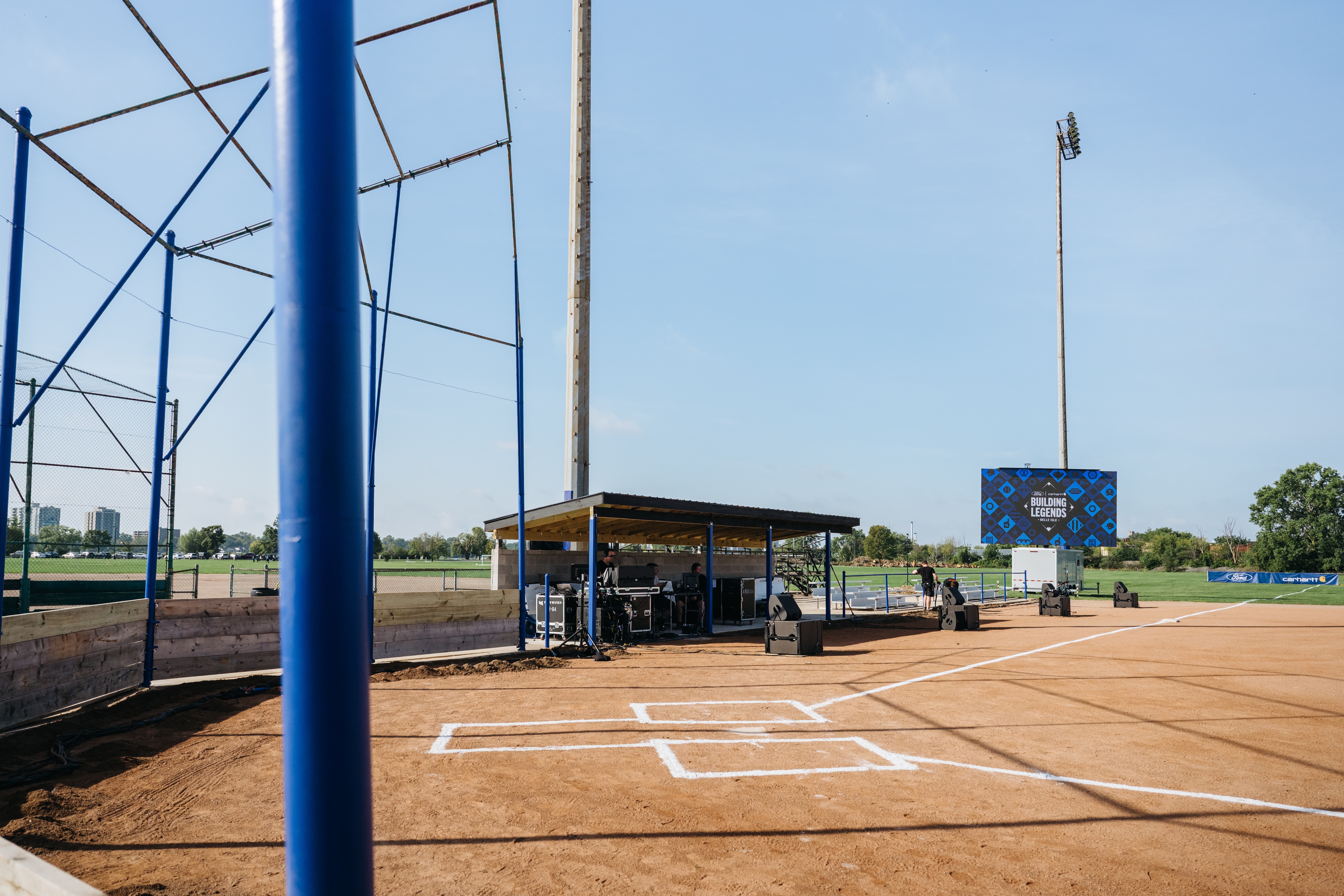
And who knows? Maybe the next great Detroit player learns the game right here.
“If we can help create the next generation of Detroit ball players, wouldn’t that be great,” Eckert said.
Barriers to Sports Participation
Prior to the volunteer event, the field had deteriorated to the point that it was dangerous for the athletes and fans — and that danger has consequences beyond the diamond.
That is a problem in communities in many places, and when the fields are not safe or appealing, fewer children want to play, exacerbating the already declining participation in youth baseball.
“We’re seeing a serious decline right now in participation, and it’s scary because America was built on baseball,” said Ali Sayed, the founder and CEO of Hype Athletics, the organization that oversees the athletic complex on Belle Isle.
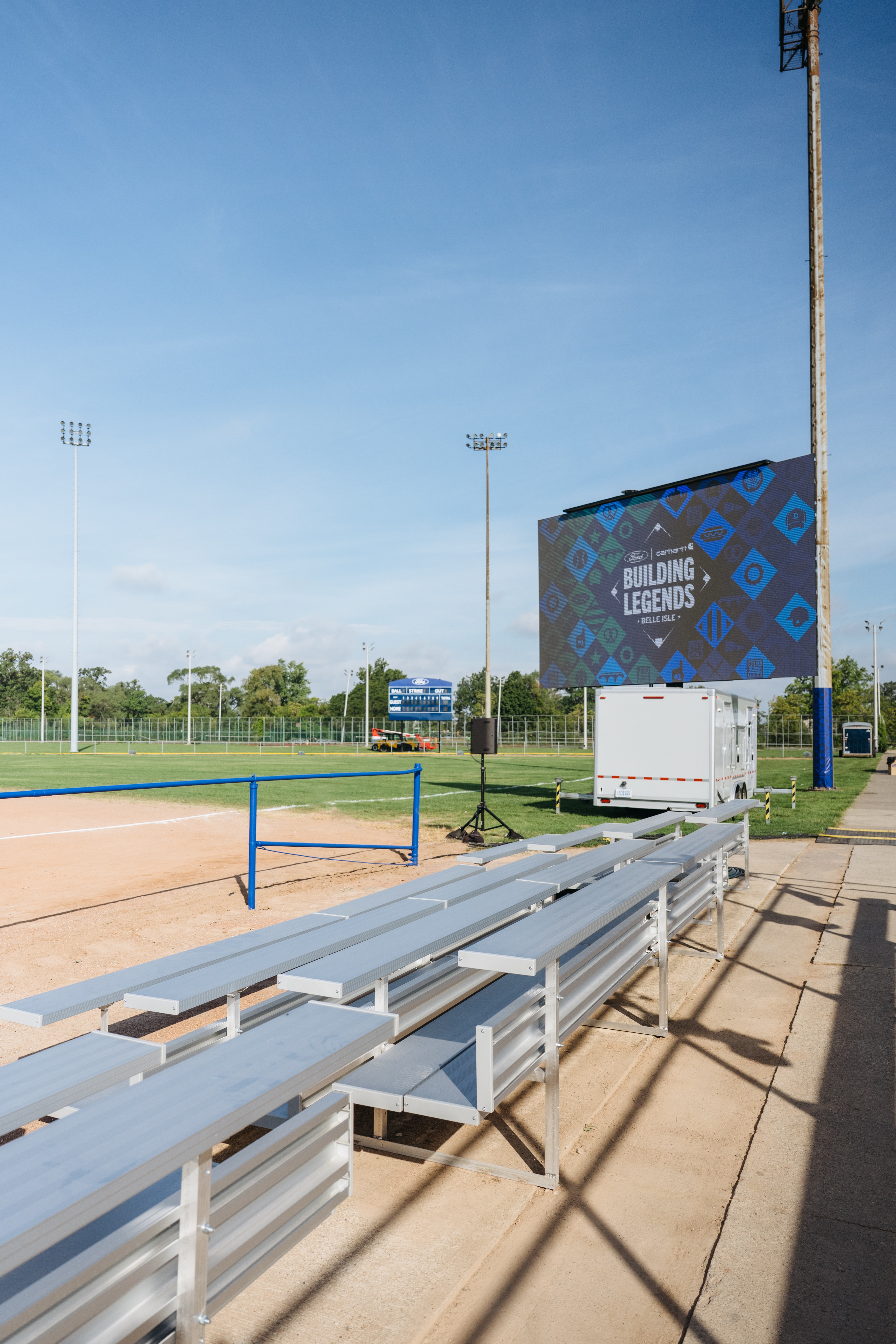
Children are missing out on more than just a game. They are losing the camaraderie and trust that comes from bonding with teammates.
“Teams have a common goal. It doesn’t matter your skin color or your religion. Our common goal is to work together to win,” Sayed said. “That just really creates bonds of trust and allegiance to one another.”
It’s also a matter of children’s health and wellness. Per an Aspen Institute report, space, time, and cost barriers, along with exclusionary league and team policies, inadequate coaching, and just simply a lack of options, all contribute to low sports participation. Eliminating these barriers requires group effort.

That’s why saving fields like the one at Belle Isle is so important. And while Ford can’t help rejuvenate every field, it also plans to help repair a flood-damaged field at Ford Field Park in Dearborn, a park built on land donated by Henry and Clara Ford.
Holbrook Mohr is a contributing writer from Brandon, Mississippi.