
When people hear that I test Ford vehicles in Arizona during the summer, they usually ask the same question:
"How hot does it get?"
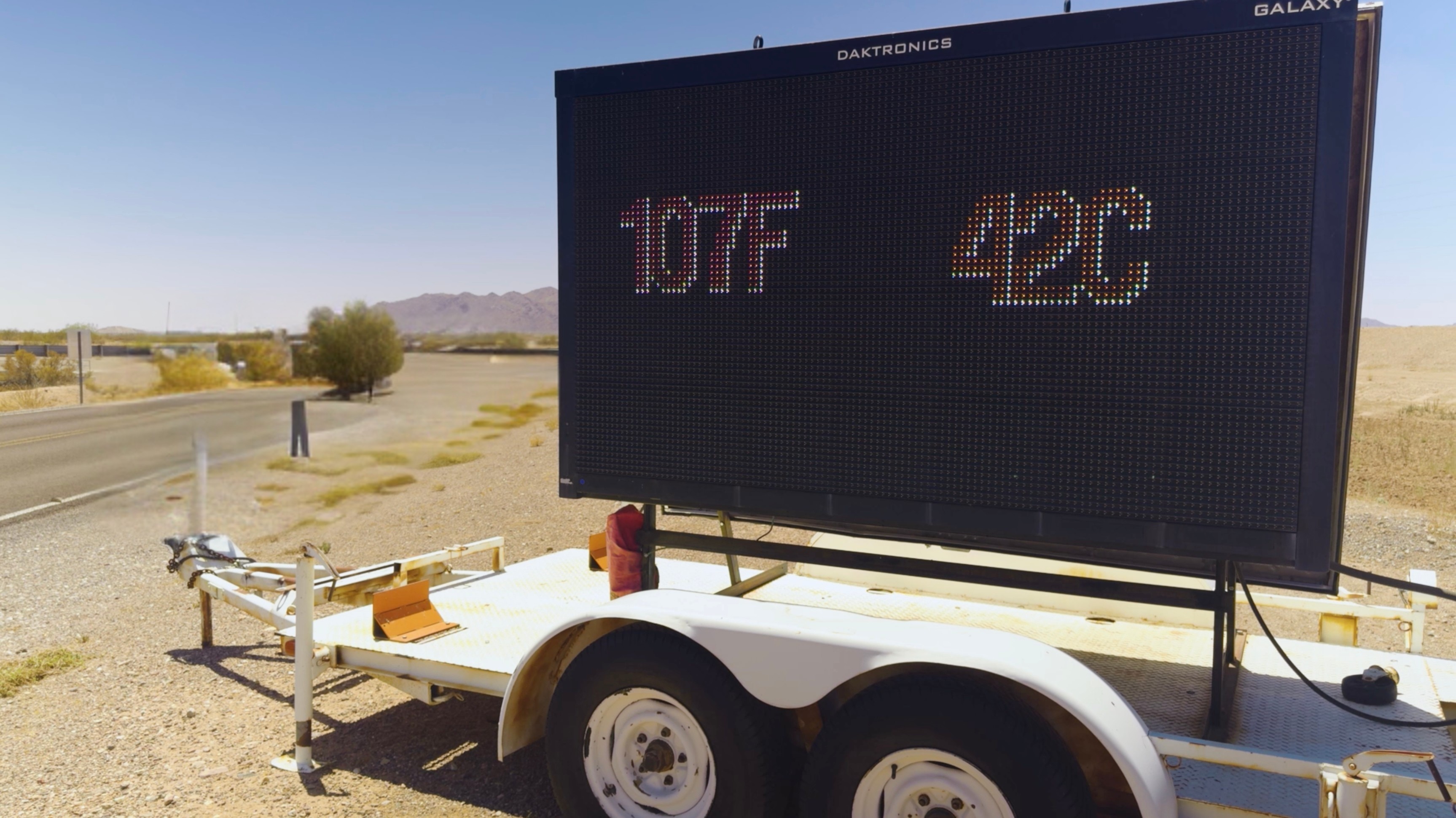
The answer is usually somewhere north of 110 degrees.
That's one of the reasons my team comes to Ford's Arizona Proving Ground every summer to test Ford vehicles. Extreme heat creates conditions that are difficult to replicate anywhere else, giving us the opportunity to evaluate how the vehicle performs when temperatures, towing loads, and customer expectations are all high.
If someone is towing a trailer through Arizona, Nevada, or Texas in the middle of summer, that's not the time to discover a problem. Our job is to find issues during development, understand them, and make improvements before customers ever encounter them.
Why We Test in the Desert
With preconditioning, tests begin from the same baseline so we can accurately compare results.
Once that's complete, we begin adding load.
Simulating Real-World Towing
Rather than driving hours to a mountain grade, we can run a test, review the data, make an adjustment, and immediately test again.
For engineers, that ability to learn and validate quickly is incredibly valuable.
Following the Data
We monitor hundreds of sensor readings throughout the vehicle. Sensors track temperatures, pressures, and system performance across the powertrain, fuel system, exhaust system, and other key components.
Every sensor helps us understand how the vehicle is performing under extreme conditions and whether it's meeting our expectations.
The Details Matter
One example is fuel tank and bulk fuel temperature.
At the proving ground, we carefully control fuel temperature before certain evaluations to create consistent test conditions. That helps us better understand how heat affects fuel system performance and allows us to generate repeatable results.
It's the kind of detail most customers never think about, but those details matter when you're developing a vehicle that's expected to perform in a wide range of climates and conditions.

Testing So Customers Don't Have To
Customers put their vehicle to work every day — towing trailers, hauling equipment, and taking road trips in challenging conditions.
That's why we spend weeks collecting data in the Arizona desert. The environment helps us validate the vehicle in some of the toughest conditions we can find and gives us valuable insight into how it can perform in the real world.
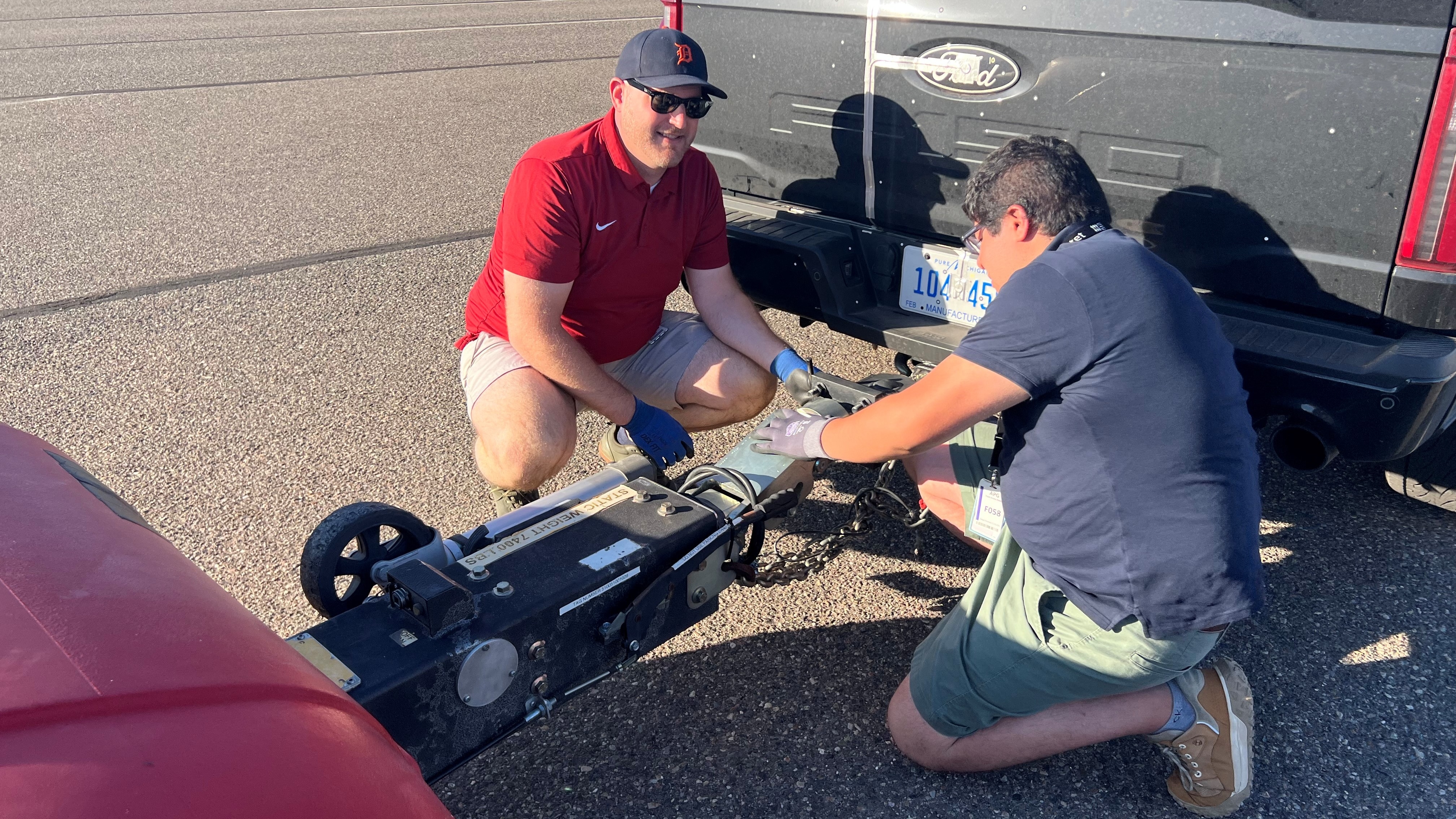
Most customers will never see the sensors, laptops, or thousands of data points behind the process. And that's okay.
If we've done our job right, they won't know our work exists.
They'll just know their vehicle is ready for whatever the day brings — whether it's 75 or 115 degrees outside.
Stephen Kluck is Thermal Systems Engineer at Ford.