
One thing I’ve learned in my years working with manufacturing facilities — and as a dad: If you want someone to do something that could be seen as a chore, figure out a way to make it a game.
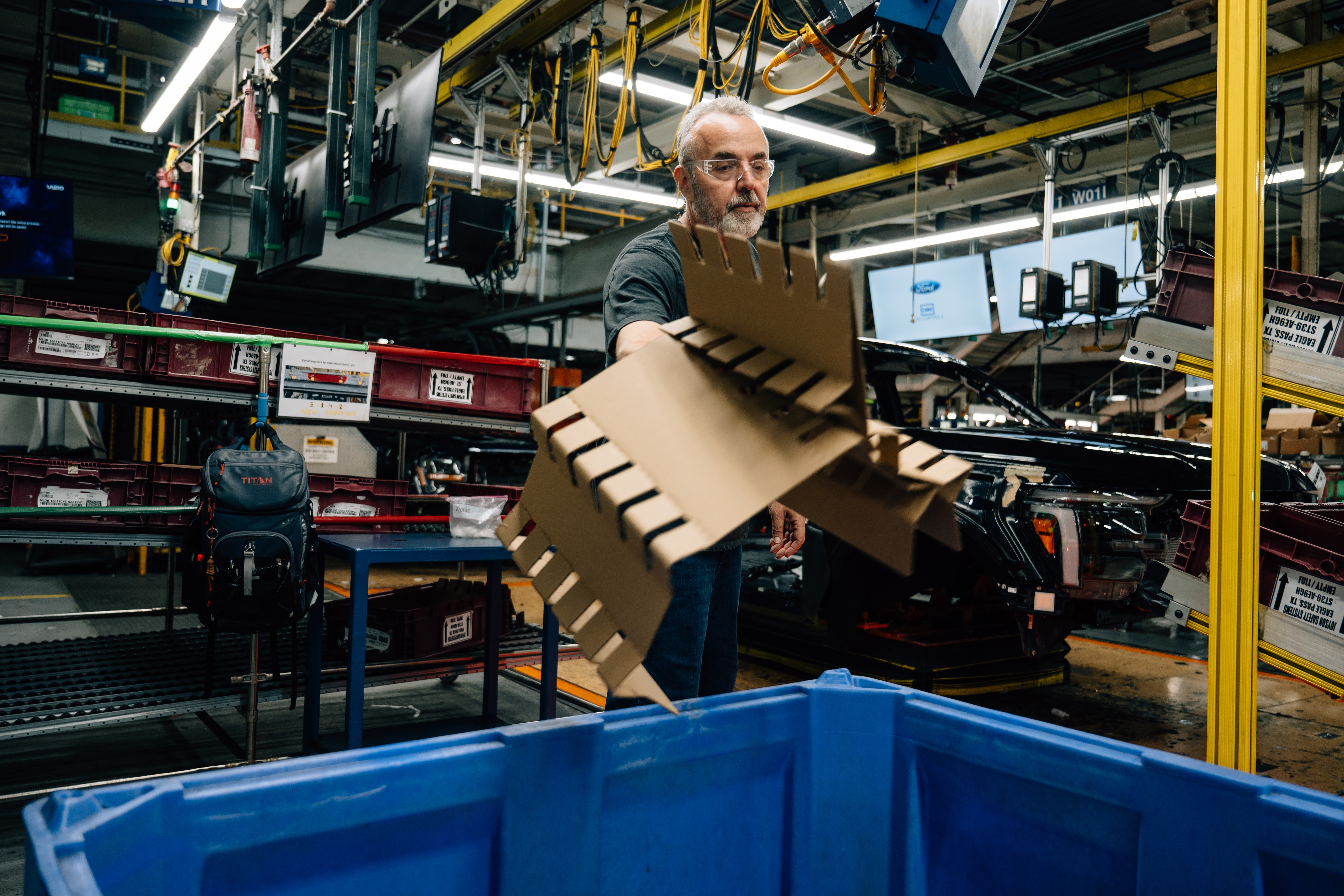
Fastening a backboard to a recycling bin, for example, is one creative way to make sorting reusable materials a slam dunk for employees on a busy shop floor. It also means they never miss a shot.
As a senior environmental engineer focused on waste strategy, a key part of my job involves ensuring that operators on the assembly line treat every aluminum scrap, packaging strip, metal shaving, and discarded piece of plastic as a potentially valuable asset rather than trash.
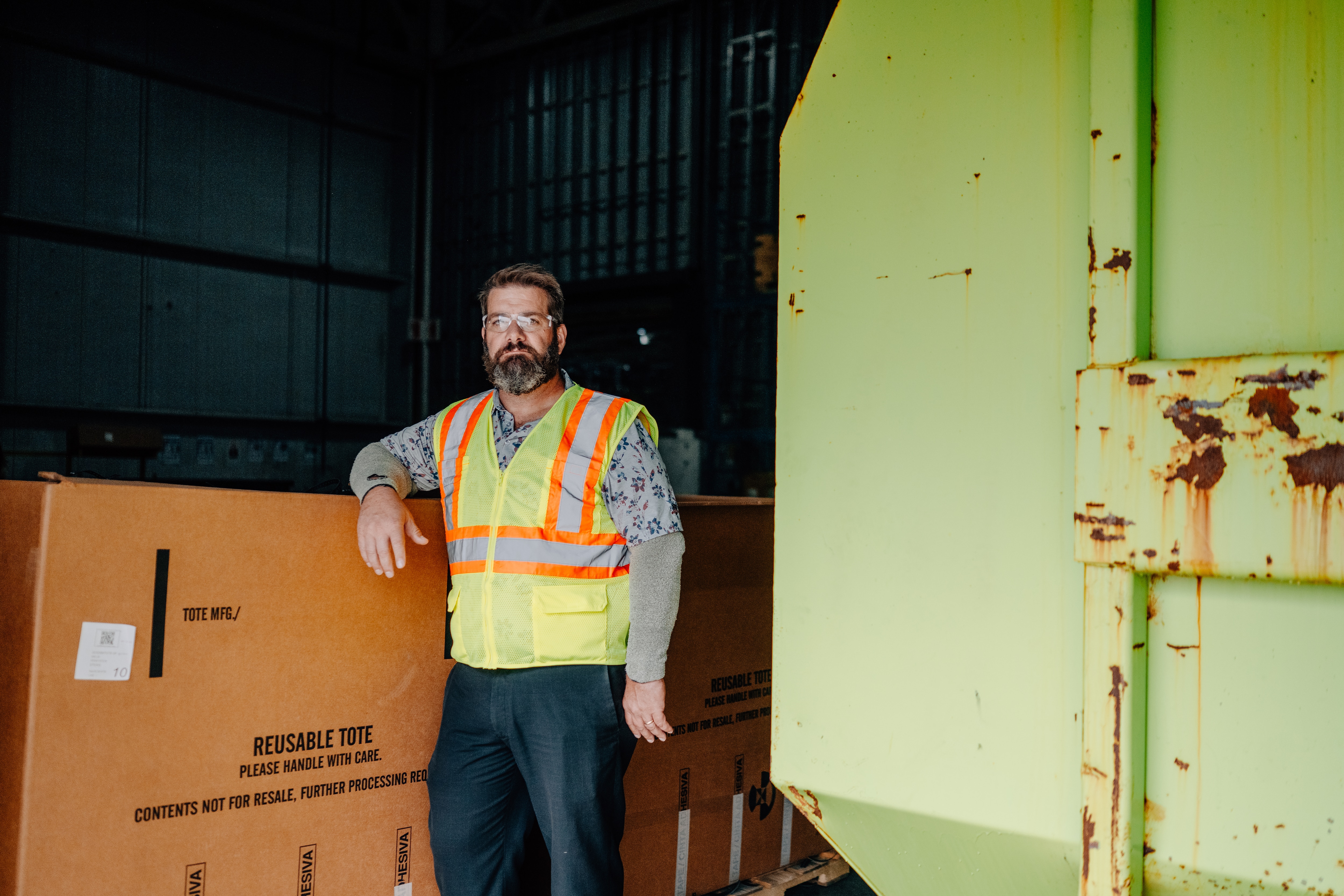
It’s all part of Ford’s drive to achieve zero waste to landfill (ZWTL) from manufacturing across our global operations by 2028. This means diverting manufacturing waste away from landfills through aggressive recycling and reuse.
Keeping Trash Out of Landfills Around the Globe
Being a ZWTL facility is a vital part of being a good neighbor and strong environmental steward in the communities where we operate. It’s also good business, as landfill disposal will eventually require costly cleanup.
Ford currently has 84 ZWTL sites globally, and we’ve worked hard to reduce waste disposed from manufacturing by nearly 25% since 2022.
But we also need to balance waste reduction strategies with efficiency.
At Ford, building great vehicles comes first, so our ZWTL efforts are designed to fit seamlessly into daily production without slowing the assembly line. We incorporate automated processes where we can, such as with our scrap metal at Dearborn Stamping.

And when it’s a manual process, we try to make it as easy as possible — like installing backboards on recycling bins to ensure the material ends up in the bin and not on the floor or in the trash. This maximizes value and avoids the costs of extra handling.
Embracing Sustainability Challenges Comes With the Job
There’s also plenty to do behind the scenes. Environmental engineering teams such as mine tackle some of the toughest challenges, like finding specialized recycling opportunities for waste streams that are more complex to reuse.
Recycling metals is straightforward, but certain types of plastics and manufacturing byproducts require a deeper level of research and innovation.
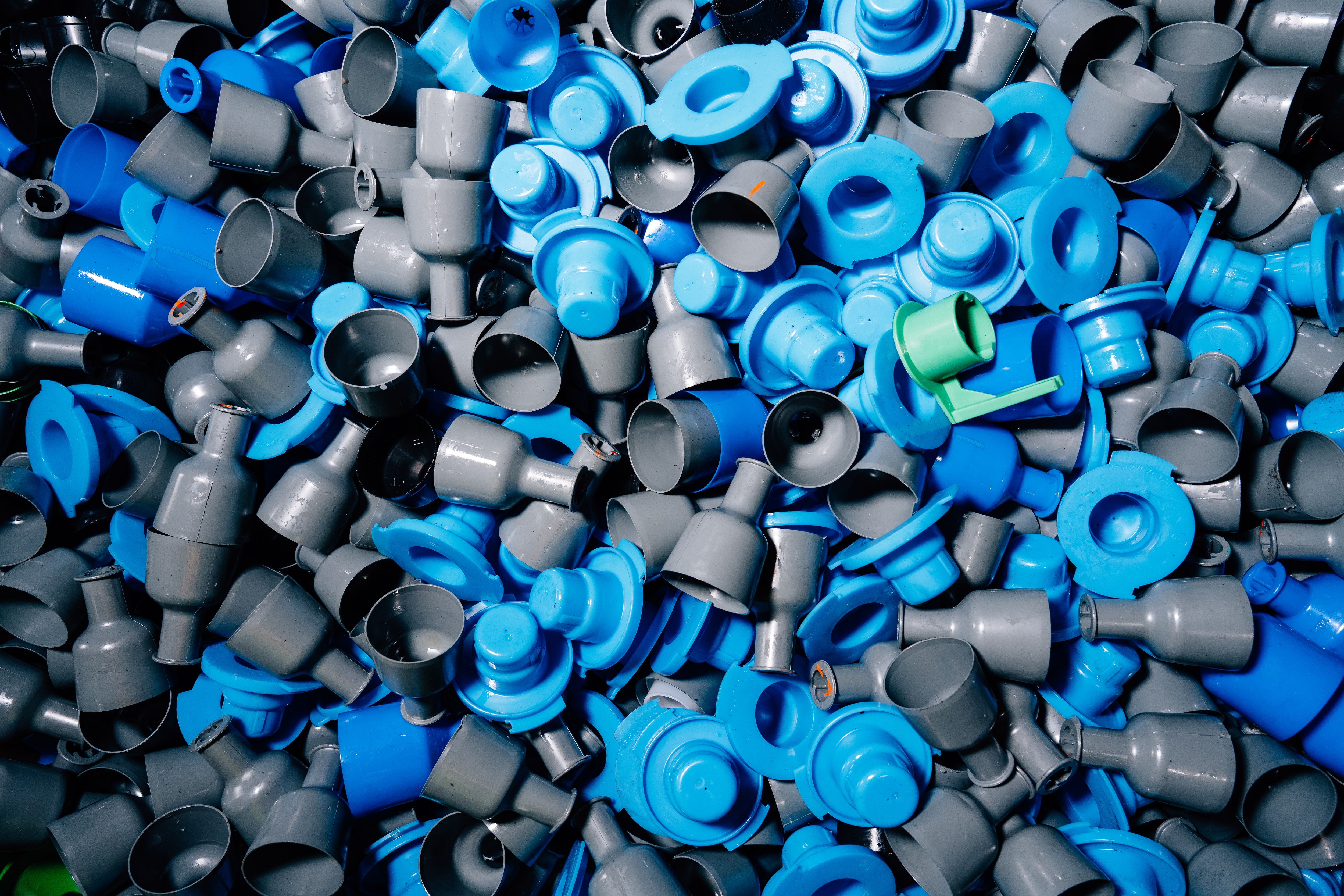
Keeping a facility ZWTL requires constant vigilance, with varying regional waste laws and infrastructure limits adding to the complexity. This year, three of our global plants slipped off the ZWTL list.
Rather than accepting defeat, sustainability teams took it as a challenge.
They researched novel recycling opportunities, introduced innovative processing and cleaning technologies, forged new partnerships, and strengthened internal and external benchmarks to get back on track.
Circularity Is the Next Frontier
Zero waste to landfill is just a piece of a much bigger story. The end goal is to get waste out of the supply chain entirely. That’s why our next frontier is true circularity: putting the materials we collect, such as aluminum scrap, directly back into our vehicles.
For example, at Ford’s Dearborn Truck Plant, research and environmental teams are collaborating to recycle spent rivet strips from the body shop into battery trays. Another facility recently sent truckloads of stockpiled wood dunnage to Habitat for Humanity for their work in the community.
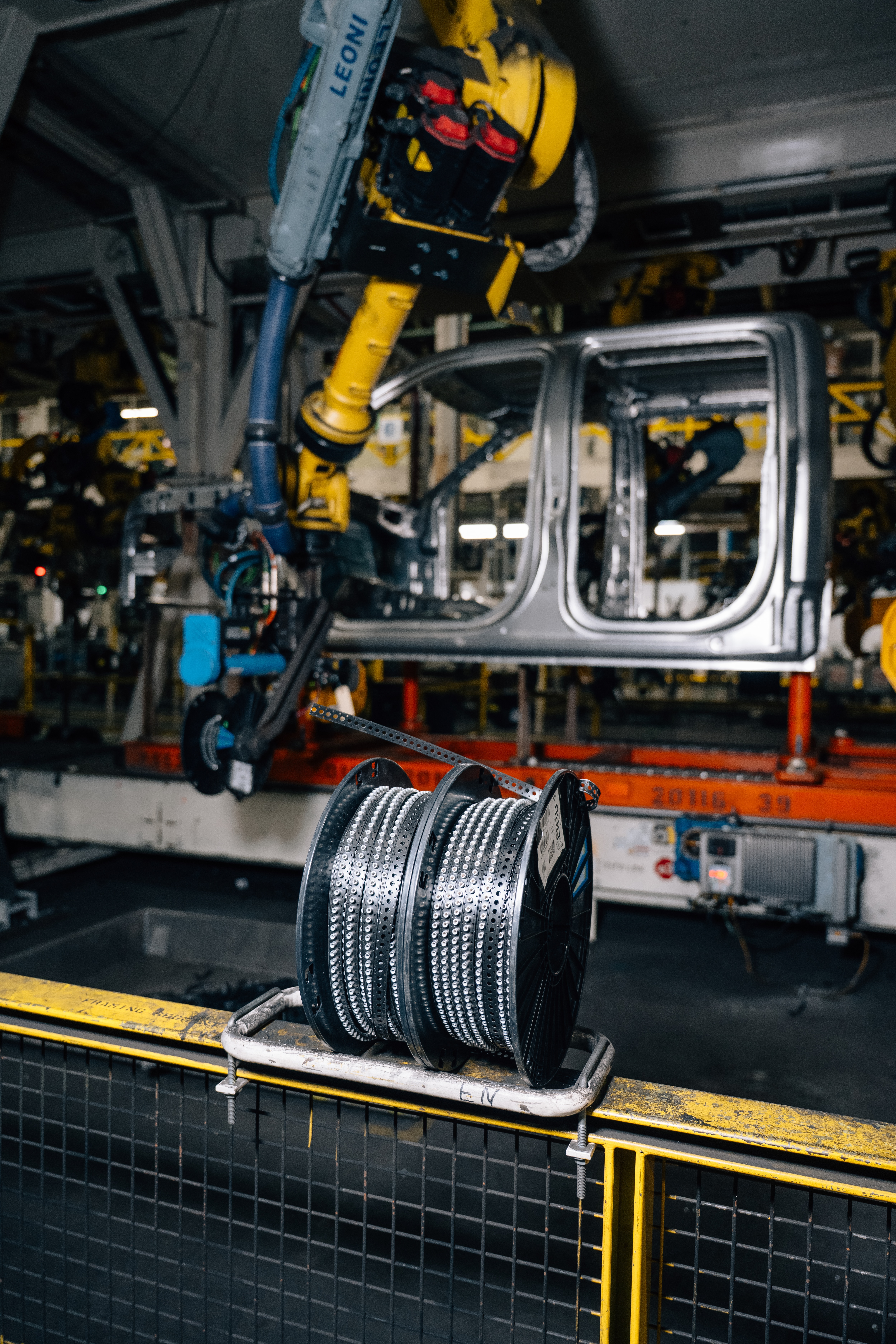
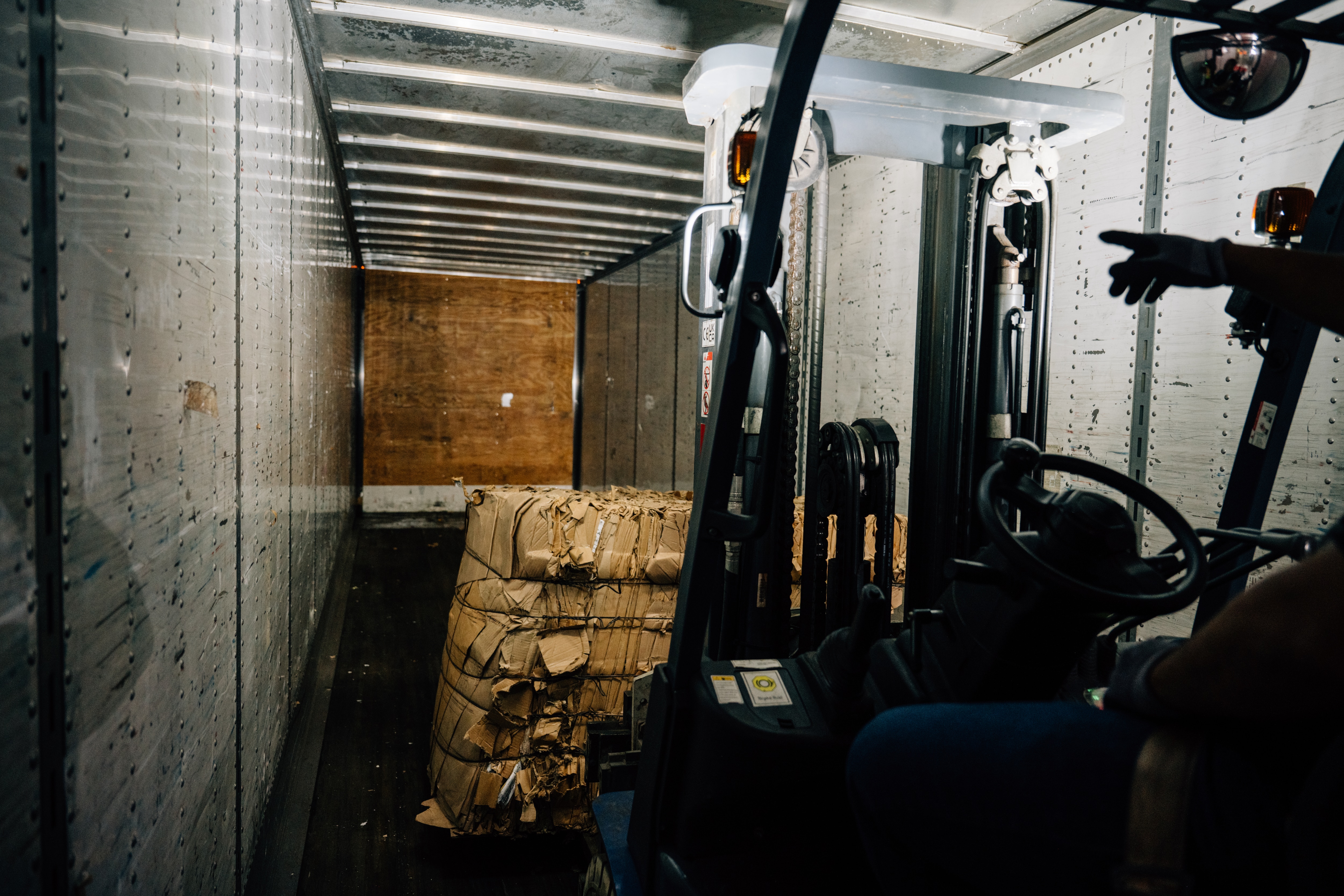
That’s what’s especially exciting about this work: today’s trash might end up as tomorrow’s seat cushion or body panel. This helps keep waste out of the landfill and saves resources that would have gone into extracting raw materials — a clear example of a win-win.
And sometimes, all it takes is a recycling bin and a backboard to inspire that first step toward progress.
Dan Esch is a senior environmental engineer at Ford.