There’s truth to the maxim, “You are what you eat.” When you drive south on I-5 through California’s Central Valley, what you see is America. Because this is what America eats.
The highway slices through endless miles of fruit and nut orchards. Take the exit to Highway 152 at the village of Santa Nella, over the Pachego Pass, and all you can see for miles is geometric rows of artichokes, onions, kale, peppers, and squash, growing out of rolling hills of chocolate colored soil.
You pass Gilroy, the “Garlic Capital of the World.” When you reach the Pacific Ocean and the Monterey Peninsula, you’ve entered one of the world’s most historic fishing capitals, the home of Cannery Row.
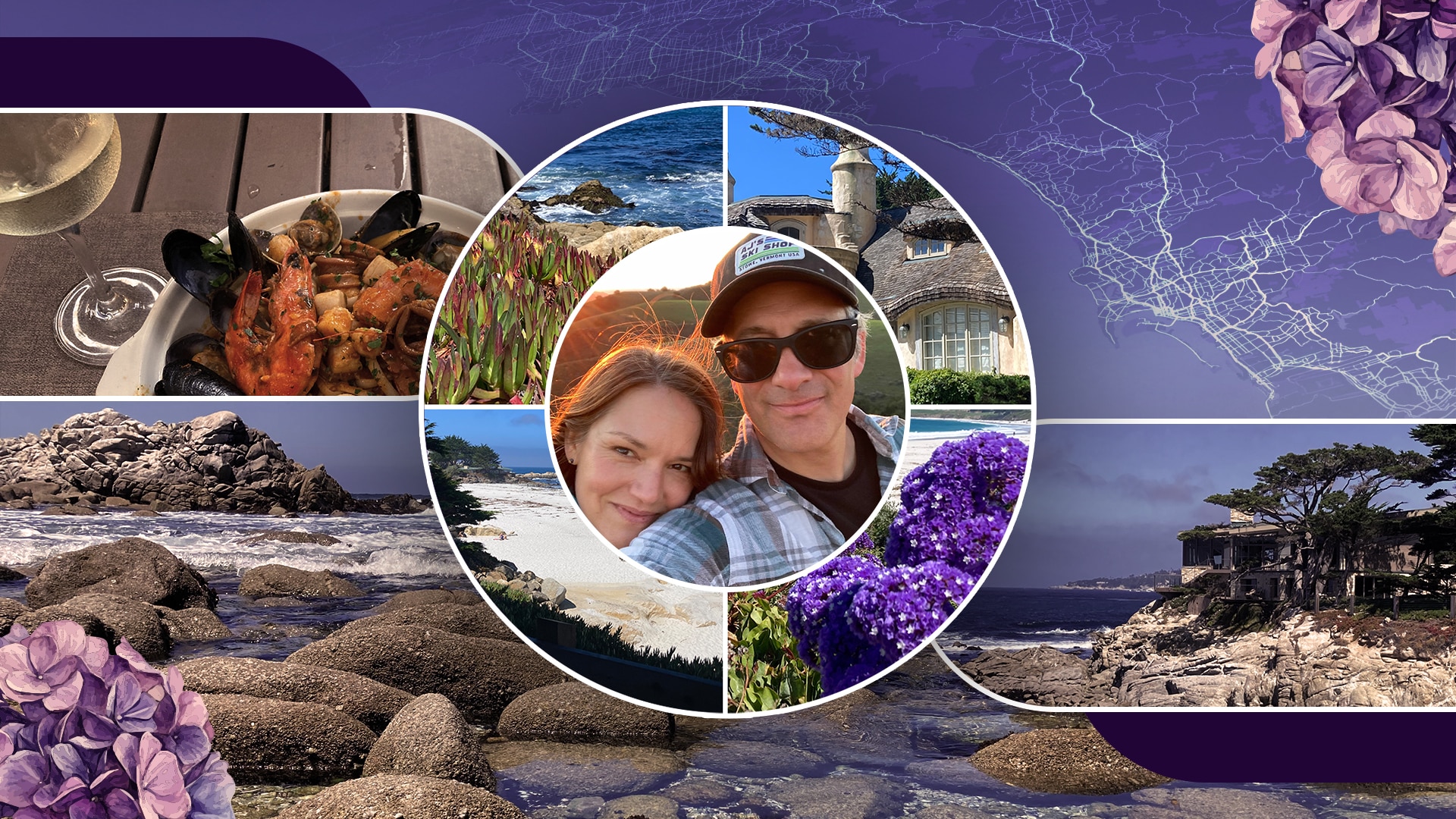
Ever since I met my wife Michelle 26 years ago, we have been making this road trip together to the Monterey Peninsula. She began coming here as a toddler in the early 1970s, and we’ve been coming here together since we met in 2000.


Our children grew up coming here, learning to walk on the same sand dunes their mother did 30 years earlier. They saw an ocean for the first time here. You have never seen wonder in a child’s face until you have seen an eight-year-old witness a blue whale breaching the sea surface from aboard a whale watching boat.
Trips with cousins, birthday bashes, beach bonfires … In a secret location, we buried some of the ashes of Bill Burdick — my wife’s father — in the sand here.
The Monterey Peninsula juts into the Pacific on California’s central coast, encompassing the towns of Monterey, Pacific Grove, Pebble Beach, and Carmel-by-the-Sea, with Big Sur running along the neck to the south.
You’ve read about it in the novels and memoirs of John Steinbeck, Henry Miller, and Jack Kerouac. It’s one of the most photogenic places in the world.


Ansel Adams didn’t just photograph this part of America; he lived here. It’s a place where the rich come from all over the world to eat California coastal cuisine while rubbing elbows with surfers who sleep in their cars along the beaches.
The Monterey Bay Aquarium, Monterey Jazz Fest, Monterey Car Week, the Laguna Seca racetrack, the Pebble Beach golf course — just about anyone can find something here that they will remember for the rest of their lives.
I can’t put a number on how many times my family has made this trek. But this road trip, made in the heat of mid-summer 2026, will be unique. For the first time in decades, my wife and I are going alone, two empty nesters with kids now in college, hoping to remember why we got married in the first place.
Because that’s why we go on road trips, right? Not just to go in search of adventure, but to go in search of ourselves and each other. This trip would be a greatest hits collection of the peninsula. Over the years, we’ve hit every bar, every beach, every taqueria. We are aiming to revisit the spots we love the most.
“Think of it this way,” I tell Michelle as we’re stopped to top off our Mustang Mach-E’s battery.
“We can be like Theseus and Hippolyta in A Midsummer Night’s Dream, with a four-day trip into a veritable fantasy land. Just like in the play, at the end, we’ll live happily ever after!”
Her eye rolling is almost audible. I don’t think she’s buying it.


The Hotel La Playa in Carmel-by-the-Sea (pop. 3,124) is known as “The Grand Dame of Carmel.” The La Playa is housed in one of the oldest buildings around, dating back to 1909.
A lot has happened in this Spanish-styled manse. Steve Jobs unveiled the first Mac computer during an Apple company retreat in room TK, in 1983.
The hotel has seen countless nuptials of the rich and famous. One journalist said of this place, “The building itself is the greatest repository of Carmel history.”
Bud’s Bar is named for local legend Howard “Bud” Allen, who used to own this hotel. His favorite martini (gin, vodka, lillet) has been on the menu since 1965.
After a four-hour drive from home outside Sacramento, this is a good place to start.
Day One
The story of how we ended up here begins with a serial killer.
In 1960, my mother-in-law, Margo Ezell, was newly married and pregnant, living in Ventura, California, when she realized her husband was a very bad man.
When she confronted him, he chased her down and ran her over with a car. This really happened. The man is still alive, and still in prison for rape and murder 65 years later.
Margo lost her child and ran off by bus for her safety, getting off the bus in Sacramento, because the bus driver said it was a nice place.
She built a life there, remarried, and adopted a baby girl from a Catholic orphanage.
The proud couple named their baby Michelle. Margo had little money, and family vacations in the 1970s were “van clan” camping trips, often to the Monterey Peninsula.
Michelle can still remember the magical places she saw, the beaches, the wildlife, and she has never stopped coming back.

Now, in 2026, Carmel-by-the-Sea doesn’t look much different than it did in 1975, when she first came. When you stroll Ocean Drive and the surrounding streets, the shops appear so quaint, you can feel as if you’re in a cartoon.
Best to start the morning with a coffee and avocado toast at the Carmel Bakery, then stroll up to the Carmel Valley Coffee Roasting Company for a second cup.
This town is a shopping mecca. My wife’s closet is filled with hats from the Hat Shop on Ocean & San Carlos. Nowhere else on earth is there a larger concentration of art galleries full of wonderful works that you cannot afford.
Inevitably, the late morning invites a caffeinated stroll along Carmel Beach Road, which follows the contour of the Pacific. On one side, ocean waves roll over white sand, and on the other, the most spectacular row of real estate in California stands facing the sea.
One house after another, each an architectural masterpiece. This is one of the most expensive zip codes in the world, and it culminates with the Frank Lloyd Wright Clinton Walker House that juts out over the sea near Carmel Point. It is so regal, it postures like an orchestra conductor guiding the Pacific ocean’s performance.
The dining in Carmel-by-the-Sea is legendary. At some point, we always hit Hog’s Breath Inn, a tavern once owned by Clint Eastwood, who was mayor of Carmel from 1986 to 1988. The outdoor deck at the Treehouse Café is enchanting, and the bartender serves swimming pool sized glasses of local wine.


The seafood pasta at Vesuvio is a must. If you’re looking for a Michelin-starred, unstuffy dining room to slurp huites du jour, Le Bicyclette on Dolores and 2nd is your spot.
On this night, there’s a table for two by the front window in the dining room at Grasing’s, a fixture in the dining scene on the Monterey Peninsula for a quarter century. And for good reason.
There’s nothing flashy about the sole meuniere, a reminder that classic continental cooking requires no frills but lots of soul.
Every evening, Carmel-by-the-Sea indulges in a tradition. A half hour before sunset, restaurant doors open and bodies pour out onto Ocean Avenue. All the foot traffic is headed downhill.
On the beach, dogs dash over the sand chasing frisbees. Wine corks pop. Occasionally, a bagpiper shows up in traditional garb, playing just loud enough so you can still hear the crashing waves.
As the sun sinks into the Pacific, the sky glows in indescribable shades of reds, pinks, and purples. I have seen porpoises jumping out of the rolling waves during sunset, putting on a show free of charge. It all feels unreal, like a midsummer night’s dream.
As legend has it, the moment the sun offers its last glimpse, you can hear a sizzle and see what is called the “green flash.”
As Steinbeck wrote, “It is the hour of pearl — the interval between day and night when time stops and examines itself.”
And then, darkness falls. Bud’s Bar at the La Playa is calling.
Day Two
“It’s not easy being a writer’s wife,” Michelle says. “Nor is it easy being an empty nester.”
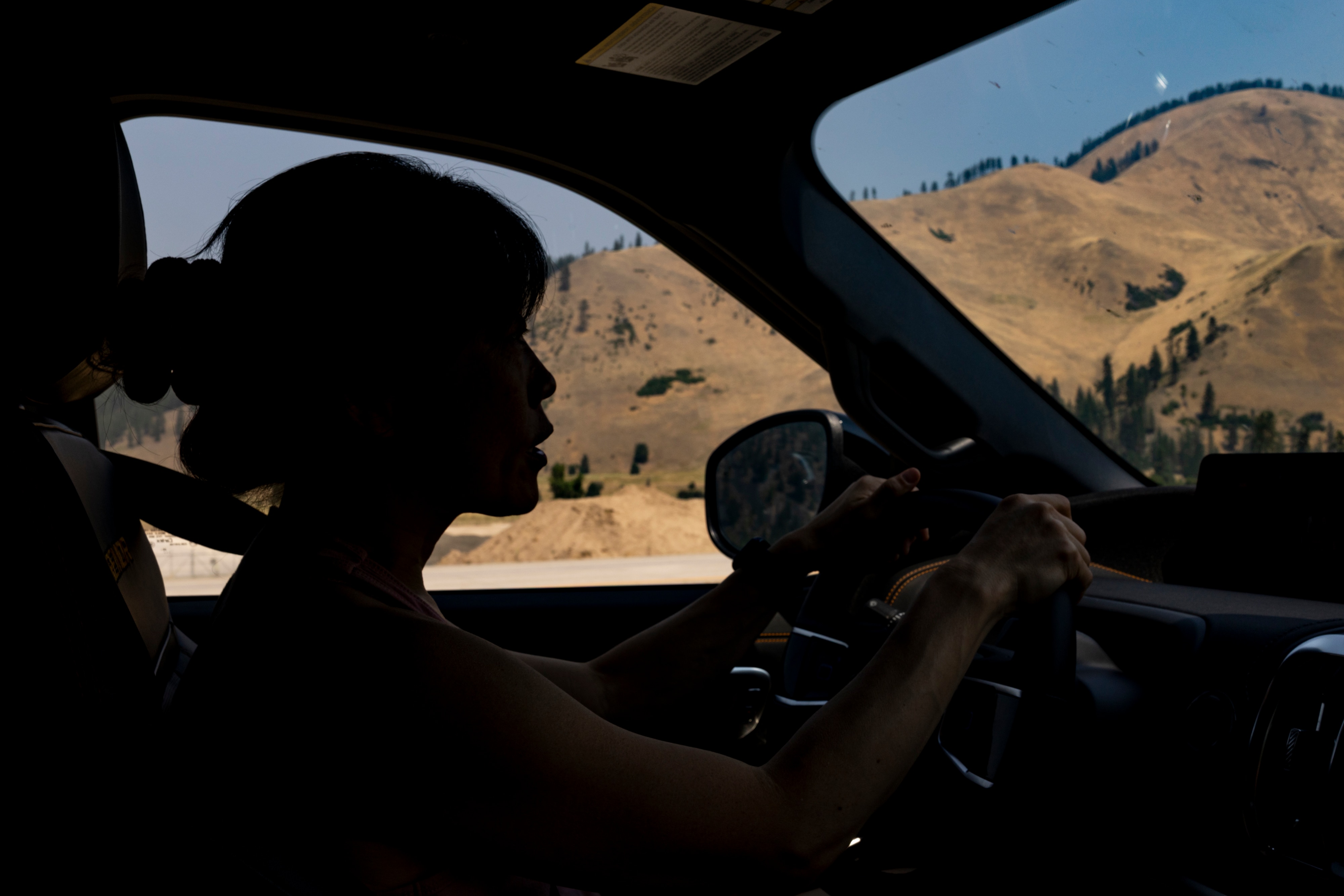
She’s right. It’s morning, and we are driving south on Highway 1 off the Peninsula. The road to Big Sur is one of the most beautiful drives in America. But not when there’s road construction and you’re stuck behind parked cars for miles ahead of you.
This gives us time to talk. When Henry Ford and his ilk invented the motor car industry over a century ago, they did not just put the world on wheels. They created rolling therapy rooms.
Our cars are often where we have many of our most important conversations, the ones that make us laugh and the ones that make us cry.
How do we reckon with 24 years of marriage? How did it go by so fast? How do we understand how the thing that is supposed to bring us together — our family — is often the thing that pushes us apart?
Different roles, overstress, overwork, petty resentments. That’s when we knew we had to hit the road and head for the beach.
According to recent statistics, divorce rates among empty nesters have doubled in recent years. Road trips to beautiful and beloved places can be the thing that saves us.
None too soon, a construction worker starts waving cars forward and we begin to roll toward Big Sur. Highway 1 hurdles past Point Lobos, one of the greatest hiking spots in California but often overrun with crowds.
Further south, almost all hints of civilization disappear, except the road itself. The scenery becomes unique—equal parts coastal wonder and mountain forest.
Giant redwoods create a haven for sleeping rattlesnakes while the sky waxes and wanes deep blue and ocean fog. The feel of sunrays on your face is like nothing you can experience, anywhere else.
Going back to the days when Jack London came to Big Sur with poet George Sterling, before there were roads (they came on horseback), Big Sur has served as a conduit for the muse. People come here and find in themselves an artistic spirit they never knew existed.
As the novelist Henry Miller, who called Big Sur home throughout the 1950s, described it, “This is the California that men dreamed of years ago, this is the Pacific that Balboa looked out on from the Peak of Darien, this is the face of the earth as the Creator intended it to look.” It is “nature smiling at herself in the mirror of eternity.”
There are ample spots to pull over and take in the rocky coast on one side and the rising Santa Lucia Mountains on the other. It’s selfie heaven, which makes my wife very happy. Our first real stop is the Hawthorne Gallery, which is equal parts bizarro and beautiful.

Decades ago, an artist named Gregory Hawthorne moved to Big Sur to live off the grid and raise a family. In 1995, he built this gallery on the side of the road, representing a couple dozen artists.
The building stands somewhere between rustic modern and moonbeam weird, in all the best ways, with two story walls made of glass and a deck looking out on the ocean. Even the staircase adjoining the two floors is a masterpiece.
Every art piece in here would fit nicely in my home. But the only way I would be able to attain any of it would be to steal it. Which is not in the cards today.
Down the hill is the Henry Miller Memorial Library, which is not a library at all. More of a mecca for super fans (I am one; I wrote my undergrad thesis on the novel Tropic of Cancer in 1993).
The library is more of a bookstore in an old crumbling house that once belonged to Miller’s best friend Emil White. But more importantly, it’s a window into what daily life was like in Big Sur in the 1950s, when the most cutting-edge amenity might have been a fishing rod.
It’s a place that makes you yearn for simpler times. A time when it would seem perfectly rational to sit in the woods, admire a passing deer, and summon your next novel out of the ocean fog.
A hike to see the famous waterfall at Jules Pfieffer State Park, these days, requires a little crowd control. The parking lot is often full but it’s worth it, if for no other reason than to work up a thirst in preparation for your stop on the way home at Nepenthe. This restaurant and watering hole is the most famous lookout point from the heights of Big Sur out over the ocean.
As Michelle sits sipping an IPA, all thoughts of marital discord have vanished. Big Sur has done its job well. Our conversation with our bartender proves so enchanting, he refuses to charge us for our drinks.
The day’s driving measures only 75 miles, but it feels like we have seen different continents. We end up at Il Tegamino in Carmel, sharing plates of parmigiana di zucchini and fig and asiago raviolini. Then a nightcap next door at PortaBella, where the owner Beshar regales us with charm and a round of port on the house — a perfect denouement.
Day Three
A short morning drive across the peninsula leads to Pacific Grove, home to Asilomar Beach. Asilomar is a peak spot because you can park a car along the road, climb down a set of stairs to the beach, and walk for miles along the rocky coast.
The tide pools team with sea urchins, hermit crabs, and spiny underwater insectoids. (Do not make this trip without a copy of Fylling’s Illustrated Guide to Pacific Coast Tide Pools in your back pocket for easy reference.)

Depending on the tide, surfers will be out catching waves. You might see geysers in the distance — whales breathing out of their blowholes. The otters are my wife’s favorite because of the way they frolic. Have you ever seen a sea otter in a bad mood?
There is always the chance of spotting the fin of a Great White. In fact, there have been two fatal shark attacks in these waters in recent years, one this past December.
As we stroll Asilomar Beach, it feels like there’s a memory locked in every grain of sand. Daring our kids to jump into the sea in February, only to have them take the bet and go for the cold plunge.
The time Michelle and I sat with them on a rock and a baby seal stared at us from ten feet away, holding our eye contact for what felt like forever. Or the time we had a beach bonfire at night, when my wife ate too many gummies and nearly choked to death on her own laughter.
Or the countless boisterous dinners at Peppers Mexicali Café up the street from the beach.
Or the morning walks when we talked about our finances and worried if we would be able to support a family.
Or all the times we sat in silence together, marveling at the sea, when nothing had to be said because everything was so well understood.

It’s all bittersweet. But that’s the thing about this place. It doesn’t just enchant you with beauty. It makes you feel.
We end up at Lover’s Point, a favorite spot where my wife used to visit when she was a kid. Lover’s Point is a rocky outcropping shielding a little beach that crowds with families every summer afternoon.
At the little motel inn across the street, our baby daughter first stood on her own two feet. We have pictures of that moment, and the look on her face is priceless.
Downtown Monterey has an aura all its own. The Alta Bakery and Café, set in a historic building with a courtyard and tables filled with eccentrics, sets a perfect stage for an afternoon cortado. The Monterey Aquarium is one of the world’s best, and unless you have been at least a half dozen times, you owe it yourself to fork over the hefty ticket price.
Fisherman’s Wharf in Monterey has long since become a tourist trap, but everyone should visit once. The same goes for Cannery Row.
As Steinbeck famously wrote of this famous stretch of wharf, as it was in its heyday: “Cannery Row in Monterey in California is a poem, a stink, a grating noise, a quality of light, a tone, a habit, a nostalgia, a dream …
"Its inhabitant are, as the man once said, ‘whores, pimps, gamblers and sons of bitches,’ by which he meant Everybody. Had the man looked through another peephole he might have said, ‘Saints and angels and martyrs and holy men’ and he would have meant the same thing.”
The day’s final stop is the Alvarado Street Brewery brewpub, one of California Central Coast’s most beloved purveyors of beer. The dining room is packed and loud; the beer garden in back is the place to be.

The Alvarado Street Brewery has gotten big enough that you can find the signature ales on tap around the state. But nowhere does it taste better than it does in the original brewery with a plate of the beer battered fish tacos and Monterey Bay calamari.
Today’s sunset is enjoyed from the cockpit of the Mach-E, en route back to Carmel, and the evening requires a walk on the beach in darkness.
You can see the Pebble Beach golf course down the road, glowing in the moonlight — not just one of the nation’s great courses but also home to the Pebble Beach Concours d’Elegance, the most prestigious car show in the world, which happens every August. On the other side is Point Lobos.
And straight out, thousands of miles away, the shores of Japan.
Day Four
At the end of A Midsummer Night’s Dream, after four days in the fairy woodland, Theseus and Hyppolita marry and Shakespeare suggests that, yeah, they live happily ever after.
“Here come the lovers full of joy and mirth,” Theseus tells the audience. The fairy Robin Goodfellow, otherwise known as Puck, gets the last word.
He reminds us that all the events and the places visited over the last four days might have only existed in our imaginations. It all might have been “no more yielding but a dream.”
After a lunch of sand dabs and red snapper at the Hog’s Breath Inn, followed by coffee at the Haifa Coffeehouse and dark chocolate peanut butter cups from the Xocolatl Garden on Dolores Street to snack on during the drive home, we load our backpacks in the Mach-E and steer north into Highway 1 traffic.

Stopping along the I-5 to juice up the battery, there’s plenty of silence in the car. But not uncomfortable silence. The peninsula has proved to be the transformative place it has always been. It has worked its magic on us.
We feel reborn and reminded that, though there are always bumps in the road, that does not make the road unworthy of travel. As Lysander says in Act 1, Scene 1: “The course of true love never did run smooth.” But the road to Monterey always will.
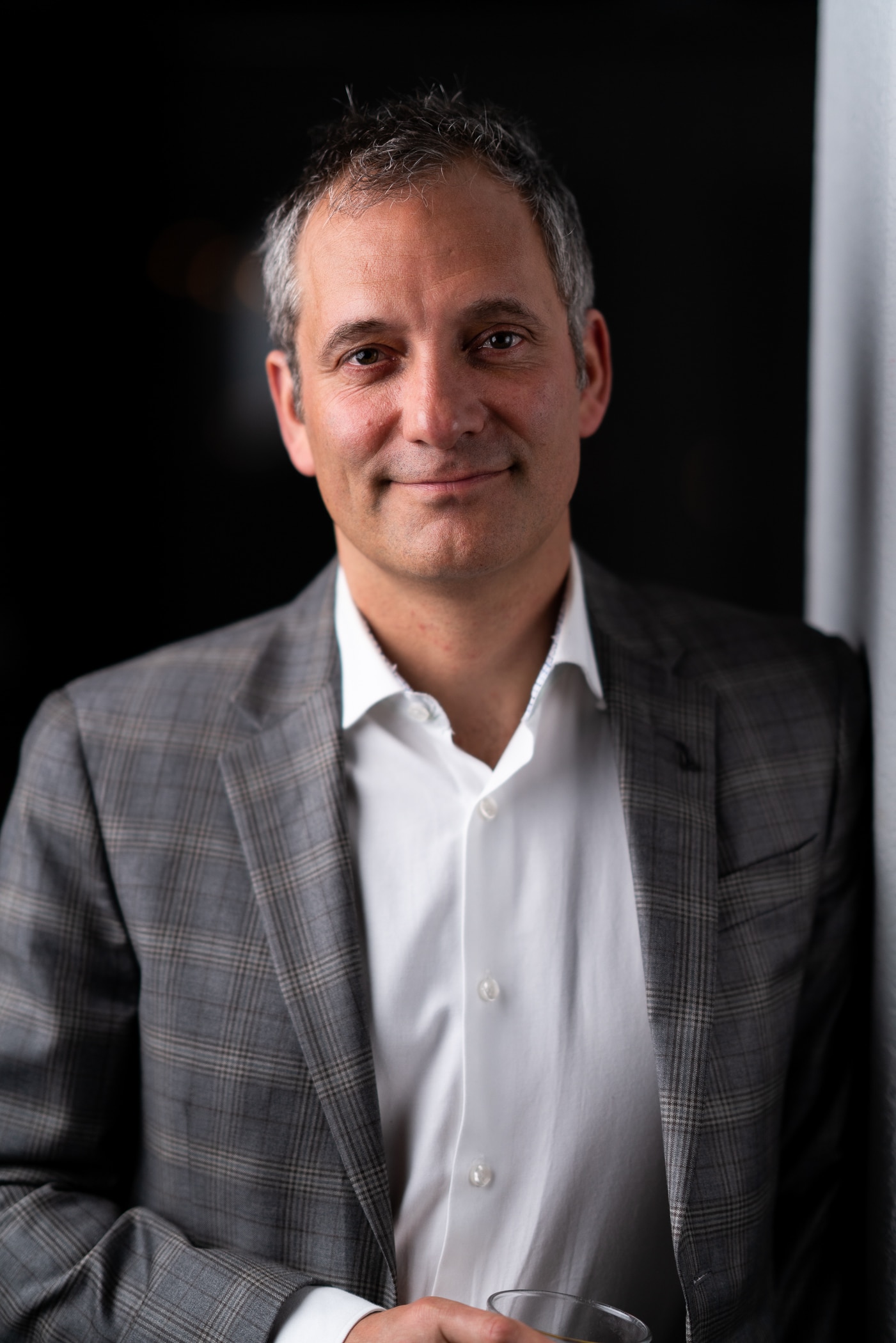
A.J. Baime is the author of Go Like Hell: Ford, Ferrari, and Their Battle for Speed and Glory at Le Mans and The Arsenal of Democracy.