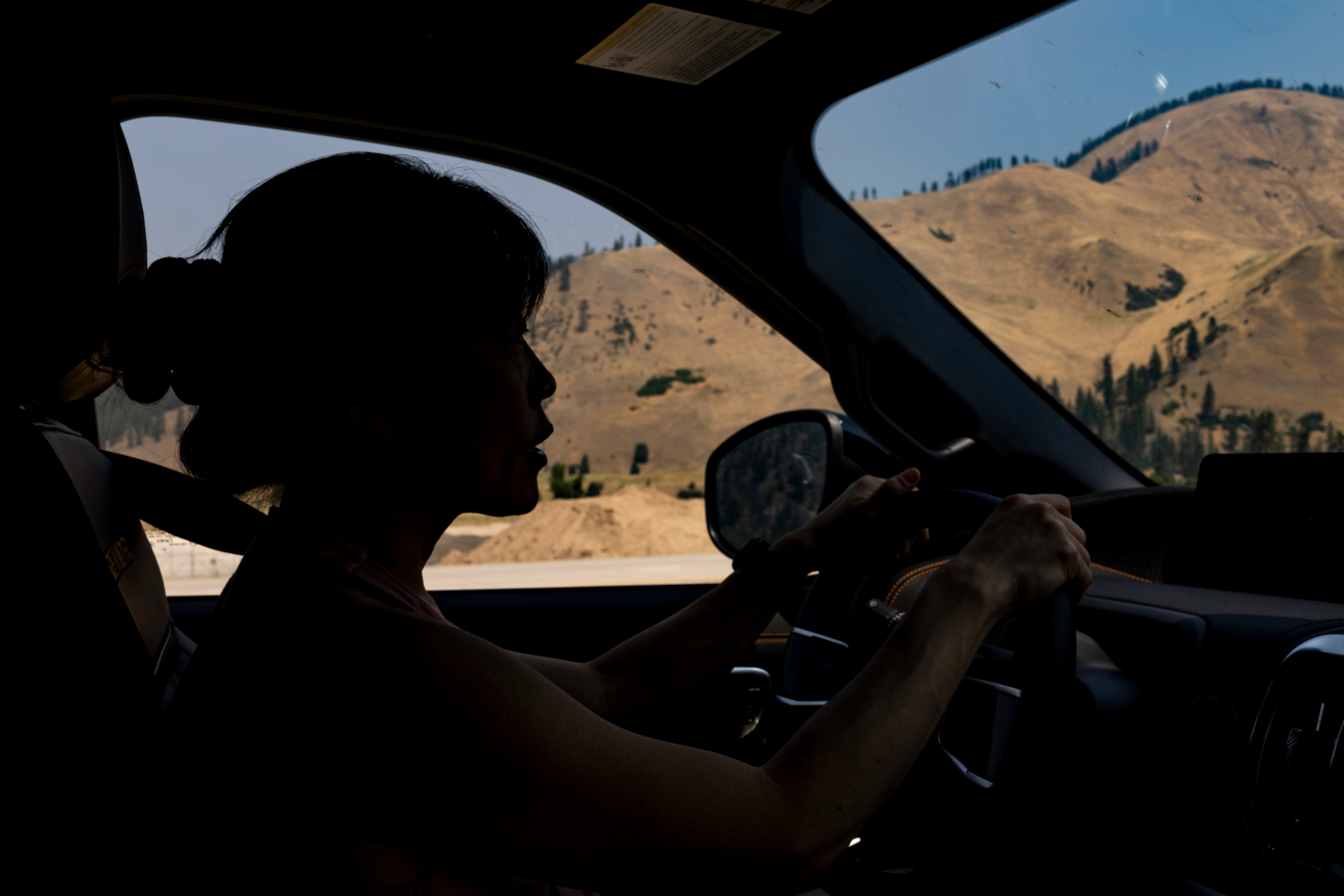

Is birdwatching inside a car cheating? The hobby is, after all, supposed to be about fresh air and muddy boots.
Not so, says Frank Izaguirre of the American Birding Association. “I think the virtues of birding by car are under discussed.”
Sure, you’re not exercising, he conceded. But sometimes a car is the best way to see a rare bird. It lets you cover far more ground than you ever could on foot, and it opens up birding to people with mobility issues, or, as Izaguirre discovered, to anyone with a sleeping baby in the back seat. When his daughter was an infant, he’d go birding during her naps.
We asked the experts how to make the most of your bird drive, and where to go.
Pull Over First
“Let's put the safety disclosure out there that birding by car should be done with your vehicle in park or off,” said Kylie McElrath, Audubon Great Lakes’ conservation manager for Michigan. “Though any bird nerd is probably going to get caught being distracted by a bird in motion.”
Andrew Farnsworth, a migration ecologist with the Cornell Lab of Ornithology, puts it plainly. “The idea of looking at birds should also include stopping first,” he said. “You really have to be looking at the road while you’re driving.”
Use Your Car as a Blind
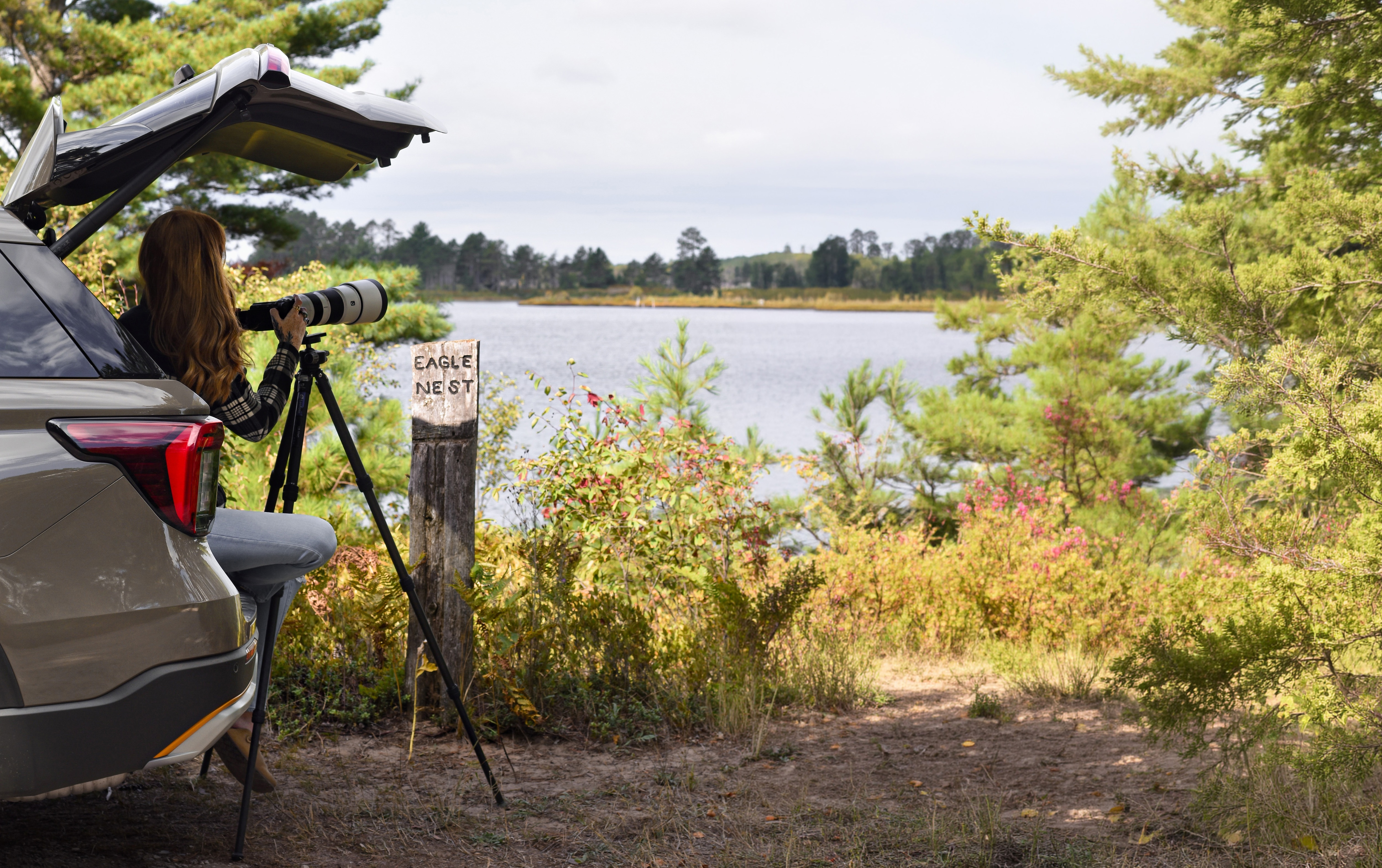
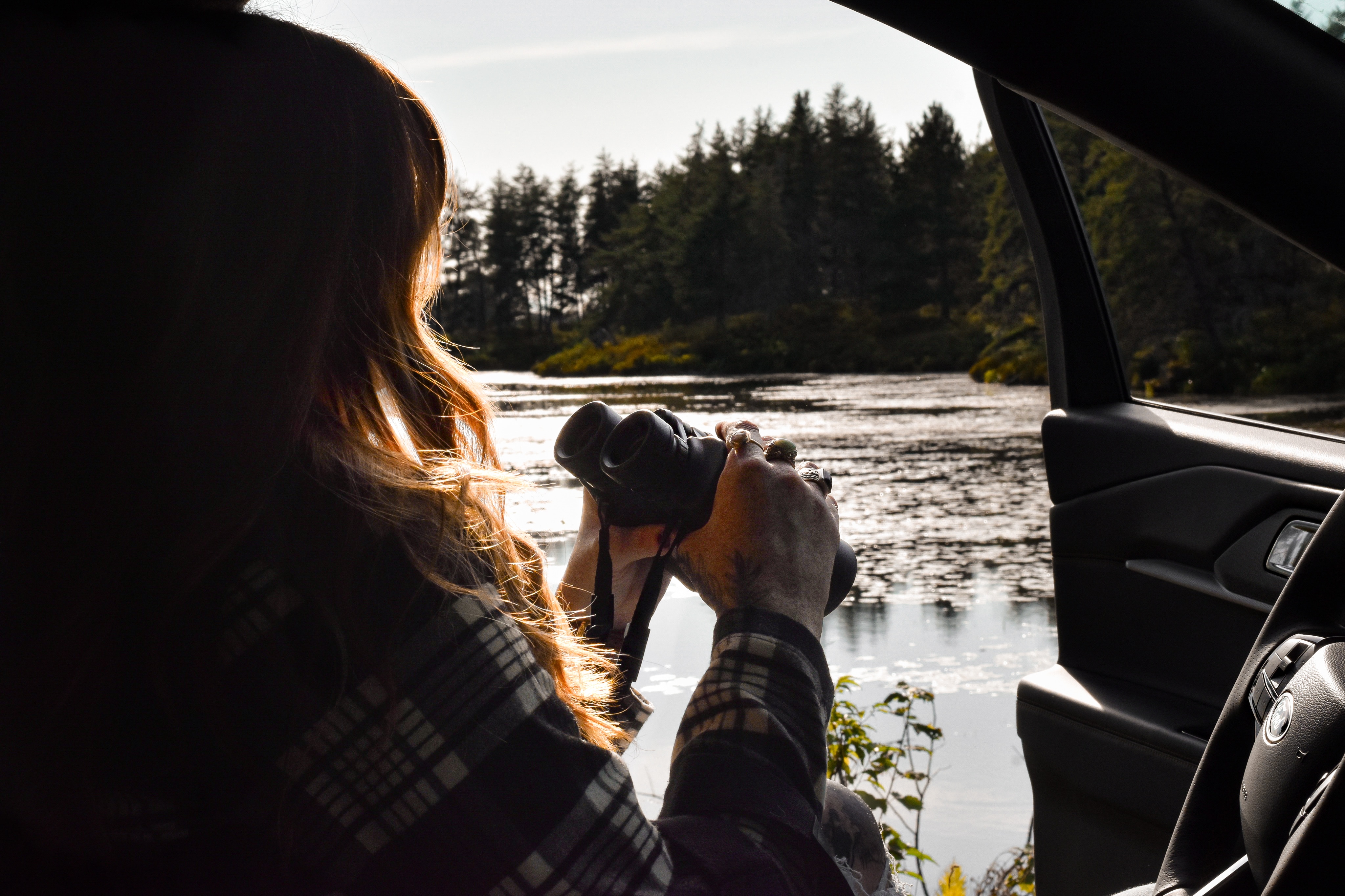
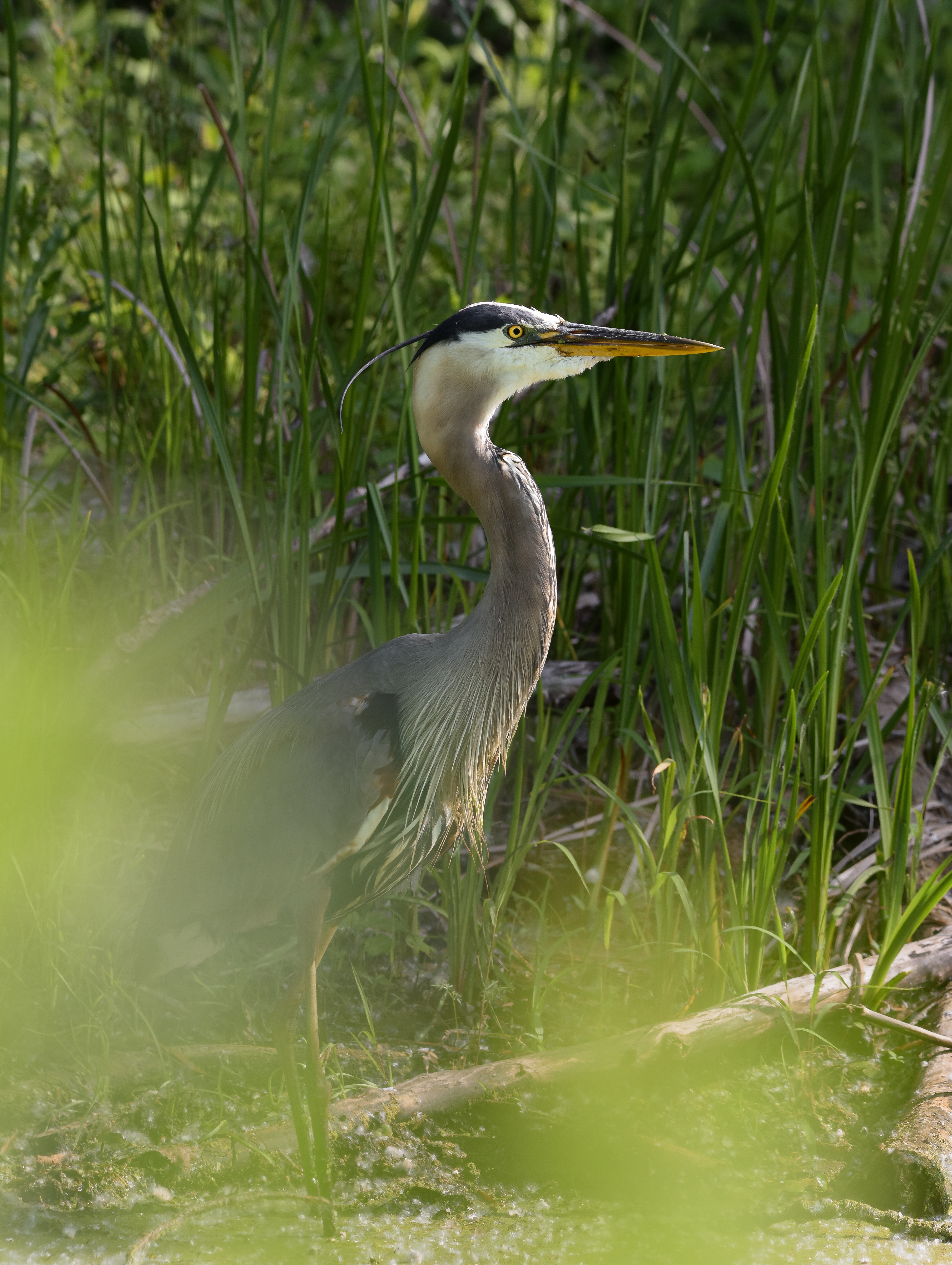
Here’s the secret advantage: Birds aren’t nearly as wary of a slow-rolling car as they are of a person on foot. In effect, your car becomes a blind, a hiding place on wheels.
That makes the car especially useful for watching and photographing in open habitats like grasslands, Izaguirre said, where a birder on the edge of a field could send everything flying. Birds tend to tolerate a slow-moving car far better than a person on foot. Even stepping out of the car can spook a bird, so sometimes it’s better to stay put.
Bird in the Bad Weather
Check on road conditions with whoever manages the route before you go, McElrath said.
"Even though you might feel like you're in the safety of your vehicle, being mindful of the driving conditions is something that I would definitely take into consideration ahead of time."
As long as the roads are safe, stormy skies can be a gift. Storms can trigger what birders call “fallout," when migrating birds are forced down out of the sky and onto trees, shrubs and other patches of land where you wouldn’t normally see them.
Farnsworth knows rough conditions well. As a member of the Cornell Lab’s elite Team Sapsucker, which has won multiple titles at the World Series of Birding, Farnsworth has crisscrossed the country for competitions and for his own research, sometimes sleeping in his car or using it as a shield against blasting coastal winds.
“Usually the most fascinating time to be out birding is when the conditions are worse,” Farnsworth said. “And the car helps with that.”
Check the Migration Forecast
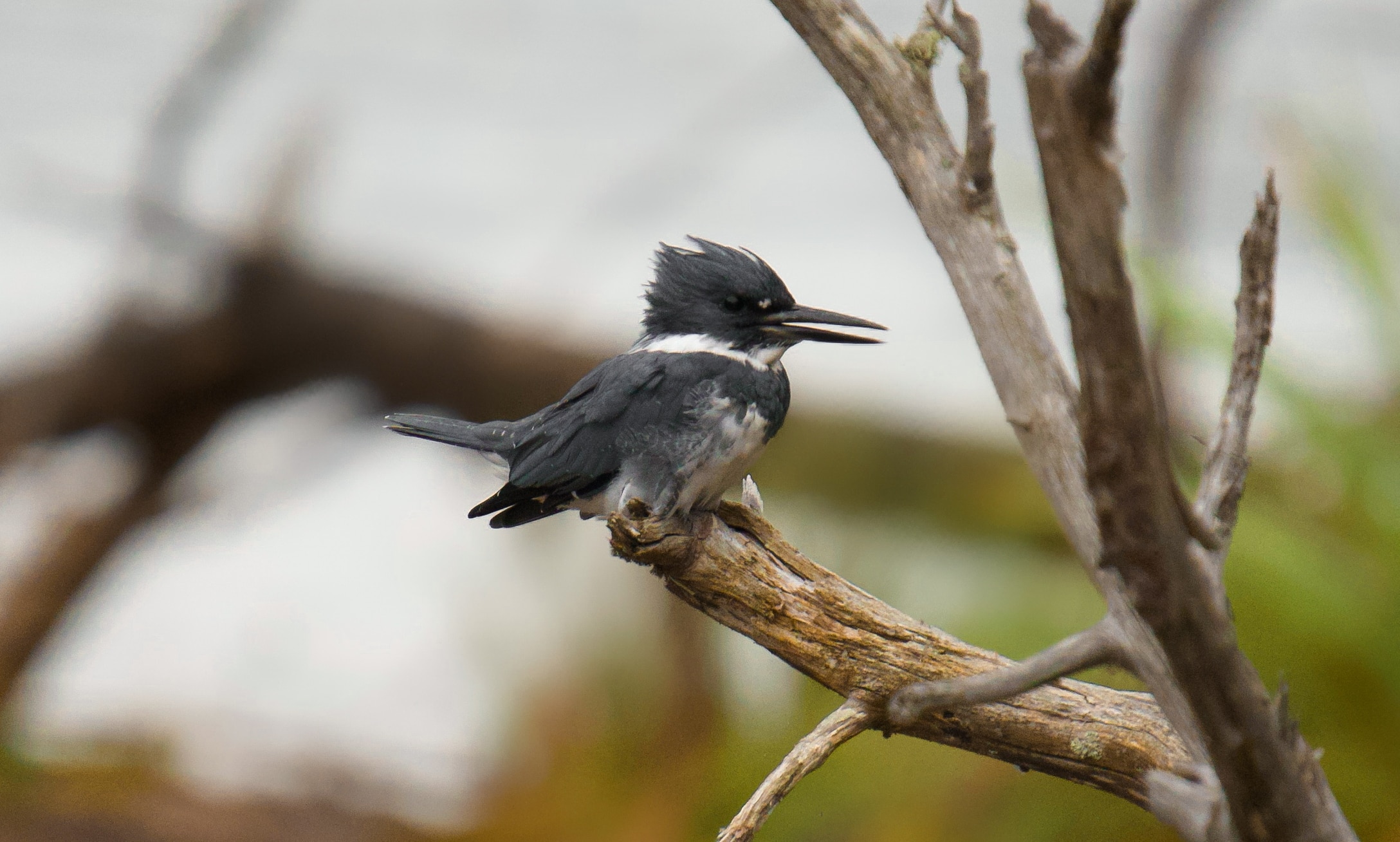
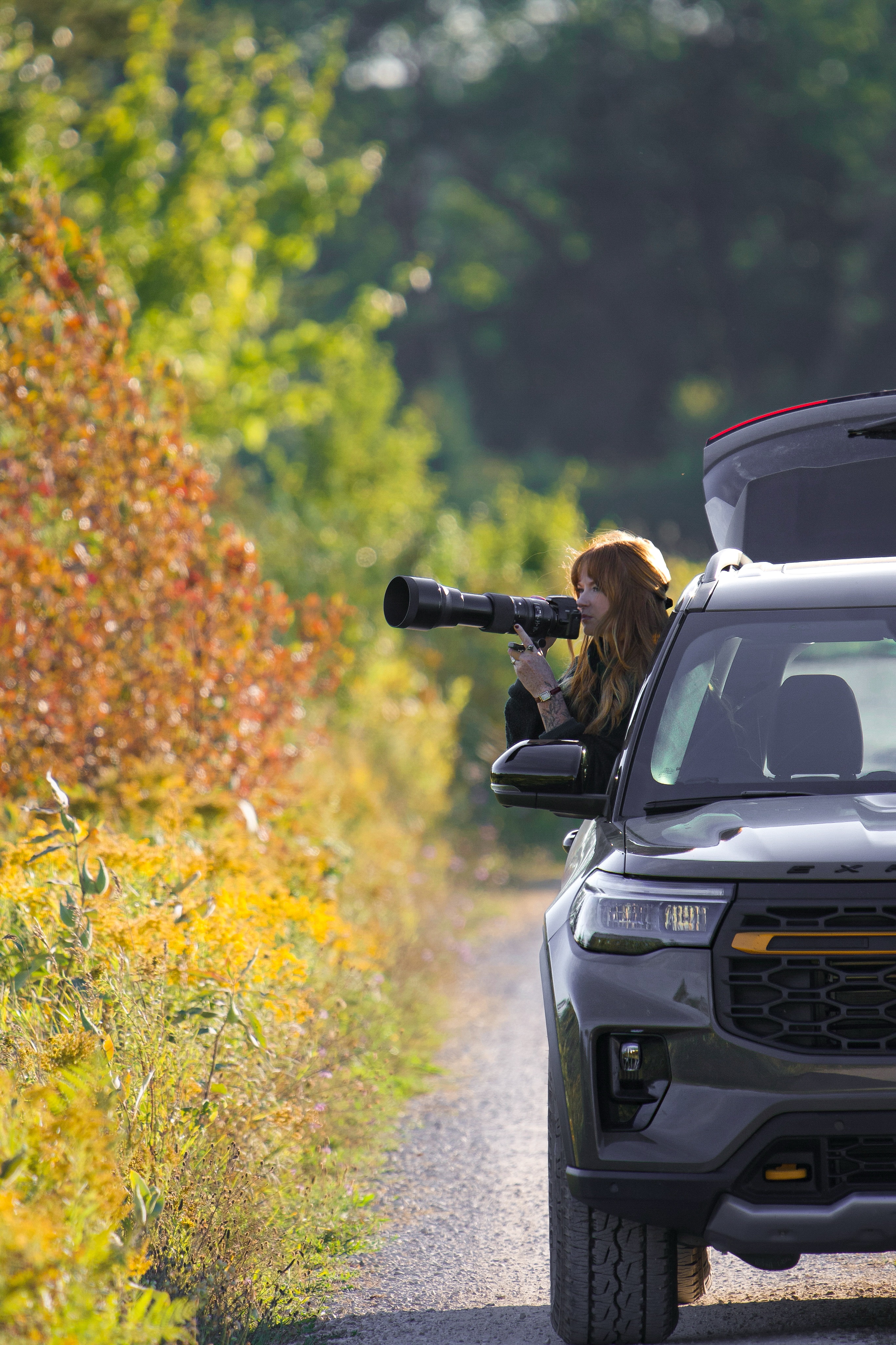
Every spring and fall, billions of birds turn the Atlantic and Pacific coasts, the Mississippi River valley and the Great Plains into superhighways as they move in search of food and places to breed.
To find out who’s headed your way, check the Cornell Lab of Ornithology’s BirdCast, which uses weather patterns and radar to forecast where birds are headed, much the way a meteorologist forecasts rain. Farnsworth, who is writing a book about bird migration, helped build BirdCast’s first forecasting models in 1999 and later served as the project’s lead scientist.
Keep a Go-Bag in the Trunk
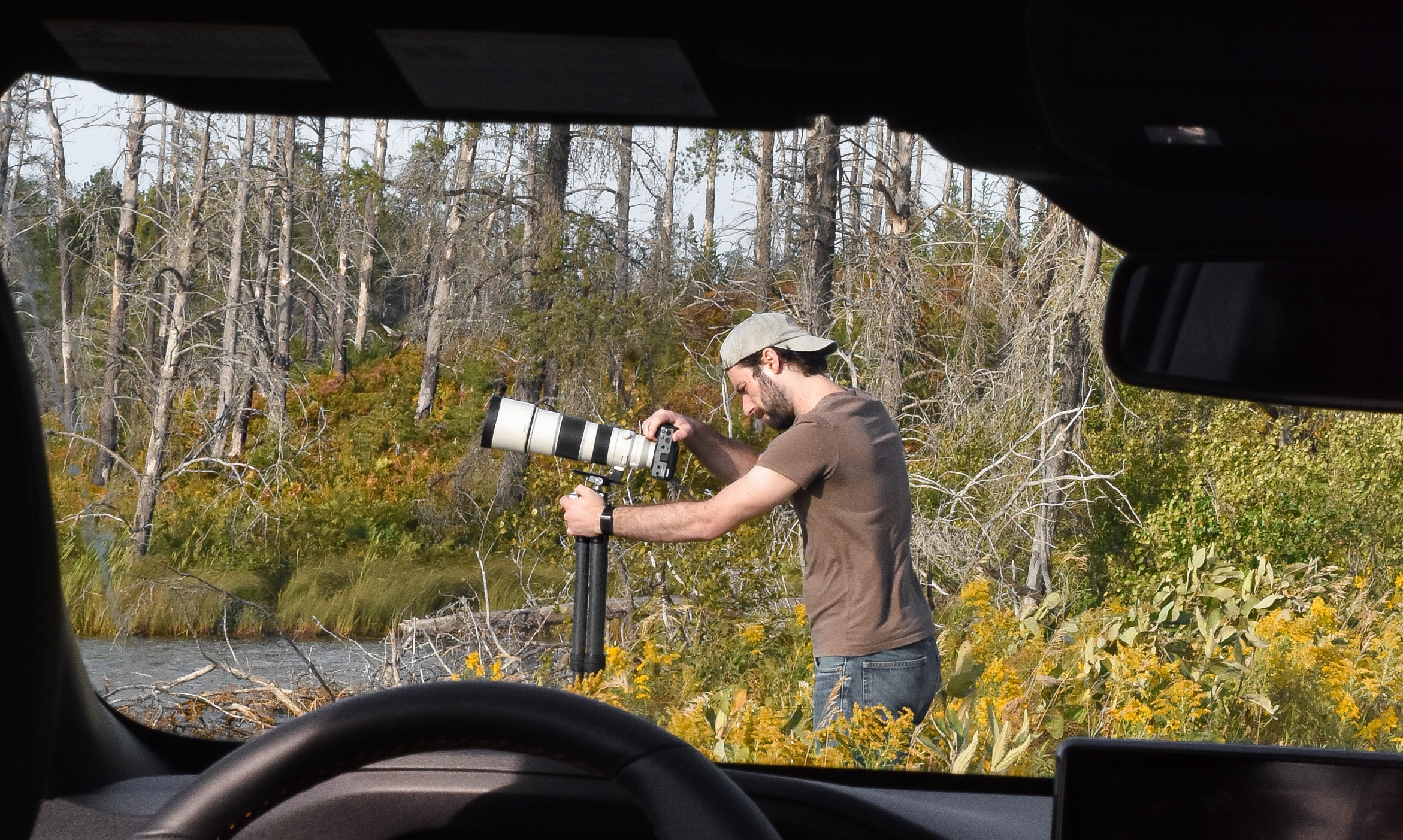
Nothing stings like reaching a far-flung spot and missing your moment. That’s why Farnsworth keeps a “go-bag” in his car – a telescope, tripod, some kind of camera, binoculars and sometimes recording equipment.
The car also prevents his gear “from getting waterlogged or destroyed,” he said.
Load Up Your Smartphone
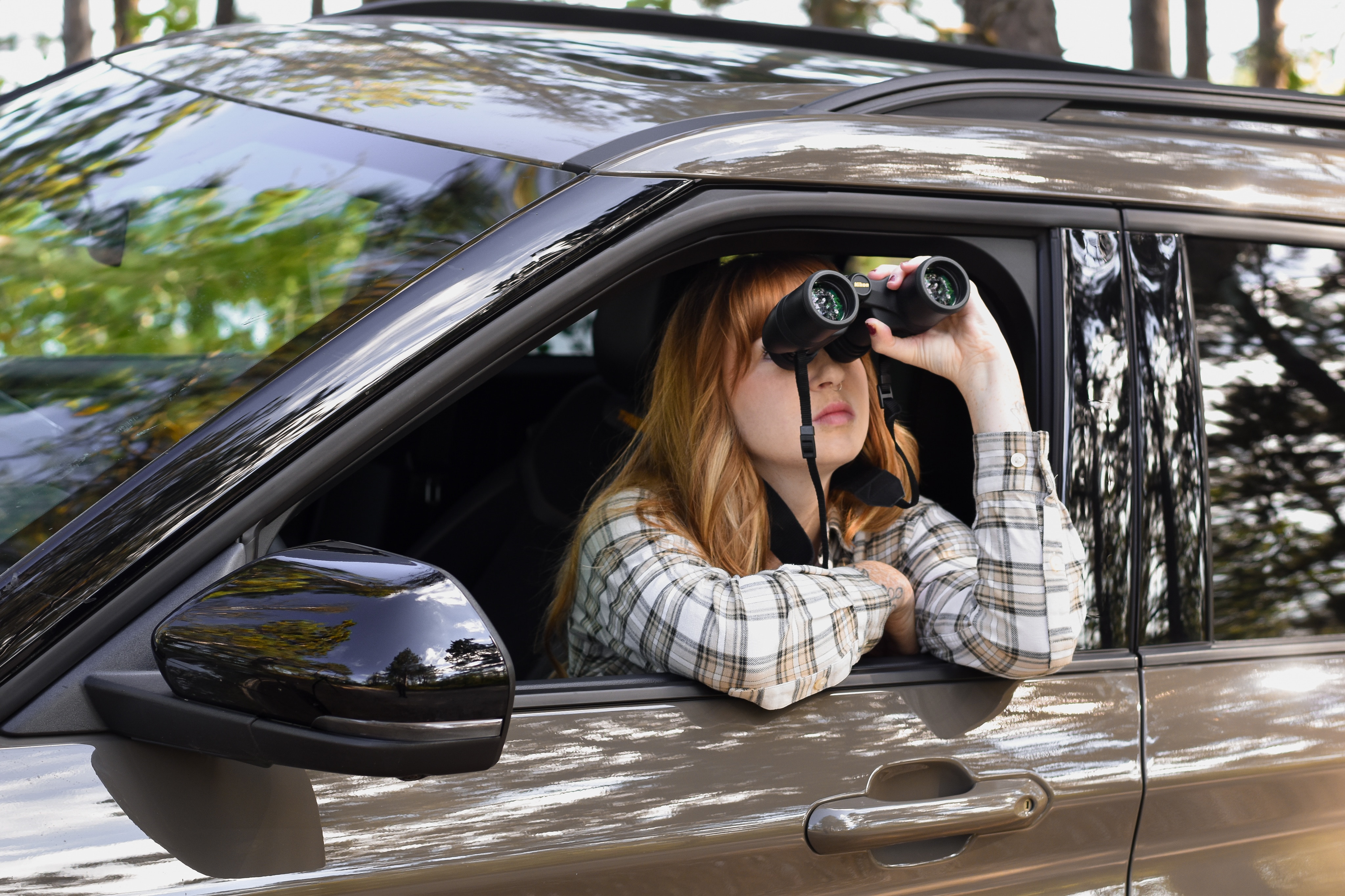
Half of birding is listening. Farnsworth recommends driving with the windows open, and if you have a sunroof or moonroof, even better. To figure out who’s singing, try the Cornell Lab’s free Merlin app, which can help identify birds by their calls, or help you narrow down a species by its shape, size and location.
Another essential app is eBird, also run by the Cornell Lab and one of the world’s largest citizen-science projects. It lets you log sightings, along with photos and sound recordings, and points you to nearby hotspots where other birders have been reporting. You can also connect with other users and keep a life list, a kind of passport of every bird you’ve seen, while contributing to scientific research on bird populations and migration.
North America has lost nearly three billion birds since 1970, according to a 2019 study in the journal Science, and a study published this year found that in some regions the losses are accelerating. Logging what you see on eBird turns your drive-by sightings into data scientists use to track those declines. If you want to do more for the birds, the National Audubon Society has a list of ways you can help.
Mind Your Manners
There’s no official rulebook for casual birdwatching, but being respectful of the landscape and its wildlife is nonnegotiable.
“Even though you're in your vehicle,” McElrath said, “be mindful of the behavior of the animals that you are observing. If you notice any distress being caused by either being too close or even being in proximity to them, give them some space.”
The American Birding Association’s code of ethics outlines a set of values for “the well-being of birds and the places they live,” Izaguirre said. That includes respecting private property, keeping your distance from nests and roosts, and staying on designated roads and trails. The code also asks birders to go easy on playing recorded bird calls, especially for rare or endangered species.
“Be thoughtful and considerate to other birders, too,” Izaguirre added.
Then there are rules that should go without saying, McElrath said, like taking your trash with you and leaving no trace. And if you’re playing music, keep it down.
“Leave the subwoofers at home,” she said.
Where to Go: Wildlife Drives Across the Country
Many of the more than 570 national wildlife refuges offer drives that loop through marshes and grasslands. And since Texas pioneered the idea in the mid-1990s, states across the country have created dozens of official birding trails, driving routes that link wetlands, refuges, parks and preserves. Here are a few to get you rolling.
Aransas National Wildlife Refuge, Rockport, Tex. (16 miles) This is the winter home of the last wild flock of endangered whooping cranes, which typically arrive in mid-to-late October, build through November and stay through spring. Expect alligators, herons, egrets and roseate spoonbills, too.
Merced National Wildlife Refuge, San Joaquin Valley, Calif. (5 miles) The refuge hosts the largest wintering populations of lesser sandhill cranes and Ross’s geese on the Pacific Flyway. Up to 20,000 cranes arrive starting in September, and snow geese and their smaller cousins, Ross’s geese, pour in through the fall, eventually numbering in the tens of thousands. Come back in spring for big flocks of tricolored blackbirds, a species listed as threatened in California and found almost nowhere else.
Sacramento National Wildlife Refuge, Sacramento Valley, Calif. (6 miles) Waterfowl are the primary draw here, building steadily through the fall toward a peak in late November and December that regularly tops 500,000 ducks and 250,000 geese. Keep an eye out for American white pelicans, too, Farnsworth said.
Bombay Hook National Wildlife Refuge, central Delaware (12 miles) A key stopover on the Atlantic Flyway. Shorebirds pass through in late summer, then geese and ducks pour in through October, November and early December. Stay for sunset, when tens of thousands of snow geese fly in from the fields to roost. Watch the treelines, too. In December, bald eagles are a common sight here, perched above the marshes on leafless branches. Check the refuge website before you go, as roads close on some hunt days.
Edwin B. Forsythe National Wildlife Refuge, Oceanville, N.J. (8 miles) Regulars still call it “Brig,” short for its old name, Brigantine National Wildlife Refuge. Shorebirds stream through this internationally known hotspot in late summer and early fall, followed by migrating raptors and coastal waterfowl like American black ducks and brant, which settle in through the winter.
Montezuma National Wildlife Refuge, Finger Lakes, N.Y. (3 miles) A short but spectacular route, and a favorite of Cornell Lab ornithologists, Farnsworth said. Shorebirds like yellowlegs feed on drained pools in late summer and early fall, and by mid-November, waterfowl number in the tens of thousands. Scan the skies for bald eagles, which nest here. Stay in your car except at marked binocular stops. The drive is open through November 30, weather permitting.
Emily S. Rueb is a freelance writer and former reporter for The New York Times.