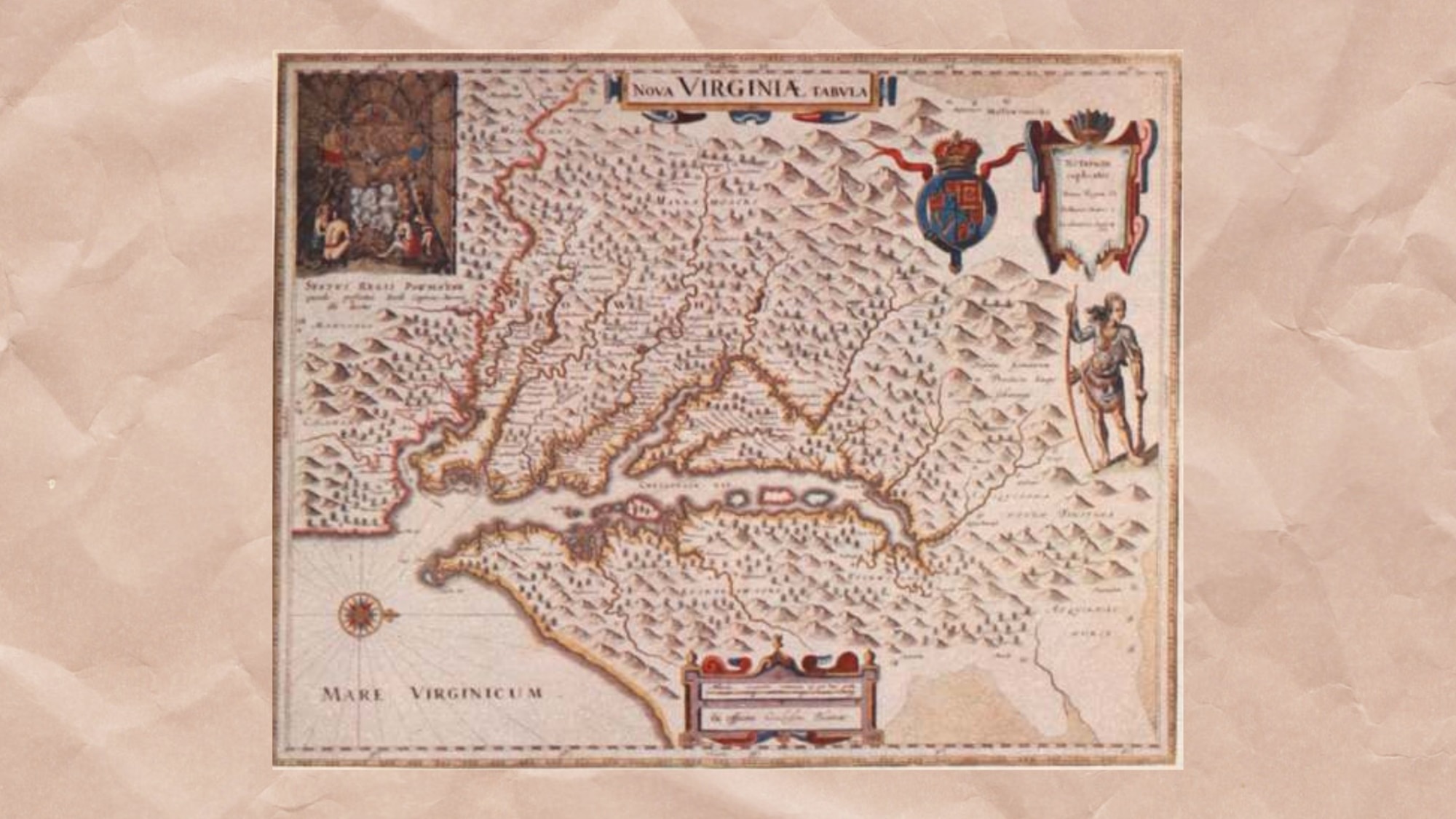

In the September 1973 issue of Ford Times, writer and map collector Preston Figley informed readers that the prettier an old map, the less accurate — and that’s just fine.
“Lack of knowledge in early mapmaking days implies no lack of imagination,” he wrote, and the creative parts hold the most intrigue. “The most delightful maps are alive with colorful creatures, both fanciful and real.”
European mapmakers of the 1600s, enamored with visions of the new world, were some of the most imaginative. They crafted charmingly ornamental, and largely inaccurate, maps of America. As Figley put it, “substitute armadillos for elephants, and that’s a fair description of maps of America up until 1700 or so.”
By the time Americans started making their own maps around 1789, scientific cartography had advanced enough to replace much of the whimsical embellishment. American mapmakers crafted these more precise maps in abundance, and today they remain easier to track down. The European visions of the new world, on the other hand, are hidden treasures.
Read the story via the Ford Times archive, September 1973. Browse more at FordHeritageVault.com.