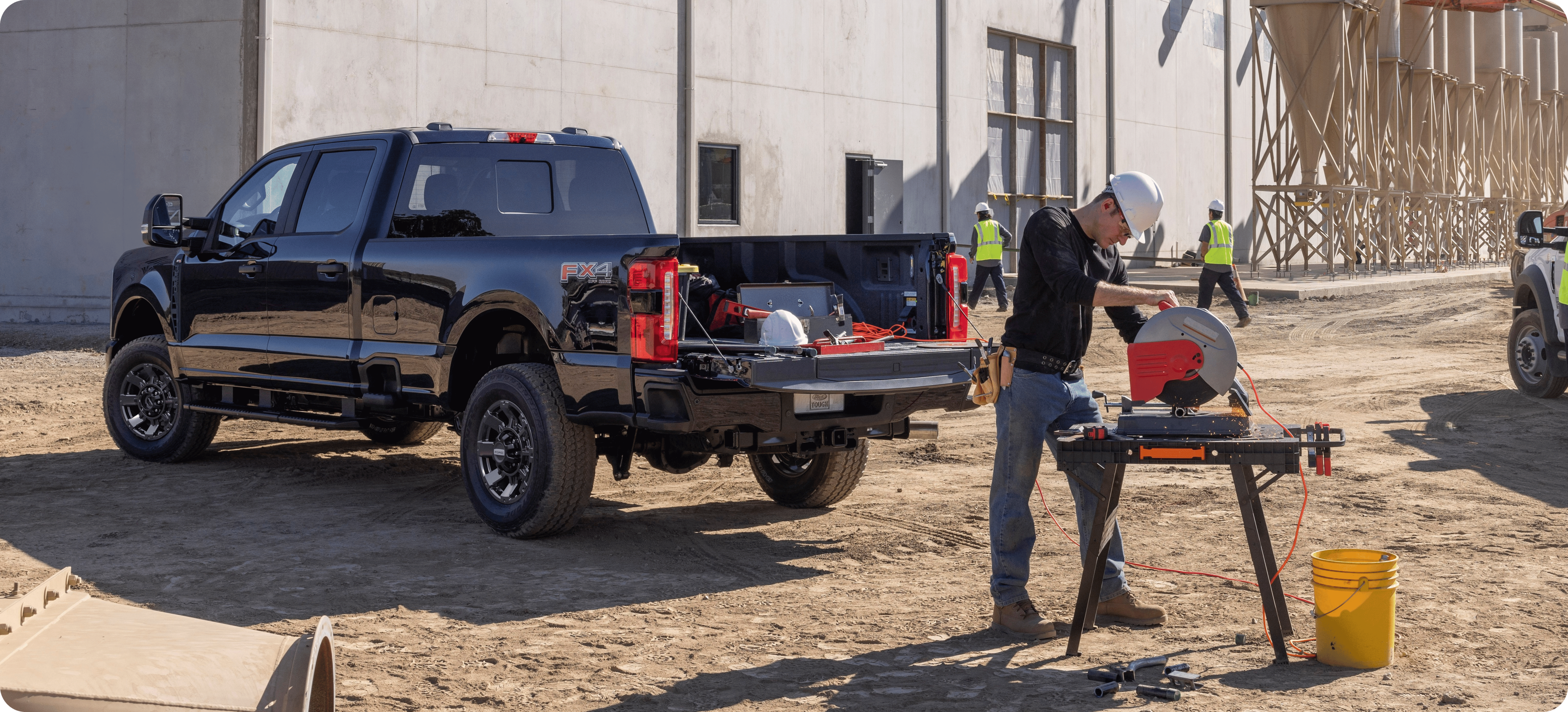

There’s a long way between planting a landscape and moving the earth beneath it. Roanoke Excavating has covered that distance. The Virginia-based company began a little more than a decade ago when owner Garret Harris set out with just one F-350® truck and a landscaping business built on hard work and determination.

Across the country, industrial companies are part of the supply chain behind some of America’s biggest infrastructure projects. Such projects are essential for driving the country's economy forward.
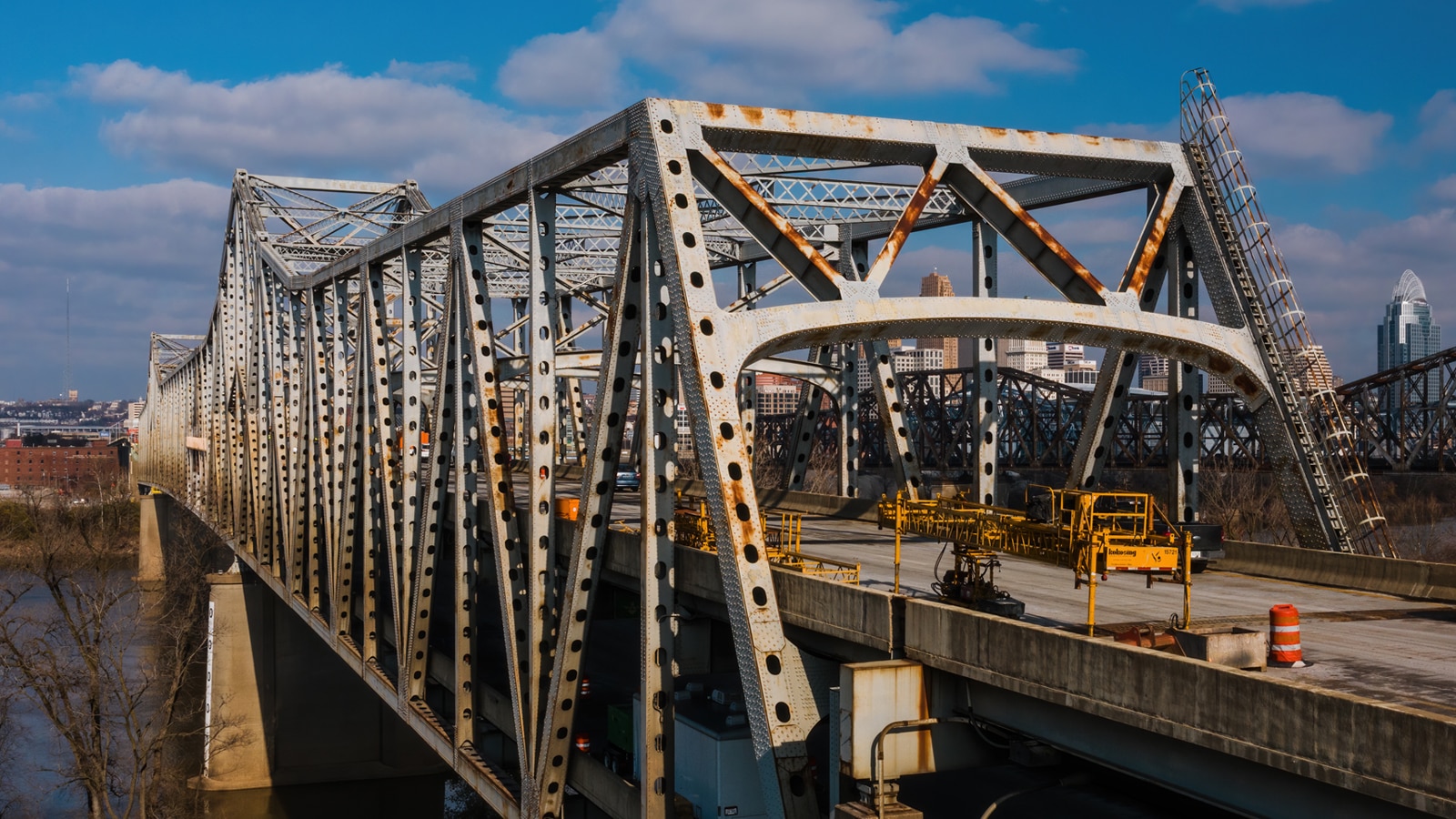
One example sits between Cincinnati and Northern Kentucky.
Here, crews have started on a new companion to the Brent Spence Bridge, which carries more than $1 billion in freight every day.
The bridge will also help fix one of the worst traffic bottlenecks in the country.
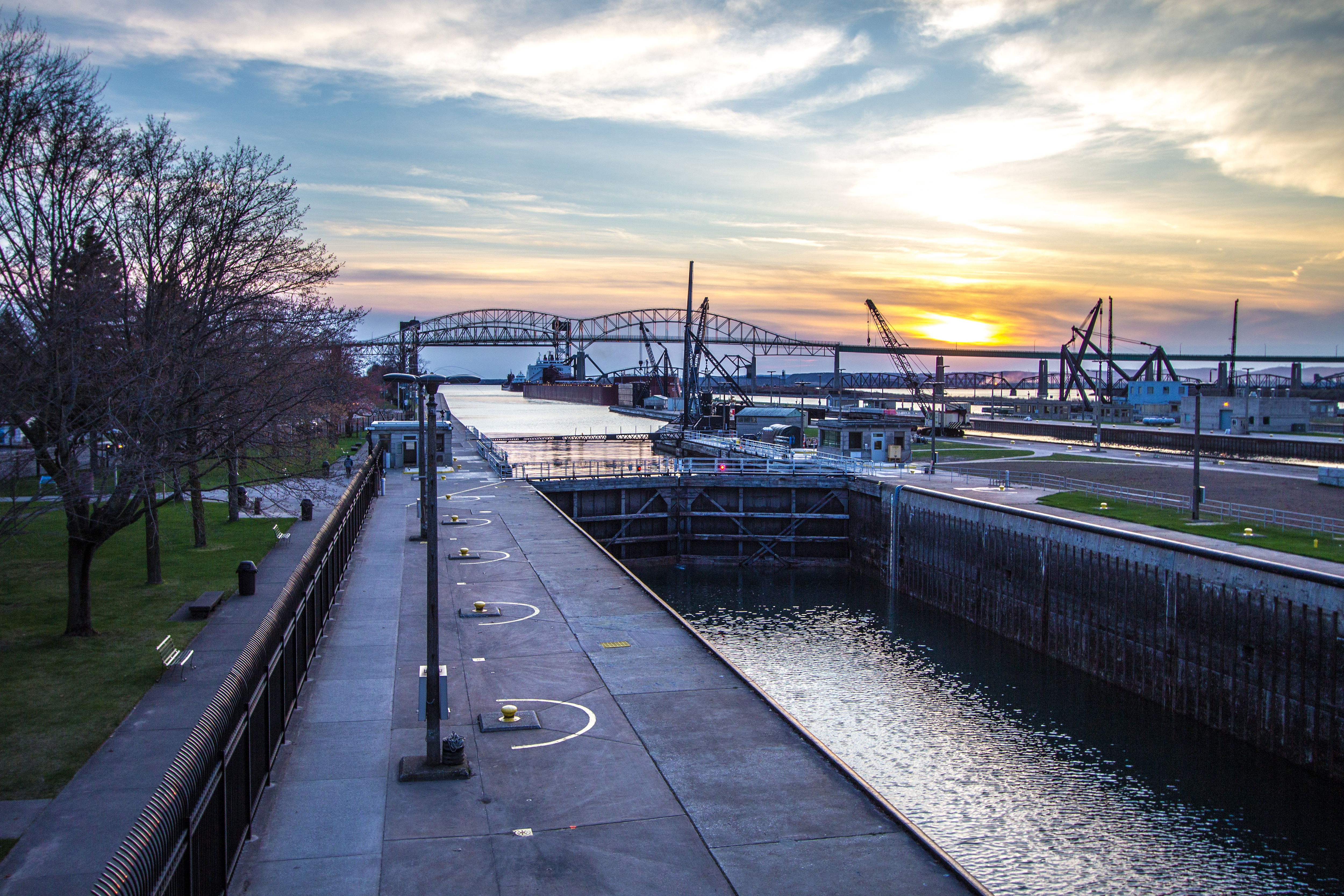
The New Lock at the Soo is a $1.5+ billion critical infrastructure build in the Great Lakes.
The Soo Locks move 100% of the U.S. raw iron ore used in domestic steel manufacturing (which feeds American automotive and structural steel industries).
A shutdown here would bring U.S. manufacturing to a halt, so building the new lock directly secures the nation's industrial backbone.
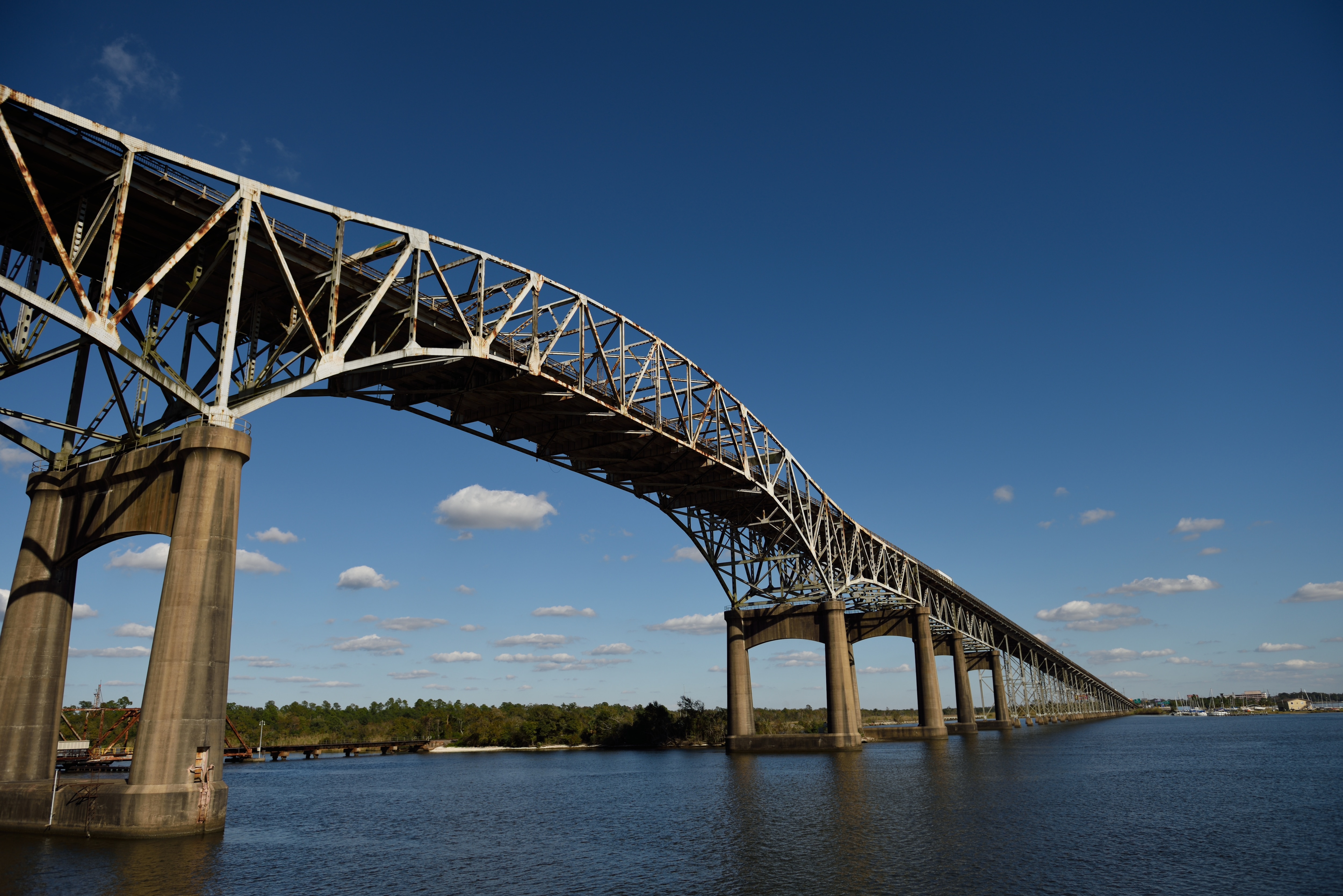
The I-10 Calcasieu River Bridge Replacement is a $3.1 billion megaproject to replace an essential, aging bridge along Interstate 10 in Lake Charles, Louisiana.
I-10 is the primary southern freight corridor connecting the Gulf Coast energy and manufacturing corridor to the rest of the nation.
It carries thousands of commercial trucks hauling industrial freight, fuel, and raw materials daily.
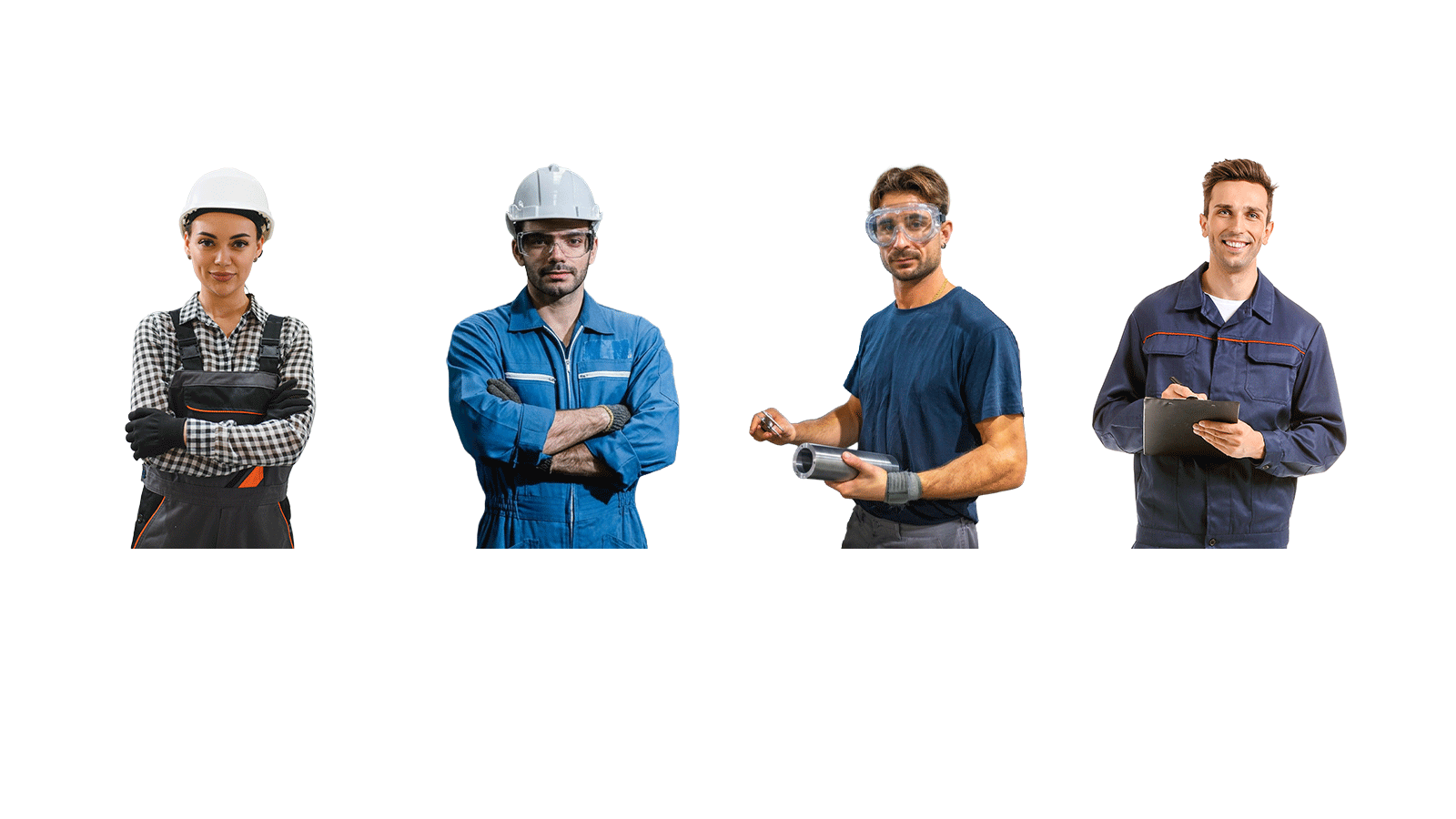
For the trucks to help move America, Americans must first assemble the trucks. Approximately 20,000 people work at plants across Kentucky, Ohio, and Michigan that help manufacture the Super Duty. Based on methodology first developed by Boston Consulting Group in 2020, it is estimated that every auto assembly job supports roughly 14 other jobs across the economy, from suppliers to the local businesses where autoworkers spend their paychecks. Here are a few examples of the kinds of jobs that ripple effect reaches.
Upstream Metallurgy and Precision Manufacturing
Industrial Logistics, Rail, and Commercial Sales

Fleet Deployment, Upfitting, and Vehicle Lifecycle

Commercial Execution and Community Ripple

The work always changes and never stops, and Ford is already thinking about what the future of Super Duty holds. Rigorous testing ensures that each Super Duty has the chance to endure. It’s no wonder why 83% of 1999 and newer Ford Super Duty® trucks are still on the road today. The data is based on Mobility Global Total US total Vehicles in Operation (VIO) as of 7/1/26 for Model Years 1999 to 2027 vs. total New Registrations of those vehicles.