
Smaller, Smarter: Ford Is Building the 'Vehicle Brain' of the Future In-House

Technology

For too long, the auto industry has been in a race to apply technology to products: more screens, sensors, megapixels, and compute that drive up cost. Too often, the most meaningful innovations end up reserved for the elite, gated behind $70,000 – $100,000 luxury price tags.
At Ford, our North Star for technology implementation starts with the utility and joy it delivers to as many people as possible. That includes the families who rely on us daily and the millions of workers who use our trucks and vans as their most important tool.
This is the democratization of technology, just as Henry Ford democratized the automobile over a century ago. If a feature doesn’t solve a real problem or make you smile, customers shouldn’t have to pay for it. Truly impactful technology must be attainable. If it doesn’t reach the many, it isn’t a revolution — it’s a luxury.
Today, I had the privilege of being on the Great Minds Stage at CES. But I was there to speak on behalf of many great minds who are building the future at Ford. I brought Jae Park, Sammy Omari, and Paul Costa, three key leaders leading these great minds. We wanted to share a vision of mobility that isn’t just being imagined — it’s being built as we speak.
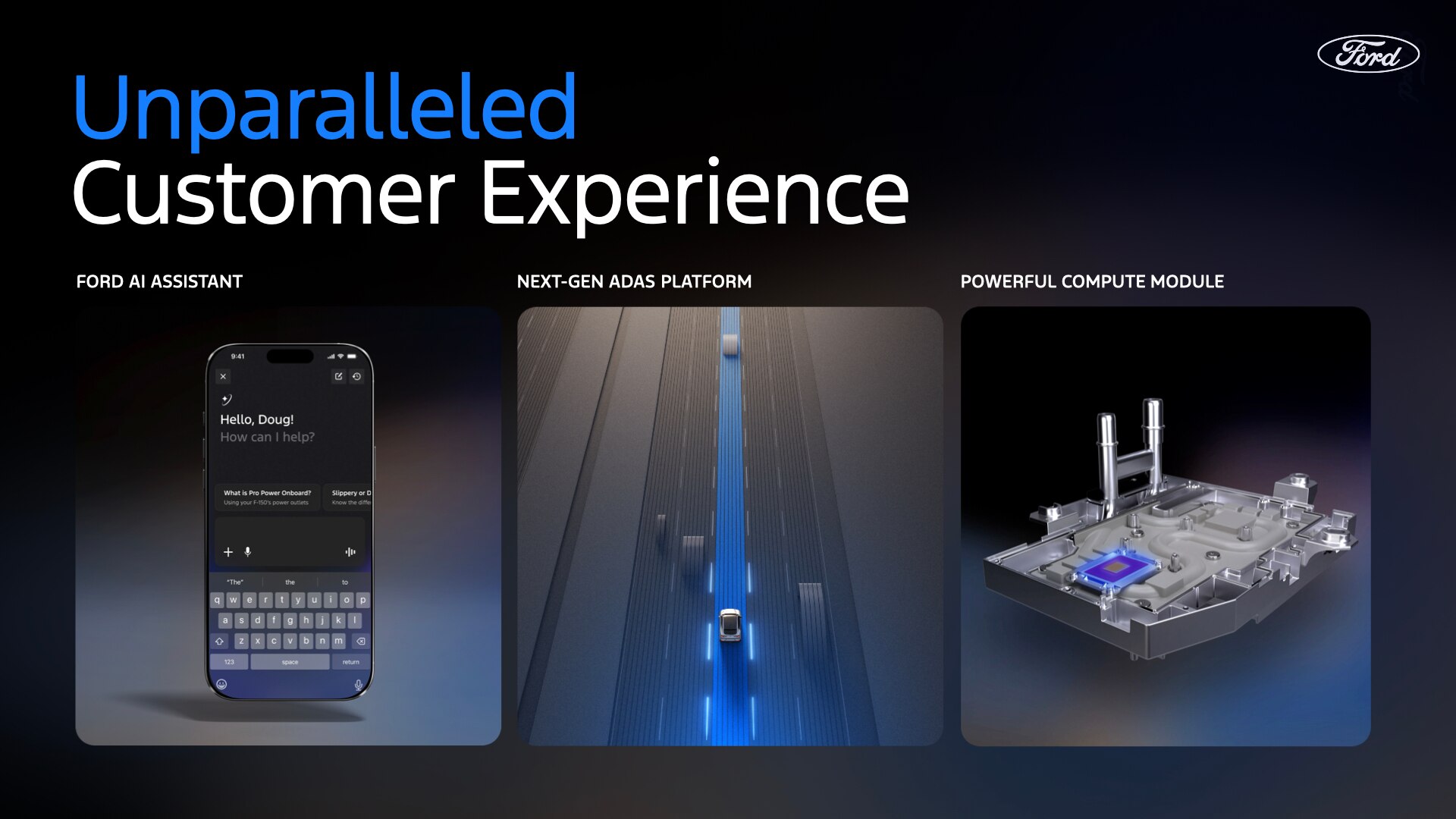
Our vision for the customer is simple, but not elementary: a seamless layer of intelligence that travels with you between your phone and your vehicle. Not generic intelligence — many people can do that better than we can. What customers need is intelligence that understands where you are, what you’re doing, and what your vehicle is capable of, and then makes the next decision simpler.
Imagine you’re at a home improvement store standing in front of a pallet of supplies. Instead of guessing or searching for a tape measure, you can simply snap a photo on your phone of the bags of mulch and ask: “How many of these will fit in my truck bed?”
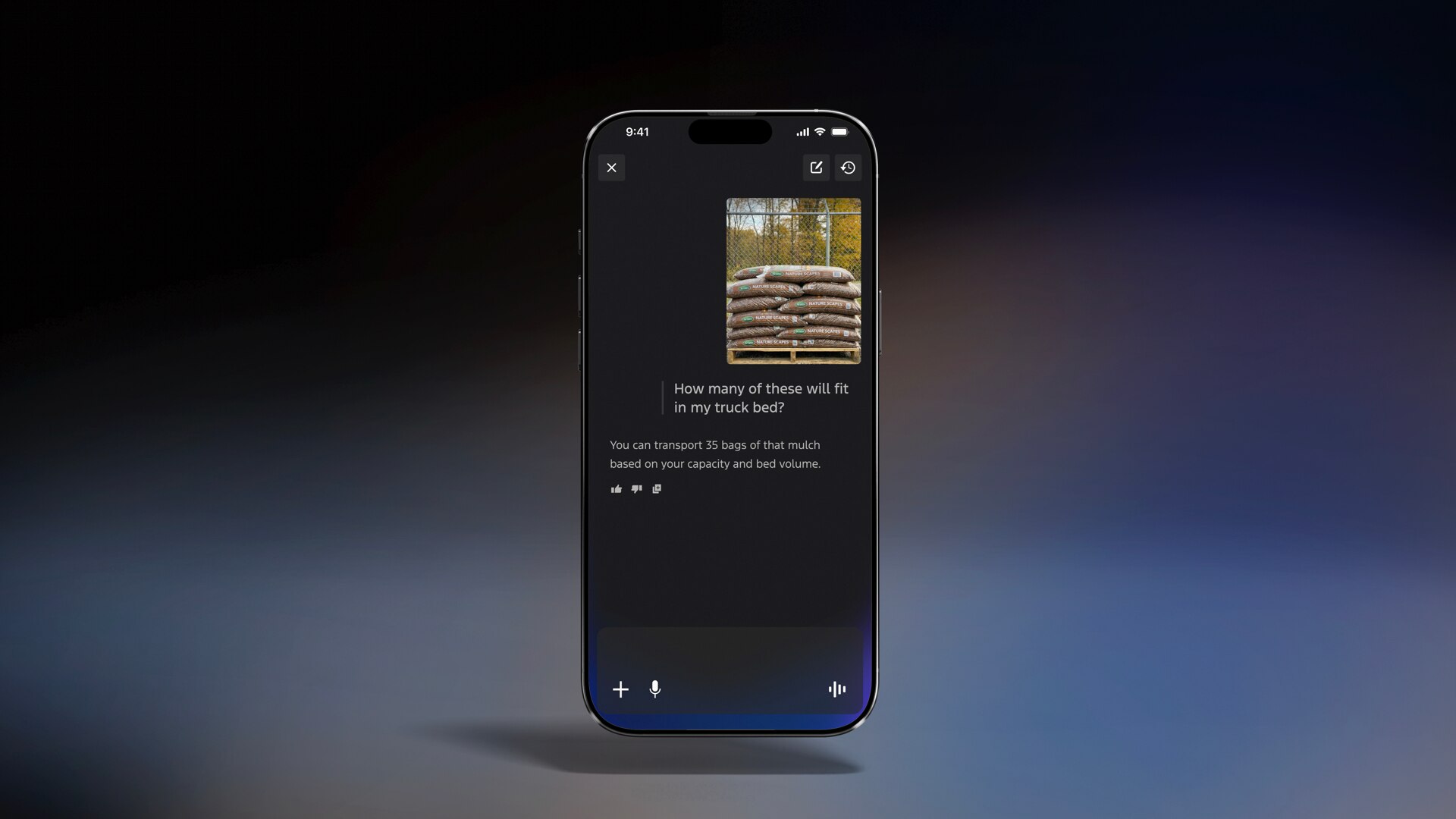
Within seconds, the assistant analyzes the photo, calculates the volume of the bags, and confirms that you can fit 35 of them based on your Ford truck. It’s a seamless experience that shows how we are thinking differently, integrating Ford-specific data with your real-world needs, even when you aren't anywhere near your vehicle.
To reach the most customers and tailor the experience to each vehicle, we’re starting in the Ford and Lincoln app. A rollout will begin in early 2026 and will reach up to 8 million customers, with a native in-vehicle experience starting in 2027.

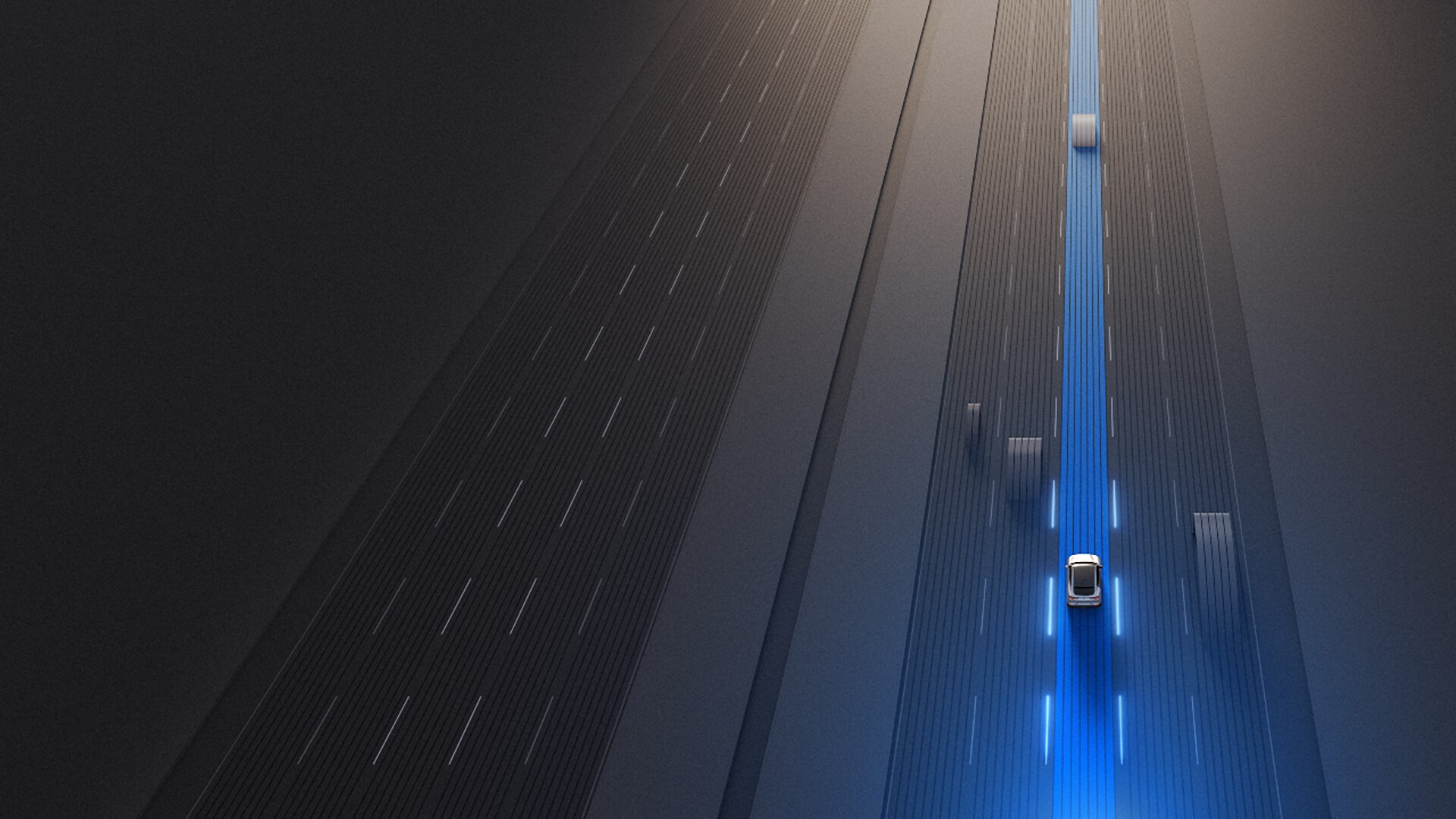
Autonomy shouldn’t be a premium feature. By designing our own software and hardware in-house, we’ve found a way to make this technology more affordable. This means we can put advanced hands-free driving into the vehicles people actually buy, not just vehicles with unattainable price points. With 1.2 million BlueCruise-equipped vehicles already on the road, we are able to learn from real-world miles to continuously improve the experience for our customers.
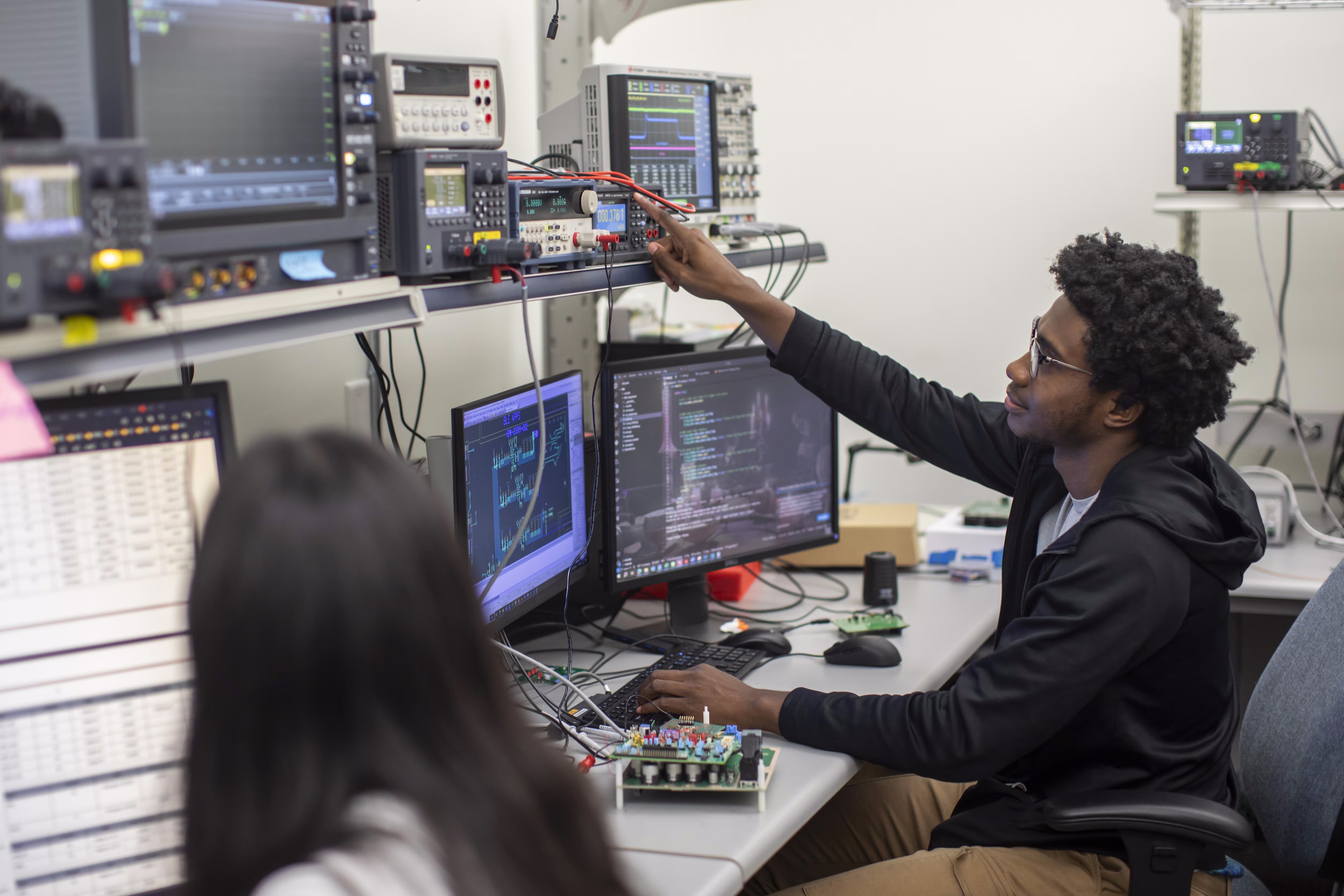
Just as important, we’re focused on efficiency — delivering more capability, not just sheer processing power. Because we own the technology behind our driver assistance systems, we can deliver significantly more capability at a 30% lower cost than if we bought it from outside suppliers, which makes advanced driver assistance scalable.
We plan to introduce new hardware and software, thanks to our in-house teams, starting in 2027 on our all-new, affordable Universal Electric Vehicle (UEV) platform. And we aren't stopping at hands-free driving; building on this same flexible foundation, L3 eyes-off driving will be road ready in 2028, making the ultimate in-vehicle experience available for the many, not just a privileged few.
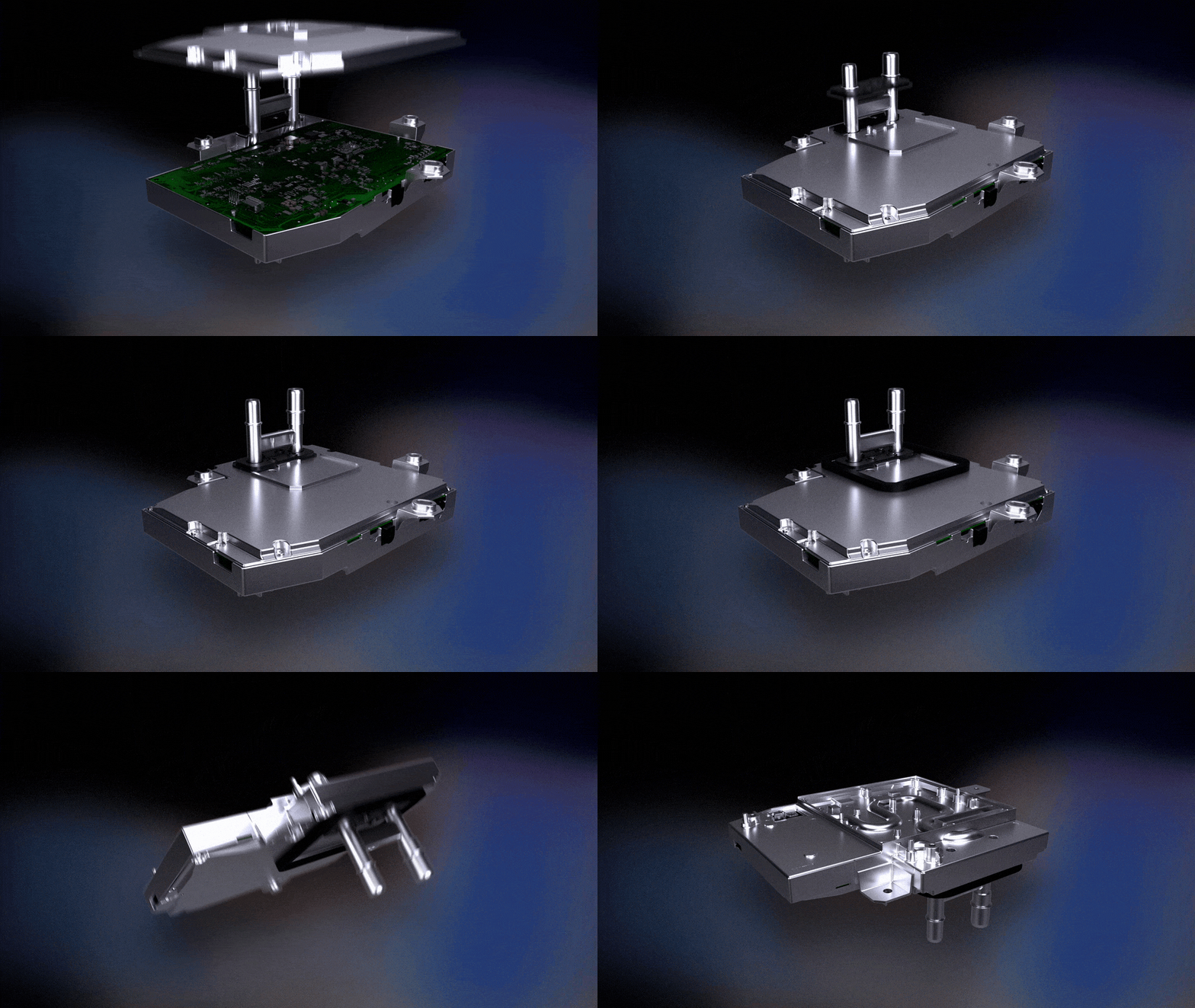
None of this would be possible without a radical rethink of the vehicle’s architecture. Over the past 7+ years, we’ve been building the capability to develop our own electronics. This team has already made a huge impact with deployment into 35 million Ford modules in the field that are of exceptional quality.

The result is a more unified “vehicle brain” — a single, powerful module that unifies infotainment, ADAS, audio, and networking. By doing this ourselves, we’ve cut the size nearly in half while dramatically increasing performance. For customers, that means a vehicle that feels more consistent, more reliable, and more capable year after year.
The industry is at a crossroads. Many are outsourcing the soul of their machines and saving their best work for their most expensive vehicles.
We chose a different path: build the capability in-house, fuse deep software and hardware expertise with Ford’s global scale, and make the math work for the customer. Because the only innovation that matters is the kind you can actually use — every day. That’s how we turn the advanced into the accessible and deliver the future to everyone.
Doug Field is chief EV, digital, and design officer at Ford Motor Company.