

Ford's Simple Vision for Smart Tech: Make It for Everyone



When people experience great technology in a vehicle, it feels effortless — fast response, smarter assistance, fewer glitches. What most never see is the hard part: making that experience reliable and affordable across millions of vehicles. It comes down to one strategy: simplifying the vehicle’s electronics into a more powerful, lower-cost core built in-house.
At CES, I joined Doug Field and a few of my colleagues to share a glimpse of new digital experiences and capabilities coming to Ford vehicles. Those experiences will be defined by software — but they’re only possible if the hardware underneath is designed for speed and scale.
That brings us to a classic engineering paradox of size, cost, and performance, which rarely moves in the same direction. But if we’re serious about serving the many, not the few, we have to push on all three — so we rethought our core hardware and software architecture.
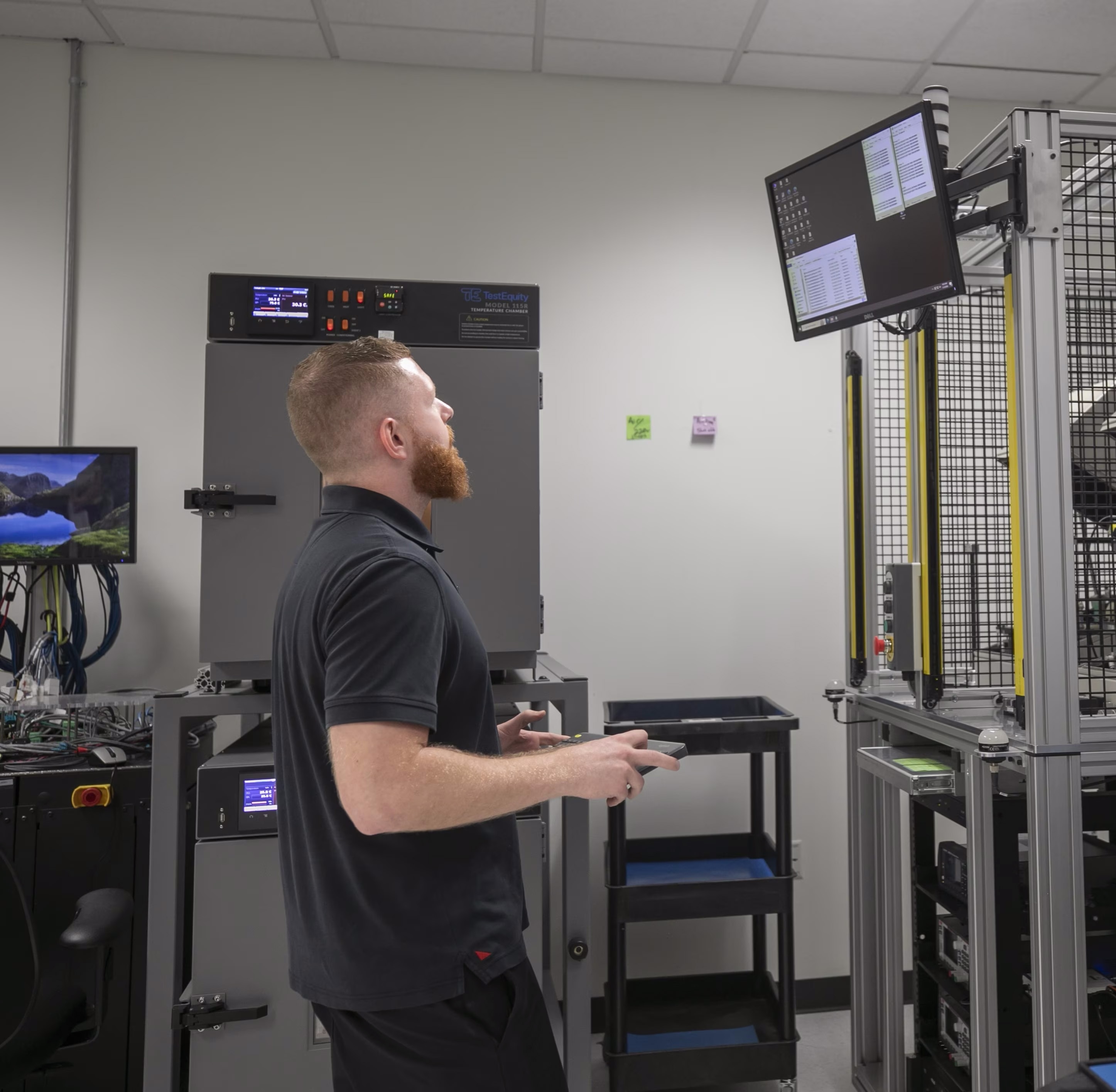
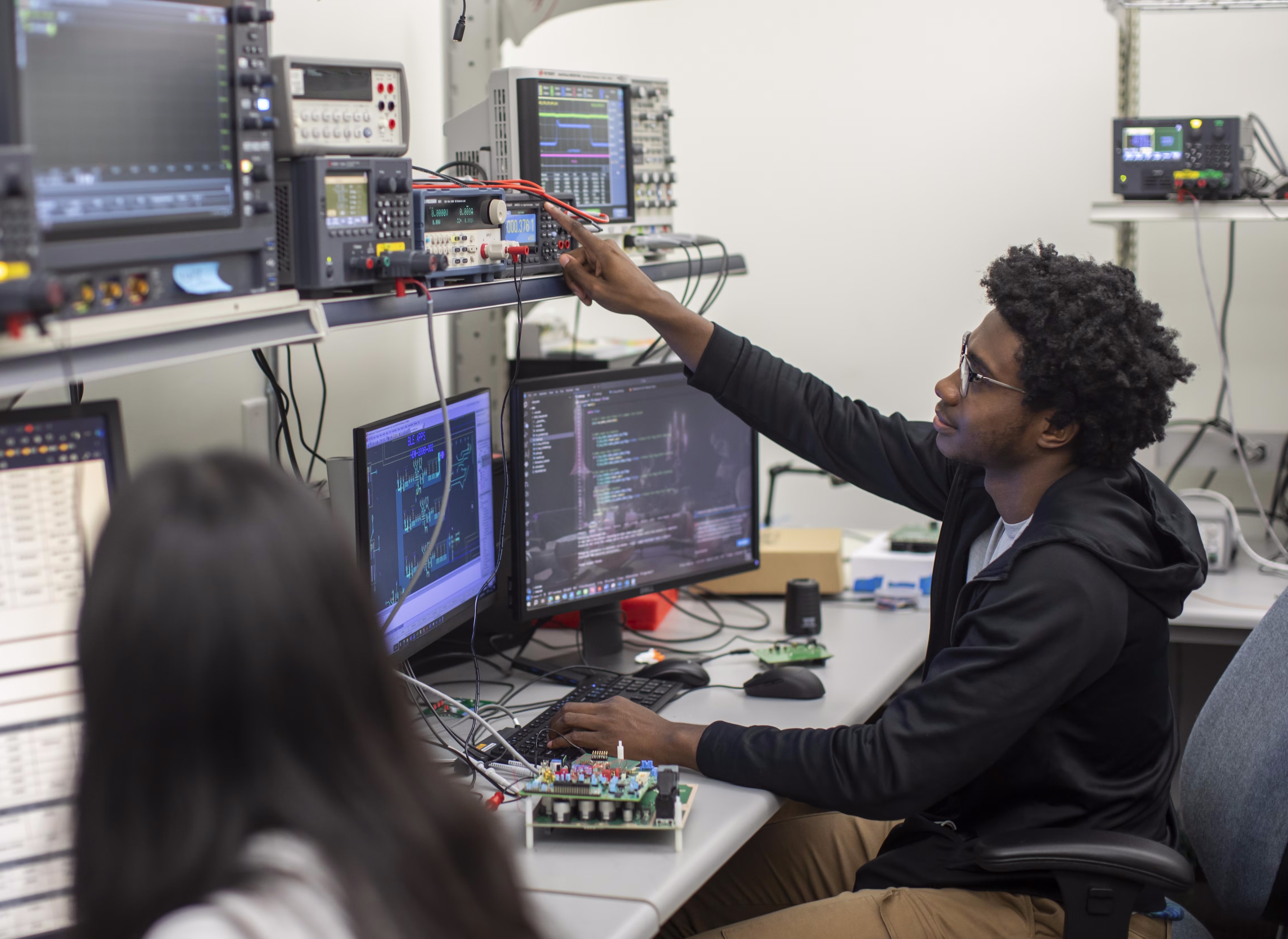
An in-house electronics team is driving this transformation. Several members joined the team roughly seven years ago, originally honing their engineering skills in the cutthroat mobile phone market. They have since adapted that expertise to the stringent requirements of the automotive world, an industry journey demanding exceptional reliability and functional safety.
The results speak for themselves. This team has produced 35 million Ford modules delivering exceptional hardware performance that consistently outperforms engineering standards. That is a testament to exceptional quality at a scale of 10 million modules per year and growing.
By bringing this development in-house and expanding the team, we are simultaneously increasing our internal capabilities while decreasing the total number of physical modules in the vehicle. This approach delivers significant cost savings of 10-15% per module. These savings are critical because they allow us to reinvest in the talent driving this transformation.
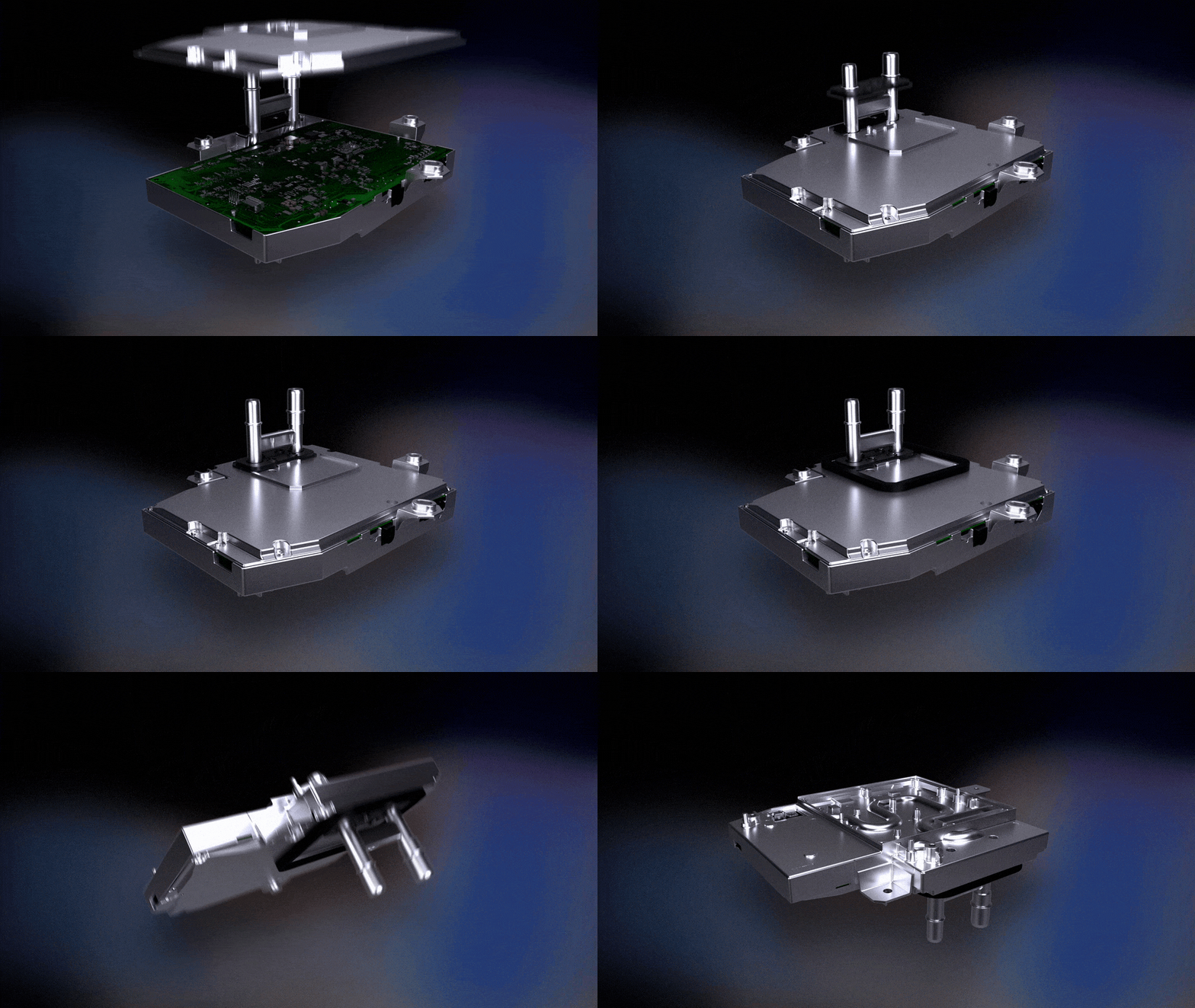
As part of our announcements at CES, we revealed the cornerstone of our upcoming architecture: our new high-performance compute center. This isn't just another computer; it is a pivotal in-house module specifically designed for our future, unifying infotainment (IVI), ADAS (Advanced Driver Assistance Systems), audio, and networking into a single, compact powerhouse.
Our upcoming Universal Electric Vehicle (UEV) architecture incorporates a five-fold increase for the in-house module design, giving us 5X more control over critical semiconductors. A remarkable feat by this team that truly represents the "trifecta" of electronics design with the new High Performance Compute Center:

This is where the game truly changes. By combining IVI and ADAS on a single, optimized platform, we dramatically reduce complexity and boost flexibility for future features.
This strategic vertical integration ensures we control the entire hardware and software stack. It provides the robust foundation that the software-defined vehicles we discussed at CES demand. Most importantly, it embodies our core belief in democratization. We aren't building this architecture just to show off engineering prowess; we are building it to help ensure that the seamless, intelligent experiences of the future are accessible to every Ford customer, not just a privileged few. And we plan to bring this thinking across the entire Ford portfolio over time.
Paul Costa is executive director of electronics platforms at Ford Motor Company.