Inside the Journey to Bring America’s Longest Off-Road Trail to Street View
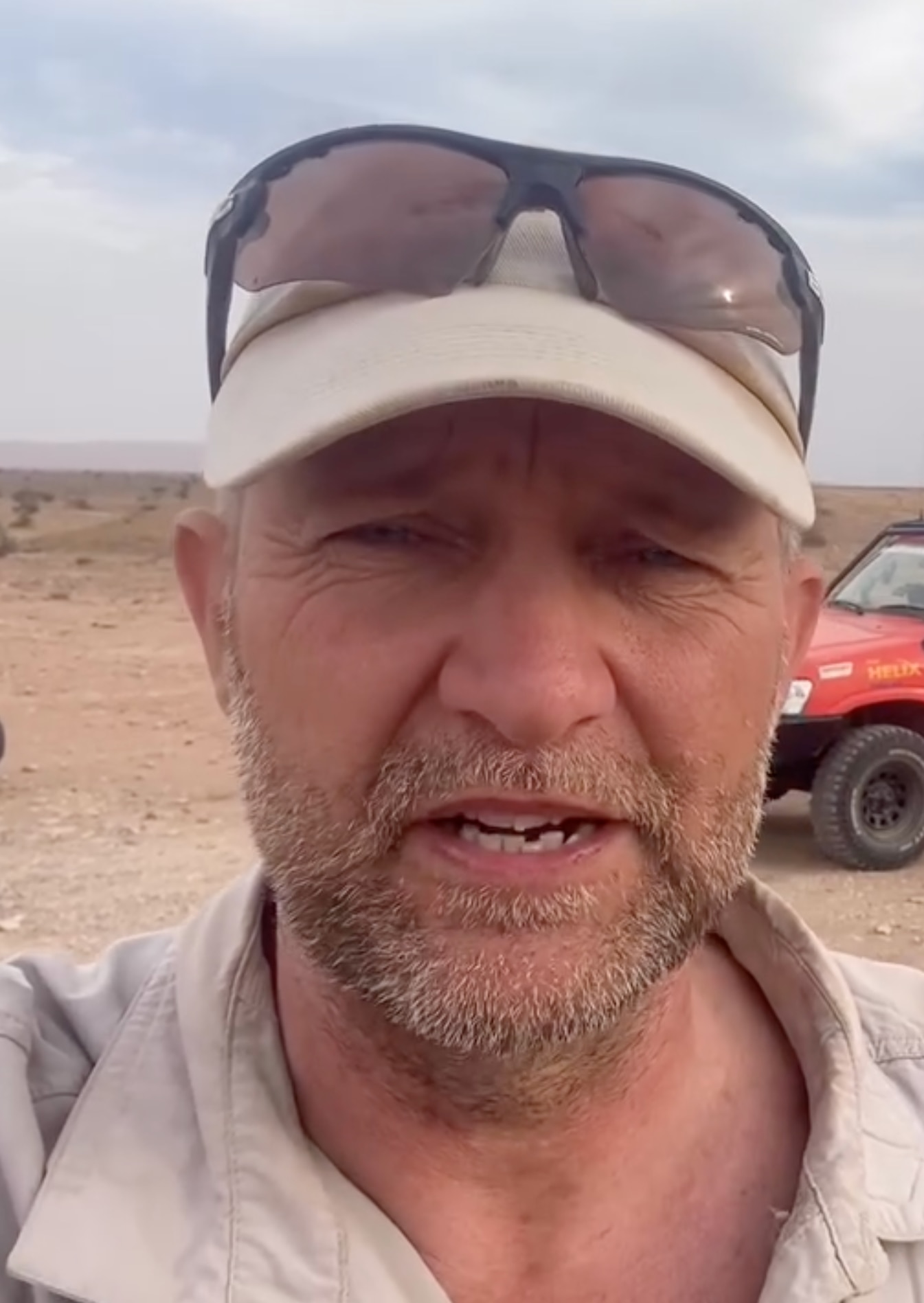
Since leaving the military, I've pursued a career of adventure. Having flown fast jets at 500 mph just 250 feet above the ground, it's difficult to accept a regular job in civvy street. I've been the right-hand man to renowned explorer Sir Ranulph Fiennes on his last North Pole expedition and planned the largest-ever medical research expedition on Everest, but it's automotive expeditions that are my true passion.
“It's automotive expeditions that are my true passion”Mac Mackenney, Driven to Extremes expedition leader
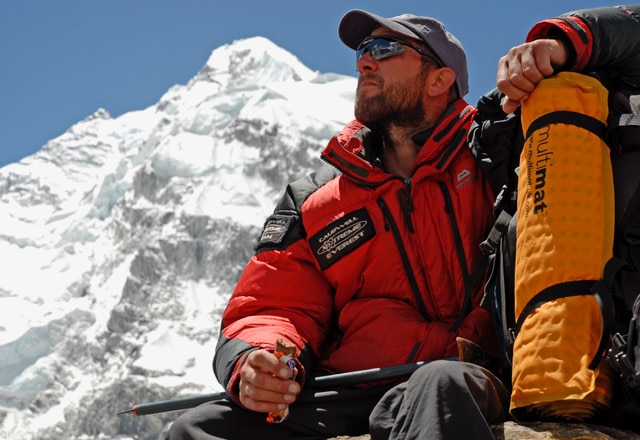
A few years ago, I led fellow ex-military on a trip through the desert in old cars. The drivers and co-drivers were all suffering from post-traumatic stress disorder (PTSD). The expedition turned their lives around in so many ways. It was a moving experience for all of us. Seeing the results, I set up a charitable project called Driven to Extremes, where challenging vehicle adventures would aid the recovery of veterans suffering from PTSD.
But lots of members of the public reached out and saw the benefits that doing something like this could have in their own lives. In 2022, I led the first group of people on an expedition with no barrier on what car they could use. It was great, but logistically a nightmare as there were so many different spares needed for the different cars. It also lacked a feeling of being a team, which I thought was important.
This year, we decided to use the Ford Focus. It made sense on many practical levels, but for people in the UK, Ford is seen as a British brand. I wanted this to feel like a British expedition.
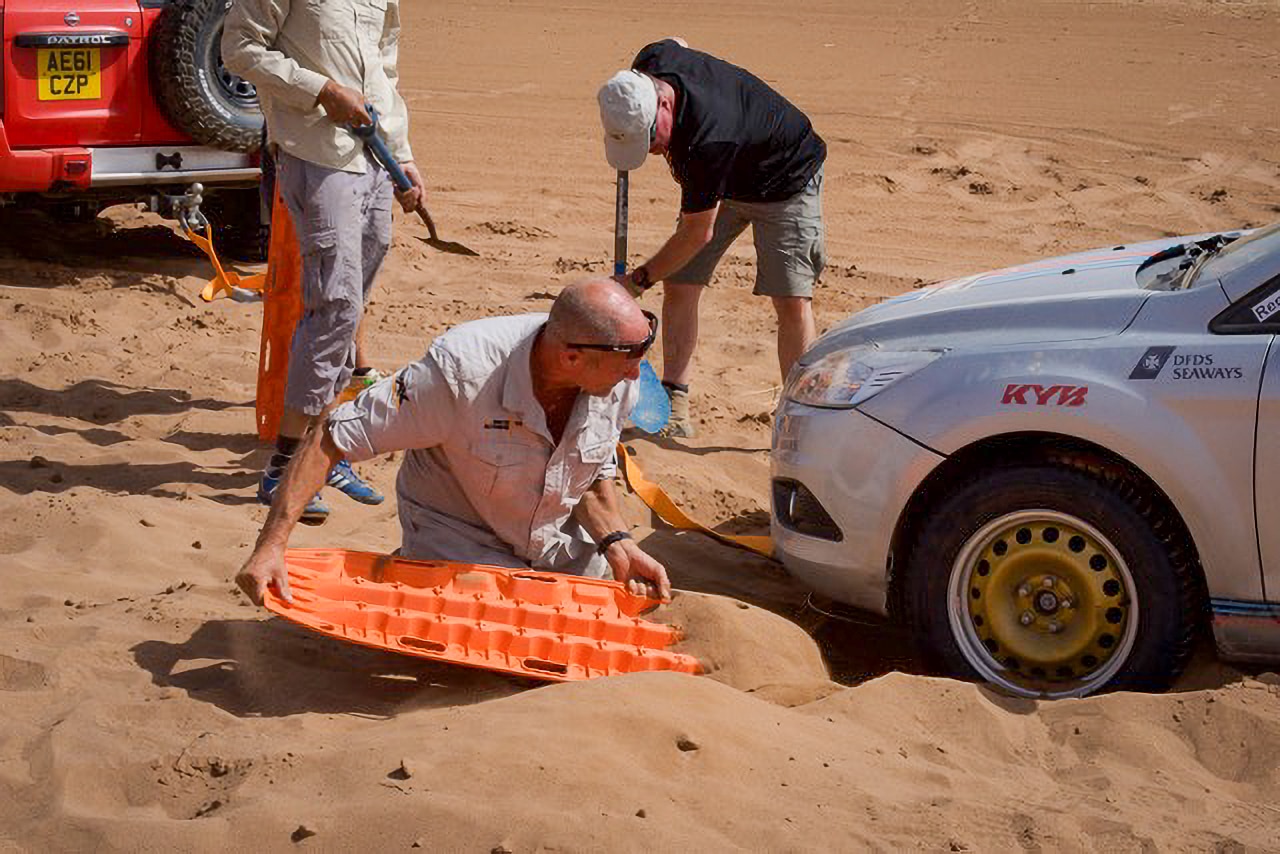
In April, I took two Focus hatchbacks with a small team on this route to check the feasibility and was seriously impressed. I felt that if the vehicles could make it, then the people should, too. But it is extremely hot, and the cars get stuck a lot. There’s a lot of digging, placing down sand mats, and using recovery ropes. Then you sleep in a tent, it's still hot, and you don't get huge amounts of sleep. So, this would be a true test of human stamina, resilience, and sheer determination for those joining the challenge.
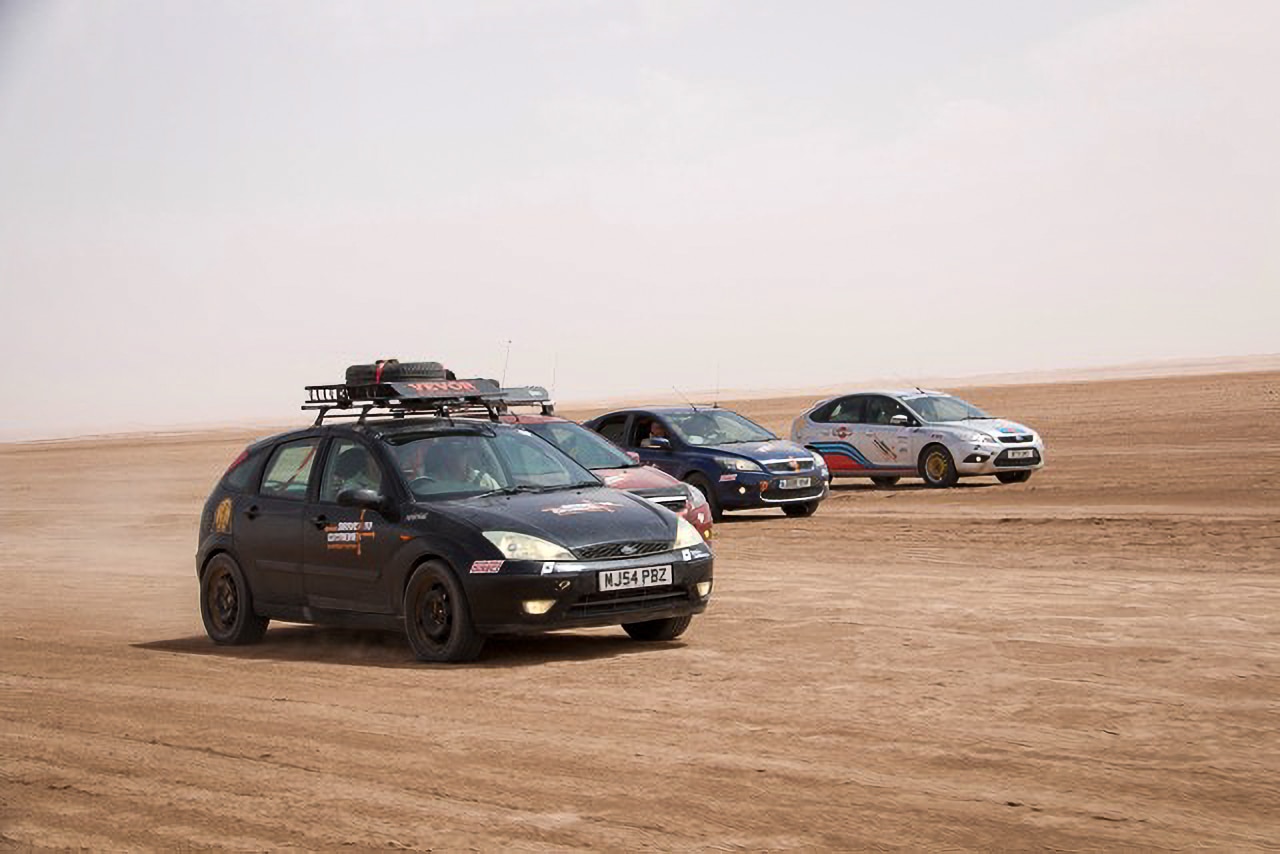
The day to put this all to the test finally came in September. The salty breeze of the Strait of Gibraltar carried a sense of anticipation as our six Ford Focus hatchbacks lined up in formation. Our teams from the UK, Lithuania, and South Africa were ready to embark on a ten-day expedition across one of the most unforgiving environments on the planet: the Sahara desert. And only one member had even been to a desert before.
On top of that, the everyday Ford Focus hatchbacks, each bought for under £1,000, really had minimal modifications to handle the terrain. This was going to test man and machine to the limits. And as expedition leader, it was down to me get them through it.
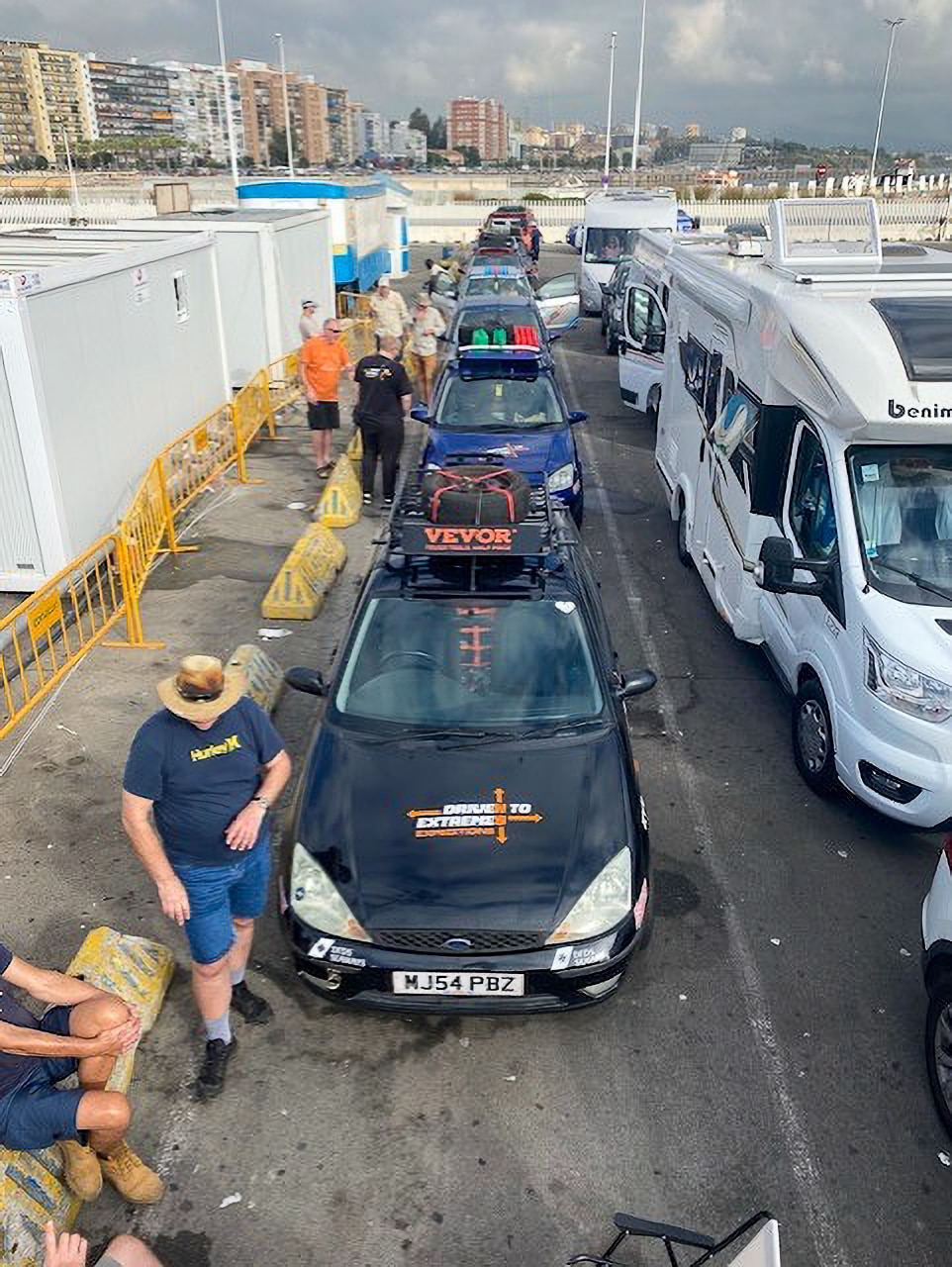
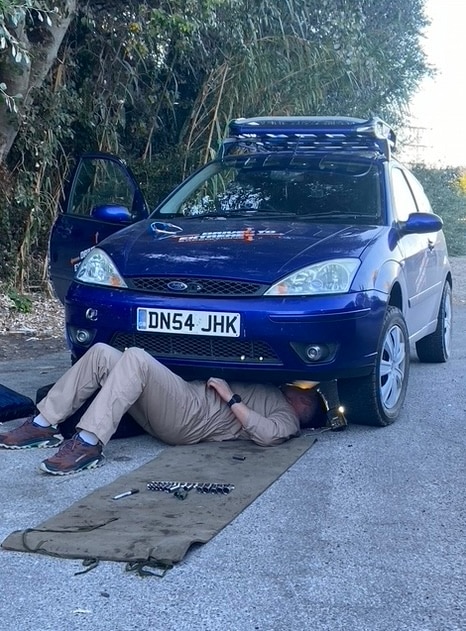
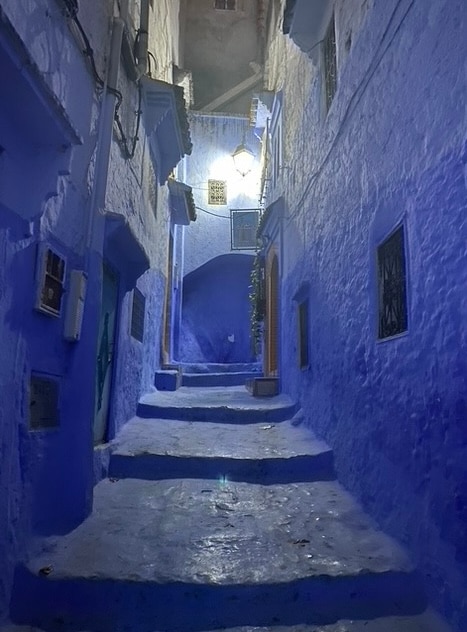
The journey began gently enough, our convoy winding through the green hills of northern Morocco. The blue walls of Chefchaouen were a brief, beautiful pause before the road turned serious. Soon, we were climbing the Mid and High Atlas mountains, the tarmac giving way to the emptiness of the Sahara and a first proper glimpse of what was to come.
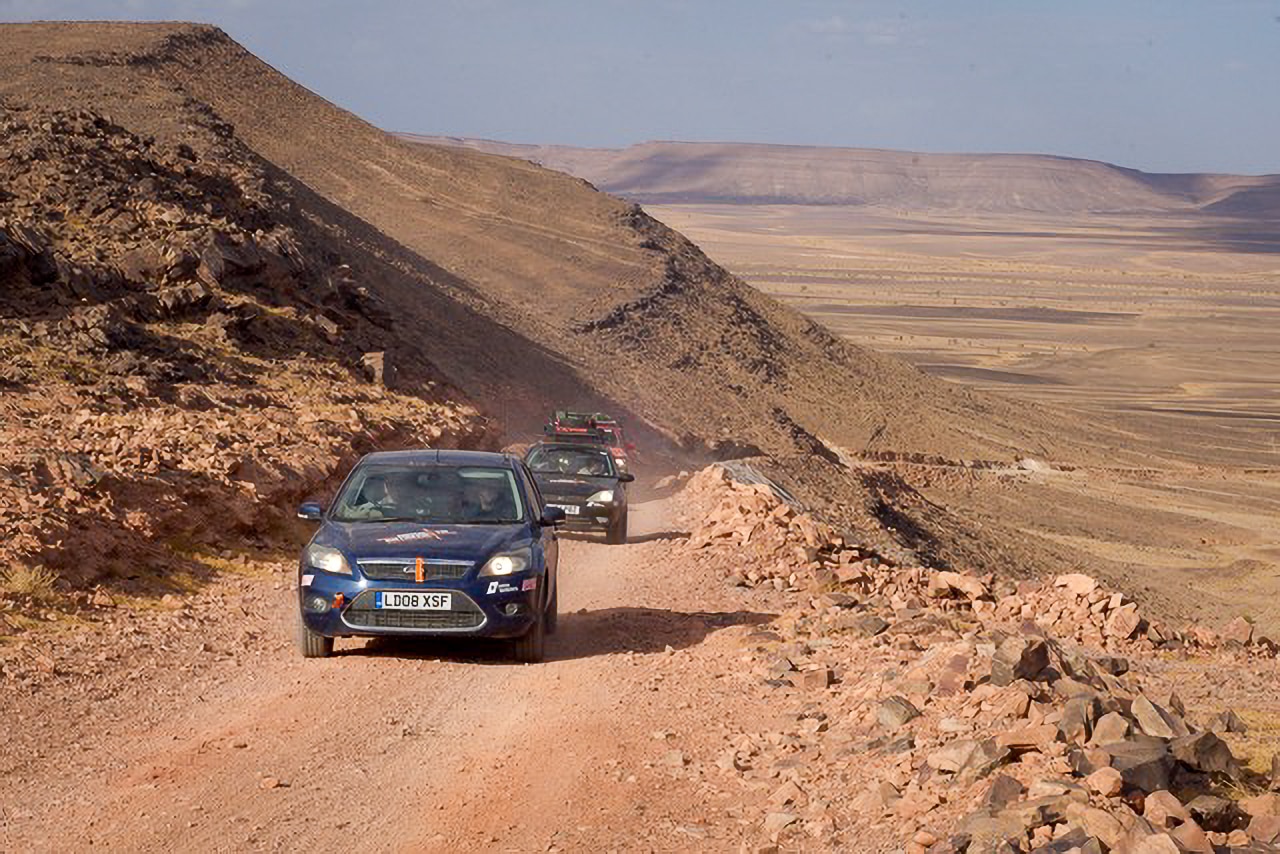
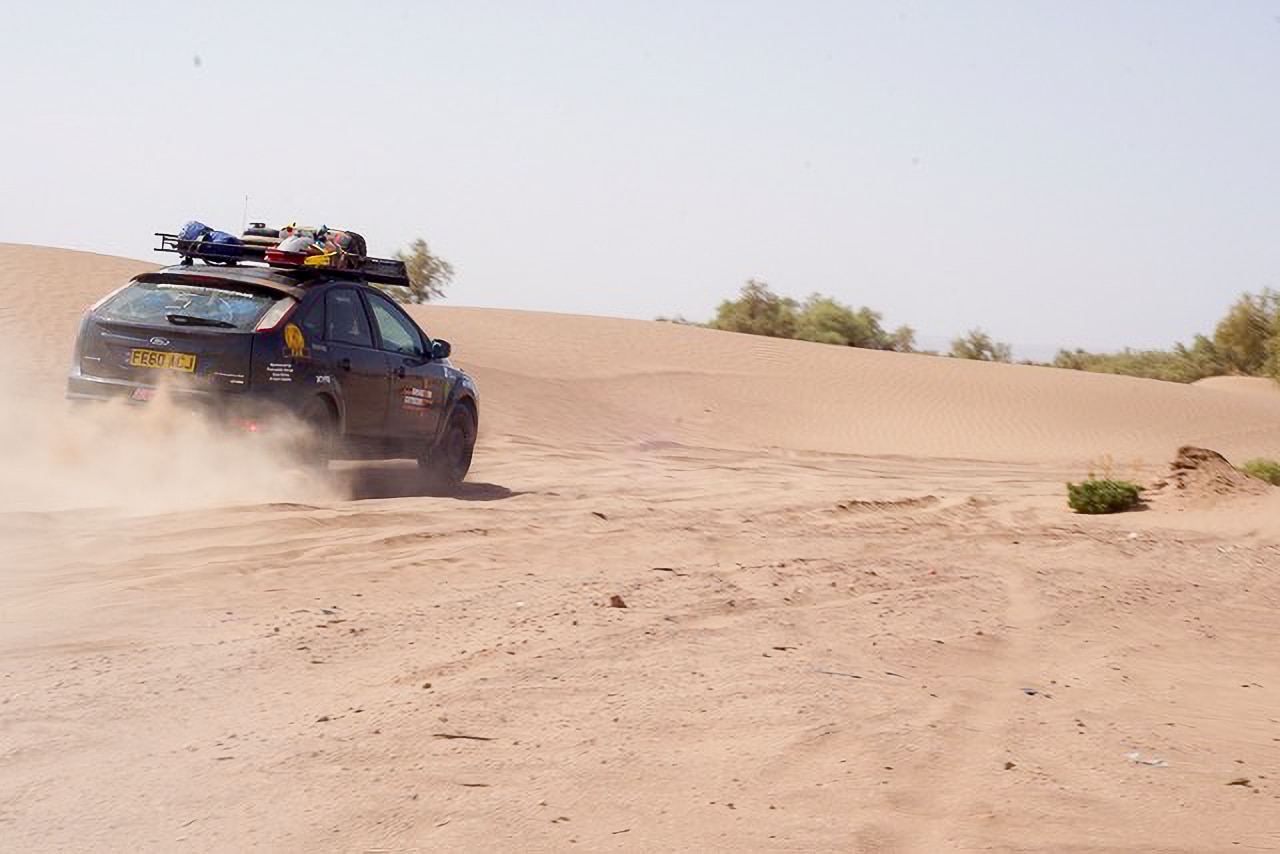
From Erfoud, the final outpost before the unknown, we pushed into the wilderness with only GPS, instinct, and each other to guide us. Our target was Gara Medouar, a fortress-like rock in the middle of nowhere.
But the desert wastes no time in testing you. One of our cars, manned by Rob and John, fell into limp mode. We had no other option but to send it ahead for repairs at Garage Iriki in Zagora, the lifeline of the Sahara. We had to press on and hope the pair and their Focus would be able to rejoin us.
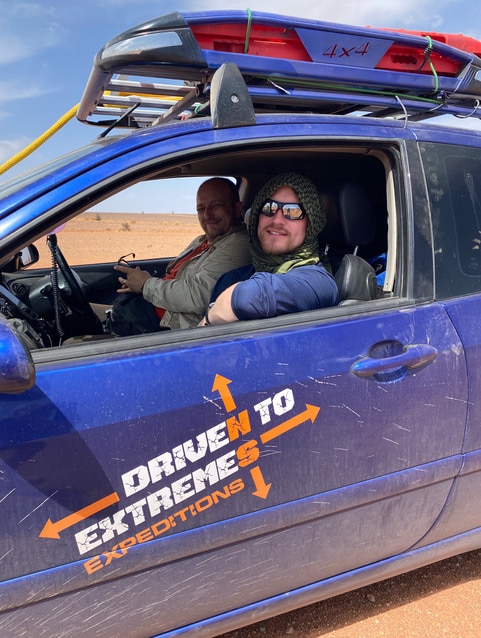
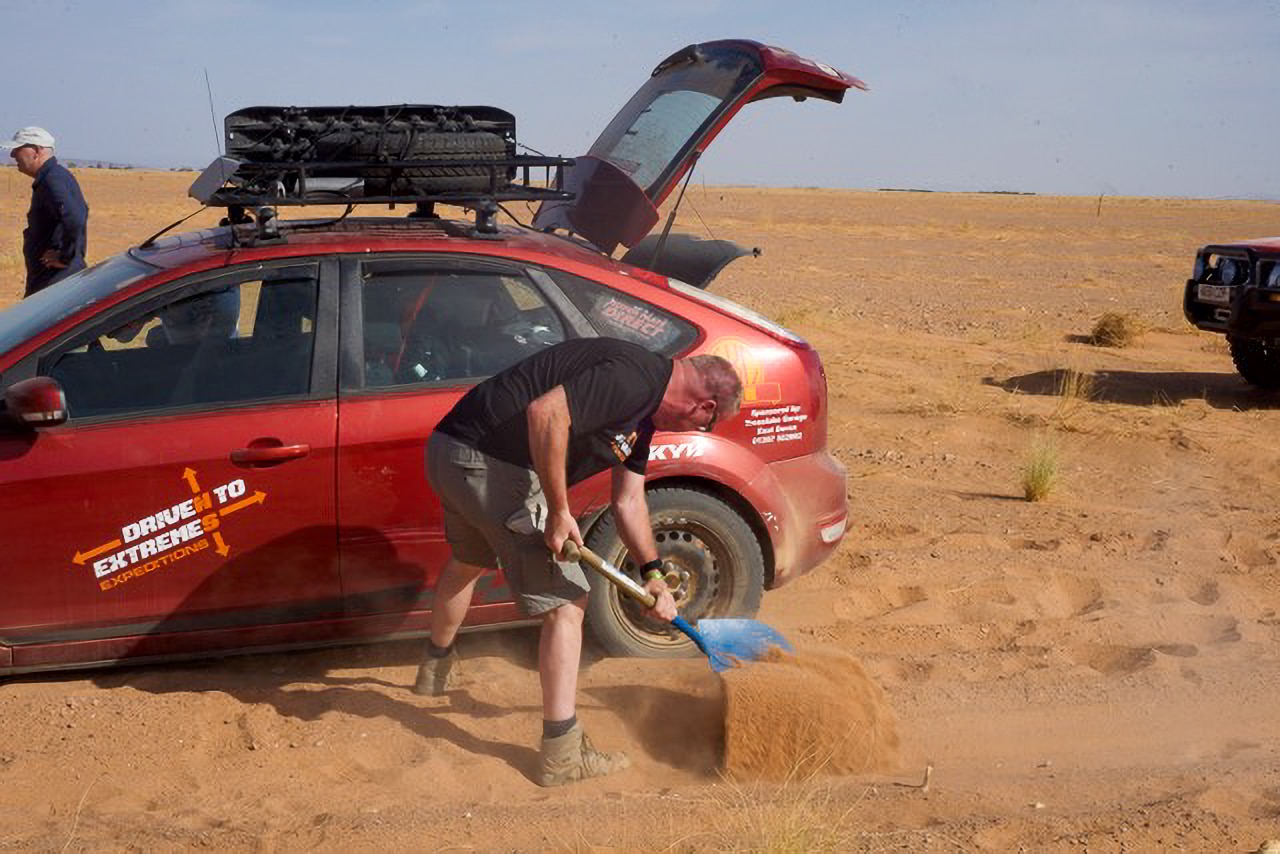
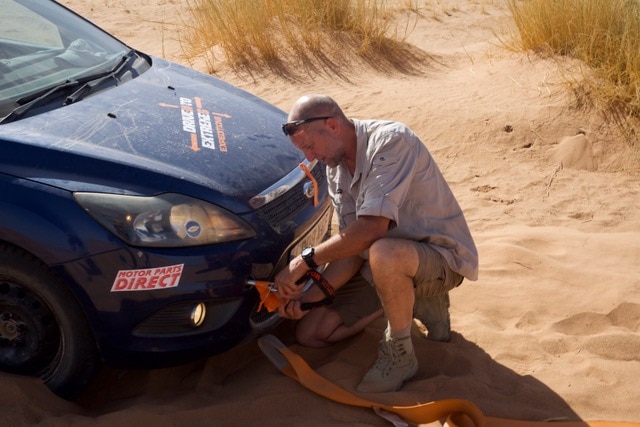
In the dunes near Tafraout, soft sand swallowed us again and again. We dug, we pushed, we learned to disable traction systems, and we put trust in our desert mods as our Focuses fought back.
From there, things only got tougher. The route climbed Siroko-Mora, a jagged, meteorite-scarred mountain formation locals call “the dinosaur’s footprint.” A brutal, hour-long crawl in first gear tested the resolve of every driver and co-driver, some lying flat on the rocks to guide wheels clear of tire-shredding boulders.
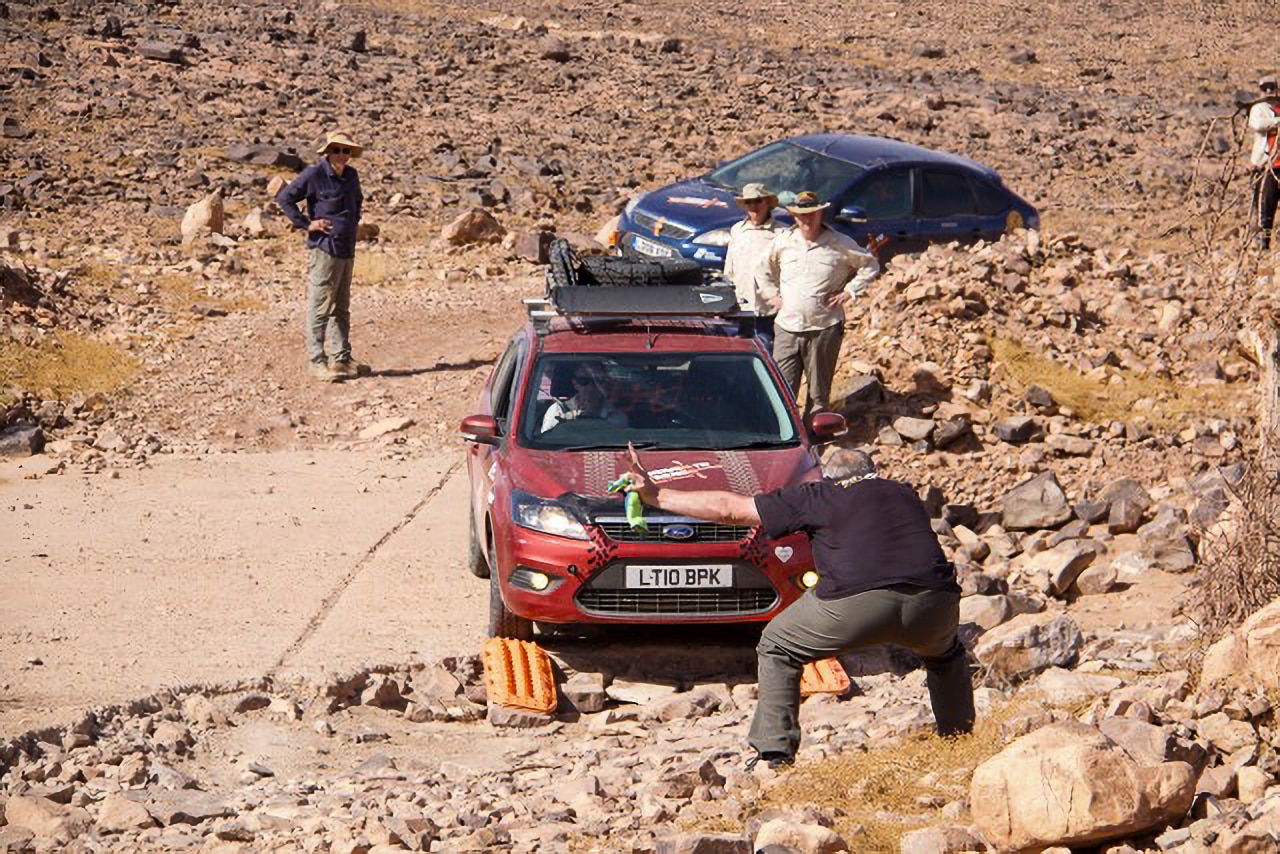
Repairs in Zagora brought one car back, but the desert claimed others through heat damage and even wrecked suspension from a dune jump gone wrong. Mechanics worked miracles while we carried on through the blistering heat. One car even recorded a cabin temperature of 48 degrees Celsius.
Our camp under the stars that night was a welcome relief, but the desert wasn’t done with us. A surprise lightning storm with 50 mph winds tore through the camp, flattening tents and peppering everything with sand and rain. We ended up taking shelter in our cars and waiting it out. At this point, I was seriously concerned I’d have to use the 4x4 I was in to get us all to safety. Fortunately, it wasn’t needed.
The next morning, we headed to the salt flats of Lac Iriki that shimmered like a mirage. Yet even here, the Sahara threw obstacles at us — hundreds of camels blocked our way across the piste. As we cut in every direction to get around them, the soft sand kept claiming victims who were being bogged down and having to be towed out. To make things worse, a sandstorm was building behind us.
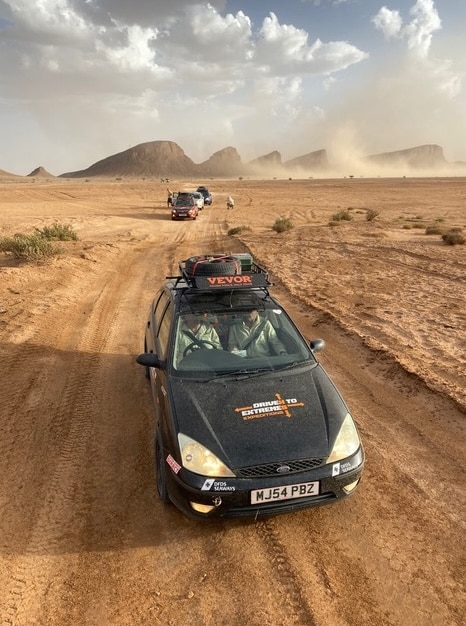
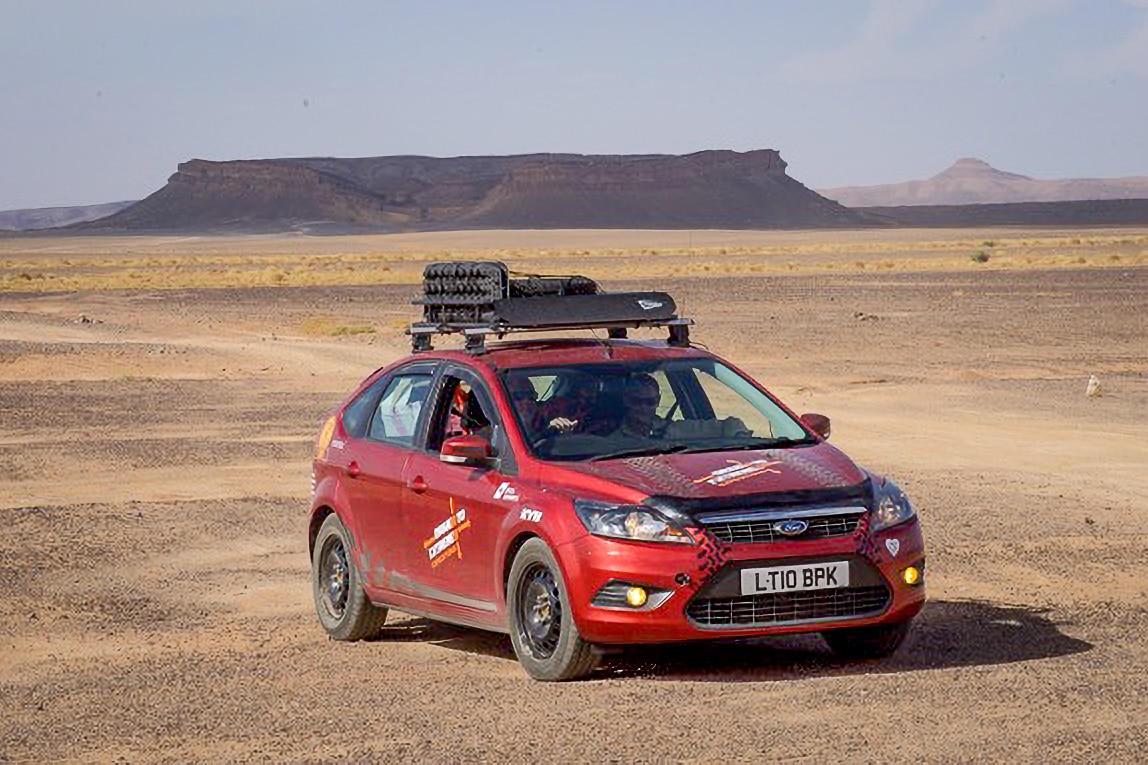
That sandstorm ended up chasing us toward the mountains, adding a bit of urgency to this last leg. Through a narrow mountain gorge, we finally reached Foum Zguid — filthy, exhausted, but triumphant. The desert had thrown heat, rain, breakdowns, storms, and endless sand at us, yet six humble hatchbacks made it through.
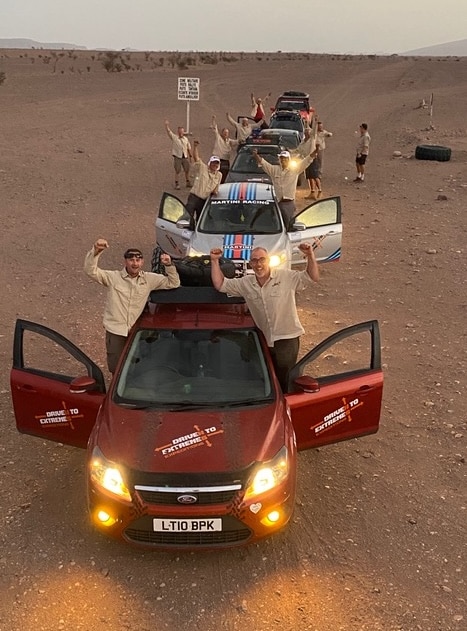
“Over ten days, we proved you don't need the biggest budget for the biggest journey - just the will to keep going when everything else says stop”Mac Mackenney, Driven to Extremes expedition lead
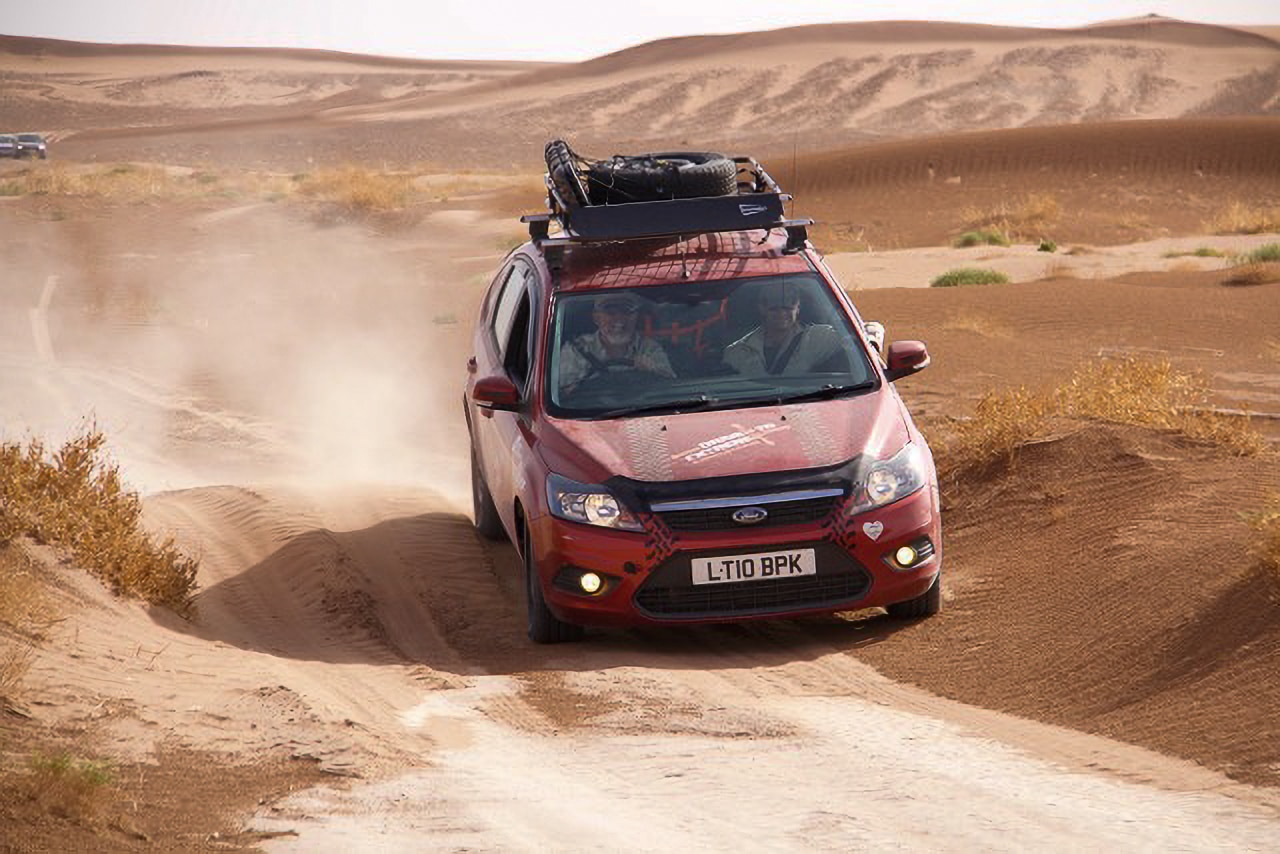
People see economy cars; I see passports to adventure. Over ten days, we proved that you don’t need the biggest budget for the biggest journey, just the will to keep going when everything else says stop.
That’s the real power of adventure that pushing yourself and those with you to achieve something extraordinary gives. As those on this expedition found, the experience can change your life for the better, often in unexpected ways. We're already planning to do it all again in 2026, so if you're interested in pushing yourself and experiencing a lot of sand, then get in touch.
Mac Mackenney is an automotive expedition specialist at Max Adventure who has guided classic cars across Tibet and the Himalayas; broken the record for fastest drive from London to Cape Town in 2010; and taken Hollywood actors along the coldest, hottest, and toughest roads on the planet for an extreme driving TV series.