
American Icon: How Mustang Defines Freedom for an Entire Generation

In the free-spirited, post-Vietnam 1970s, self-expression was the cornerstone of popular culture. From tie-dyed shirts to macrame home decor, teens and young adults channeled their creativity and bohemian sense of style into all aspects of daily life, turning the monotonous and mundane into bespoke, self-defining statements.
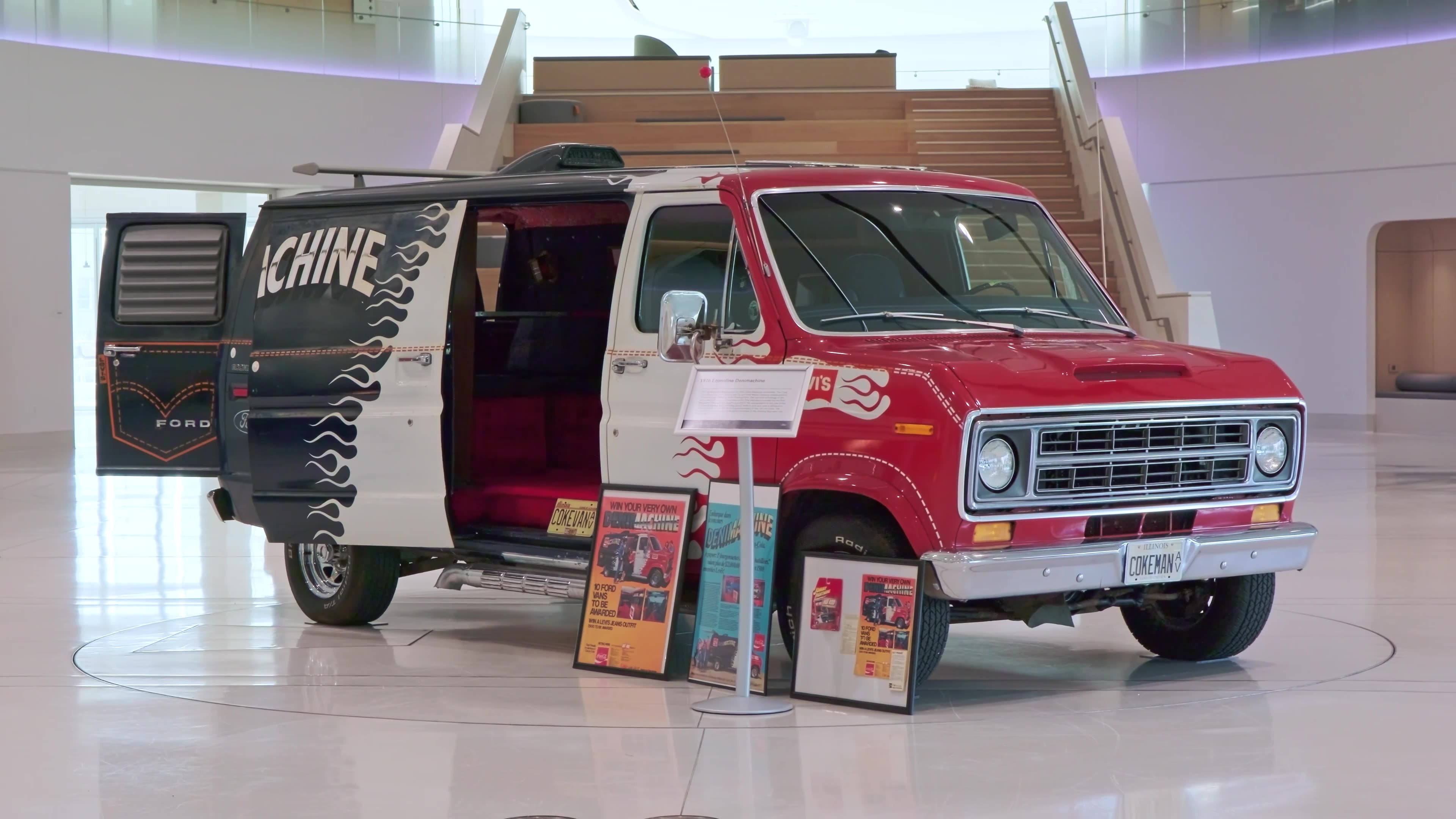
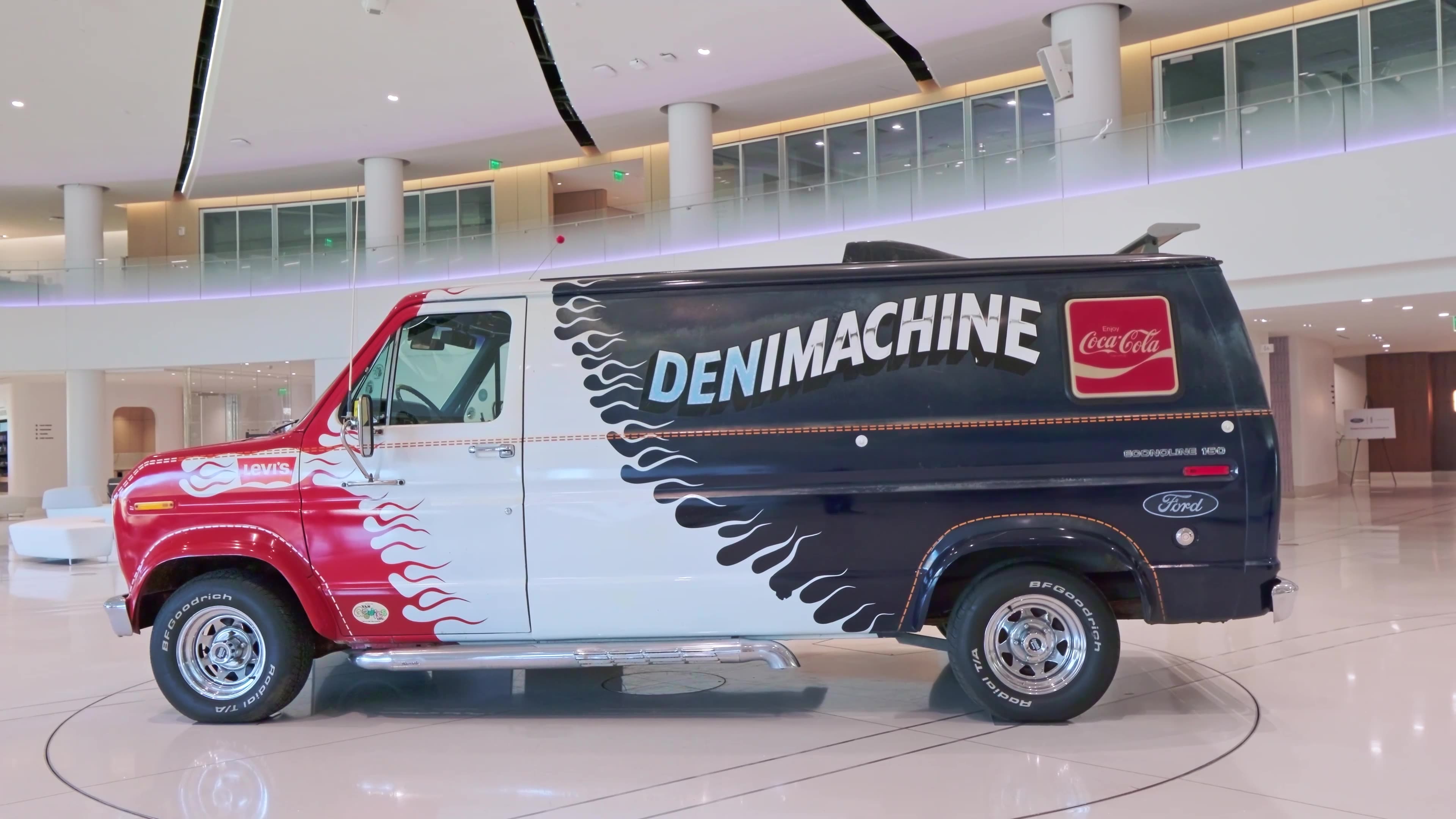
When America prepared to celebrate its 200th birthday in 1976, three of the country’s most iconic brands teamed up to meet the moment. Ford, Coca-Cola, and Levi's joined forces to create the Denimachine, a tricked-out Ford Econoline E-150 van.
Designed by the editors of HOT ROD Magazine and built by Chicago-based Van Goodies, the red-white-and-blue, chrome-plated van featured distinctive Coca-Cola and Levi's-inspired elements inside and out.
Ten lucky contestants who sent in an entry form and Coca-Cola proof-of-purchase won the keys to a dashing, decked-out Denimachine. Levi’s gave away outfits to 7,500 runners-up.
Coca-Cola advertised the sweepstakes in youth-focused publications and school newspapers, and local bottlers showed off the Denimachines at shopping malls and racetracks.
"This national promotion for Coke is providing an umbrella for bottlers to display and price in the marketplace as well as to build presence for our major brand with youth," Tim Titus, national promotions manager for Coca-Cola USA, was quoted as saying in a 1976 internal Coca-Cola publication. "The promotion is a tremendous vehicle to reach youth with this dynamic craze."
The DIY auto customization trend ignited in California before spreading nationwide, with bubble tops, wet bars, booming stereo systems — and even working fireplaces — adding fashionable flair to souped-up rides.
“They were all the rage in the 1970s, especially among 20-somethings,” said Ford Archivist Ted Ryan. “People took pride in turning their vans into anything they needed them to be, from camping vehicles to party mobiles, and Ford rode the wave.”
The company published mail-order catalogs loaded with accessory kits, and its long-running lifestyle and travel magazine, Ford Times, featured a “Van of the Month.”
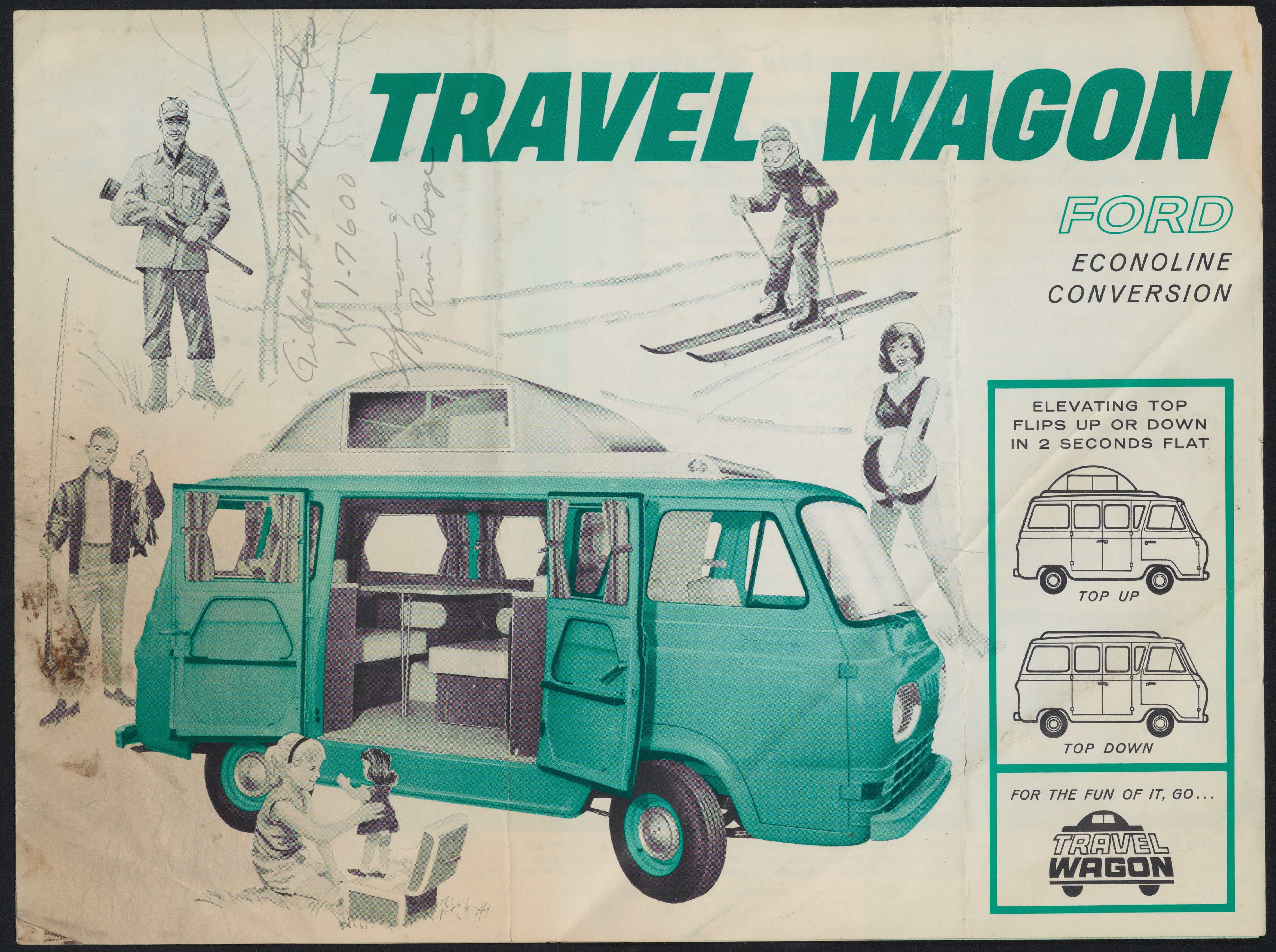
Customization was not limited to Econoline, however. “You could deck out your 1972 Pinto in crazy colors or get the California Special Mustang,” Ryan said.
Mike Galimi, network director for HOT ROD, said the Denimachine giveaway was a no-brainer for the taste-making automotive publication.
“Vans were such a hot trend among our readers during that period,” he explained. “The Clean Air Act and gas crunch changed the market dramatically, prompting the big three automakers to pull back from the horsepower wars that had existed 10 to 15 years prior.
“There was still a desire for customization, with people gravitating to body styles like vans, which fit perfectly with the ‘Get Out and Drive America’ movement.”
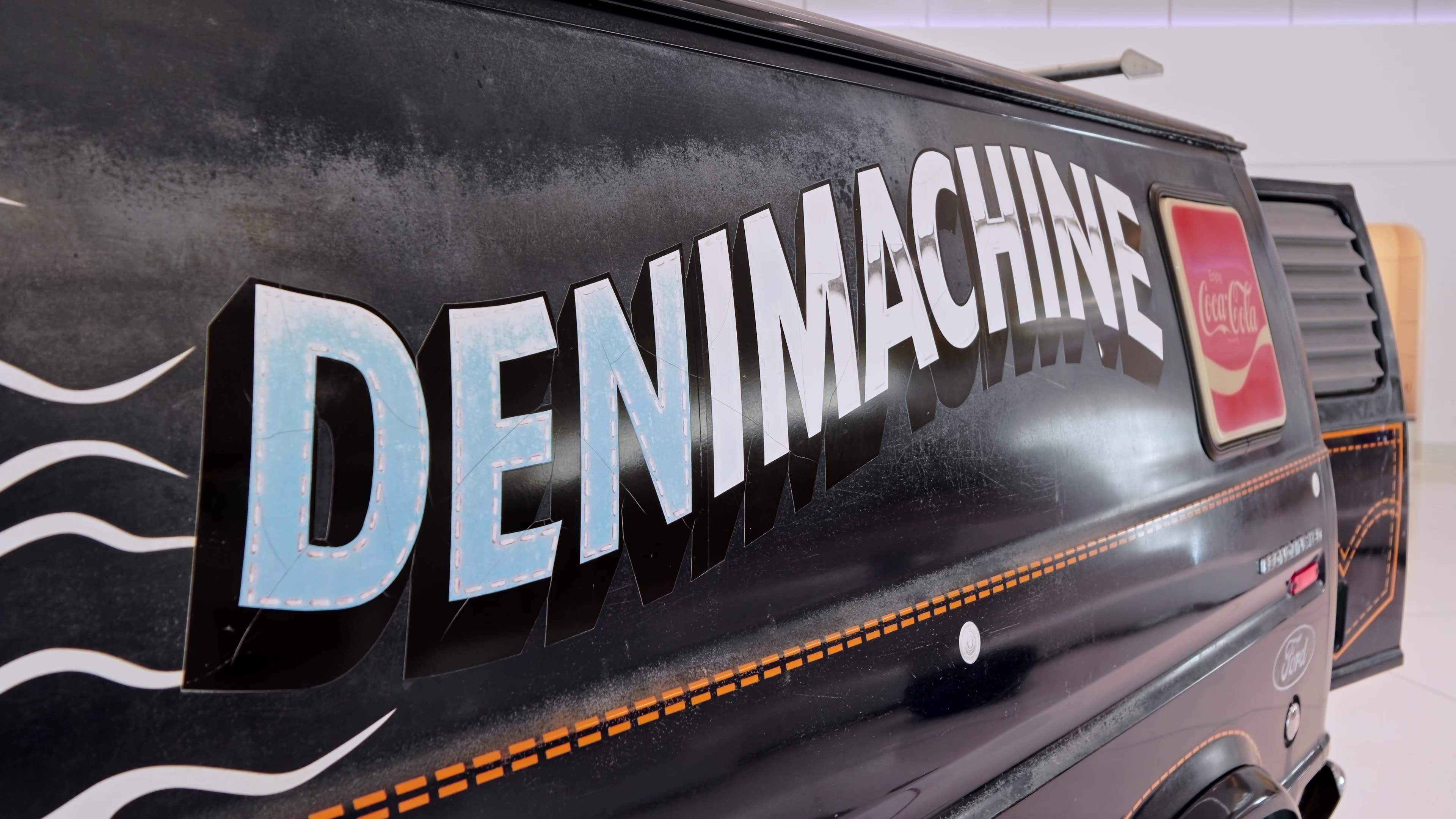
With the Denimachine, the three brands created something greater than the sum of their individual parts: a denim-wrapped, Coke-branded, Ford-powered time capsule on wheels.
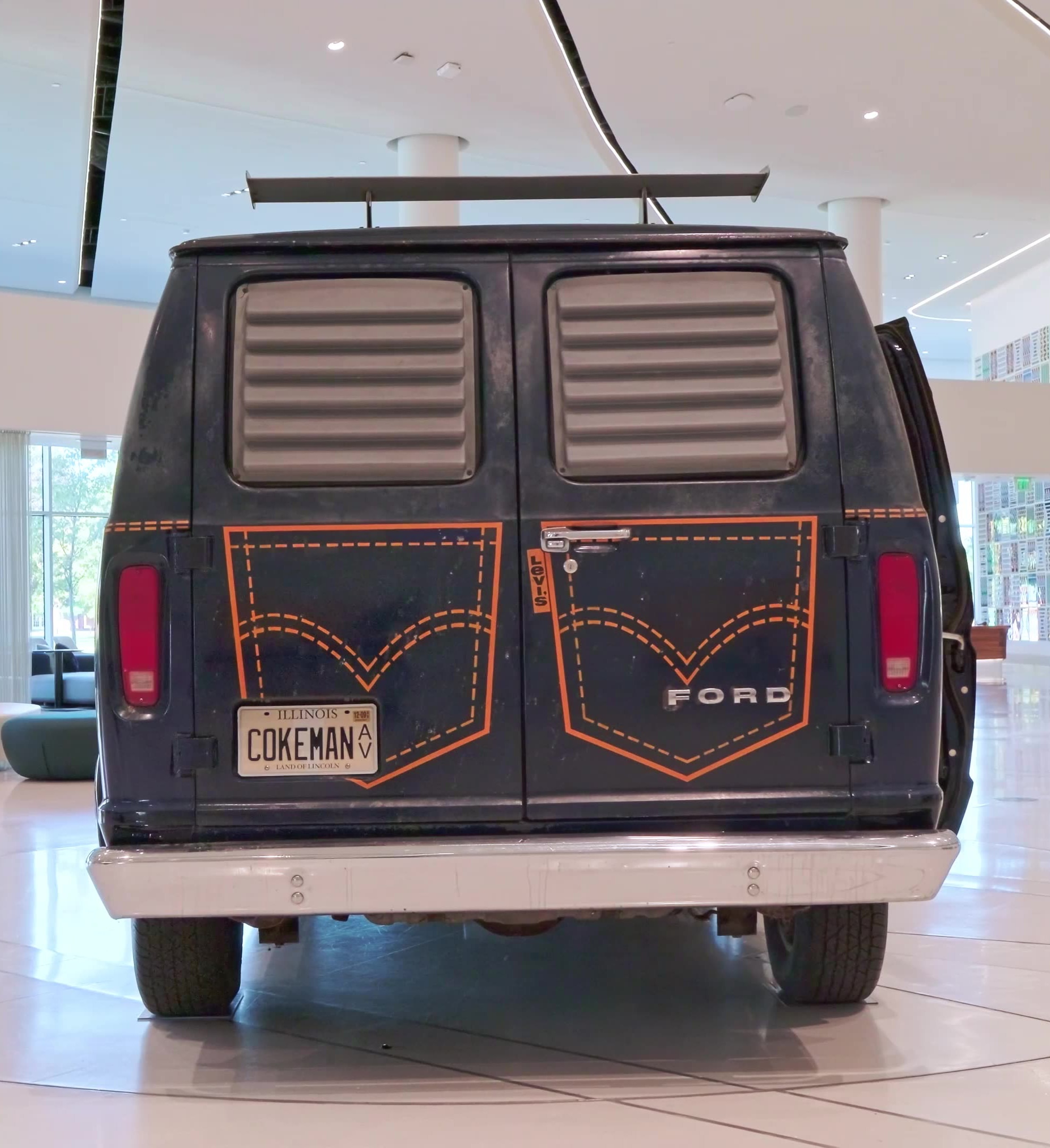
The exterior featured an all-American color scheme: Coca-Cola red, Ford blue, and Levi’s classic indigo tone. It had a sunroof and flames painted on the side panels. Other modifications included a Super Scoop flared front vent and Coca-Cola-branded windows and light-up sign. The rear featured Levi’s signature “batwing” design mimicking jean back pockets, complete with an orange tab representing the brand’s youth-targeted fashion line.
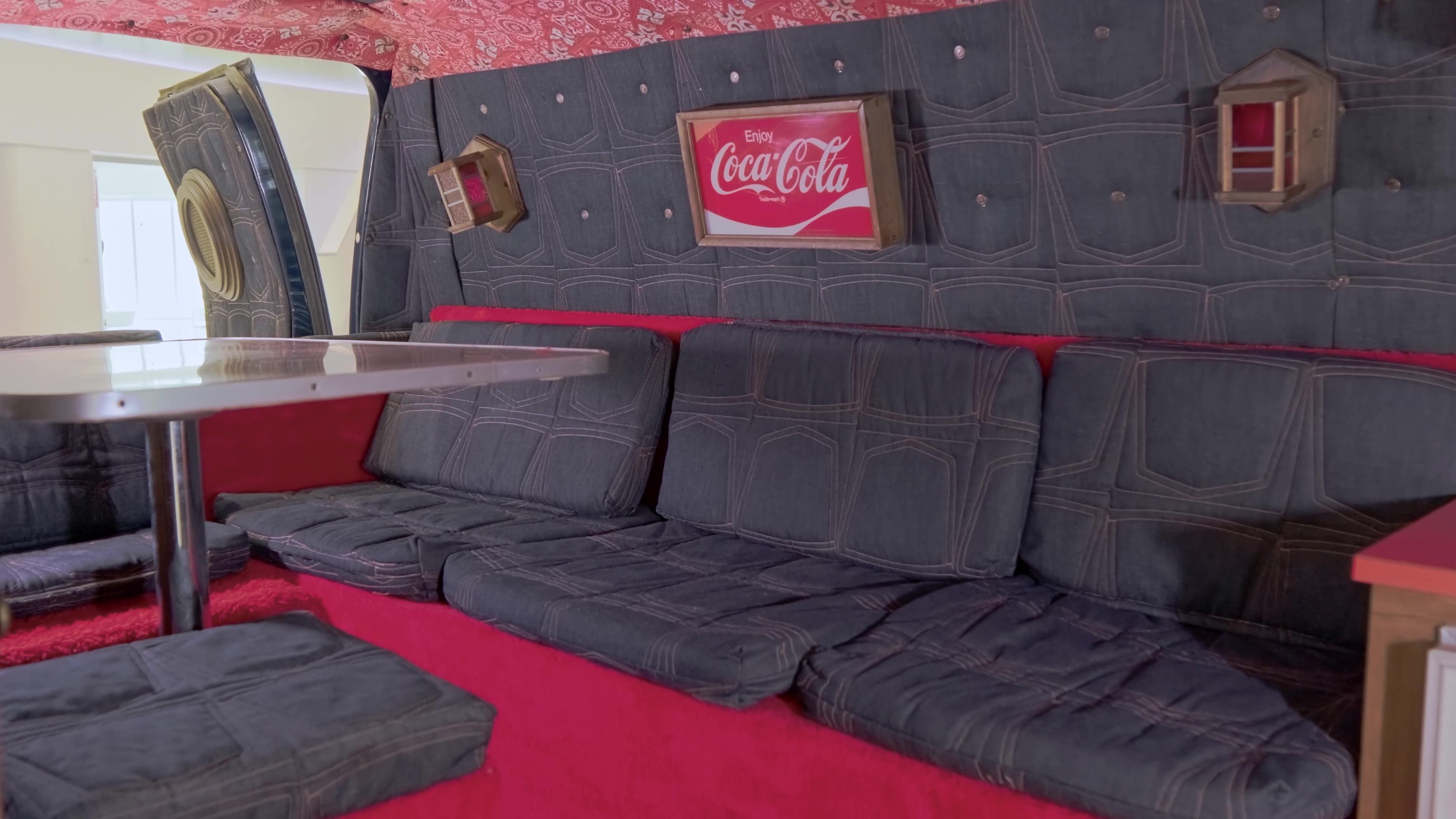
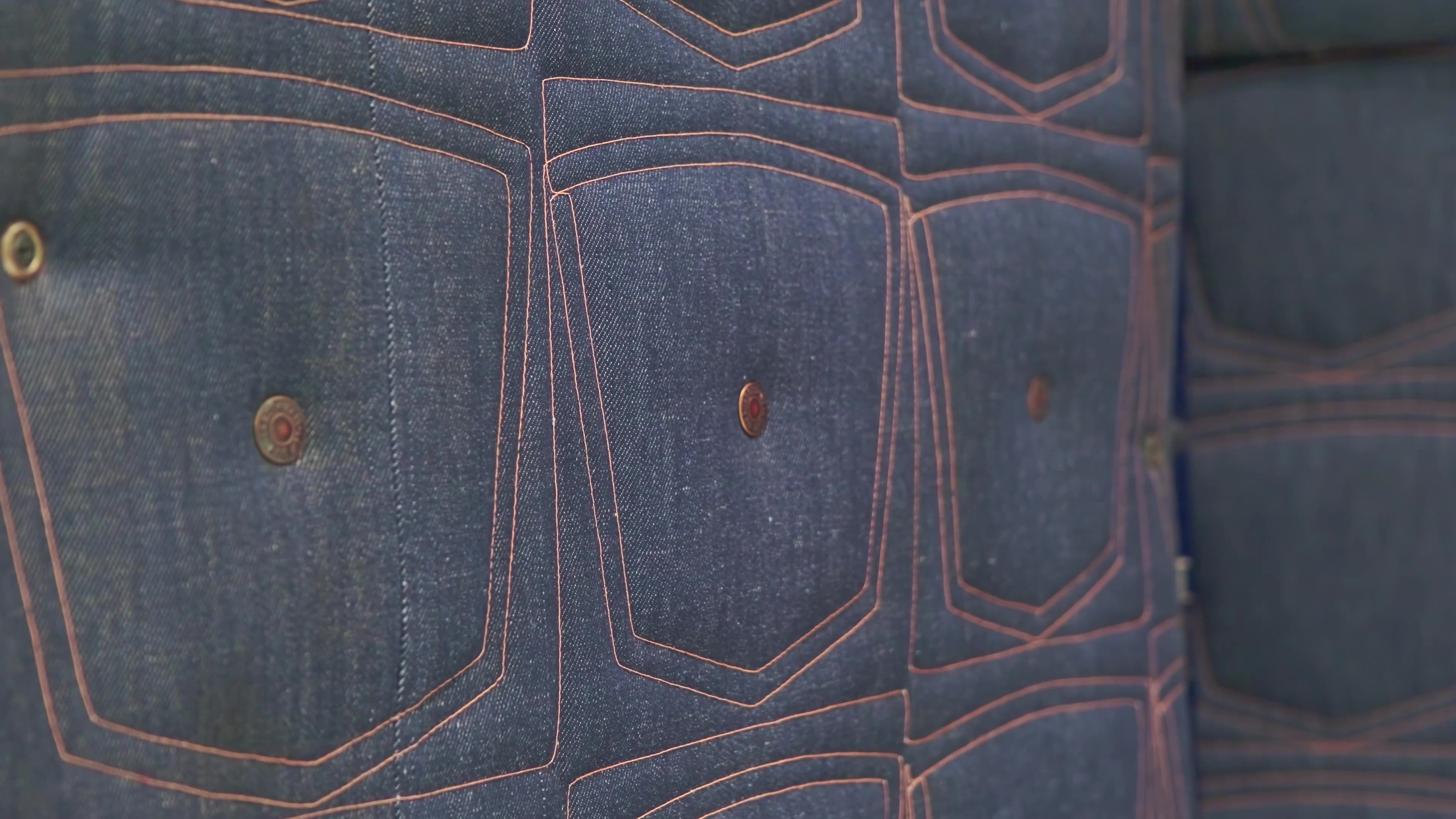
The interior was a masterwork of period customization, with a quadrophonic sound system, red shag carpeting, Coca-Cola refrigerator, Citizen Band (CB) radio, RCA television, and 8-track tape player (Editor’s note: Ford was the first auto manufacturer to install an 8-track in a vehicle). Wall-to-wall denim with tufted pockets and Levi’s buttons preserved the cabin’s Levi’s-leaning aesthetic, with red, bandana-like fabric paneling and orange stitching contrasting the deep blue surfaces.
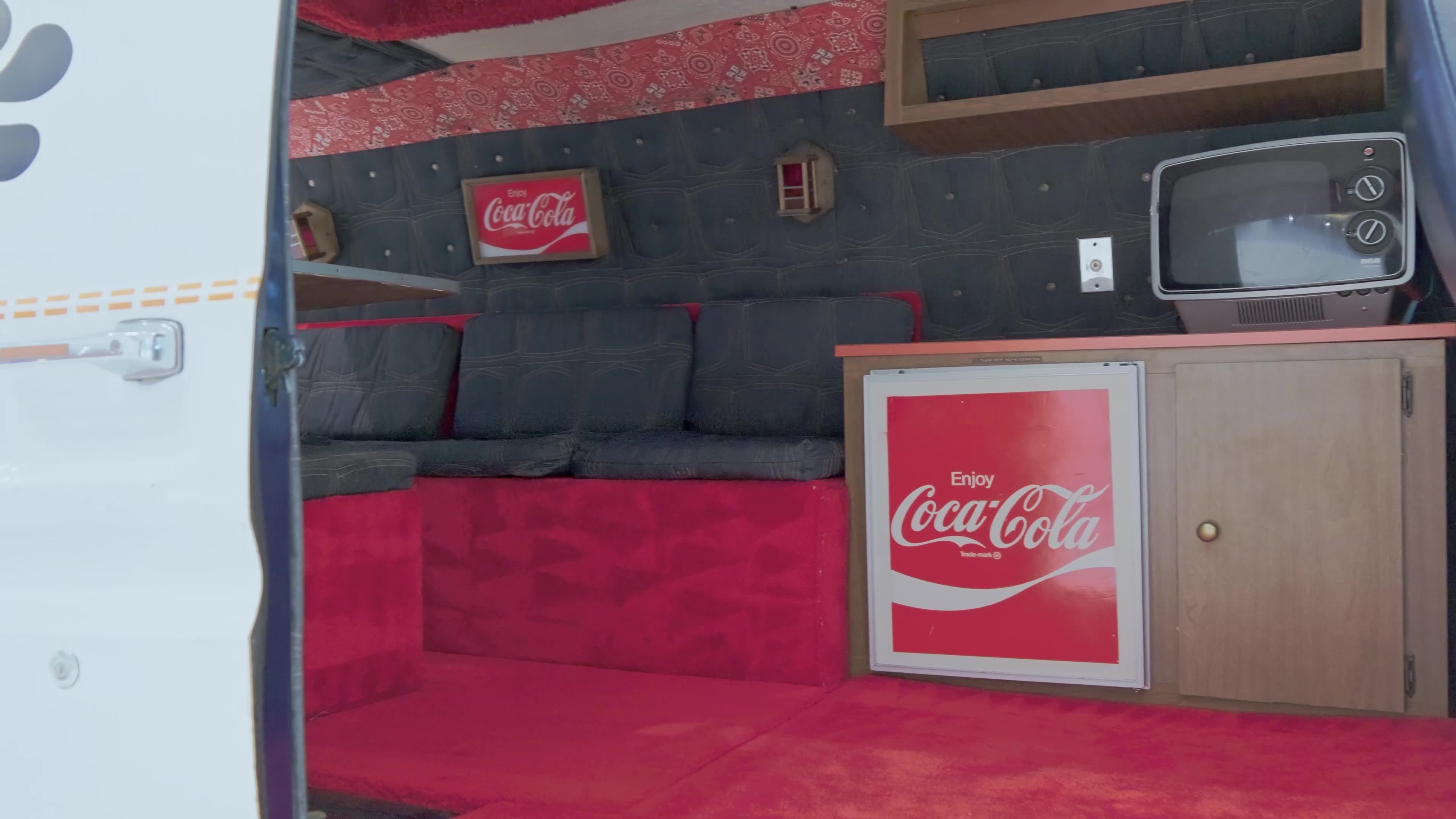
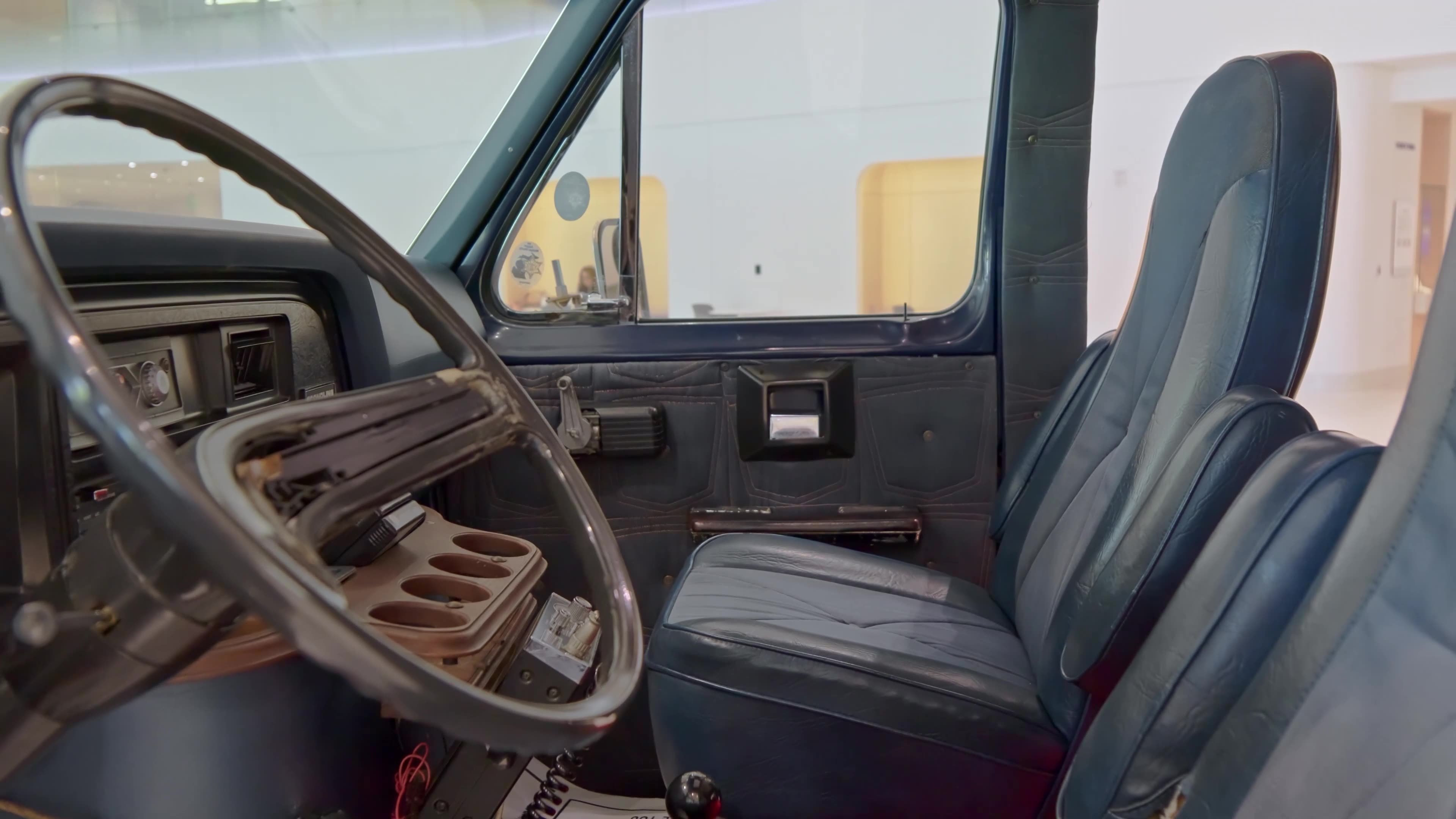
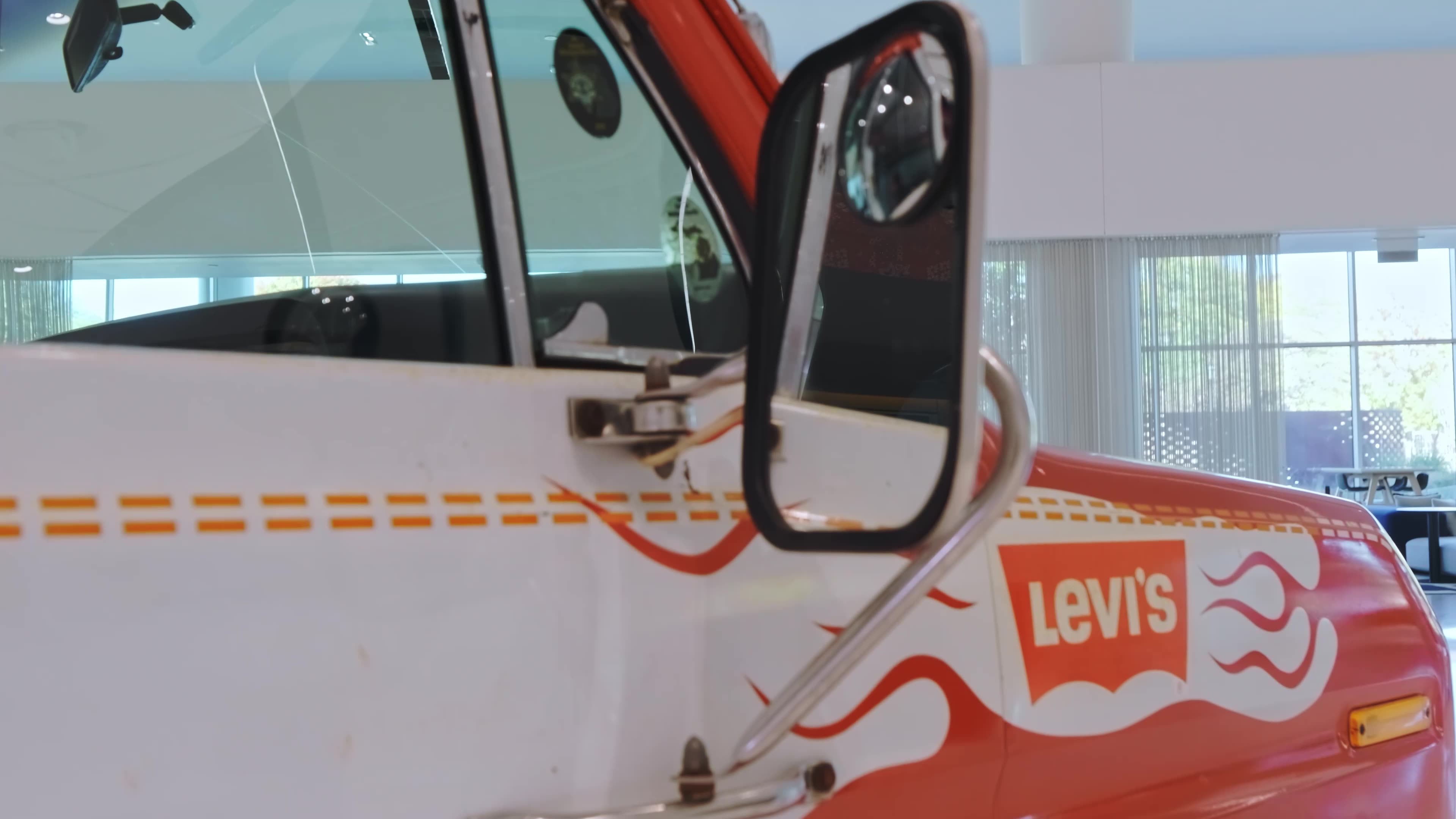
Van Goodies spent a full week customizing each Denimachine, which was valued at $18,000 (the equivalent of more than $100,000 today).
"The some 50 items we install add over 1,000 pounds in weight. There's some 40 square yards of carpeting alone," Paul Cleland, general manager of the Van Goodies plant told the Coca-Cola publication in 1976. "It's the most elaborately outfitted van we've yet customized."
A key part of the vehicle’s success was the fact that denim itself had also become a canvas for personal expression in the flower child era. Holes worn into jeans were patched with bandana fabric, pockets sprouted colorful embroidery, and tears were mended with bold, patriotic statements in red, white, and blue.
“Repairing your jeans in stylish, colorful ways became its own form of American folk art,” said Tracey Panek, Levi’s historian.
Levi’s embraced the trend, encouraging customers to send in slides of their custom creations for a 1973 denim art contest. The winning pieces were exhibited in museums before some landed in the Levi’s Archives.
Customization became "all about young people creating their own vibe and lifestyle,” Panek said, and helped transform Levi's into a pioneering pillar of youth counterculture.
“Woodstock was a sea of denim,” she added, referring to the landmark 1969 music festival in upstate New York. “We were one of the largest apparel companies in the world, so we had a lot of brand power especially with young people. And the same is true, of course, for Coca-Cola.”
In the 1970s, Coca-Cola positioned itself as a symbol of unity and optimism, a refreshing antidote to the era’s social divisions and economic malaise. The brand’s iconic "Hilltop" commercial featured an international chorus of young people singing "I'd Like to Buy the World a Coke," crystallizing a vision of harmony and belonging.
“Levi’s and Coca-Cola defined youth culture at the time, and Ford wanted to join that parade,” Ryan said. “Ford had been seen as an old, stodgy company, and the Mustang and Maverick began to shift that perception and position the brand as relevant for the next generation of car buyers. The Denimachine project was another step in that direction.”
In 2022, Panek got a call from a Levi’s superfan from Bismarck, North Dakota with a special story. As a high school senior, he’d mailed in 100 entries to the Denimachine sweepstakes — each postmarked with an eight-cent stamp — to boost his chances of winning.
While his name was not one of the 10 drawn in 1976, his luck improved several decades later when he spotted a run-down Denimachine in a neighbor’s yard.
“Long story short, he bought it and spent a few years restoring it,” Panek said. “He reached out to us in search of the 200-plus Levi’s buttons needed to refurbish the interior. We hope to bring his Denimachine to [Levi’s HQ in] San Francisco next year so we can put it on display.”
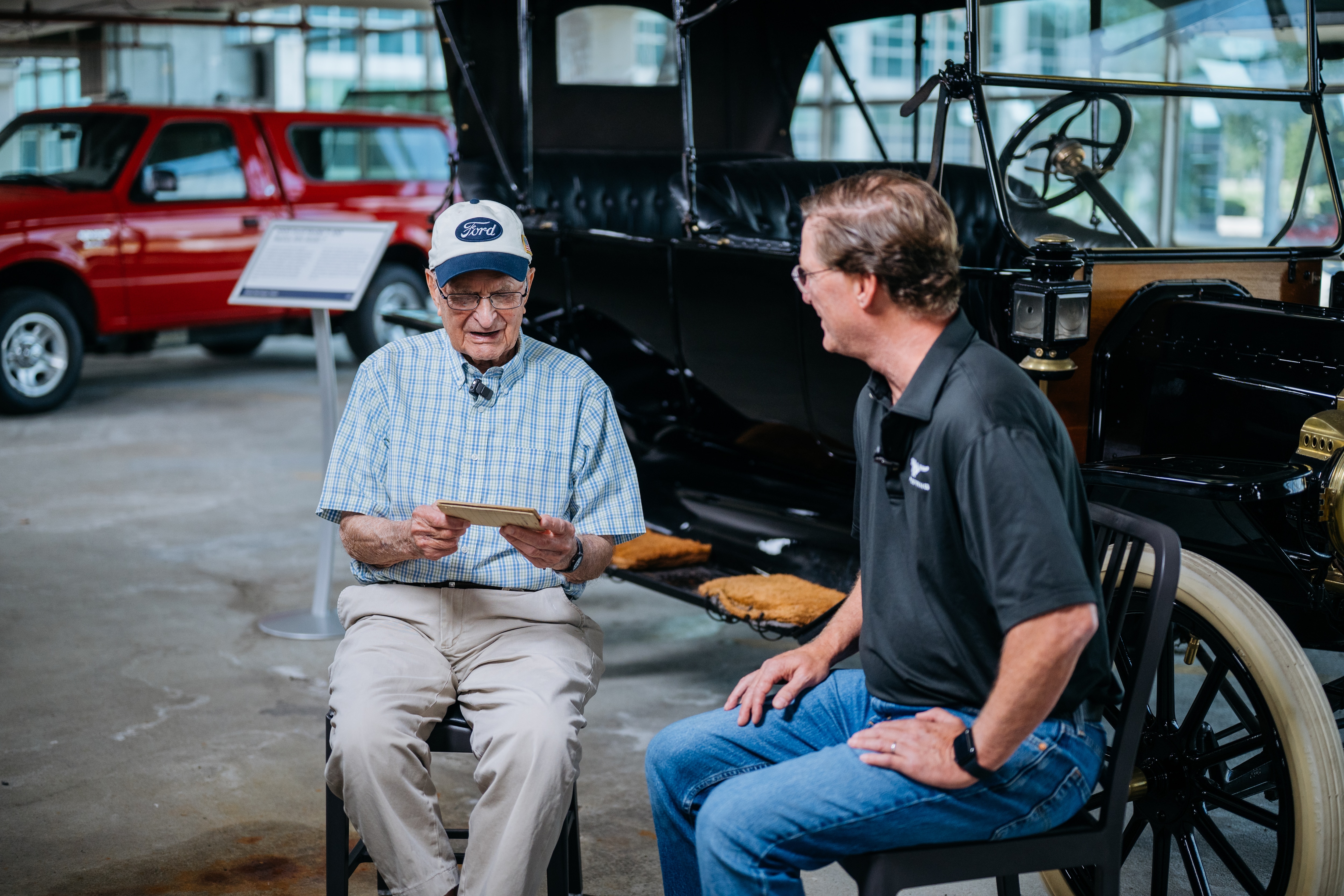
Similarly, Ryan — who served as The Coca-Cola Company’s archivist for 21 years before joining Ford — negotiated a deal to borrow a Coca-Cola collector’s Denimachine. The vehicle, which is on loan to the Ford Heritage Fleet, recently turned heads at the Ford Experience Center on the company’s Dearborn campus.
He concluded, “It’s great we're still talking about this celebration of American culture 50 years later. These three iconic brands share a rich appreciation for our collective heritage and are still as relevant as they were in the mid-‘70s. The Denimachine was a win for everyone involved.”
Jay Moye is an Asheville, N.C.-based writer, editor, and musician.