Facts About Ford U.S. Manufacturing

Company News


What do bouncy balls have to do with ensuring quality in every Ford-built vehicle?
They aren’t an explicit part of our standard quality testing process, but the popular children’s toy — in large quantities — can also be used to showcase the constant movement and harsh conditions our parts endure en route to assembly plants and component manufacturing facilities throughout the world.
So, we threw 1,000 of them into our testing machinery to show you exactly what that looks like. The Shipping Equipment Design and Test Center, located on the east side of Ford’s hometown, is a discrete 19,000-square-foot facility where shipments of various parts and components are tested on a five-axis, large-platen vibration table or a 40-foot horizontal impact sled.
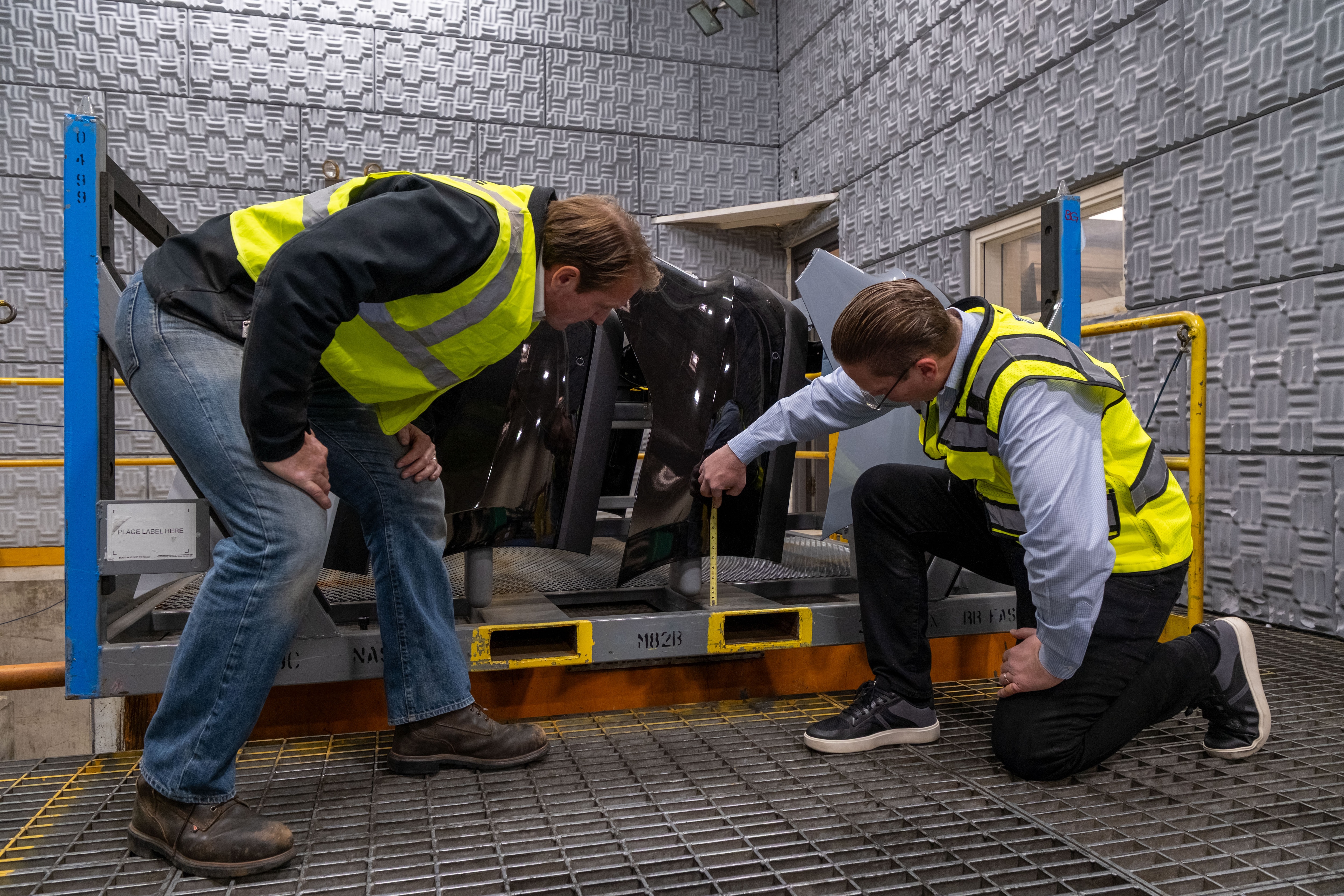
The two devices can simulate road, rail, air, and sea conveyances around the world as we strive to make quality deliveries of parts and components for the Ford operators who install them and, ultimately, for our customers.
Anything less can lead to costly rework or production interruptions.
The work of the Material Planning and Logistics-based organization drives freight cost reductions. The team also impacts manufacturing quality by identifying root causes for issues and collaborating with other Ford teams on a solution.
“I like to say we solve design, manufacturing, and supply chain challenges using packaging as a language,” said Packaging Engineering Manager Todd Chesna, noting that his team plays a significant role in Zero Waste to Landfill and other corporate initiatives in Manufacturing. “We don’t always have packaging problems, but we have enterprise challenges that need packaging solutions.”
Contained within the state-of-the-art facility filled with a collection of plastic totes, pallet boxes, and steel racks full of parts and components, is a massive library of route data with real-time files based on actual trips that have been captured by vehicle data recorders. These files condense multiday trips into just minutes of simulation.
“Those big, damage-causing events cause a real concern to us and to Ford Motor Company,” said Stephen Dely, packaging testing lead at the facility, as he prepared to perform the unique, multidirectional shake test on a collection of Super Duty box outer panels destined for the Kentucky Truck Plant. “We’re hitting all the curbs, all the potholes, and going on the roughest roads. So, we have a high assurance after this testing … that we’re going to deliver a quality part at launch.”
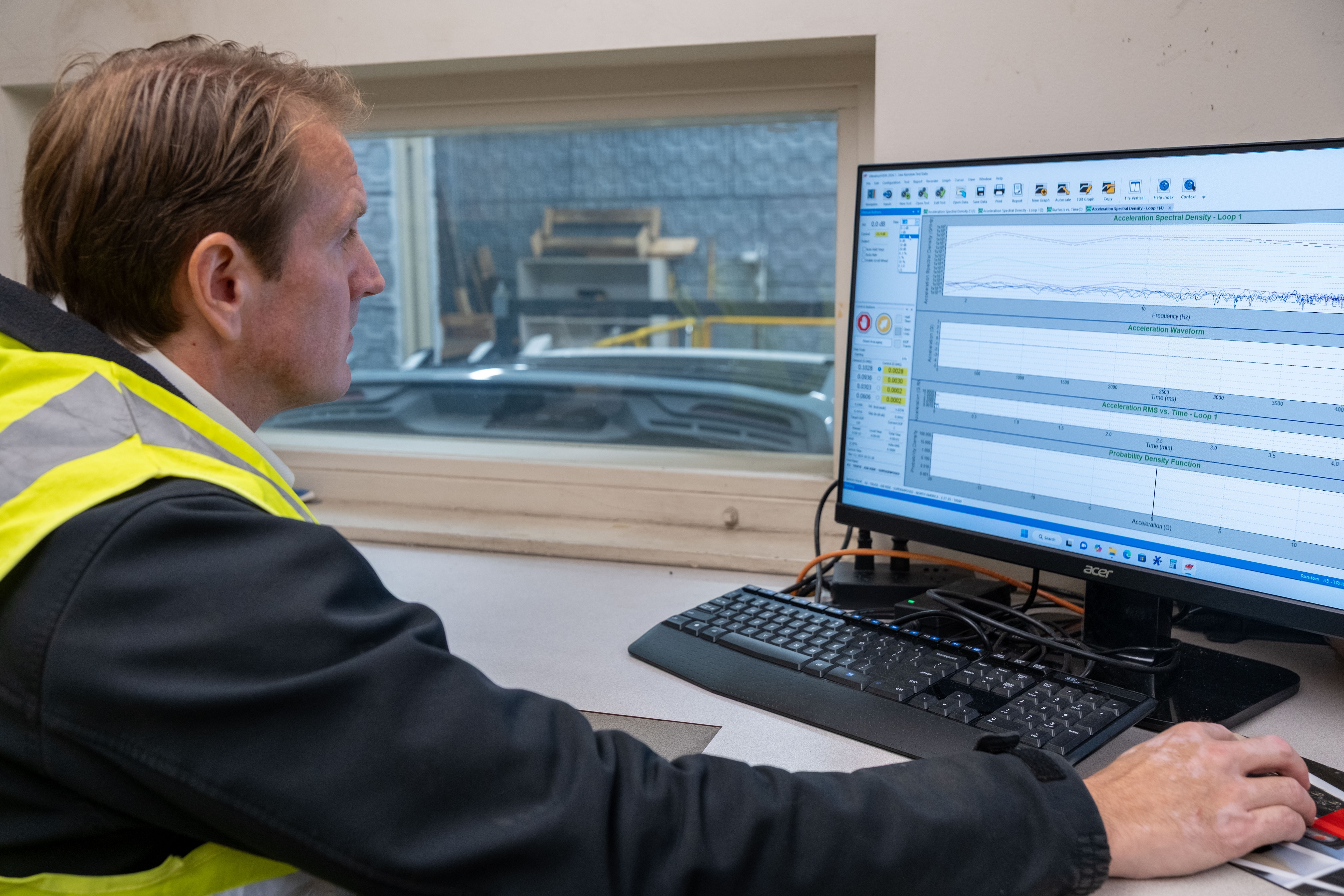
The company was also an early adopter of superimposed testing, which adds real-world hazards like curb strikes and potholes to routes. They’ve also recently begun including electronic, over-the-air enabled tags to monitor and track container movement.
One notable example where Ford’s decades-long mapping project rewarded the team for its diligence came about 15 years ago. They were able to pinpoint and repair a pothole at a Ford plant that had been causing repeated damage to parts. That scenario was also added to the testing library for replication at the facility..
“We’re hitting all the curbs, going on the roughest roads. We have a high assurance after this testing ... we’re going to deliver a quality part at launch.”Stephen Dely, packaging testing lead at SEDTC
“We know pretty much exactly what forces you’ll encounter going from Tucson, Arizona, to Dearborn, Michigan, because we’ve been putting data recorders on those routes for decades, and we log that data to develop the simulations,” Chesna said.
Having this facility, which opened in 1994, in its testing arsenal allows Ford teams to obtain same-day data, rather than waiting for results from a third-party testing facility. While there are similar Ford teams in other regions, the Dearborn-based group is responsible for testing loads of parts by simulating various shipping methods.
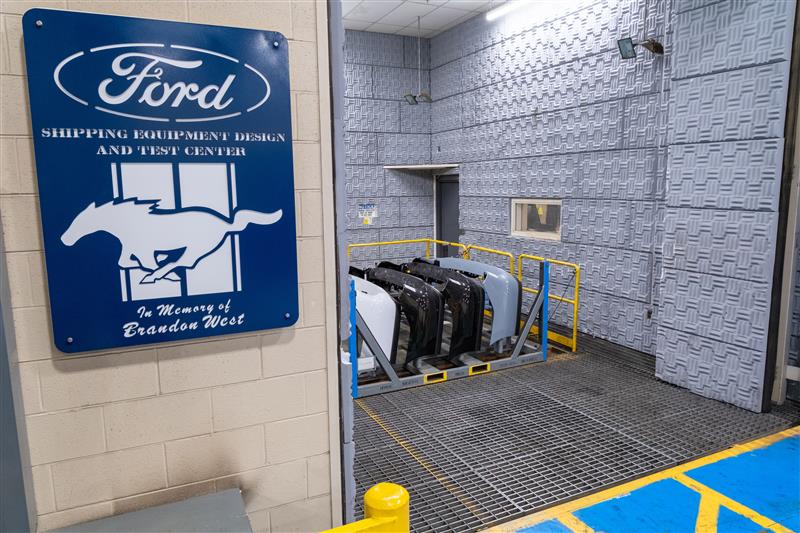
As Ford and Lincoln programs and parts evolve, so do their shipping containers. And due to material cost and the quantity needed, those containers aren’t cheap. Chesna and his team collaborate with Ford’s Additive Manufacturing team to create prototypes for new trays and racks before ordering the final versions from suppliers.
While watching 1,000 bouncy balls rattle around in a plastic pallet box sounds like fun and games, it represents Ford’s serious commitment to quality. The testing at this facility is just one way that Ford is helping deliver quality products in a way most customers would never know about.
Michael Levine is Ford director of North America product communications.