Ford is the new gold standard for mass market new vehicle quality in America, ranking as the top mainstream brand in the closely watched JD Power 2026 U.S. Initial Quality Study (IQS) — an achievement 16 years in the making.
The company surpassed the industry’s traditional mass market leaders in IQS, climbing from No. 15 in 2023 to No. 1 among mainstream brands in the annual survey of new buyers.
“This is a proud day for everyone at Ford, and the result of years of intensive work across our company,” said Jim Farley, Ford president and CEO. “Many doubted that an American company with a huge American workforce could compete with the world’s best on quality, let alone reach the top. But we put our heads down and worked together every day to deliver for our customers. Today, Ford is not only the most American automaker but also the gold standard for new vehicle quality.”
Thomas King, president of OEM solutions at JD Power, said Ford not only ranked “highest among mass market brands,” but also “the Ford F-150, Ford Mustang and Ford Super Duty ranked highest in their respective segments.”
It is the second year in a row that those three iconic vehicles won their segments.
The Ford Escape, Ford Explorer, Ford Expedition and Ford Maverick also landed among the top three in their segments. That means seven of Ford’s 10 models tested placed in the top three in their segments, the highest percentage of any other automaker.
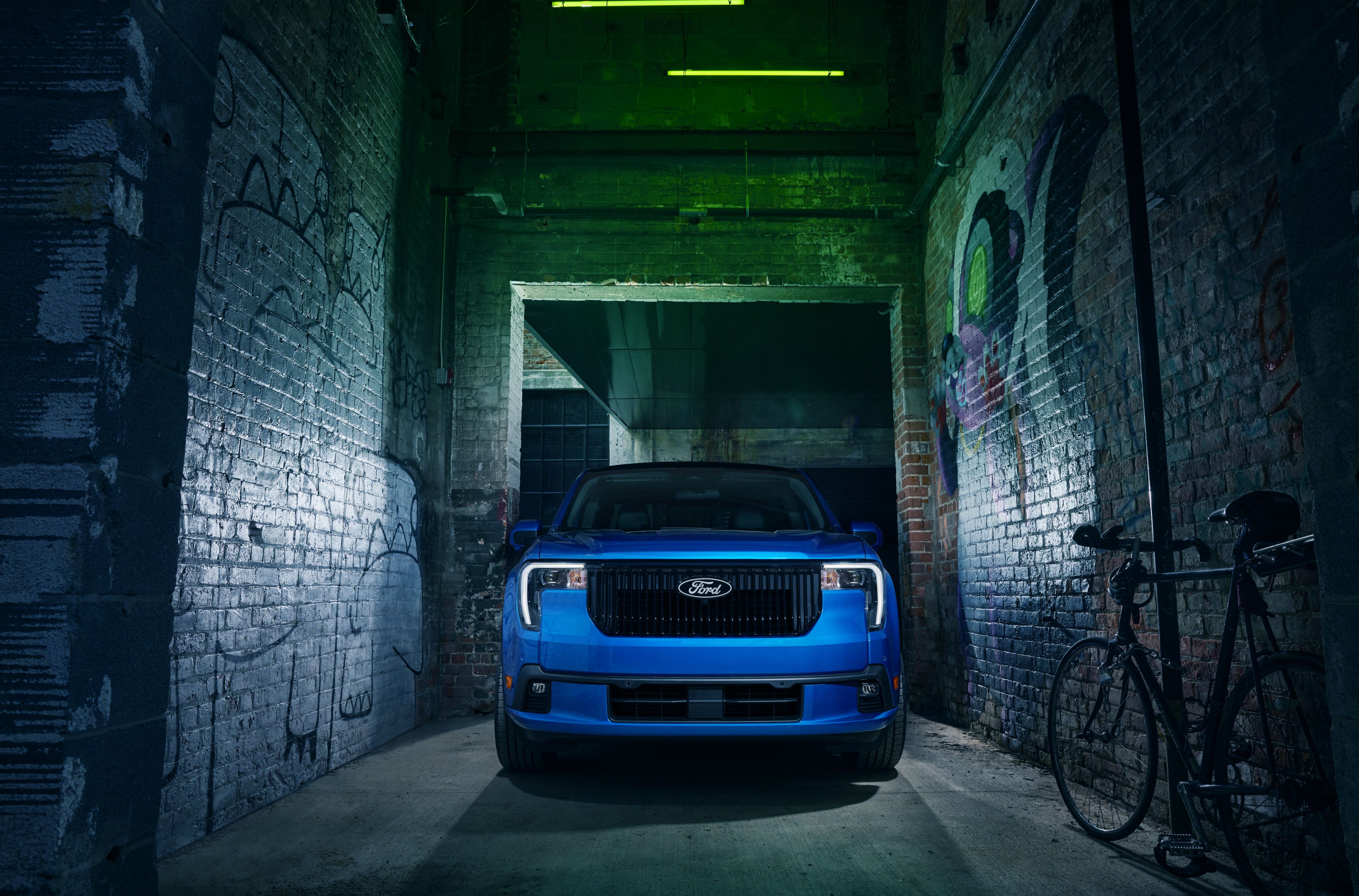
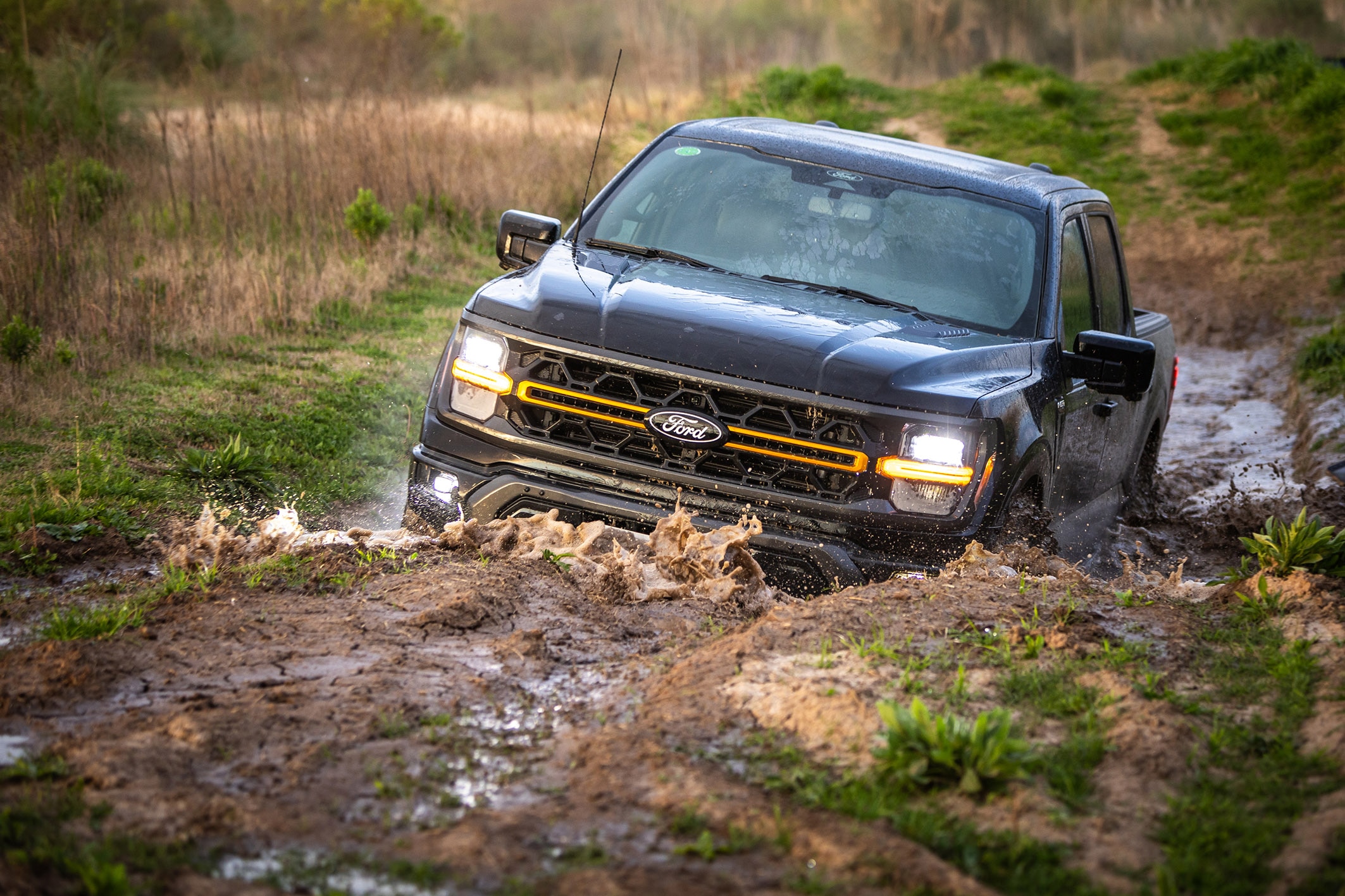
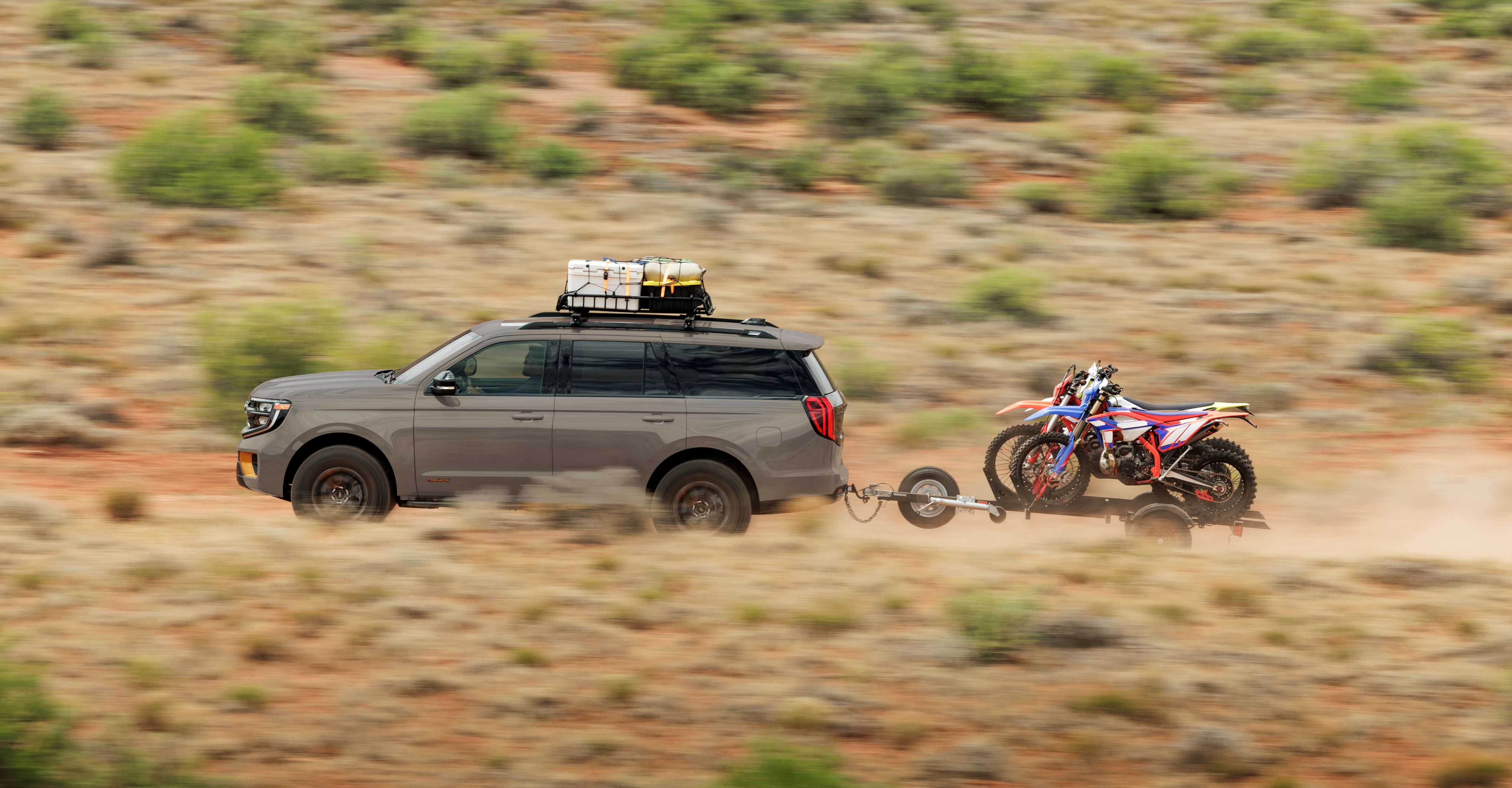
Ford also ranks second overall among corporations and third overall among brands. Ford improved by 41 fewer problems per 100 vehicles compared with last year, the largest year-over-year improvement among mainstream brands. The momentum extends to Lincoln, which climbs to No. 6 from No. 8 among premium brands.
Ford improved in nearly every vehicle category measured by JD Power. Driven by software improvements, infotainment quality saw the largest leap forward, performing 11 points better than the industry average, while powertrain reliability also improved significantly.

Reaching best-in-class quality levels is the culmination of an intensive multi-year effort. Here’s how Ford methodically moved from quality also-ran to leader.
Closer Collaboration
Understanding the significance of this milestone requires a look back to the start of the decade. The disruptions of the pandemic and a rapidly shifting work culture changed how the industry designed and built vehicles.
As teams adapted to remote work and factory floors adjusted to new protocols, the need for fully integrated collaboration became paramount. With vehicles simultaneously evolving into complex, software-driven machines, Ford recognized traditional processes needed to change.
So the company acted. In 2023, it created a unified industrial system. This meant Vehicle Engineering, Manufacturing, Supply Chain and Quality teams worked side by side under one organization, led by Chief Operating Officer Kumar Galhotra.
The next step came this year when that industrial system evolved into Ford’s new end-to-end Product Creation and Industrialization organization, uniting the company’s digital, design and global industrial teams.

“Bringing them together allows us to look at the entire ecosystem of a vehicle – from the intricacies of software development to the deepest tier of the supply chain to the plant floor — as one continuous, collaborative flow,” Galhotra said. “We rallied the whole company around a clear vision: Quality Comes First. That means hard-wiring rigorous processes deep into the way we work, building a culture of relentless problem-solving and recognizing our teams when they prevent issues from reaching customers.”
Building Strong Engineering Safety Nets
Reaching best-in-class quality required a significant talent refresh. Over the past few years, Ford replaced about two-thirds of the senior leaders in its industrial system across engineering, supply chain and manufacturing.
In Vehicle Engineering, leaders saw an opportunity to bring deep, specialized expertise into the design phase early. Ford hired roughly 300 veteran engineers who carry the hard-earned wisdom of decades of design.
Free from daily production schedules, these engineers now act as internal auditors, running mandatory weekly design reviews to hunt for and eliminate potential failure points before blueprints ever reach the factory floor.
Integrating and De-Risking the Supply Chain
This upfront engineering rigor was paired with a cultural shift in how Ford manages its supplier network. At first, it meant “go see, find it, fix it” missions. Ford teams went directly onto supplier plant floors to address risks alongside their counterparts.
“It’s easy to celebrate heroes fixing problems,” said Liz Door, Ford chief supply chain officer. “What we really want is to celebrate zero defects.”

“It's easy to celebrate heroes fixing problems. What we really want is to celebrate zero defects.”Liz Door, Chief Supply Chain Officer
Now, Ford integrates suppliers earlier in the development process for rigorous design validation that helps ensure long-term performance — an effort that drove a 30% reduction in launch issues year over year.
Empowering Operators on the Plant Floor
In Manufacturing, the focus turned to benchmarking the best in the world and building strategic action plans to close the gap. Progress data is standardized and shared throughout each plant so teams can see how vehicle quality is trending.
Often, improvement ideas come from the people closest to the work.
“Leaders spend so much more time on the plant floor now. It’s about supporting and collaborating with our operators and learning from them,” said Bryce Currie, Ford chief manufacturing officer. “We’re averaging over eight ideas per project from operators, and we are investing to support them, like adding AI vision systems to help identify anomalies.”

Currie challenges each plant to be so clean he can eat off the floor, because every employee deserves to work in a clean environment — and when the standard is high, you can immediately see when something is out of place. When a plant finally meets his standards, Currie will do just that, usually choosing chocolate chip cookies or pretzels.
Closing the Software Gap
Finally, with vehicles becoming highly digital, Ford overhauled its software quality assurance from the ground up to make modern technology as reliable as the physical hardware. Today, before code ever reaches a vehicle, it is stress-tested through hundreds of thousands of automated scenarios designed to simulate unpredictable, real-world use. The result: Ford catches and eliminates software bugs far earlier in development, for a more seamless customer experience.
Perfecting the Present, Eyeing the Future
While these milestones show that Ford is on the right track, the company remains focused on the road ahead.
“Are we proud? You bet. Satisfied? Not even close,” Galhotra said. “This is a milestone, not a finish line. We will celebrate this moment today, but tomorrow we are back at it: chasing perfection, driving continuous improvement and getting better every single day.”