More Than a Machine


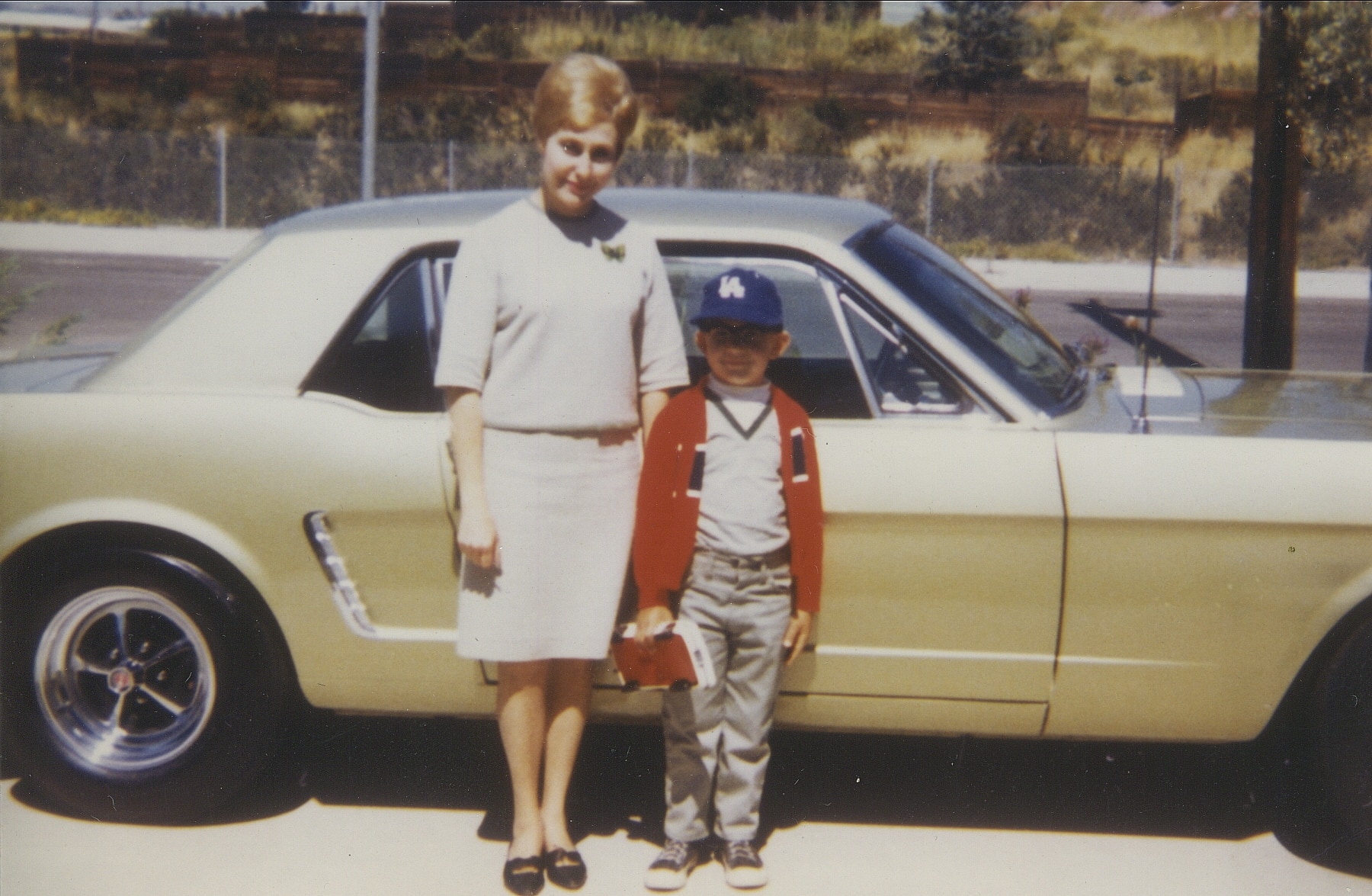
A photograph is a kind of time machine, isn't it? A single, frozen moment that holds an entire universe of stories.
For me, one of my most cherished possessions is a faded color snapshot. In it, a 5-year-old me stands in a driveway, grinning next to my Aunt Doris and a gleaming, brand-new 1965 Ford Mustang in a beautiful shade called Honey Gold. That picture is more than just a cute memory; it’s the prologue to a story that has defined a huge part of my life — a story about family, legacy, and the promise of the open road.
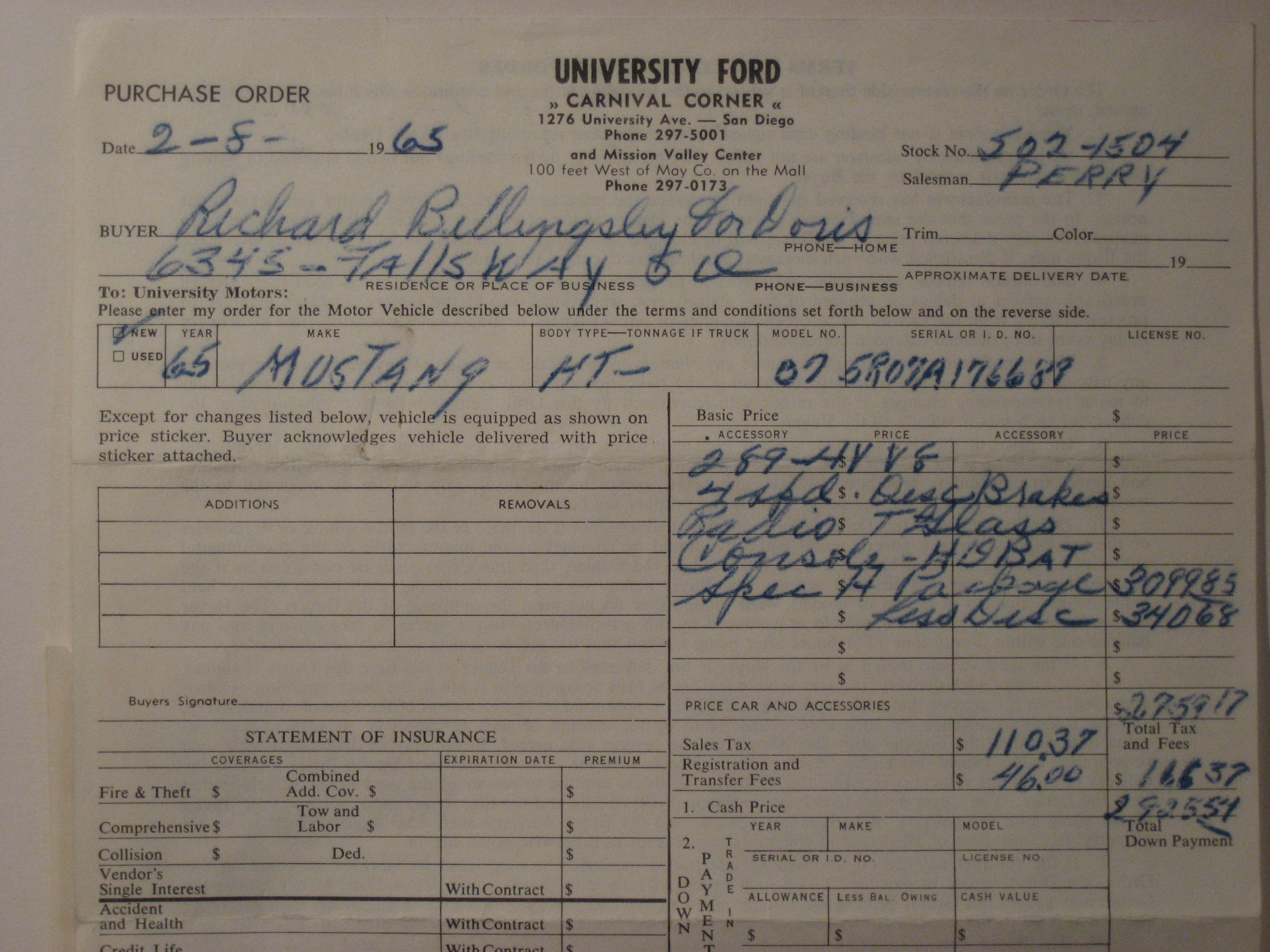
Looking at that photo, I see the whole history. I see my Uncle Richard, a meticulous insurance claims adjuster and closet gearhead, walking into University Ford in San Diego in October 1964. Having been smitten by the new pony car, he knew exactly what he wanted. Not the flashy 2+2 fastback, but the clean, classic coupe.
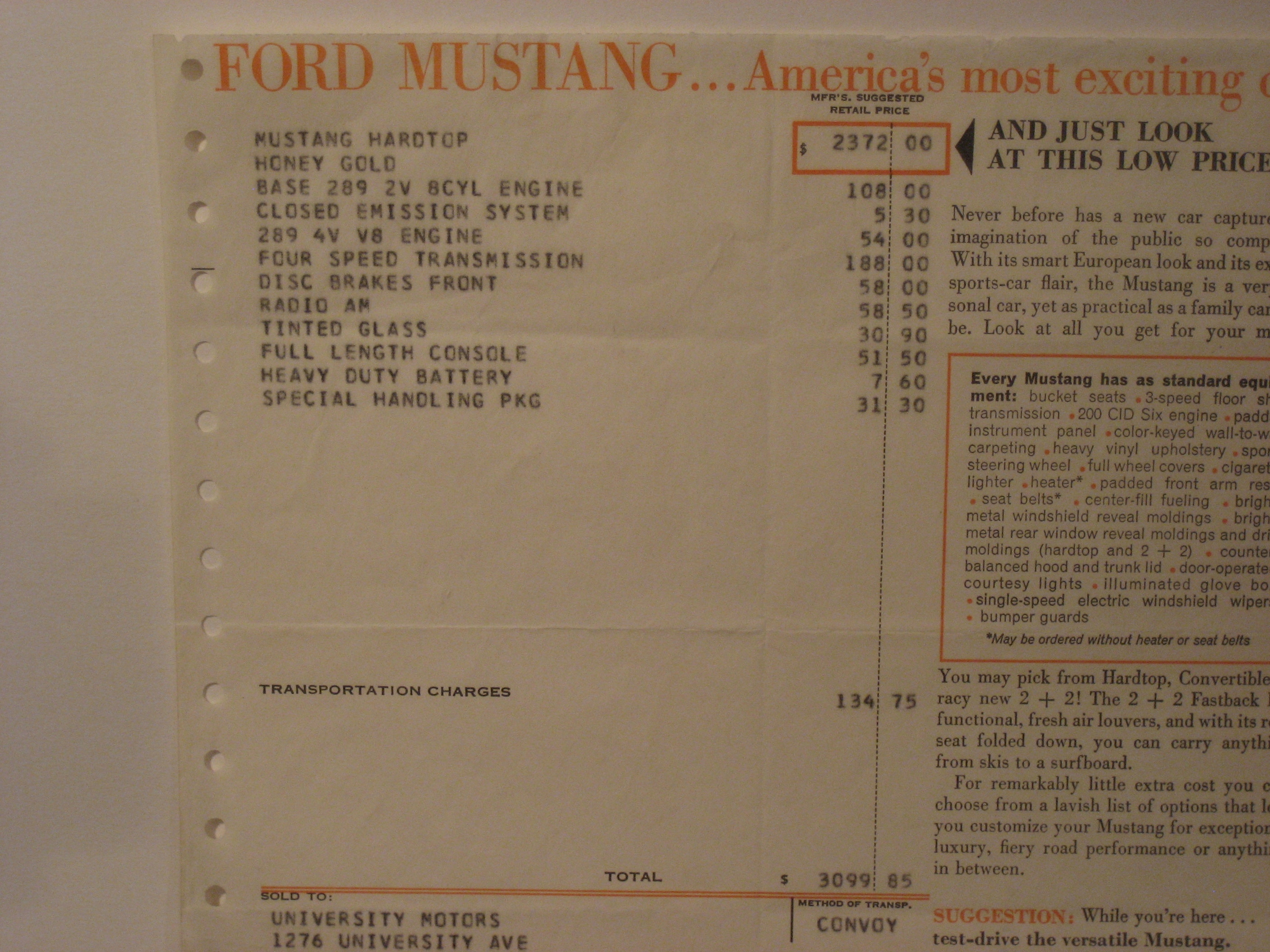
He ordered it with the punchy A-code 289 V8, a four-speed manual, and the Special Handling Package. In a prescient move, likely inspired by his line of work, he also insisted on the new front disc brake option.
He was, without realizing it, building a Mustang GT months before Ford even created the package.
When the car first arrived without the disc brakes, he flatly refused delivery.
A new order was placed, and in February '65, the perfect Mustang finally came home.
That car in the photograph became my Aunt Doris’s daily driver, living a pampered life on her 10-mile, traffic-free commute, always parked safely in a garage. But it was my Uncle Dick’s baby.
He couldn’t resist adding his own touches — a throaty dual exhaust and a set of stunning Magnum 500 wheels he bought in '67 for the lofty sum of $112. That’s the car I fell in love with as a kid — the rumbling, gleaming machine that was infinitely cooler than any other car I knew.
Fast-forward ten years from that photo. I'm 15 with a learner's permit, and Uncle Dick is patiently teaching me how to drive a stick shift in that very Mustang in an empty university parking lot.
The dream of one day owning it felt like a distant fantasy.
Then, in the '90s, the fantasy became a phone call.
My aunt and uncle were ready to sell the car, and they wanted me to have the first chance. I couldn't say "yes" fast enough.
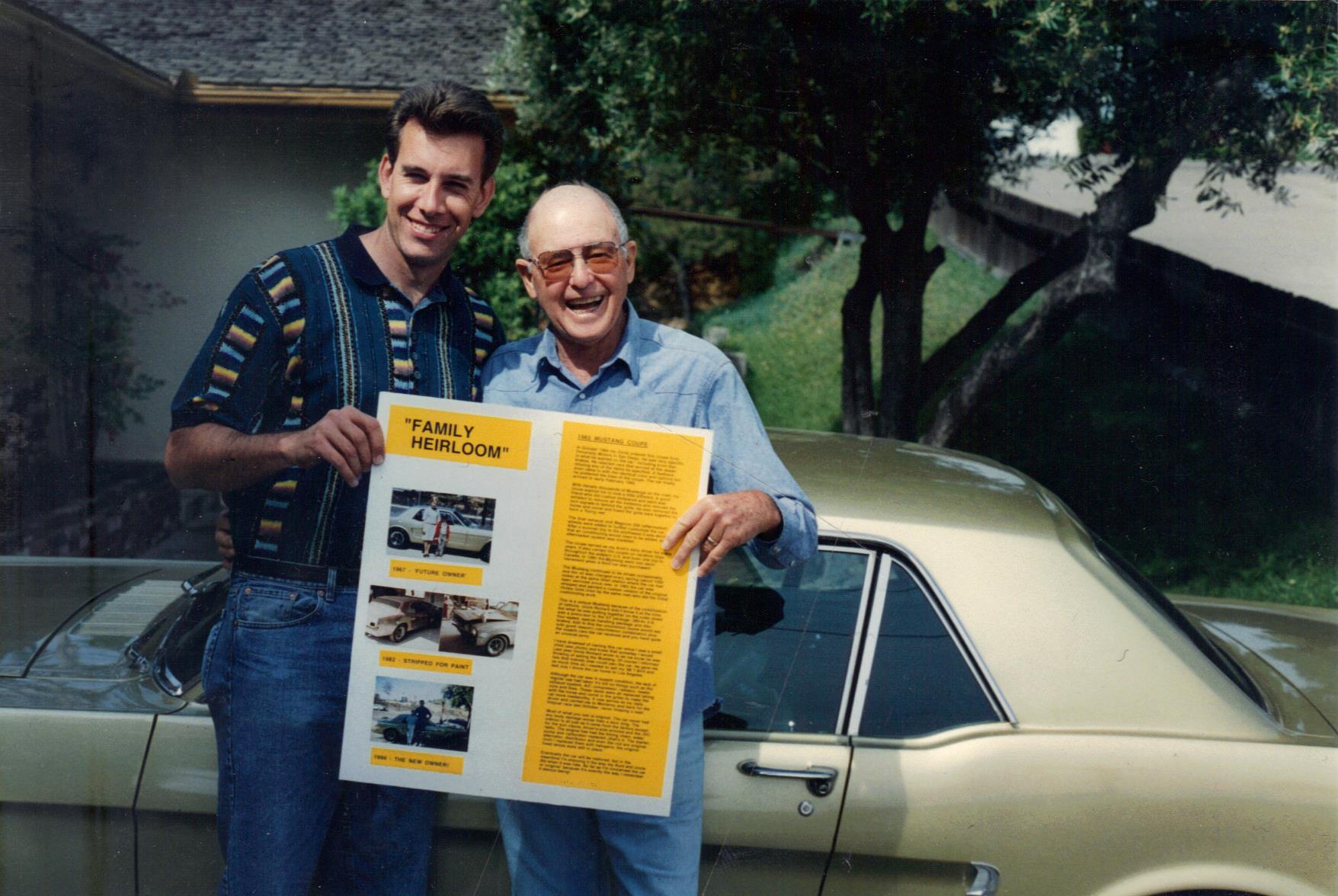
When I went down to their house to pick it up, we stood in the exact same driveway from that old photograph. The house was the same, the car was the same, and there I was. We had to do it. We grabbed a camera and recreated the shot, with Aunt Doris and me standing proudly next to the Mustang once again.
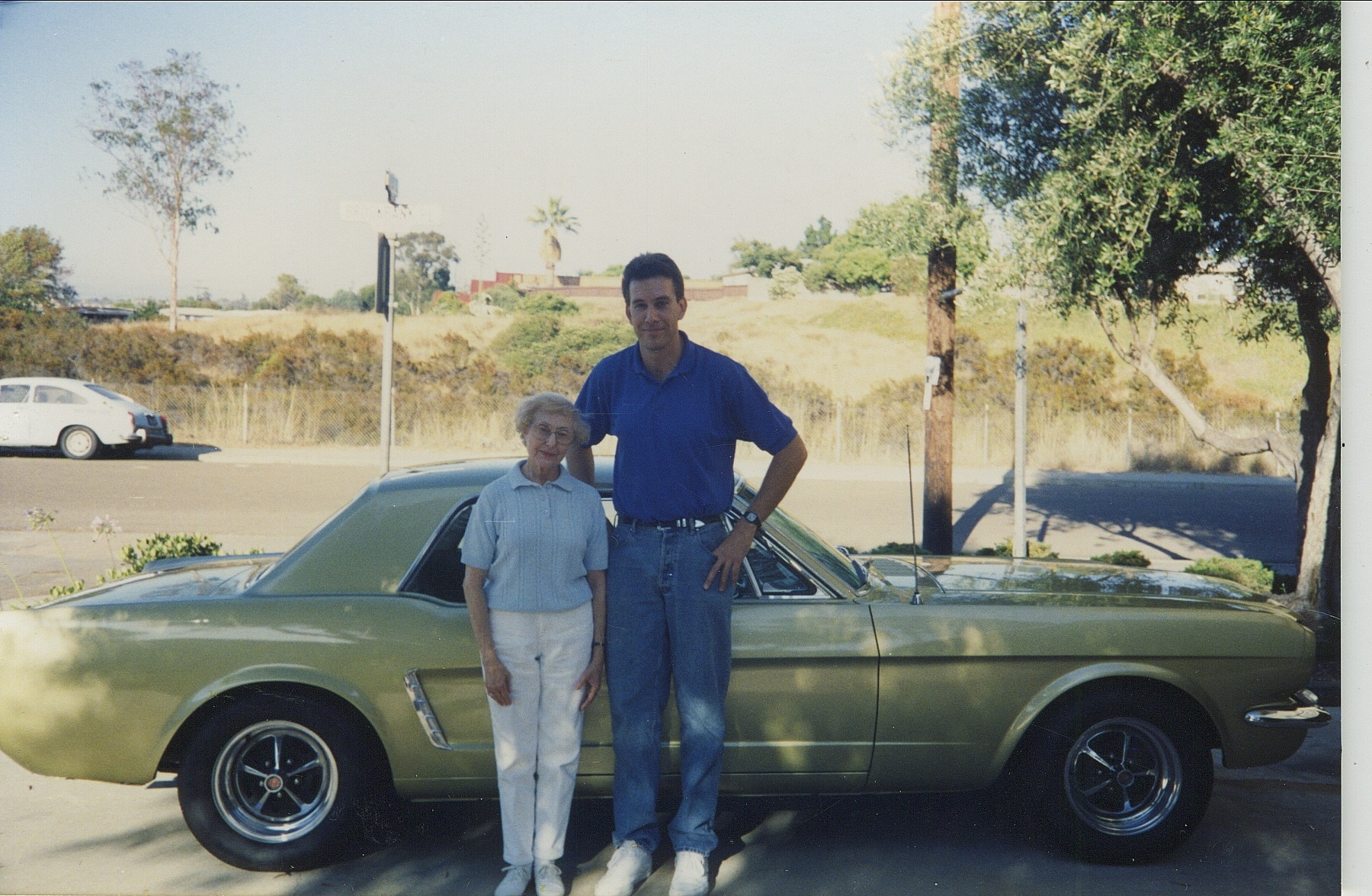
That moment, taking that second photograph, was everything. It was more than just a fun callback — it felt like a ceremony. It was the closing of one chapter and the solemn opening of another.
In that click of the shutter, I wasn't just buying a classic car; I was accepting the torch. I was becoming the next caretaker of a beloved family member.
Ever since that day, I’ve felt the weight and joy of that responsibility.
The odometer has rolled over, now showing 157,000 miles, but the engine has never been removed.
When I took ownership, the car transitioned from a quiet garage queen to a proud ambassador at car shows. I even created a display board telling its story, with that original photo of five-year-old me right at the center. My journey as its caretaker was even featured by Hagerty in their "Why I Drive" series, a day spent carving up Angeles Crest Highway and sharing the story that began in that San Diego driveway.
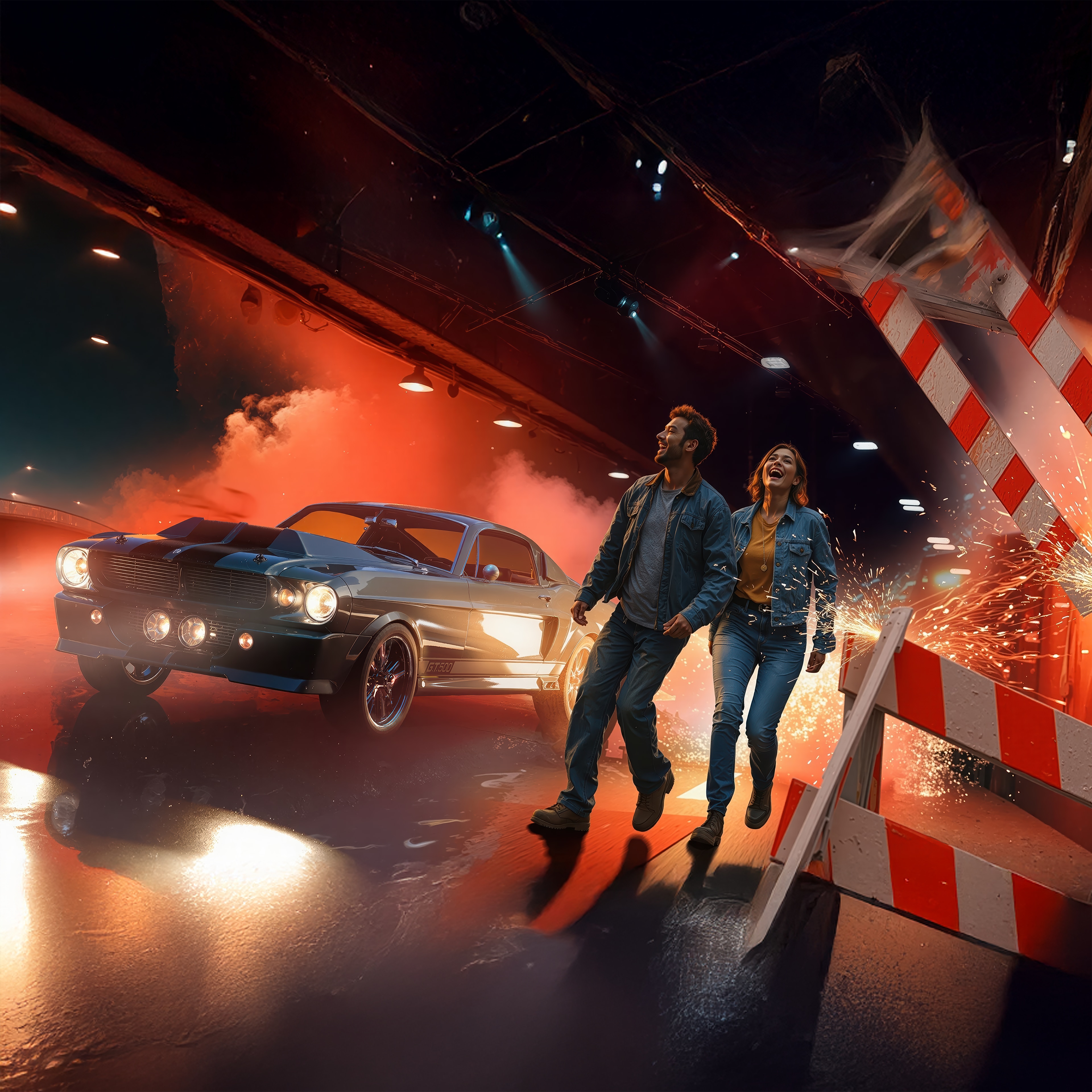
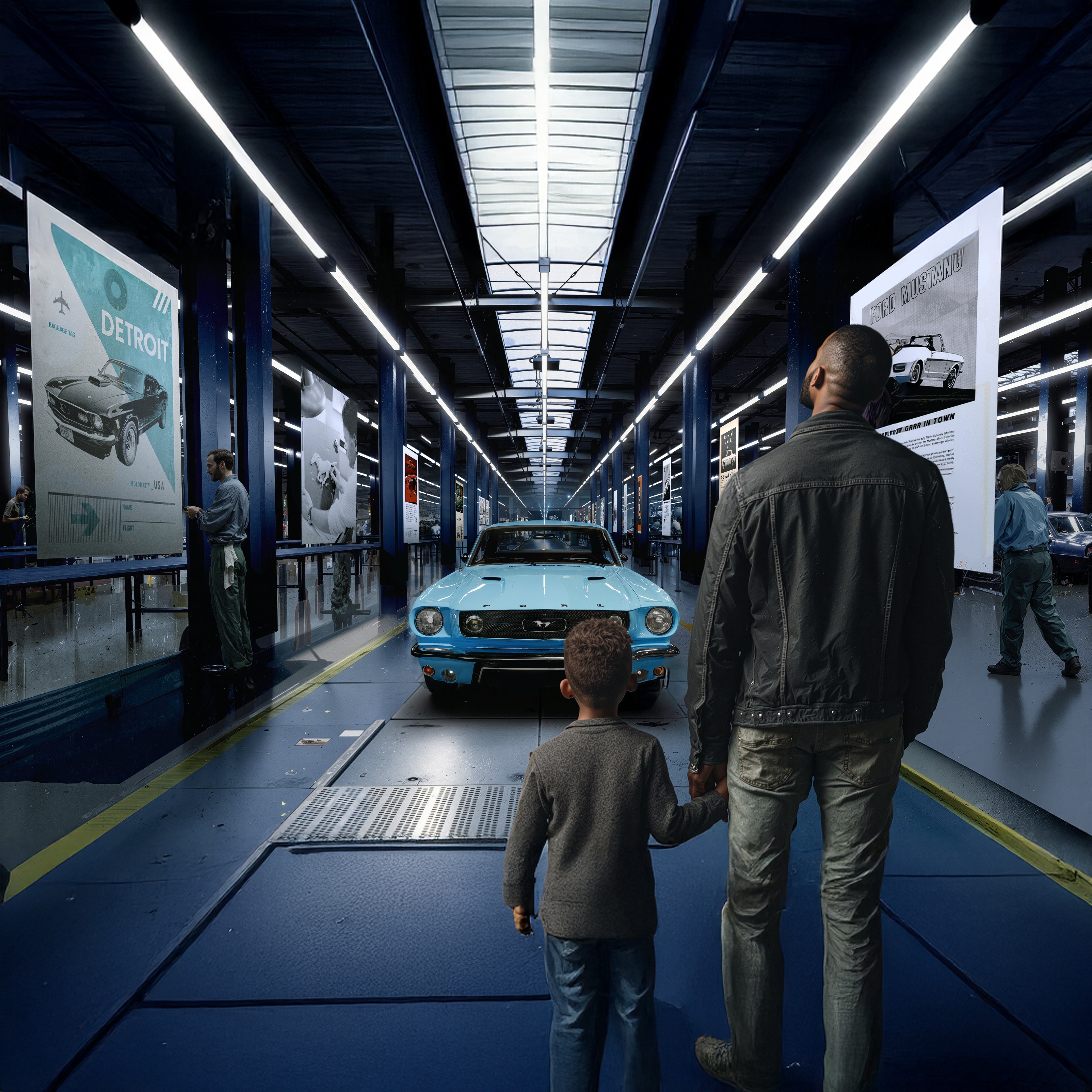
This powerful connection between a car and our own life stories is exactly what's being celebrated at the "American Icon: A Mustang Immersive Experience" here in L.A. (Shameless plug: You can see my story here).
It’s a fantastic exhibit that uses technology to tap into the nostalgia and emotion that the Mustang evokes. It reminds you that these aren't just machines; they are vessels for our memories.
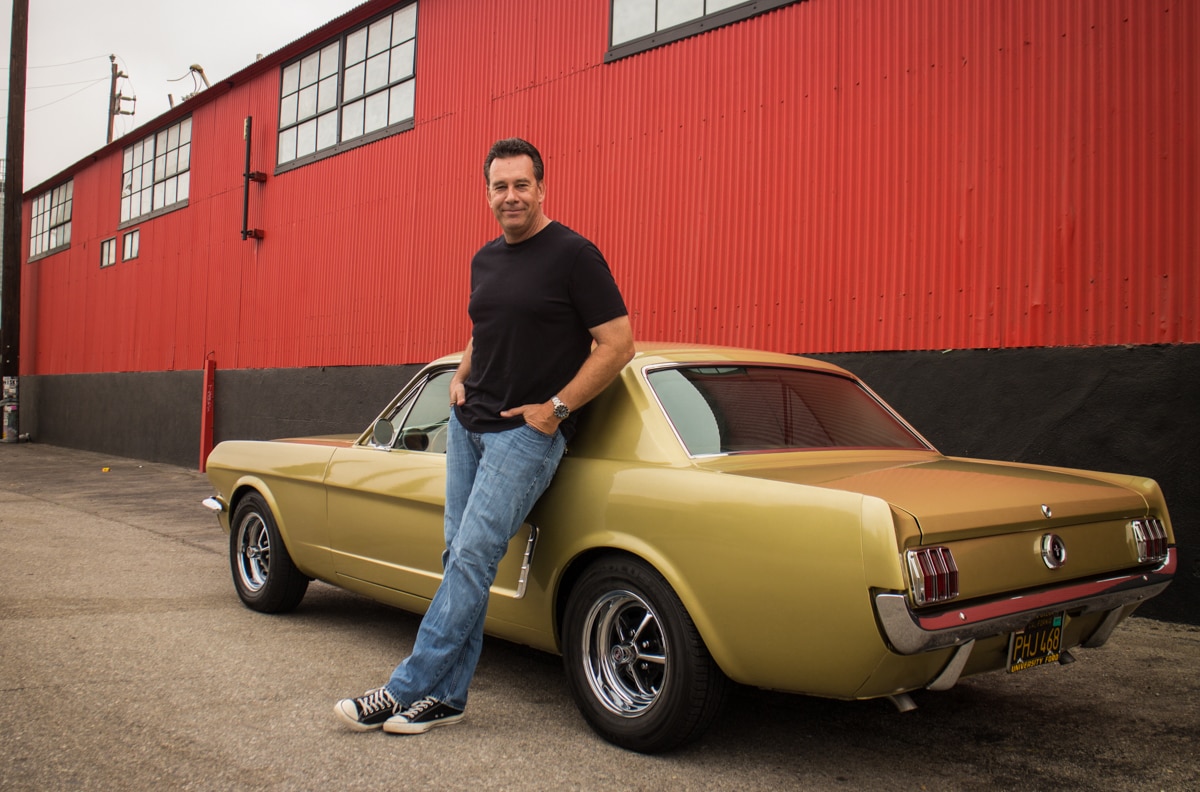
And that brings me back to my two photographs — the one from my childhood and the one that marked the passing of the torch.
I know I’m not the only one with a story like this. I know there are countless others who have inherited a beloved car and marked the occasion by recreating a piece of their own history.
So, dig out that old photo. The one of you in the backseat as a kid, the one from your high school graduation, the one of your parents bringing you home from the hospital. Go back to that spot with that same car, or one just like it, and recreate it. Share your then-and-now photos. Let's show the world that the most important part of any car's story is the people who love it.
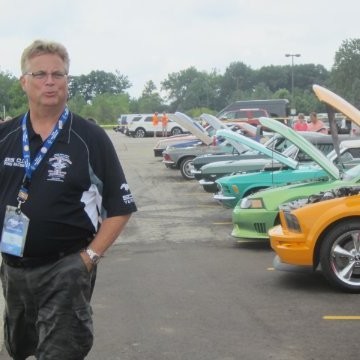
Dave Kunz is an automotive reporter at ABC7 LA.