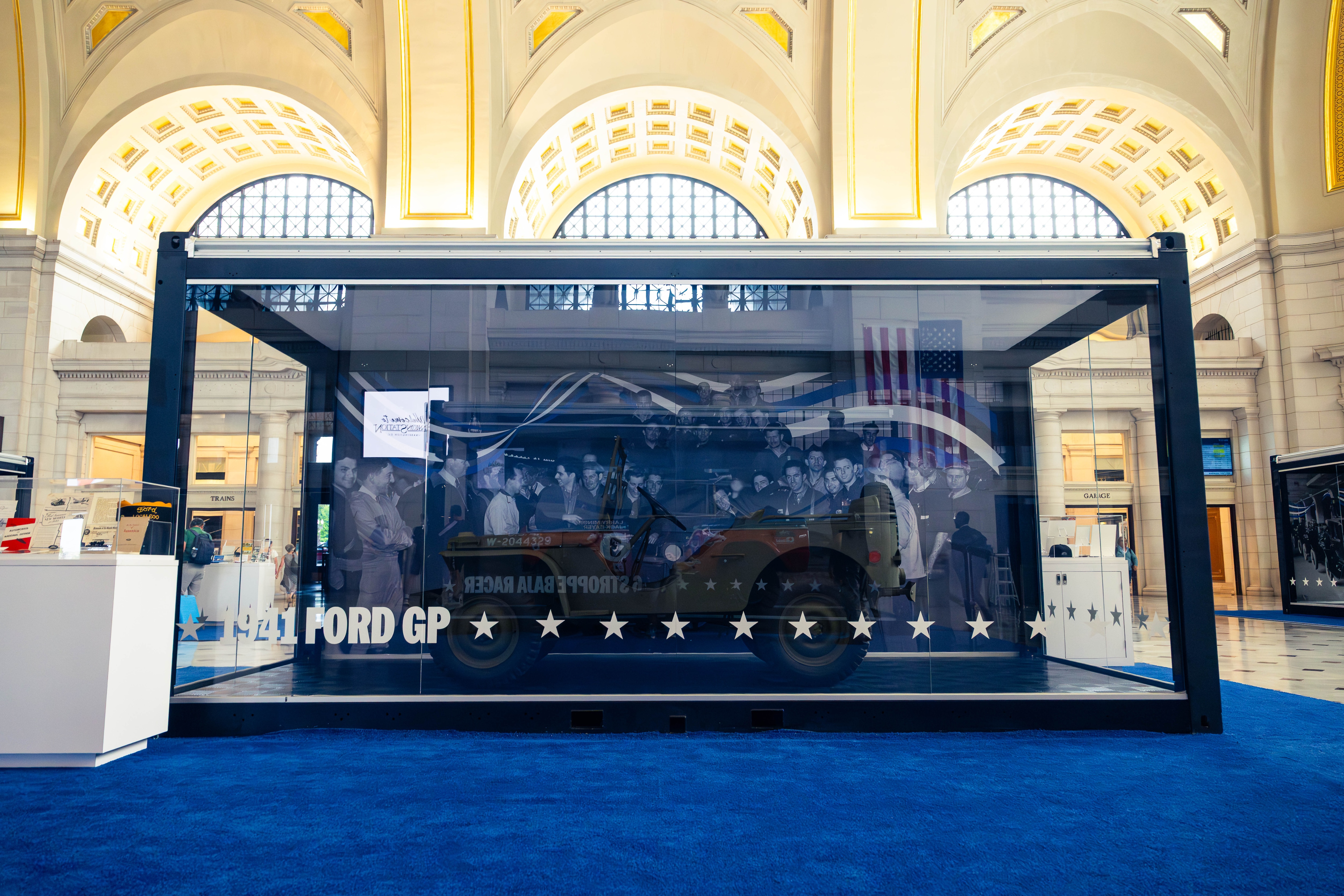
An icon of wartime resilience has temporarily taken up residence inside Washington, D.C.’s historic Union Station. From now until July 14, as the nation celebrates its 250th anniversary, our Driving America Forward exhibit is showcasing a rare 1941 Ford GP — a pre-Pearl Harbor prototype of the famous World War II "jeep" — and artifacts that showcase Ford’s century-long legacy of answering the call in times of national crisis.
The 1941 Ford GP
In 1940, with U.S. involvement in World War II imminent, the U.S., the U.S. Army asked three American automakers for plans to produce a general-purpose, lightweight, four-wheel-drive vehicle capable of cross-country travel while carrying various armaments.
The Ford Pilot Model GP-No. 1 Pygmy was delivered to Camp Holabird in Baltimore for U.S. Army testing on Nov. 23, 1940. It did not take long for the soldiers to change “GP” to jeep, and it became America’s oldest known "jeep" design.
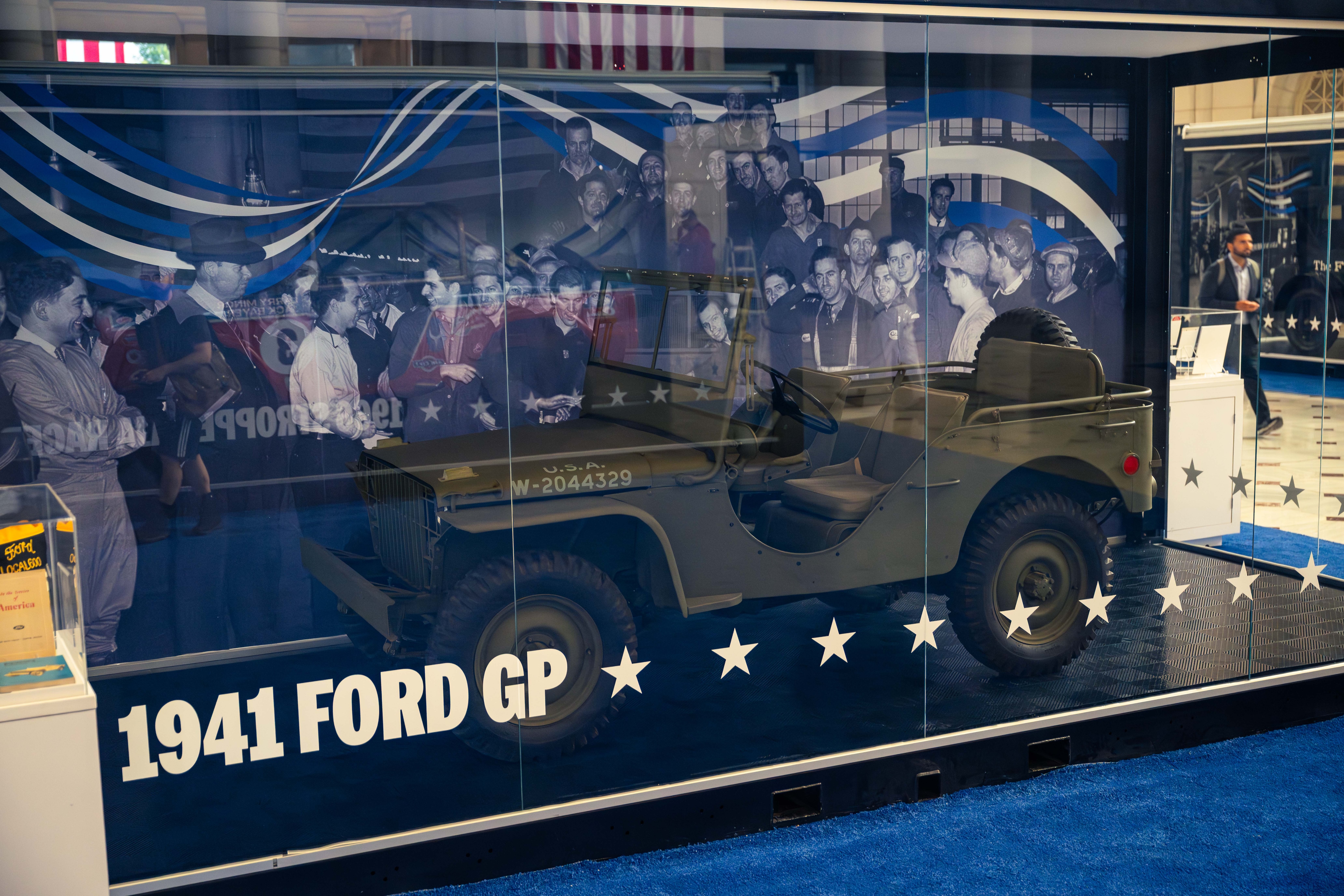
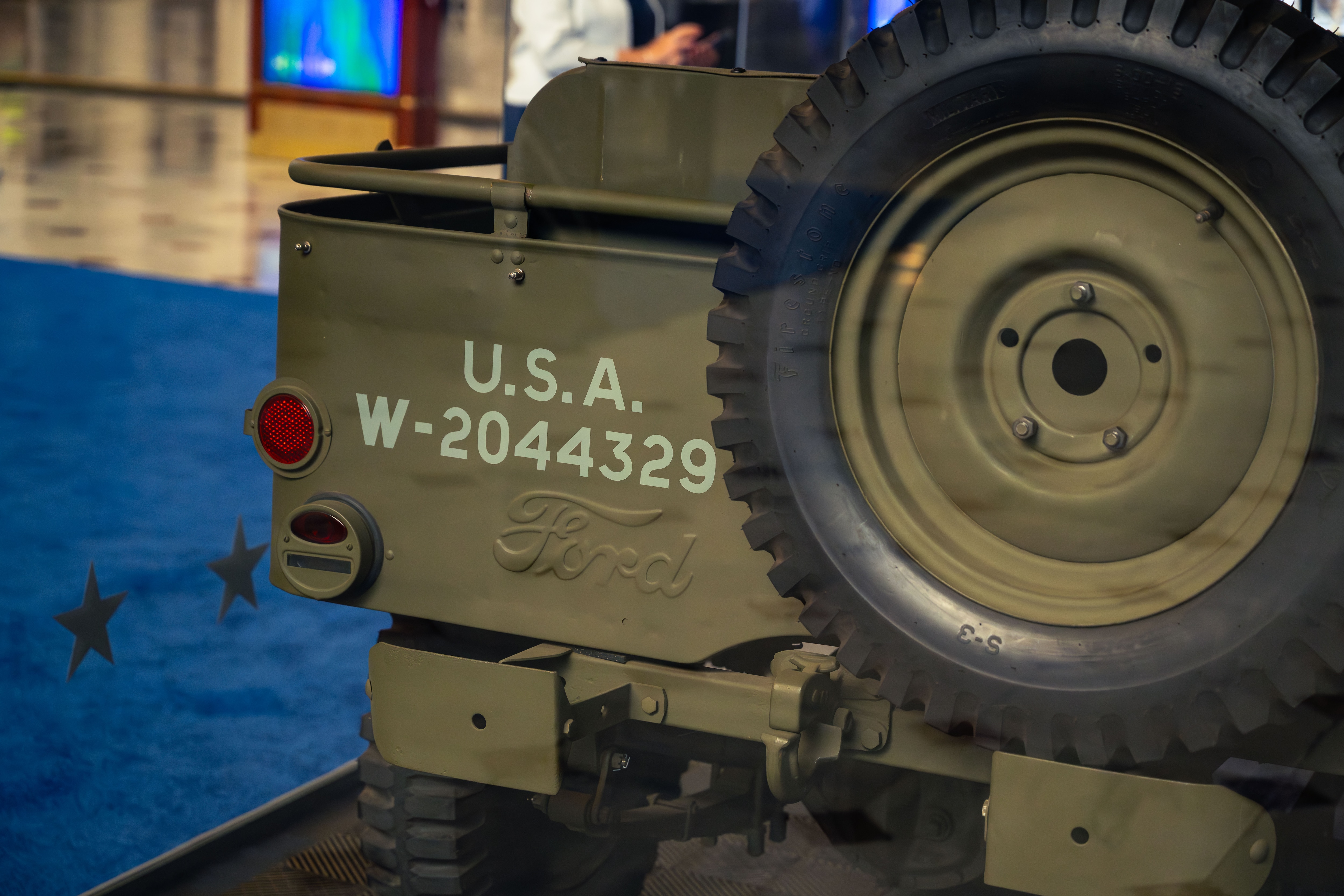
Its pioneering body style set the standard for all future Jeeps. The stunning vehicle on display at Union Station is a 1941 Ford GP — built in October 1941, just before Pearl Harbor. It is one of the last surviving examples of these highly coveted "early production" units.
The Artifacts Under the Glass
Directly alongside the 1941 Ford GP is a curated historical display case containing rare treasures from the Ford archives. Visitors can view an original Ford Model GP Manual and a vintage Veterans of Foreign Wars Ford hat, highlighting Ford’s deep history of supporting the military community.
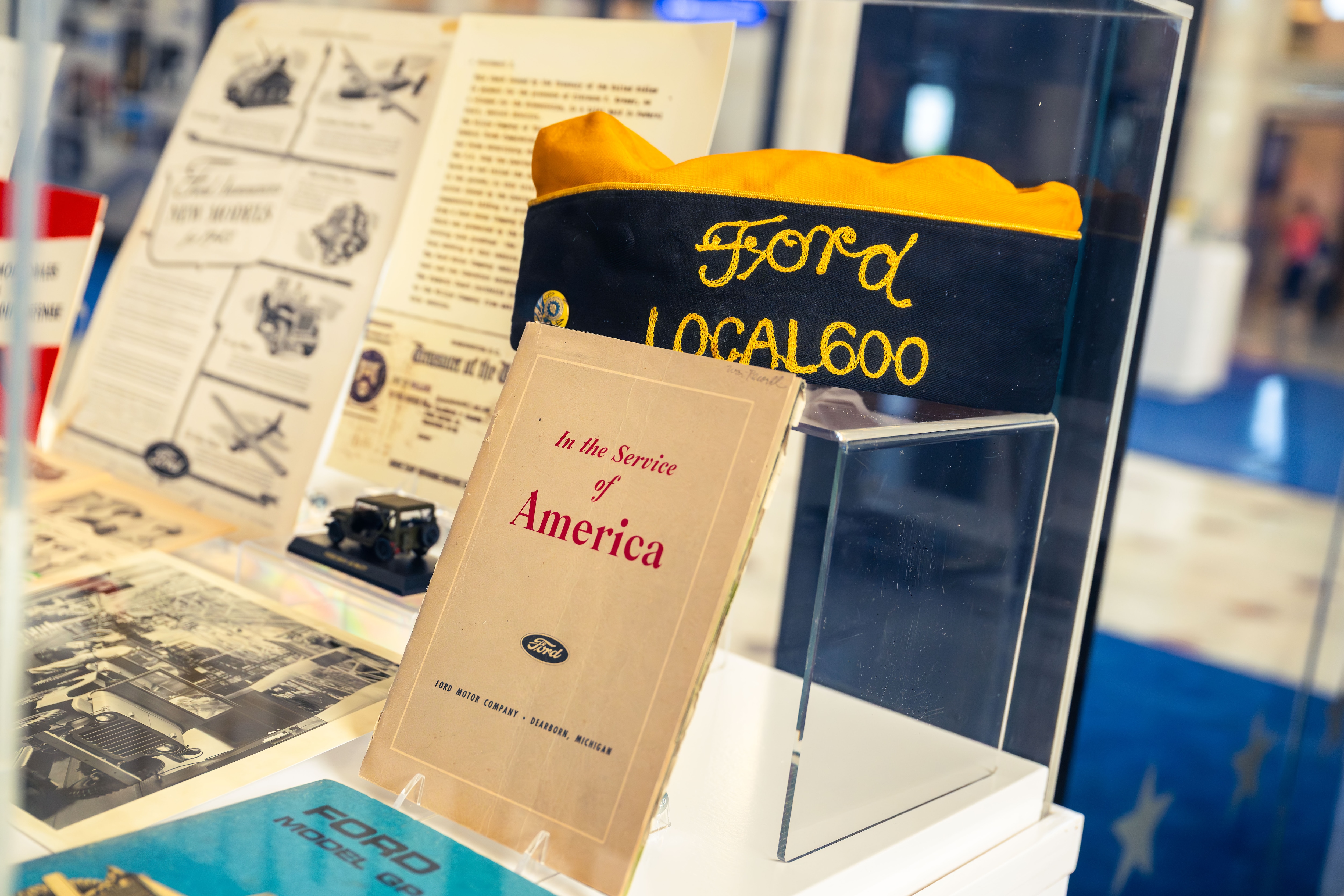
These artifacts tell the next chapter of the jeep's evolution. In late 1941, the U.S. War Department standardized the vehicle's specifications. They selected Ford's innovative body design and paired it with a Willys-designed engine.
This brilliant compromise allowed complete commonality and interchangeability of parts, resulting in lower costs and incredibly efficient repairs in battle. From that point on, these standardized Ford-produced vehicles were known as the "GPW." Ford went on to build an astonishing 282,352 GP/GPWs throughout World War II.
A Legacy of Service
In addition to the GP, Ford completely halted civilian manufacturing to put its entire industrial output into the Arsenal of Democracy. At the massive Willow Run plant, Ford applied the moving assembly line to aircraft production for the first time, churning out B-24 Liberator bombers at an unbelievable rate of one plane every hour at its peak and giving rise to the iconic "Rosie the Riveter" image when a military public relations team spotted Kentucky native Rose Will Monroe working on the line.
This legacy of rapid innovation and service has also shone outside of traditional wartime efforts.
In 1941, Ford News reported that premature birth was a leading cause of infant mortality in rural areas where medical incubators were rarely available. In response, Ford engineers collaborated with local doctors to design and deploy a low-cost, portable incubator to save newborn lives, later making major technological advances to improve the Iron Lung during the peak of the polio epidemic.
During the First World War, the company built more than 5,000 ambulances used by the U.S. Army on the battlefields of France, utilized its moving assembly line to produce submarine-chasing "Eagle Boats," and pioneered dedicated hiring initiatives for returning disabled veterans, which launched a proud 100-year partnership with the Disabled American Veterans organization.

Did you know Ford’s efforts also helped put a man on the moon? Decades later, Ford served as the primary contractor constructing Mission Control at Johnson Space Center, providing the advanced electronics and transistor technologies critical to landing a man on the moon during the Apollo program.
Most recently, when the COVID-19 pandemic struck, Ford engineers launched a modern-day "Project Apollo," pivoting manufacturing lines overnight to produce and distribute millions of life-saving ventilators, respirators, face shields, and masks to frontline healthcare workers.
Come see these icons and others in Ford’s Driving America Forward experience at Washington D.C.’s Union Station from July 1-14.
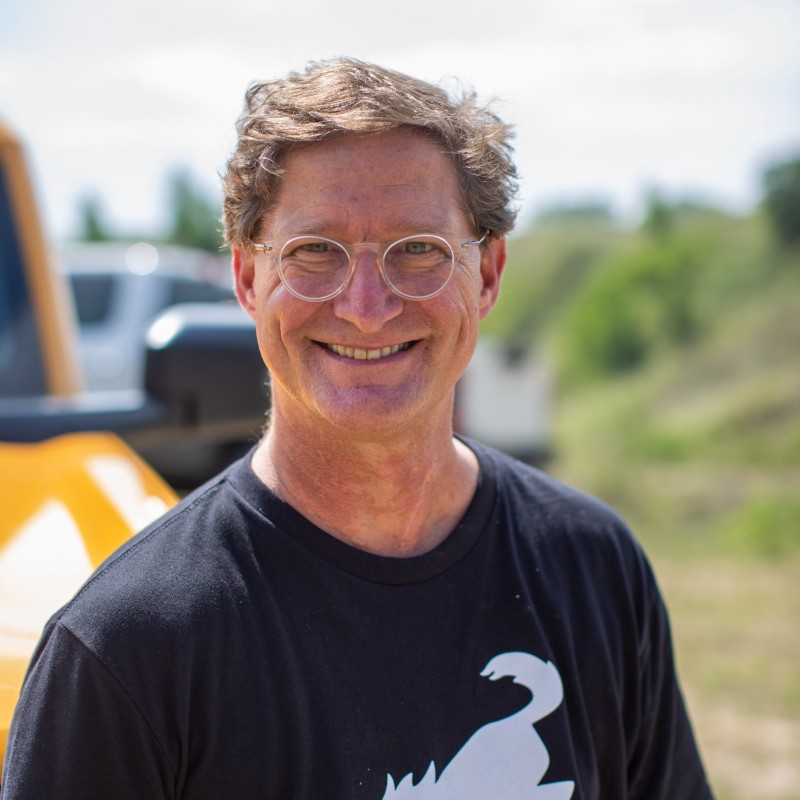
Ted Ryan is heritage brand manager and archivist at Ford.