
At Ford’s 2.1-million-square-foot headquarters, the line between indoors and outdoors is beginning to blur.
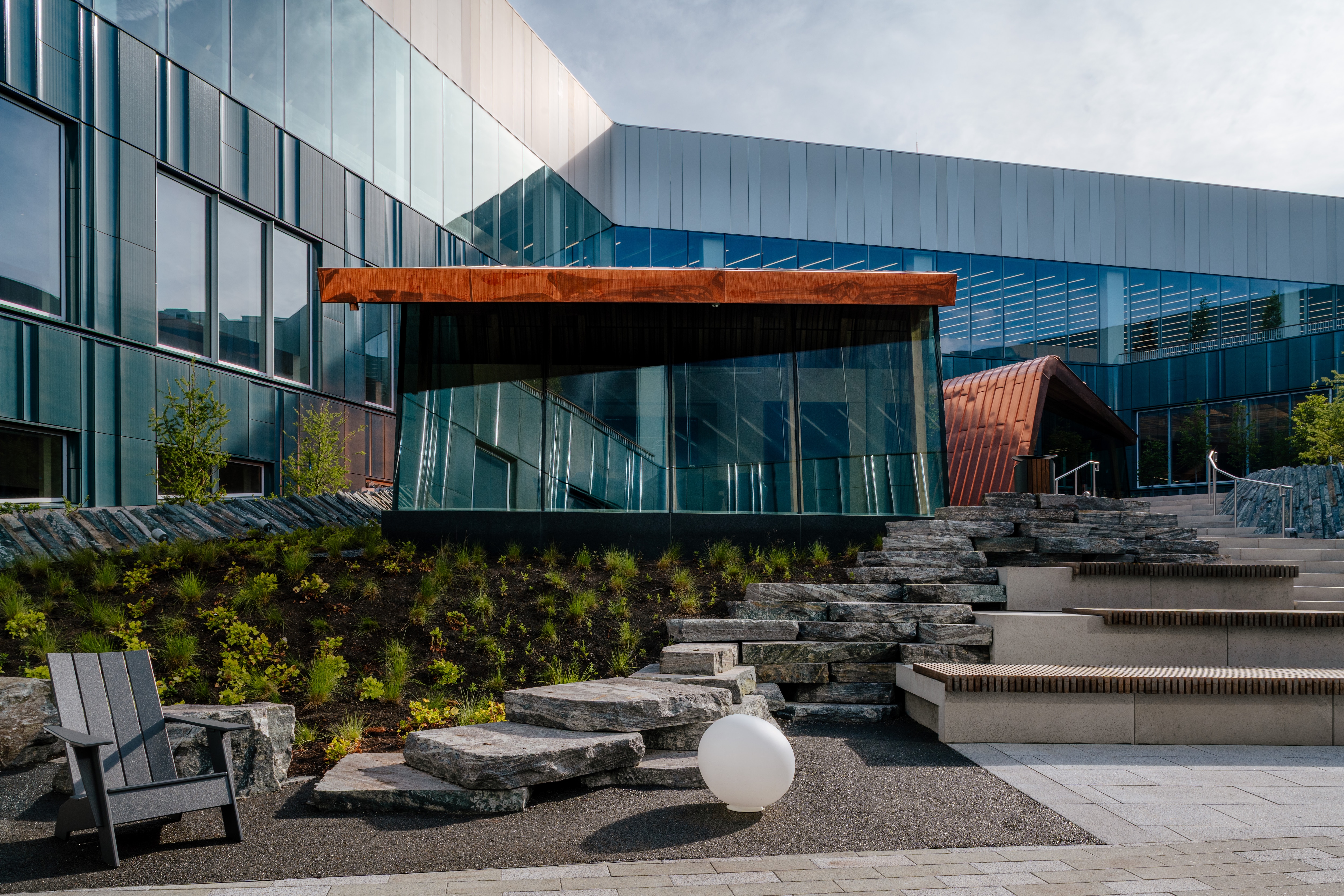
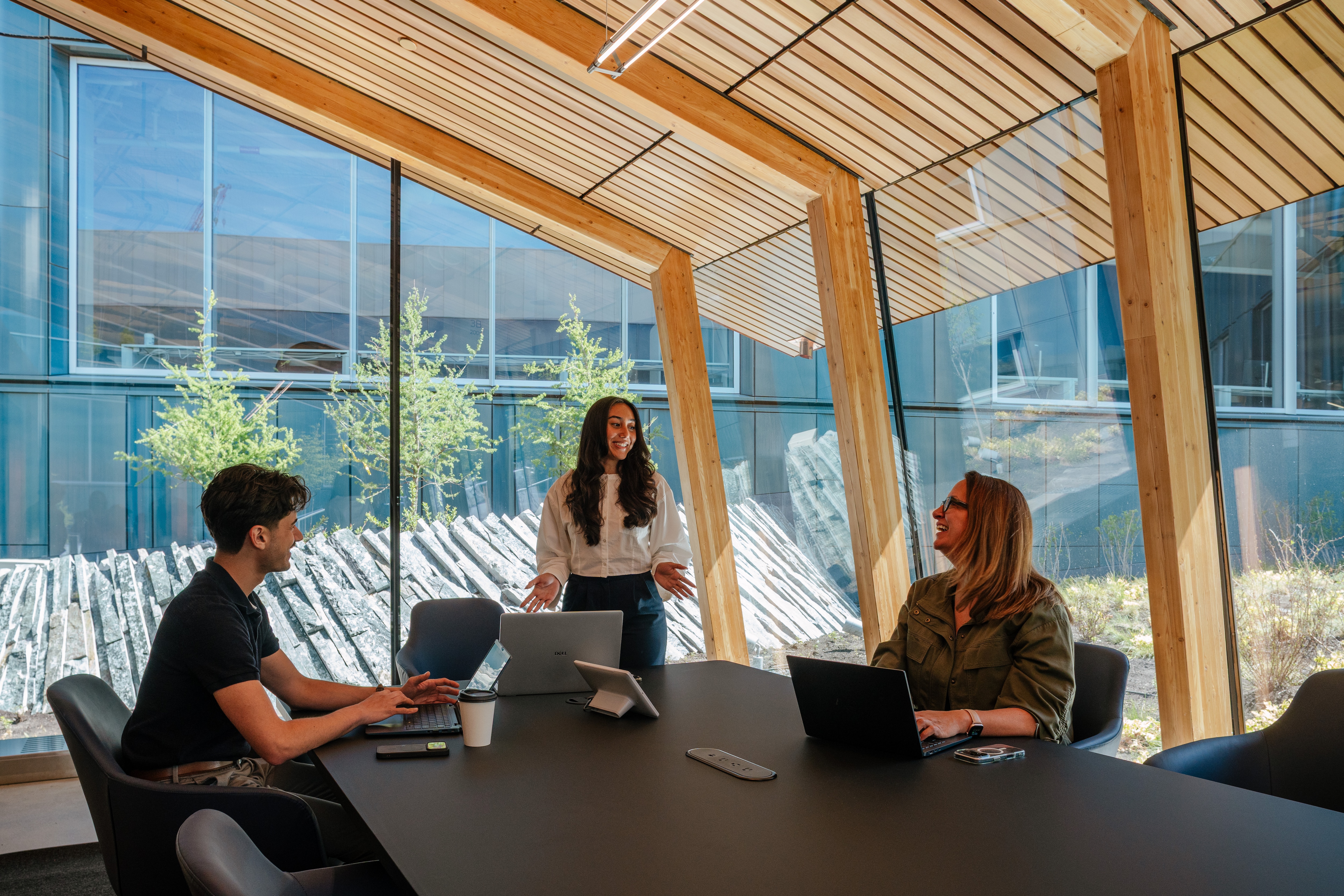
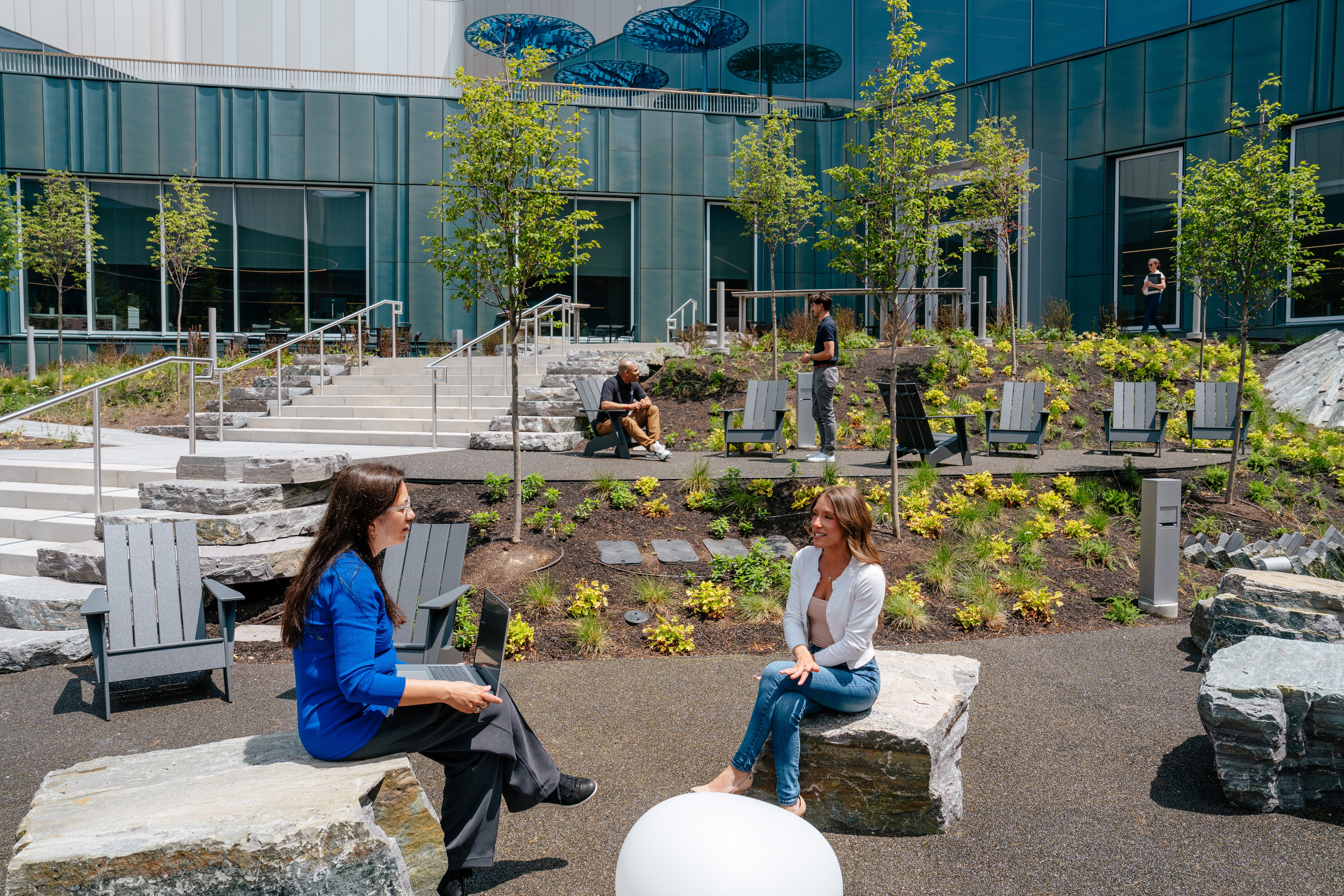
Suspended within the building are six distinct, Michigan-themed courtyards — Savannah, Forest, Great Lakes, Dunes, Falls, and Fern Gully — and now, the Great Lakes Courtyard is open. Jagged Northern Michigan boulders line the walking paths between two copper and glass-enclosed pavilions. Underneath this natural environment, the clay milling shop hums with Ford's latest prototypes.
These unique spaces are a testament to World Headquarters’ human-centered design — built to bring a new kind of creative energy to the workplace, improve employee well-being, and enable a more collaborative design and prototyping workflow.
Inspired by the Region
The six courtyards draw inspiration from distinct Michigan ecosystems through their names, material choices, and landscaping. Let's take a closer look at the Great Lakes Courtyard.
Formed by Function
These courtyards, however, are more than just a nice view.
They're part of a larger mission: The Ford World Headquarters was designed and built around a new vehicle design and prototyping process — and its shape emerged from the new arrangement of the six design studios.
Laid out in a chevron or V pattern, each studio pairs with another to form a diamond when viewed from above. The center point is anchored on a shared outdoor review courtyard, allowing teams to rapidly and efficiently evaluate products in natural conditions.
Each review courtyard is elevated above one of the three large courtyards (Great Lakes, Savannah, and Forest), which employees can access throughout the day or for special events. The three additional smaller courtyards (Dunes, Falls, and Fern Gully) bring the total outdoor space to more than 110,000 square feet within the building's footprint.
The Courtyard Oasis
The courtyards serve a critical function for design, but they also serve a deeply human one: Connecting with nature is good for us. This simple truth underscores the concept of biophilic design, or tapping into nature. We wove this core principle of contemporary architecture into the design of the new headquarters.
The outdoor spaces are intentionally less formal, allowing people to lower their “metaphorical walls” and build a stronger sense of community. These courtyards also break down the massive scale of the building, bring natural light throughout, and provide easy access to the outdoors. For those in need of a pause, they’re a space to step away from the sensory stimuli of screens.
Inside the courtyards, you’ll feel the breeze and hear the wind through the trees. You might also hear bird sounds occasionally, but this is the one part of the experience that isn’t fully natural. A bird deterrent program on the roof emits calls of birds of prey to keep our outdoor spaces clear and protect the vehicles under review.
Inspired by Legacy
These courtyards are also a connection to our past, with every single one incorporating subtle nods to Ford Motor Company's rich history and ongoing legacy.
Inside the Great Lakes Courtyard, for example, the winding walking paths mirror the shape of Ford’s test track across Oakwood Boulevard. The two pavilions are dedicated to Jim Hackett, Ford CEO from 2017-2020.
With a strong belief in the power of "Design Thinking," Jim challenged the organization to focus on the human experience through the design of our products and workspaces, which, when designed well, have the ability to positively impact our daily lives.
The shape of the pavilions brings us further back in time to the days of Henry Ford’s leadership. These pavilions were inspired by the camping tents that he and his band of “Vagabonds” — Thomas Edison, Harvey Firestone, and John Burroughs — took on their legendary cross-country camping trips from 1915-1924.
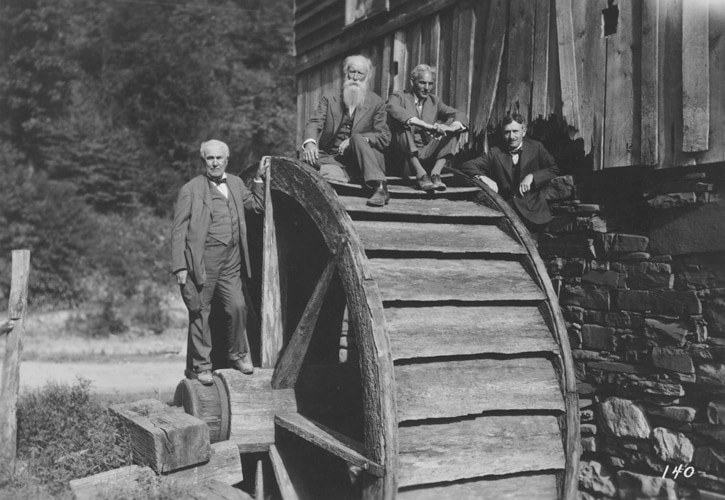
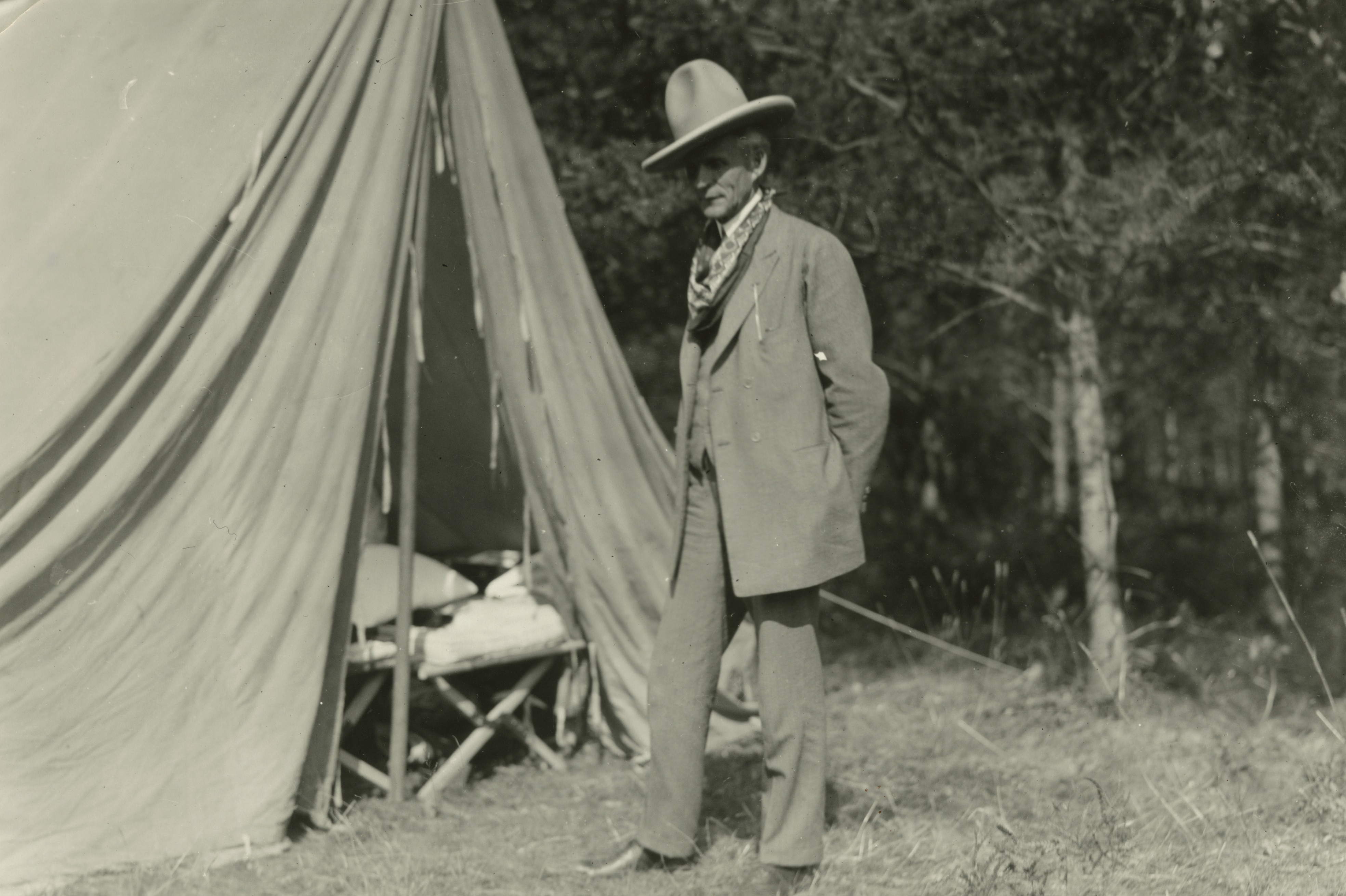
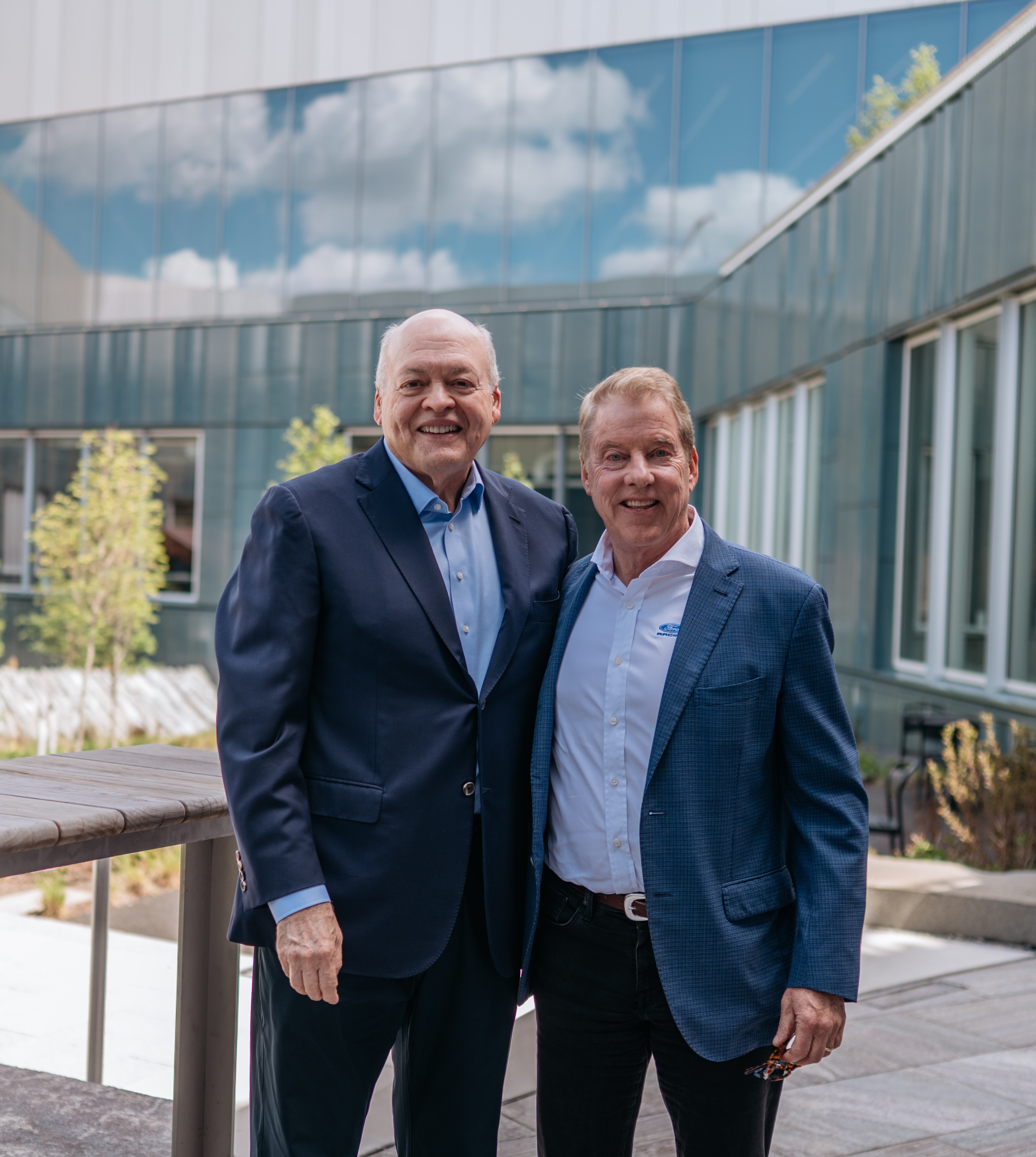
Immersing themselves in nature gave the Vagabonds time and space to solve society’s greatest challenges; now, our teams will be able to do the same.
Suspended Between Floors
Only half of the building’s courtyards are accessible from the first floor, which means the rest are suspended between the floors. In fact, part of the terracing of the Great Lakes Courtyard accommodates the highest clay milling machine directly below.
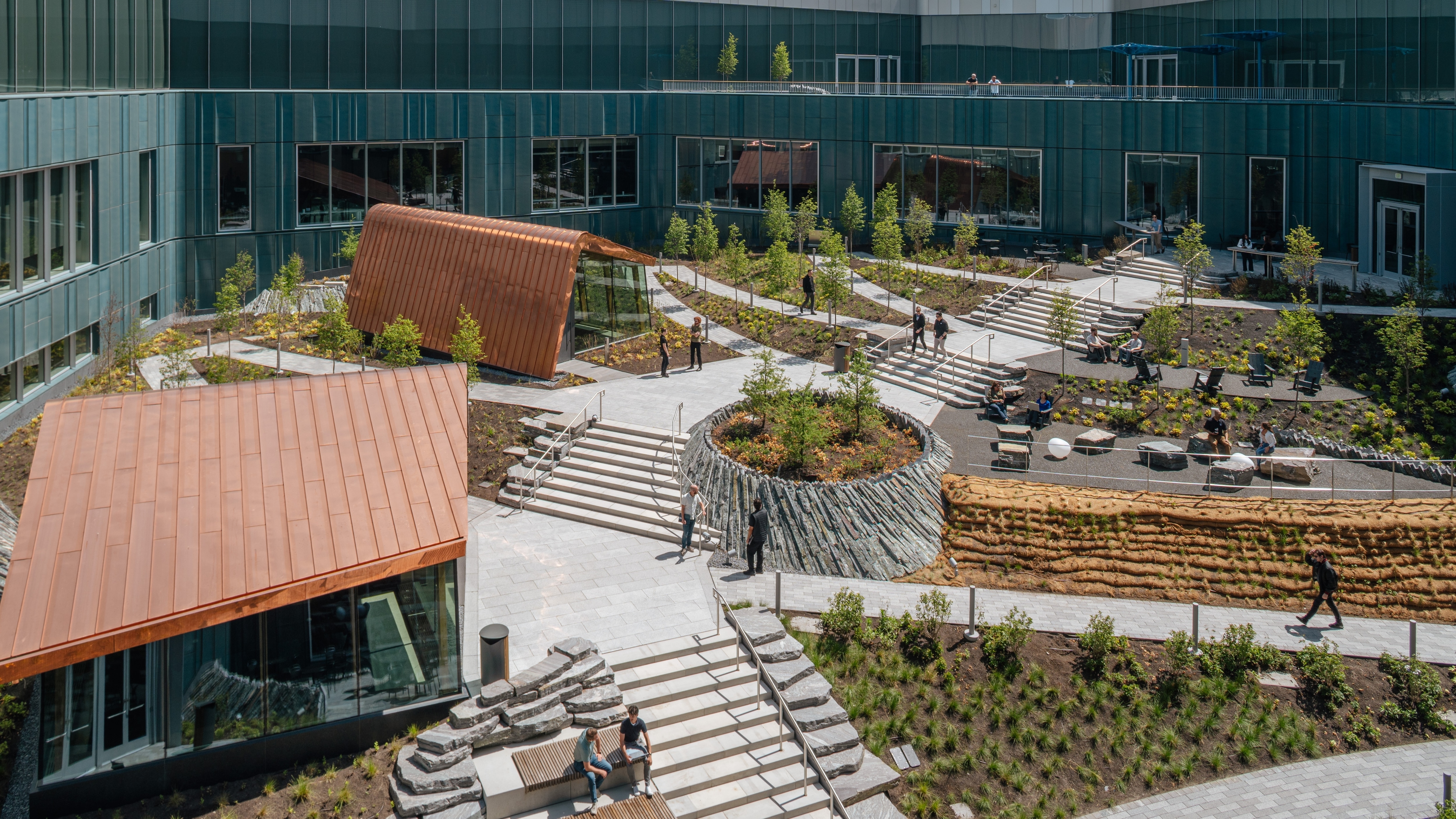
Carrying this load across the building's steel structure means every ton counts. The team filled the courtyard with geofoam to reduce the weight and distribute the load, then installed a series of permeable and impermeable membranes to let the water drain appropriately. You can think of the courtyard like a plant in a pot — the structure contains and allows everything inside to flourish.
The Mark of a Successful Design
Every design decision is grounded in internal research, external benchmarking, and thousands of lessons learned along the way. We spent years doing an intensive study into how we work, what teams need, and what could help them work better.
We can collect all sorts of data to demonstrate whether a design is successful. Perhaps the most interesting and compelling, however, is intangible and anecdotal.
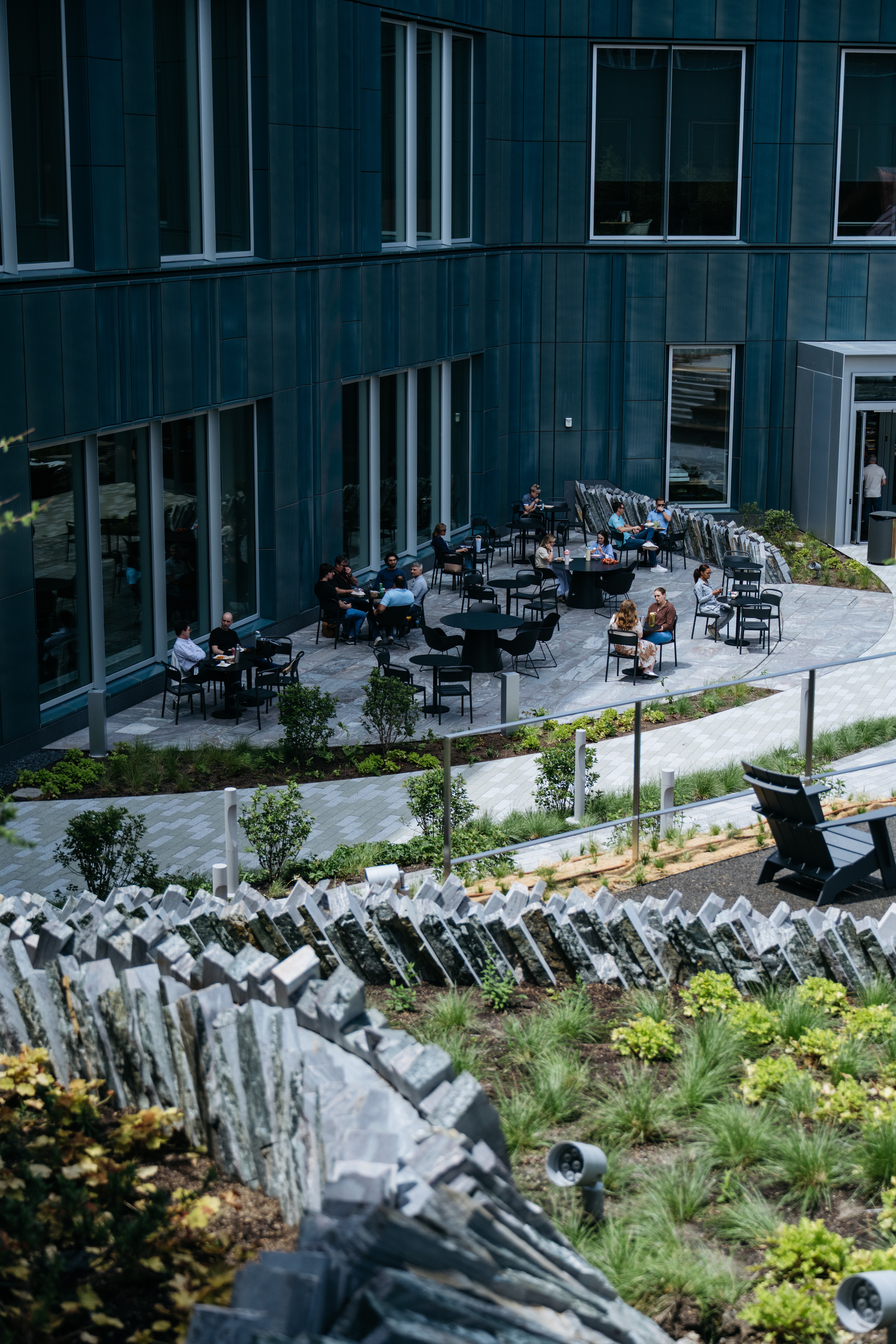
We have seen phenomenal culture changes with the opening of the Gallery Hall within World Headquarters. Employees from across campus and leaders across the organization convene and have lunch, and serendipitous conversations occur across rank and team. We expect this relationship-building will continue with the courtyards.
Within this massive hub of product innovation, you will find nooks that provide respite and quiet; avenues that provide spontaneous interactions; and views that connect you to the history, community, and progress embedded in Ford. Putting the human experience at the center of every design decision creates environments that people want to use and continue to come back to.
Sean Corriveau is the global studio director of Ford Land.