
Daniel Ricciardo's Roar: From F1 Tracks to Raptor Thrills

Motorsports


Half the field will not finish. That is the unspoken promise of the Baja 1000, an 850-mile fever dream of geology and grit where advantage dissolves as quickly as the sun drops beneath the Pacific. Racers call it the “coin flip of the desert” — you enter knowing the odds are no better than 50–50.
Consider this: In ultramarathon events, the average DNF (did-not-finish) rate is around 38% — elite athletes on foot, in controlled settings, fail almost four times in 10.
In Baja, conditions raise that bar even further. Every rock, every canyon, every night crossing nudges the equation toward attrition.
This November, Ford Racing is going all-in, looking to defy those odds.

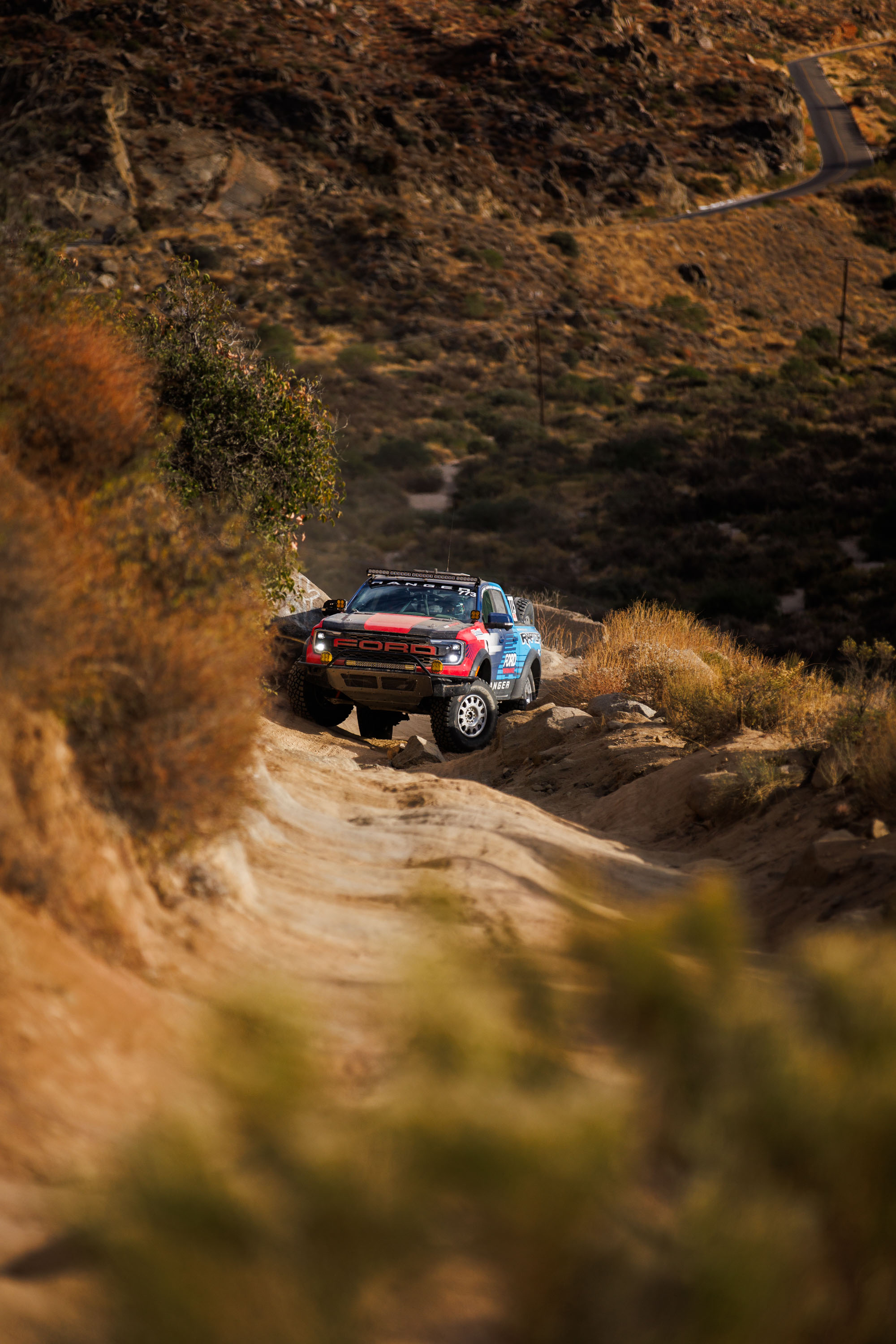
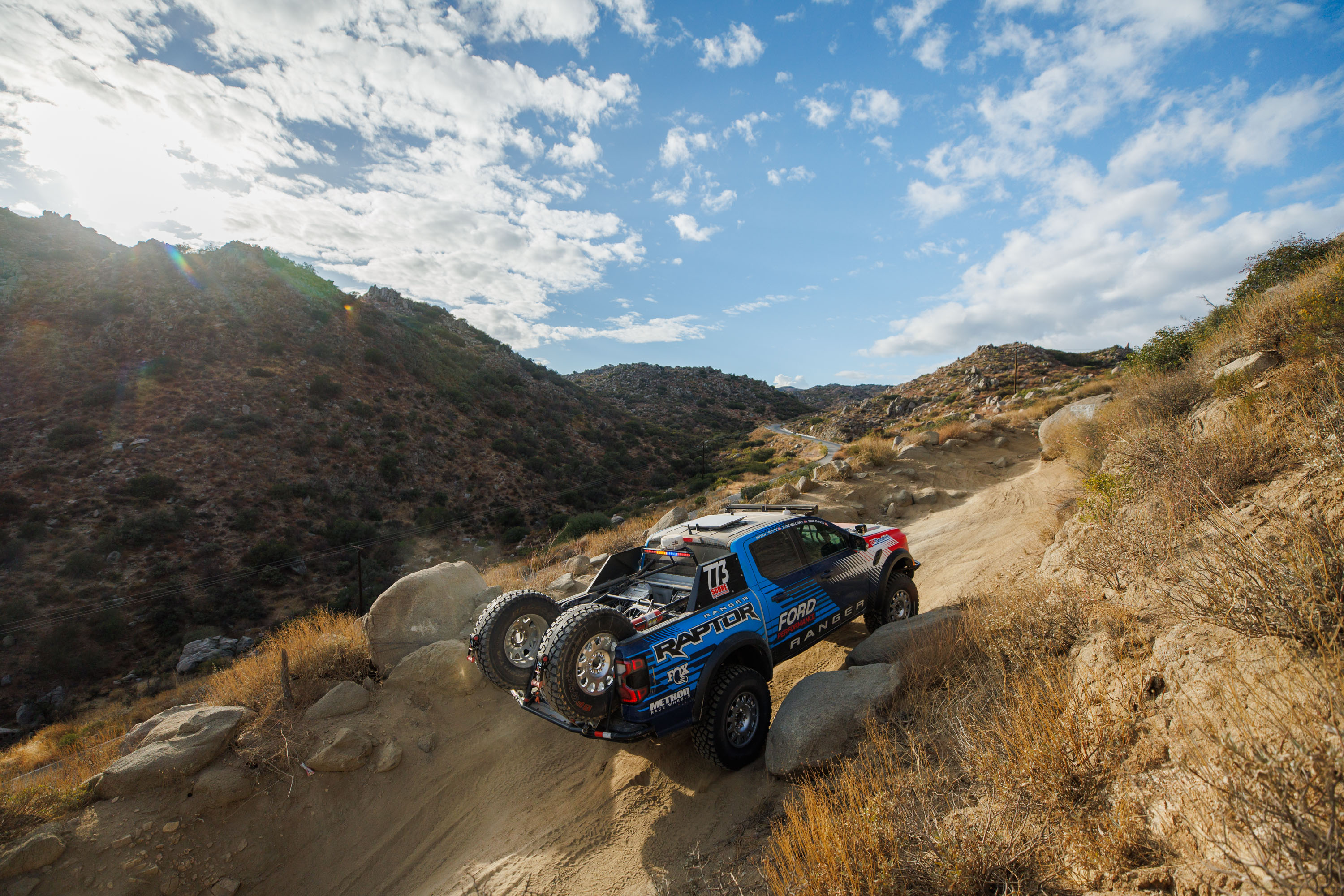
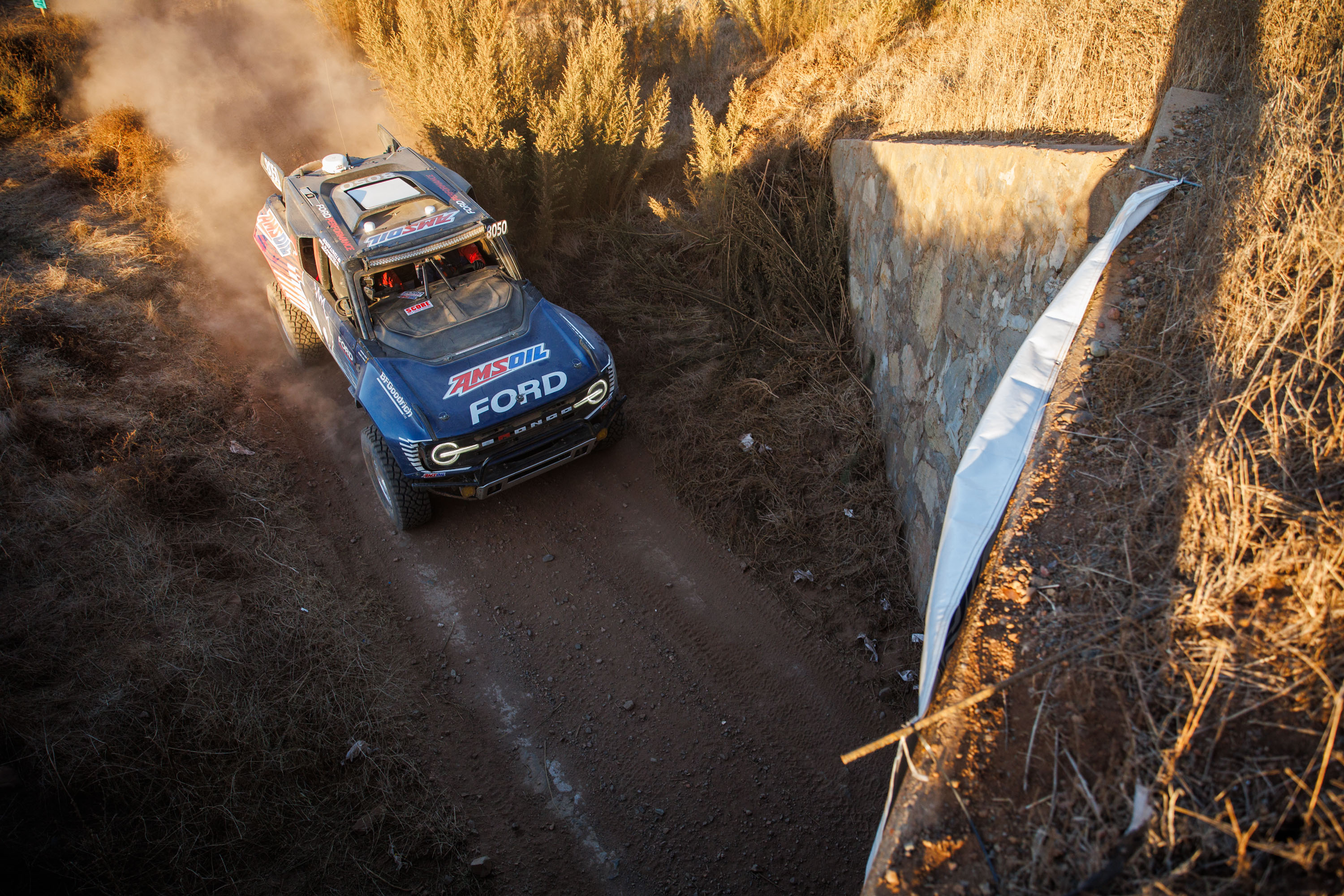
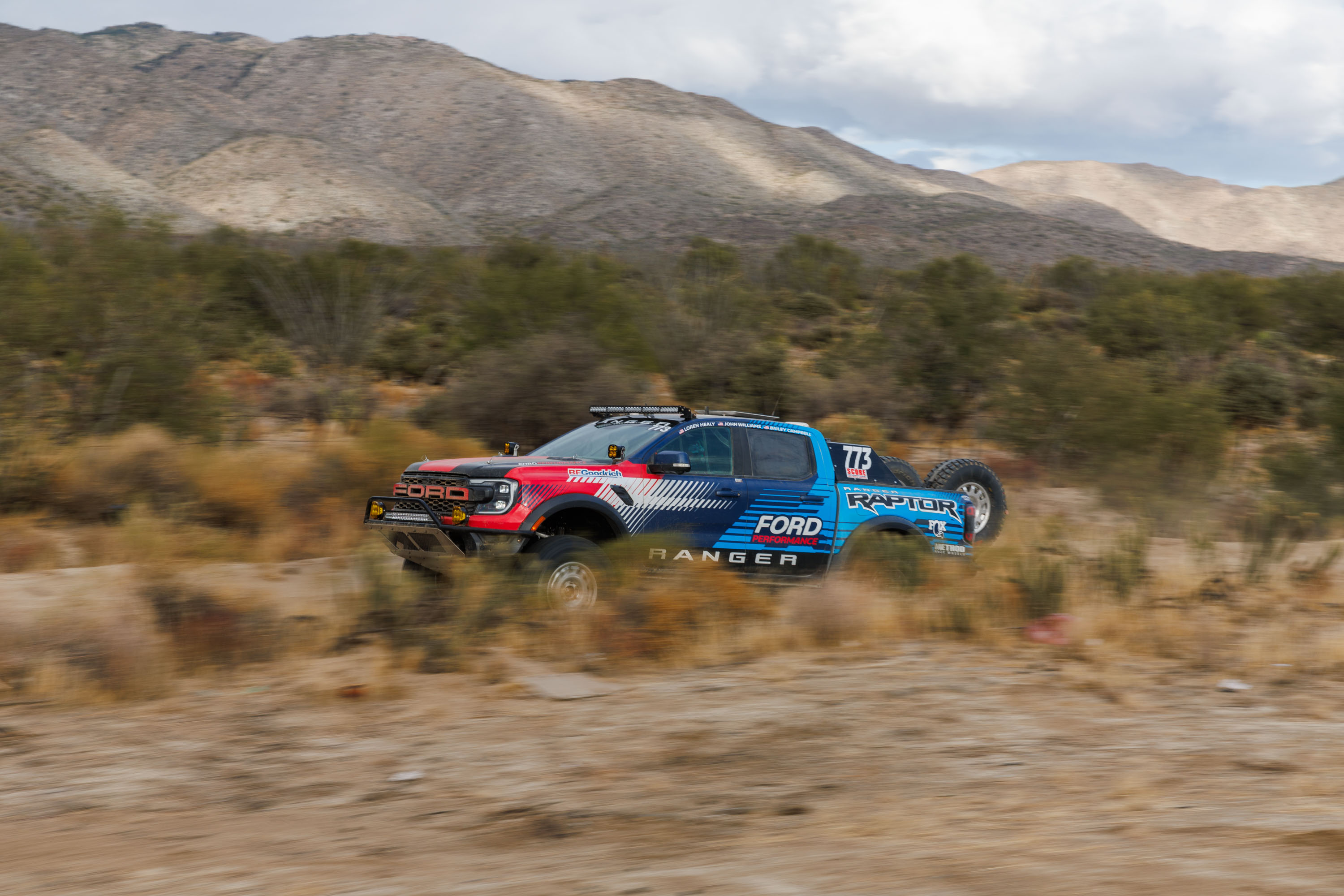
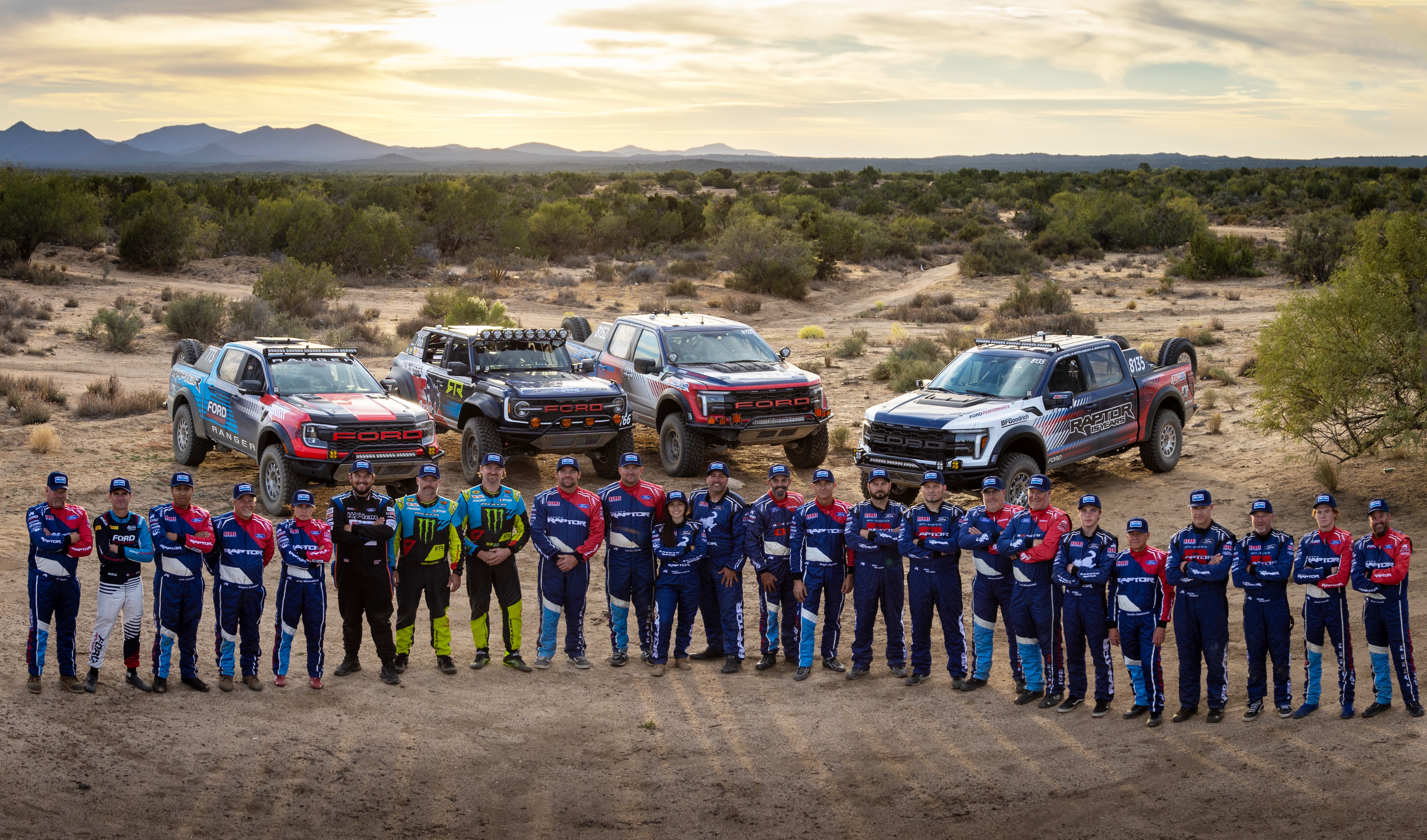
For the first time in its 15-year history, every vehicle wearing the Raptor badge — F-150 Raptor, Raptor R, Ranger Raptor, and Bronco Raptor — will line up together in Baja, the proving ground that forged the nameplate.
Ford is hedging that boldness with preparation: the Raptor program has used Baja as an engineering crucible since 2008, transferring race-proven learning straight into the trucks customers drive. Durability testing, suspension tuning, cooling systems — each generation is tougher and faster because the desert demanded it.
“Baja is where Raptor was born, and it’s where we continue to sharpen its edge,” said Mark Rushbrook, global director, Ford Racing. “Bringing all four Raptors here is a commitment to proving these vehicles in the harshest environment we know. If you can survive Baja, you’ve earned the badge.”
“You don’t come to Baja to prove something to other people,” adds veteran Ford driver and Off-Road Hall of Famer Brad Lovell. “You come to prove something to yourself.”
Four Raptors. A dozen drivers. One finish line.
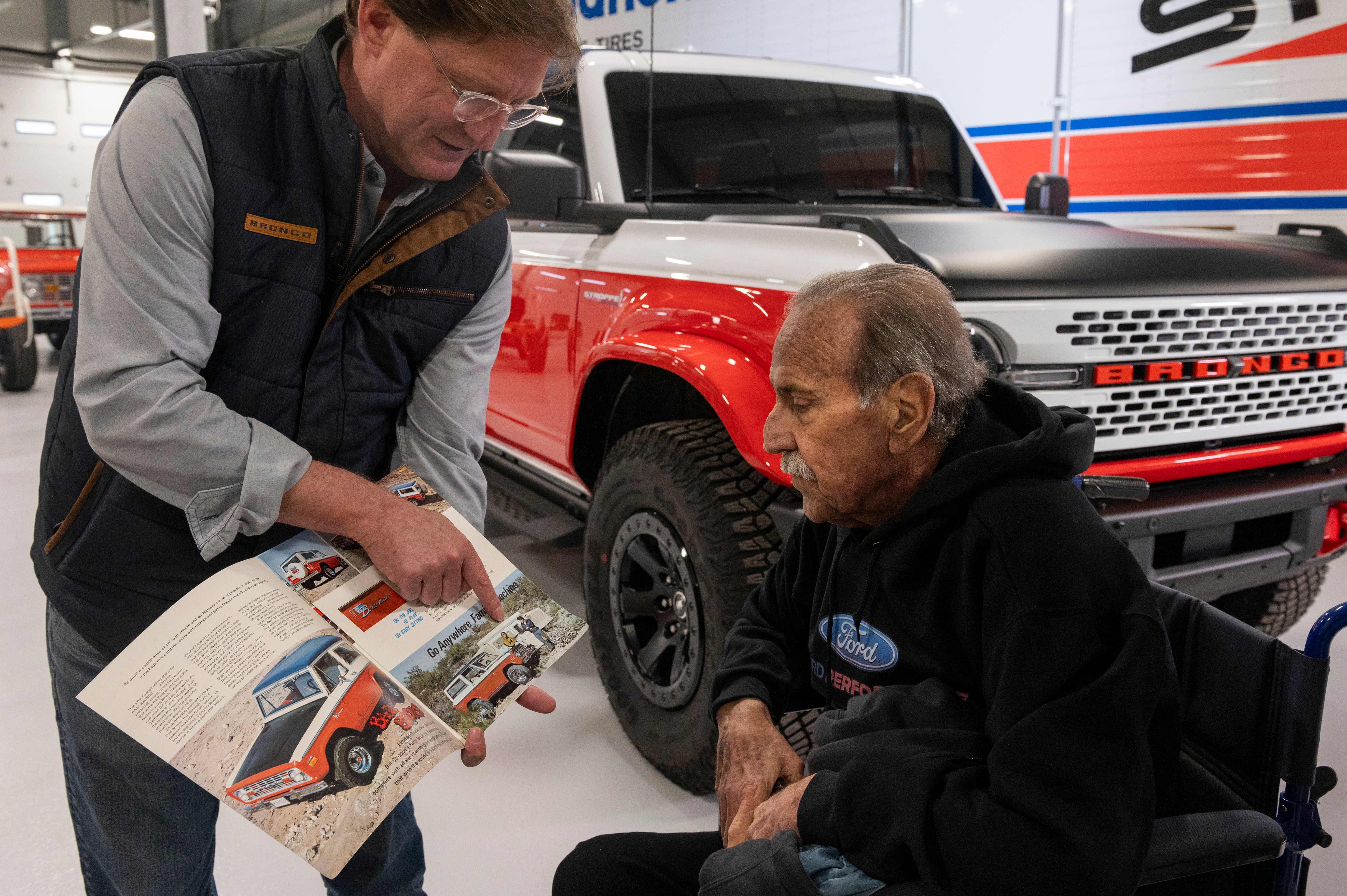
The Raptor story began here in 2008, when Ford entered the Baja 1000 with a prototype F-150 designed not for towing or posing, but for speed off the asphalt. It was a wager that buyers wanted a showroom-ready desert runner, something that could chase the horizon across washboard without faltering. In the years that followed, the idea expanded. Bronco Raptor revived a legend, while Ranger Raptor took the formula global. Each model shares the same thesis: survive chaos gracefully.
That thesis is written not in theory, but in miles. Between prerunning and racing, Ford’s Raptor fleet — 12 PreRunner Raptors and four race trucks — will collectively cover more than 20,000 miles across Baja. Add in the chase trucks, and the total will likely top 30,000 miles. Every mile is a lesson, every failure a note for the next generation.
But every thesis requires defense — and there is no jury like Baja.
Together, the Raptors arrive as siblings, related by purpose, distinct in approach. The 3.5L F-150 Raptor balances power and precision in its Baja debut; the F-150 Raptor R roars into the fray with its V8; the Ranger Raptor is smaller, nimble; the Bronco Raptor is a nod to heritage.
The Baja 1000 is as much of a race as an organism — fluid, unpredictable, predatory. Its traps are endless: silt beds that trap tires, rocks disguised as shadows. Drivers constantly choose between pushing harder and playing it smart. Here, smart usually gets you farther.
Baja offers no guarantees. Not for veterans. Not for rookies. Not for legends or hopefuls.
It is the purest challenge in motorsport because nothing matters but the end.
Ford returns not merely to celebrate 15 years of Ford Raptor but to test what the badge still means. Because legacy is not owned — it is earned, and is tested, across every rutted mile.
In the end, you take the start knowing there’s a 50% chance you’ll never see the finish.
You flip the coin.
And drive.
Kelsey Quartuccio writes about racing for Ford Communications.

-2.jpg)