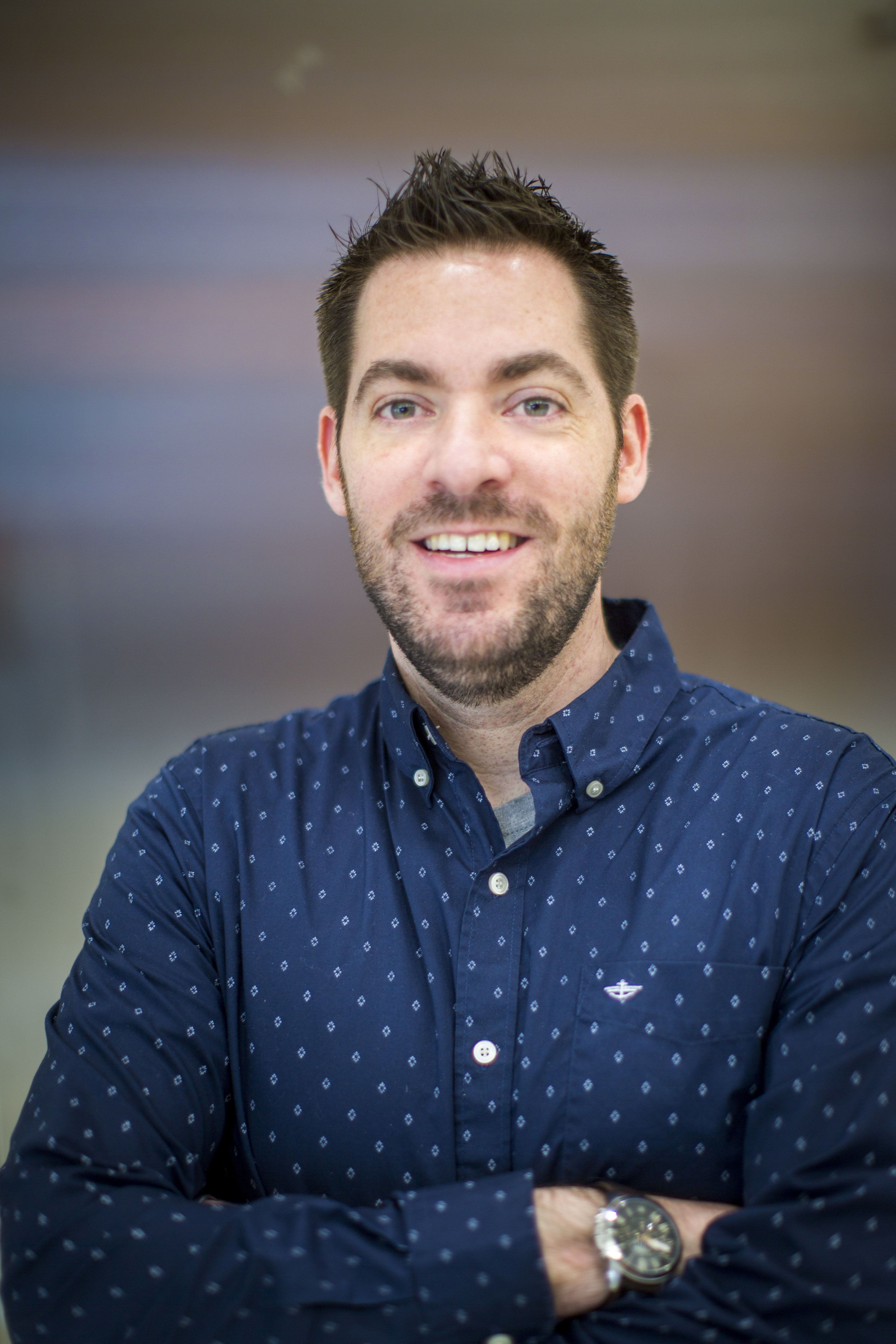
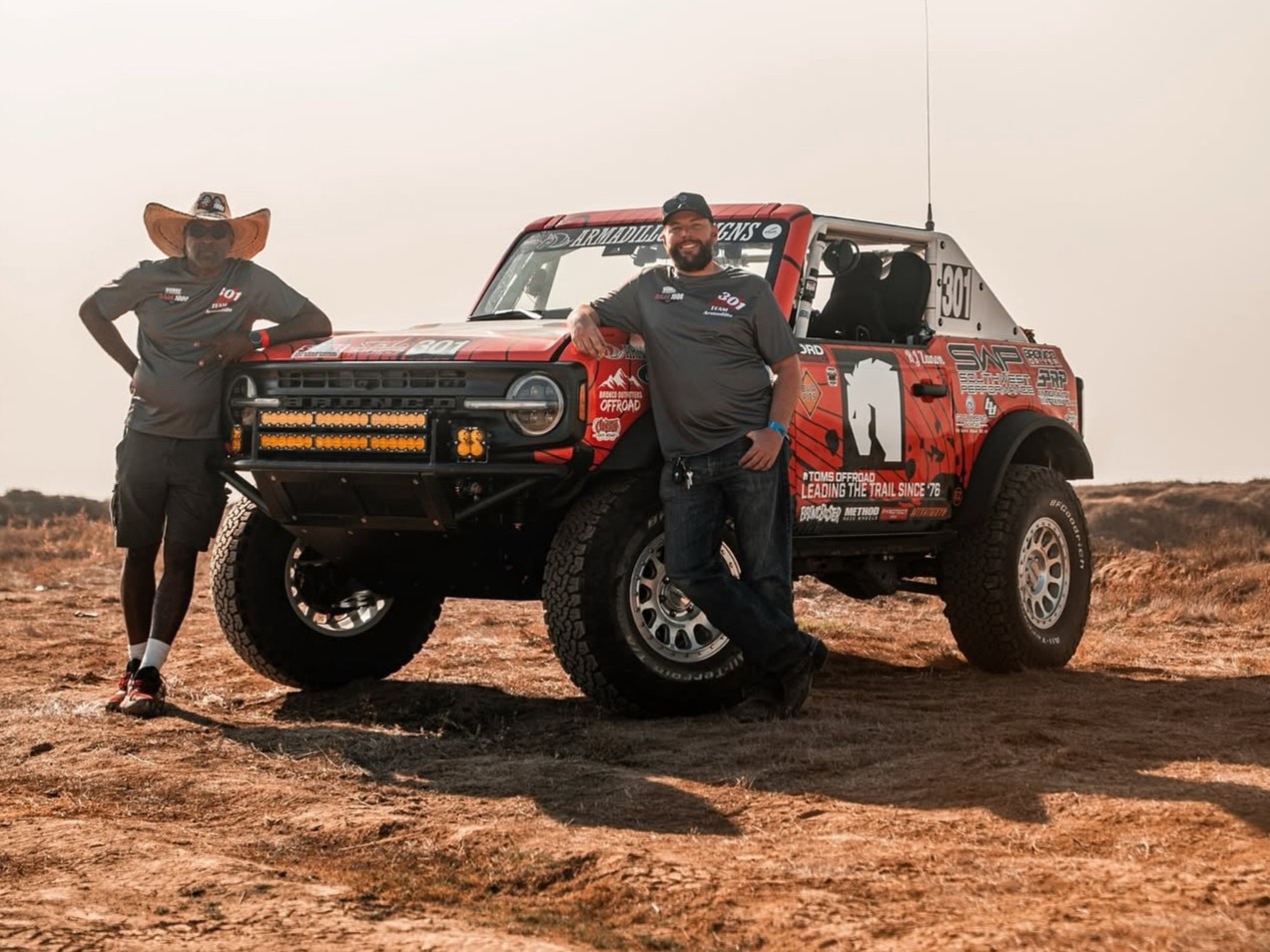

When RJ Zanon talks about the Baja 1000, his voice takes on the reverence of someone recalling a childhood myth. Something larger, louder, and wilder than real life.
“My biggest inspiration to do the 1000 was the documentary Dust to Glory,” he said. “I grew up in Southern California… I used to go to Mexico and Ensenada all the time. I’d see the trucks — the trophy trucks, the class one cars — and my mind was blown.”
Zanon had no racing experience. None. Unless you counted video games.
“None of my family is involved with anything off-road related. Nobody has raced,” he said. “I’m the first one.” But as a kid, the race lodged itself in his imagination. “I wanted to be able to say I drove the entire course,” he remembered. “That’s the ultimate goal.”
He had a dream he’d carried since he was a kid watching trucks thunder down in Ensenada, the kind of dream that survives adulthood only in people stubborn enough to refuse letting it fade. And he had something else: a conviction — hard, bright, and unreasonable — that he could will a wrecked Bronco and a crew of volunteers into a race team worthy of the Baja 1000.
Most years, that conviction alone wouldn’t have been enough. This year, though… it was.
“Staying positive, not quitting... you can get through things you didn't think you could.”RJ Zanon
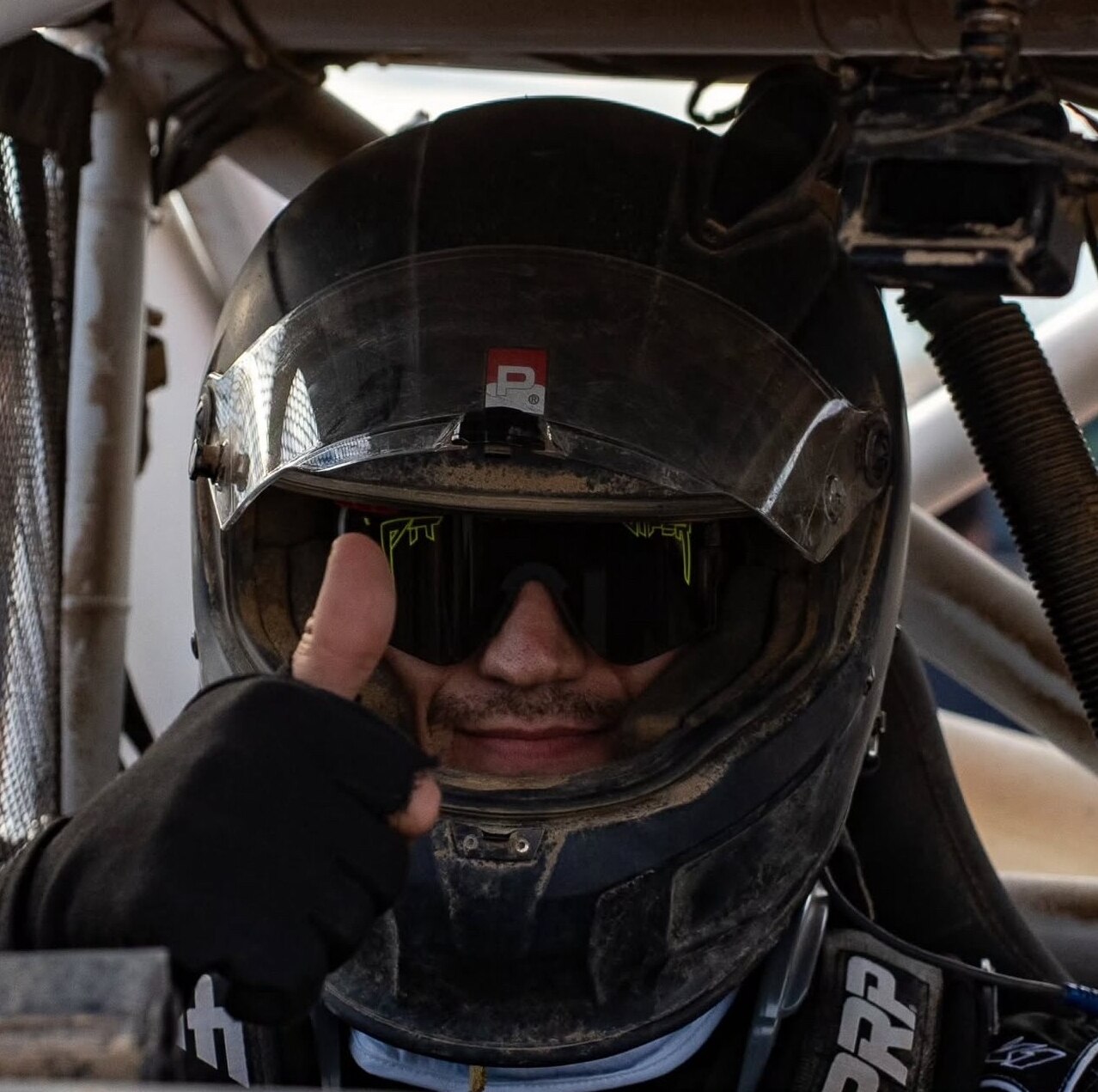
A Race Born From a Salvage Yard
Zanon, 34, grew up in the orbit of the Baja without ever touching it.
“The first time I saw a trophy truck as a kid, it might as well have been a spaceship.”
In 2022, he bought a Bronco Badlands and found himself absorbed into the Bronco community, first as an enthusiast, then as a creator, and finally, to his own surprise, as someone people recognized.
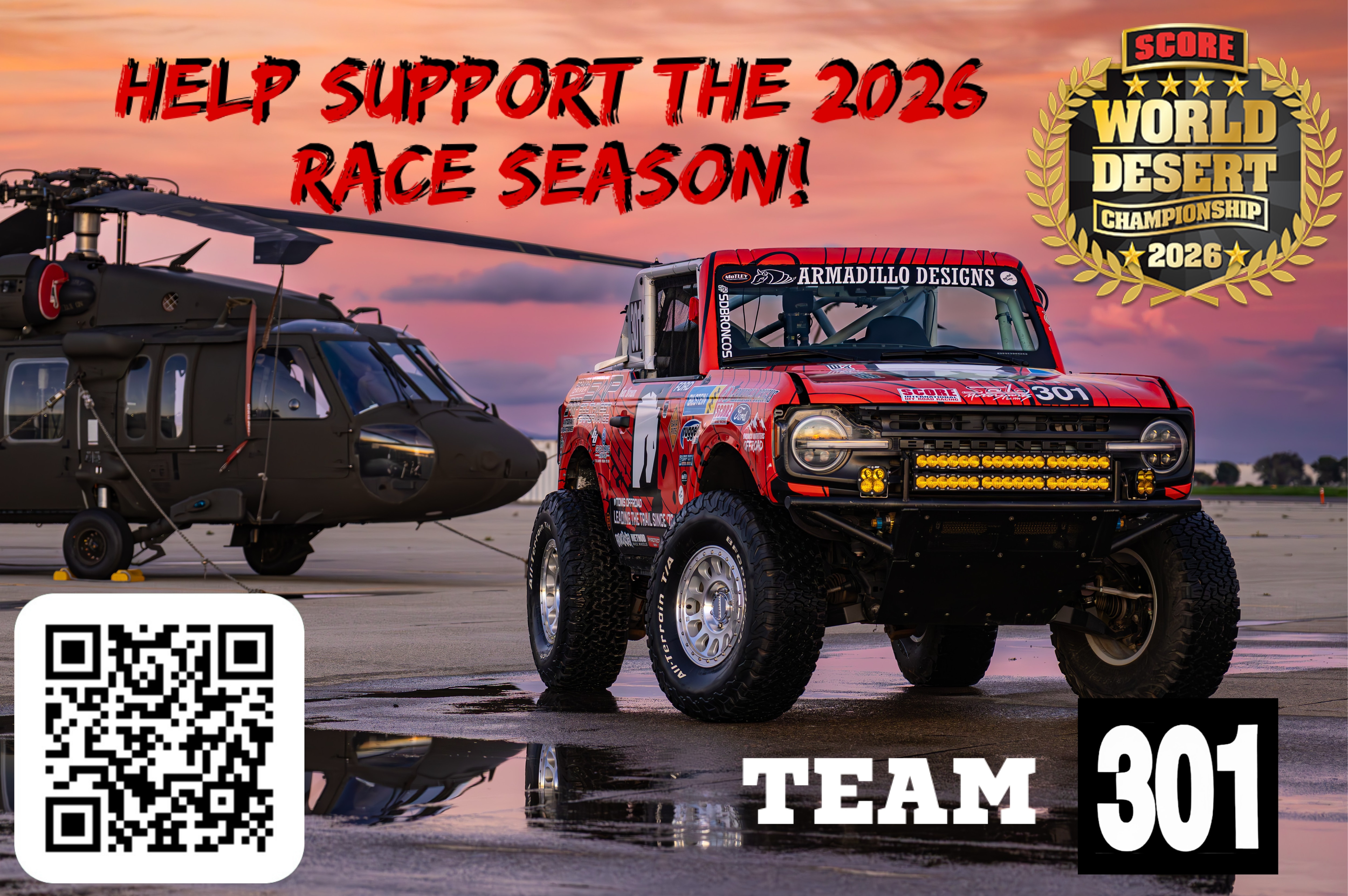
But it was a wrecked 2023 Bronco Black Diamond that changed everything. Rollover accident, 17,000 miles, cheap enough to dream with. Zanon didn’t need perfect; he needed possible.
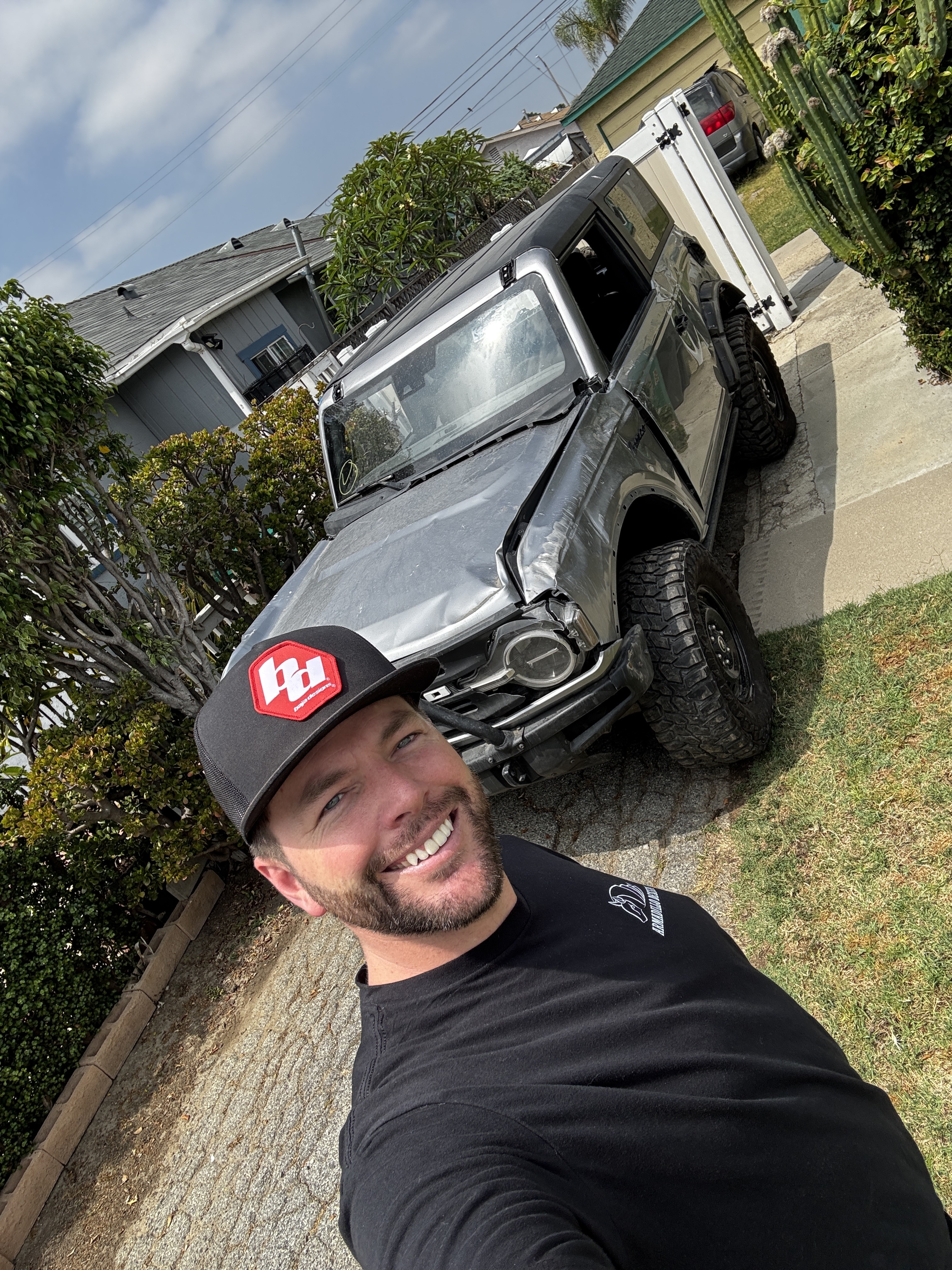
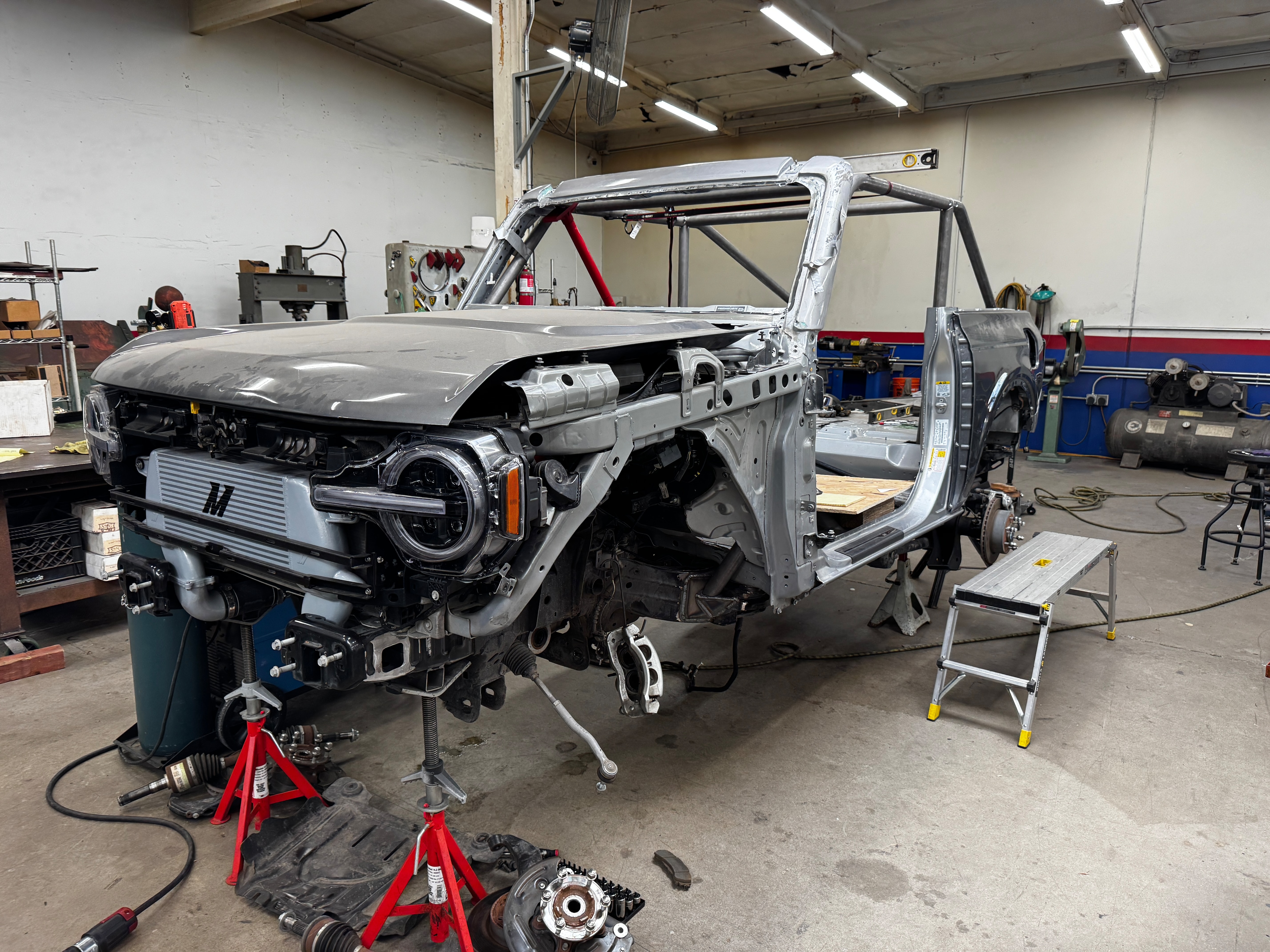
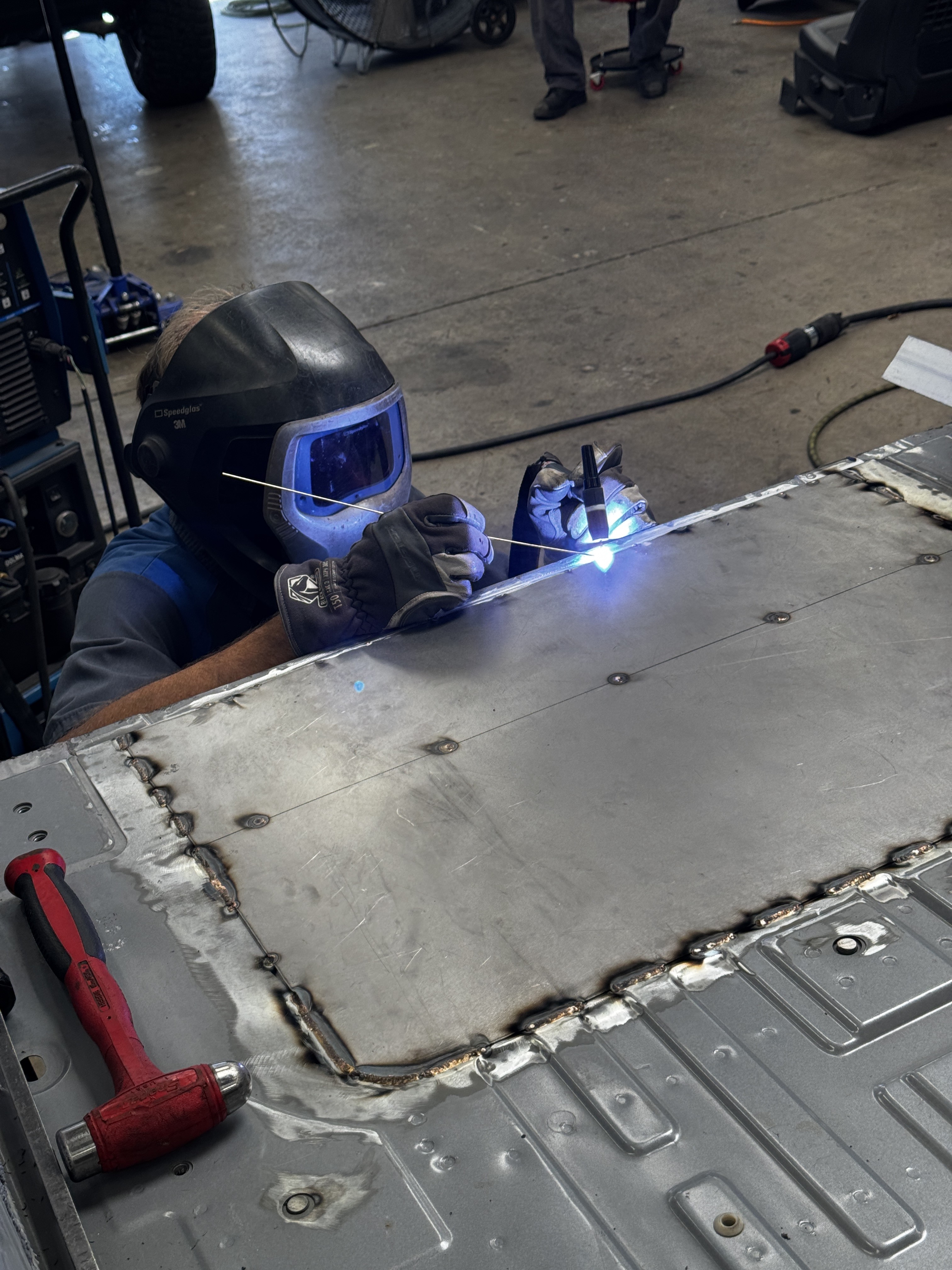
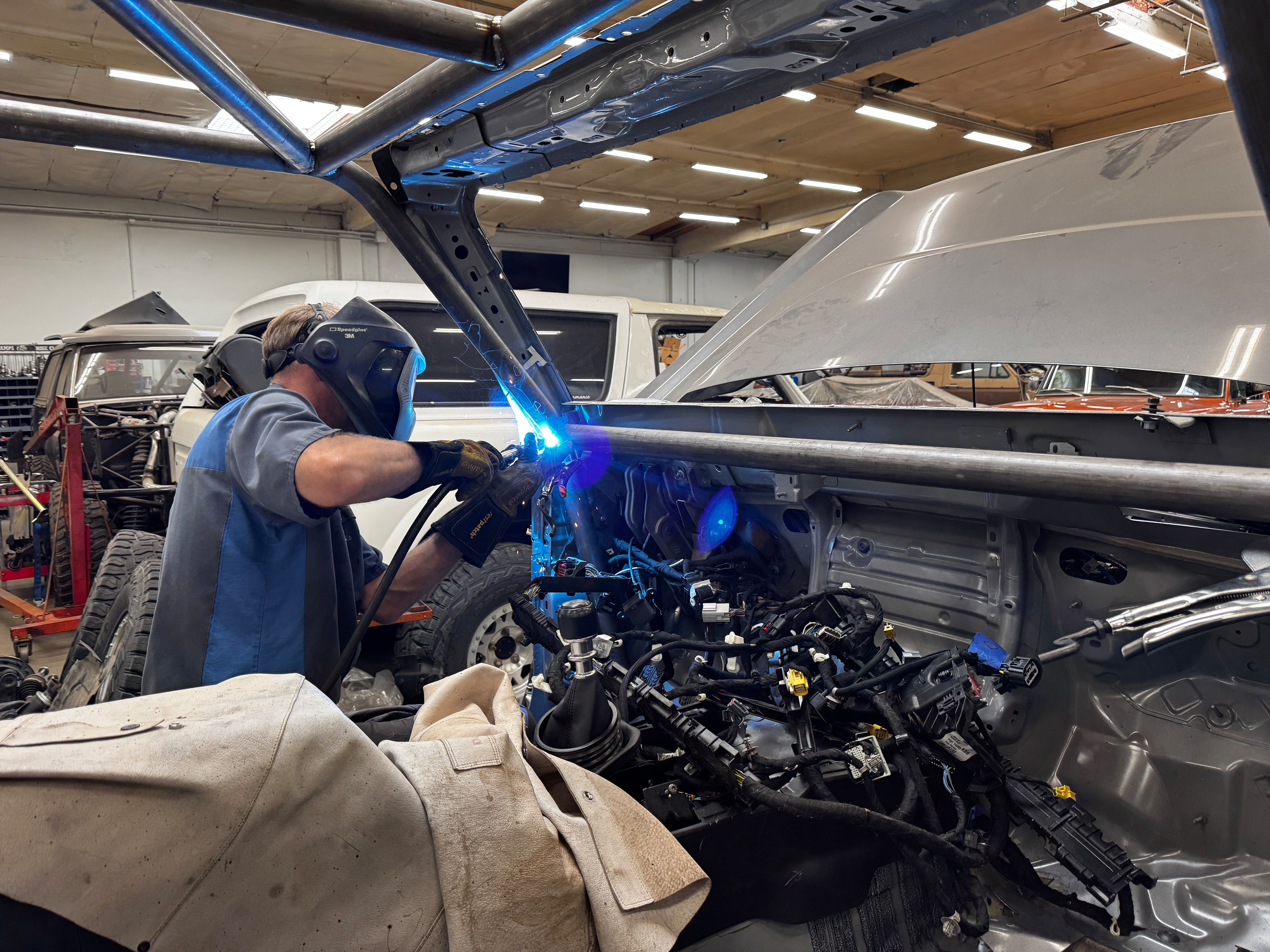
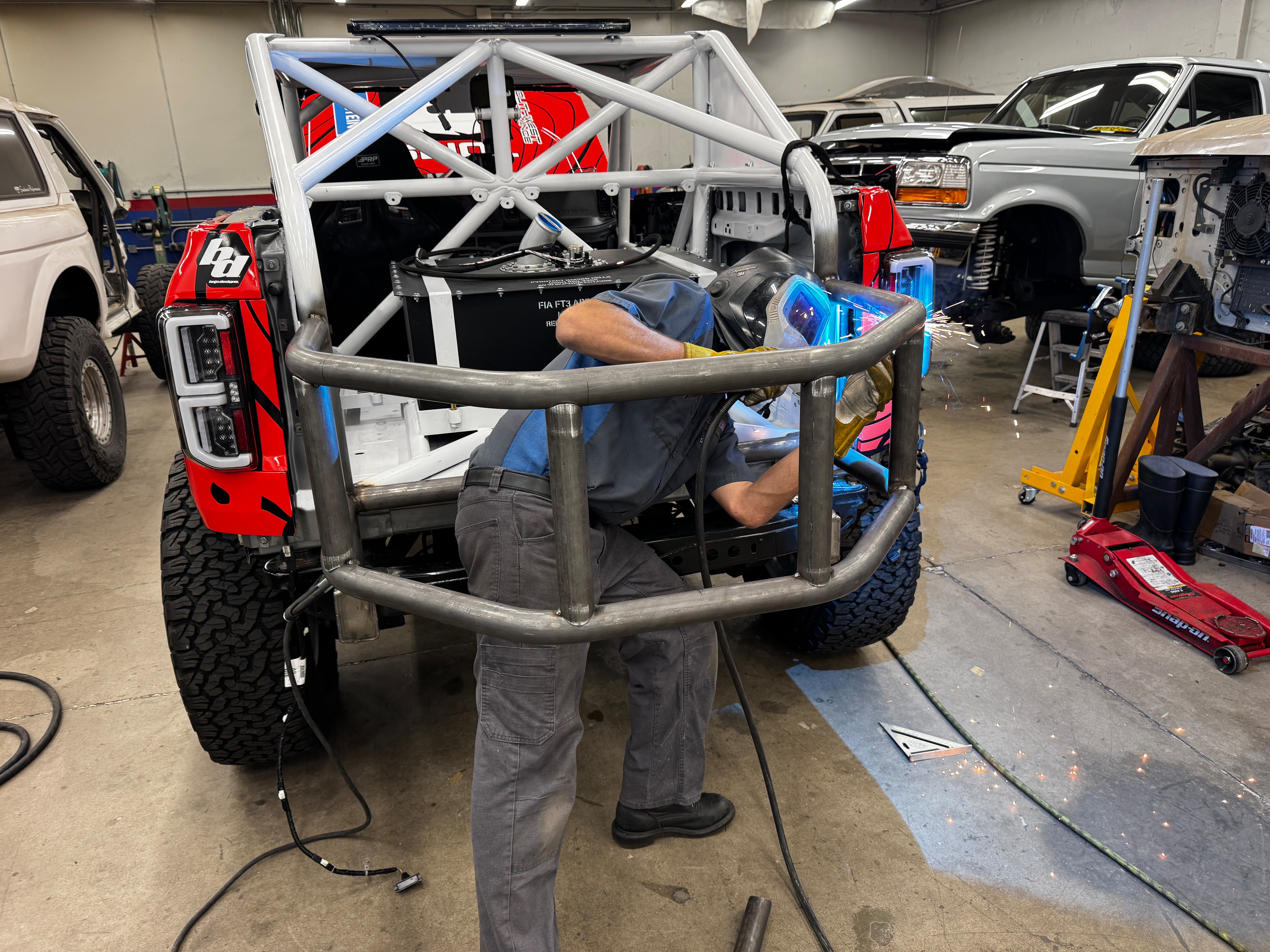
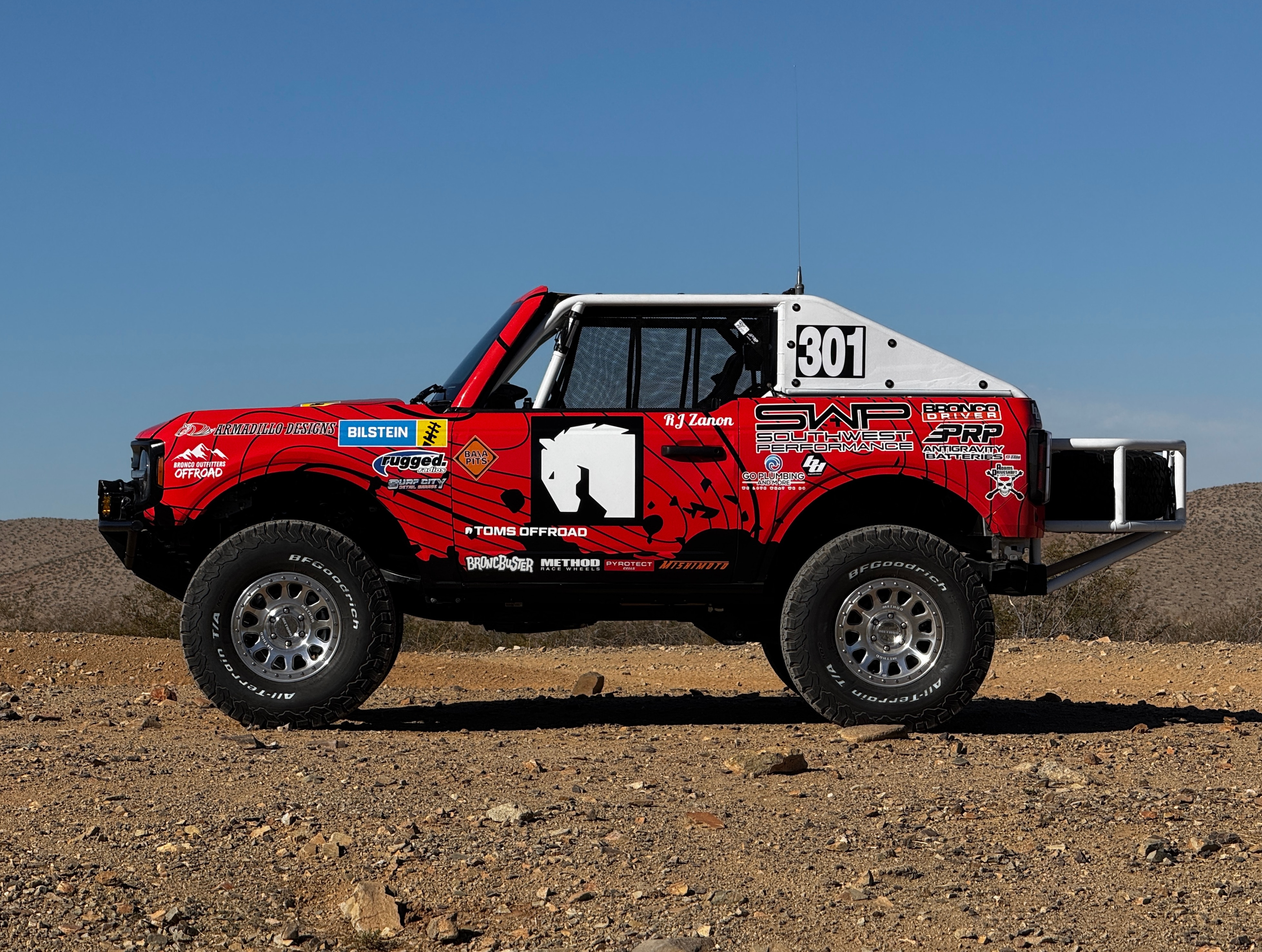
He dragged it home and began the kind of garage-born resurrection only relentlessness and optimism can create. He swapped out panels from his Badlands, straightened bent metal by hand, and replaced the ruined rear differential, though that was headed for a heavy-duty Dana 60 anyway. The Bronco went from totaled to presentable, and from presentable to almost beautiful once wrapped and caged.
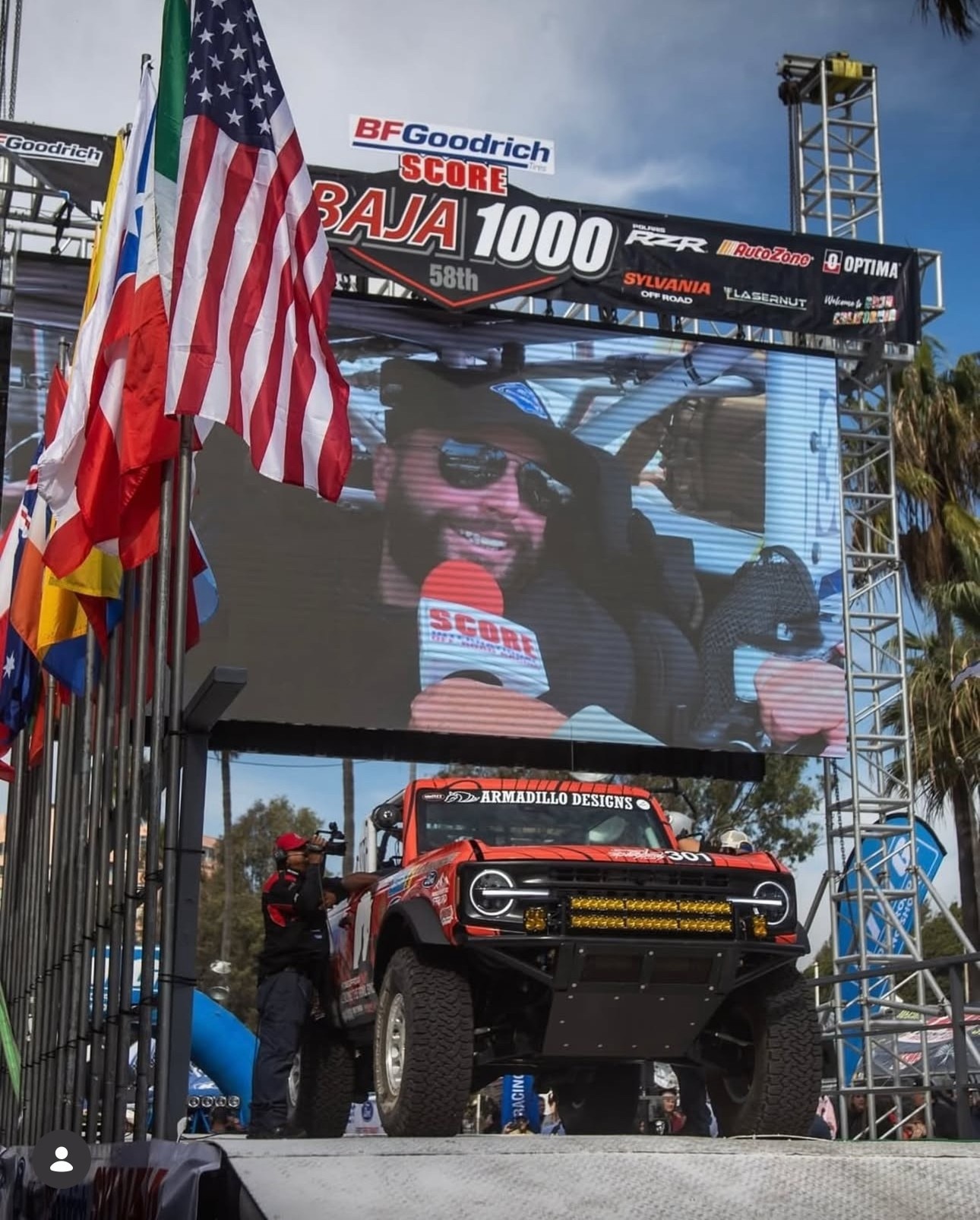
Ford engineers heard about his improbable project and found themselves, like many others, invested. In the streets of Ensenada, before the green flag, one of them helped Zanon sort out the worst of the Bronco’s computer tantrums so he would at least begin the race with functional 4-high.
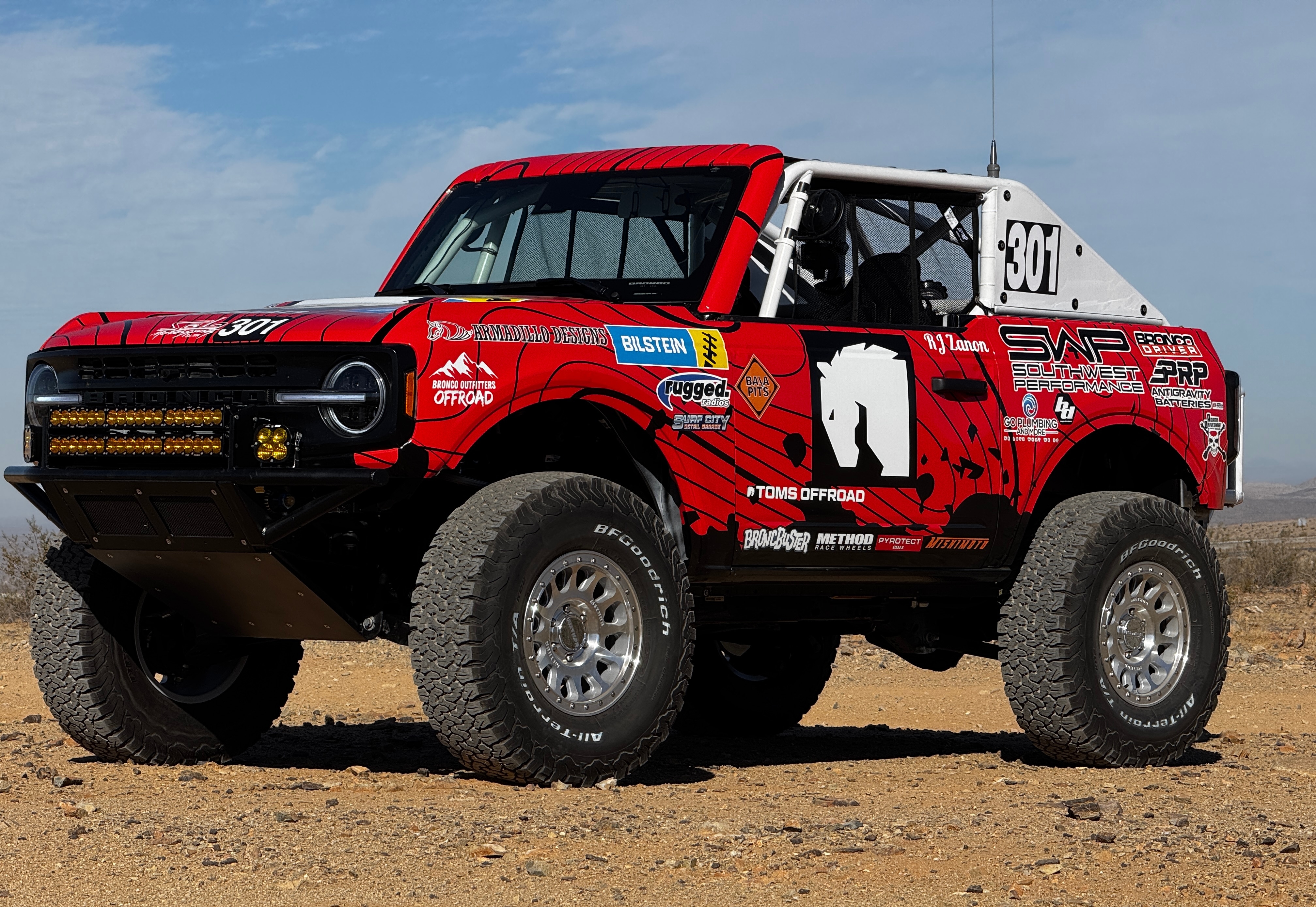
It didn’t last long. At mile 150, a particularly violent impact shut off the instrument cluster completely. The rest of the race would be run with no dash, no speedometer, and, ironically, very little four-wheel drive.
Still, he kept going.
A Pit Crew Built From Friendship and Bronco Forums
If the Bronco was improbable, the team was borderline ridiculous.
Zanon’s crew consisted almost entirely of friends he’d made in the Bronco community — owners he’d met at Super Celebration or United by Bronco meet-ups. None were professional mechanics. Only one had ever raced: his original navigator, Ken Brown, a veteran UTV driver who endured 22 straight hours with him.
His replacement, Austin Gillis, had never navigated before, but he did receive a 30-minute crash course on the Garmin navigation system the night before the race. Gillis, like Zanon, was a military pilot. Zanon flies Black Hawks for the National Guard; Gillis flies F-16s for the Air Force. That shared background became its own kind of shorthand.
“We communicate the same way,” Zanon said. “Same cadence, same way of thinking. We’d never raced together, but talking in the truck felt natural.”
Behind them, the entirely volunteer pit crew operated with improbable professionalism. They held Zoom meetings in advance. They assigned roles. They built checklists. And when Zanon pulled into the pits the first time, soaked in silt and adrenaline, he saw something that startled him.
“It looked like a pro pit,” he said. “Honestly… better than some real teams.”
They were Bronco owners. They were friends. They were, by all accounts, the engine that kept the entire effort moving. A real team, if you ask us.
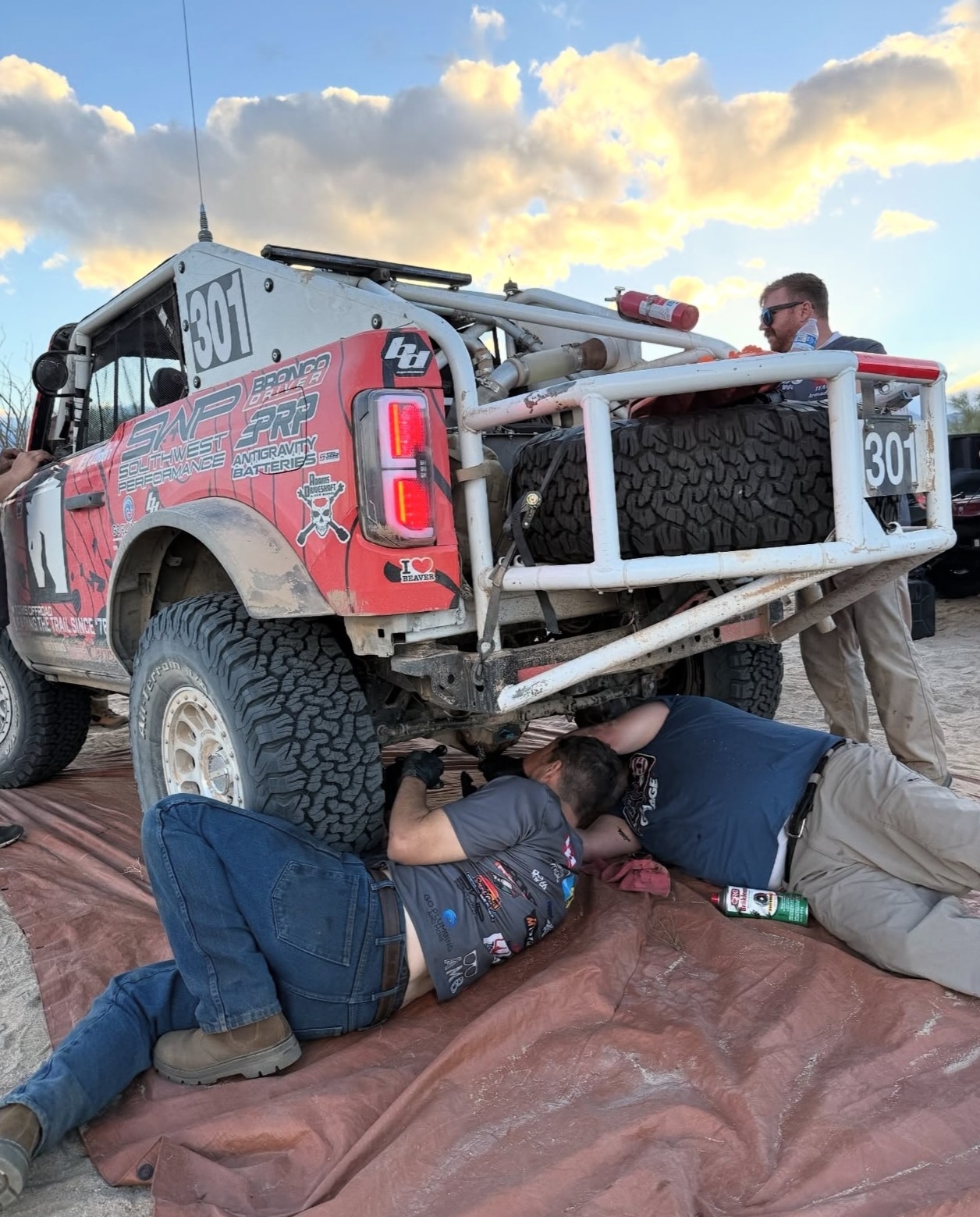
“It looked like a pro pit. Honestly… better than some real teams.”RJ Zanon
Baja, Blind
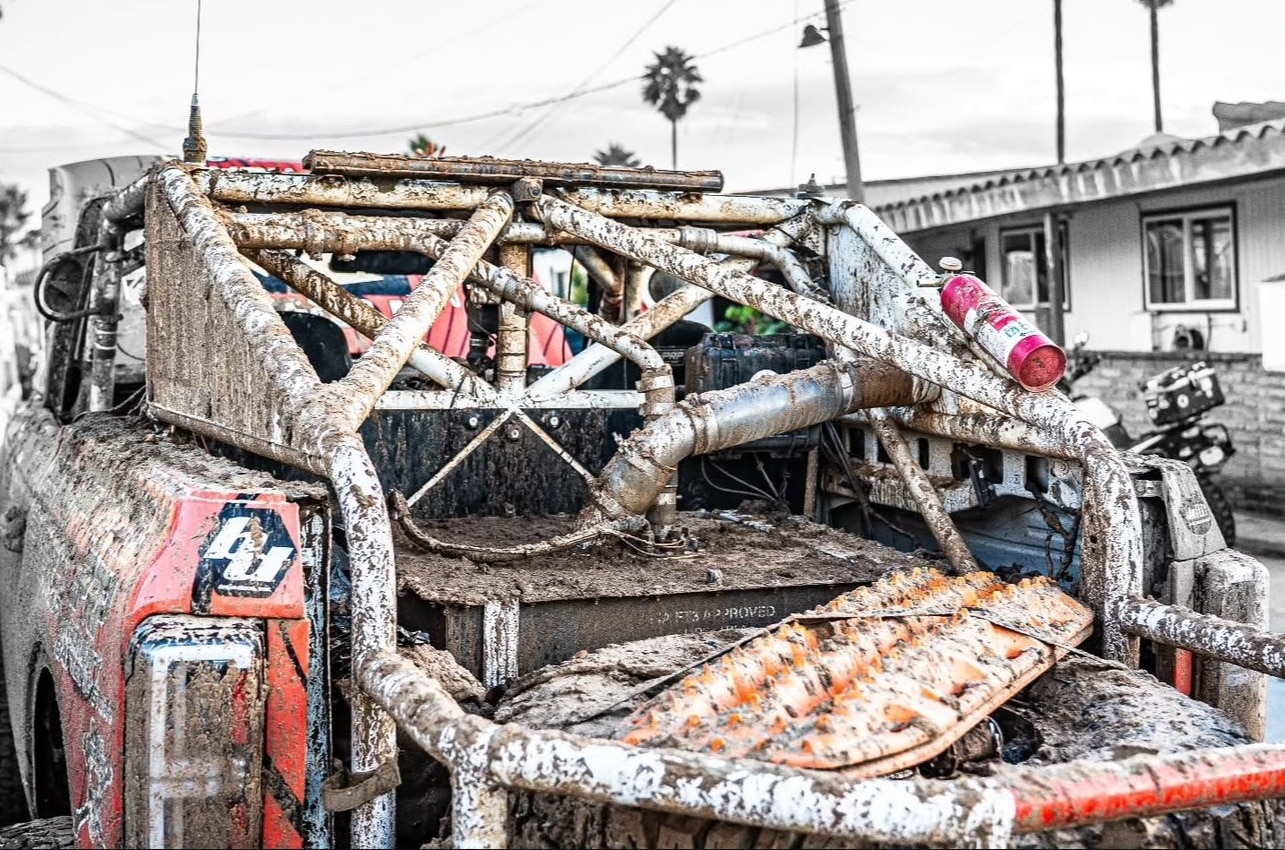
The Baja 1000 is always brutal, but the 2025 race was something else entirely. Torrential rain turned silt to quicksand. Rock gardens became punishing mazes. Highways slicked over. Veterans compared it to storms they hadn’t seen since the 1970s.
For Zanon, the difficulty compounded with every mile.
He hadn’t pre-run the course…at all. The Bronco had been in SEMA days earlier. The build wasn’t finished until the Monday before the race. His only “preparation” for obstacles was learning about them the moment his headlights hit them.
At one point navigating a technical rock section, he joked to Gillis, “When did this become King of the Hammers?”
But the worst came in the final hours.
Rain hammered the open cab. Wind knifed through the missing windshield. His gloves soaked through until his fingers went numb. Mud blasted into his eyes, burning so sharply he had to drive with one eye closed and the other barely open.
He was hallucinating from exhaustion. His arms seized. His hands cramped around the wheel.
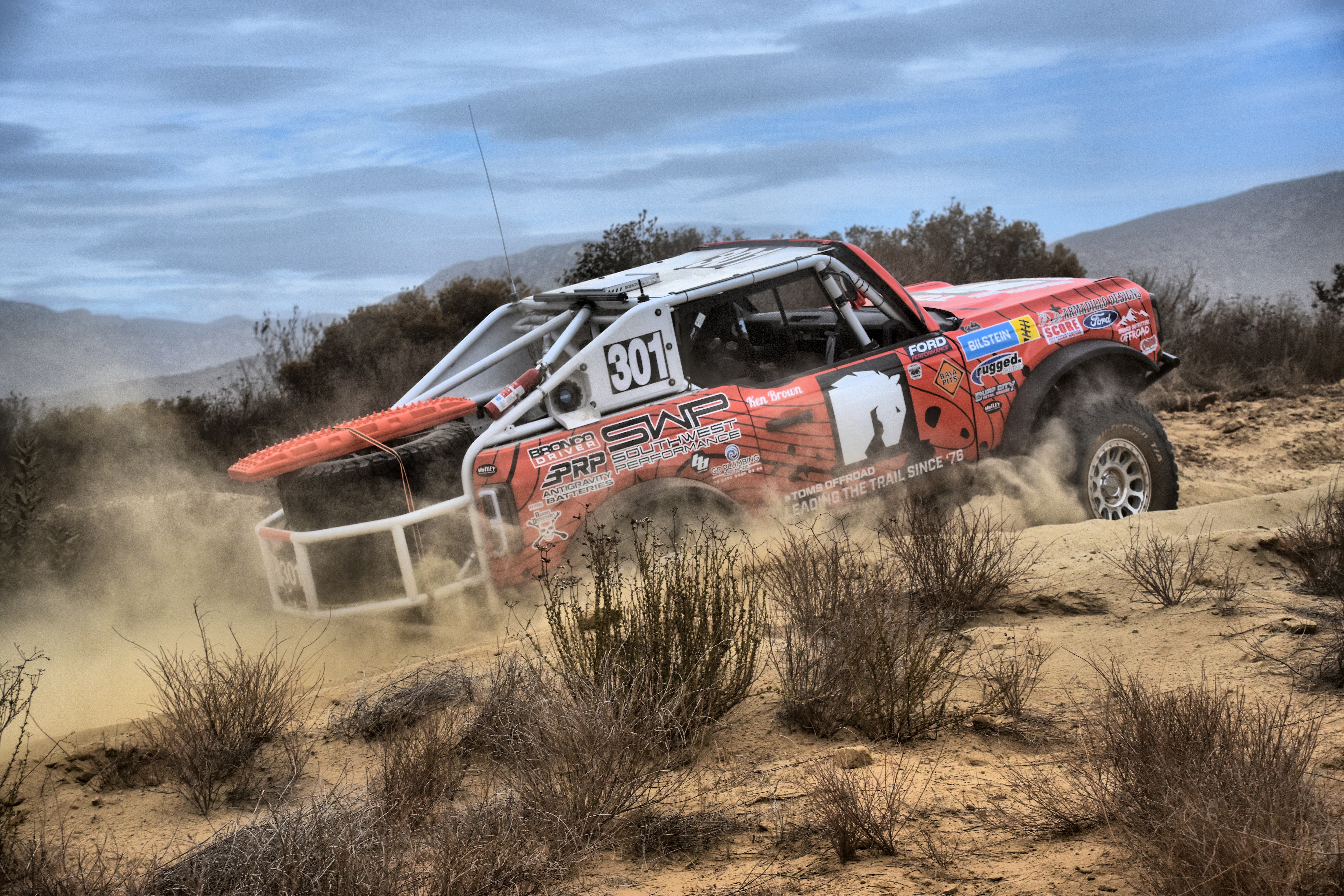
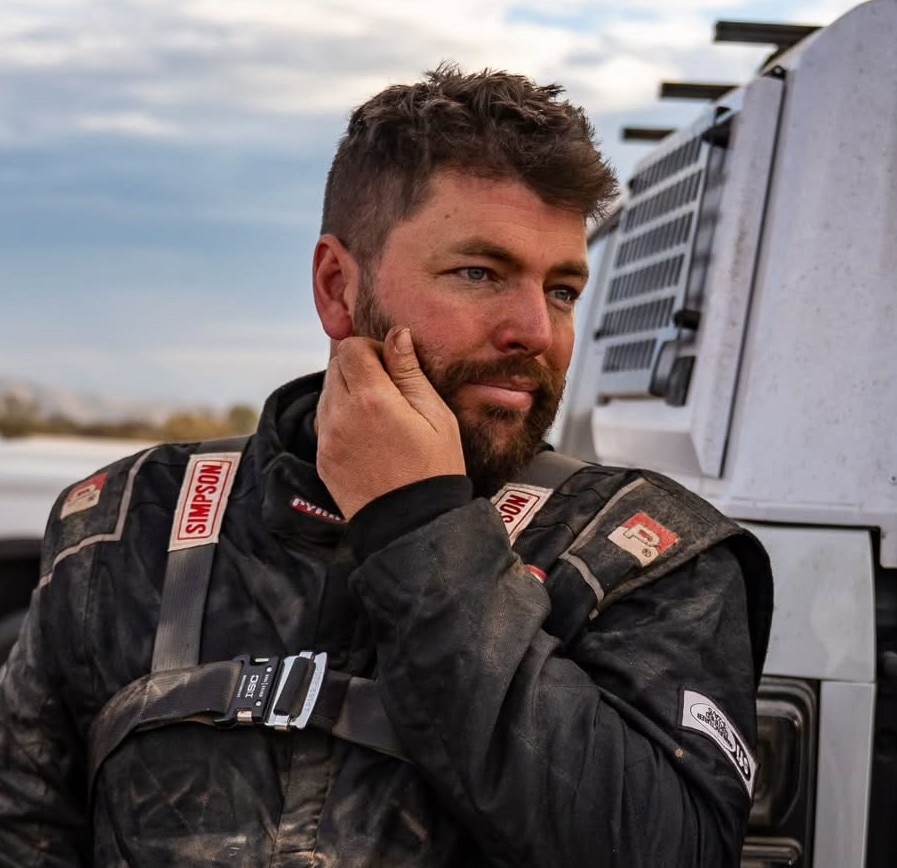
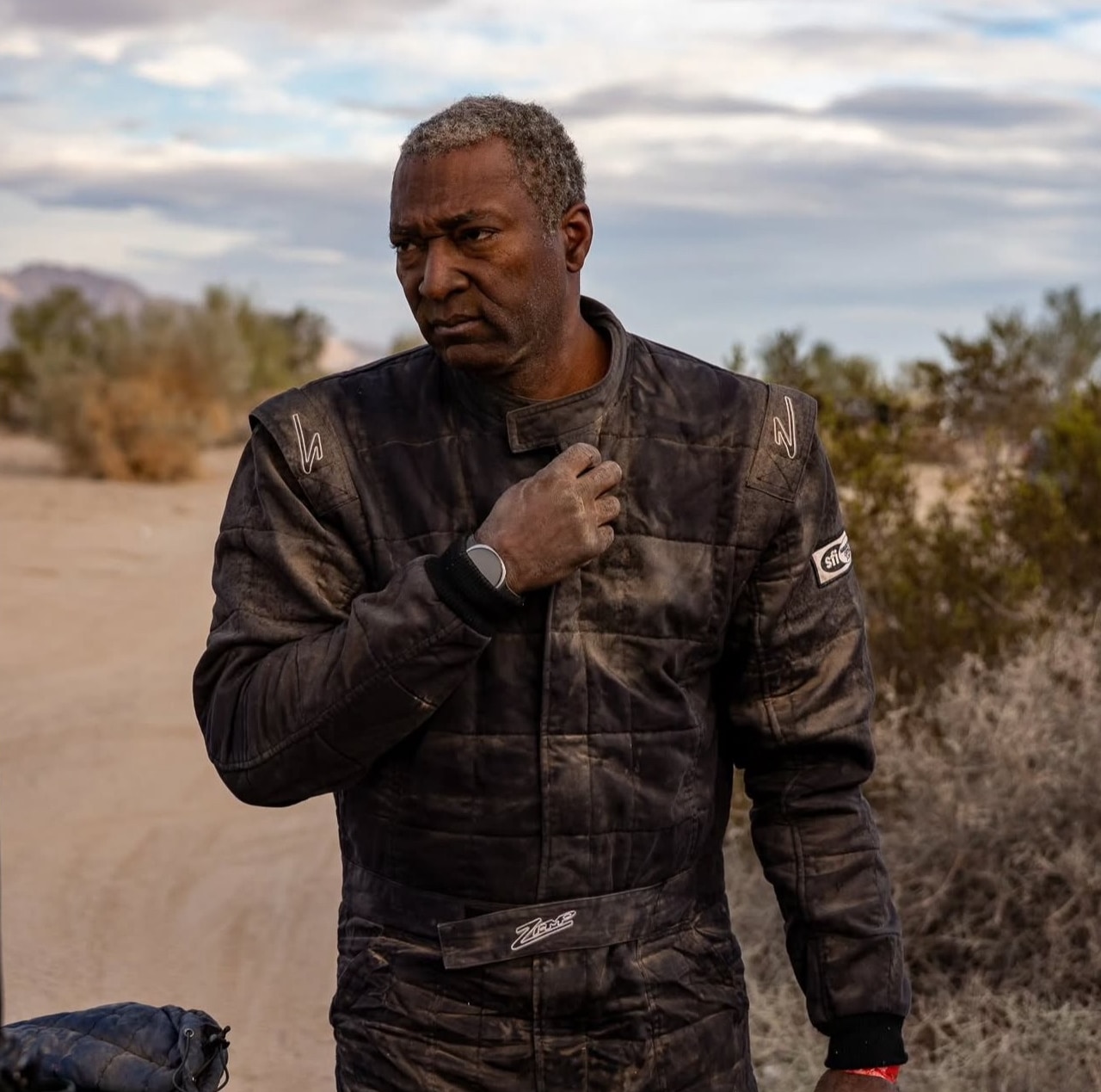
Then they hit a rock. Hard. The kind of hit that ends a race and, sometimes, a vehicle. The Bronco shut off completely.
“I thought that was it,” he said. “I thought the suspension collapsed.”
He restarted it anyway... and it fired. They backed up, picked a new line, and kept going.
Three miles from the finish, another rock ripped a tire. There was no time for a change. Zanon checked the suspension, climbed back in, and drove the last miles on the flat.
At the end — soaked, half blind, hypothermic — he crossed the finish line. He was handed a first-place trophy. Hours later, time adjustments replaced it with a DNF.
He shrugged. “It is what it is,” he said. “But we finished.”
A Bronco, a Dream, and Something Unteachable
When asked what he learned about himself, Zanon paused.
“That I’m more resilient than I thought,” he said. “That staying positive, not quitting... you can get through things you didn’t think you could.”
He thinks about the Bronco, too. How a stock truck — factory engine, factory transmission, factory transfer case — endured thousands of brutal impacts, months of questionable garage therapy, electrical tantrums, torrential weather and still made it across the line. How it started right up after the hardest hit he’s ever felt in a vehicle.
Not an Ending, But a Beginning
The plan now is simple: Fix the Bronco and return. Not just to finish. To win. To run the full SCORE championship in 2026. To build on the momentum that started with a salvage-yard listing and turned into a 36-hour odyssey.
“I did it in under a year,” he said. “I don’t recommend that. But I made a goal and did whatever it took to get there.”
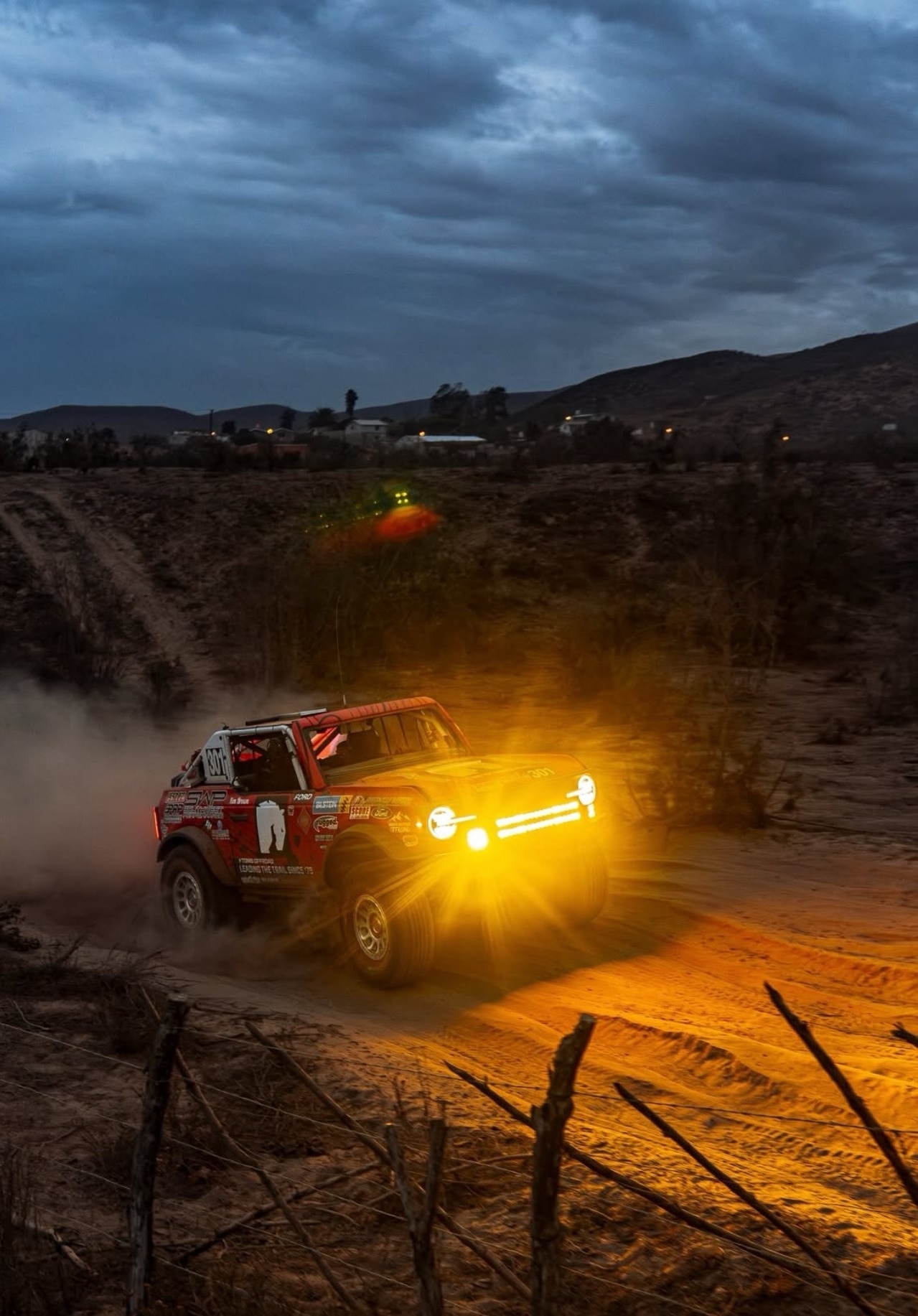
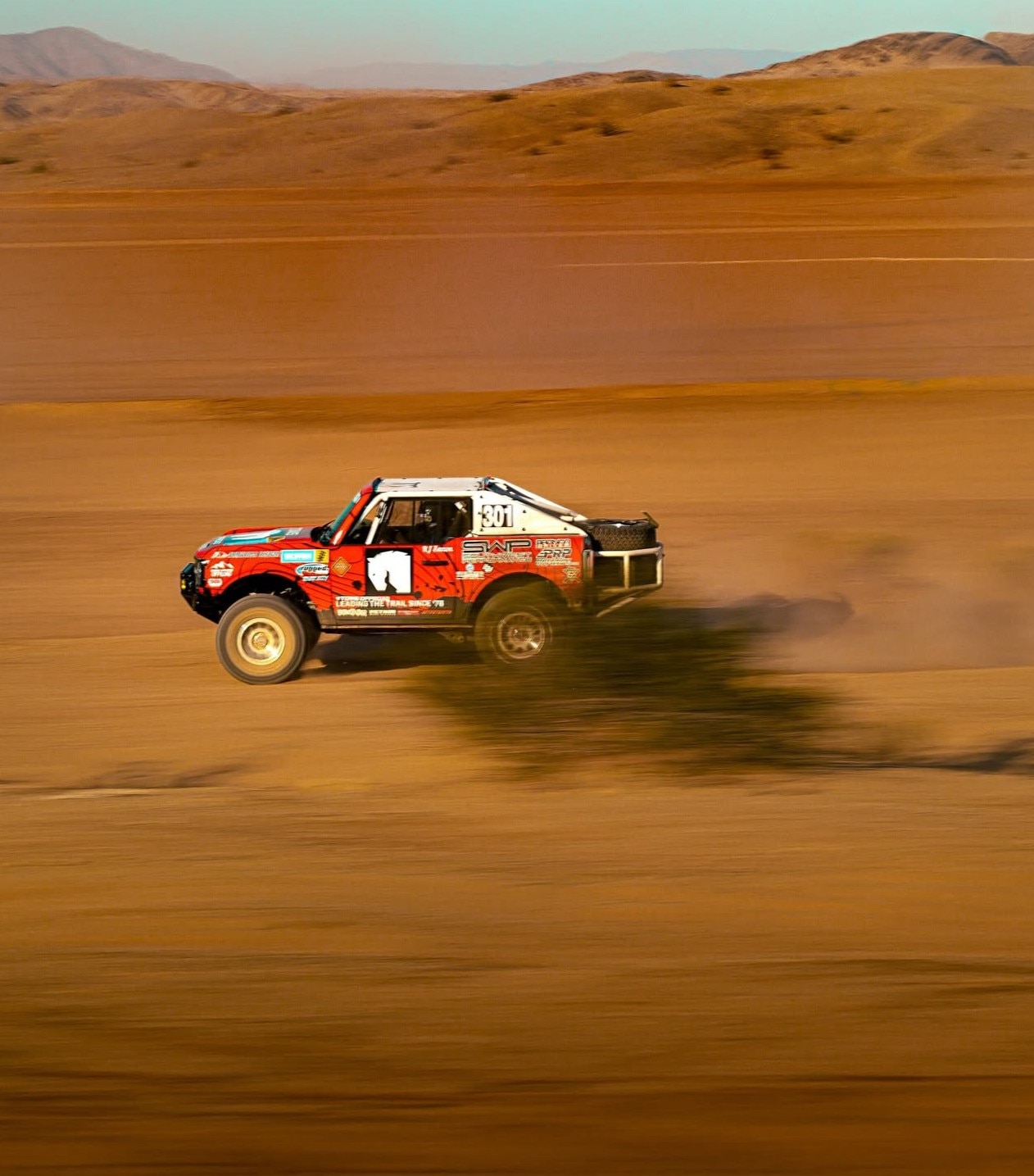
There is talk of Baja. There is talk of 4600. There is talk, really, of whatever comes next, because for the first time, Zanon isn’t dreaming about racing. He is racing.
And somewhere out there, in a garage that still smells like rain and desert, a Bronco that should have died a long time ago is waiting to do it all again.
RJ Zanon is competing in the San Felipe 250 March 28 in Baja.
Kelsey Quartuccio writes about Motorsports for Ford Communications.