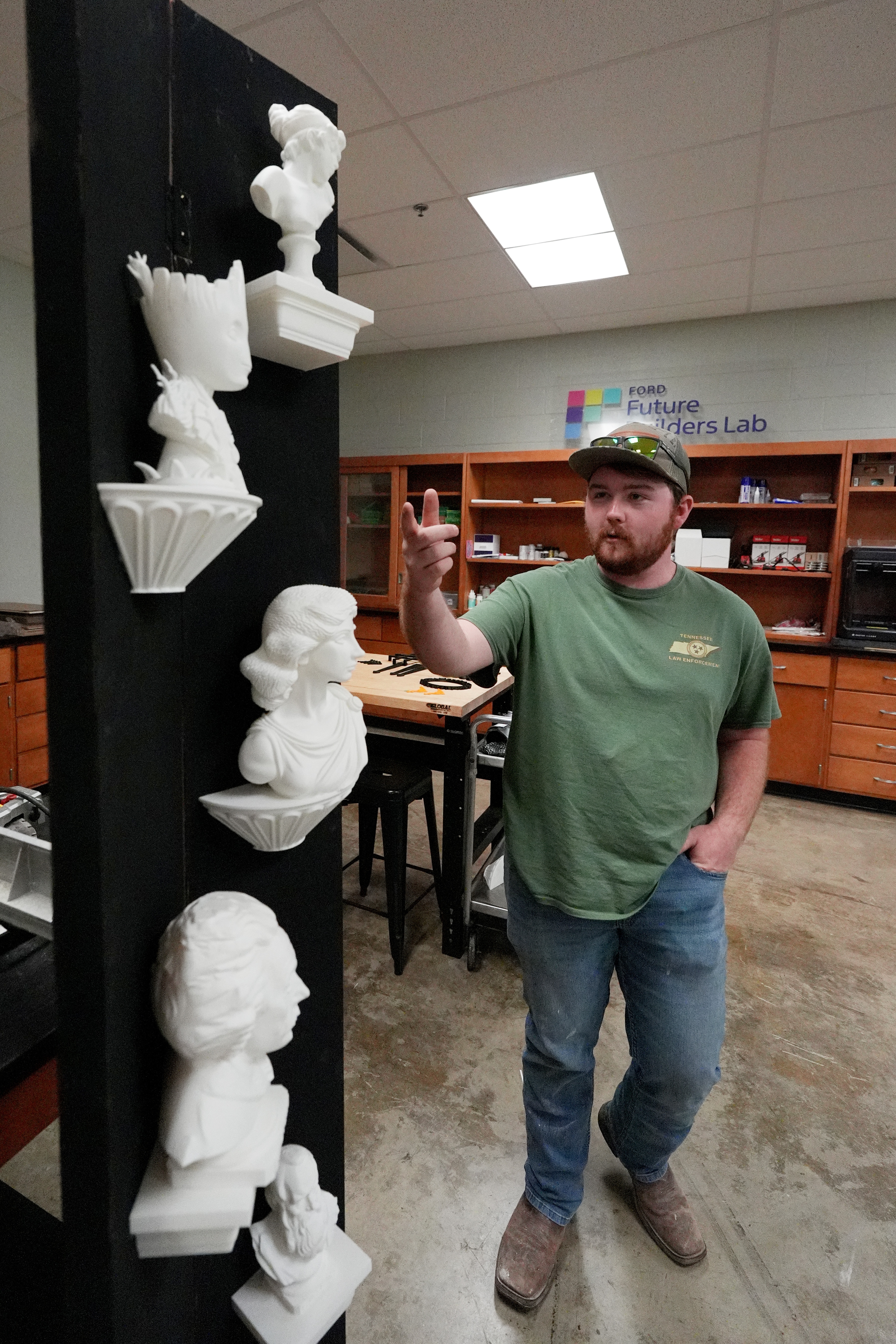
Wearing a camouflage cap and work boots to an event at his high school’s new state-of-the-art lab, Wyatt Poole looked like a country boy who might be more at home in ag class than helping drama students make props for a musical.
Poole, an 18-year-old senior, is president of the Future Farmers of America chapter at Haywood High School in Brownsville, a small town in West Tennessee, and plans to pursue a college degree related to agriculture. He was also cast to play Kristoff, one of the leading male roles in the school’s production based on Disney’s “Frozen.”
It wasn’t his first time acting in a play, but he was more than a performer. He and other students from the Career and Technical Education department worked with theater students to design and create props — including lanterns, a sword, and a knight’s coat of arms — using 3D printers and other tools made possible by Ford Motor Company.
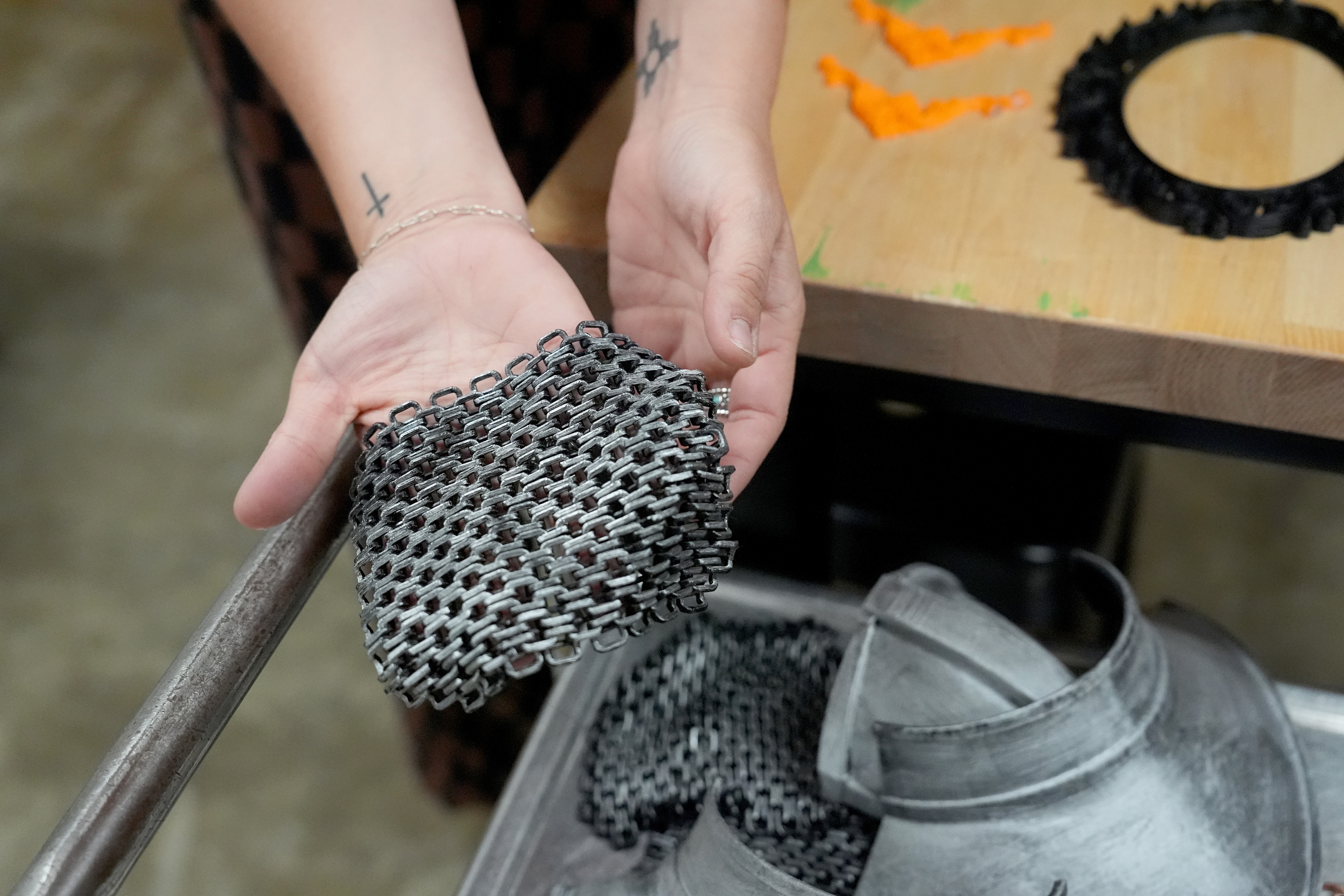
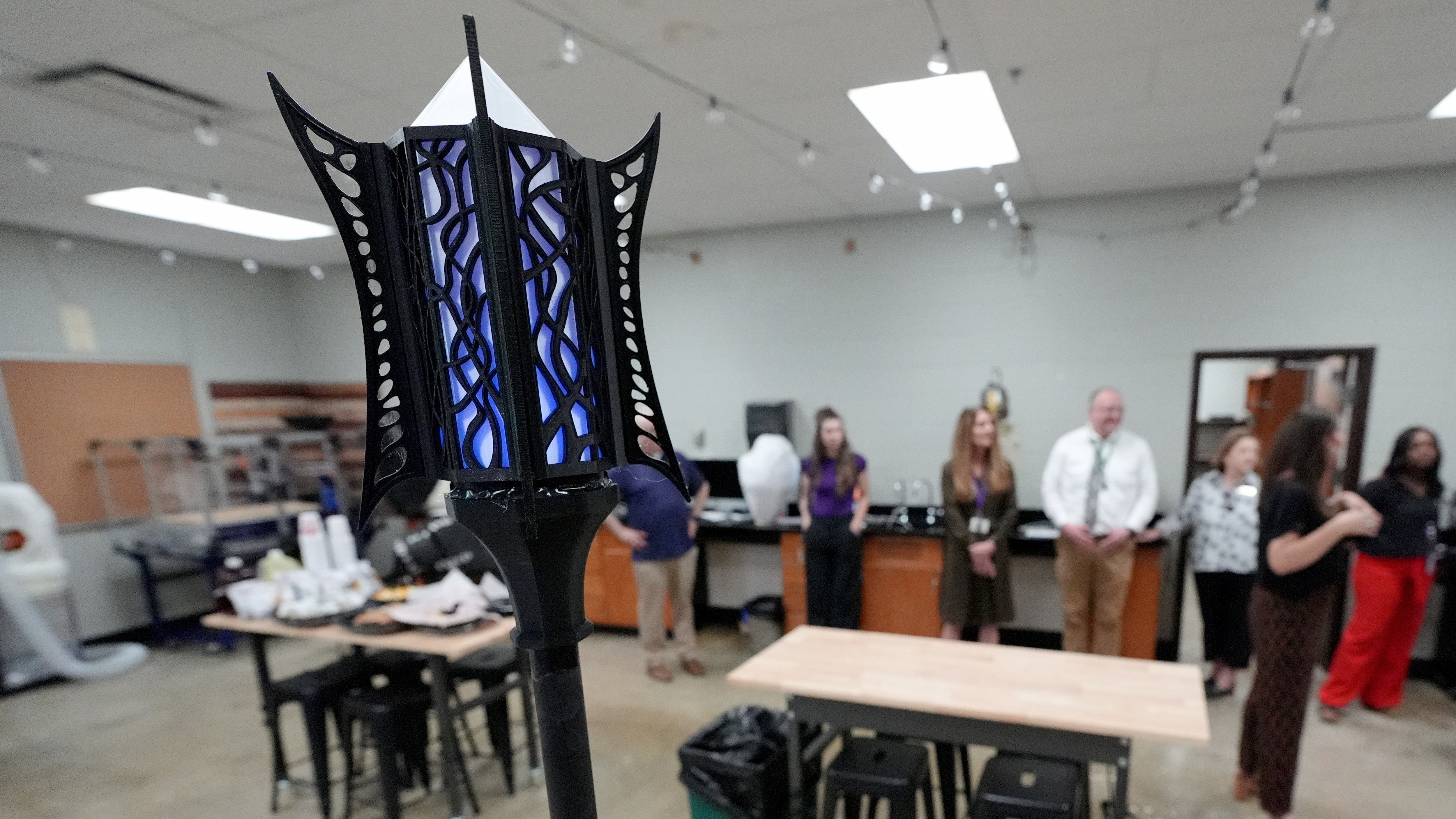
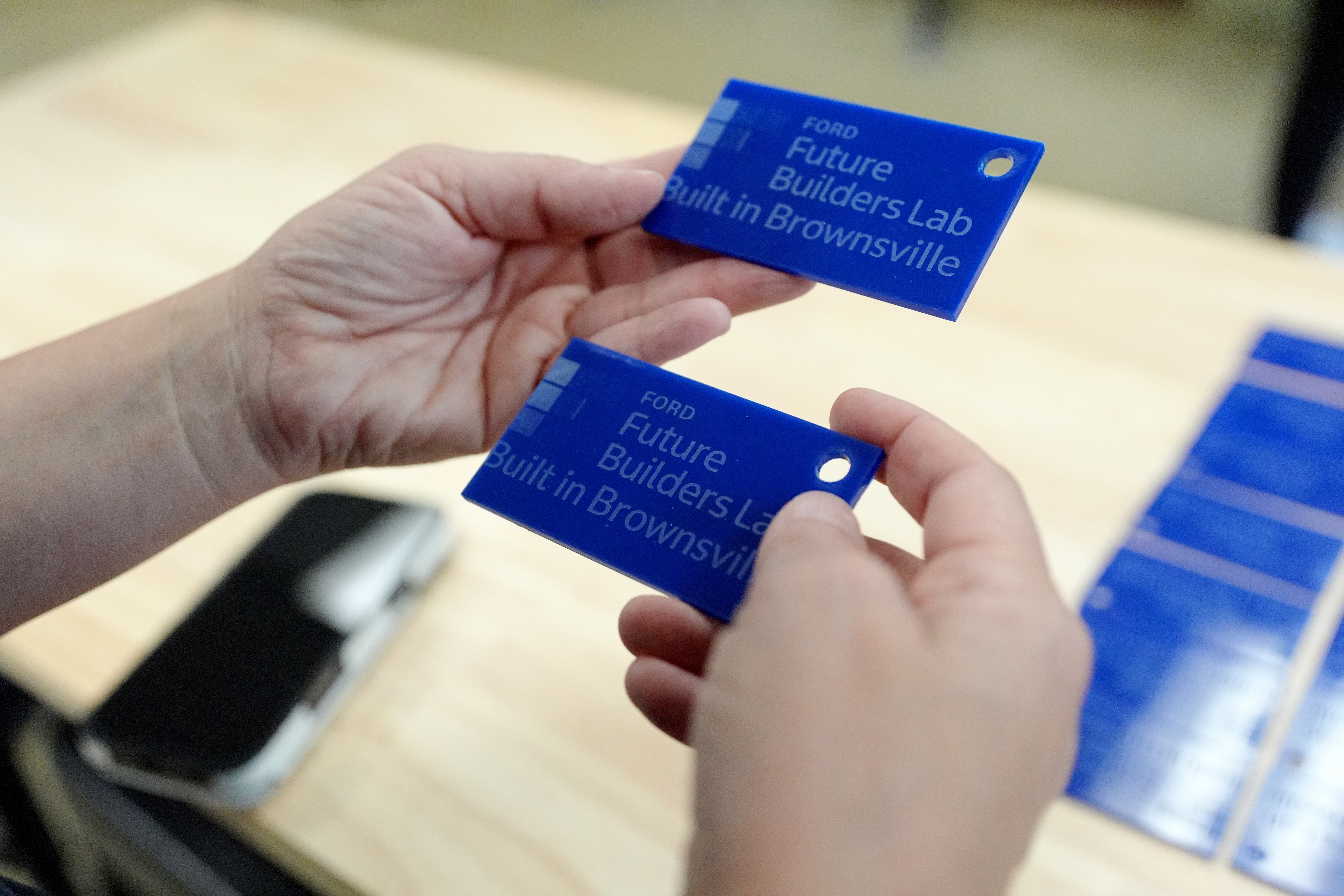
That collaboration is one of the early signs of impact from the first year of Ford Future Builders Labs in West Tennessee. Ford invested $610,000 to help set up five labs at K-12 schools in the region and outfit them with high-tech equipment for a 21st-century education. The company also worked with DevX to provide training and support so teachers and students could explore skilled trades more deeply.
“The melding of so many different ideas, I think, has been incredible,” Poole said of the teamwork between the two school programs. “I have definitely grown closer to people I knew of but might not have had such a close relationship with otherwise.”
The Future Builders Labs are part of the company’s $11.7 million investment in the Ford Good Neighbor Plan for West Tennessee, home to the automaker’s massive BlueOval City campus. Ford has helped create similar labs in Michigan and plans to open more.
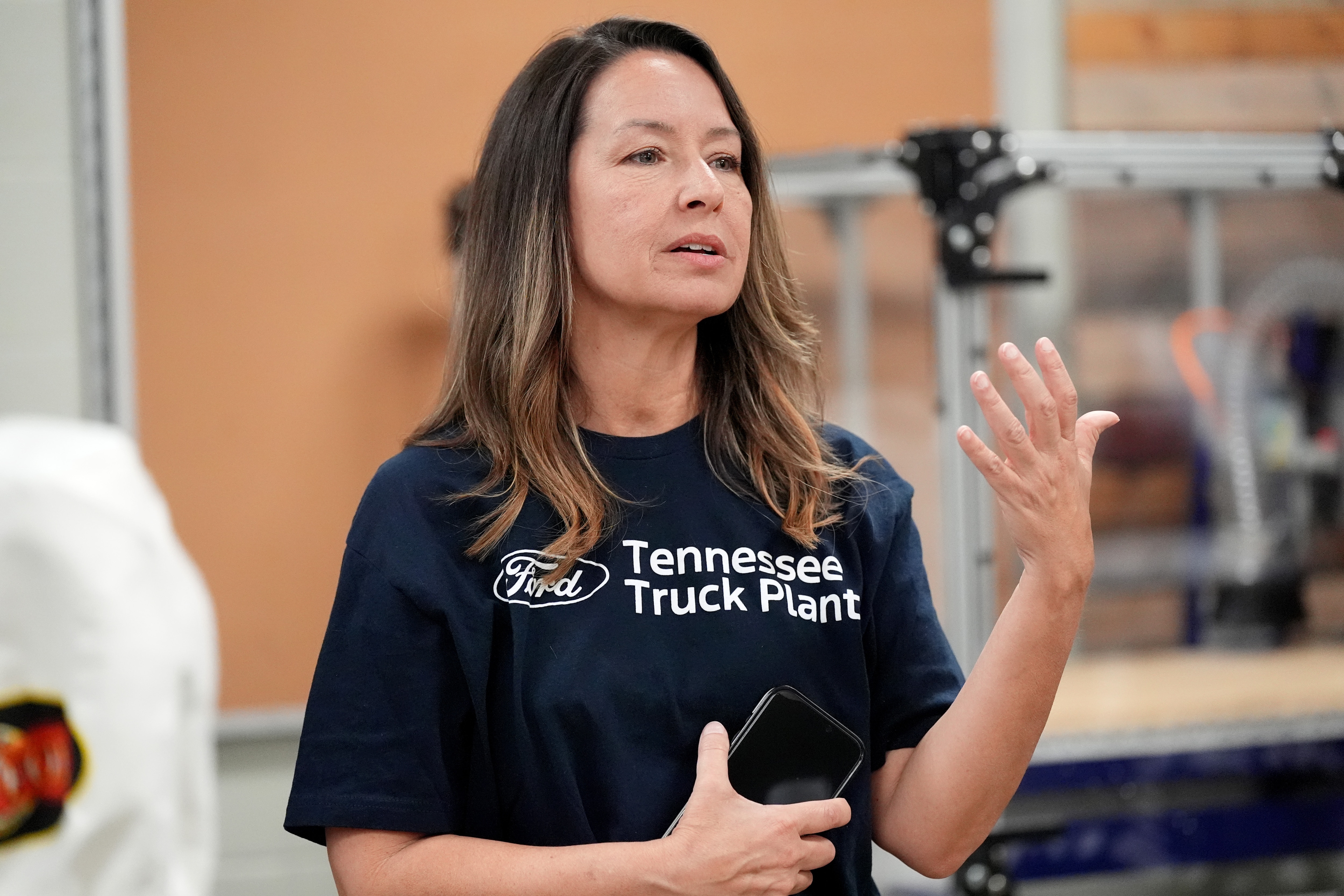
“We want these young people to stay in the community and succeed here, and that is why we are creating pathways to great paying jobs.”Marianne Dunavant, Ford community relations manager
The labs grew out of conversations with people in the local communities and school districts around BlueOval City, said Marianne Dunavant, a Ford community relations manager in West Tennessee.
“Hiring local and getting our kids excited about advanced manufacturing was a priority in our listening sessions,” said Dunavant. “We want these young people to stay in the community and succeed here, and that is why we are creating pathways to great paying jobs.”
The labs are meant to introduce students to technology and career tracks they might not otherwise consider, especially in skilled trades. For Ford, the labs also fit into a broader push to support what President and CEO Jim Farley calls the “Essential Economy” — industries that move, fix, and build the country.
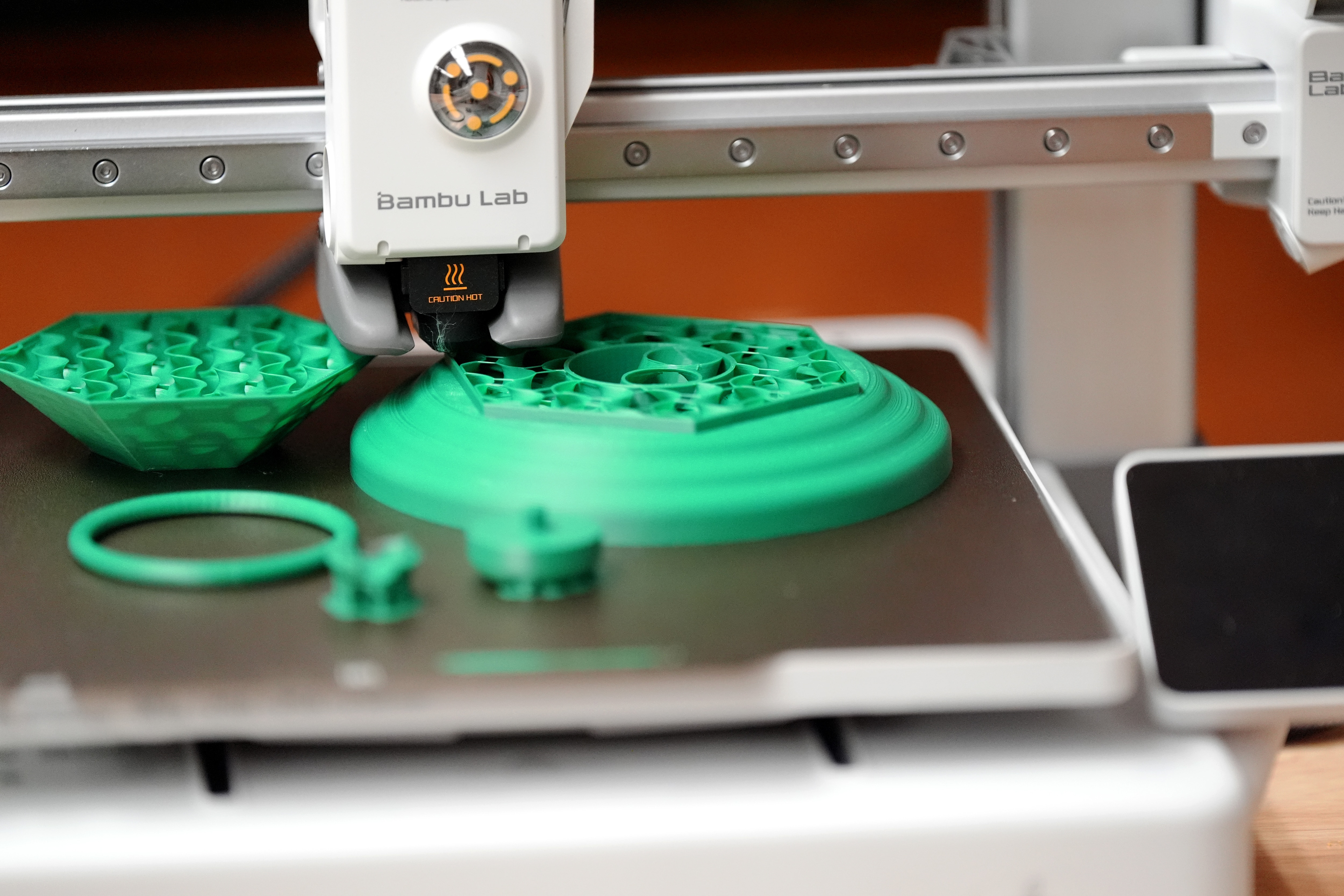
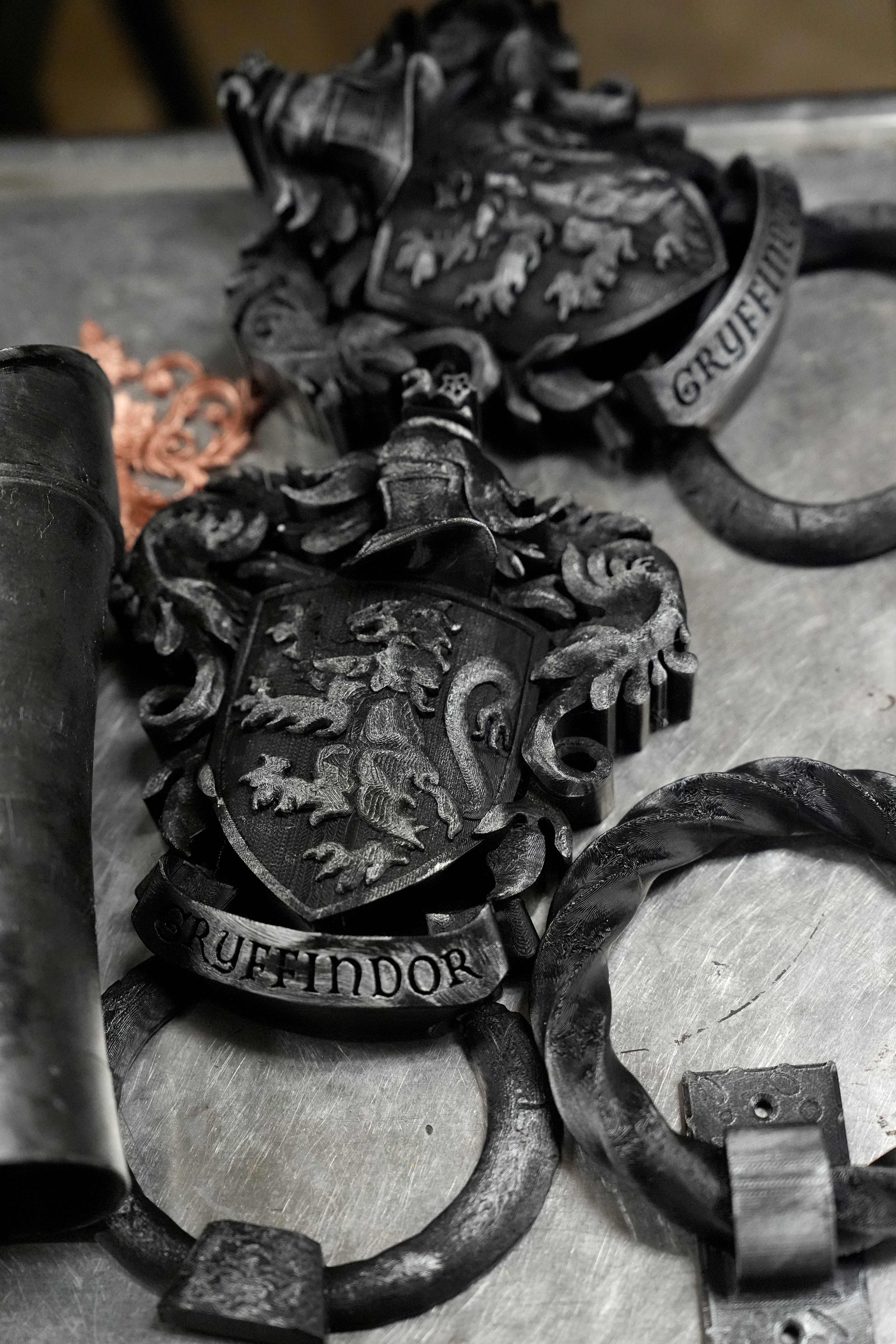
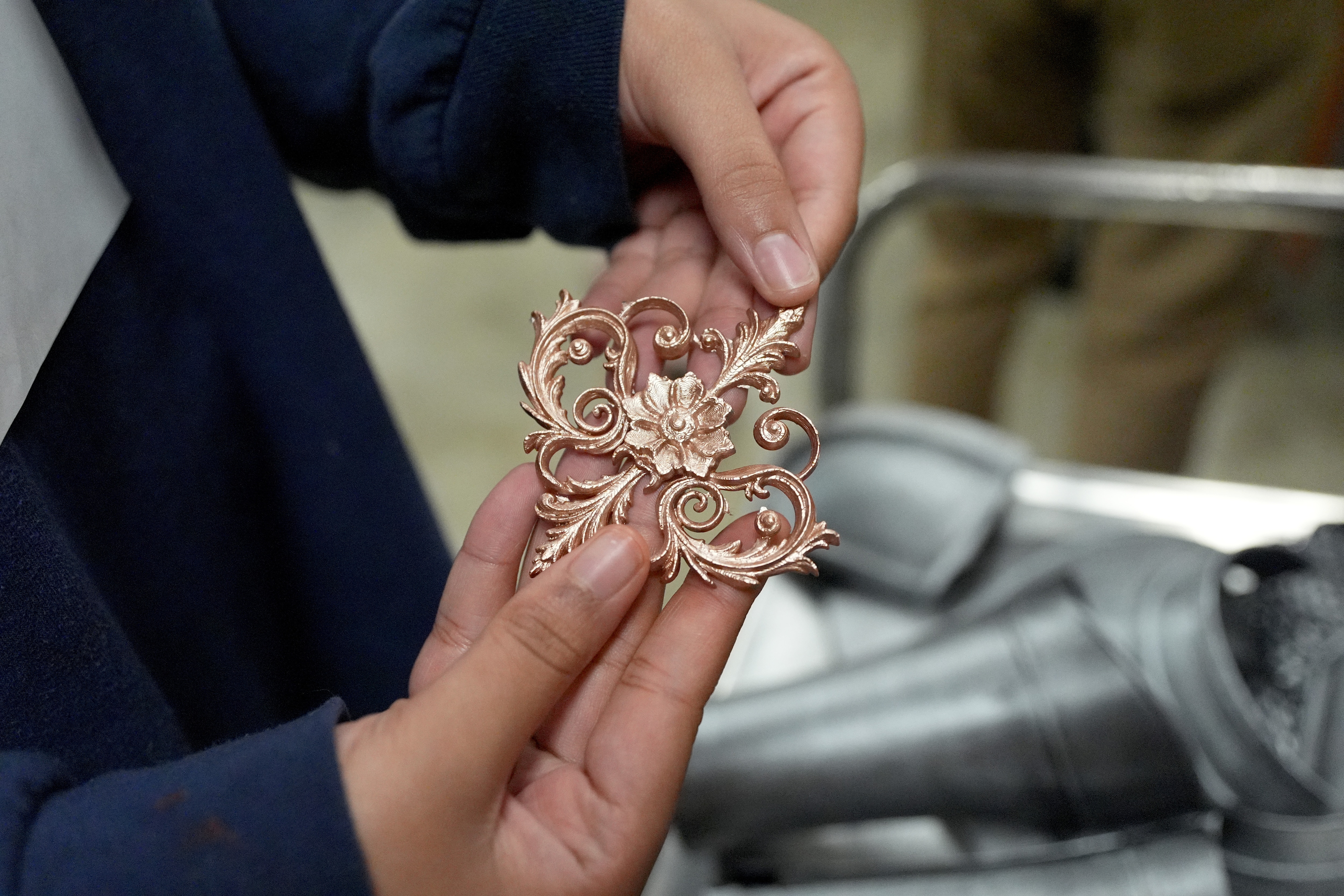
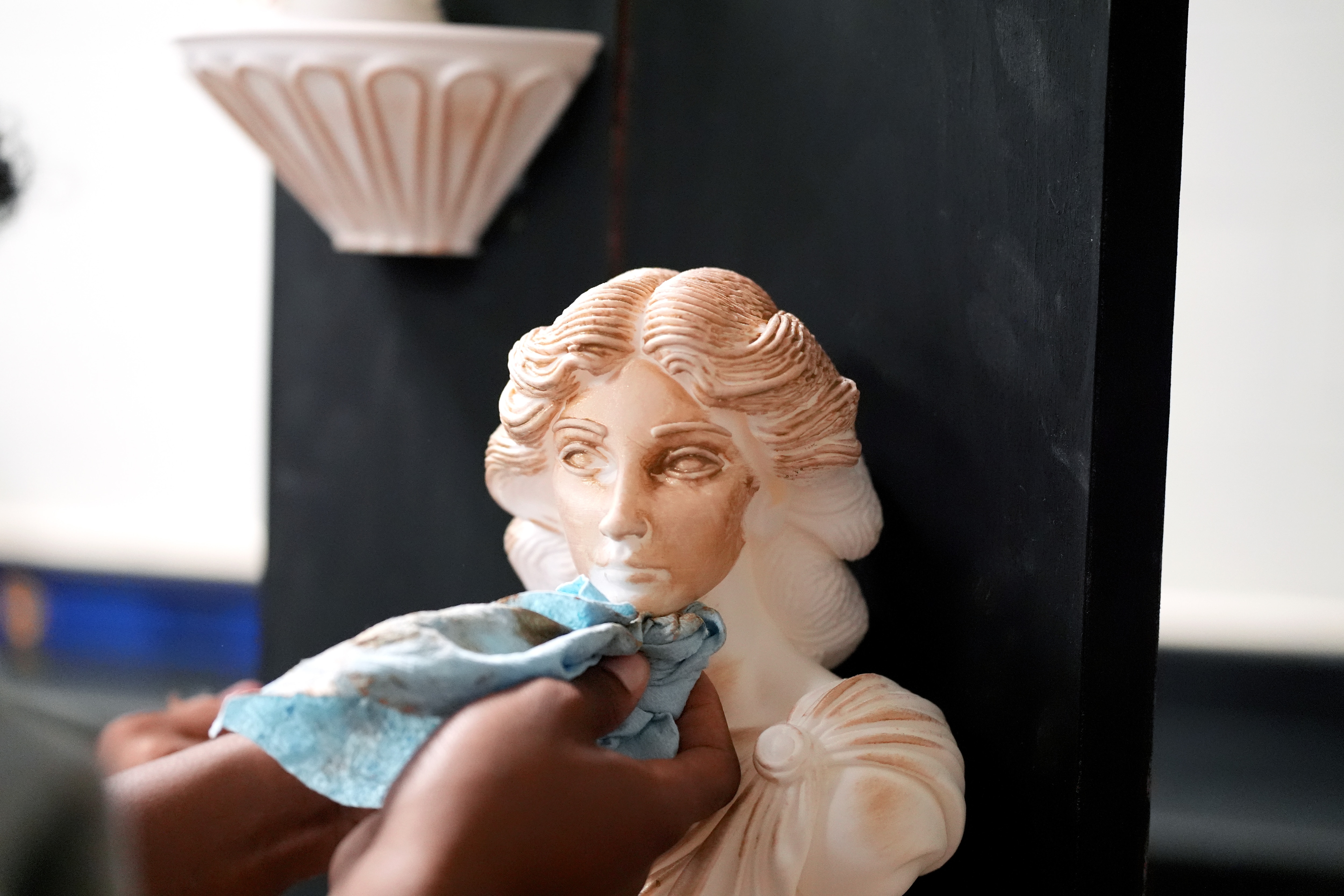
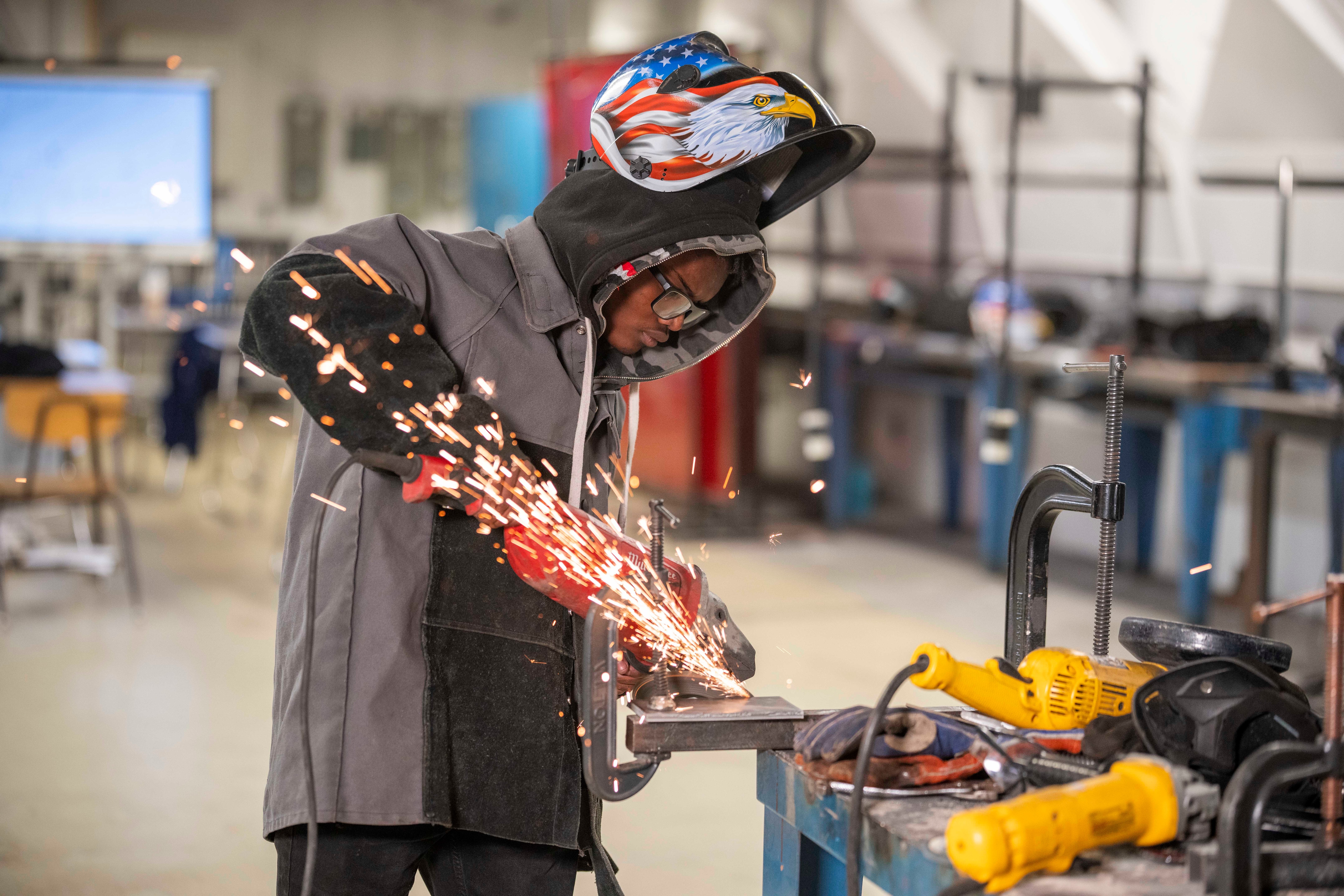
In Poole’s traditional shop class, students worked mainly with metal, including welding. The laser engraver and 3D printers gave him access to technology he said he would not have experienced without Ford’s donation. He said the tools have helped students develop critical thinking and problem-solving skills as they think through a project and build it.
When the machines first arrived earlier in the school year, Poole helped unpack and set them up. He plans to use a laser engraver to make FFA awards from materials the school already has. But his favorite tool in the lab is the 3D printer.
“It just blows my mind how many things you can make,” he said, “and how intricate stuff you can make.”
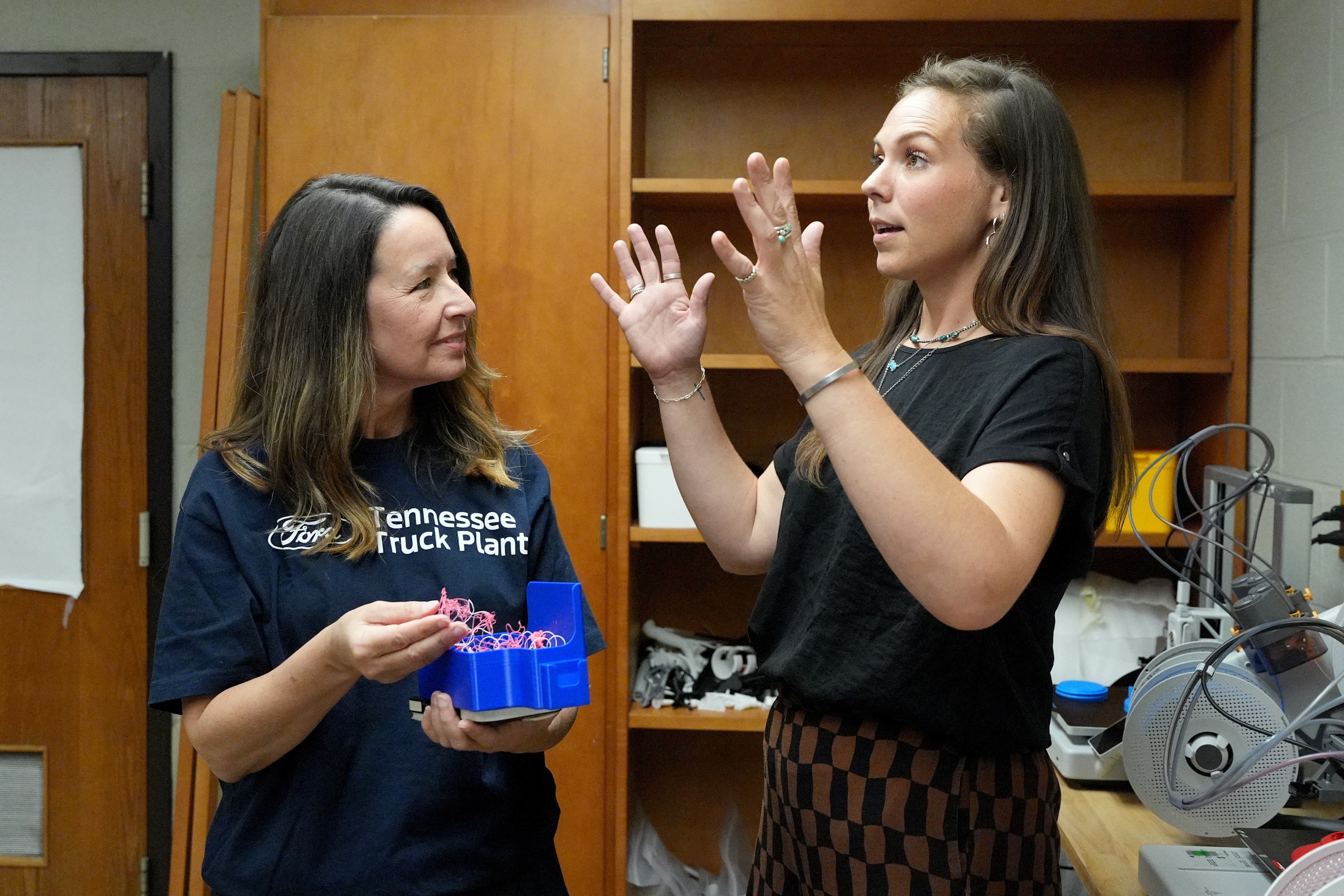
Madison Lewis, Haywood High’s Career and Technical Education director, said the collaboration among students has been especially rewarding.
The education system is full of “silos,” Lewis said, but the lab has helped break down some of those barriers by bringing together students from different paths. Some had never touched a tool as simple as a drill. Now they can use one.
“It has truly been wonderful to watch,” Lewis said.
Students in a plant sciences class also used 3D printers to design and make devices for a project on preventing erosion. But the collaboration with the theater students showed just how versatile and precise the machines can be when making stage props.
Until now, theater teacher Jocelyn Kissell had built the school’s limited props mostly herself, with help from her grandparents.
“It’s amazing,” Kissell said. “We have never been able to do anything like this before.”
“It’s amazing. We have never been able to do anything like this before.”Joselyn Kissell, Haywood High School theater teacher
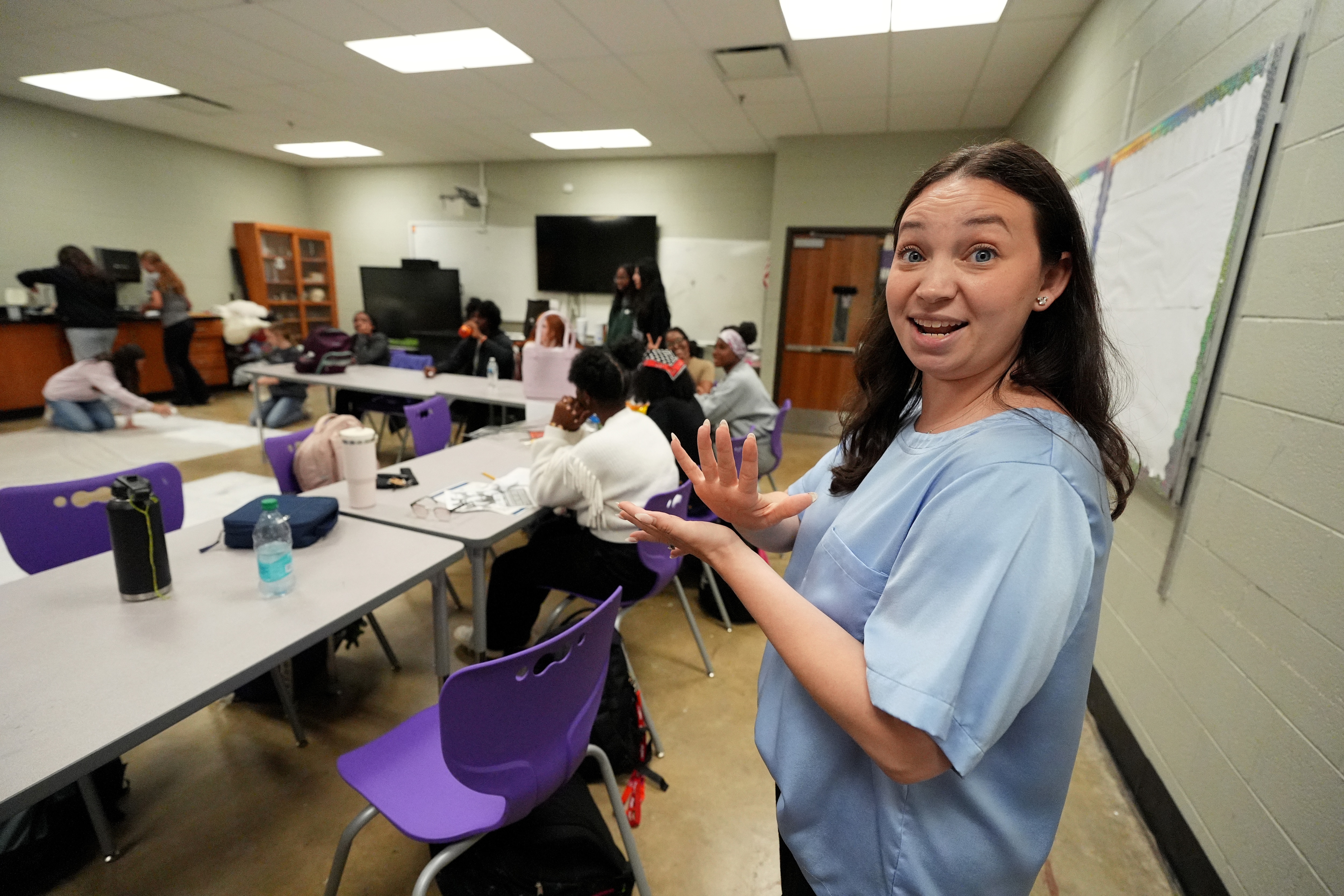
And who knows? Teachers say students who thought they wanted to act may discover a passion for working behind the scenes.
Aleah Rhodes, a 16-year-old sophomore in the theater class who wants to be an occupational therapist, helped paint some of the props made with the 3D printers.
“It just seemed like something cool to do,” Rhodes said. “And it was a fun experience.”
The program is also building bridges beyond Haywood High. Kamisha Dixon, the principal of Ripley High School, said the labs are still young but already showing their potential. The lab at her school, about 20 miles from Haywood High, gives special education students opportunities to work alongside students from traditional classes.

“When you’re in here and it’s hands-on, it doesn’t matter,” she said. “It’s all-inclusive. Everybody is able to play their part. They’re able to go in and use their critical-thinking skills and be creative.”
For Poole and the other students, the labs have become more than a room full of machines. They’re now a creative place where even an FFA president can help bring a musical to life.
Holbrook Mohr is a contributing writer from Brandon, Mississippi.