
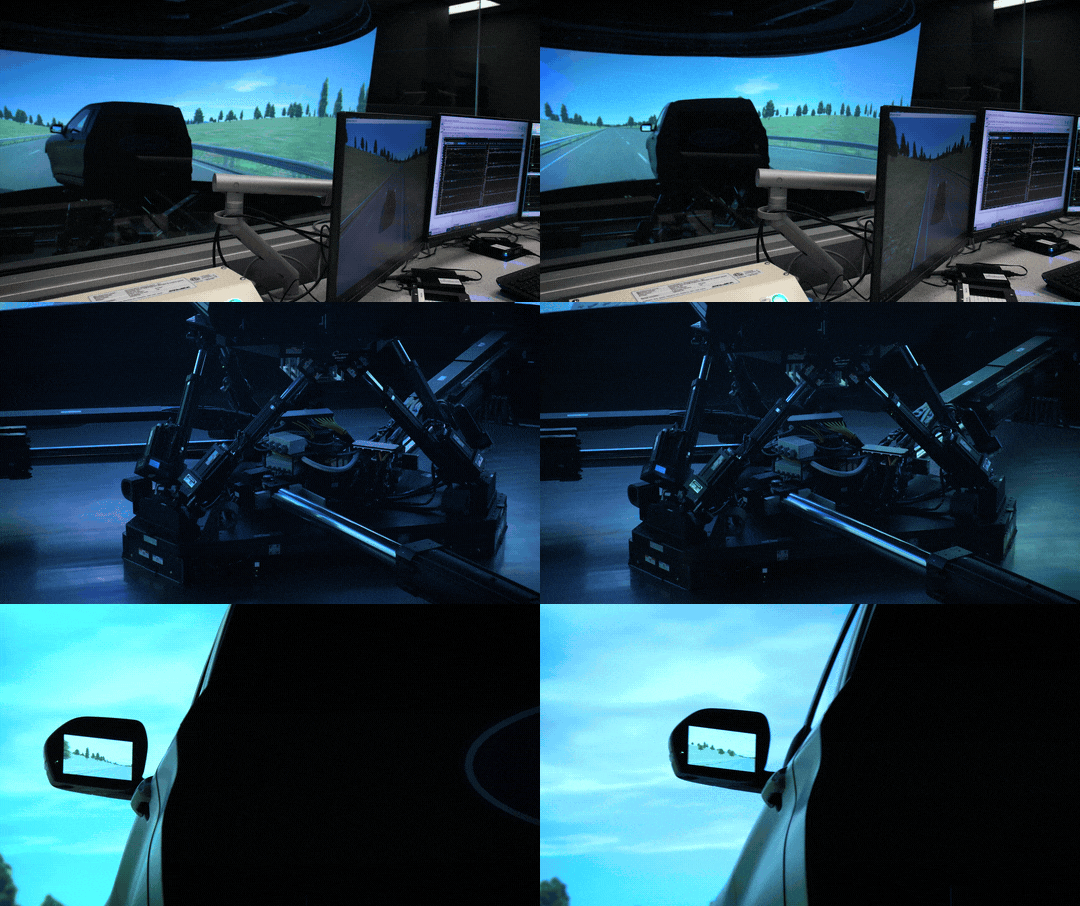

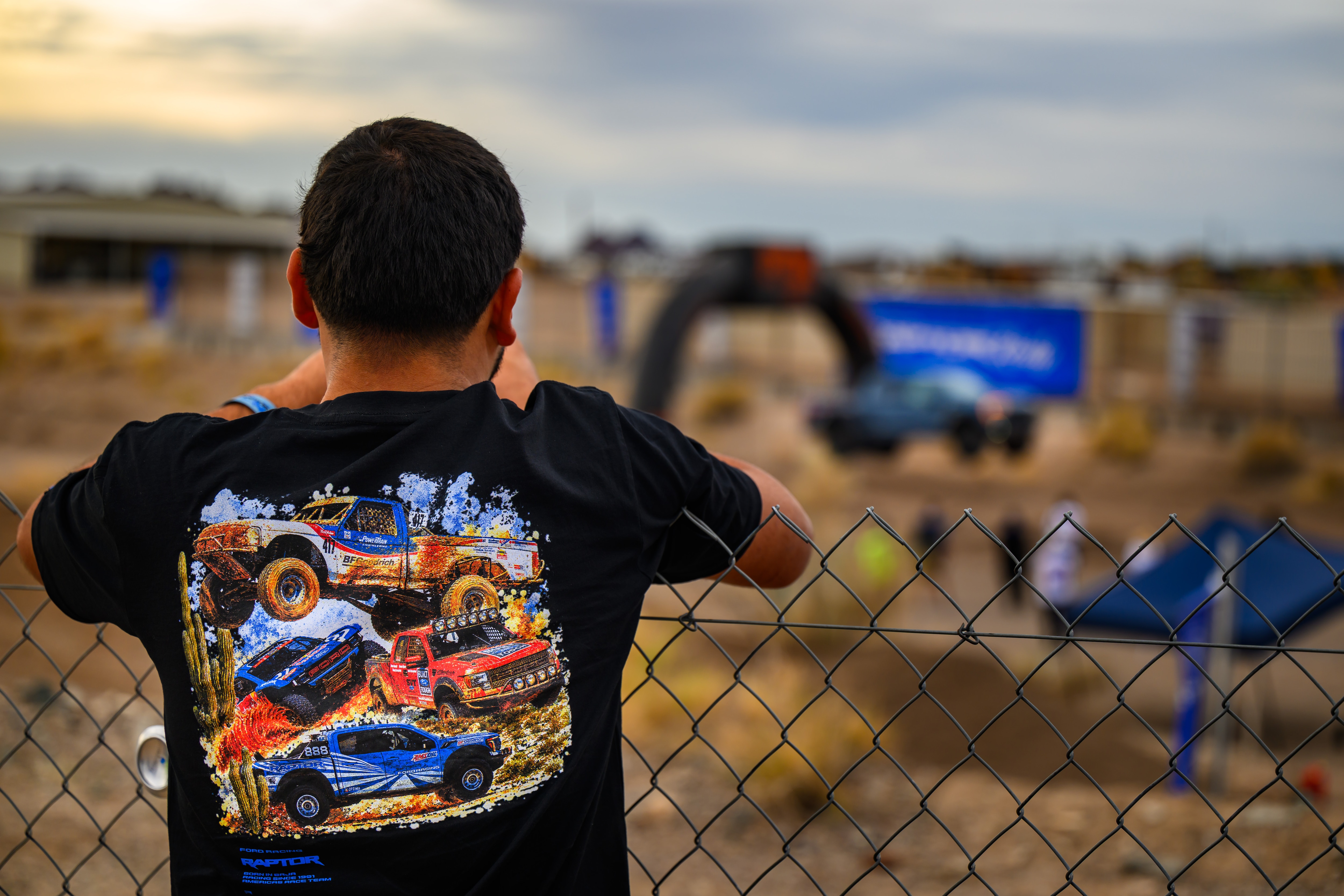
I got the idea to start the Ford Simulator program from the racetrack.
During over two decades at Ford, I’d spent years on the Ford Racing team. So when that team got their first simulator, after I had moved into vehicle dynamics, I saw big potential:
Why shouldn’t these tools driving racing performance be used in other Ford programs?
The Product Development Simulator I envisioned started putting vehicles through their paces in a virtual environment in 2020.
And in the years since it opened, it’s lived up to the potential.
Anything you would do driving in your car, we’ve looked at in a simulator. From driving to work on normal highways to emergency maneuvers.
Part of virtual testing’s power is speed. In a single day, we can run simulations that would take six months in real life. We can run ten times as many tests in a tenth of the time.
You don’t have to get a mechanic to switch parts out before running the next test. Vehicle damage that might total a test vehicle can be “repaired” at the touch of a button.
And you don’t have to drive your test vehicle all the way from frozen tundra to the desert to test a different environment — you can compare them back-to-back without leaving the simulator.

The simulator team validates all our testing against real-world outcomes.
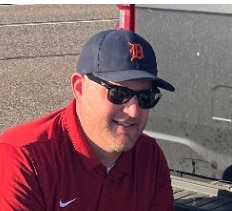
“If we run virtual tests, we want the same answer and information we get at the race track,” said Mike Del Zio, who recently joined my team as a Vehicle Dynamics Core Methods Engineer.
But in some cases, simulators can even do things that couldn’t be achieved by traditional testing.

In the real world, when you test on a fifty-degree day and the next day it’s seventy-five, you can’t really run the same test again under identical conditions. But virtual testing makes it possible to control those kinds of variables — and many more.
It can also test in conditions you would never find in the real world, like a highway that’s perfectly flat and perfectly straight. That allows engineers to get a totally different take on how steering or brakes work, without any of the unpredictable inputs of the real world.
Today, the Simulator in Dearborn has been used by every program at Ford, and other simulators have been opened at Ford sites across the world.
For example, the Ford Advanced Driver Assistance Systems (ADAS) team is using the Simulator for the development and continuous improvement of key features including BlueCruise hands free highway driving*.
As the virtual testing program has grown, the Simulator team has also worked to create a global ecosystem to keep virtual testing consistent across all programs and locations so information and improvements can be shared quickly.
We’re also branching out into off-road simulations and have started to work with suppliers to integrate supplier simulation capabilities into the Ford Simulator ecosystem.
Del Zio believes this is some of the most exciting work happening anywhere in the auto industry — even though he came to the team directly from the Mustang racetrack.
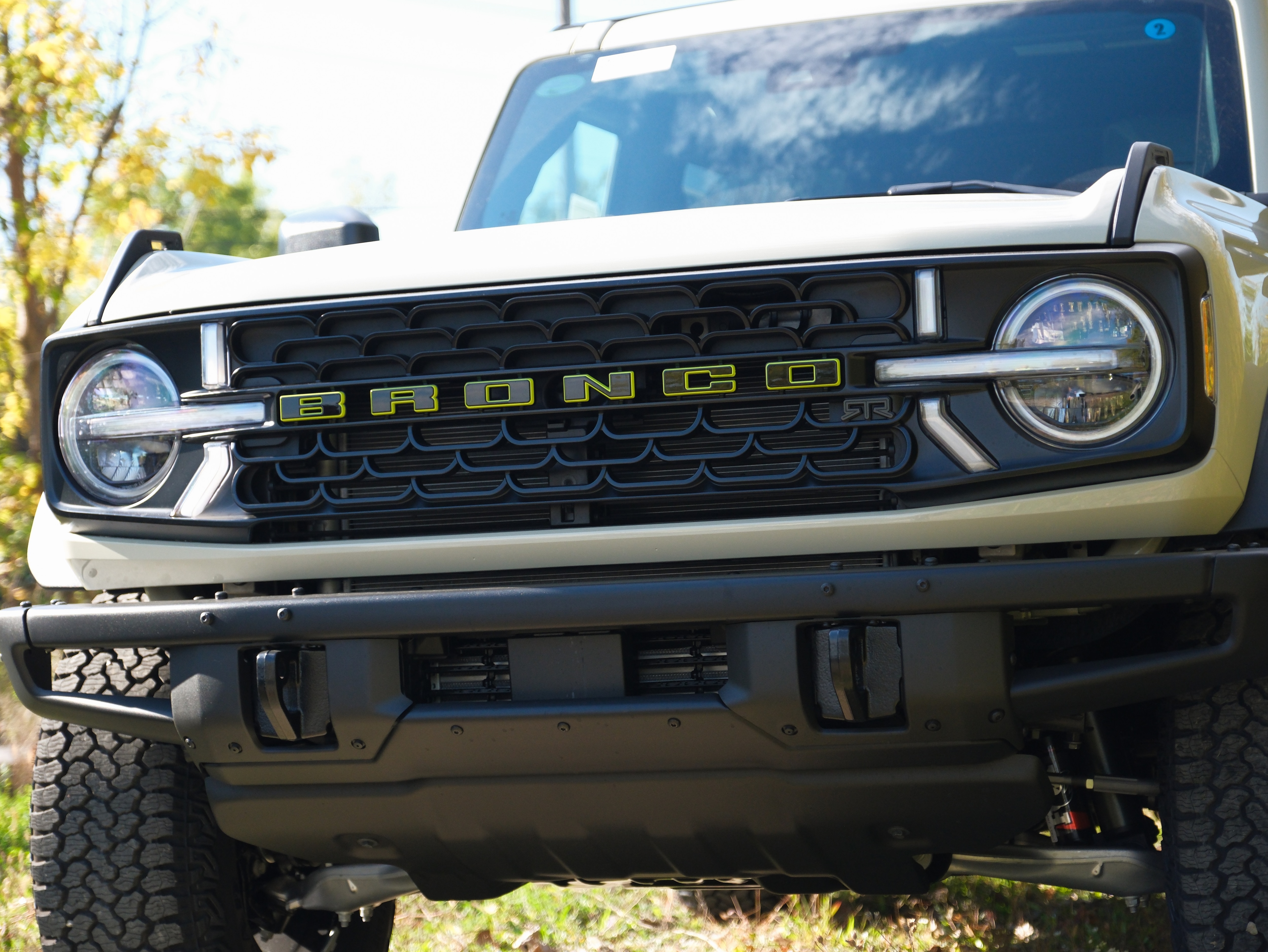
“People would ask me, why did you leave Mustang?” he said. “I was getting to take Mustangs to the racetrack and Broncos to the desert.”
But, Del Zio said, “I was tired of running into the same challenges. And I wanted to get to work on them upstream, where we could make an even bigger difference.”
On the Simulator team, he feels like he’s found his place: “We are a team of people who love to drive, building tools that build better vehicles.”
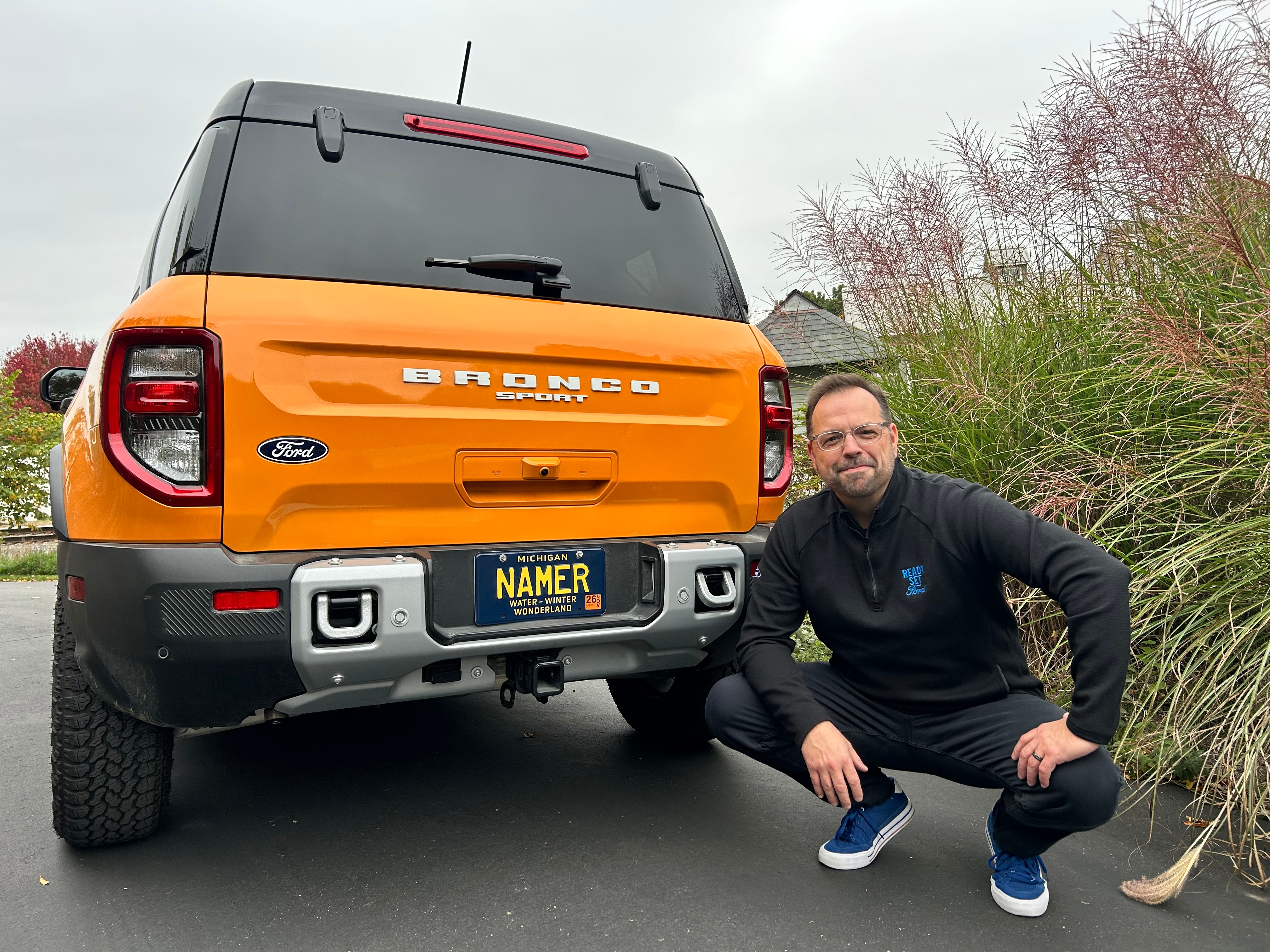
Louis Jamail is Vehicle Dynamics Core Methods and Simulation Supervisor at Ford Motor Company.
What to Read Next



*Available feature on select vehicles. BlueCruise requires an active plan or trial — see ford.com/bluecruise or lincoln.com/technology/bluecruise for details. Terms apply. BlueCruise is a driver-assist feature and does not replace safe driving, driver’s attention, judgment, and need to control the vehicle. Only remove hands in a hands-free Blue Zone. Always watch the road and be prepared to resume control. See Owner’s Manual for details and limitations.
