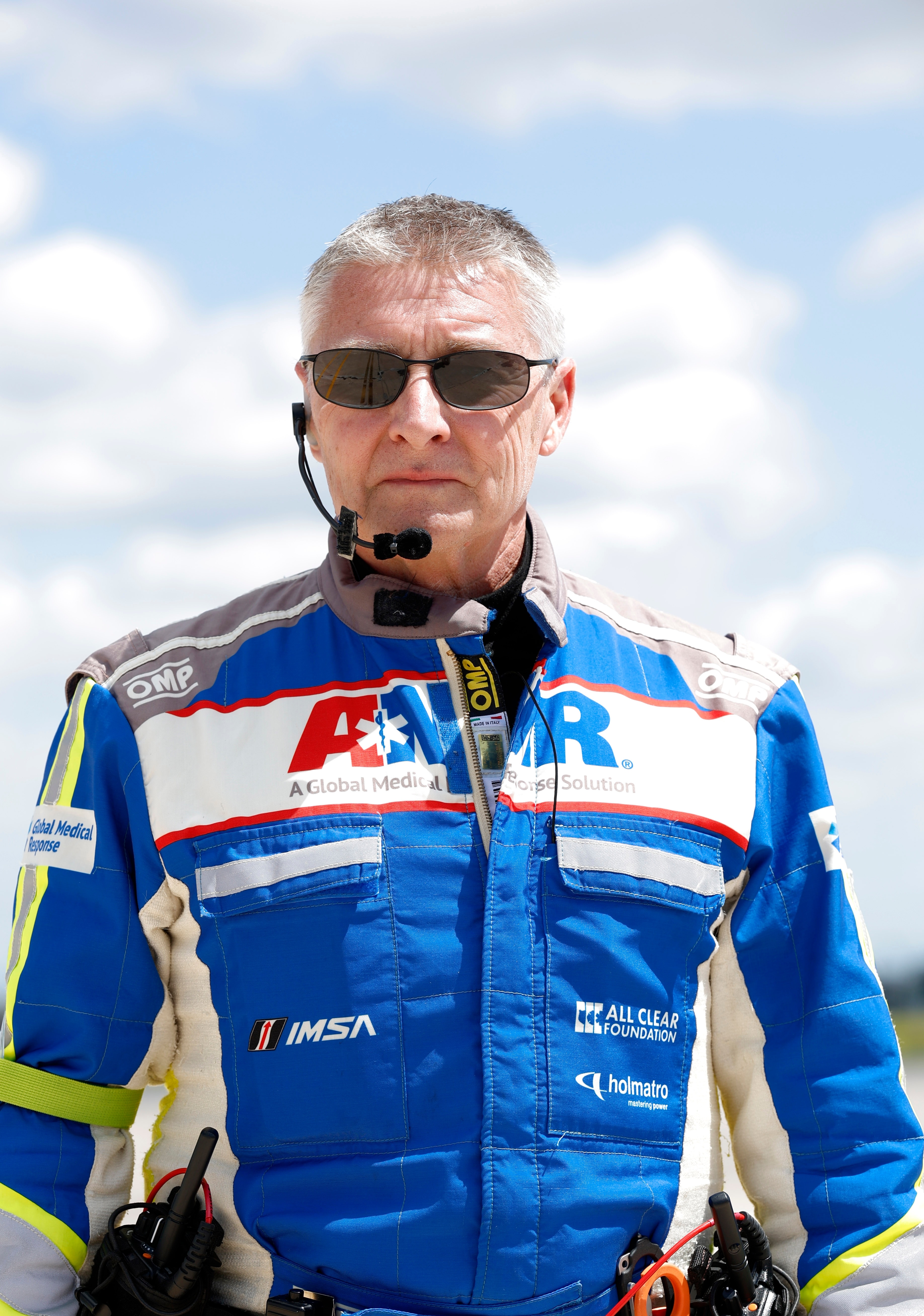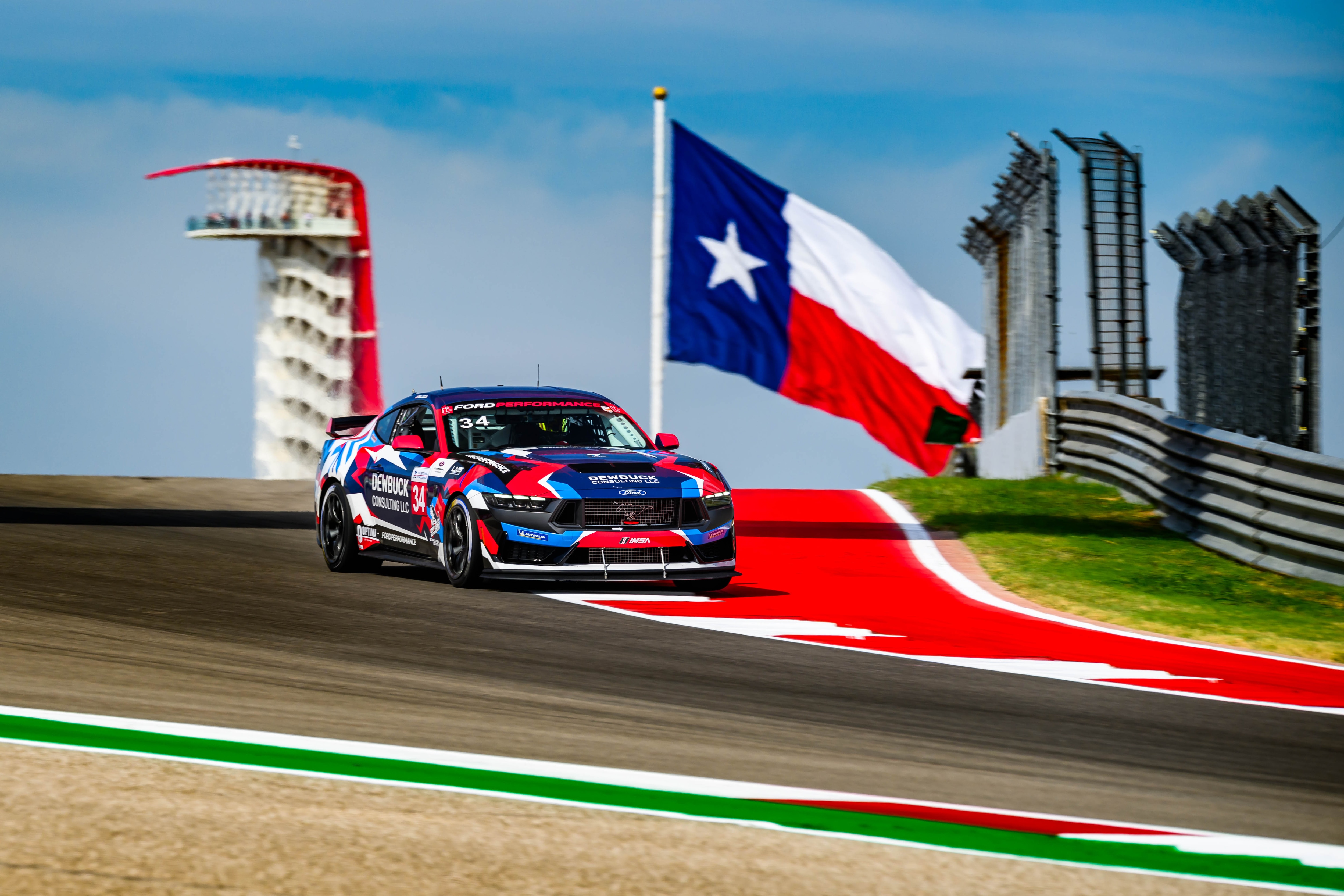

When NASCAR helps celebrate America’s 250th birthday by racing around Naval Base Coronado in San Diego, CA, on the weekend of June 19-21, Bill Evans will have a different perspective than most.
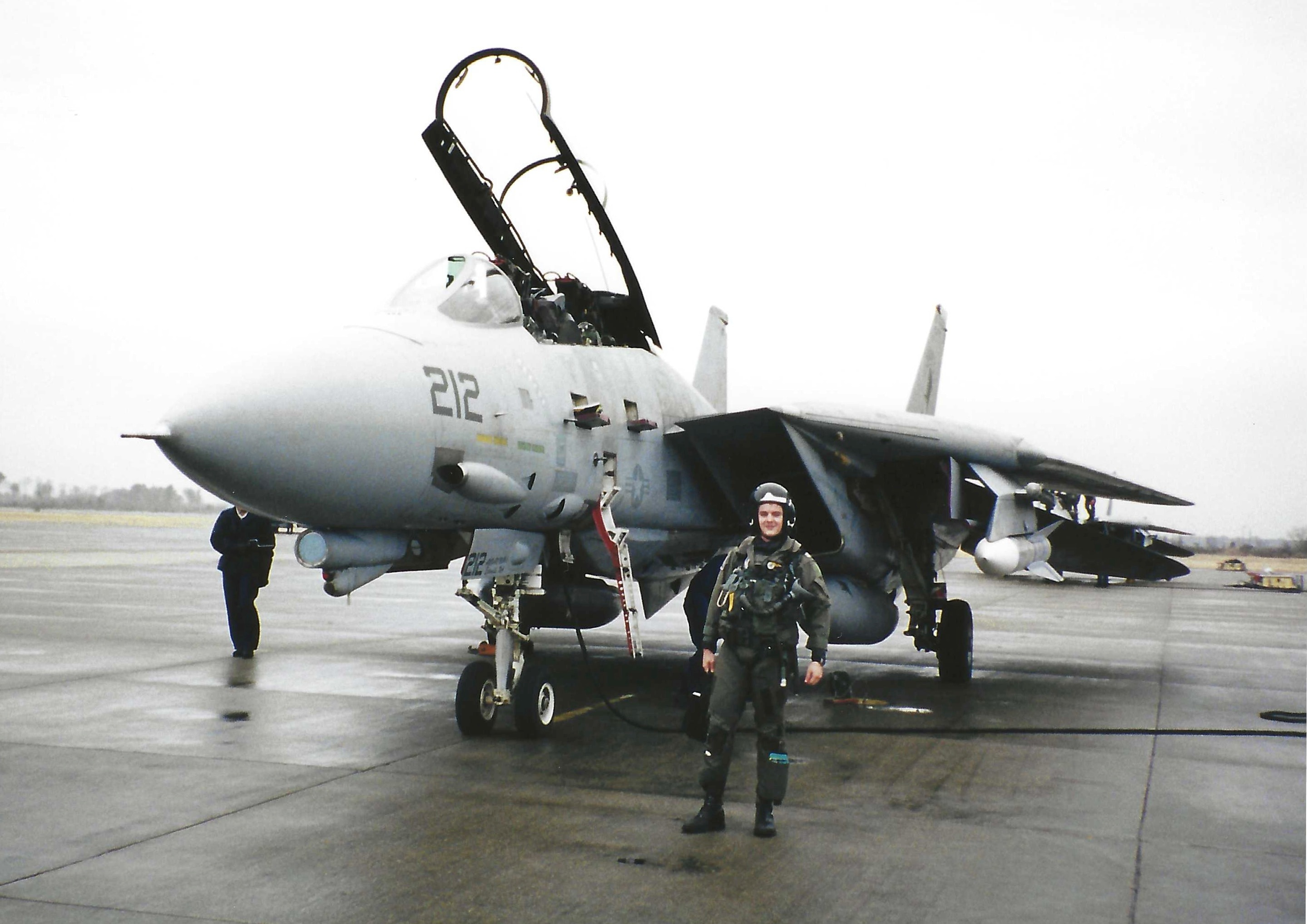
That’s because before he became a strategic data analyst working with Ford Racing’s NASCAR teams, he spent 24 years in the United States Navy. There, he did everything from serving as a medic in Kuwait as part of Operation Desert Storm to flying F-14 and F/A-18 fighter jets from different bases around the world, including over Afghanistan and Iraq.
“I still don’t know what I want to do when I grow up," he said. "I’ve been very blessed with quite a divergent set of jobs and experiences.”
Evans is a New Jersey native who estimates he has moved about two dozen times in his life.
“My first deployment was with the Marine Corps, and my last was actually as a reconstruction chief engineer in a province of Afghanistan with the Army 101st Airborne," he said. "I’ve worked very closely with the Air Force in combat, too, so I guess I’m about as four-service as you can get.”

Upon retiring to California following his military career, Evans took about a month off before connecting with former retired Army Ranger Colonel, Bill Tarantino, PhD, who had a small company called ADS and worked in racing analysis for Ford.
Evans was hired in 2014 and began working with Ford in NASCAR, WEC, and IMSA.
“At that point, the explosion of data in NASCAR racing started because all we used to see were lap times and pit stops,” Evans said. "Then we started getting high-frequency telemetry data and it continued to surge from there.”

He earned his undergraduate degree from Tulane University in computer engineering and a master’s degree in operations researchfrom the Naval Postgraduate School.
Racing brought a new level of appreciation for motorsports as he learned how to process data and create unique ways to make it useful for teams. Even though he watched racing during his formative years, he wasn’t what you would consider an avid fan.
“I really enjoy the data behind it, but I also realize that in doing all this, I appreciate and enjoy watching the NASCAR races a lot more because I can see where the strategy plays out," Evans said.
"I can see the macro strategy of pitting or not pitting on this lap, but I also appreciate how the car line and drafting can affect strategy."
“I appreciate and enjoy watching the NASCAR races a lot more because I can see where the strategy plays out.”Bill Evans, data analyst working with Ford Racing’s NASCAR teams
He also feels pulled in by the nerve-wracking nature of the sport.
"In the car, drivers are constantly shaking, jerking, bumping, and being bumped. It can be very physically distracting and demanding, not unlike maneuvering in a fighter jet, all while needing to make tactical and strategic decisions. I can appreciate what they’re going through.”
In his time working with Ford, Evans has been able to see similarities between fighter jets and race cars that not many people in this world would have been able to.
“One of the parallels I really enjoy is that both platforms — race cars and fighter jets — are intentionally, in a sense, unstable," he said.
"If you put a marble in a bowl, it’s going to stay at the bottom of the bowl, so it’s stable. That’s an airliner. A fighter jet is where you take the bowl and put it upside-down, put the marble on top, and try to stay centered. You want to be able to maneuver very aggressively on a moment’s notice, it’s very agile.
“A Cup car is meant to be very responsive.. The cars operate at the very edge of control — as close to losing it as possible without doing so. At higher speeds they can be unstable, and they let you feel and do a lot more than the road cars do.”
One other trait he feels pilots and race car drivers have in common is their ability to feel things "through the seat of their pants."
“You get muscle memory. You learn how to do things without actively thinking about it," Evans said.
"In a fighter jet, many actions and reactions are instinctual. I think that’s very similar with drivers. They don’t have to actively think as much about driving inches from another car at well over 100 miles an hour, letting them evaluate how the track has changed over the last few laps and how to plan ahead a few turns or a few laps for the longer race.”
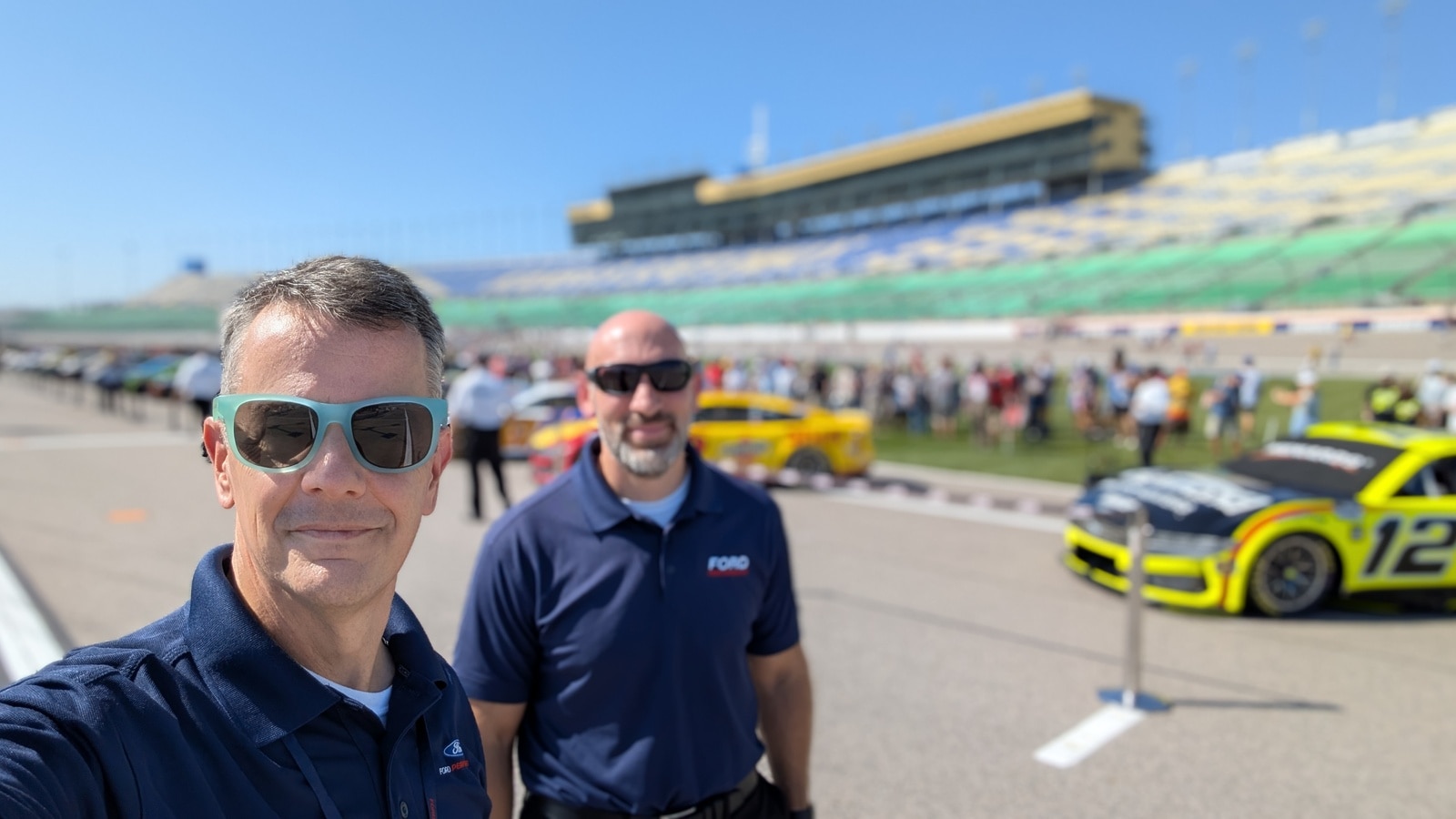
Although he has never actually driven a 500-mile race in a Ford Mustang Dark Horse, he has been on the deck of an aircraft carrier in the Arabian Gulf during a time when temperatures were oppressive.
He has returned from flights drenched in sweat and exhausted because of the physical demands needed to execute his duties — not unlike what race car drivers do on any given weekend.
And while his experience on Naval Base Coronado was limited to the occasional fuel stop, he can’t wait to get back there and see what it’s going to look like with a makeshift race course encircling the 1,000-acre island.
“I’m just going to love seeing the whole tarmac, the hangars and jets all over the place,” he said.
“That will be returning me back to when I was in the Navy working on and around the tarmac. Being able to see it with race cars going around at 150 miles an hour is going to be really exciting. I think this is going to be a fantastic show, and it’s an opportunity for civilians who don’t go on military bases very often, if at all, to see a very different view of what the Navy and military look like.”
Dan Zacharias writes for the Ford Performance communications team.