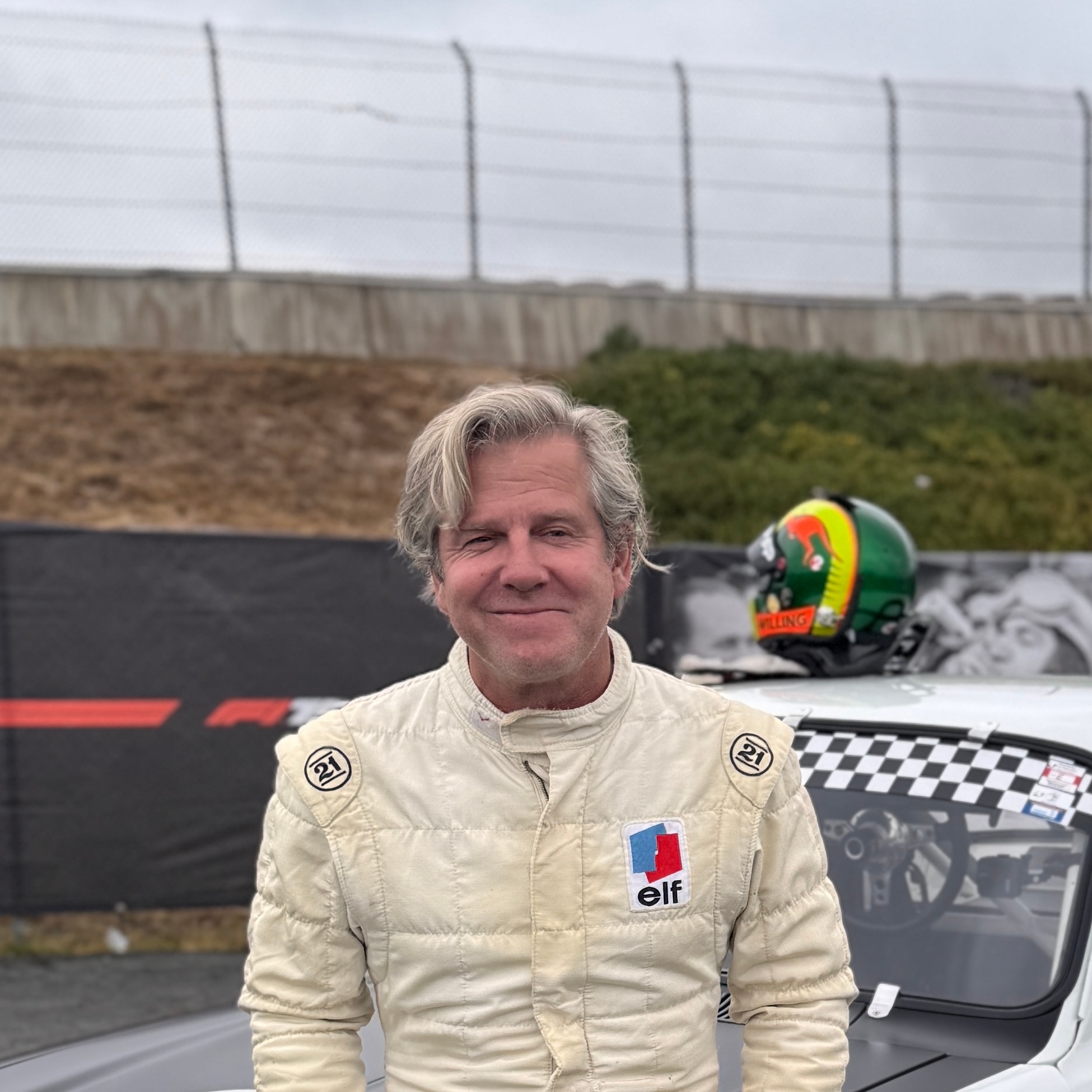


My team of engineers, who perform powertrain validation testing at altitude, have offices that look a little different than most. Countless hours are spent in a climate-controlled chamber in Dearborn, where we simulate the thin air of a 12,000-foot mountain pass under varying ambient temperature conditions. For final validation and sign-off, our work takes us out to Summit County, Colorado, where North America’s highest paved roads top out around 14,000 feet.
These benchmarks aren’t arbitrary. They’re based on where our customers live, work, and explore. We’re aiming to ensure your engine turns over, even on the coldest winter mornings. We’re making sure when you’re towing a heavy trailer up a steep 6% grade, your truck can maintain speed without having to downshift. And we’re validating that when you need to pass a vehicle on a two-lane mountain highway at 11,000 feet, the engine can deliver enough power to do so safely and confidently.
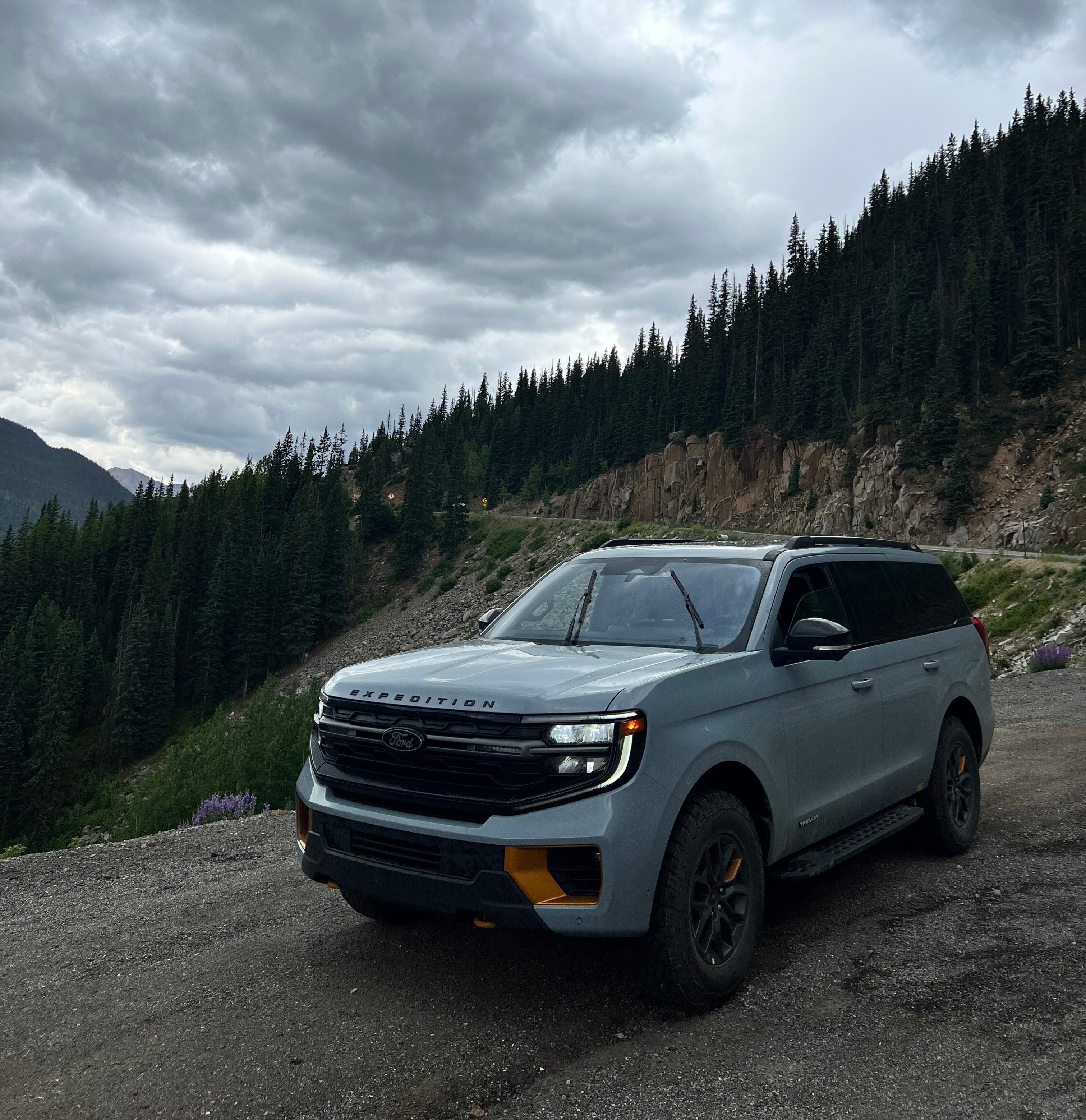
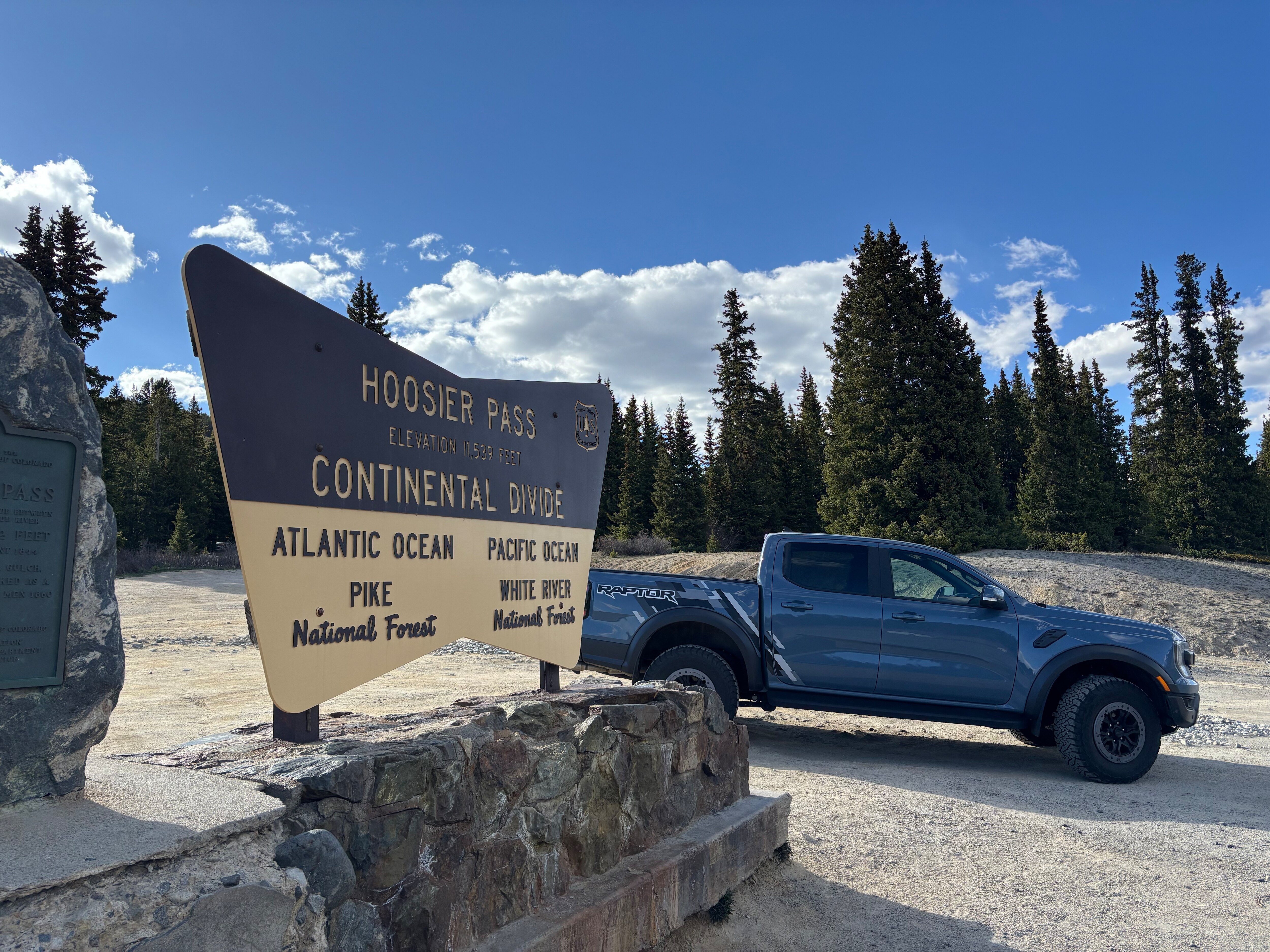
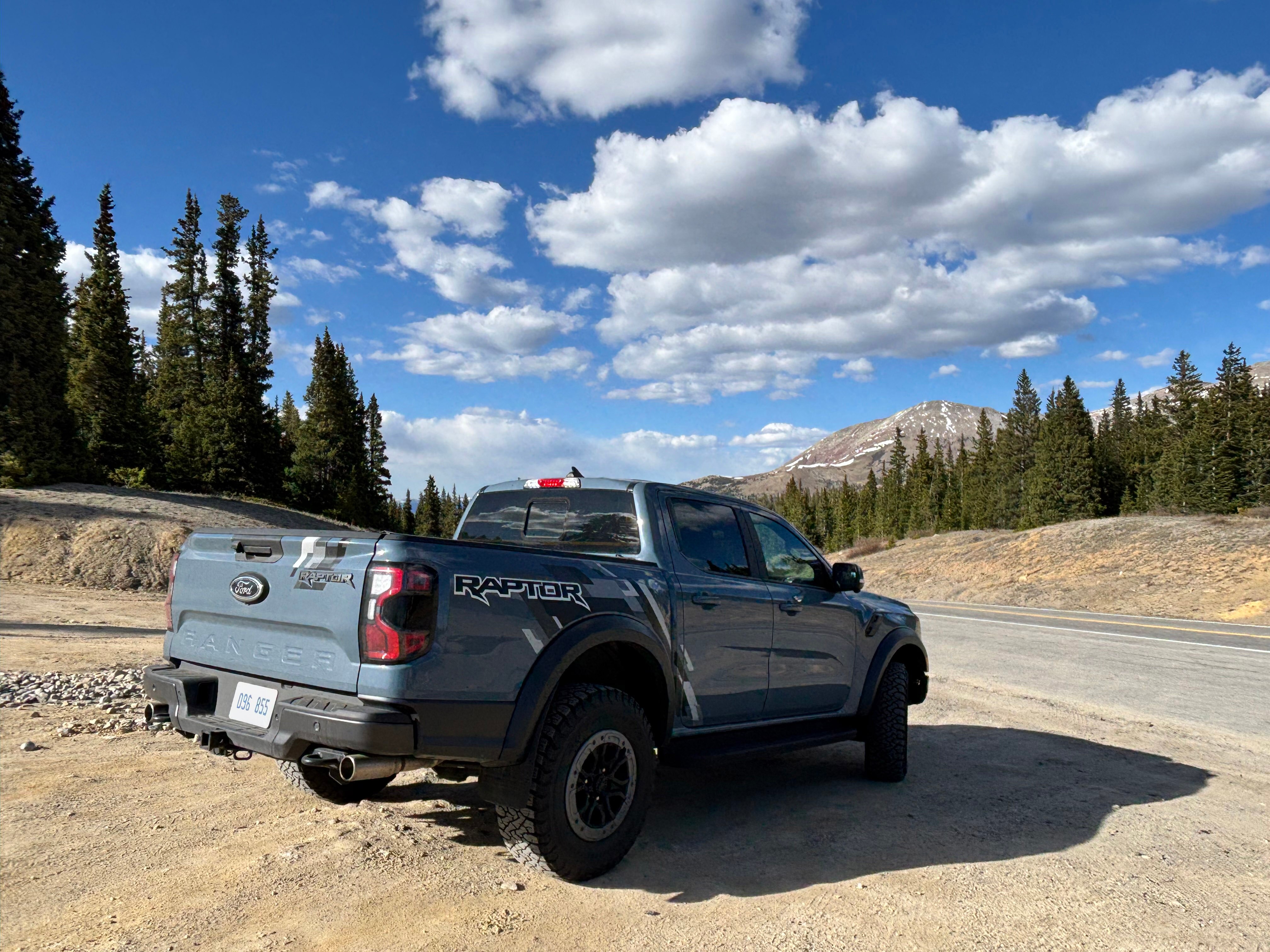
To achieve that capability, we design our tests far beyond average customer use cases. We’re testing for the 99th-percentile customer, the person who’s going to push their truck to the absolute limit — and then some. So when we heard that a team of adventurers planned to take two Ranger Raptor trucks, an Expedition Tremor and Expedition SUV, and an Everest up the world’s highest active volcano in Chile in February 2026, our curiosity was piqued.
Their mission was a Guinness World Record: run a marathon from Ojos del Salado’s summit (at over 22,000 feet) back down to sea level. And they would use the Ford vehicles to get most of the way up the mountain. If that isn’t pushing the limits, I don’t know what is.
Into the Unknown
Leading up to the marathon event, my team of engineers and I reviewed the data we had to determine whether the vehicles could perform at that altitude. We provided our analysis based on the vehicle’s known capabilities.
Our “known” world in North American testing ends at about 14,000 feet, but after reviewing data from our validation tests, as well as data collected on similar vehicles in the Tibet region in China, which goes up to approximately 19,000 feet, we felt pretty confident the vehicles could handle the conditions. The control systems are designed to protect the hardware, and our analysis showed that all hardware stayed within its intended design limits.
To further gain confidence, the team installed a data recorder into one of the vehicles and had the local team in Chile pre-run the route to collect data under the actual marathon conditions. This data was critical to confirm the vehicles could perform as expected when they were needed to support the athletes on this historic endeavor.
Still, there’s a difference between “pretty confident” and “certain.” We knew the engineering. What we couldn’t predict was the environment: how hard the winds would blow, how fast the weather conditions could turn, or how brutal the overnight temperatures would get. Our data gave us a strong benchmark, but beyond a certain point, we had to trust the engineering to hold up. It's like running a marathon: you can train as much as you like, but you've got to perform on race day. And in this marathon, if the vehicles didn't perform, there would be stranded runners with no immediate way up or down
We wouldn’t know how the vehicles performed until they got back into cell range and we could access the black-box data collected on them during the mountain ascent. When it started to roll in, my first reaction was a deep sense of intrigue and excitement. The systems behaved exactly as we expected them to, even in an environment thousands of feet higher than our official proving grounds.
The Expeditions, Ranger Raptors, and Everest were cold-started multiple times across several overnight stays at base camp (sitting at 14,200 feet), and every single vehicle started without issue. The team pushed even further, starting all three models at elevations between 18,400 and 19,400 feet. Not a single engine needed coaxing to start.
When it came to driving, we were particularly interested in the Ranger Raptor truck, which was going to be used to attempt the greatest altitude swing ever achieved by a vehicle. In the end, the Ranger Raptor truck with 3.0-liter EcoBoost engine pushed up to 5,900 meters or nearly 19,400 feet over three days. The larger Expedition Tremor with a 3.5-liter EcoBoost engine was able to climb to 5,765 meters or nearly 19,000 feet.


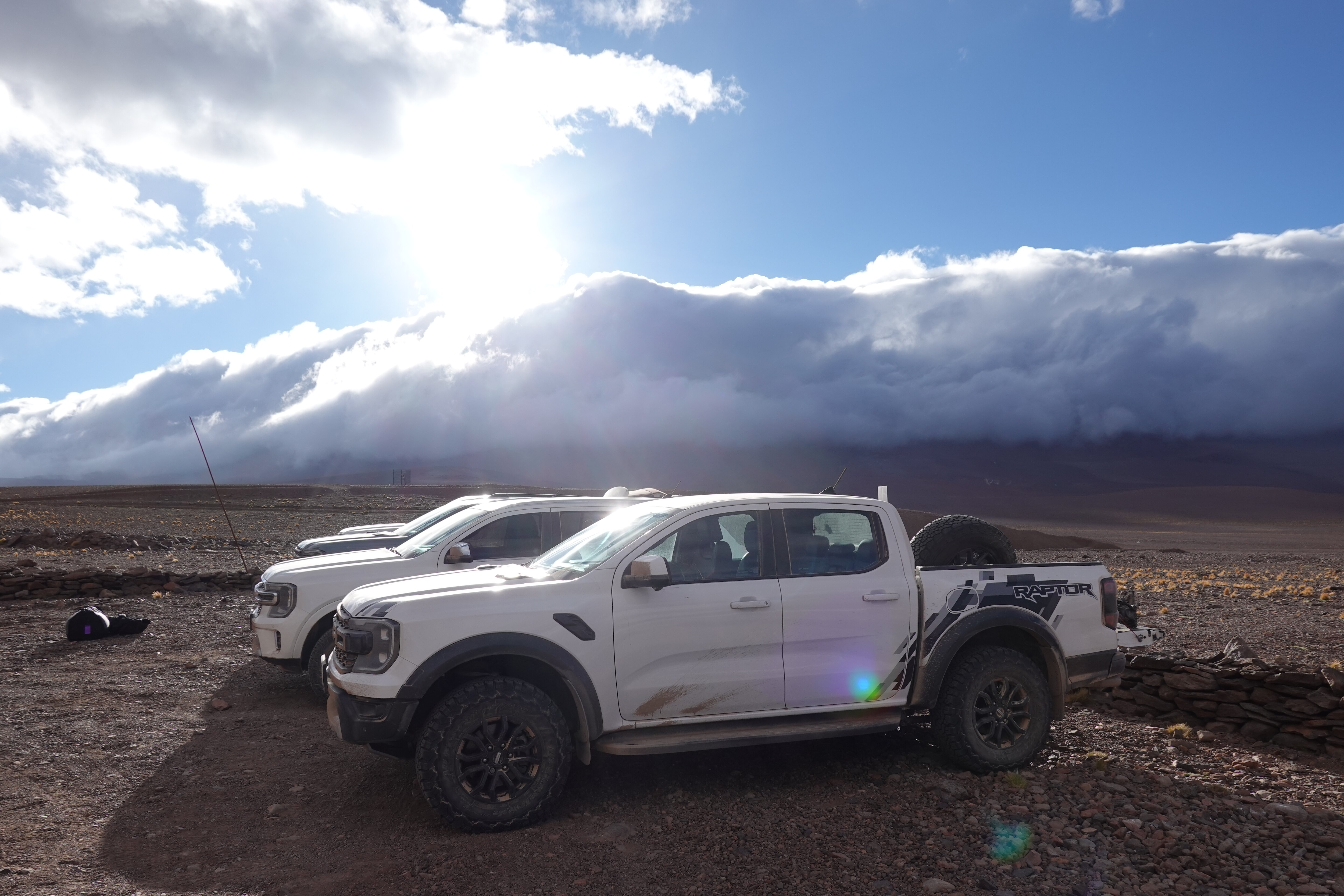
The Ranger Raptor climbed to peak altitude to scout the race route, hauling itself up grades as steep as 30% across rough, sandy terrain. Through all of it, the truck accelerated on demand and stayed within acceptable design limits.
Built for the Worst, Ready for the Rest
These results weren’t lucky. They were proof of sound design and engineering.
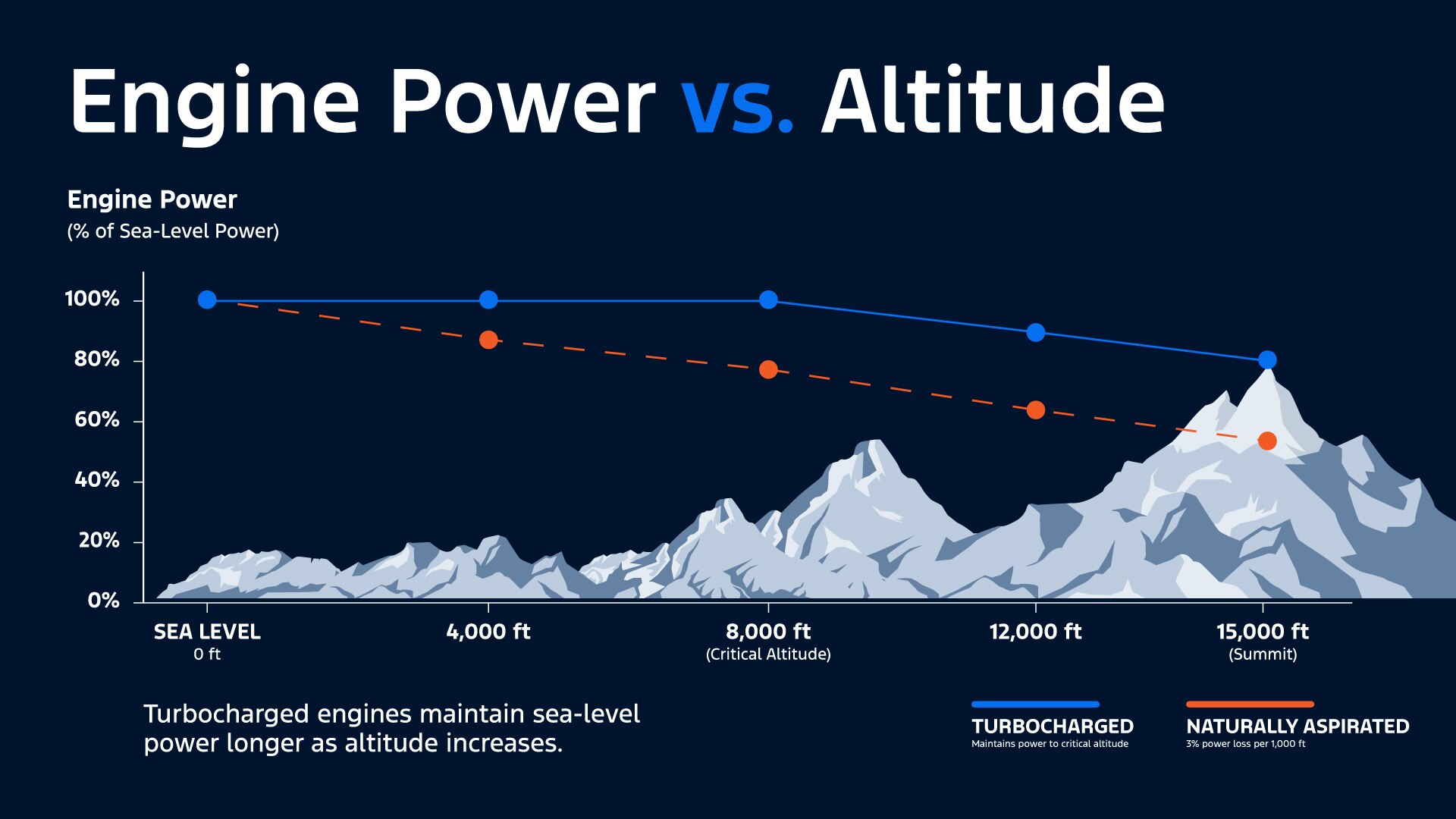
At the heart of it all is the EcoBoost turbo engine and its incredible control system. Think of it as the engine’s lungs. As you climb higher, the air gets less dense, and a normal engine begins to starve. For every 1,000 feet gained, a naturally aspirated engine loses roughly 3% of its power. The turbo compresses what little air there is and forces it into the engine, allowing it to breathe and make power where it otherwise couldn’t.
But here’s the paradox: A turbo motor will happily keep making boost, potentially pushing itself beyond what the hardware can safely handle. So, our job is to create a control system that allows the engine to use its incredible power without damaging itself.

Our average Ford customer isn’t using their vehicle to scale South American volcanos. They’re driving to work, hauling supplies from a home improvement store, and taking their families on road trips. But the same engineering that allowed these vehicles to start, climb, and perform at nearly 20,000 feet is built for those day-to-day drives, too.
The World's Highest Marathon documentary can be watched on YouTube.
Jason DeVries is a powertrain calibration manager at Ford.
The World's Highest Marathon attempt was conducted with experienced local guides knowledgeable about the terrain, and with qualified medical staff present to monitor conditions and ensure participant safety. Do not attempt to replicate.
Always consult the Owner’s Manual before off-road driving, know your terrain and trail difficulty, and use appropriate safety gear.
Horsepower and torque ratings based on premium fuel per SAE J1349® standard. Your results may vary.