
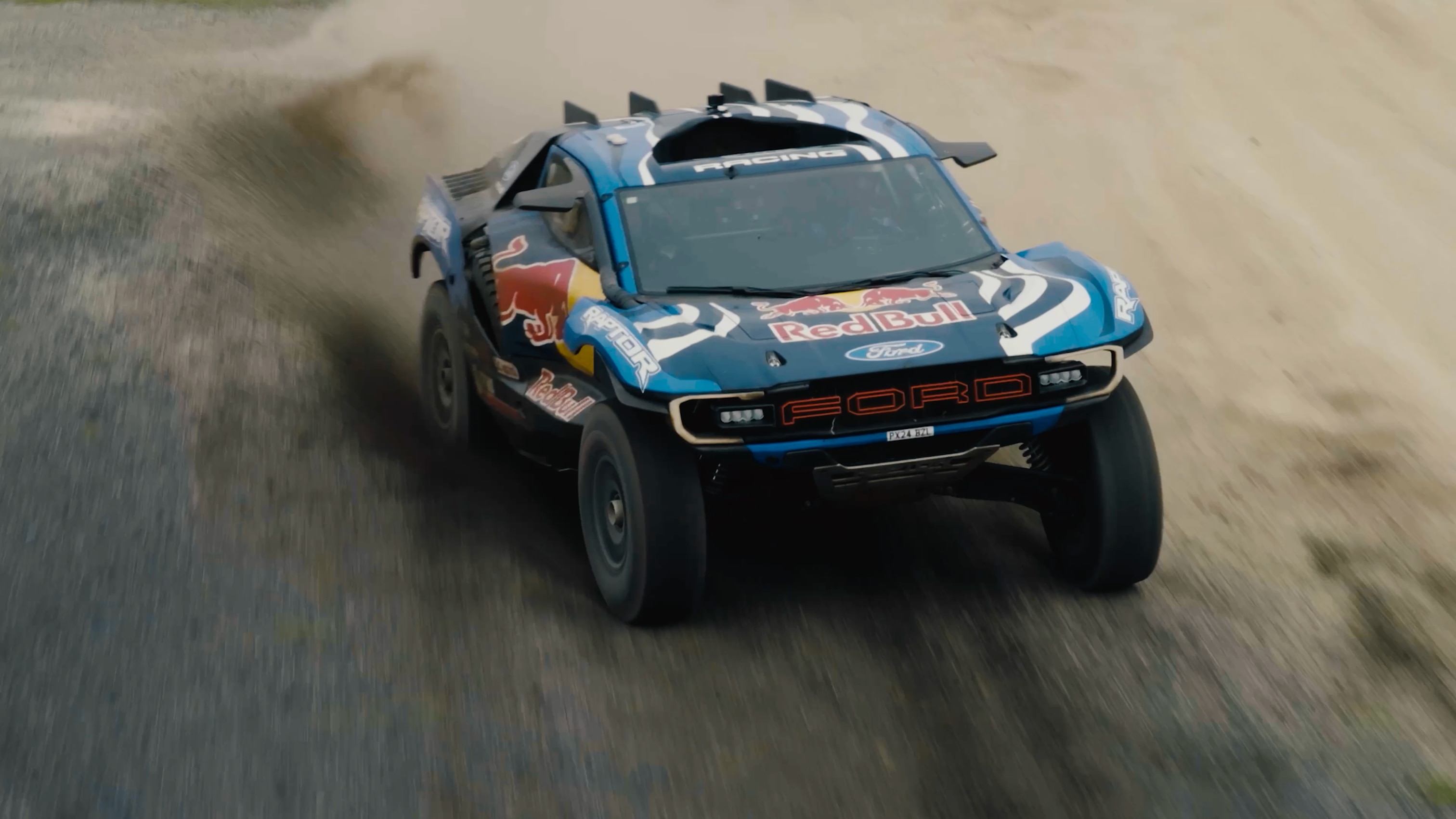
Ford 5.0-liter V8-based race engines were pushed to extremes no street car would ever see, revealing opportunities to strengthen components like the camshaft drive to better perform under high-stress conditions.
Engineers refined the design on the track and carried those improvements back into the production 5.0-liter Coyote V8 engine.
This is just one example of how Ford is bringing learnings from race testing to vehicles used for trailer towing, grocery store runs, and oceanside road trips.
The goal: to break the powertrains, the essential system of engine and transmission that generates and delivers power to the wheels, and then make them better before the customers buy them.
"This requires us to look at failure differently. We now celebrate internal test failures," said Charles Poon, Ford vice president of Vehicle Hardware and Software Engineering, and the Powertrain Engineering team.
“The more issues we identify during testing, the lower the chance of our customers experiencing them.”
This development relies on the dedication of two distinct groups of Ford employees.
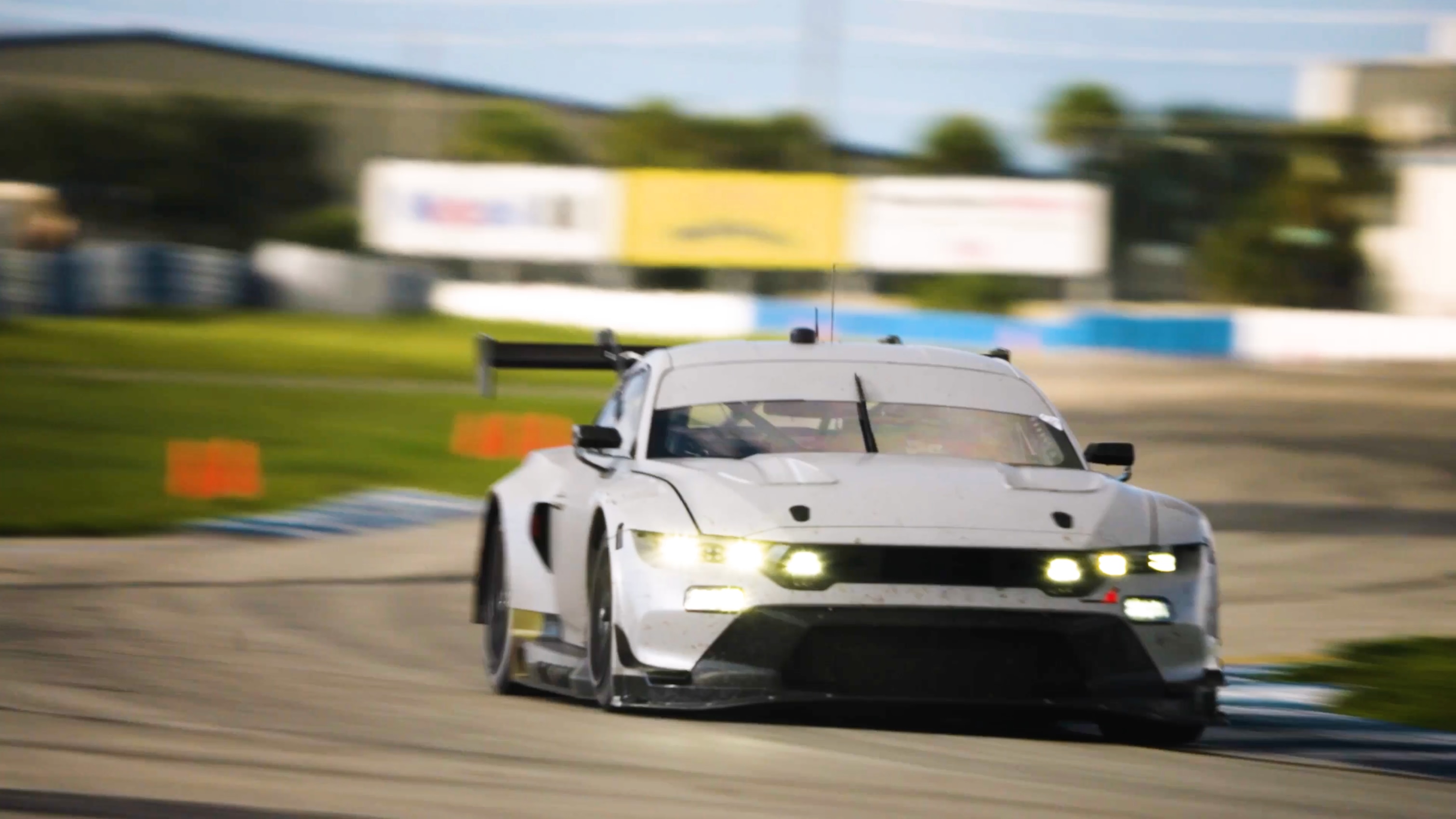
On one end, you have the Ford Racing engineers and pit crews, working day and night and analyzing real-time telemetry data as engines endure hours of wide-open throttle, extreme heat, and punishing vibrations.
On the other end, you have Ford Product Development engineers who collaborate with the racing teams to deliver improved designs for issues found in the data analysis.
“The more issues we identify during testing, the lower the chance of our customers experiencing them.”Charles Poon, VP of Vehicle Hardware and Software Engineering and the Powertrain Engineering team
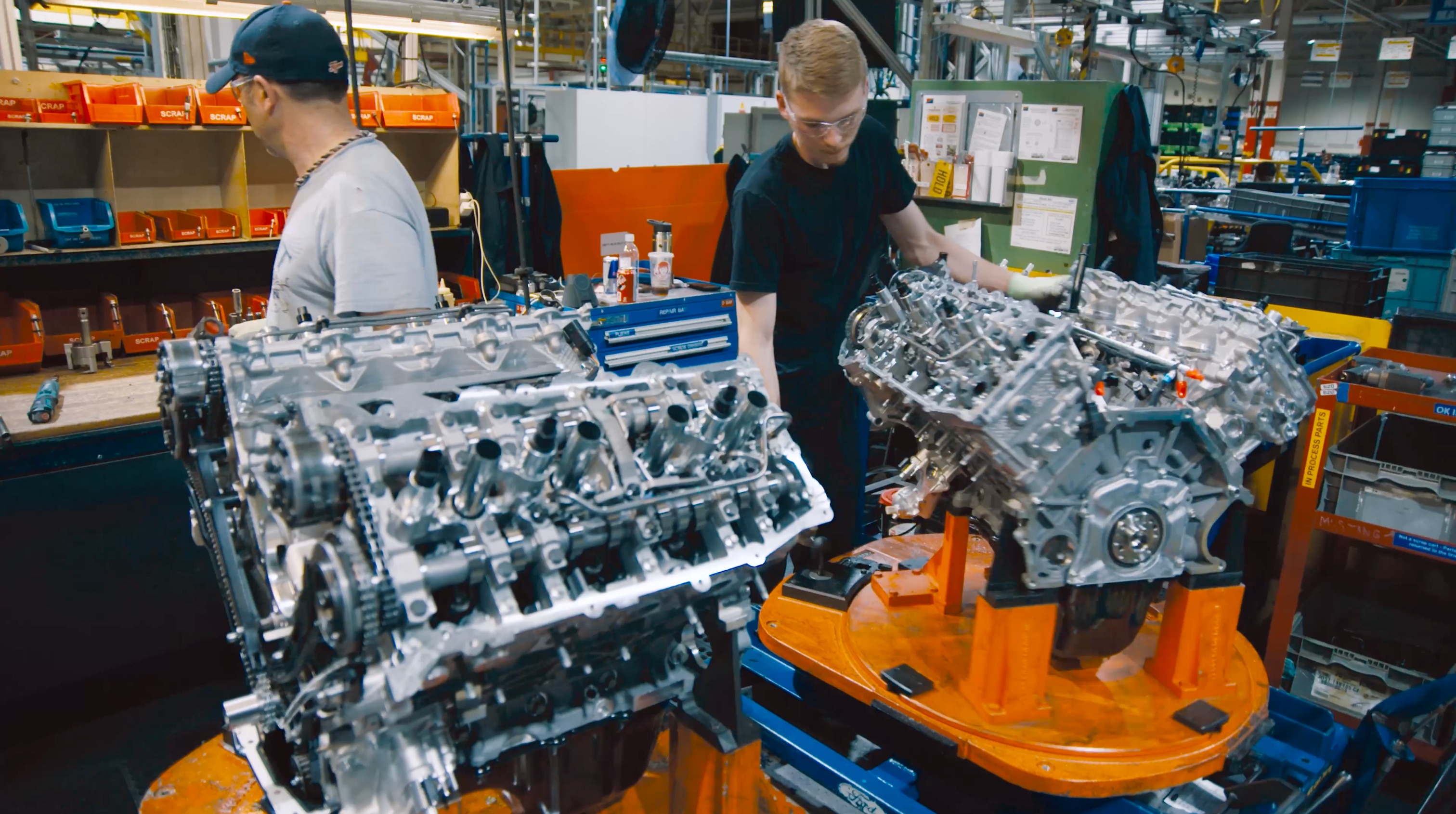
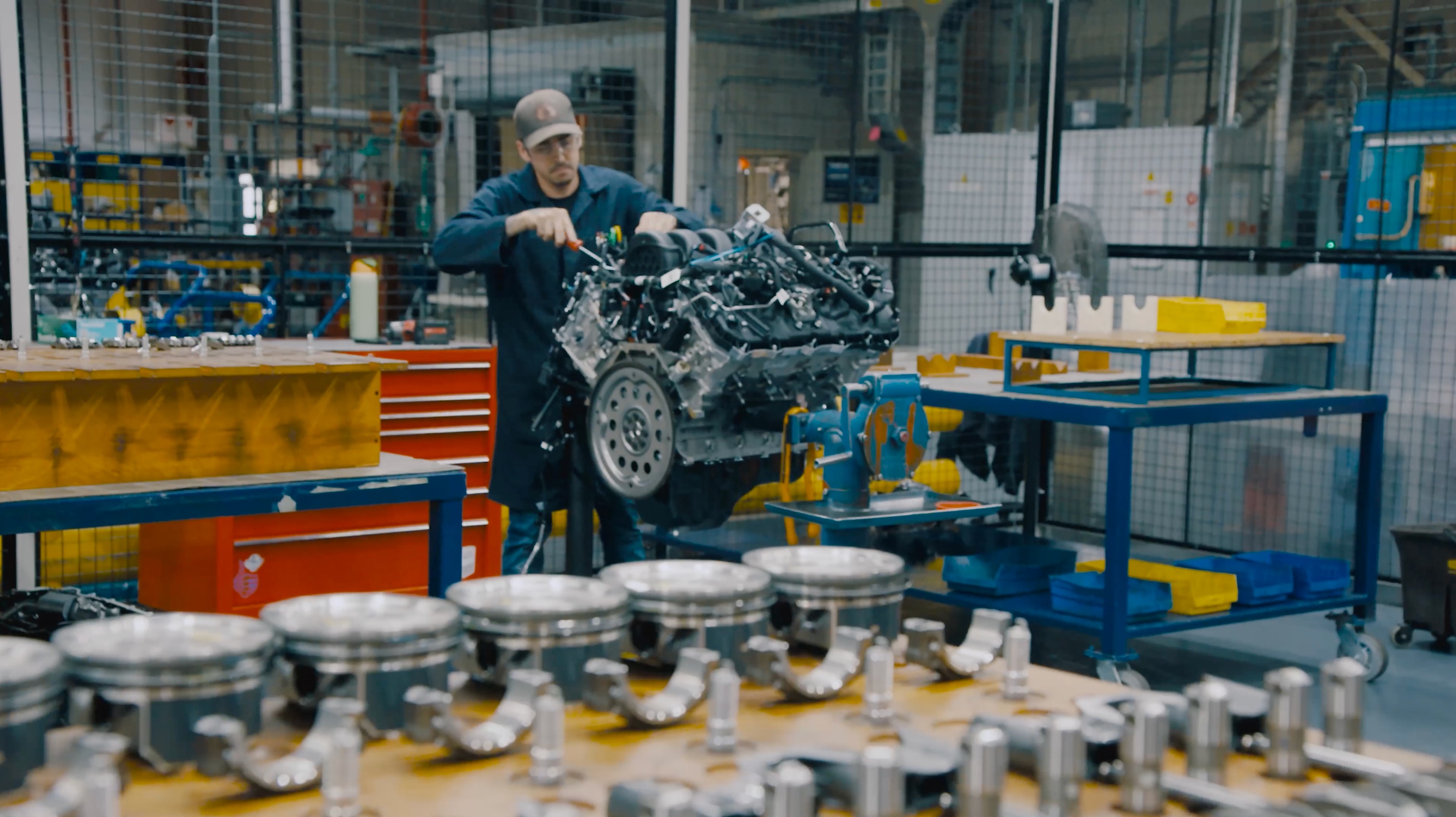
Engines pushed to their absolute limits on the track and in the lab are sent back to facilities like the Essex Engine Plant, where dedicated mechanics tear them down daily to hunt for weaknesses.
Those weaknesses get turned into opportunities for product improvements, not just fixes — like the camshaft drive upgrade.
Without racing, it’s possible that Ford wouldn’t have developed this feature for retail customers. Now, customers who tow a heavy load to a job site in an F-150® truck, cruise the highway in a Mustang GT® coupe, or chase lap times in a Mustang Dark Horse® sports car experience the benefits.
“Ultimately, testing is not simply about 'finding new defects' — it is about validating our engineering,” Poon said.
“When a failure does occur, our goal is to predict exactly what will fail and when. That level of predictability is how we prove our engineering models truly align with real-world conditions.”
And like the goal for all of the Ford powertrains, the hunt for additional opportunities to improve engines and transmissions keeps rolling along, too.
Sharyn Ghacham is communications manager for quality and safety at Ford Motor Company.