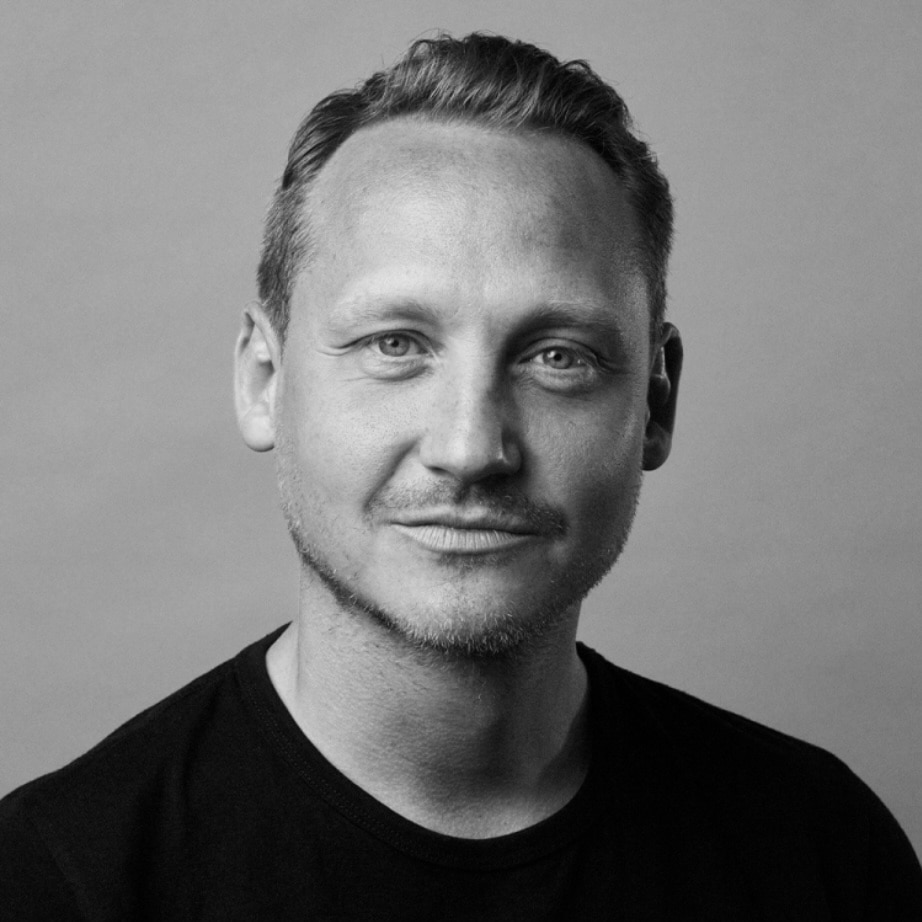
There are some projects you know, almost immediately, are going to be different.
The World’s Highest Marathon was one of those.
In February 2026, I had the privilege of joining an extraordinary expedition to Ojos del Salado in Chile — the world’s highest active volcano — not as an athlete, but as a filmmaker.
My team and I were tasked with documenting a grueling mission that involved taking 16 participants to the summit of Ojos del Salado (6,893 meters, or 22,614 feet) before they ran a full marathon back down to base camp. It was a test of physical and mental brutality so extreme that ultimately only five of the 16 people completed it, subsequently breaking two Guinness World Records.
What unfolded was a rare opportunity to be part of a huge, collective human endeavour played out across some of the most beautiful, remote, and unforgiving landscapes I’ve ever experienced.
Filmmaking at the Edge of Possibility
I’ve been a filmmaker for 20 years and worked on countless shoots. Working at altitude is a whole other beast.
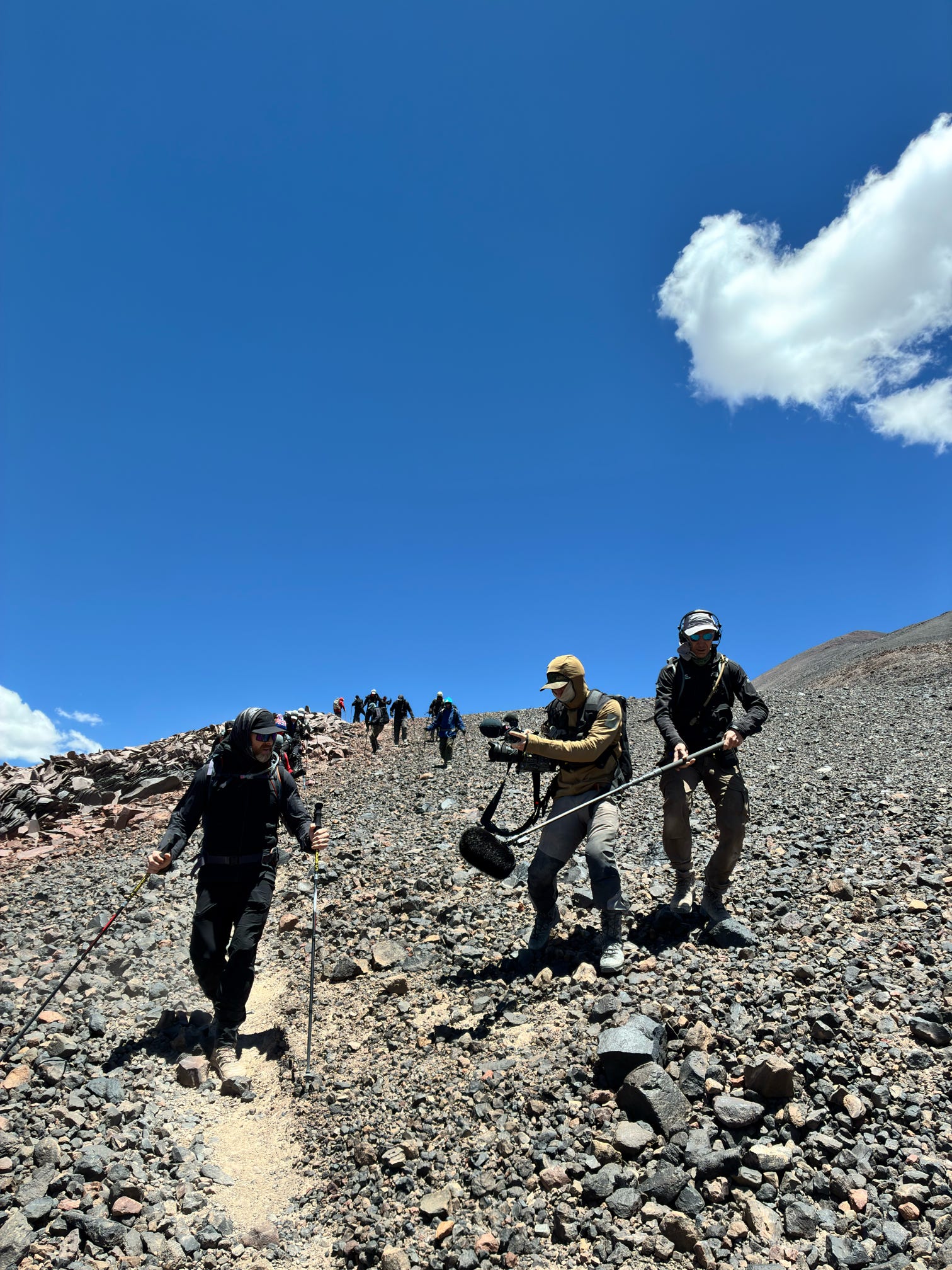
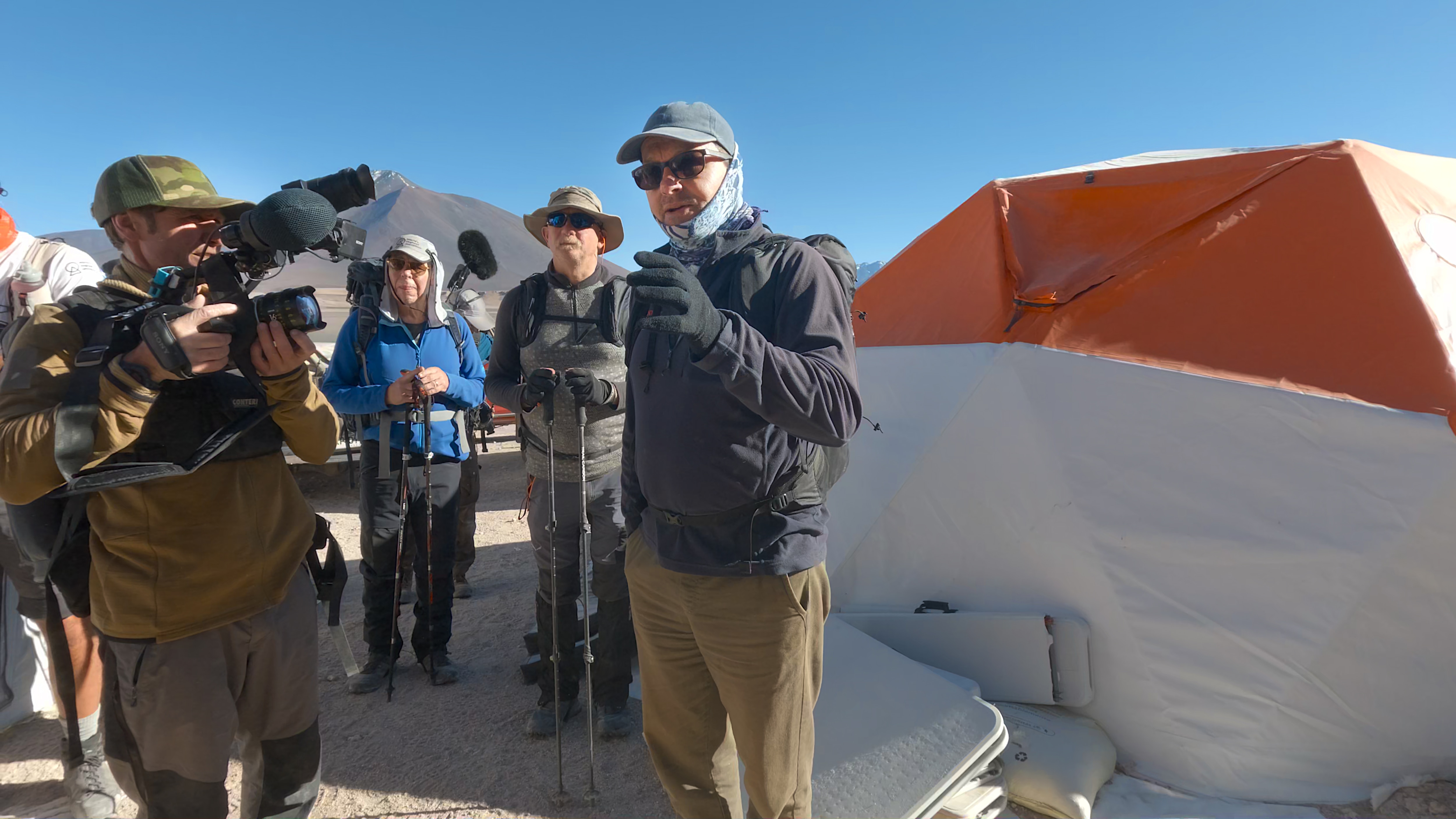
As we moved higher into the Atacama, the environment began to dictate every decision, eroding any feelings of control we had over the production. As a crew, we were acclimating alongside the athletes and feeling the same effects of altitude: thinning oxygen, fragmented sleep, constant headaches.
Even basic tasks — planning our days, lifting kit, and rigging cameras — required more energy than usual. All the while, we were responsible for capturing the story as it unfolded.
Not just the big moments, but the quiet ones, too. The fatigue. The doubt. The reflection.
From the very beginning, it was obvious that our Ford vehicles weren’t simply supporting the expedition. They were enabling it, both for the athletes and for us as filmmakers.
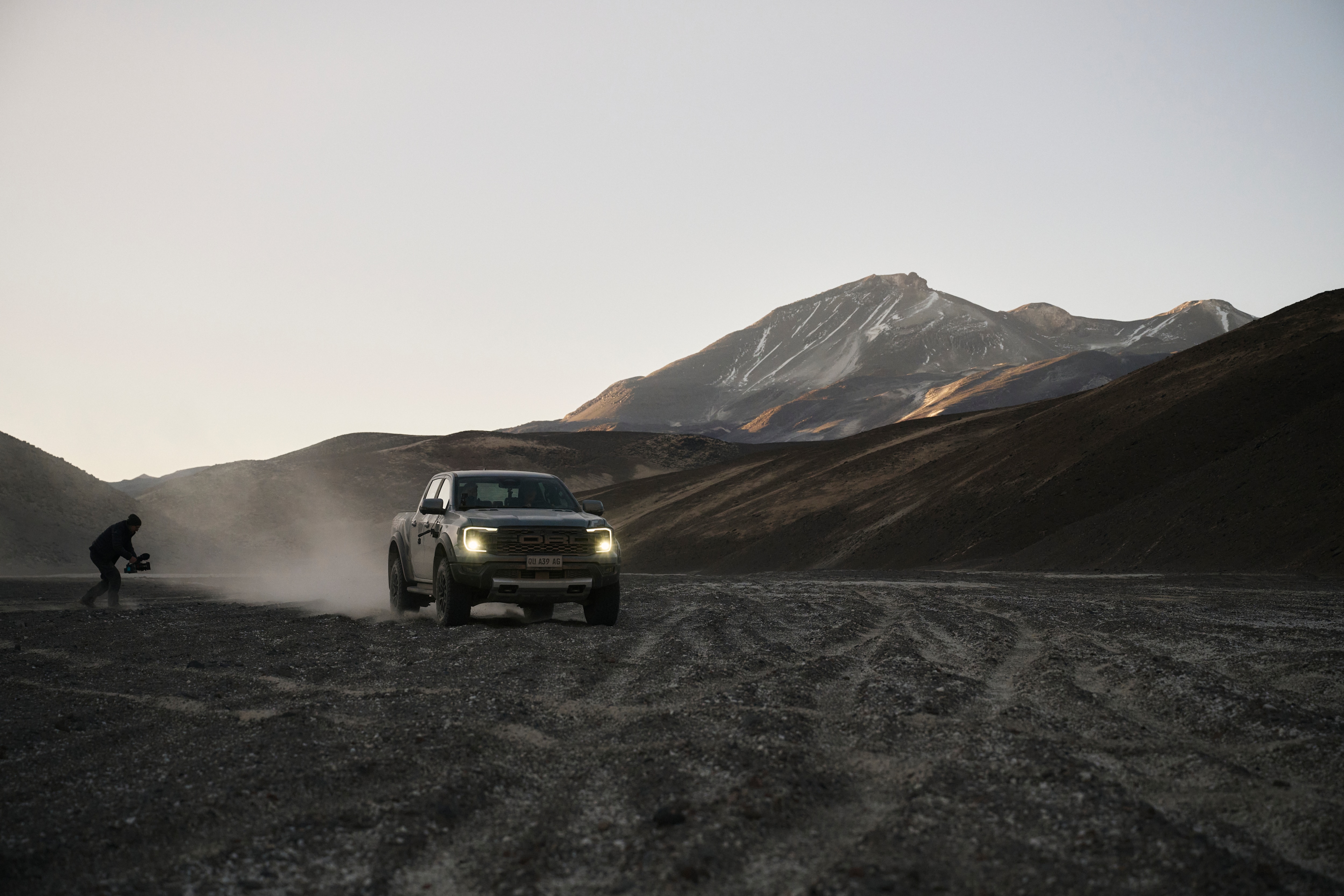
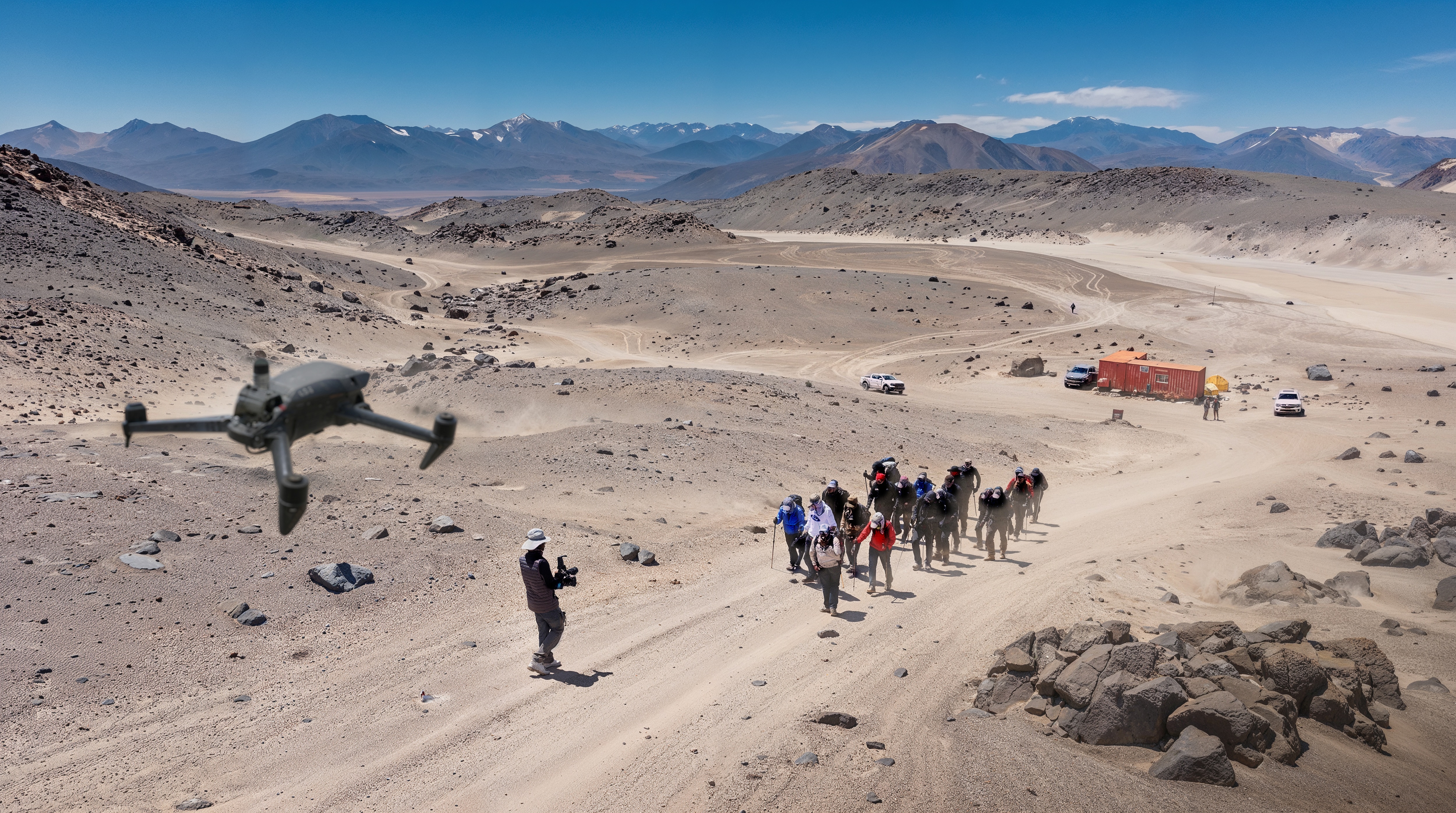
This was a moving story — quite literally — and the journey through the landscape mattered just as much as the destination. Long approach roads, vast volcanic plains, altitude tracks that stretch to the horizon, all of it became part of the narrative we were trying to capture.
The effort relied on a family of Ford off‑road vehicles working together: Ranger Raptors, an Expedition Tremor, and Everest, which transported the runners, athletes, medics, and safety team across terrain that offered no margin for error. Alongside them, a Ford Expedition Platinum became our primary filming vehicle, a mobile camera platform that allowed us to capture the team’s every move safely and cinematically.
Being able to travel with the group, reposition quickly, and film convoy sequences on the road gave the story a sense of scale and progression that simply wouldn’t have been possible otherwise.
As conditions became more extreme, the vehicles naturally evolved into something else altogether: rolling basecamp.
More than Transport
In an environment where helicopters are unreliable and infrastructure simply doesn’t exist, self‑sufficiency is critical. That's why the capable off-road vehicles didn’t just carry people — they carried everything else we’d need: cameras, lenses, drone systems, batteries, audio equipment, data, oxygen, medical supplies, and essential expedition gear.
When altitude sickness swept through the camp, sleep quickly became elusive. Senior Producer Fletch, demonstrating the kind of judgement that keeps expeditions moving, relocated himself to the back of the Expedition Platinum — now known as “Fletch’s Tent.” It proved to be a rare pocket of peace at altitude: a place to escape the noise, get some proper rest, and emerge the next morning noticeably smug.
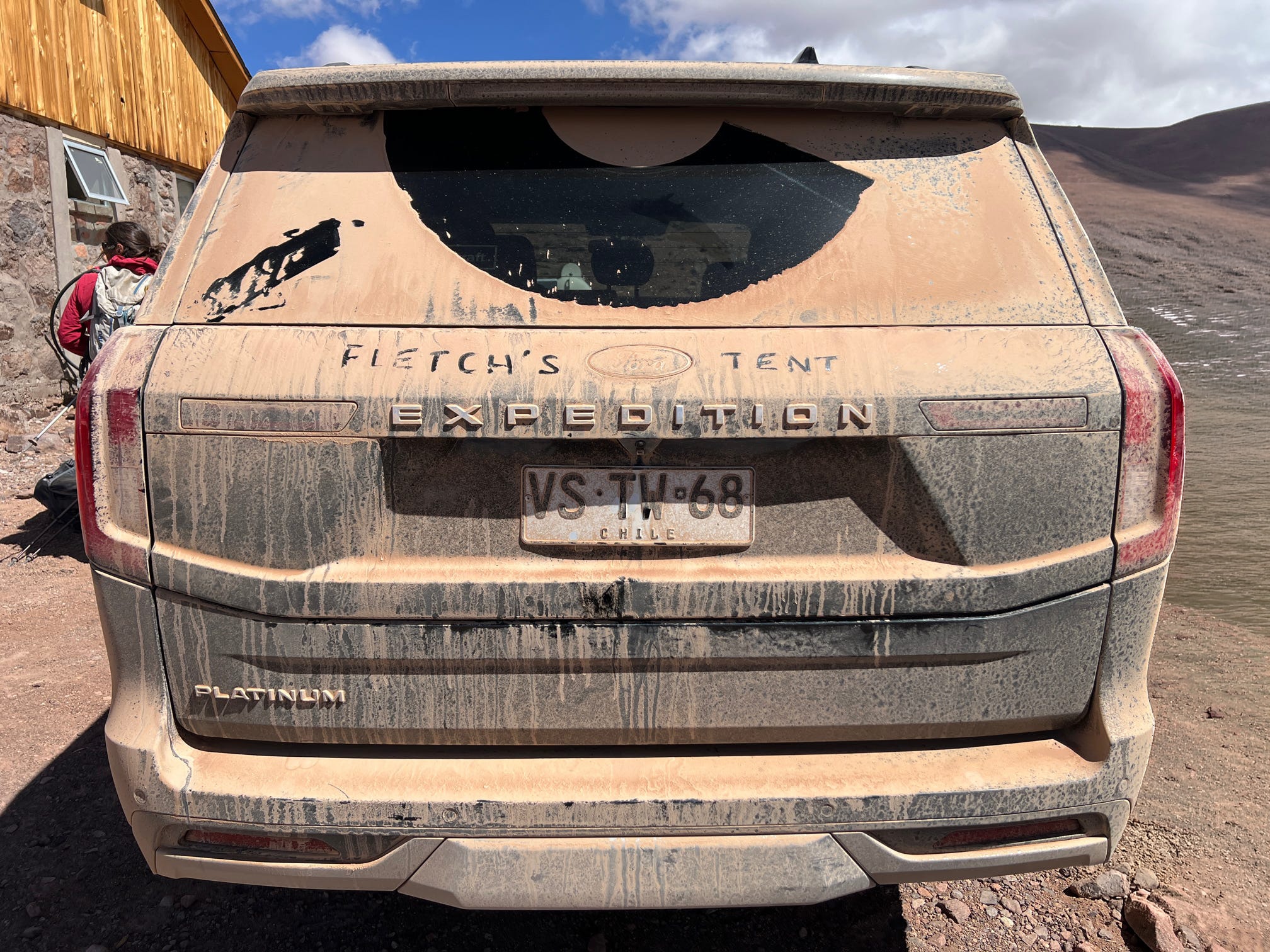
From a filmmaking perspective, this mobility gave us freedom. When weather windows opened, we could move. When conditions closed in, we could shelter, reduce risk, and rethink the plan. The road, such as it was, shaped the way we worked.
Capturing Scale Without Losing Humanity
Creatively, the challenge was always to balance scale with intimacy.
The landscapes were vast, dramatic, and overwhelming at times, and it was important to honor just how small humans are in that environment. Wide shots and aerials placed the athletes within the enormity of the mountain, while smaller, handheld setups captured conversations on the mountainside, someone stopping to catch their breath, a moment of reflection before pushing on.
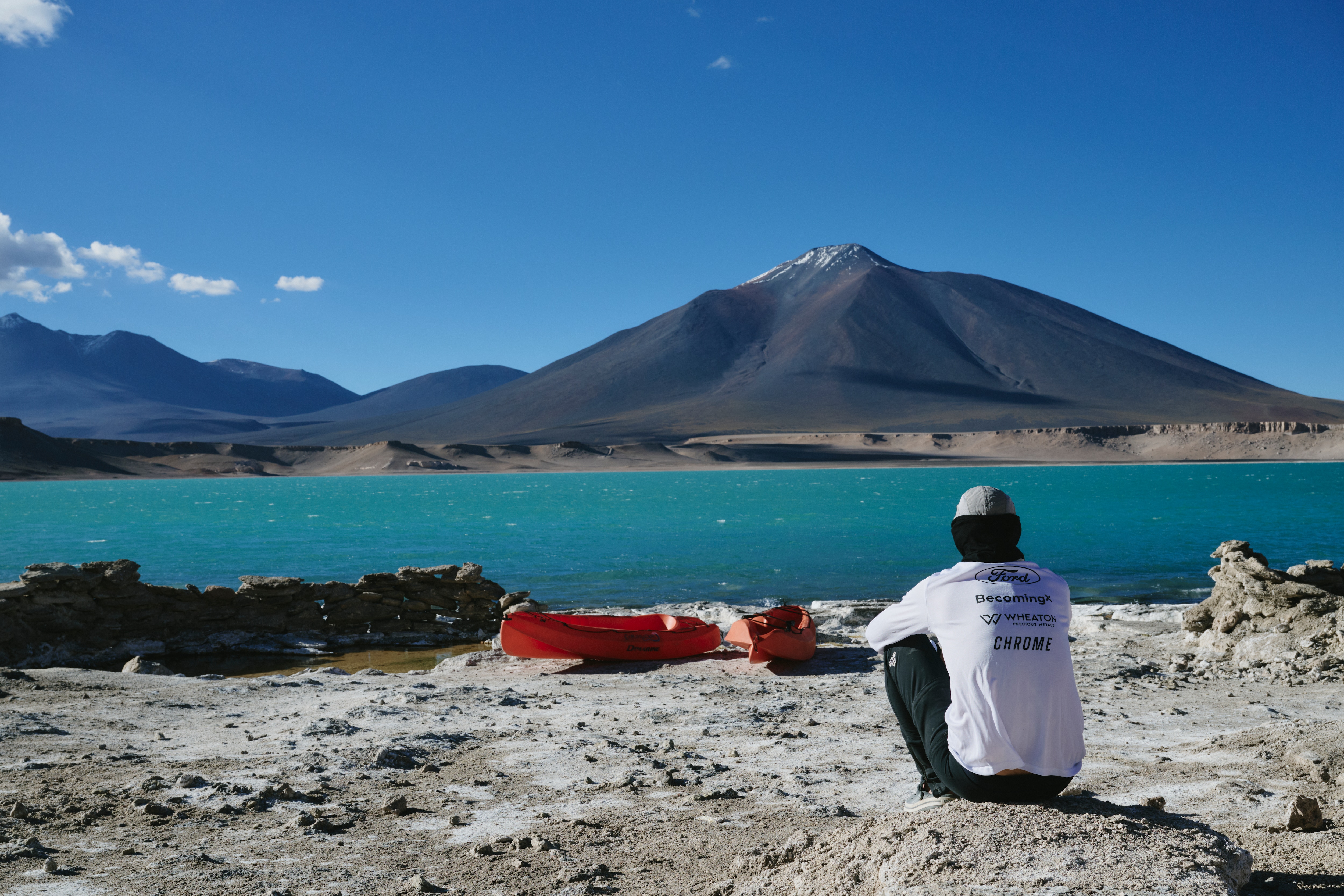
Those moments often happened because we could slow down, stop safely, and adapt quickly. That only works when the logistics underneath the story are solid.
The Team Behind the Film
This was Chrome Productions in our element — a high-stakes, logistically challenging project made possible by an experienced team comfortable operating in remote, high‑risk environments. Supporting the crew was an exceptional team of local location producers and guides. I led the project as executive producer, but in an environment like this, hierarchy falls away quickly.
.jpg)
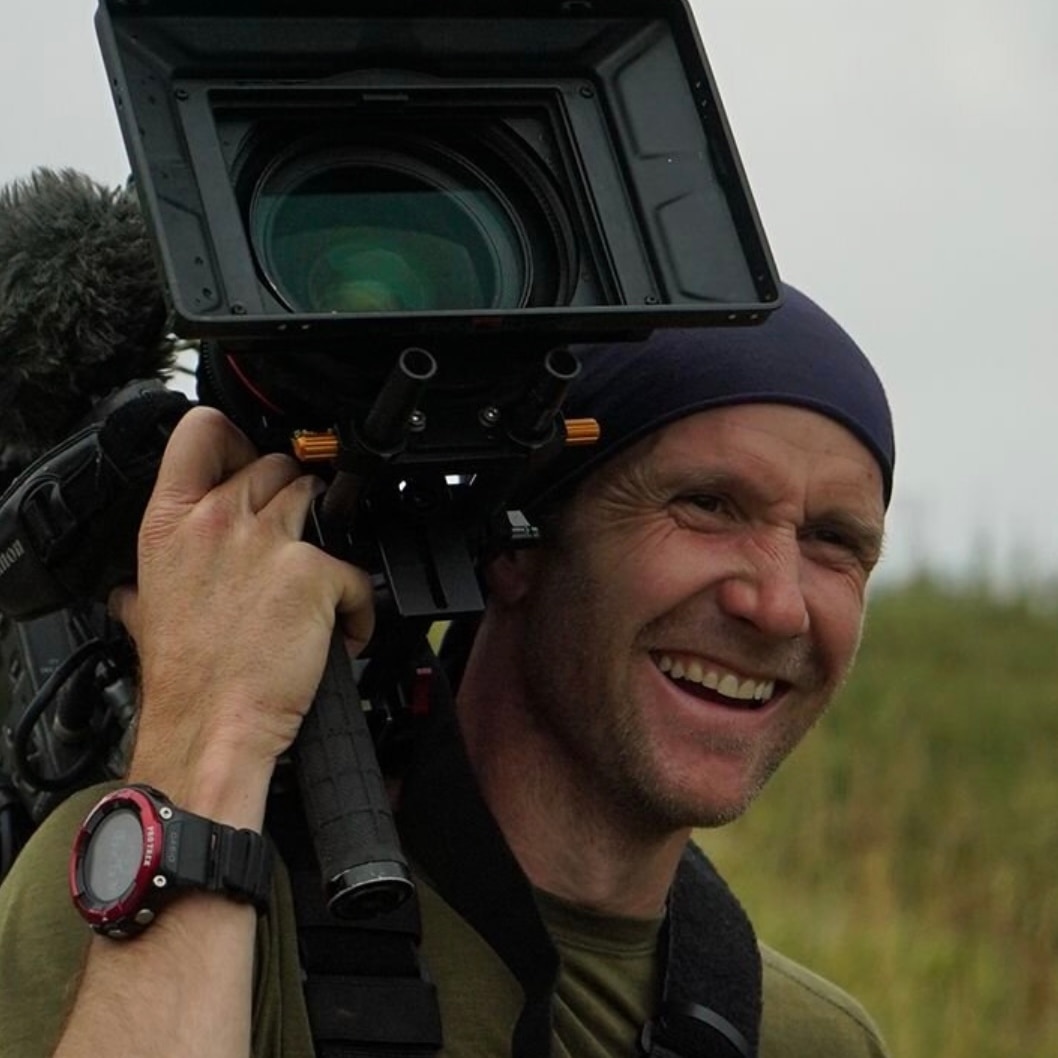
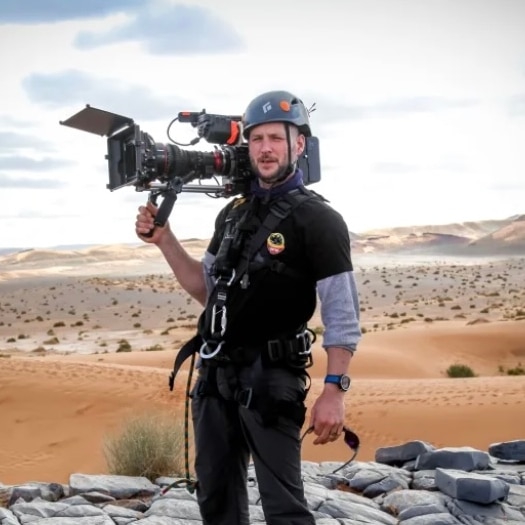
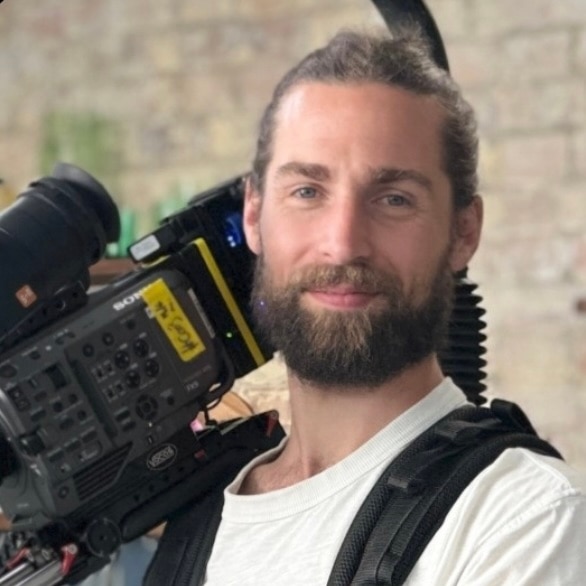
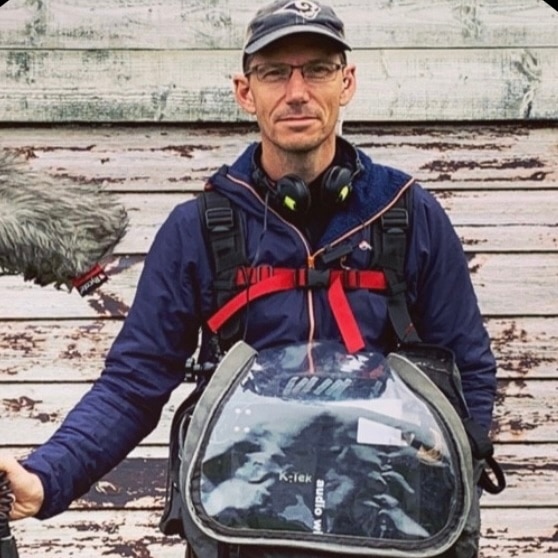
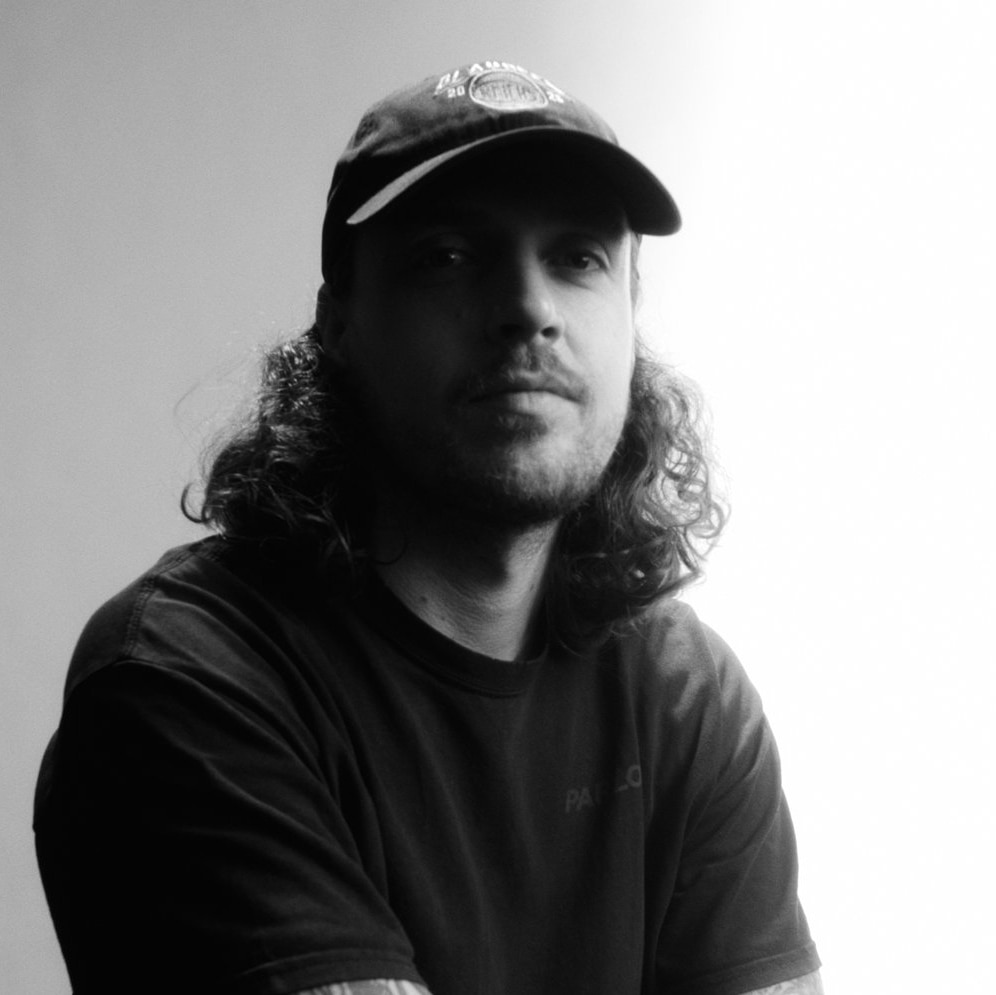
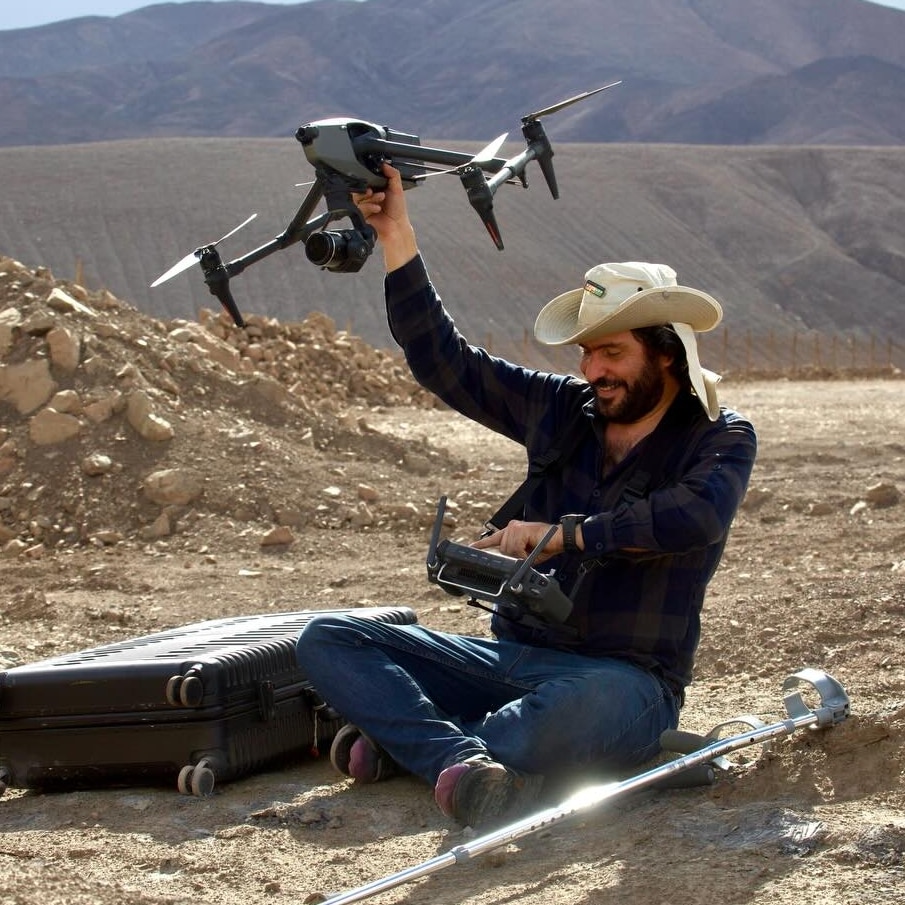
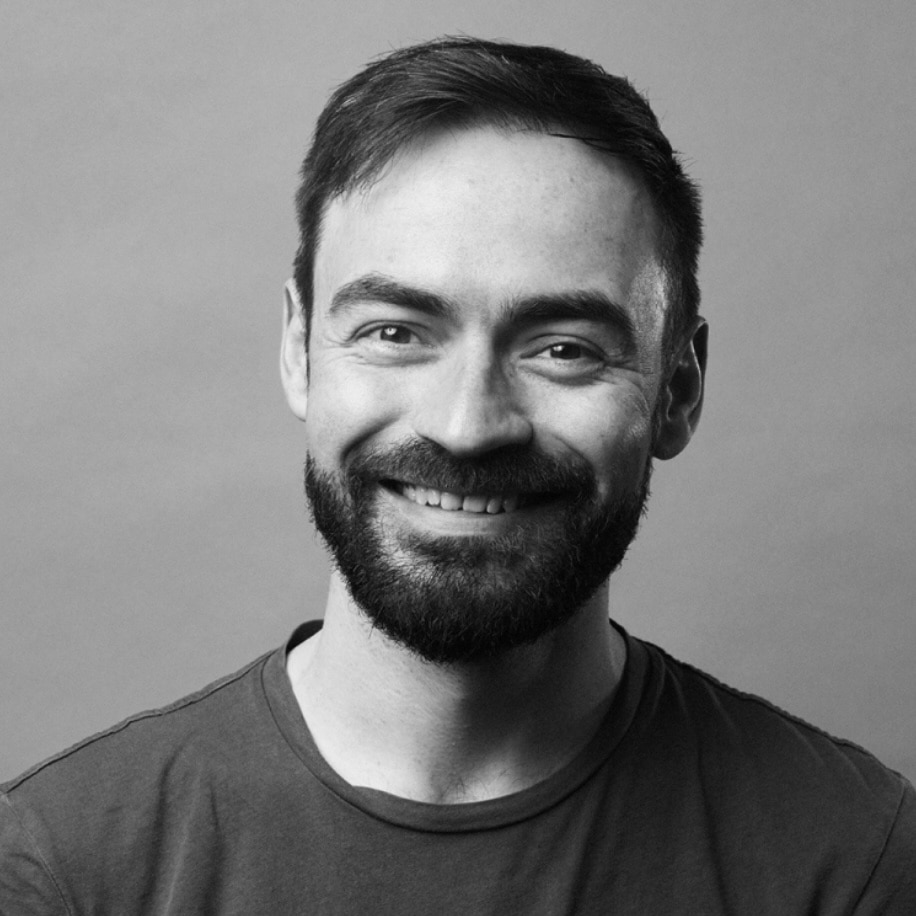
Everyone carries responsibility, and it’s that collective professionalism that made the film possible.
Why This Project Will Always Stand Out
I’ve been fortunate to work on many ambitious projects, but very few felt like this one.
Being part of the World’s Highest Marathon wasn’t just about documenting a record attempt. It was about witnessing, from the inside, what’s possible when extraordinary people come together with the right preparation, support, and tools in an environment that offers no forgiveness.
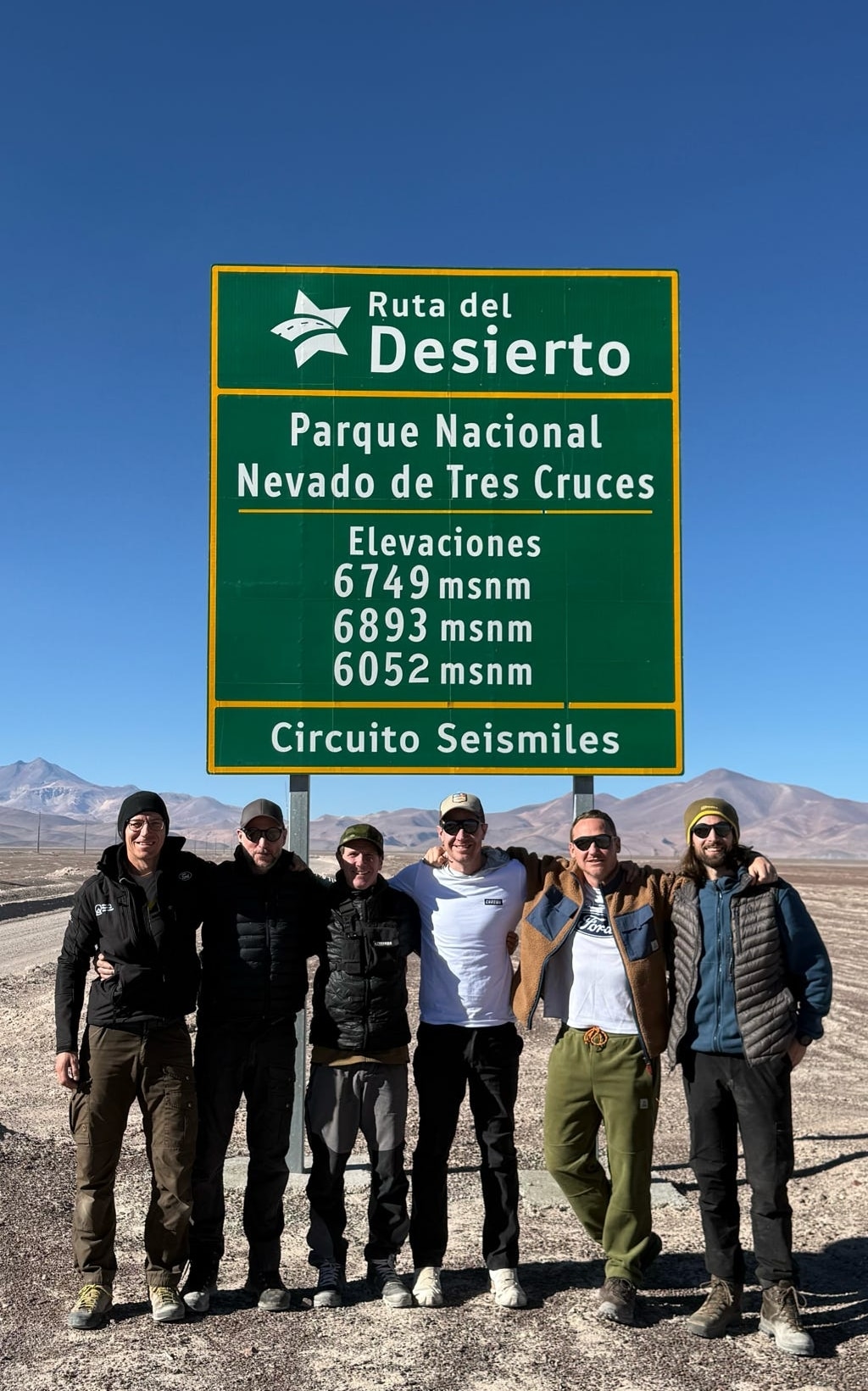
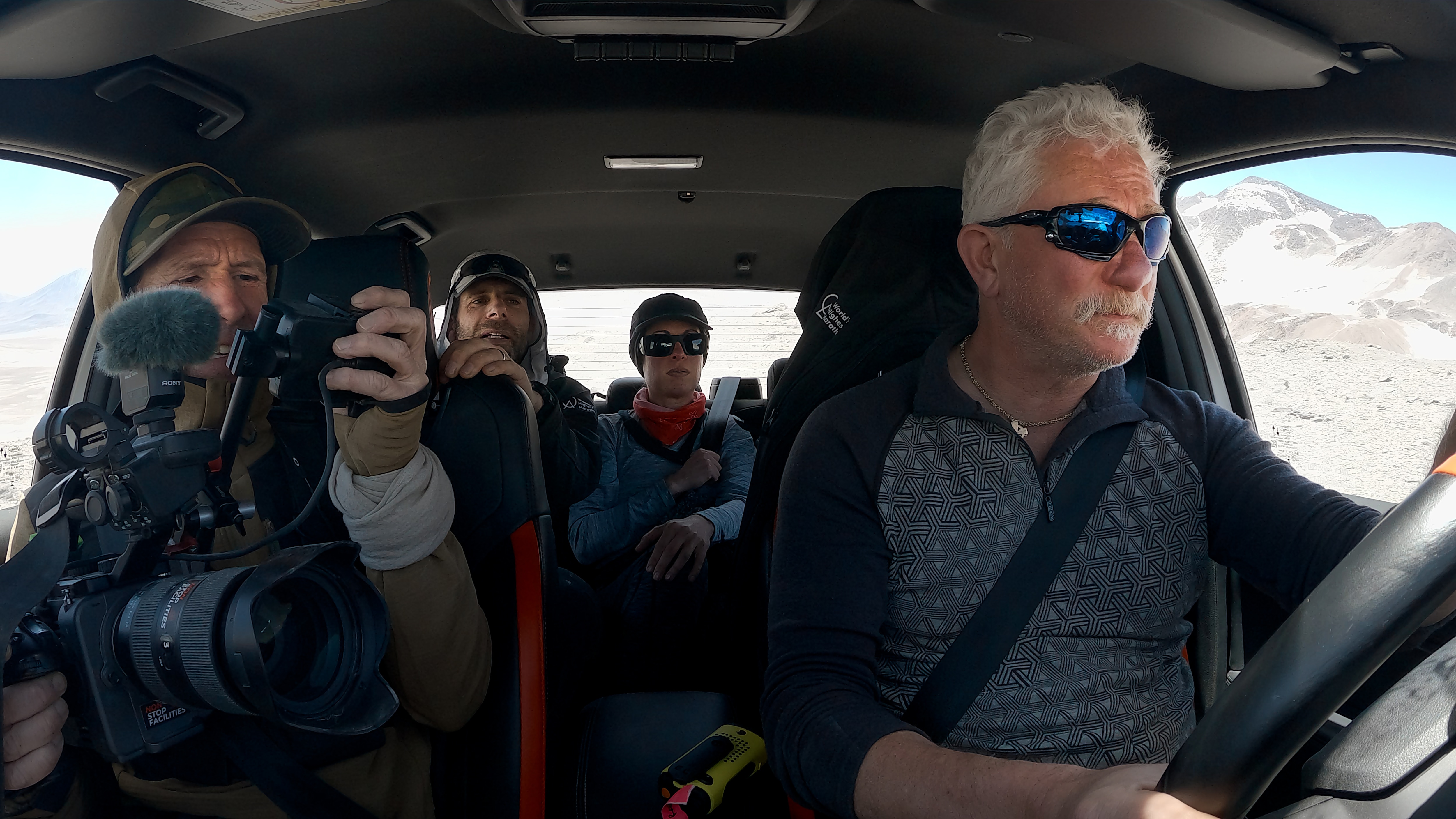
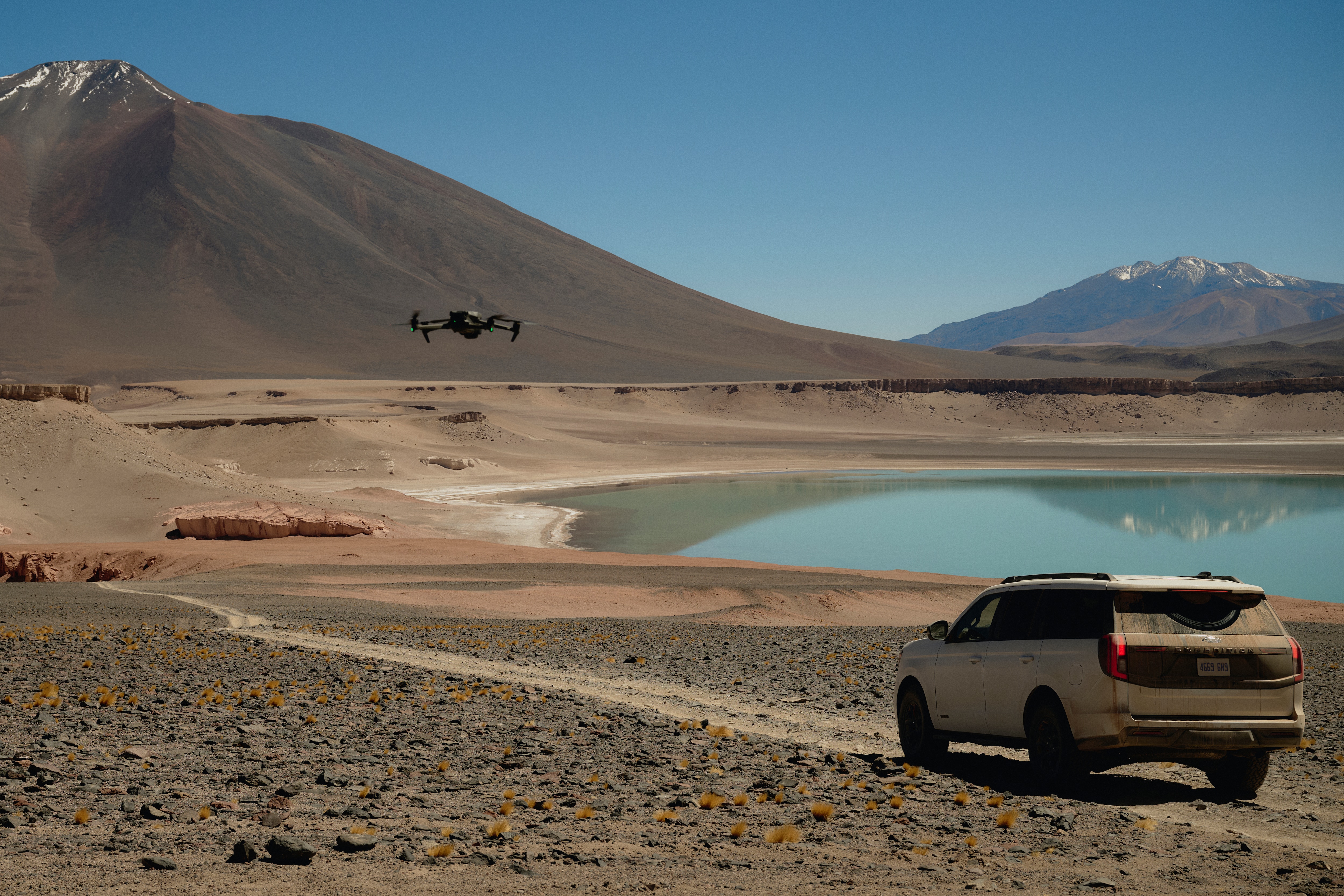
What stayed with me wasn’t just the scale of the landscapes or the physical achievement; it was the effectiveness of the systems supporting it all. The way the expedition functioned day after day. The way people could focus on what they needed to do because the vehicles beneath them simply worked.
Without the Ford off‑road family enabling movement, safety, and self-sufficiency at altitude, this expedition wouldn’t have happened, and this film wouldn’t exist. This, to me, is the embodiment of successful Branded Entertainment, a must-watch tale of human endeavour, where Ford didn’t just participate with a logo... they became an essential character in the storytelling.
Check out the full documentary.

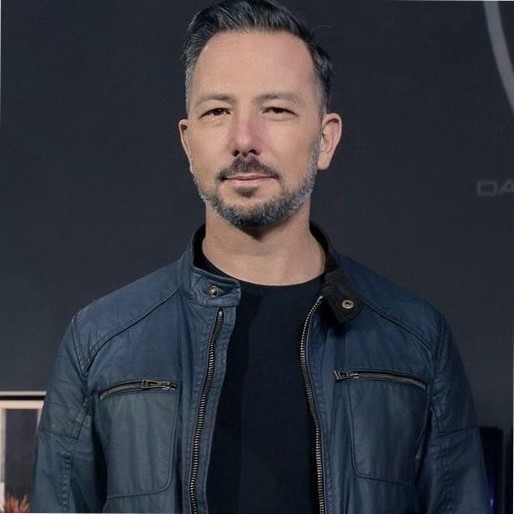
Mark Wilson is the executive producer of Chrome Productions.
The World’s Highest Marathon documentary was packaged and produced by Chrome Productions, in partnership with Ford and BecomingX.